10 Types Of Gloves : Guide to Choosing the Right Pair
Gloves are worn for many reasons, including protection, fashion, and sports. They come in various styles and materials to suit different tasks and environments. Understanding the types of gloves can help people choose the right pair for their needs.
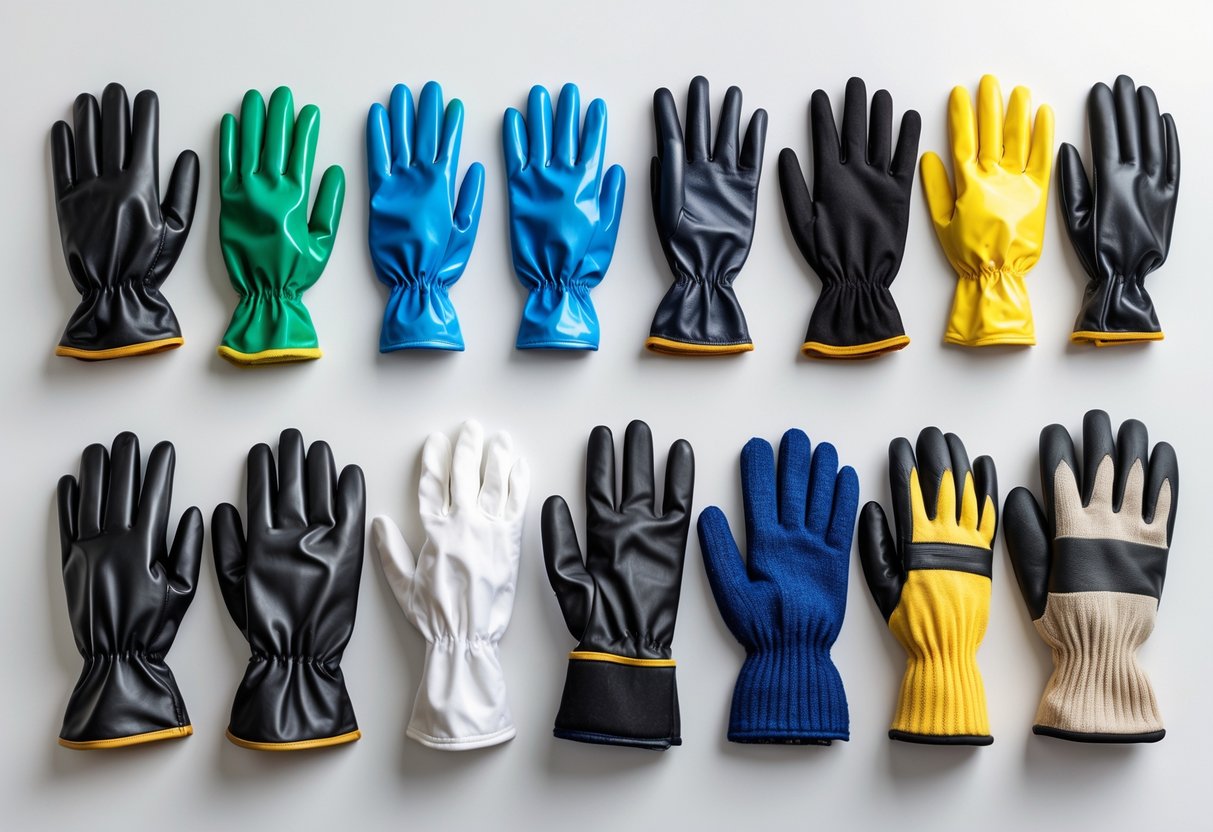
The main value of gloves lies in their ability to provide safety, comfort, and style depending on the situation. From work gloves to medical gloves, each type serves a unique purpose. This article will explore the different kinds of gloves and their uses.
1) Latex Gloves
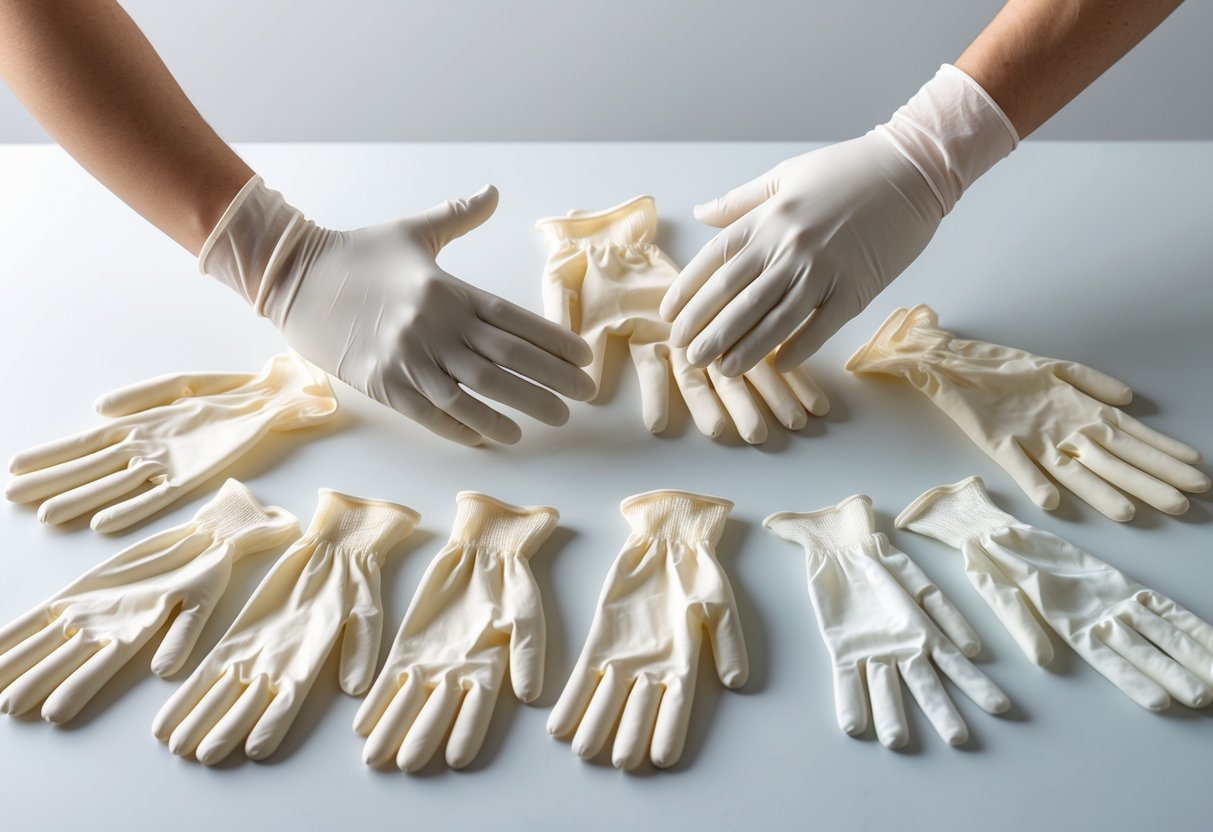
Latex gloves are made from natural rubber latex, a material that offers good elasticity and comfort. They fit closely to the hand, allowing for precise movements and good dexterity.
These gloves protect the hands from liquids, bacteria, and certain chemicals. They are commonly used in medical, food handling, and cleaning industries because they provide a barrier against germs and contamination.
Latex gloves come in different forms, including powdered and powder-free. Powder-free gloves are preferred in medical settings to reduce allergic reactions.
They offer strength and durability but may cause allergies in some people due to natural latex proteins. Alternatives like nitrile gloves are often used for those with latex sensitivity.
Latex gloves are designed to meet safety standards, ensuring they provide reliable protection when handling biological materials or chemicals. They are widely used because of their balance between comfort and protection.
2) Nitrile Gloves
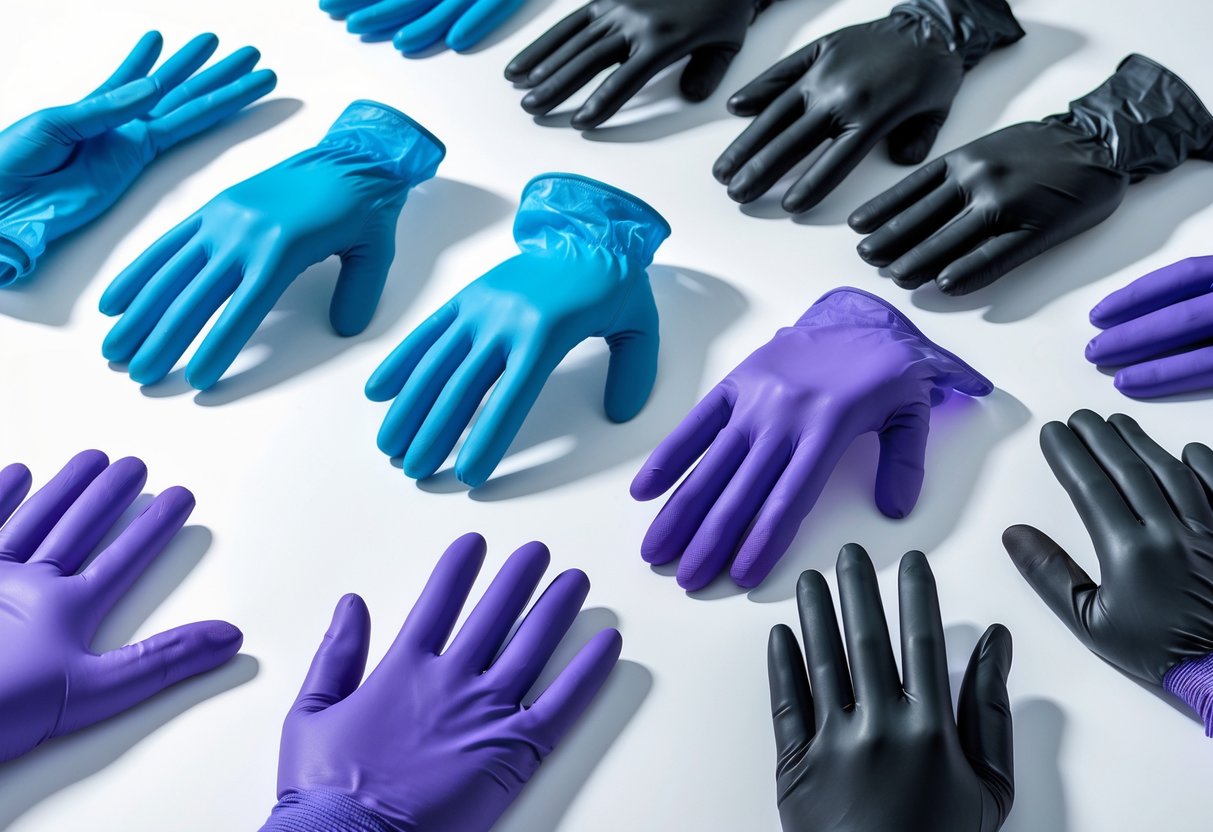
Nitrile gloves are made from synthetic rubber. They offer good resistance to many chemicals, making them useful in medical, food, and industrial settings. They do not contain latex, so they reduce the risk of allergic reactions.
These gloves are durable and provide a strong barrier against oils, greases, and certain solvents. They are also more puncture-resistant than natural rubber gloves.
Nitrile gloves come in different thicknesses and types. Thicker gloves offer better protection but may reduce dexterity. Choosing the right glove depends on the task and exposure risks.
They are commonly used by healthcare workers, food handlers, and workers in manufacturing. Nitrile gloves are also popular for cleaning and DIY projects due to their balance of comfort and protection.
Proper selection and use of nitrile gloves are important for safety. Users should check for chemical resistance ratings and ensure the gloves fit well to avoid hand fatigue.
3) Vinyl Gloves

Vinyl gloves are made from synthetic plastic, specifically polyvinyl chloride (PVC). They are latex-free, which makes them a suitable choice for people with latex allergies.
These gloves offer a loose, comfortable fit and are easy to wear for long periods. They are not as stretchy or durable as latex or nitrile gloves but provide enough protection for many low-risk tasks.
Vinyl gloves work well in food handling, cleaning, and other jobs that do not require strong chemical resistance or high sensitivity. They are affordable and widely used in industries where cost is a factor.
While vinyl gloves are less resistant to punctures and chemicals, they can still protect against germs and basic contaminants. Their smooth texture makes them easy to put on and remove.
They are best used for short-term tasks or when frequent glove changes are needed. Vinyl gloves offer versatility but are not recommended for medical procedures or high-risk environments.
4) Leather Gloves
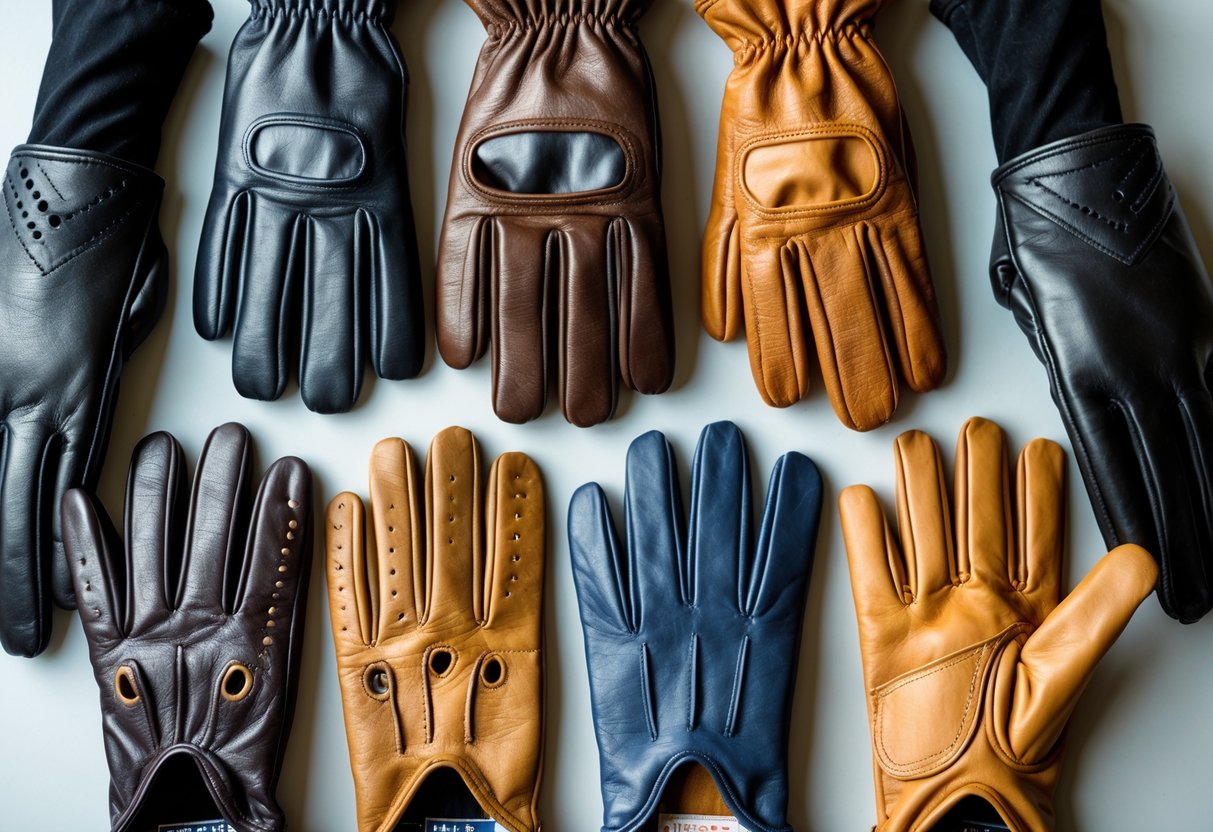
Leather gloves are known for their durability and comfort. They are often used for work, fashion, and protection.
Different types of leather provide different benefits. Cowhide is strong and resists wear, making it great for heavy-duty work. Goatskin is softer and more flexible, good for tasks needing dexterity. Lambskin feels smooth and is often chosen for luxury gloves.
Pigskin leather is breathable and stays soft even when wet. Deerskin offers good comfort and durability. Some leather gloves are also made with synthetic options like PU leather, which is cheaper and vegan-friendly.
Leather gloves protect hands from cold, cuts, and abrasions. Their design varies based on use, but quality leather remains key to performance and comfort. Proper care can keep leather gloves in good shape for a long time.
5) Winter Gloves
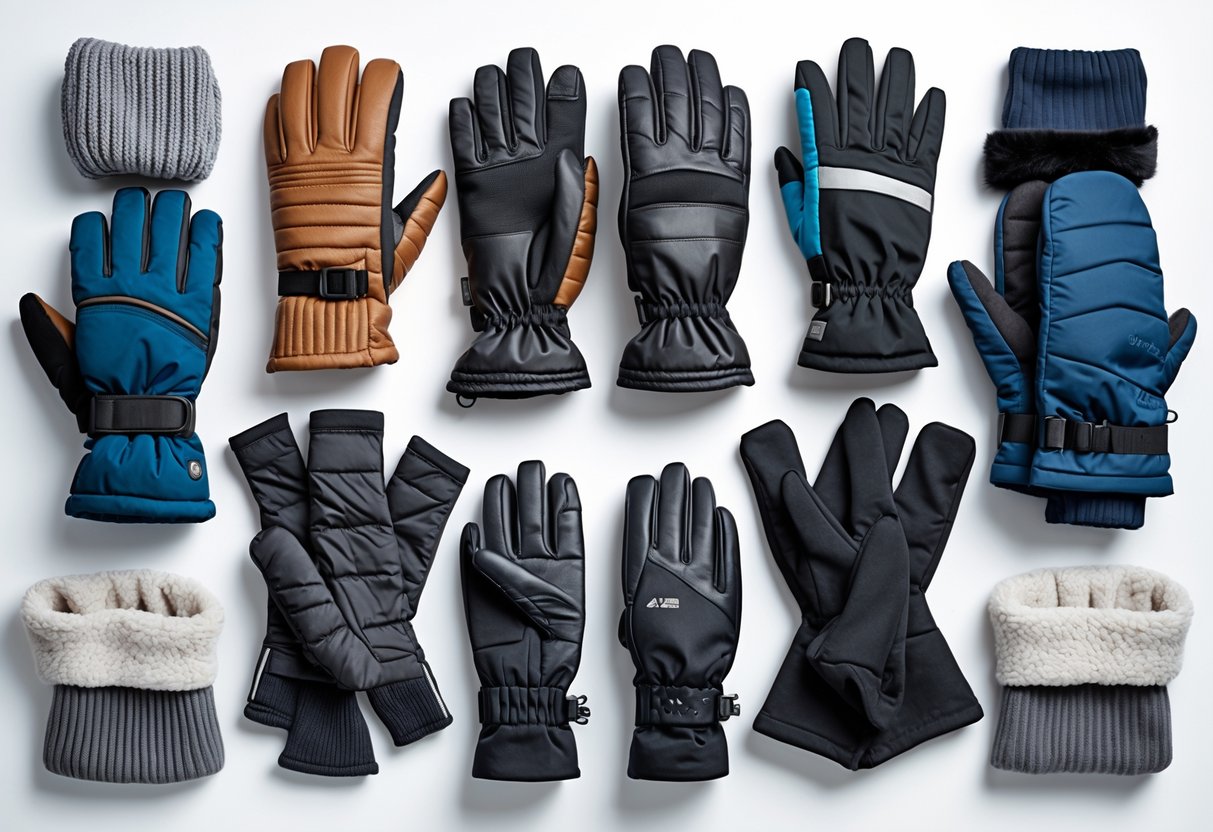
Winter gloves are designed to keep hands warm and dry in cold weather. They come in many types, often with different materials and insulation levels.
Fleece gloves are soft and flexible. They offer good movement and keep hands warm for light winter activities.
Wool gloves provide natural warmth and breathability. They work well for casual use and come in different thicknesses and styles.
Some winter gloves have heavy insulation, good for very cold temperatures. These often include waterproof layers to protect against snow and ice.
Touchscreen gloves have special fingertips. These let people use phones without taking off their gloves.
Choosing the right winter glove depends on the activity and weather. Gloves for outdoor work may differ from those used for skiing or walking in the city.
6) Gardening Gloves
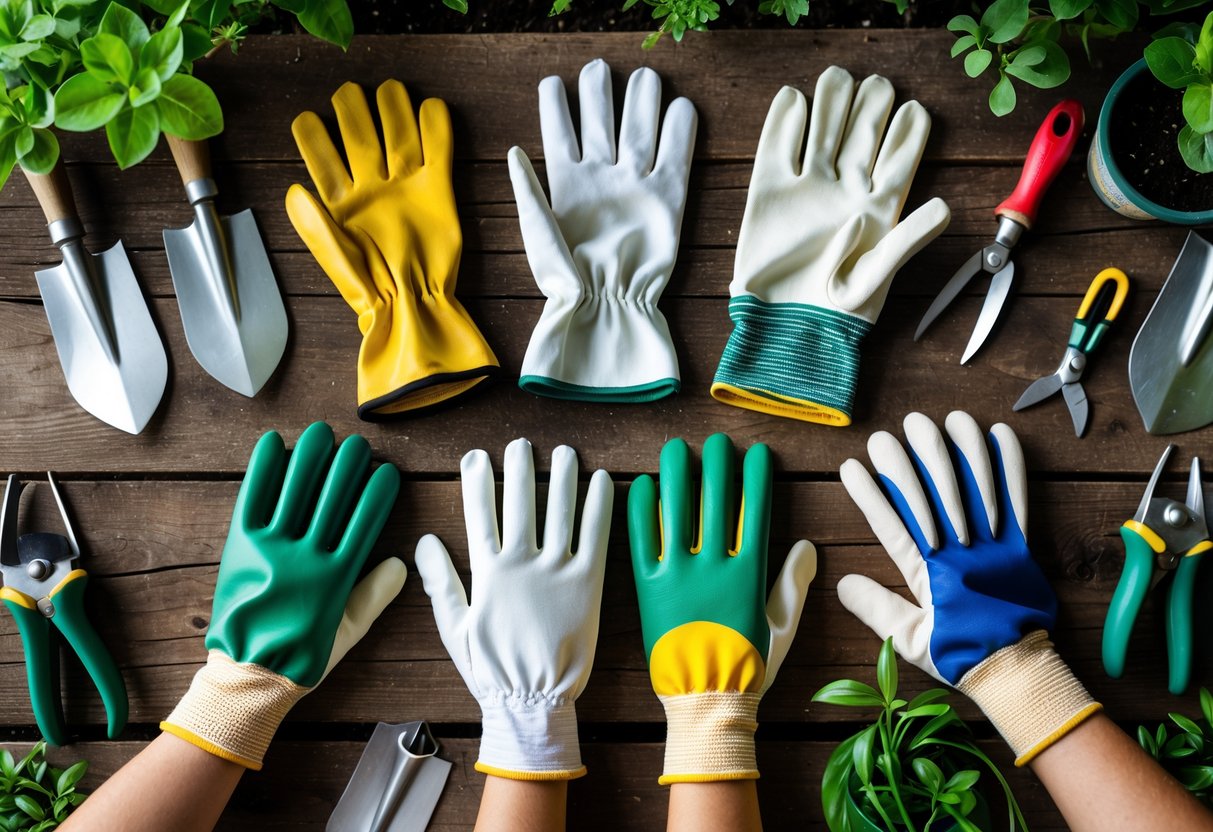
Gardening gloves protect hands from dirt, thorns, and scratches while working in the garden. They help prevent blisters and reduce exposure to harmful substances. Different gloves suit different tasks, so choosing the right type is important.
Leather gloves are strong and offer good protection against sharp branches and rough surfaces. They are durable and often used for heavy-duty gardening. Rubber or latex gloves provide better grip and are good for planting or handling wet soil.
Some gloves are designed to be breathable, keeping hands comfortable during long work sessions. Gloves come in various sizes to fit different hand shapes, which helps improve dexterity. Proper care, like cleaning and drying, can extend the life of gardening gloves.
Wearing the right gardening gloves makes it easier and safer to manage plants. They support a wide range of garden chores, from handling seedlings to tough outdoor tasks.
7) Mechanic Gloves
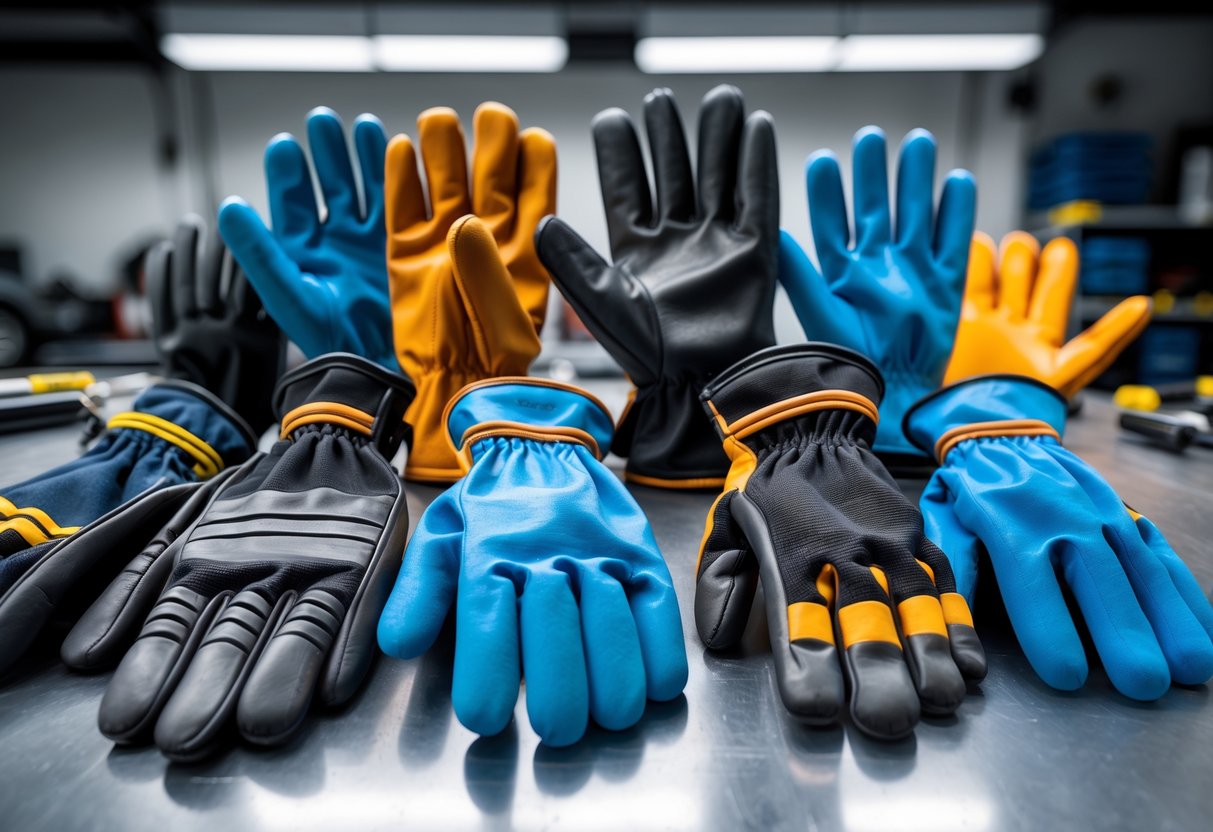
Mechanic gloves are designed to protect hands during automotive and mechanical work. They help prevent cuts, scrapes, and contact with grease or harmful chemicals. These gloves also improve grip, making it easier to handle tools and parts safely.
There are several types of mechanic gloves. Disposable gloves, made from materials like nitrile or latex, protect against chemicals and dirt. They are thin and designed for short-term use. Reusable gloves, often made from leather or synthetic fabrics, offer durability and protection for heavier tasks.
The right mechanic gloves fit well and allow hand movement without limiting dexterity. They reduce hand fatigue and keep hands cleaner during long jobs. Some gloves focus on specific features like cut resistance or extra padding for impact protection.
Mechanic gloves are essential for anyone working with cars, machines, or tools regularly. Choosing the right type depends on the job requirements and level of protection needed.
8) Medical Examination Gloves

Medical examination gloves are used for non-sterile medical tasks. They protect healthcare workers and patients from infections and contamination during routine procedures. These gloves are disposable and designed for single use.
There are three main types: latex, nitrile, and vinyl. Latex gloves come from natural rubber and offer good comfort and sensitivity. They are often chosen for tasks needing precision.
Nitrile gloves are synthetic and more resistant to chemicals and punctures. They are a good choice when durability is important. Vinyl gloves are less expensive but provide lower protection and sensitivity. They work well for short, low-risk tasks.
Examination gloves meet specific standards but do not require the sterility that surgical gloves demand. They are widely used in clinics, labs, and for general medical exams. Choosing the right type depends on the procedure, allergy concerns, and protection needed.
9) Tactical Gloves
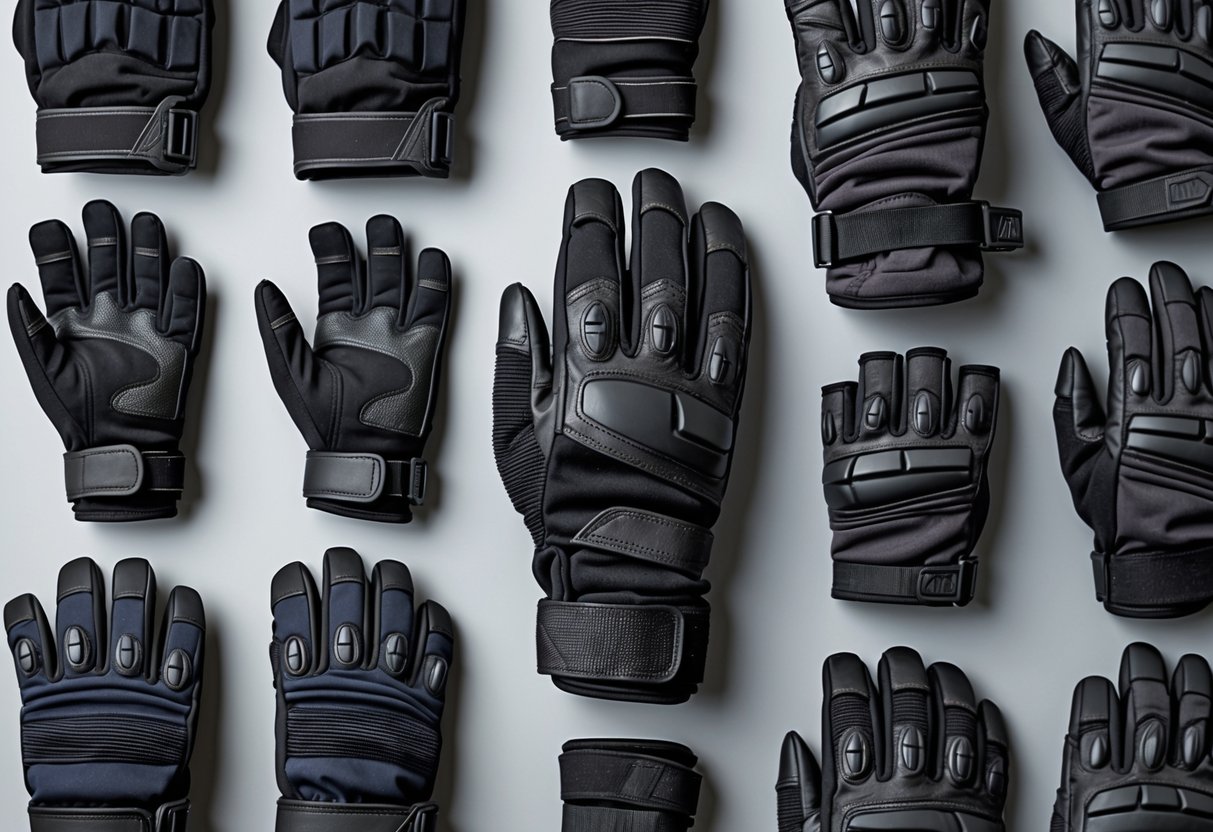
Tactical gloves are designed for use in tough outdoor activities, military operations, and law enforcement work. They provide protection, better grip, and improved hand dexterity. These gloves are made from materials that balance strength and flexibility to keep hands safe and functional.
Different types of tactical gloves serve specific purposes. Combat gloves often have extra padding and armored knuckles to protect hands during close combat or heavy use. Shooting gloves focus on grip and finger movement for precise tasks, such as firing a weapon.
Some tactical gloves also include touchscreen-compatible fingertips. This feature allows users to operate devices without removing the gloves. Overall, tactical gloves are meant to protect hands from impacts, weather, and rough surfaces while maintaining comfort and control.
10) Welding Gloves
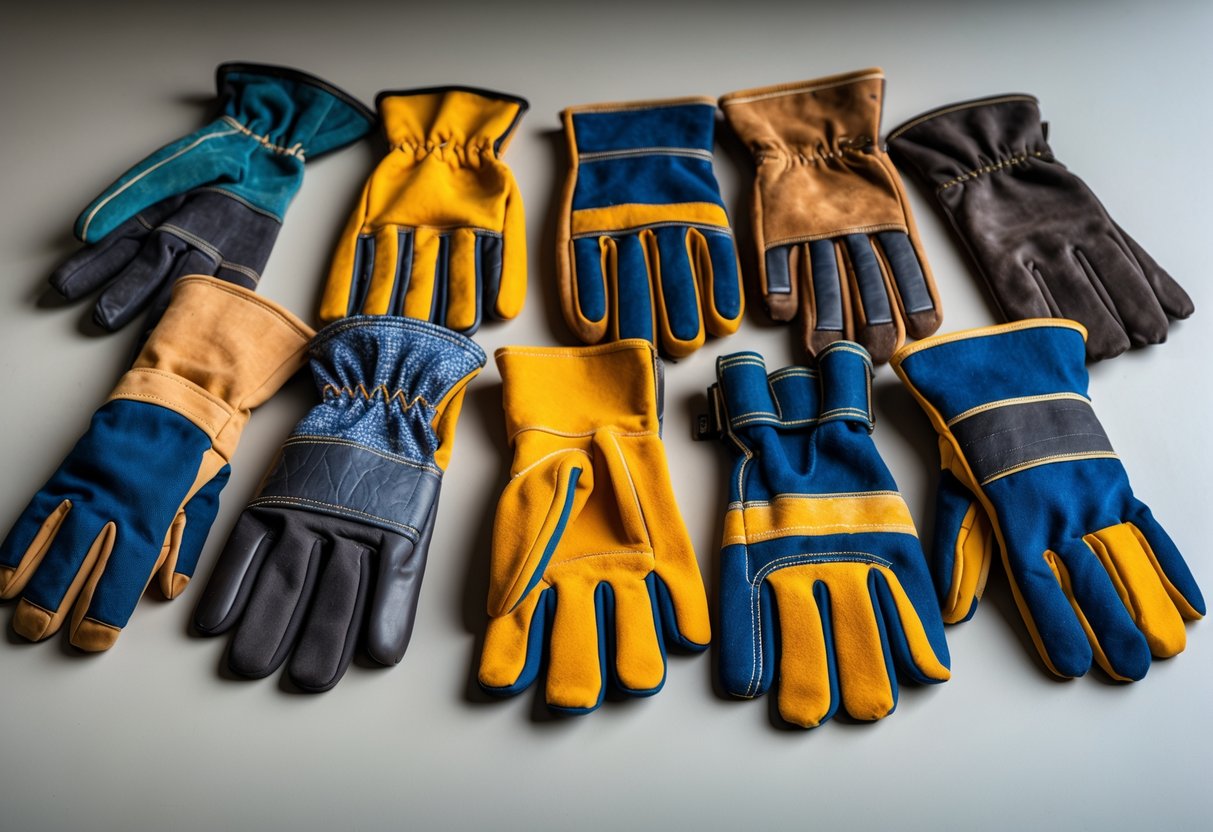
Welding gloves protect hands from heat, sparks, and sharp metal edges during welding. They are made from thick, heat-resistant materials like leather to shield the welder from burns and injuries.
Different welding methods need different gloves. TIG welding requires thinner gloves for better dexterity and control. MIG welding gloves balance heat protection and flexibility. Stick welding gloves offer the most heavy-duty protection against high heat and rough conditions.
Welding gloves also protect from electrical shocks and UV radiation. They should fit well to allow finger movement while keeping safety in mind. Choosing the right gloves affects both safety and work quality.
Durability and grip are important features. Gloves often include reinforced areas to prevent wear and enhance handling. Heat resistance varies by glove type, with stick welding gloves providing the highest level.
Welders must select gloves based on their specific tasks and environment to ensure proper protection without losing comfort or performance.
Choosing the Right Type of Glove
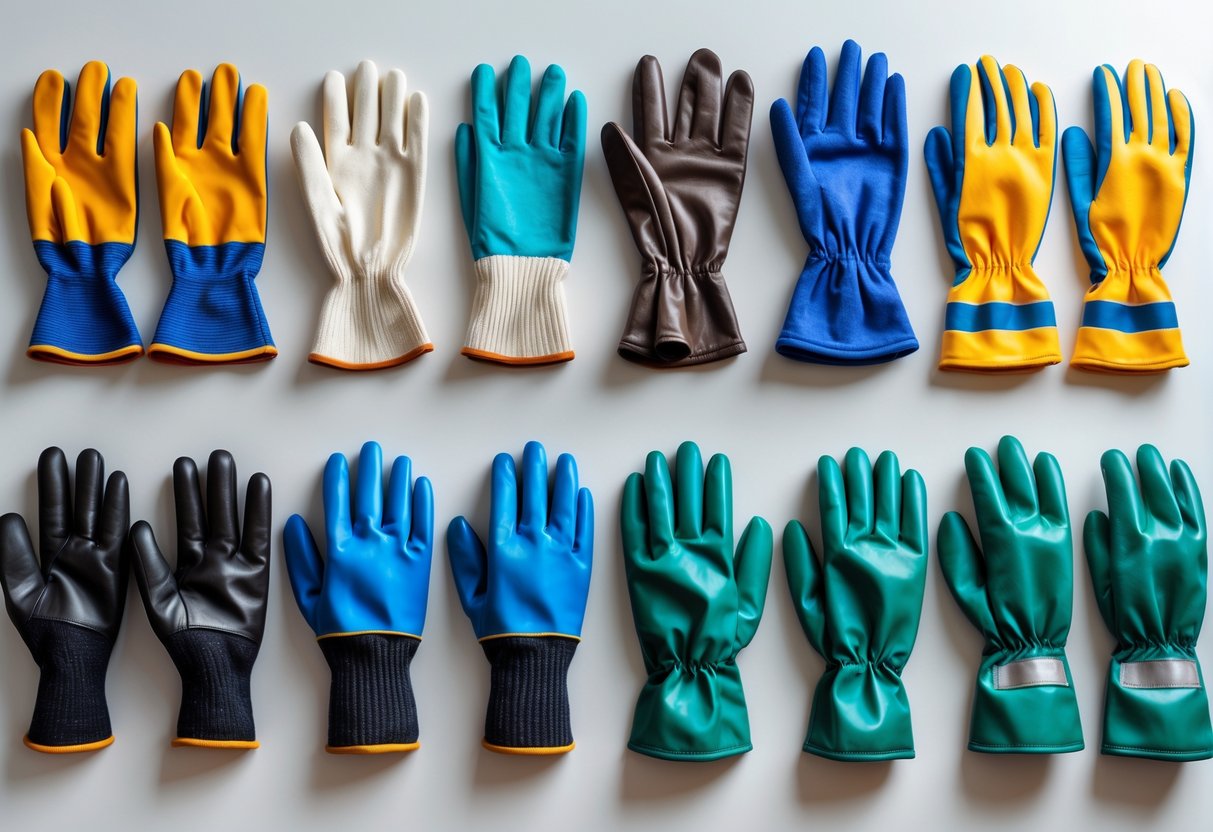
Selecting the correct glove depends on evaluating the work environment, the tasks involved, and the specific hazards present. It also requires understanding glove materials and ensuring the glove fits well. These factors work together to provide effective hand protection without compromising comfort or dexterity.
Factors to Consider
The main factors include the type of hazard, the level of protection needed, and how the gloves will be used. Hazards might involve chemicals, cuts, heat, or impact. Each risk requires gloves with specific properties.
Grip is important, especially in wet, oily, or dry conditions. Gloves should offer a good grip to prevent accidents. Temperature also matters; gloves for cold or hot tasks need insulation or heat resistance.
Comfort and ease of use affect compliance. Gloves that are uncomfortable or restrict movement discourage wear, increasing injury risk. The length of wear and the need for dexterity should also be evaluated to pick the right gloves.
Material Comparison
Gloves come in many materials, each suited for different hazards:
- Nitrile: Resistant to chemicals and punctures, good for oily or wet work.
- Latex: Offers good flexibility and comfort but can cause allergic reactions.
- Leather: Durable and good for heat and abrasion but not for wet or chemical exposure.
- Kevlar: Cut-resistant, ideal for sharp object handling.
- Rubber: Great for chemical protection but less durable for physical hazards.
Choosing the right material depends on the task’s risks and how the gloves will be maintained and replaced. Mixing materials, like a leather glove with a rubber coating, can provide balanced protection.
Sizing and Fit
Proper sizing is crucial for protection and comfort. Gloves that are too tight reduce circulation and make hands tire faster. Gloves that are too loose can catch on equipment and reduce grip.
Workers should measure hand circumference and length when selecting gloves. Sizes typically range from small to extra-large, but checking fit by trying gloves on is best.
The right fit also affects dexterity. Fine tasks need gloves that allow finger movement without bulk. Gloves with adjustable cuffs help secure the glove and keep debris out.
Care and Maintenance of Gloves
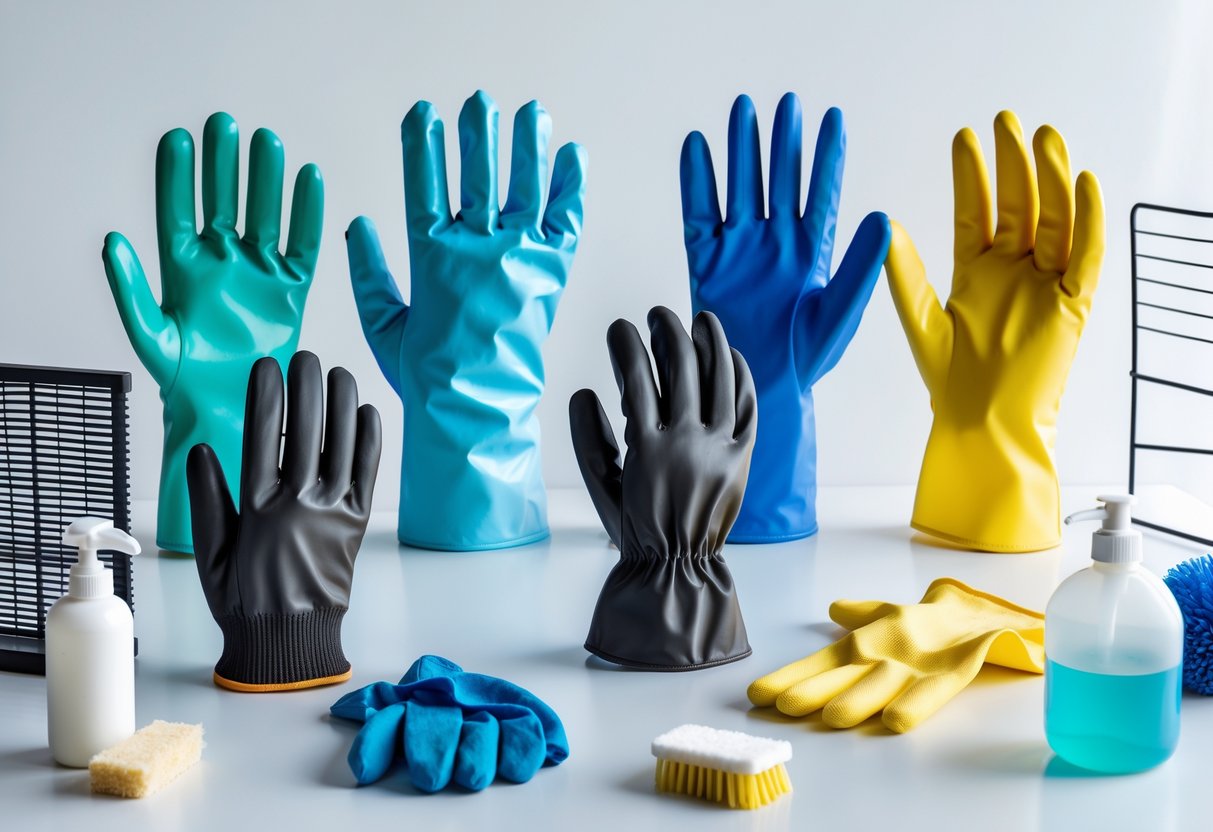
Proper care and upkeep help extend the life of gloves and keep them effective. Cleaning, storage, and knowing when to replace gloves are all key to maintaining hand protection.
Cleaning Methods
Gloves should be cleaned according to their material. For leather gloves, use a damp cloth with mild soap and avoid soaking them. Synthetic gloves often handle machine washing but check the label first.
After washing, gloves must be air-dried away from direct heat or sunlight. Heat can damage the fibers and reduce protection.
If gloves are used with chemicals or hazardous materials, they may require special cleaning or disposal. Always follow manufacturer instructions to avoid harming the glove’s protective qualities.
Proper Storage Tips
Gloves need to be stored in a cool, dry place. Avoid areas where moisture collects or where they’re exposed to sunlight for long periods.
Store gloves flat or hanging to prevent misshaping. Keep them away from sharp objects that might cause cuts or punctures.
For reusable gloves, ensure they are clean and dry before storing. This prevents mold, mildew, and material breakdown that happens with trapped moisture.
When to Replace Gloves
Gloves should be replaced immediately if they show signs of holes, tears, or thinning. Loss of flexibility or stiffness also means reduced protection.
If gloves are heavily contaminated with chemicals or substances that can’t be removed, they should be discarded. For disposable gloves, never reuse them.
Regular inspection before use is important. Damaged or worn gloves increase injury risk and no longer meet safety standards.
Frequently Asked Questions
Gloves vary by material, size, and purpose. Some gloves protect against chemicals, while others guard against cuts. Proper fit and care ensure gloves work well and last longer.
What are the differences between nitrile, latex, and vinyl gloves?
Latex gloves offer good flexibility and comfort but can cause allergic reactions in some people. Nitrile gloves are stronger, resistant to many chemicals, and suitable for people with latex allergies. Vinyl gloves are less durable and best for low-risk tasks.
How do I determine the right glove size for my hands?
To find the right size, measure the circumference of the palm around the widest part, excluding the thumb. Gloves should fit snugly without being too tight, allowing full movement and comfort.
Can I reuse disposable gloves, or should they be one-time use?
Disposable gloves are designed for one-time use only. Reusing them risks contamination and reduces protection. It is safer to discard gloves after each use, especially in medical or food handling tasks.
What are the best gloves for chemical resistance?
Nitrile gloves provide strong resistance to many chemicals like oils, acids, and solvents. Some specialized gloves, such as butyl or neoprene gloves, offer higher protection for specific chemicals but are less common.
What level of cut protection do different safety gloves offer?
Safety gloves vary in cut resistance depending on their material and design. Leather gloves provide basic protection, while gloves with Kevlar or special fibers offer higher cut resistance for industrial tasks.
How should gloves be properly maintained and stored?
Gloves should be kept clean and dry to maintain their effectiveness. Store them in a cool, dry place away from direct sunlight and chemicals. Avoid folding or crushing gloves to prevent damage.