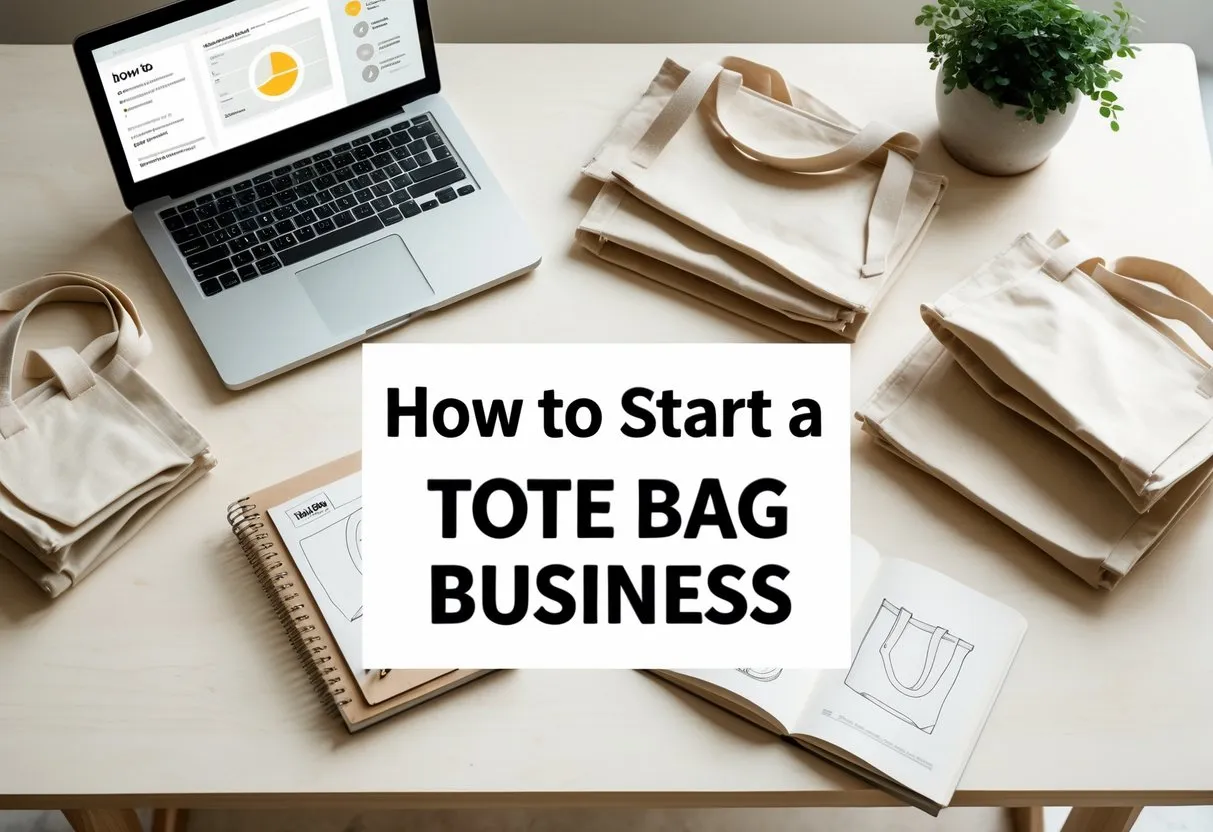
How to Start a Tote Bag Business: Step-by-Step Launch Guide
How to Start a Tote Bag Business is a smart choice in today’s market because tote bags are popular, practical, and eco-friendly. Success comes from understanding the market, creating a clear business plan, and building a brand that connects with customers. By focusing on quality products and effective marketing, a tote bag business can grow steadily.

To launch this kind of business, knowing how to register the company, set prices, and choose the right sales channels is essential. Whether selling online or at local fairs, strong design and good customer experience help a business stand out. With careful planning and the right tools, anyone can start a tote bag brand that attracts loyal buyers.
Table of Contents
Key Takeways
- A strong business plan and clear brand identity are vital for success.
- Legal registration and proper pricing support stable growth.
- Effective marketing and quality products boost customer loyalty.
Understanding the Tote Bag Industry

The tote bag industry is growing steadily as demand shifts toward sustainable and practical products. Success in this market depends on knowing current trends, clearly defining who buys tote bags, and understanding the main opportunities and challenges.
Current Market Trends for Start a Tote Bag Business
The tote bag market is expanding due to increased eco-consciousness and government bans on plastic bags in many countries. Globally, the market was valued at about USD 2.6 billion in 2023 and is expected to grow around 4.6% annually until 2032.
Consumers prefer reusable, durable materials like cotton, jute, and recycled fabrics. Customization and unique designs are in demand, especially for promotional use and fashion purposes. Online platforms and print-on-demand models have lowered startup costs, making the market more accessible.
Identifying Target Audience for Start a Tote Bag Business
Tote bags appeal to several groups, each with distinct needs. Eco-conscious shoppers want bags made from sustainable materials. Corporate clients seek bulk orders for branding and events. Fashion buyers look for trendy, stylish designs.
Successful businesses research their ideal customers closely. For example, millennials who prioritize environmental values, small businesses needing promotional items, or retail stores wanting reusable bags. Knowing the target audience helps decide materials, pricing, and marketing channels.
Opportunities and Challenges for How to Start a Tote Bag Business
Opportunities lie in the expanding market for eco-friendly products and flexible business models like print-on-demand, private label, or custom manufacturing. The low initial investment and broad customer base support growth.
Challenges include competition with large brands and maintaining high quality to stand out. Delivery speed, cost control, and finding reliable suppliers also require careful management. Navigating changing regulations and evolving consumer preferences is needed to stay relevant.
Crafting a Business Plan for Start a Tote Bag Business

A well-prepared business plan sets a clear direction for a tote bag business. It includes goals, analysis of the market and competitors, and financial details. Writing this plan helps organize ideas and predict challenges ahead.
Defining Business Goals for Start a Tote Bag Business
Clear business goals guide every decision in a tote bag venture. Owners should specify what they want to achieve, such as sales targets, brand recognition, or sustainability commitments. Goals must be measurable and realistic to track progress effectively.
For example, a goal could be to sell 500 bags in the first three months or to source 100% eco-friendly materials within the year. Defining target customers, like students or travelers, also sharpens focus. Goals provide motivation and form the foundation for marketing and product development strategies.
Market Research and Competitor Analysis
Thorough market research identifies the demand and preferences of tote bag buyers. This involves studying customer needs, current trends, and pricing. It shows gaps that new brands can fill.
Competitor analysis compares features like design, quality, pricing, and customer service of existing tote bag businesses. It reveals strengths to imitate and weaknesses to avoid. Research helps pinpoint a niche or unique selling point, such as custom prints or vegan materials.
Using tools like surveys, social media insights, and competitor websites delivers valuable data to shape the business offerings and marketing approach.
Financial Planning and Projections
Financial planning estimates all startup costs including materials, production, marketing, and legal fees. It also forecasts expected revenues and profit margins. This helps control spending and avoid surprises.
Projections should include:
- Initial investment needs
- Pricing strategies based on costs and market rates
- Monthly sales targets
- Break-even point calculations
A clear budget highlights areas to cut costs or invest more. Keeping financials realistic and updated improves decision-making and can help secure funding if needed.
Legal Requirements and Business Registration

Starting a tote bag business requires following legal steps to protect the company and operate within the law. This includes officially registering the business and obtaining the necessary licenses and permits based on location and business type.
Business Registration Steps for Start a Tote Bag Business
Registering the business sets it up as a legal entity. The owner must choose a business structure, such as a sole proprietorship, LLC, or corporation. This choice affects taxes, liability, and paperwork.
Next, the business name must be registered with the state’s Secretary of State office to ensure it is unique and legally usable.
If the owner plans to hire employees, they need to get an Employer Identification Number (EIN) from the IRS for tax processing.
Registering for state and local taxes, including sales and payroll taxes, is also necessary before opening.
Trademark registration can protect the company’s name and logo from being copied by others.
Licenses and Permits
A general business license from the local city or county is usually required to legally run the tote bag business.
A seller’s permit or sales tax permit is needed in most states to collect sales tax from customers. This varies by state.
If manufacturing tote bags, some areas require a specific manufacturing license.
Home-based businesses often need a home occupation permit to confirm compliance with zoning laws.
Environmental permits may be necessary if the production process involves waste or emissions.
Checking with local authorities or a legal advisor ensures all required licenses and permits are acquired before starting operations.
Building Your Tote Bag Brand

Creating a strong tote bag brand means defining what makes the business special, designing how it looks, and clearly showing why customers should choose it over others. These elements work together to build trust and recognition in a crowded market.
Developing Brand Identity
Brand identity is how a business presents itself to the world. It includes values, mission, and the tone the brand uses to connect with customers.
For a tote bag business, identity might focus on sustainability, local production, or unique designs. This helps customers understand what the brand stands for.
It’s important to keep brand identity consistent across all platforms—website, social media, and product packaging. Consistency helps customers recognize the brand easily and builds loyalty.
Creating a Unique Selling Proposition
A unique selling proposition (USP) explains why customers should pick a tote bag brand over others. It highlights what makes the bags or business special.
Examples of a strong USP for tote bags include using 100% organic materials, offering customizable designs, or partnering with local artists for limited edition prints.
The USP should be clear and easy to communicate in marketing and sales efforts. This helps attract the right customers and raises the brand’s value.
Visual Branding Elements
Visual branding includes the logo, colors, fonts, and images used to represent the tote bag brand.
A memorable logo should be simple but distinct. The color scheme must match the brand’s personality; for example, green can suggest eco-friendliness, while bright colors may attract younger buyers.
These visual elements need to be visible on everything, including the tote bags, tags, website, and social media posts. Strong visual branding supports customer recognition and trust.
Co-branded tote bags can also use shared visual elements to strengthen partnerships and reach broader audiences.
Designing and Sourcing Tote Bags

Designing tote bags requires careful choices in materials and styles that attract customers. Sourcing the right fabrics and considering design trends help build a strong product line. Options like eco-friendly materials and customizable designs make bags appealing to specific buyers.
Choosing Materials and Fabrics
The choice of material affects the bag’s durability, look, and appeal. Canvas is a popular fabric because it is sturdy and holds prints well. Eco-friendly materials like organic cotton or recycled polyester are growing in demand due to their low environmental impact.
Suppliers should be chosen based on fabric quality and reliability. Consistency in material ensures the bags meet customer expectations. Testing samples before bulk purchases helps avoid defects and maintains brand reputation.
Popular Tote Bag Designs
Designs need to speak to the target market while fitting current trends. Floral prints are a classic choice that appeals to many shoppers looking for stylish yet practical accessories. Simple, clean patterns can attract customers who prefer minimalist looks.
Seasonal changes also impact design choices. Bright, colorful bags might sell well in spring, while neutral tones might be preferred in fall. Mixing unique artwork with functional design increases the likelihood of repeat customers.
Customization Options
Personalized tote bags add value and attract buyers who want unique items. Options include custom prints, monograms, or patches applied to plain bags. Offering a choice of colors and handles adds flexibility.
This approach can differentiate the business from competitors and open new markets, like gifts or event merchandise. Easy online customization tools encourage customer engagement and boost sales.
Production and Equipment Essentials

Starting a tote bag business requires choosing the right production methods and having the proper tools. These choices affect product quality, cost, and efficiency. It is important to balance investment with expected output and the level of customization desired.
Selecting Production Methods
Choosing a production method depends on the business model and order volume. For small batches or custom designs, print-on-demand (POD) uses digital printing machines or heat presses to apply graphics directly to blank tote bags, reducing upfront costs and inventory needs.
For larger runs, traditional screen printing offers durability and cost-efficiency but requires setup time and minimum order quantities. Custom manufacturing may combine fabric cutting machines and industrial sewing machines to create unique designs from raw materials, allowing full control over size, fabric, and features.
Manufacturers must also decide on closure types and handle attachments, which impact production complexity. Combining methods — like sewing with digital printing — can enhance product appeal but may increase costs.
Essential Machinery and Tools
Key machinery for tote bag production includes:
- Fabric cutting machines: Automated or manual cutters ensure precise, consistent shapes for bag parts.
- Industrial sewing machines: These heavy-duty machines handle thick fabrics and multiple layers while maintaining stitch strength.
- Overlock machines: Used to finish raw edges and prevent fraying, ensuring durability.
For printing:
- Screen printing equipment suits bulk orders with fixed designs.
- Digital printing machines and heat presses provide flexibility for small batches and detailed graphics.
Additional tools include measuring devices, quality gauges, and packaging materials. Investing in reliable equipment speeds production and maintains uniform quality.
Quality Control Processes
Maintaining consistent quality is crucial to customer satisfaction and brand reputation. Quality control starts with inspecting raw materials for fabric defects, weight, and color accuracy.
During production, operators should check stitch integrity, seam strength, and print clarity. Using standards such as random sampling of finished bags helps detect defects early.
Final checks focus on overall bag dimensions, handle strength, and the functionality of closures. Proper documentation of inspection results assists in tracking issues and improving processes.
Consistent quality control reduces returns and builds trust in the marketplace.
Setting Up Your Online Store

Setting up an online store involves picking the right platform, making your products easy to find and understand, and offering secure ways for customers to pay. Each step works together to create a smooth shopping experience that can increase sales and build trust.
Choosing E-Commerce Platforms
Selecting the best e-commerce platform is critical for managing your tote bag business efficiently. Popular options include Shopify and Squarespace.
Shopify is strong in customization and scalability. It offers many built-in tools for marketing and inventory management. Its app store enables adding features like email marketing and reviews easily. Shopify works well for those wanting long-term brand growth.
Squarespace is simple to use and has beautiful templates ideal for visual products. It suits smaller stores or those new to e-commerce. Squarespace also includes integrated marketing tools and good hosting options.
Both platforms support mobile-friendly designs and provide secure checkout processes. The choice depends on whether the priority is customization or ease of use.
Listing Products Effectively
Clear and detailed product listings help customers make quick buying decisions. Each tote bag should have a precise title, high-quality images, and a detailed product description.
The description needs to cover material type, bag size, use cases (grocery shopping, school, etc.), and any unique design points. Including washing instructions or eco-friendly features can attract specific audiences.
Organize listings by niche or style to help shoppers find what they want faster. Using bullet points can make information stand out. Adding tags or categories improves searchability within the store.
Good product pages reduce questions and returns while boosting buyer confidence.
Setting Up Payment Processing
Reliable payment processing is essential for completing sales smoothly and safely. Most e-commerce platforms include built-in payment gateways such as Stripe, PayPal, or Shopify Payments.
The business should offer multiple payment options, including credit/debit cards, digital wallets, and even buy-now-pay-later services. This flexibility improves conversion rates by catering to different customer preferences.
Security measures like SSL certificates and PCI compliance must be in place to protect customer data. Setting up automatic order confirmation and receipts helps keep buyers informed.
Testing the checkout process before launch ensures there are no technical issues blocking sales.
Selling on Online Marketplaces and In Person
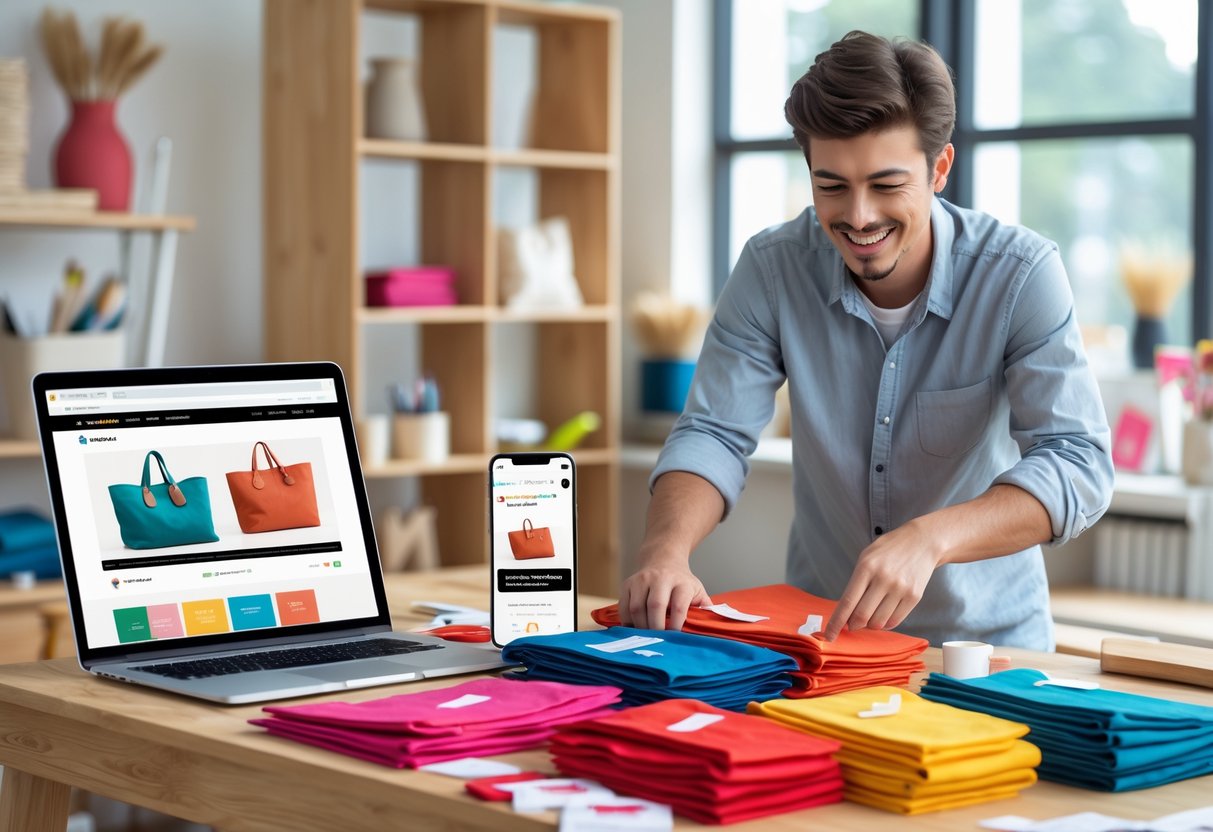
Finding the right places to sell tote bags helps reach more customers and grow the business. Many sellers use popular online marketplaces, attend craft fairs, or form partnerships with local stores to increase sales and visibility.
Selling on Etsy and eBay
Etsy and eBay are two top marketplaces for selling tote bags online. Etsy focuses on handmade and unique items, making it ideal for creative, custom designs. Sellers can set up shops quickly, but paying attention to product photos, detailed descriptions, and keywords is crucial to stand out.
eBay offers a larger, more general audience and allows auction-style or fixed-price listings. It works well for sellers with simple or bulk tote bags. Both platforms charge fees, so sellers should factor those costs into pricing. Managing reviews and fast customer service on both sites builds buyer trust and repeat sales.
Participating in Craft Fairs
Craft fairs are good for direct sales and meeting customers face to face. They allow tote bag sellers to show product quality, answer questions, and gather feedback instantly. Choosing fairs that attract the right audience, such as eco-conscious or local artisan events, increases chances of success.
Preparation is essential: sellers need attractive displays, pricing labels, and easy payment options. It’s important to bring business cards or flyers to boost brand recognition after the event. Craft fairs also offer opportunities to connect with other makers for collaboration or advice.
Building Retail Partnerships
Partnering with local shops or boutiques can expand a tote bag business into physical stores. Sellers should target retailers that match their niche, such as eco-friendly stores or gift shops. Approaching stores with a clear proposal, including product samples, pricing, and benefits for the retailer, improves chances of acceptance.
Retail partnerships may involve wholesale deals or consignment arrangements. Clear agreements on pricing, delivery, and returns are key. These partnerships help increase brand visibility and bring new customers who prefer shopping in person, complementing online sales efforts.
Pricing Strategy for Tote Bags

Setting the right price is essential for balancing costs, attracting customers, and positioning the brand correctly. A thorough understanding of production costs helps ensure profitability. Offering discounts for larger orders and adjusting prices with seasons can boost sales. Finally, it is important to position the product in the fashion industry to match customer expectations and market demand.
Cost Analysis
Pricing starts by evaluating all production costs, including materials, labor, and overhead. For instance, materials often make up around 40% of the total cost, with labor adding another 30%. Shipping and other expenses fill in the rest.
The typical cost per tote bag may range from $10 to $20 depending on quality and materials. When setting prices, adding a markup between 50% and 100% over costs helps cover marketing and administrative expenses while maintaining profit.
Balancing price with quality is vital. For example, business tote bags, including men’s business tote bags, usually command higher prices due to durable materials and professional designs.
Volume Discounts and Seasonal Pricing
Offering volume discounts encourages customers and retailers to buy more at once. Discounts might increase as order quantities rise, such as 5% off for 50 bags and 10% off for 100 or more. This strategy reduces inventory faster and lowers marketing costs per unit.
Seasonal pricing also plays a role. Tote bag prices can be adjusted for holidays or special events when demand changes. For example, eco-friendly tote bags may see higher sales in spring during Earth Day promotions, allowing for slightly higher prices during that season.
Pricing flexibility keeps the business competitive and maximizes revenue through demand shifts and bulk buying incentives.
Positioning in the Fashion Industry
Tote bags can be positioned at different price points depending on style, materials, and target audience. Basic totes might be priced between $15 and $30, while premium fashion or business tote bags can range from $45 to $60 or more.
For women’s and men’s business tote bags, the focus is on sophistication and durability. These products should reflect quality and professionalism, justifying a higher price.
Pricing should also consider current fashion trends and consumer perceptions. Offering limited editions or collaboration designs can support a premium price and attract fashion-conscious buyers. Clear branding and effective marketing reinforce this positioning.
Marketing and Growing Your Tote Bag Business

Effective marketing helps a tote bag business reach the right customers and increase sales. It involves building a strong online presence, engaging customers directly, and encouraging repeat business. Focused efforts here can build a lasting brand image and steady revenue.
Social Media Marketing
Using social media platforms like Instagram, TikTok, and Pinterest is essential. These sites allow businesses to share product photos, videos, and stories that catch potential buyers’ attention. Posting regularly with relevant hashtags like #customtotebag or #ecofriendlytotes helps reach targeted audiences.
Collaboration with influencers can widen the brand’s reach. Influencers create honest reviews or styling tips that showcase the bags naturally to their followers. Paid promotions and ad campaigns on these platforms also help increase traffic to the online store.
Visual content should be consistent and reflect the brand’s style. Engaging posts and customer interaction through comments and messages build trust and loyalty.
Email Marketing for Customer Engagement
Email marketing allows direct contact with customers. Sending personalized emails with exclusive discounts, new product previews, and behind-the-scenes content keeps customers interested.
Automated campaigns like abandoned cart reminders or birthday offers increase sales opportunities. Using email templates makes this easier to manage and maintain regular contact.
Segmenting email lists based on customer behavior or preferences helps tailor offers. This personal approach boosts open rates and engagement.
Clear calls to action in emails guide customers to shop or learn more about the tote bags. Regular newsletters can also build a community around the brand.
Leveraging Brand Loyalty
Building brand loyalty encourages repeat customers and positive word-of-mouth. Offering high-quality products paired with excellent customer service is key.
Reward programs or exclusive access to new collections motivate customers to stay loyal. Personalized experiences, such as customizable tote bags, make customers feel valued.
Engaging with customers on social media and responding promptly to feedback helps build trust. Sharing customer stories and reviews strengthens the brand’s reputation.
Maintaining consistent messaging across all channels keeps the brand recognizable and reliable. This consistency creates a strong brand identity that customers remember and prefer.
Enhancing Customer Experience

A strong customer experience builds trust and encourages repeat business. It requires clear communication, flexible shipping options, and a focus on exceeding expectations. Businesses that pay attention to these areas stand out and keep customers happy over time.
Customer Service Best Practices
Prompt responses to customer questions and concerns are essential. Businesses should offer multiple contact methods, like email, phone, and live chat, to make support easy to access. Training staff to handle complaints calmly and professionally helps maintain a positive reputation.
Providing clear product information and updates on orders reduces confusion. Personalizing interactions by remembering past purchases or preferences can create a stronger bond with customers. Transparency about return policies and problem resolution builds confidence.
Shipping Options and Policies
Offering various shipping methods, including standard, expedited, and international options, meets different customer needs. Clear communication about shipping times and costs on the website prevents surprises.
Providing tracking information allows customers to follow their orders. Flexible policies like free shipping over a certain amount or easy returns improve satisfaction. Packaging should protect products and reflect the brand’s values, such as using eco-friendly materials.
Fostering Customer Satisfaction
Listening to customer feedback helps businesses improve products and services. Encouraging reviews and responding to them shows customers their opinions matter. Loyalty programs and occasional discounts reward repeat buyers.
Focusing on quality control minimizes defects and returns, increasing trust in the brand. Going beyond expectations, like adding thank-you notes or small freebies, enhances the overall experience and promotes word-of-mouth marketing.
Frequently Asked Questions
How to Start a Tote Bag Business involves clear steps like setting up an online store and planning costs carefully. Naming the brand, checking market demand, and knowing common challenges also play important roles.
What are the initial steps to establish an online tote bag store?
First, create a clear plan for the store’s design and product line. Choose a platform like Shopify or Etsy to sell bags online. Next, source or produce quality tote bags. Finally, set up payment and shipping options to start selling.
What should be included in a business plan for a tote bag company?
A business plan should outline target customers and pricing. It needs a budget covering materials, production, marketing, and shipping. The plan should also explain how the business will stand out in the market and how profits will be made.
What are some creative name ideas for a new tote bag brand?
Names should reflect the brand’s style or values. Ideas include “EcoCarry,” “ToteVibe,” “SimpleSling,” and “BagRoots.” It is helpful if the name is easy to remember and suggests the product’s purpose or uniqueness.
How to determine the profitability of a tote bag business?
Calculate all costs involved in making and selling each bag. Compare costs to the price customers pay. Consider marketing and shipping expenses. The business is profitable when total income exceeds total costs consistently.
What are the common challenges and weaknesses faced by tote bag businesses?
Common issues include high competition and difficulty in finding reliable suppliers. Managing inventory and shipping can be complicated for new sellers. Keeping costs low while maintaining good quality bags is also a challenge.
What is the market demand for tote bags?
Demand is steady and often grows with eco-friendly trends. Customers like reusable and stylish bags for shopping and daily use. Many buyers prefer custom or unique designs that stand out from standard options.