

21 Types of Hats: A Comprehensive Guide to Styles and Uses
Hats have been a part of human culture for centuries, serving many purposes from protection to fashion. They come in different shapes, sizes, and styles, each designed for specific occasions or needs.
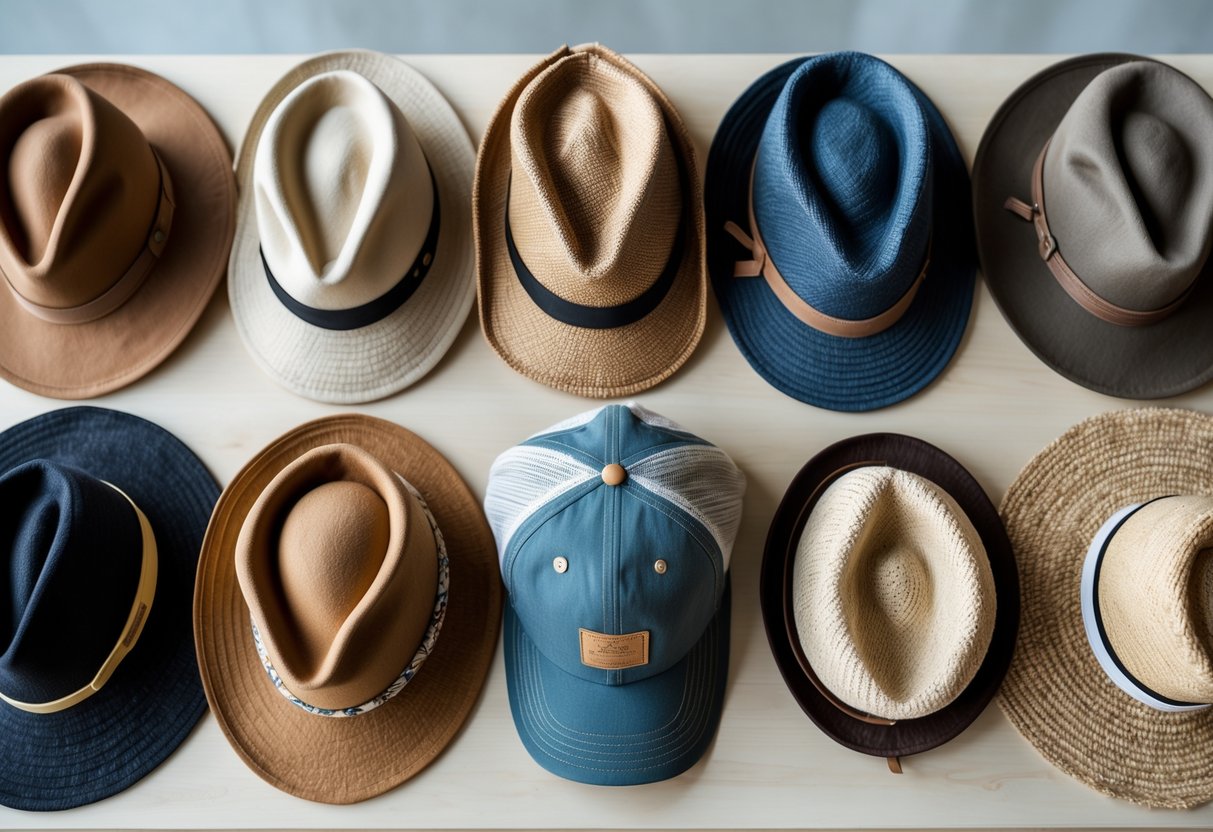
Understanding the types of hats helps people choose the right style for comfort, function, and appearance. Knowing about different hats can improve one’s fashion sense and make it easier to pick a hat that fits any setting.
1) Fedora
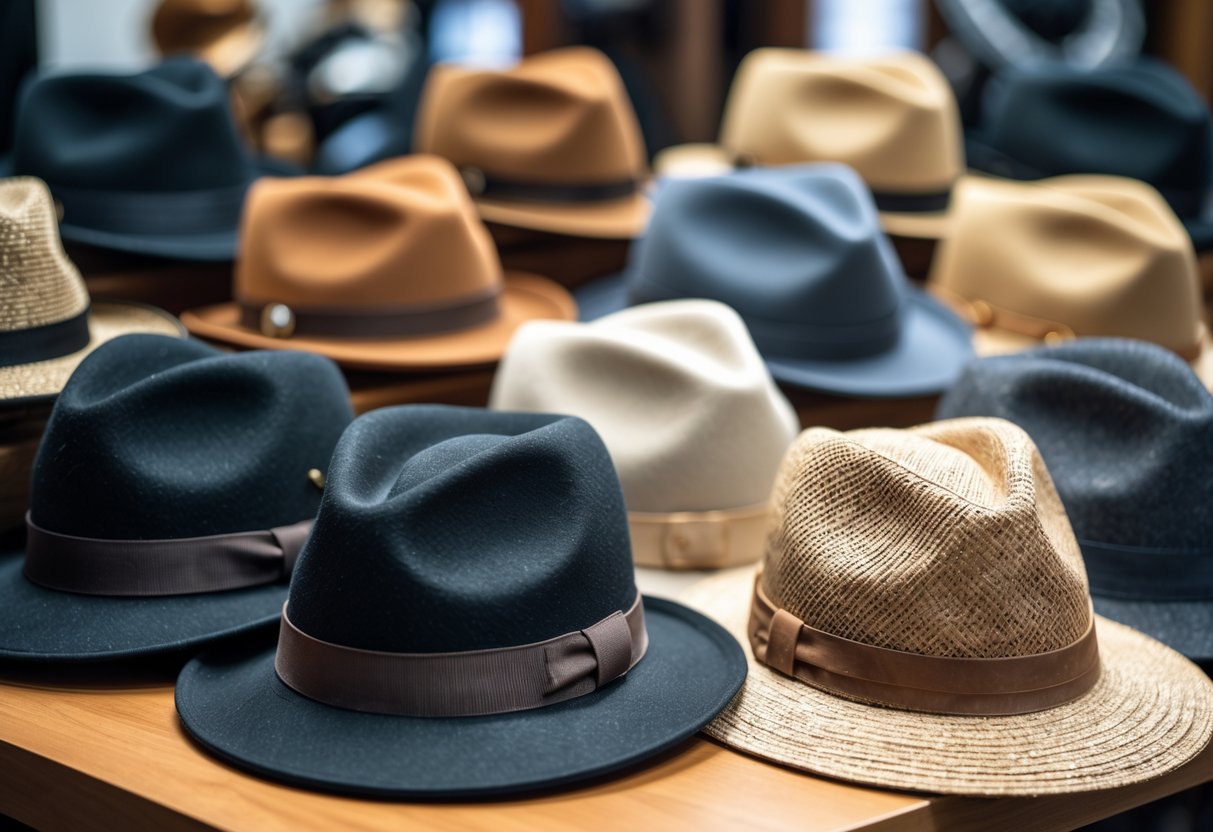
The fedora is a classic hat with a soft brim and an indented crown. It is known for its stylish and timeless look. Both men and women often wear fedoras as a fashion statement.
There are many types of fedoras, which can differ by material, brim size, and crown shape. Some popular styles include the classic felt fedora and the wide-brim version that offers more sun protection.
Fedoras are versatile and can suit different occasions, from formal events to casual outings. Their design allows them to match well with various outfits, making them a staple in many wardrobes.
2) Panama Hat
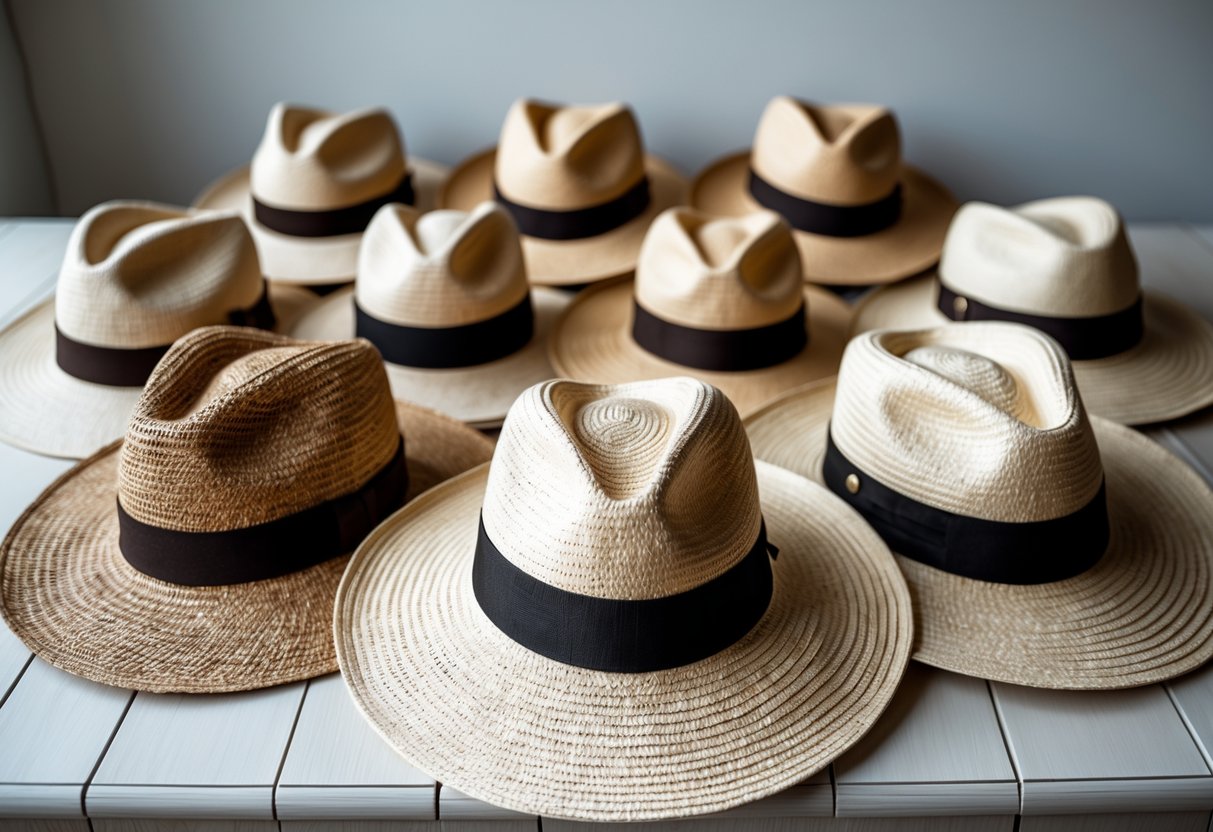
The Panama hat is a traditional brimmed straw hat that comes from Ecuador. It is made from the leaves of the Carludovica palmata plant, known as the toquilla palm. The hat is lightweight and breathable, which makes it popular for warm weather.
Its classic style is similar to a fedora, with a central dent in the crown and a pinched front. The brim width can vary depending on the design.
Originally, Panama hats were handwoven by skilled artisans using natural straw. Today, some are still made by hand, while others are produced using machines in factories.
The hat is versatile and known for its simple elegance. It works well for both casual and formal outfits. Different weaving styles, like Brisa and Montichristi, offer varied looks and textures.
3) Bowler
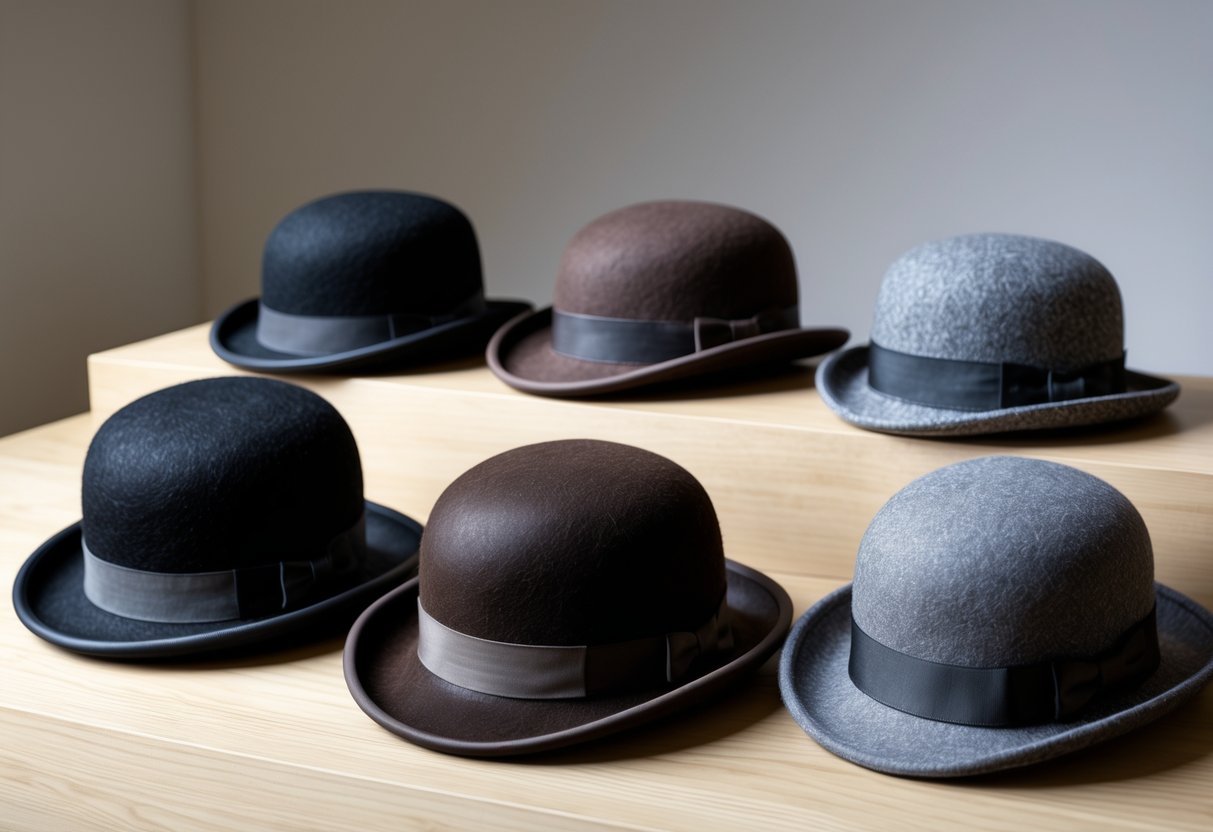
The bowler hat is a hard felt hat with a rounded crown. It was created in 1849 by London hat-makers Thomas and William Bowler. The hat was made for protection and became popular for its practical design.
Bowler hats are also called derby hats, billycocks, and coke hats. They have been worn mostly with semi-formal and informal clothing. The style fits many occasions without being too formal.
Both men and women wear bowler hats. Women often choose decorated versions with flowers, feathers, or veils. Bowler hats come in many materials like felt, velvet, suede, and straw.
The bowler hat remains a symbol of classic style. It is a simple, sturdy hat with a long history. It still appears in fashion today, sometimes made from eco-friendly materials.
4) Boater
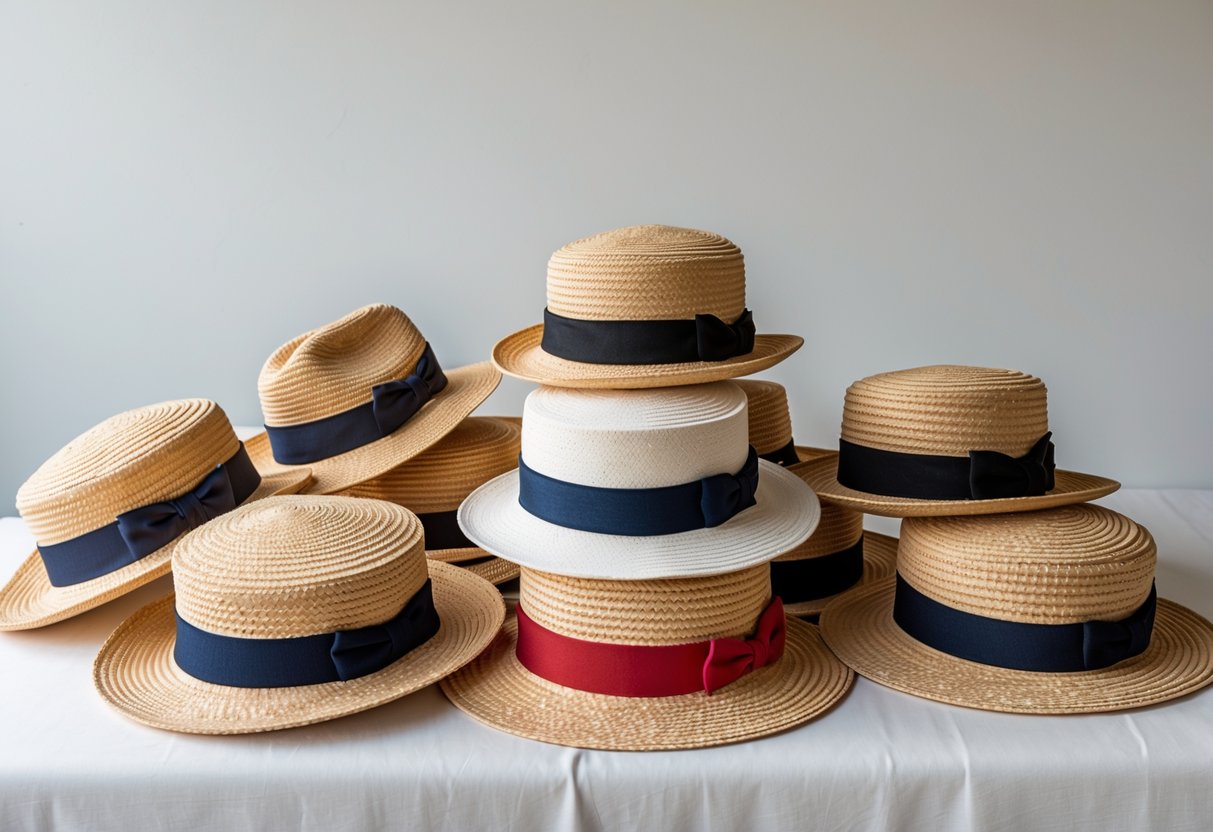
The boater is a classic summer hat, often made from stiff, flat straw. It has a flat crown and a flat brim, giving it a distinctive, structured look.
Traditionally, the hat is trimmed with a simple grosgrain ribbon around the base of the crown. The ribbon may be plain or striped.
Boaters became popular in the late 19th and early 20th centuries. They were worn mostly as semi-formal hats by men during warm weather.
The boater has roots in Italy. Gondoliers in Venice wore similar hats, often with colored long ribbons, which helped to identify them.
Compared to other straw hats, boaters have a smaller brim than sailor hats. This gives them a neat, polished appearance.
Today, boaters are still used in vintage-style fashion and formal summer wear. They are considered timeless and elegant.
5) Cloche
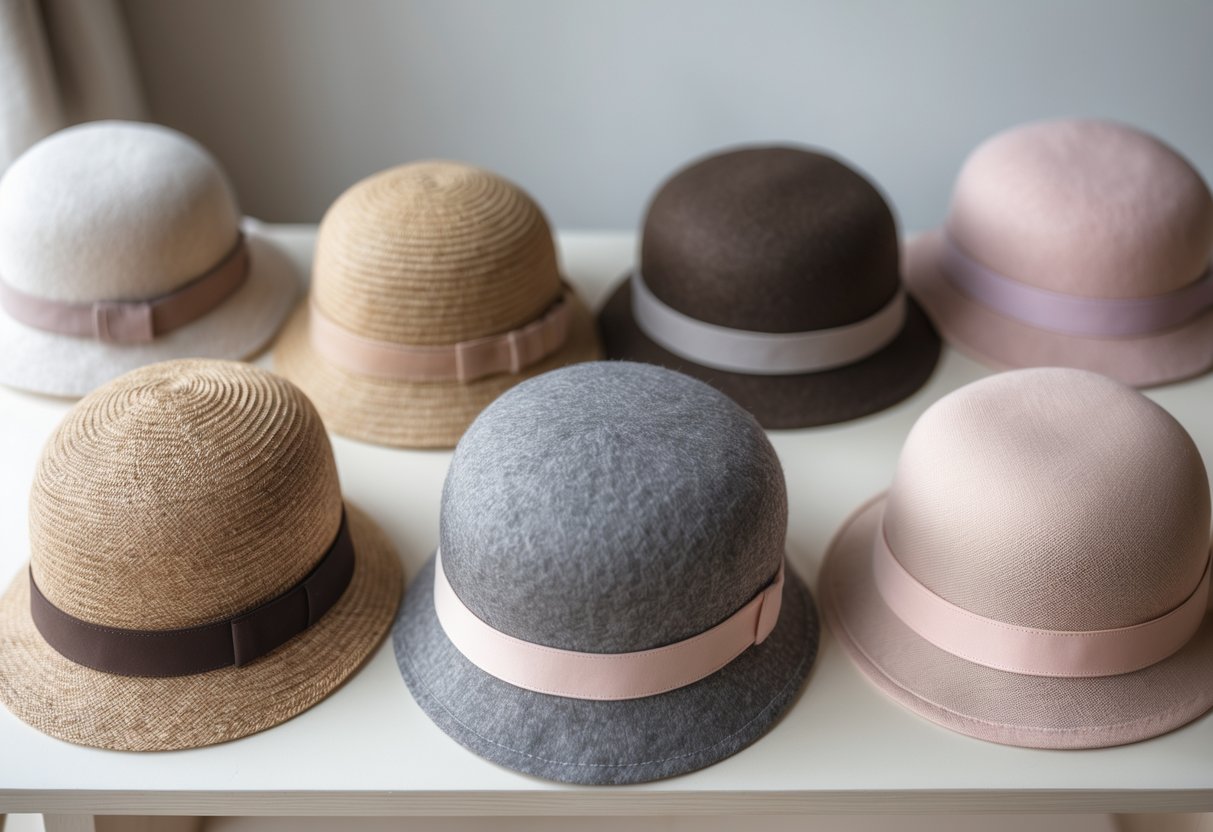
The cloche is a close-fitting, bell-shaped hat for women. It was invented in 1908 and became very popular during the 1920s and early 1930s.
Cloche hats are usually made of felt and fit snugly around the head. Their shape is designed to cover the forehead and sit low on the head, creating a sleek silhouette.
This hat style matched well with the short bob hairstyles that were fashionable at the time. It offered a modern look compared to the larger, more decorated hats of earlier periods.
While cloche hats fell out of fashion in the 1930s, they saw a revival in the 1980s and continue to be worn today. Designers often update the style with new materials and decorations.
The cloche remains popular because of its simple yet elegant shape. It works well for both casual and formal wear, and suits many face shapes.
6) Trilby
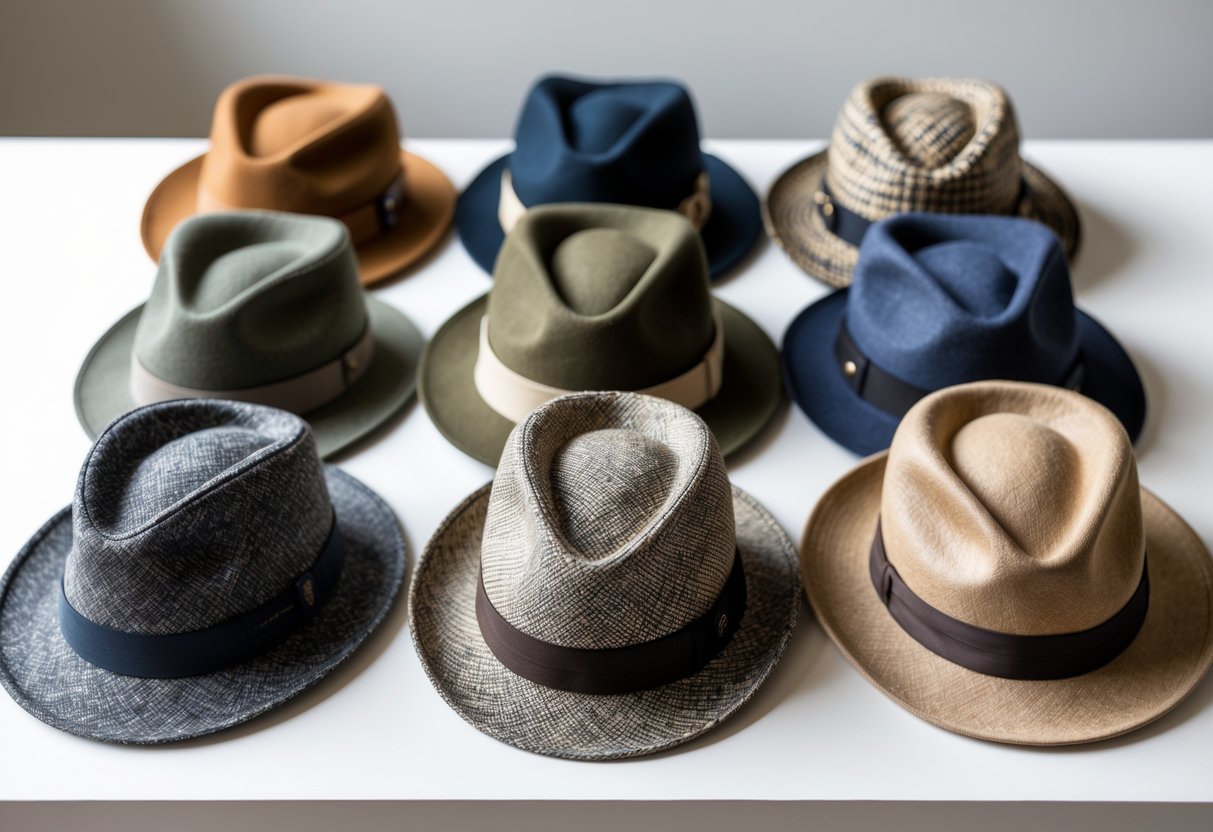
The trilby is a type of hat with a narrow, angled brim, usually less than 1.5 inches wide. This short brim is often called a “stingy brim.” It is one of the main features that set the trilby apart from similar hats like the fedora, which has a wider brim.
The trilby became popular in Britain and beyond, especially during the mid-20th century. It got its name from a novel by George du Maurier. The hat is often made from materials like straw or felt, making it suitable for different seasons.
People with oval or heart-shaped faces often find the trilby flattering. Its narrow brim and tall crown balance these face shapes well. The trilby is seen as stylish but more wearable for people new to hats because of its modest size and shape.
While it was once linked to wealthy men, the trilby is now used by many for both casual and more formal looks. Its design is simple but modern, making it a popular choice today.
7) Beret
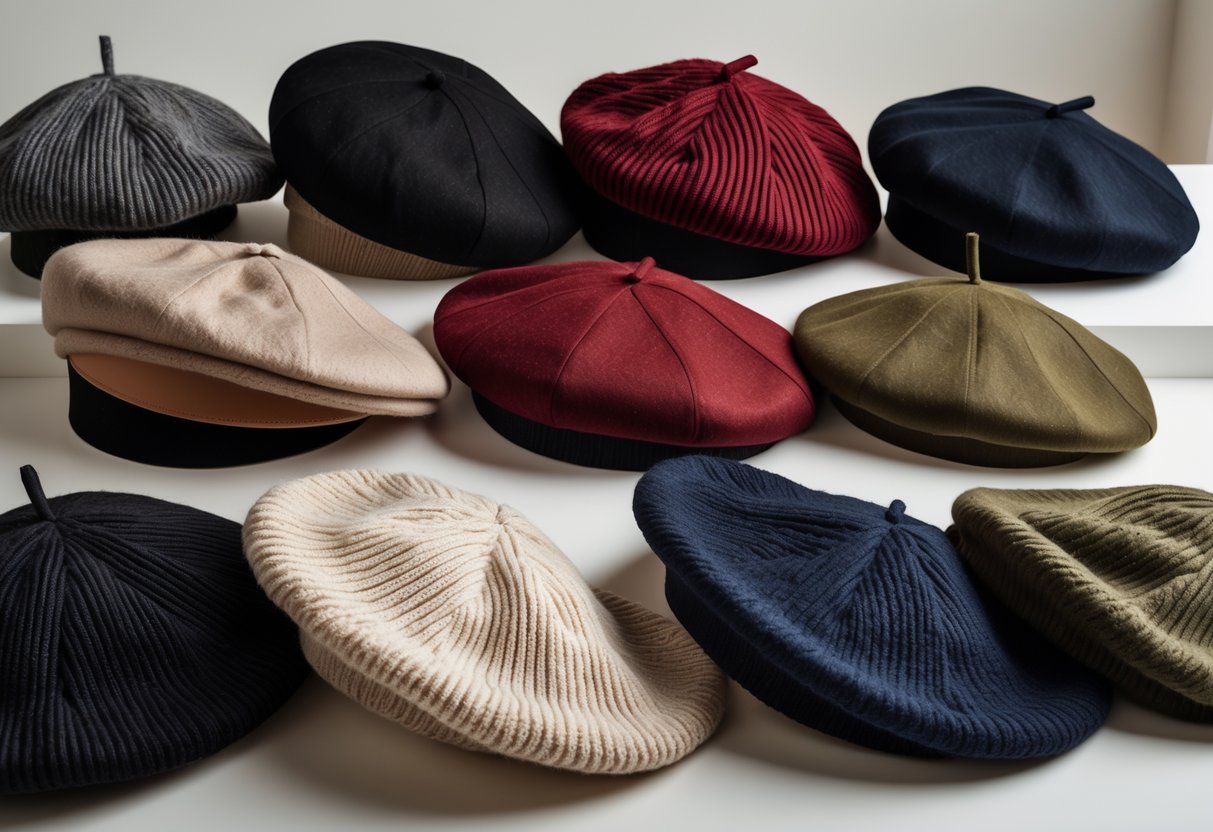
The beret is a soft, round, flat-crowned hat. It is usually made from wool, felt, or cashmere. The shape is simple and flexible, allowing it to be worn tilted or flat on the head.
Berets are worn by both men and women around the world. They are especially popular in cooler weather because the materials keep the head warm. Berets come in many styles, including traditional wool, leather, and mohair versions.
Some berets can be reversible, showing different colors or patterns on each side. This makes them versatile for different outfits. The beret’s classic design has made it a timeless accessory in fashion.
Berets also have cultural significance in many countries. They are linked to certain professions, military groups, and artistic communities. This adds layers of meaning beyond just their style.
8) Baseball Cap
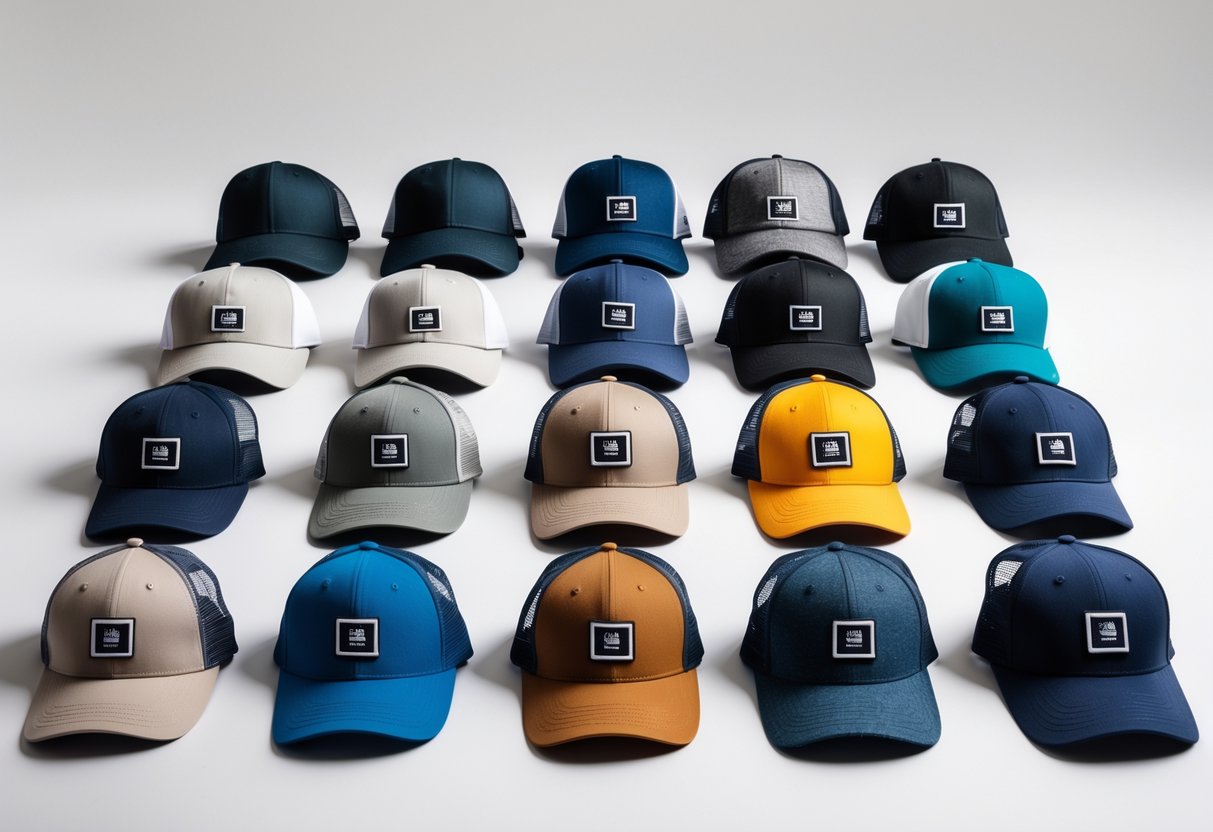
The baseball cap is a popular style known for its rounded crown and stiff, curved brim. It was originally designed for baseball players to shield their eyes from the sun during games.
Baseball caps come in various types like snapbacks, fitted, trucker, and dad hats. Each style varies in fit, material, and closure, giving options for comfort and fashion.
They are often made from cotton or polyester, with ventilation eyelets to keep the head cool. The adjustable closures help fit different head sizes easily.
People wear baseball caps for casual looks, sports, and outdoor activities. They are versatile, functional, and have become a staple in everyday style worldwide.
9) Cowboy Hat
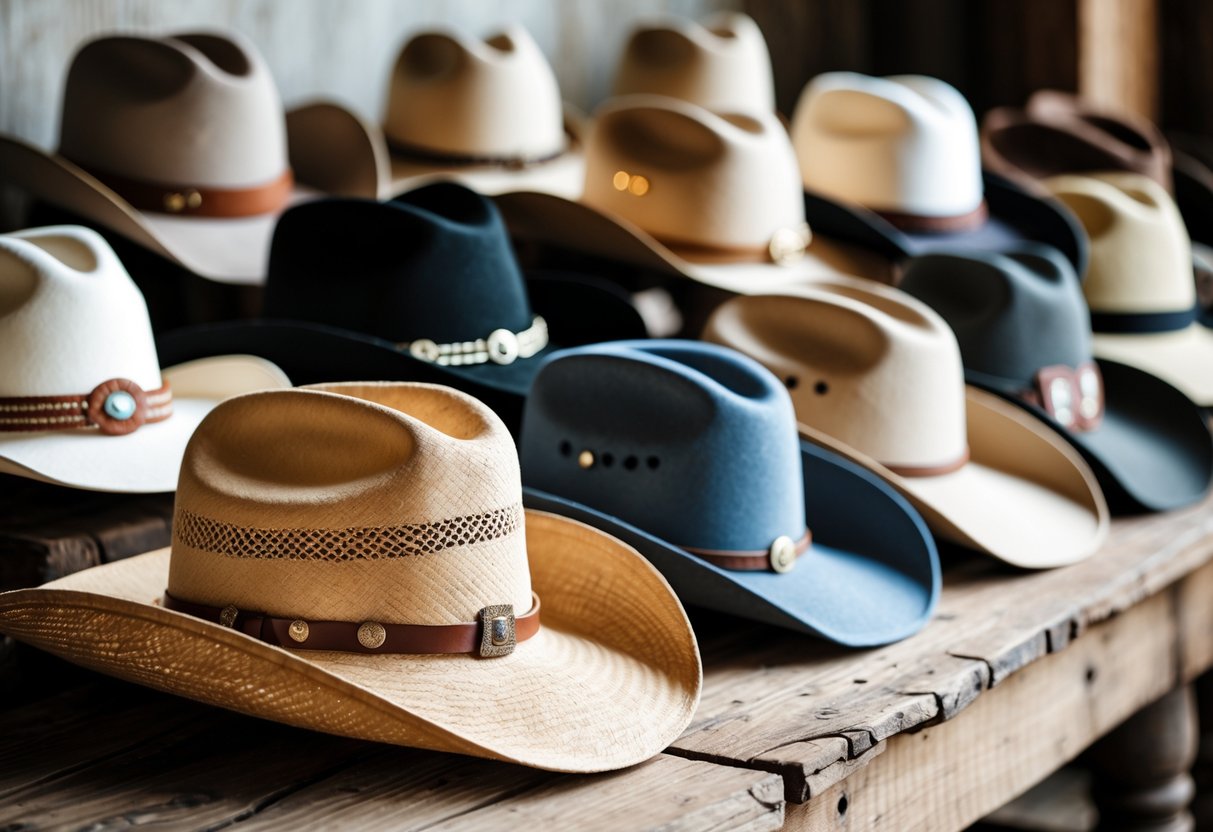
The cowboy hat is known for its wide brim and tall crown. It was designed to protect people from sun, rain, and wind, especially in the American West. The hat’s shape helps with air circulation and sun coverage.
There are many styles of cowboy hats. Popular types include the Cattleman, Gus, and Pinch Front. Each style has a unique crown shape and brim width. These differences often relate to personal taste or regional trends.
Cowboy hats are made from various materials like felt and straw. Felt hats are durable and good for colder weather. Straw hats are lighter and better for hot climates.
They are worn by both men and women. Cowboy hats can be practical workwear or stylish accessories. Their appearance is often linked to Western culture and ranch life.
10) Bucket Hat
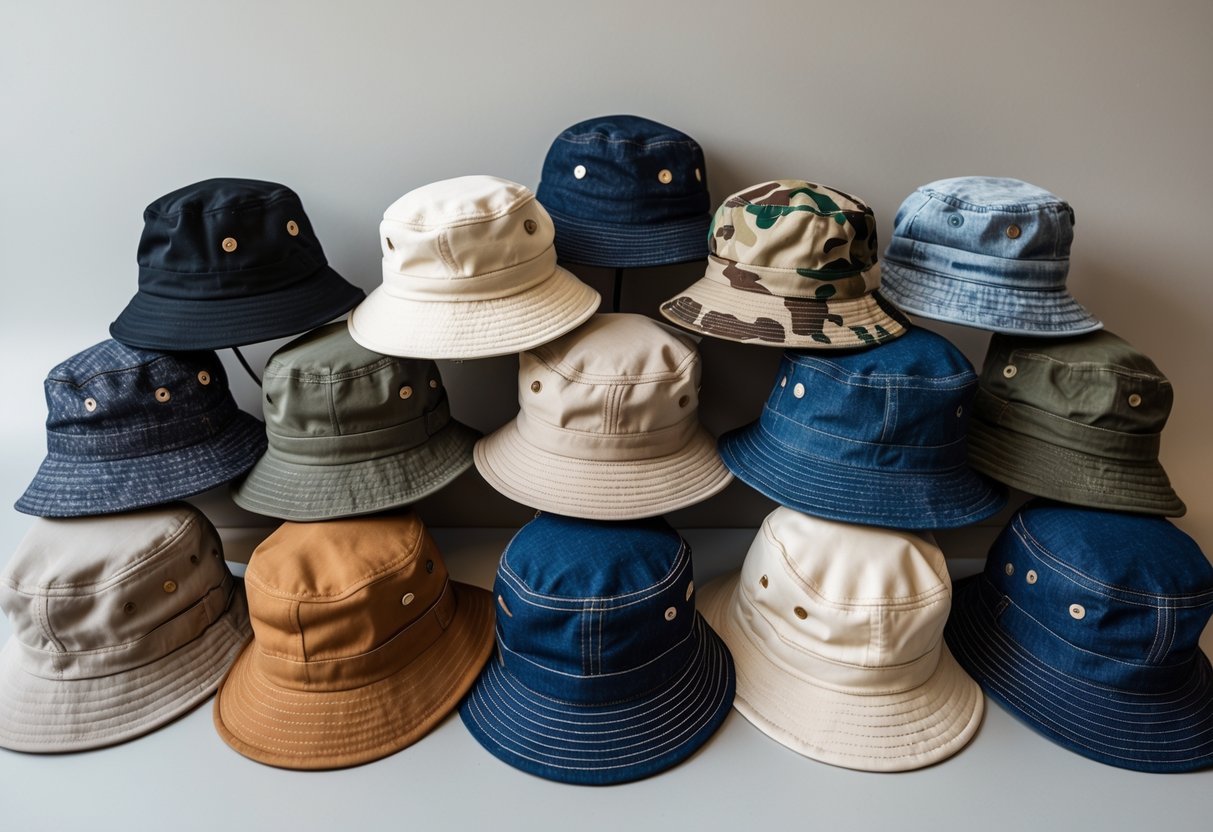
The bucket hat is a simple, soft hat with a wide, downward-sloping brim. It was first made for fishermen and outdoor workers to protect them from the sun and rain. Today, it is both practical and a popular fashion item.
Bucket hats come in many styles and materials. Some have wide brims, while others are smaller and tighter. There are also reversible and patterned designs to suit different tastes.
This hat works well in various weather conditions. It provides sun protection and breathability, making it good for warm or in-between seasons. A drawstring can help keep it secure on windy days.
Many people wear bucket hats for casual looks. They often pair well with oversized cardigans, leggings, or jeans. The bucket hat’s mix of function and style keeps it a favored choice for many.
History and Cultural Significance
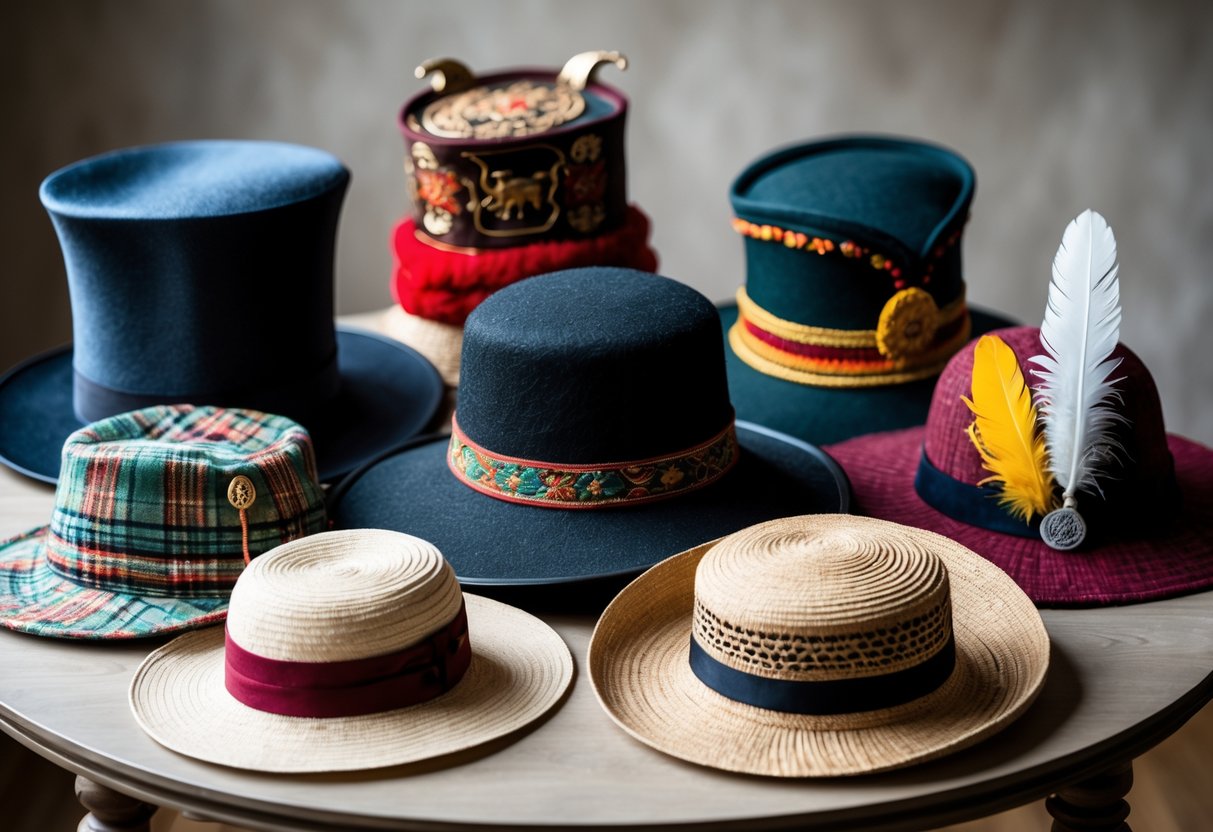
Hats have changed in style and meaning over thousands of years. They have played roles in fashion, status, religion, and culture. Different types of hats have unique stories tied to the places and people that created them.
Evolution of Hat Styles
Hats date back at least 30,000 years, starting as simple head coverings for warmth and protection. Over time, hat styles evolved with changes in materials and social needs.
For example, the cloche hat became popular for women in the 1920s, fitting closely to the head. The trilby and fedora were widely used by men in the early 20th century for their style and sun protection. The Panama hat, made from woven straw, is known for being lightweight and breathable in hot climates.
Hats have also reflected social status. In some times and places, only certain classes could wear specific styles or materials, making hats symbols of identity and power.
Traditional Hats Around the World
Different cultures use hats to show tradition, identity, or religion. For example:
- The beret in France is linked with artists and soldiers.
- The Japanese conical hat, often made of straw, protects from sun and rain.
- The Akubra hat in Australia is known as a symbol of rural life.
Religious hats also carry deep meaning. The yarmulke in Judaism and the Sikh turban identify faith and community. In many cultures, hats appear at ceremonies and rituals to show respect or status.
These hats are more than accessories; they connect people to history and culture through shape, material, and use.
How to Choose the Right Hat

Choosing the right hat depends on matching it to the shape of the wearer’s face and picking the right materials to suit the climate and care needs. Both how the hat fits and how it feels will affect comfort and style.
Understanding Face Shapes
Different face shapes work best with certain hat styles. For example, round faces look good with hats that add height, like fedoras or trilbies. Angular faces, like square or diamond shapes, benefit from hats with softer edges, such as cloches or berets.
Here is a quick guide:
- Oval face: Most hats suit them, so they can choose freely.
- Round face: Hats with a taller crown or angled brims help lengthen the face.
- Square face: Rounded hats soften strong jawlines—try bowler hats or beanies.
- Heart face: Wide brims balance a narrow chin; cowboy or fedora hats work well.
The key is to balance the proportions of the face. Hat size also matters; it should fit comfortably without pinching or slipping.
Selecting Materials and Care Tips
Hat materials affect how the hat feels in different weather and how to maintain it. Wool, felt, and straw are common, each with its own benefits.
- Wool and Felt: Warm and durable for cold weather. They resist wrinkles but should be kept dry. Use a soft brush to clean and store in a cool, dry place.
- Straw: Lightweight and breathable, ideal for summer. Avoid water, as it can weaken the straw and cause misshaping. Store in a hat box to keep its shape.
- Cotton and Synthetic fabrics: Often used for casual hats like baseball caps and beanies. These are easy to clean but may fade in sunlight.
Regular cleaning and proper storage will extend the hat’s life. Using a hat stand or keeping it in a box prevents flattening and damage.
Frequently Asked Questions
Hats come in many styles that suit different occasions, genders, and cultures. Some have deep historical roots, while others show modern twists. This section answers common questions about popular hat types, their cultural meanings, and how styles change across regions.
What are the classic hat styles for men?
Classic men’s hats include the Fedora, known for its soft brim and indented crown. The Panama hat, made from straw, is lightweight and perfect for warm weather. The Bowler features a hard rounded crown and narrow brim, often linked with formal wear.
Which types of hats are considered fashionable for women?
Women often wear the Cloche, a close-fitting bell-shaped hat popular in the 1920s. The Boater, a flat-topped straw hat with a ribbon, offers a vintage look. These styles emphasize elegance while suiting various face shapes.
Can you list various hat types with visual guides?
Visual guides typically show hats like the Fedora with its pinched front, the Panama’s straw weave, and the Bowler’s dome shape. Illustrations help distinguish details like brim width and crown height essential for identifying each type.
What are the historical and cultural significances of different hat styles?
Many hats carry social or cultural meanings. The Bowler was once a symbol of British working-class identity. The Fedora became linked to film noir detectives and crime dramas. Panama hats hold cultural value in Ecuador, where they are traditionally made.
How do the names and styles of hats vary across different cultures?
Names can change depending on region and language. A Boater might be called a “skimmer” in some areas. Styles also adapt to climate and customs, such as wide-brimmed hats in sunny places or wool hats in colder regions.
What are some modern variations of traditional hats in today’s fashion?
Modern fashion mixes classic styles with new materials and sizes. For example, Fedoras now appear in lighter fabrics like linen. Boaters may come with colorful bands or shapes adjusted to fit current trends. Designers often blend old shapes with contemporary details.