13 Types of Garment Samples for Apparel Production
Garment sampling is a key step in apparel production that helps ensure the final product meets quality and design standards. It involves creating different types of samples before full-scale manufacturing begins. These samples allow designers, manufacturers, and buyers to review and approve various aspects of the garment.
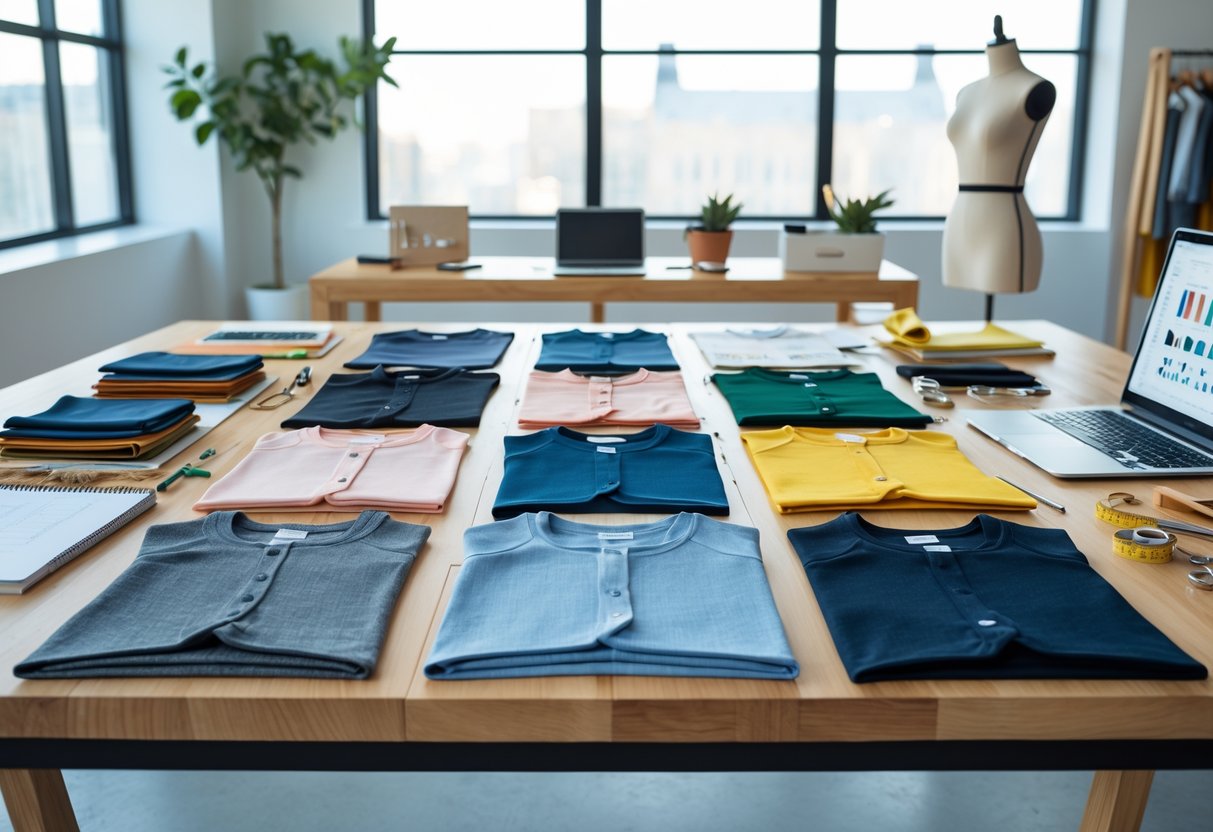
Understanding the 13 types of garment samples helps guide the production process and reduces errors. Each sample serves a unique purpose in testing fit, fabric, style, and production requirements. Knowing these samples can improve communication and decision-making throughout the development phase.
Table of Contents
1) Proto Sample
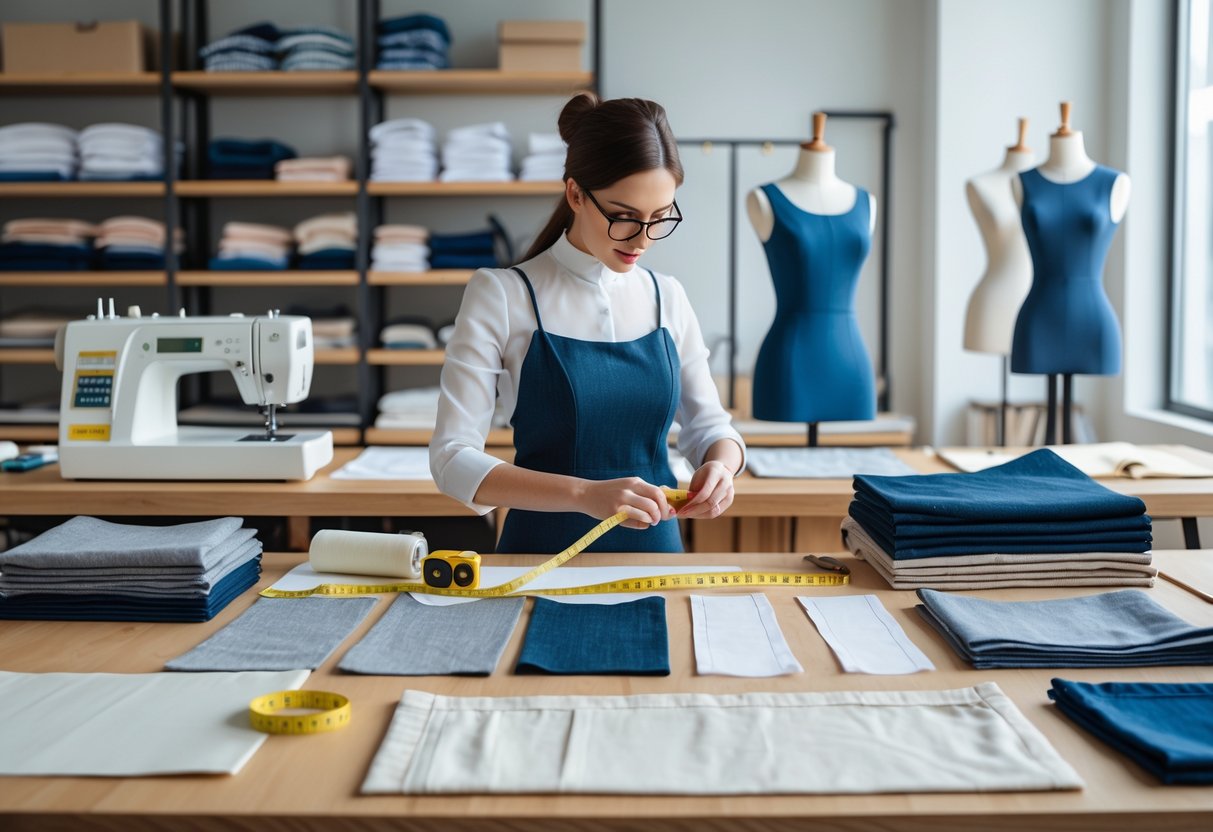
The proto sample is the very first version of a garment created in the production process. It helps designers and manufacturers see how the initial design looks in real life. This sample sets the foundation for further development and shows if the basic concepts work.
This sample is often made using basic materials, not the final fabric. It focuses on testing the design, construction, and overall shape rather than final quality. The proto sample is critical for identifying potential problems early.
After the proto sample is reviewed, changes may be made to improve fit, style, or details. It allows the team to align on what the final product should be before moving forward. The proto sample is essential for reducing costly errors later in production.
2) Fit Sample
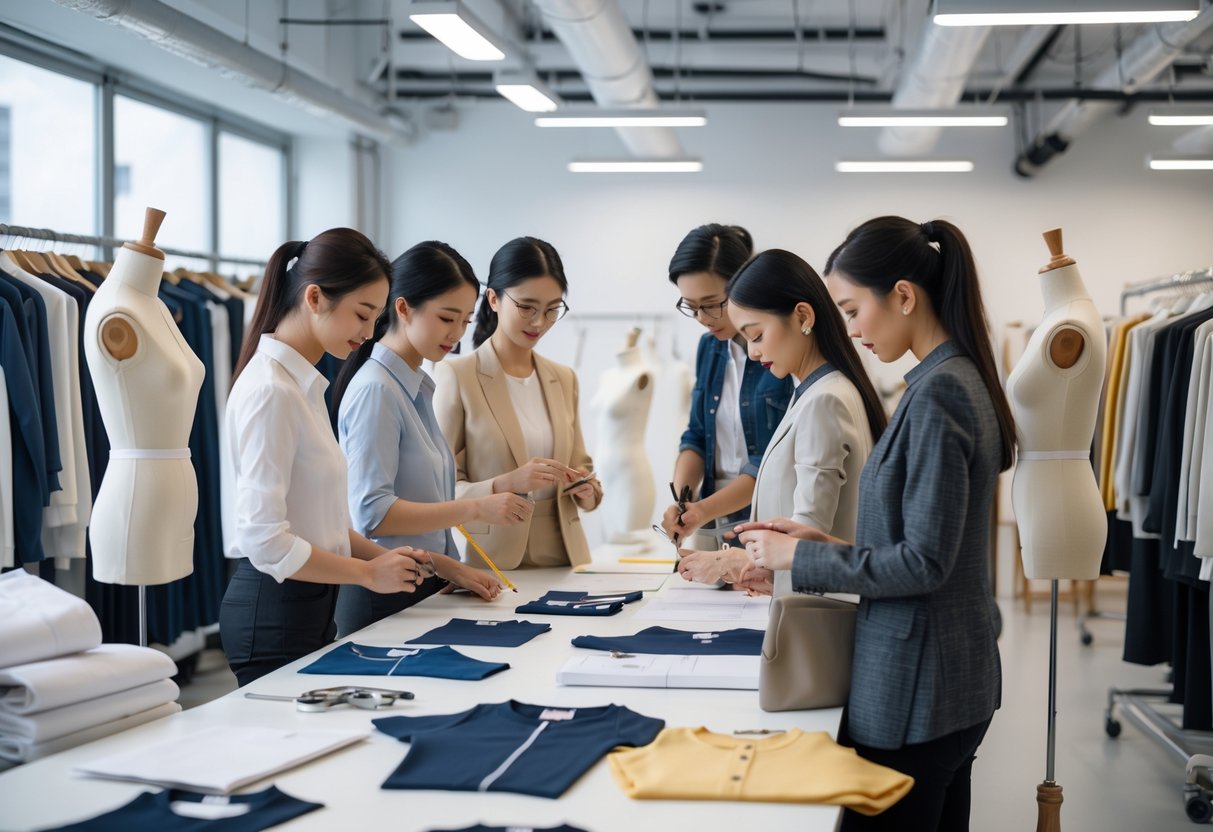
A fit sample is created after the prototype sample is approved. Its main purpose is to check how the garment fits on a dress form or a human model. This step ensures the garment matches the buyer’s measurement specifications.
The fit sample helps identify any issues with size, shape, or comfort. Adjustments can then be made to improve the garment’s overall fit. This prevents costly changes later in production.
Fit samples also allow designers and buyers to see how the garment looks in real life. They evaluate if the style and function meet expectations before moving forward.
Making accurate fit samples is crucial. It sets the tone for the final garment and influences decisions in the production process. Proper fit samples reduce the risk of customer dissatisfaction later on.
3) Size Set Sample
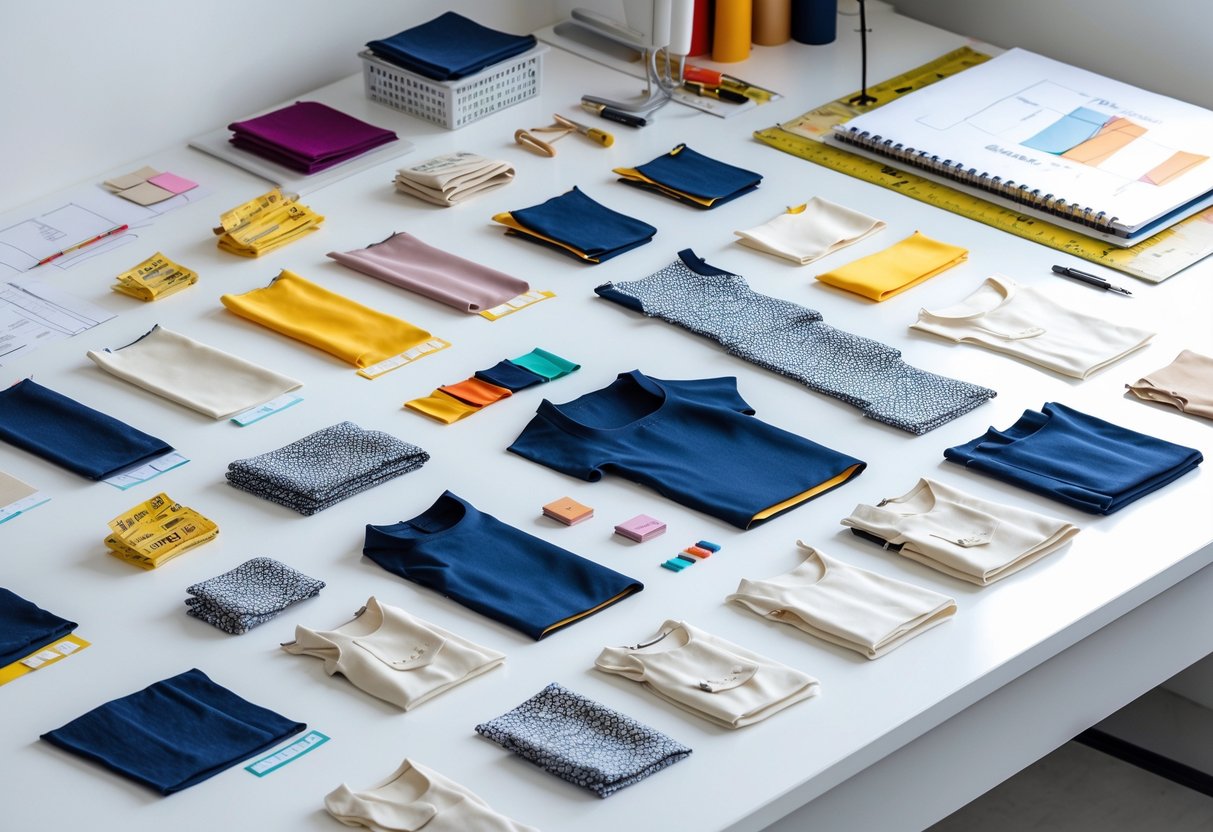
The size set sample includes a range of garments made in different sizes. Its main purpose is to check how the design fits across the entire size spectrum. This sample helps identify any fitting issues before mass production.
Manufacturers use size set samples to ensure consistency and comfort for all sizes. It shows how the garment looks and feels on various body types. Adjustments can be made based on these samples to improve the final product.
Buyers and designers also rely on size set samples for approval. They provide a clear idea of how the collection will perform in the market. By reviewing these samples, stakeholders can avoid size-related complaints later.
Size set samples usually follow the initial prototype and fit samples. They are essential in finalizing the sizing chart and pattern grading. This step ensures the product meets quality standards in every size offered.
4) Salesman Sample

The salesman sample is created to showcase the product to buyers and retailers. It must represent the design and quality accurately to help secure orders. This sample often features the final look of the garment with all details included.
It is used during sales meetings, trade shows, and presentations. The goal is to give potential buyers a clear idea of the product before placing bulk orders. The quality of this sample is usually high to reflect the brand’s standards.
Salesman samples are not meant for mass production but to build interest and trust. They can influence decisions about order sizes and delivery timelines. Because of their purpose, these samples are carefully crafted and reviewed before being shown to clients.
5) Photoshoot Sample
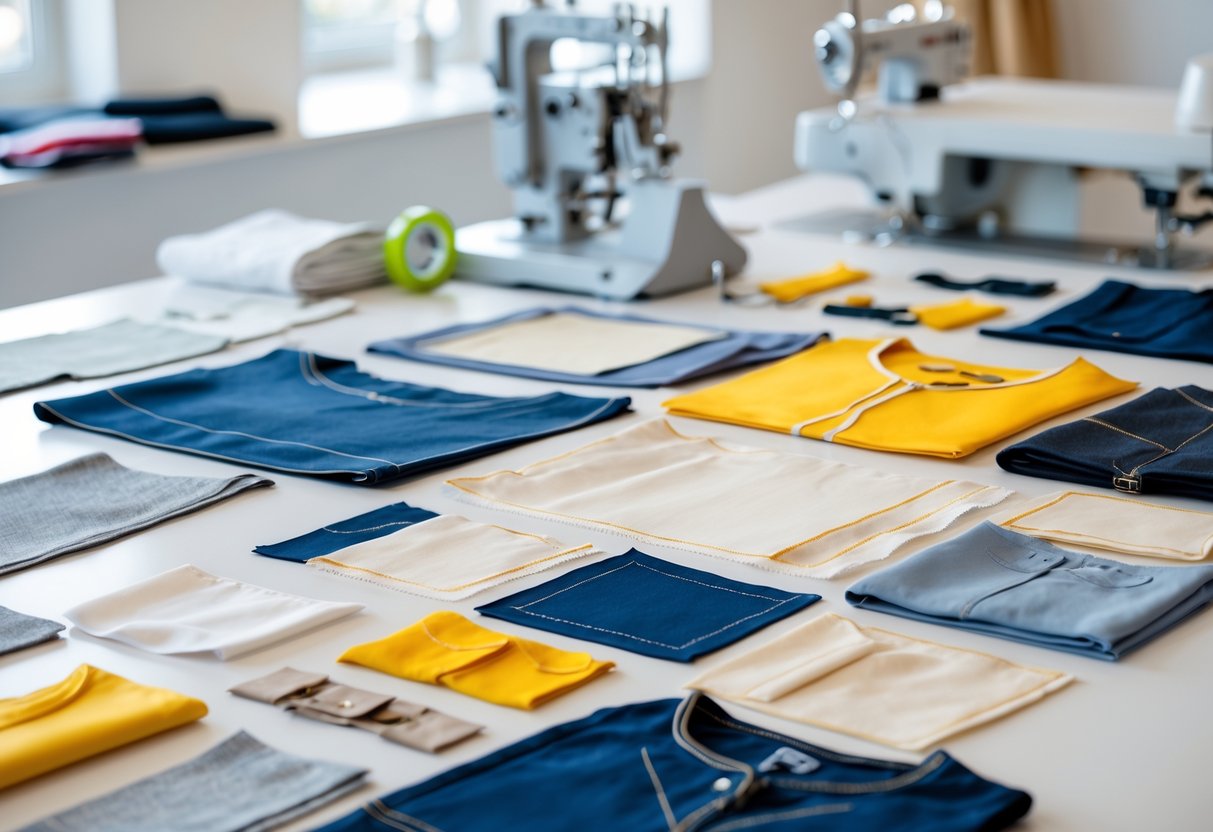
The photoshoot sample is made specifically for marketing and promotional purposes. It is the version of the garment used in photo shoots for catalogs, websites, and advertisements.
This sample usually highlights the best possible look of the design. It may have extra attention to detail on stitching, fit, and finishing to ensure it appears perfect on camera.
Unlike production samples, photoshoot samples might not always represent the final bulk product exactly. Sometimes, materials or trims are chosen to look better under lighting or to suit the theme of the shoot.
Brands use these samples to create visuals that attract customers and convey the style and quality of the apparel. It plays an important role in building interest before the product hits the market.
6) Pre-Production (PP) Sample

The Pre-Production (PP) sample is made after all earlier samples are approved. It shows a garment that closely matches what will be produced in mass. This sample helps check if the factory can make the product to the correct standards.
The PP sample is used to confirm final details like fabric, colors, trims, and stitching. It ensures that the product fits the design and quality expected before full production begins. Any issues found here can still be fixed without large costs.
Manufacturers also use PP samples to set costings and order quantities. Brands rely on them to approve final production. The PP sample acts as the final benchmark for the bulk order, helping reduce errors and waste during production.
7) Garment Performance Testing (GPT) Sample
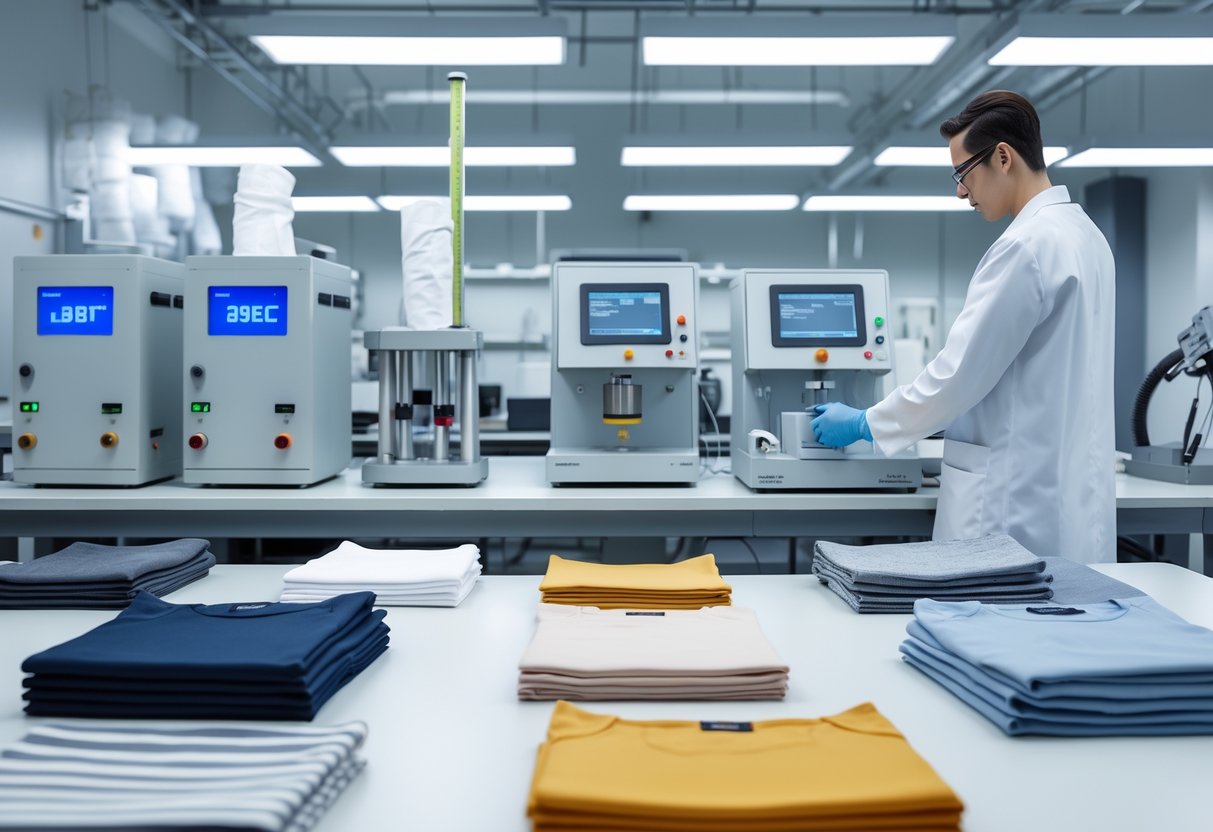
The Garment Performance Testing (GPT) sample is made to check how well a garment holds up under different conditions. It is taken from mass production and sent to a lab for testing. This helps ensure the garment meets quality and safety standards.
Several tests are done on GPT samples. These include checking print quality, seam strength, and button pull resistance. The fabric is also tested for shrinkage, color fastness, and resistance to chemicals like metals.
These tests are important because they show if the garment can handle regular wear and washing. The results help both the factory and buyer decide if production is good to continue. Most of the time, GPT samples go through third-party labs for unbiased evaluation.
By using GPT samples, companies can catch problems early. This reduces defects in the finished products and keeps customers satisfied. It is a key step in quality control during garment production.
8) Shipment Sample
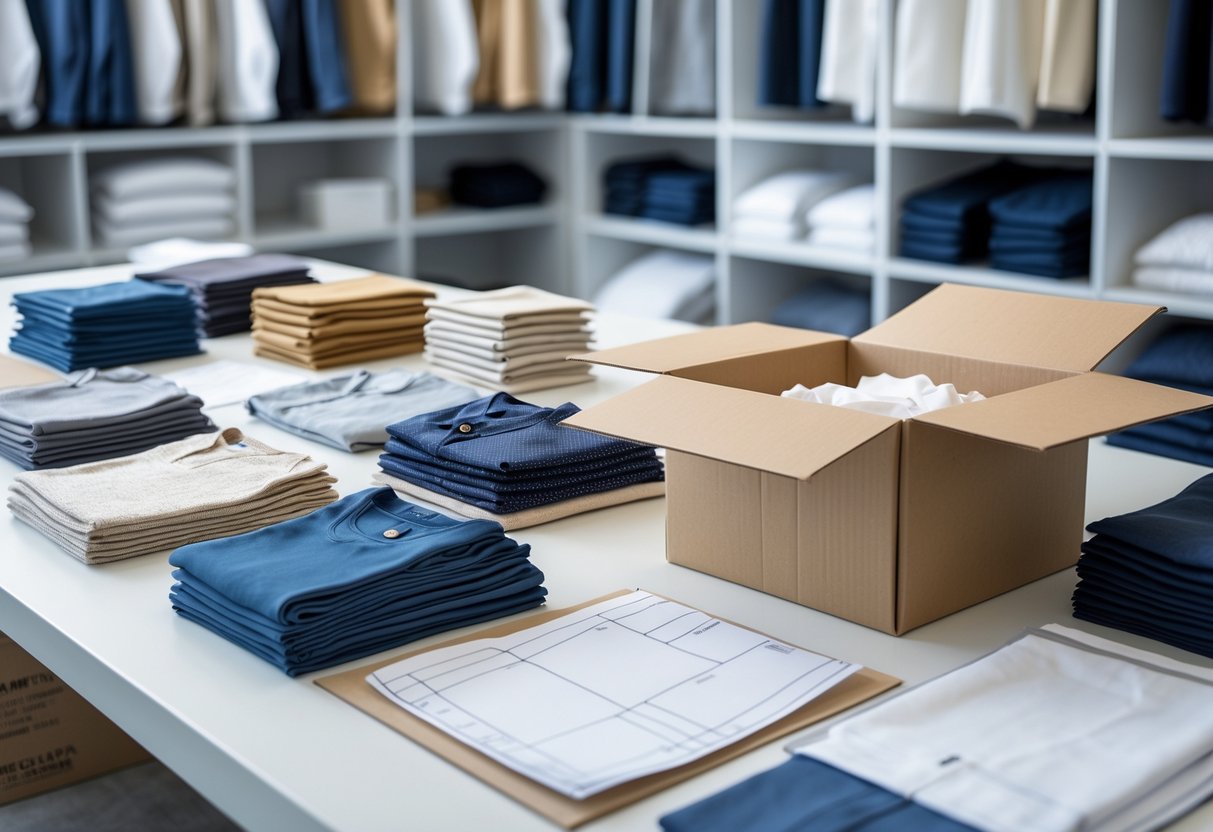
The shipment sample is a final sample sent to the buyer before the full order is shipped. It shows exactly how the bulk production items will look and helps confirm that quality and specifications are met.
This sample is important for checking details like fabric, stitching, color, and size. The buyer uses it to approve the shipment or request changes before all products are dispatched.
It acts as the last step in quality control. If the shipment sample meets expectations, the order can proceed without delays. If there are issues, adjustments can still be made to the remaining production.
In some cases, the shipment sample may be sent along with the first batch of garments. This allows the buyer to inspect samples while receiving products, ensuring consistency throughout the shipment.
9) Top of Production (TOP) Sample
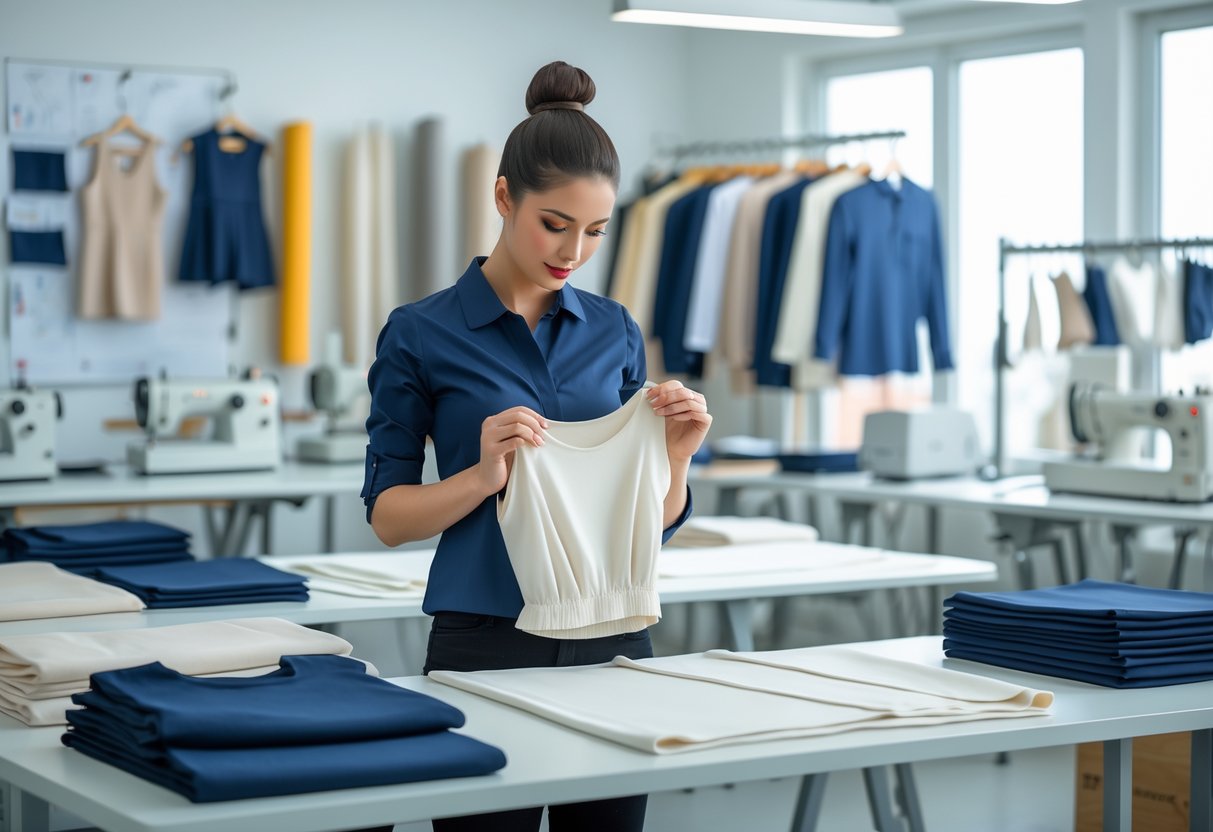
The Top of Production (TOP) sample is created after the initial production run begins. It shows the first garments made on the factory line using full production methods. This sample helps ensure that the quality, fit, and design match the approved pre-production sample.
It allows manufacturers and brands to check for any issues early in the bulk production process. If there are problems, they can be fixed before making the full order. The TOP sample confirms that the factory follows all specifications correctly.
The sample is also important for quality control. It verifies that the fabrics, trims, and workmanship meet expected standards. This step helps avoid costly mistakes during large-scale production.
In short, the TOP sample bridges the gap between small test samples and mass production. It ensures that the factory is ready to produce the final garments consistently. This sample plays a key role in maintaining product quality and customer satisfaction.
10) Counter Sample
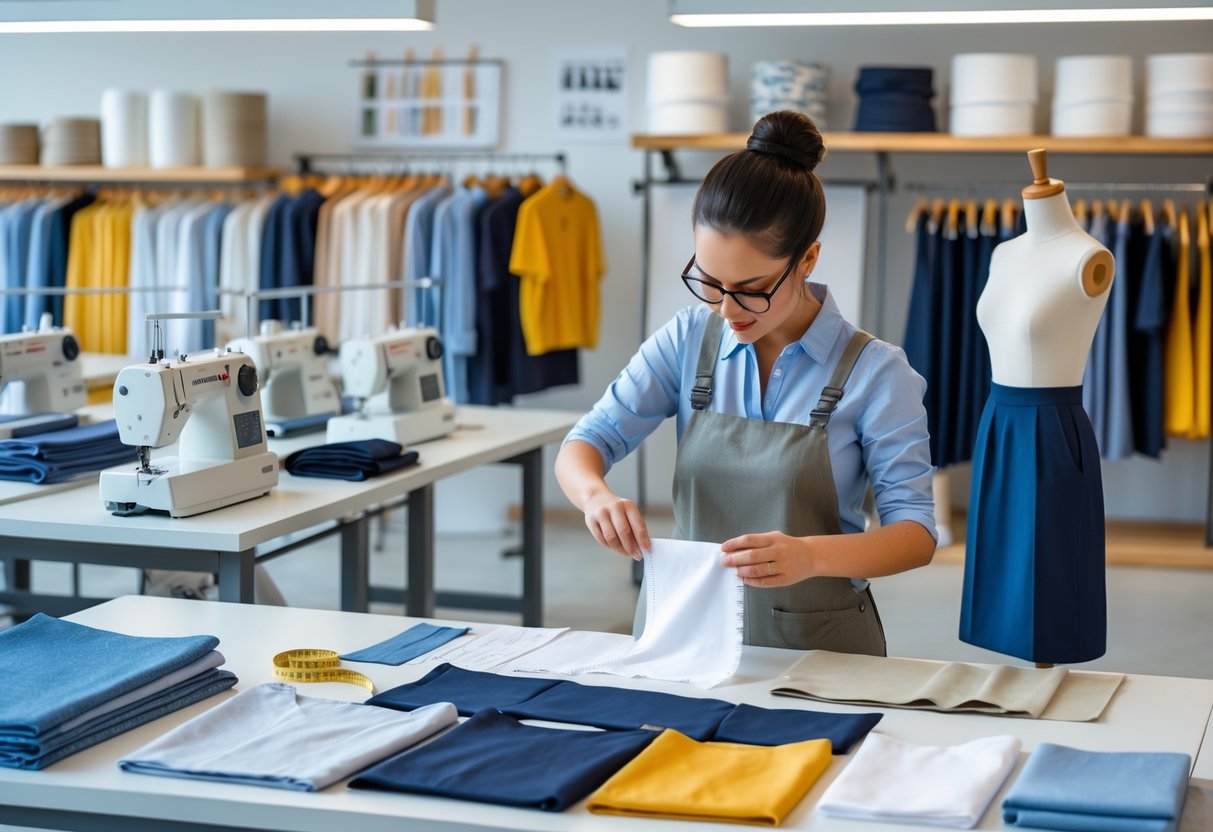
The counter sample is a key part of the quality control process in apparel production. It is usually made after the bulk production starts. This sample helps check if the clothing items match the approved design and standards.
Manufacturers use the counter sample to compare garments from different production lots. This ensures each batch is consistent in color, fabric, and construction. It prevents quality issues before the garments reach the market.
The counter sample also serves as a reference for buyers and quality teams. They can use it to approve or reject a production lot. This step is important to maintain brand reputation and customer satisfaction.
In short, the counter sample acts as a checkpoint during manufacturing. It helps confirm that the final products meet expectations before shipment.
11) Wash Test Sample
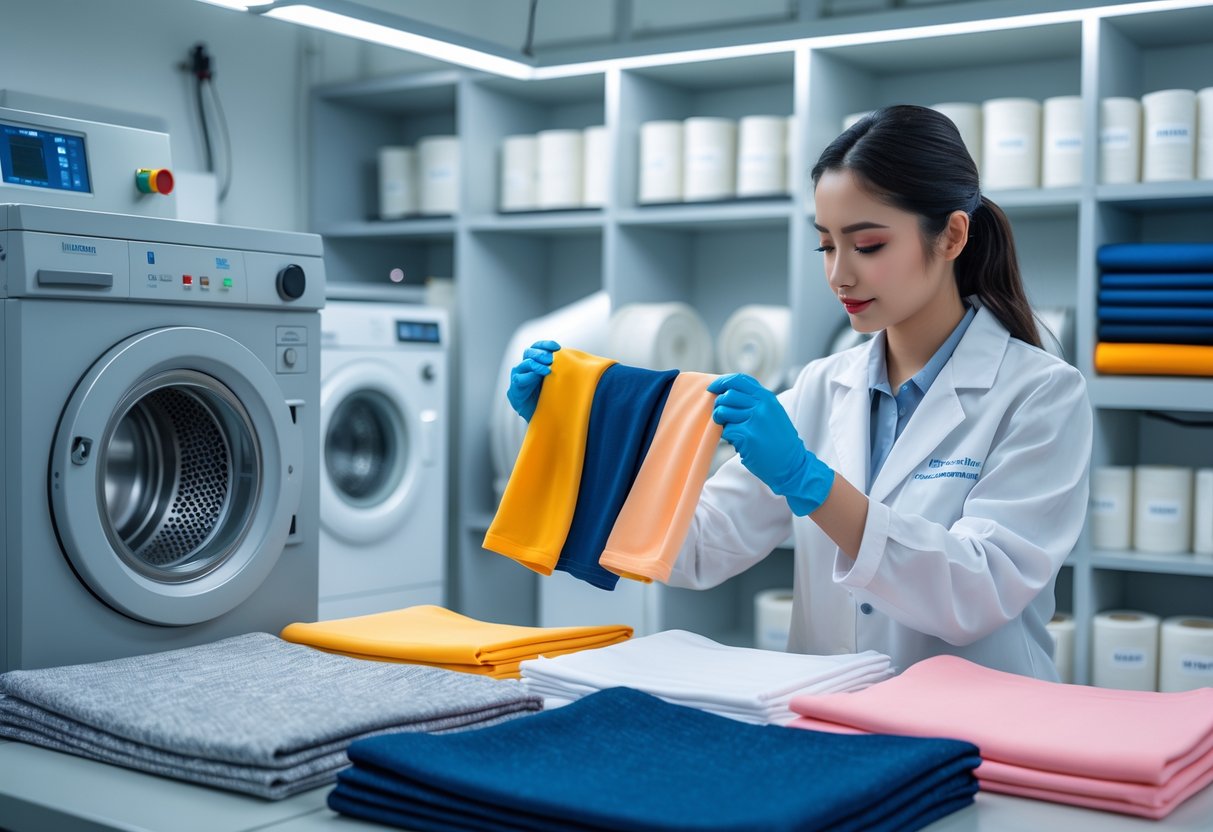
The wash test sample is created to check how a garment holds up after washing. It undergoes the same wash process the final product will face, including detergents, water temperature, and washing cycles.
This sample helps identify issues like color fading, shrinking, or fabric damage. It also shows if trims and prints stay intact after several washes.
Manufacturers use wash test samples to make sure the garment meets quality standards. If problems appear, adjustments can be made before mass production starts.
Testing early saves time and money by preventing defects in the final shipment. It also helps maintain customer satisfaction with durable, well-made clothes.
In apparel production, wash test samples serve as a key tool to evaluate the garment’s performance in real-life use. They must represent the exact fabric and construction of the final product for accurate results.
12) Approval Sample
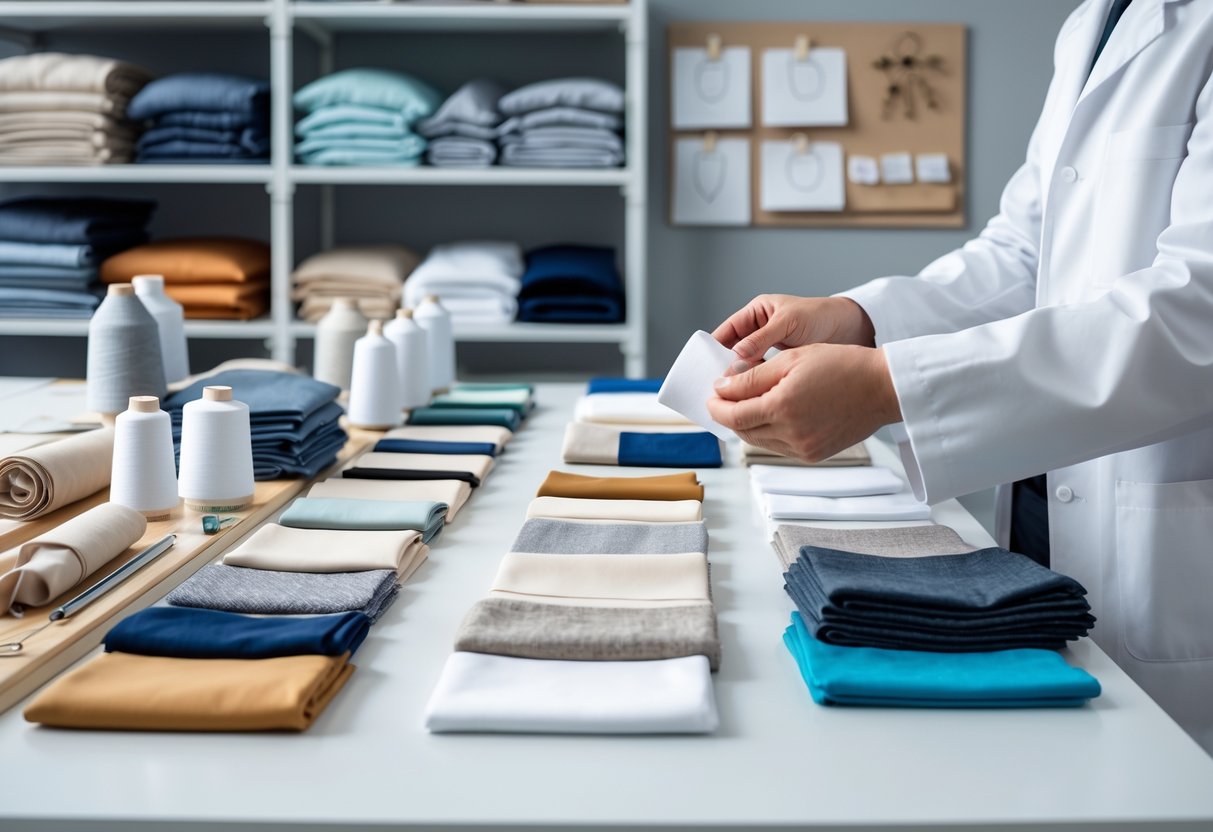
The approval sample is one of the final garments produced before full-scale manufacturing begins. It shows exactly how the final product will look, including fabric, trims, colors, and construction details.
This sample is sent to buyers or brand representatives for their review and approval. It helps confirm that the product meets all specified requirements and matches the intended design.
Any changes requested at this stage are usually minor, focused on small adjustments or quality improvements. Once approved, the production team uses this sample as a standard to ensure consistency in the whole batch.
Approval samples play a key role in minimizing errors during mass production. They serve as a final checkpoint to maintain quality and design accuracy across all garments produced.
13) Reference Sample
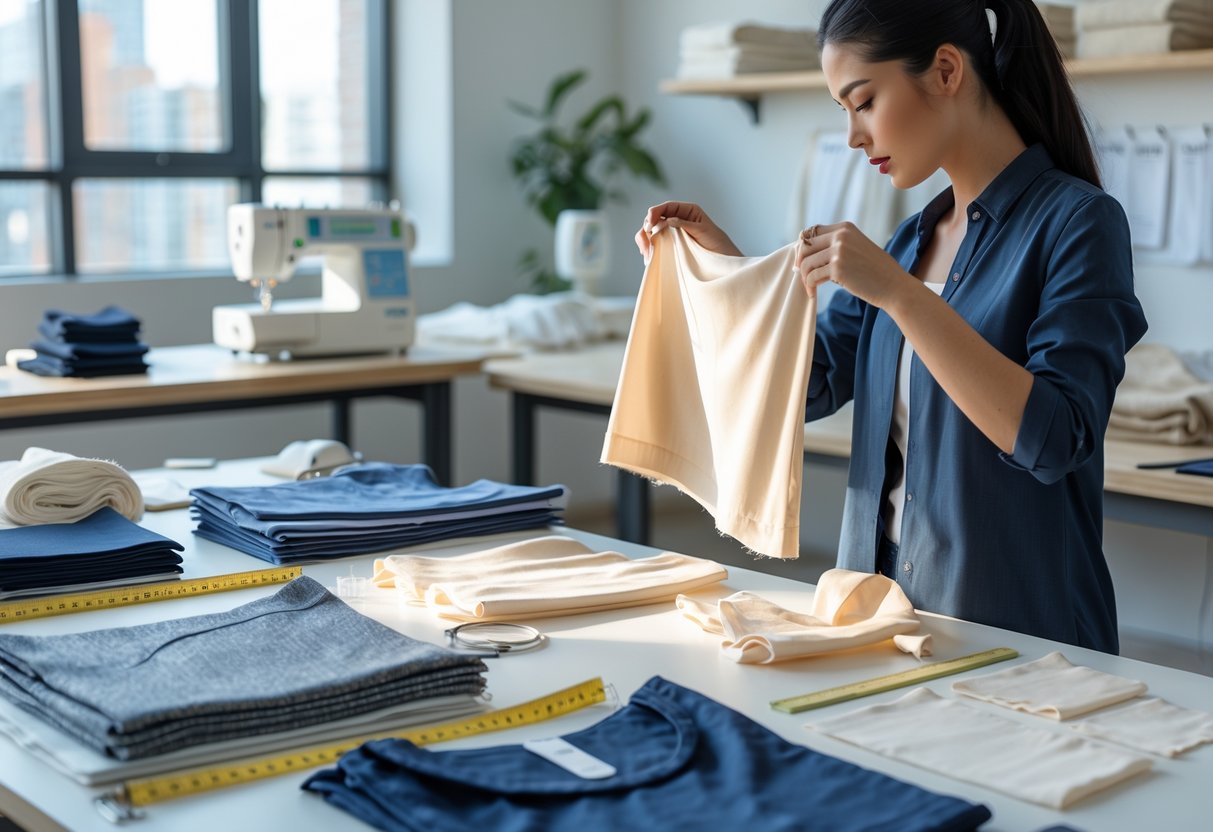
A reference sample serves as the standard for quality and appearance during production. It shows exactly how the final garment should look and feel. This sample guides manufacturers in keeping consistency across all items.
It is made with the same materials and techniques as the final product. The reference sample helps spot any differences or mistakes before the bulk production starts. It acts as a physical benchmark throughout the production process.
Designers, quality control teams, and suppliers often use the reference sample. They compare new samples or production pieces against it to ensure the product meets the original standards. This sample is essential to avoid variations that can lower the garment’s quality.
The reference sample stays unchanged once approved. It is stored safely so teams can refer back to it whenever needed. This helps maintain clear communication about the expectations for the garment across all involved parties.
Understanding the Role of Garment Samples

Garment samples serve as a bridge between the design and final product stages. They help check the garment’s fit, fabric quality, and overall design before mass production begins. Samples also aid communication between different teams and ensure that the product meets buyer expectations.
Purpose in Apparel Production
Garment samples allow designers and manufacturers to test and refine a product. They act as prototypes used to check the garment’s fit, look, and feel. This helps catch design flaws early, reducing errors during large-scale production.
Samples are also essential for assessing fabric quality and color accuracy. Buyers use them to confirm the product meets their standards before placing bulk orders. Different types of samples serve distinct roles—from initial design approval to final checks on production quality.
By using samples, companies improve product consistency and avoid costly mistakes. This process ensures that the final garment will meet design specifications and customer expectations.
Key Stakeholders Involved
Several people use garment samples during production. Designers rely on them to see how concepts translate into real garments. They use samples to make adjustments to fit and style.
Manufacturers use samples to set production standards. Samples guide factories to produce garments consistently and within quality limits. Quality control teams inspect samples to confirm materials and craftsmanship meet the required levels.
Buyers also play a crucial role. They review samples to decide whether to approve the design for mass production. Their approval is often needed before manufacturers start full runs.
In short, garment samples connect designers, manufacturers, quality controllers, and buyers to ensure the product is made as intended.
Common Challenges During Sample Development
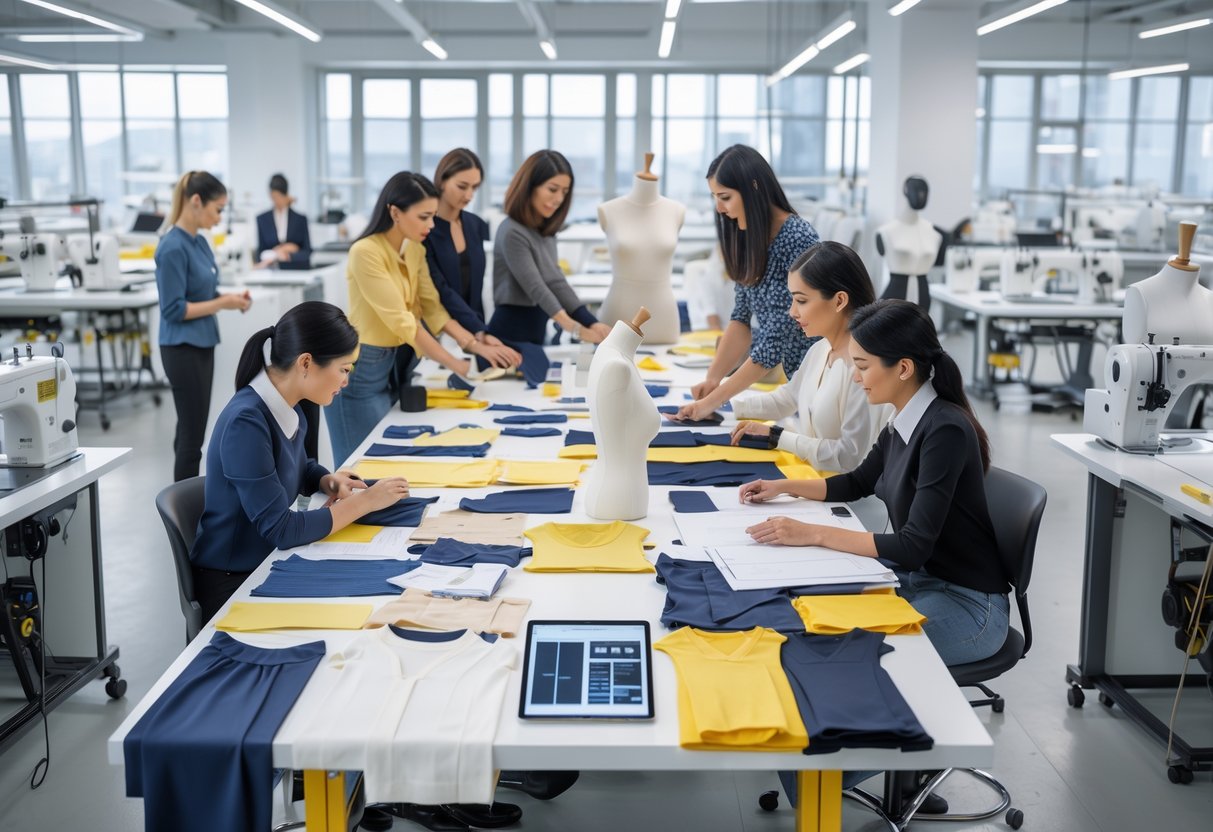
Sample development requires careful planning and strict attention to detail. Delays and miscommunication can disrupt schedules, while maintaining consistent quality is vital to avoid costly problems later.
Managing Timelines and Communication
Delays in sample development often happen because teams do not sync well. Designers, manufacturers, and suppliers must coordinate deadlines and share updates clearly. Missing a deadline for a fit sample, for example, can push back the entire production timeline.
Regular check-ins and clear instructions help keep everyone on track. Using tools like shared calendars or project management apps supports better communication. It is also important to set realistic deadlines based on complexity and available resources.
When changes occur, quick communication prevents misunderstandings. Clear documentation of revisions ensures that each party knows exactly what to adjust, reducing the chance of rework.
Quality Control Considerations
Quality issues often arise if samples do not match approved specifications. This includes differences in fabric, stitching, or fit. Identifying these problems early is crucial to avoid mass production errors.
Inspections must check every detail against the original design, including measurements, fabric texture, and color accuracy. Using checklists can standardize this process.
Consistent communication with quality teams and suppliers helps catch defects early. If samples fail quality checks, revisions should be quick and precise to keep production on schedule.
Quality control also involves testing samples for durability and comfort to meet end-user expectations. This step protects the brand’s reputation and reduces returns or complaints.
Frequently Asked Questions
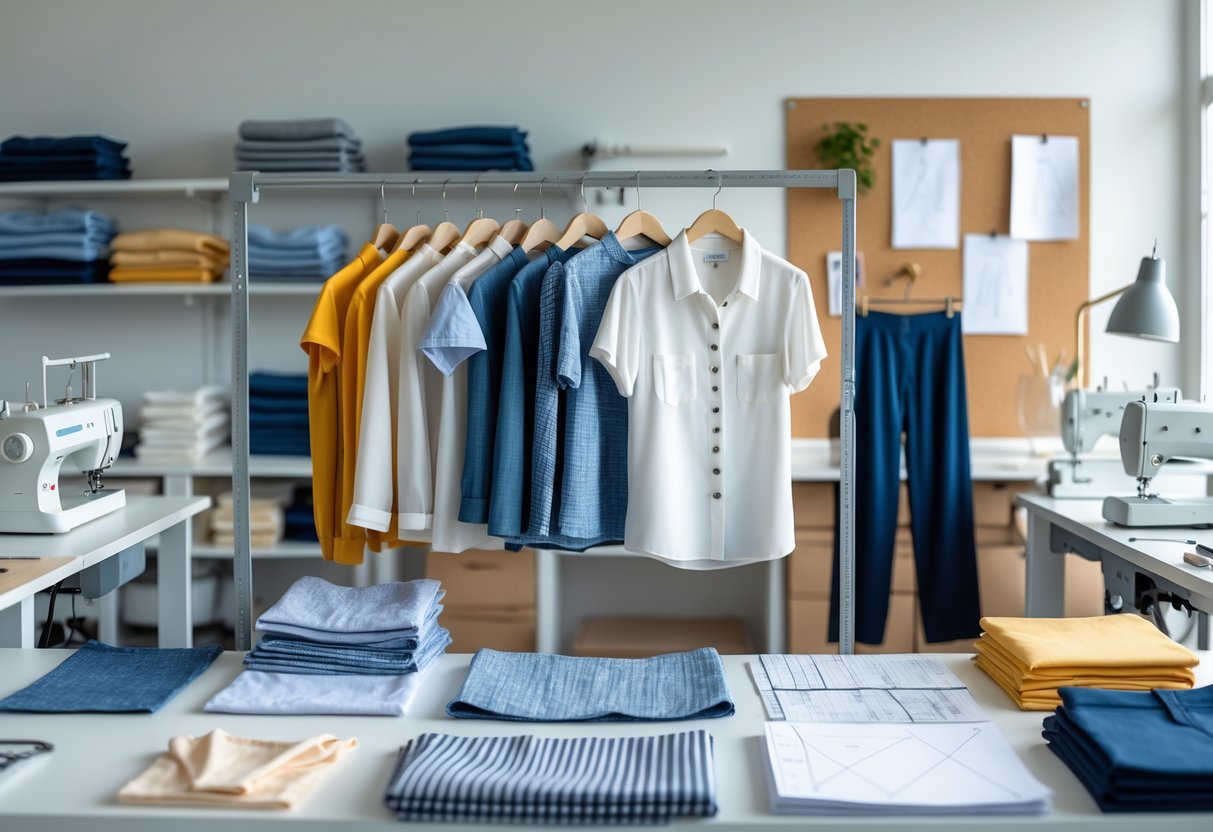
These questions cover important garment sample types and their roles in the production process. Each sample serves specific purposes such as checking quality, fit, and consistency before mass production and shipment.
What does a PP sample signify in the manufacturing process?
A Pre-Production (PP) sample shows the exact garment that will be made in bulk. It confirms that materials, colors, and construction meet the buyer’s specifications.
It helps catch any final issues before mass production starts.
How does a TOP sample differ from other garment samples?
A TOP sample is a final production sample used to verify quality during the production run. It ensures the garments made in bulk match the approved samples.
This sample acts as a quality control checkpoint.
Why is a fit sample critical to apparel production?
A fit sample verifies the size, shape, and comfort of the garment on a model or fit mannequin. It ensures the clothing fits the target body measurements correctly.
Fit samples help adjust patterns and avoid sizing problems.
What role does a size set sample play in the garment industry?
A size set sample includes the garment made in all the different sizes planned for production. It shows how the product will look and fit across the full range.
This helps manufacturers identify fit issues in different sizes early.
What is the importance of a shipment sample before distribution?
A shipment sample is a final sample representing the exact batch of garments to be shipped. It confirms that the production meets all quality and packaging standards.
It acts as a reference to prevent mistakes during shipping.
When is a gold seal sample used in the garment production cycle?
A gold seal sample is approved by both the manufacturer and buyer as the perfect version of the garment. It is often used to finalize bulk production details.
This sample serves as the ultimate quality reference.