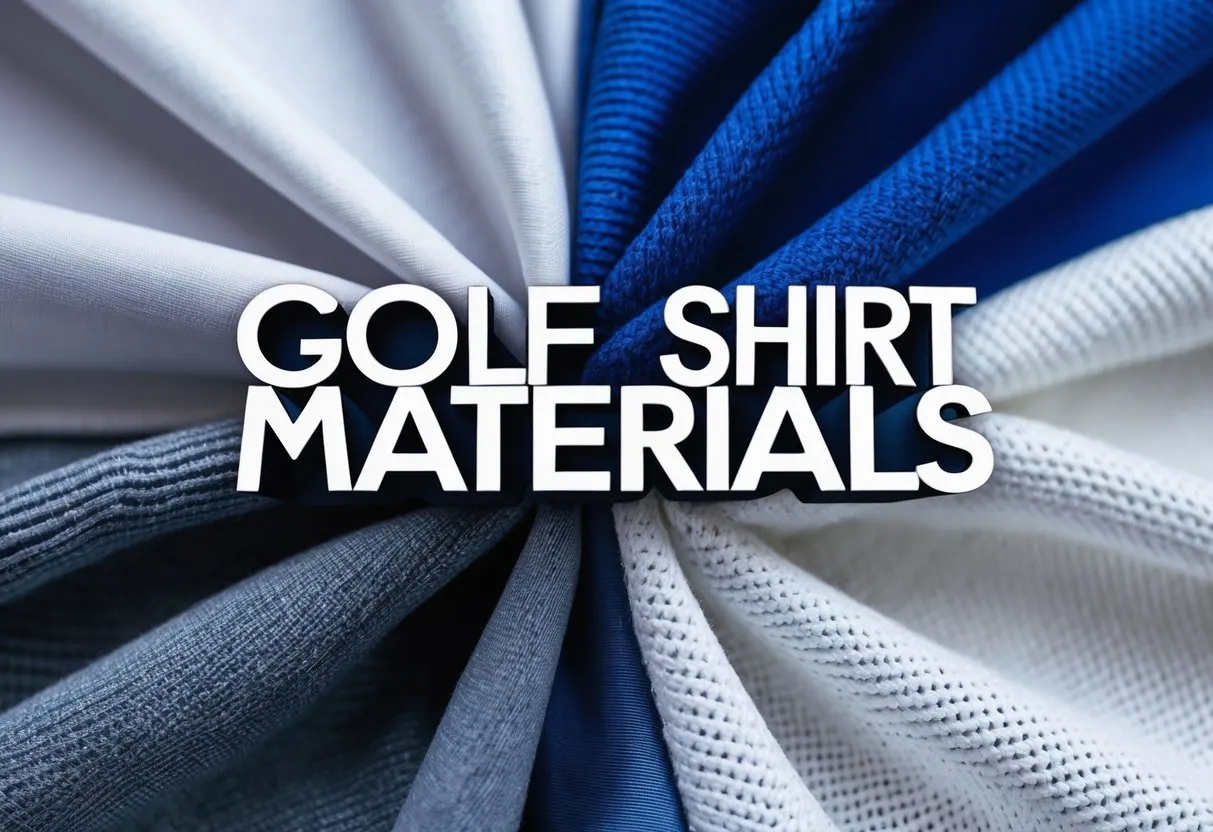
Golf Shirt Materials: Types, Properties, and Performance Guide
Golf shirts are an essential part of golf apparel, designed to balance comfort, style, and performance on the course. The material used in these shirts plays a key role in how well a golfer can stay cool, move freely, and avoid discomfort during a round. The best golf shirts are usually made from fabrics that wick moisture, are durable, and stretch enough to allow ease of movement.
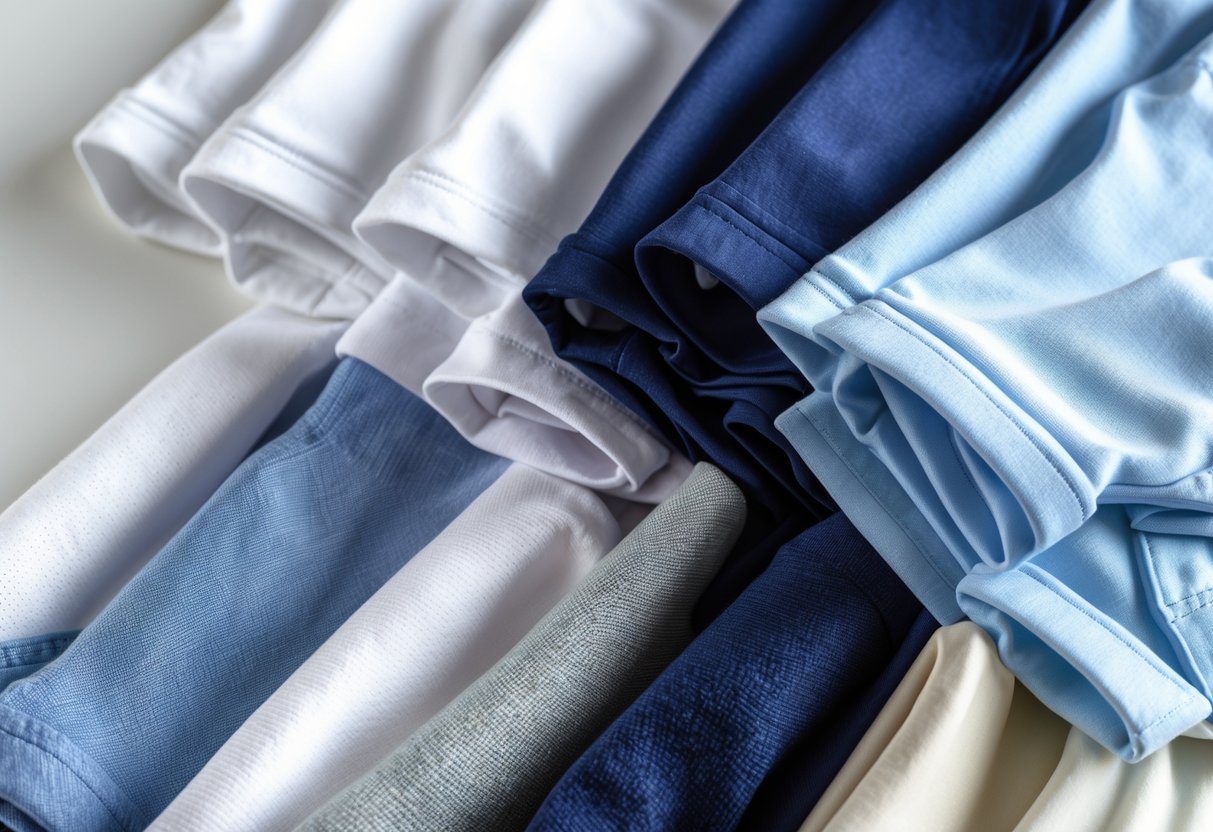
Materials like polyester and spandex are commonly favored because they dry quickly, resist wrinkles, and maintain breathability. Cotton, while soft and familiar, often traps sweat and dries slowly, which can impact comfort during hot or active play. Blended fabrics and added features such as UV protection or easy-care finishes can further improve a golf shirt’s performance and longevity.
Understanding the differences between materials helps golfers choose shirts that meet their needs for both function and style. The right fabric can enhance comfort and focus, making it easier to concentrate on the game rather than adjusting clothing on the course.
Key Takeways
- Golf shirts need fabric that manages sweat and supports movement.
- Polyester and spandex blends offer durability and breathability.
- Choosing the right shirt fabric improves comfort and performance on the course.
Key Considerations for Choosing Golf Shirt Materials
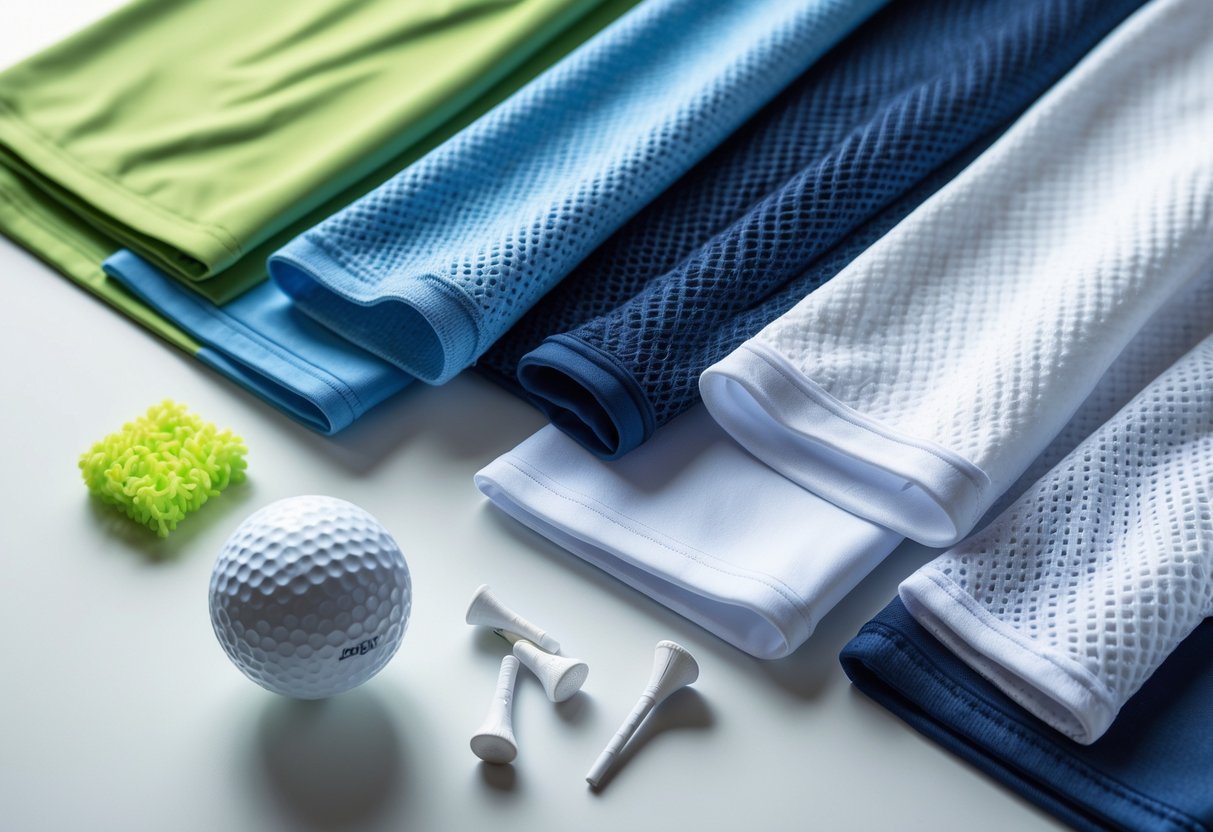
Selecting the right golf shirt means balancing how well the fabric handles sweat, how long it lasts, how comfortable it feels, and how easy it is to care for. Each of these factors directly affects a golfer’s experience on the course.
Breathability and Moisture Management for Golf Shirt Materials
Breathability is about how well air can pass through the fabric to keep the wearer cool. Materials like polyester and merino wool allow air circulation and help body heat escape. This prevents overheating during long rounds.
Moisture management is crucial. Polyester excels at wicking sweat away from the skin and drying quickly. This keeps the shirt light and prevents it from clinging to the body. In contrast, cotton absorbs sweat and stays wet longer, which can cause discomfort and cooling issues.
Gamers in hot or humid climates should prioritize fabrics with strong moisture-wicking and breathability features to maintain comfort throughout the round.
Durability and Longevity for Golf Shirt Materials
Durability refers to how well a shirt withstands repeated wear and washing. Polyester and synthetic blends are generally more resistant to shrinking, fading, and wrinkling. They hold up well over time, making them good choices for frequent golfers.
Cotton shirts are softer but tend to wear out faster. They can lose shape and color, especially after many wash cycles. Merino wool offers decent durability but requires gentle care to last.
For golfers playing often or traveling, choosing a material that maintains its shape and color without heavy maintenance is important.
Comfort and Fit for Golf Shirt Materials
Comfort depends on softness, stretch, and how the fabric moves with the body. Cotton is naturally soft and often preferred for casual wear or mild weather. Merino wool feels soft and non-itchy while adapting to temperature changes.
Polyester blends usually include elastane or spandex, which provide stretchiness. This flexibility supports a full golf swing without restriction. The fit should allow easy arm and shoulder movement but avoid excess looseness that could interfere with the swing.
Choosing comfortable fabric combined with the right fit ensures focus remains on the game, not the clothing.
Easy Care and Maintenance for Golf Shirt Materials
Golf shirts that are easy to care for simplify a golfer’s routine. Polyester and polyester blends dry quickly, resist wrinkles, and don’t shrink. They usually require simple machine washing and drying.
Cotton and merino wool need more delicate handling. Cotton may wrinkle and fade, needing careful washing. Merino wool often requires gentle cycles and air drying to preserve quality.
Selecting materials with low-maintenance care needs can save time and help keep shirts looking fresh over many rounds.
Overview of Common Golf Shirt Materials
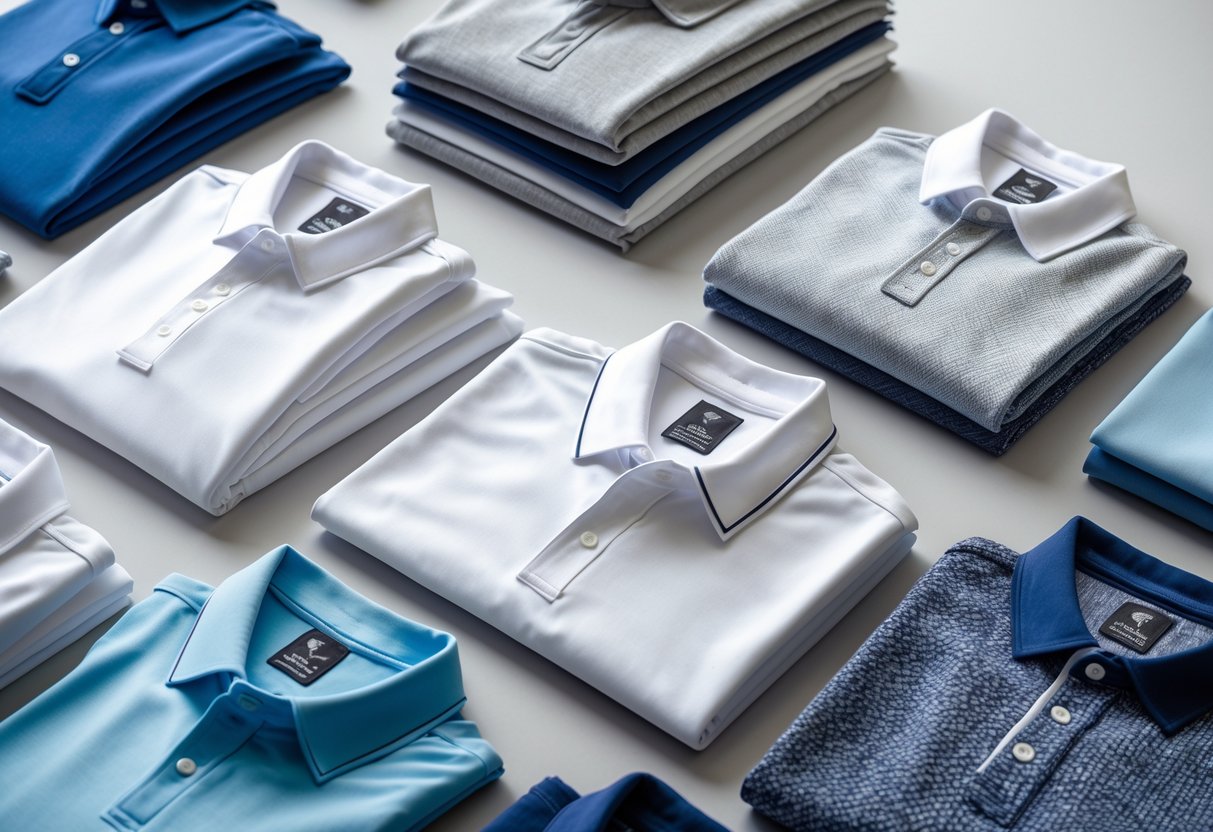
Golf shirts come in a variety of fabrics, each with unique qualities that affect comfort, performance, and durability. Understanding key materials helps golfers pick shirts that suit their climate, style, and play needs.
Cotton and Its Properties
Cotton is a natural fiber known for its softness and classic look. It feels comfortable against the skin and offers good breathability when dry. Many golfers appreciate cotton for casual wear and cooler days.
However, cotton absorbs sweat heavily, making the fabric clingy and heavy in hot or humid conditions. This dampness can restrict movement during swings. Cotton also wrinkles easily and may lose shape after washing, requiring more care than synthetic options.
Cotton golf shirts work best in mild, dry weather or for off-course use. They provide style and comfort but are less practical for serious play in heat or moisture.
Polyester: The Performance Leader
Polyester dominates golf shirt fabrics due to its moisture-wicking and quick-dry abilities. It pulls sweat away from the skin, helping golfers stay dry and cool during long rounds. Many shirts blend polyester with small amounts of spandex or elastane to add stretch, enhancing freedom of movement.
It resists shrinking, fading, and wrinkling, making it durable and low maintenance. Breathable weaves promote airflow and help manage body heat under the sun.
The main drawback is sometimes a less natural feel and the potential for odor retention. Antimicrobial treatments on shirts often address this issue. Polyester is the top choice for warm, humid climates where performance matters most.
Nylon in Golf Shirts
Nylon is a synthetic fiber valued for its strength and light weight. It offers good durability and dries quickly, which makes it a smart choice for active golfing conditions. Nylon fabrics can sometimes be blended with polyester or spandex to improve stretch and fit.
While not as common as polyester, nylon provides a smooth, soft feel that many golfers find comfortable. It is breathable but may not wick moisture as aggressively as polyester.
Nylon golf shirts work well for golfers seeking durable, lightweight options with easy care. They perform adequately in warm weather but are usually part of blends rather than stand-alone cotton alternatives.
Merino Wool and Natural Alternatives
Merino wool is a premium natural fabric prized for its temperature regulation. Its fibers adapt to body heat, keeping the wearer cool when hot and warm when cold. This makes it suitable for different seasons and variable weather conditions.
It is soft and non-itchy, unlike traditional wool, and manages moisture by wicking sweat while absorbing vapor without feeling damp. Merino wool also resists odors naturally, allowing extended wear between washes.
Care for merino wool is more delicate, usually requiring gentle washing and air drying. It tends to be pricier but offers an excellent combination of comfort, versatility, and sun protection for golfers who want natural fibers.
Blended Fabrics and Performance Enhancements
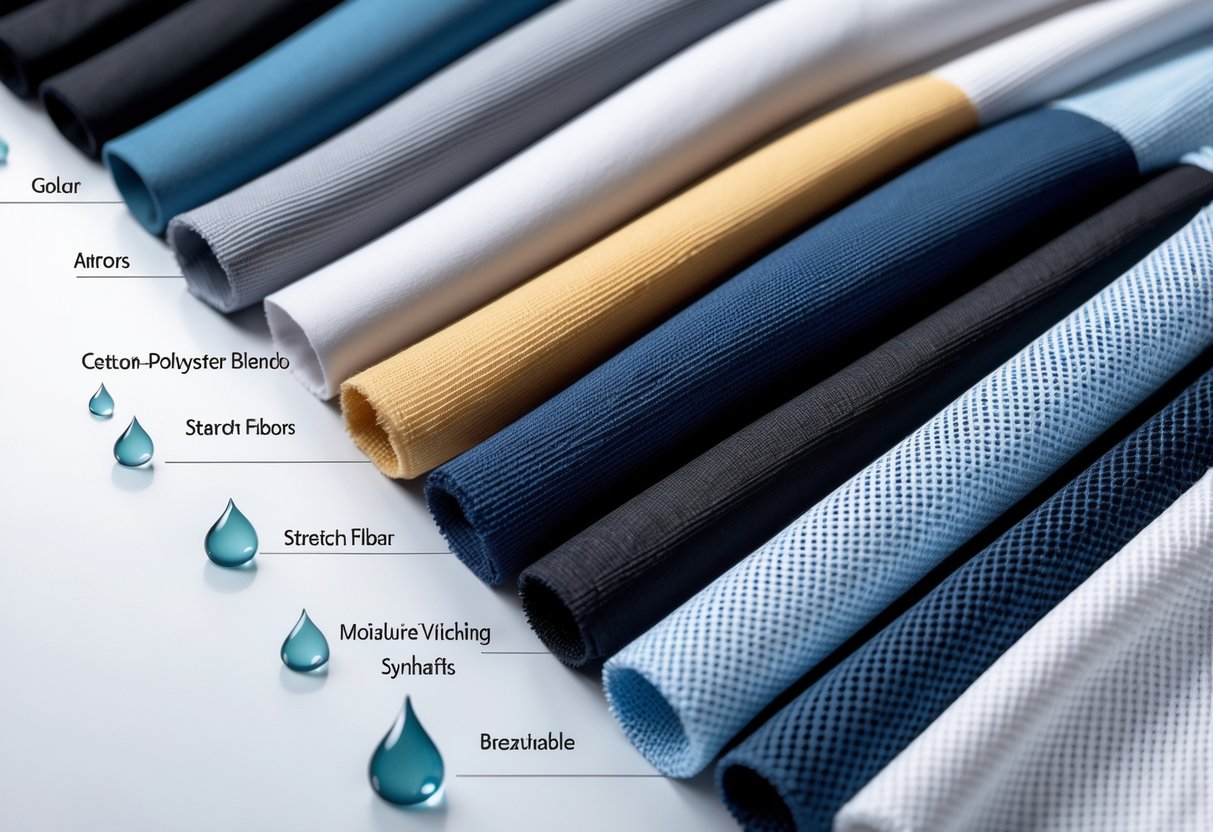
Blended fabrics combine different fibers to improve comfort, durability, and flexibility. These blends focus on moisture management, stretch, and shape retention. Many golfers choose tailored combinations to suit weather conditions and their movement needs on the course.
Polyester Blends
Polyester blends are widely used in performance golf apparel for durability and moisture-wicking. Combining polyester with cotton or spandex creates fabrics that dry quickly and resist wrinkles.
Polyester alone can feel less breathable, but blends solve this by improving airflow and softness. These blends also resist fading and shrinkage, making them low-maintenance.
They are often treated for UV protection, helping shield skin from sun exposure. Golfers benefit from a shirt that stays dry, maintains shape, and lasts through many rounds and washes.
Spandex and Elastane Blends
Spandex, also called elastane, adds stretch and mobility to golf shirts. When blended with cotton or polyester, it increases flexibility without sacrificing breathability.
A blend with 5–10% spandex allows golfers to swing and move freely. The font of stretch helps maintain a well-fitted, tailored look by preventing sagging and bagginess during play.
Spandex blends can shrink if dried on high heat, so careful washing and drying preserve fit. They are popular in golf apparel because they help the shirt move with the player rather than against them.
Advanced Performance Fabrics
These fabrics use modern technology to enhance golf shirt performance. They often include moisture-wicking fibers, anti-odor treatments, and UV protection.
Some offer temperature regulation through mesh structures or smart textile blends that cool the skin. Performance fabrics balance breathability and durability for long wear on the course.
Brands may incorporate nanotechnology or special coatings to fight bacteria and improve stretch. Golf shirts made with these fabrics focus on keeping players comfortable, dry, and protected during all weather conditions.
Moisture-Wicking Technologies in Golf Shirts

Moisture-wicking technology shapes modern golf shirt material by pulling sweat away from the skin and moving it to the fabric’s surface. This process helps keep players dry and comfortable during a round. Different brands and fabrics use unique methods to handle moisture efficiently and improve performance.
How Moisture-Wicking Works
Moisture-wicking fabrics work by using fibers designed to pull moisture away from the skin. These fabrics typically have a capillary action that draws sweat to the outer layer of the shirt. Once on the surface, the moisture evaporates quickly, preventing the shirt from becoming soggy.
Materials like polyester and technical blends are common in moisture-wicking golf shirts. These fibers dry much faster than natural fabrics such as cotton, which tends to hold sweat and feels heavy when wet. The lightweight nature of moisture-wicking fabrics also allows for better air circulation and comfort.
Moisture Management for Golf
Effective moisture management is key to maintaining comfort and focus on the course. Moisture-wicking technology supports this by regulating body temperature and reducing sweat buildup. It helps players avoid distractions caused by feeling wet or sticky.
Golfers should look for shirts labeled with breathability and moisture-wicking properties. Combining these features ensures air flows through the fabric, while sweat moves away from the skin. This balance is especially important in hot and humid weather, where staying dry can improve performance.
Leading Moisture-Wicking Brands
Several brands specialize in moisture-wicking golf shirt material. Polyester blends with spandex are common because they combine moisture control with flexibility. Spandex adds breathability and stretch, allowing for ease of movement during swings.
Companies like Under Armour, Nike, and Adidas use advanced microfiber technology for better moisture-wicking. Some brands also integrate natural fibers like merino wool, which can wick moisture while providing temperature control. Knowing these options helps golfers choose shirts suitable for their climate and playing style.
Special Features: UV Protection and Easy Care

Golf shirts often include features that make them practical and comfortable on the course. These features protect the wearer from the sun and reduce the time needed for maintenance. The following details explain how UV protection, wrinkle resistance, quick-drying, and odor control work together to improve the shirt’s performance.
UV Protection in Golf Apparel
Many golf shirts come with built-in UV protection, usually rated as UPF 40+ or UPF 50+. This rating means the fabric blocks 97.5% to 98% of harmful ultraviolet rays. Shirts with UPF protection help prevent sunburn and reduce skin damage during prolonged outdoor play.
Golf shirts achieve this protection by using special weaves or synthetic fibers that reflect or absorb UV rays. Some fabrics also include chemical treatments to enhance UV blocking. This feature is critical for players who spend several hours in direct sunlight.
Because UV protection is part of the fabric, it does not wash out easily. Golfers can rely on these shirts season after season without losing sun defense.
Wrinkle Resistance and Quick-Dry
Favorite golf shirts often combine wrinkle resistance with quick-dry capabilities. Wrinkle-resistant fabric means the shirt maintains a smooth, neat appearance, even after packing it in a bag or sitting for hours. This helps golfers look sharp on and off the course.
Quick-dry fabrics are usually made of polyester or polyester blends. These materials pull moisture away from the skin and dry rapidly. This keeps players comfortable in hot weather and prevents sweat from soaking through the fabric.
Together, wrinkle resistance and quick-dry features save time on ironing and help shirts last longer by reducing fabric damage from water and heat.
Odor Control and Antimicrobial Treatments
Some golf shirts include treatments that control odor and inhibit bacterial growth. These antimicrobial finishes stop bacteria from multiplying, which reduces the smell caused by sweat. This is especially useful during long rounds or hot conditions.
Odor-control technology often works by integrating silver ions or other safe chemicals into the fabric. These components disrupt bacteria while letting the fabric breathe. The treatment is usually durable and does not wear off easily.
This feature helps golfers stay fresh and feel more confident throughout their game without needing frequent washing. It also extends the life of the shirt’s clean, pleasant smell.
Style, Fit, and Versatility in Golf Attire

Golf attire balances function and style to support performance while keeping players comfortable. Choosing the right designs, fits, and materials helps golfers adapt to varying conditions and maintain a sharp appearance on the course.
Polo Shirts and Classic Designs
Polo shirts are a staple in golf attire for their timeless style and practical features. They usually have a structured collar and buttoned placket, which offers a smart look that fits dress codes at most courses.
Classic polos often use cotton or cotton blends for softness and breathability. These materials provide comfort during long rounds and allow air to circulate. Modern polos also include stretch fabrics like spandex for better movement.
Design elements such as color, pattern, and cut can vary. Slim or tailored fits offer a contemporary look, while traditional cuts allow more room for swinging. Many polos combine style with performance features like moisture-wicking and UV protection.
Performance vs. Lifestyle Golf Shirts
Performance golf shirts focus on materials that manage heat, moisture, and flexibility. Common fabrics include polyester blends that wick sweat away, dry quickly, and resist wrinkles. These shirts often have mesh panels or ventilation zones to boost airflow.
Lifestyle golf shirts prioritize casual style without sacrificing basic comfort. They might use natural fibers like cotton or wool that feel soft but may not dry as fast. These shirts suit clubhouse wear or casual rounds where TECH fabrics are less crucial.
Some golf shirts blend both types, offering style and functionality. For example, cotton-spandex blends stretch well and look sharp but still provide basic moisture control. Choosing between performance and lifestyle depends on how active and formal the golfer’s play is.
Selecting Materials for Different Playing Conditions
Material choices greatly affect comfort depending on weather and activity level. Breathable, lightweight fabrics like polyester blends work best in hot, humid conditions by keeping sweat off the skin.
For cooler weather, wool or fleece offer warmth without bulk. Wool, including merino or lambswool, provides insulation and maintains breathability. These natural fibers also block UV rays and resist odors.
Cotton is versatile for moderate temperatures but loses some heat retention and dries slower than synthetic blends. Blended fabrics like cotton-polyester combine durability and moisture-wicking, making them good all-around choices.
Selecting materials with UV protection, stretch, and moisture management ensures golfers stay comfortable and move freely regardless of weather or course demands.
Frequently Asked Questions
Choosing the Golf Shirt Materials affects comfort, durability, and performance on the course. Factors like moisture-wicking, breathability, and stretch play important roles in how a shirt performs during play.
What is the best type of fabric for golf shirts in hot weather conditions?
Lightweight and moisture-wicking materials like polyester and blends with spandex work best in hot weather. They help keep the body dry by moving sweat away from the skin and drying quickly.
Breathability is also important to allow airflow and prevent overheating.
Which materials are commonly used for manufacturing men’s golf shirts?
Polyester, cotton blends, nylon, and spandex are common in men’s golf shirts. Polyester is popular for its durability and its moisture-wicking ability.
Cotton blends offer some softness but can hold moisture more than polyester.
What distinguishes a high-quality golf shirt fabric?
High-quality fabrics balance durability, comfort, and performance features. They resist wrinkles, wear well, and dry quickly.
Stretch fabrics like those with spandex allow for better movement and maintain shape over time.
How does polyester compare to other fabrics for golf shirts?
Polyester is stronger and more durable than cotton and many other natural fabrics. It wicks moisture away from the body and dries faster, enhancing comfort during active play.
Unlike cotton, it maintains color and shape after washing.
What should be considered when choosing women’s golf shirt materials?
Comfort and fit are crucial for women’s golf shirts, alongside fabric performance. Stretch and breathability improve freedom of movement.
Fabrics blending polyester with spandex are commonly preferred for balance of flexibility and moisture control.
Where can one find premium materials for custom golf shirts?
Premium materials are available through specialty sportswear suppliers and some custom apparel makers. Online retailers offering performance fabric options may also provide high-quality blends designed for golf.
Choosing trusted brands that specialize in athletic wear ensures better fabric quality and durability.