10 Best Fabric For T-Shirts with Durability and Comfort
Choosing the right fabric for a t-shirt is important for comfort, durability, and fit. Different fabrics affect how a shirt feels and performs in daily wear. People want fabrics that balance softness, breathability, and long-lasting quality.
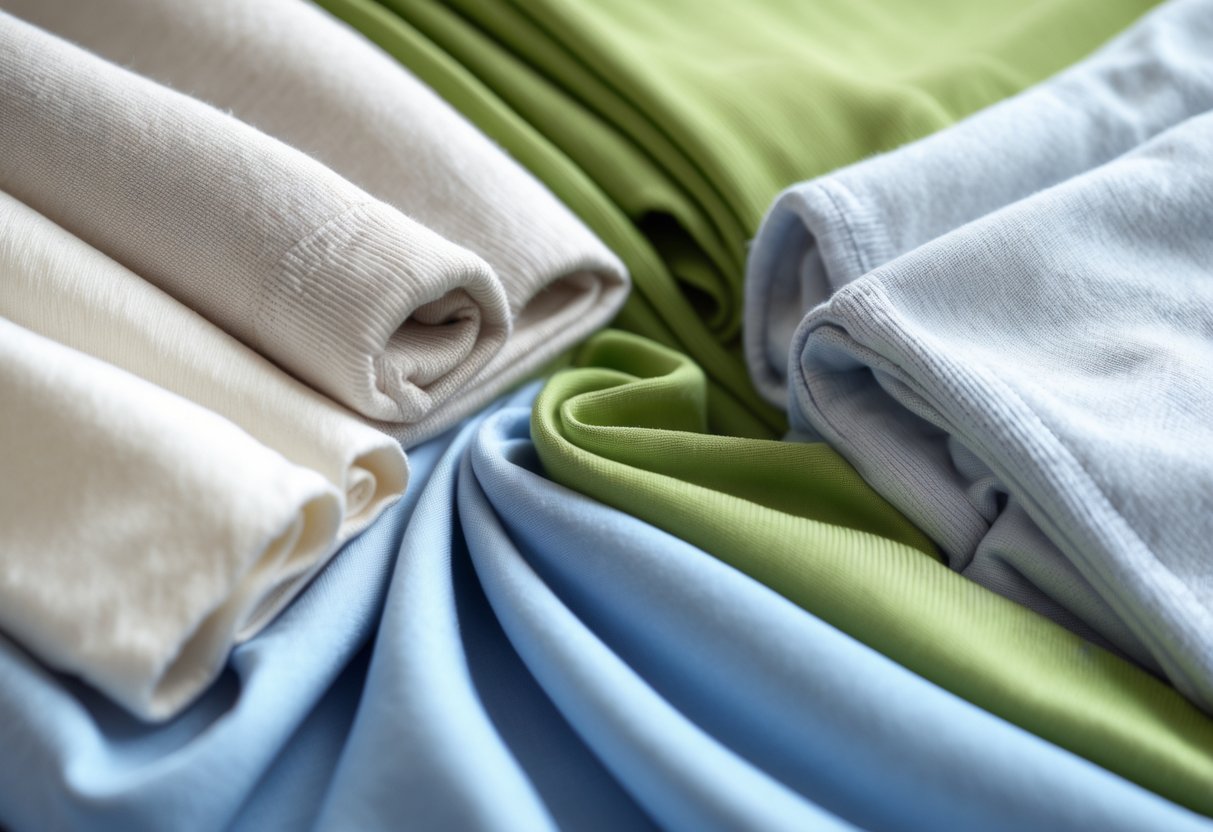
The best fabric for t-shirts depends on what the wearer values most, such as comfort, durability, or style. Understanding these factors helps in picking a fabric that suits different needs and lifestyles. This article will explore the key points that make one fabric better than another for t-shirts.
1) 100% Organic Cotton
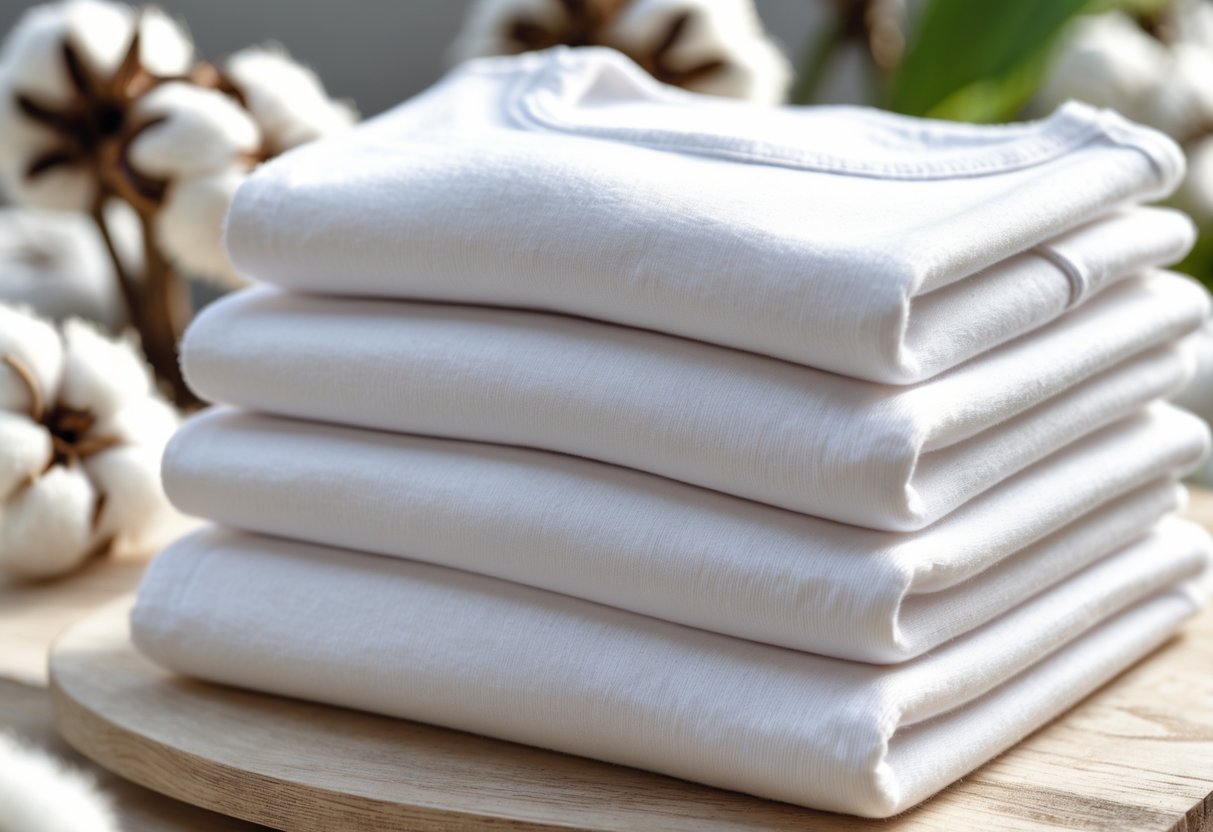
100% organic cotton is a popular fabric choice for t-shirts. It is grown without synthetic chemicals, which makes it better for the environment and often softer on the skin.
Organic cotton t-shirts are breathable and comfortable. They allow air to flow, helping to keep the wearer cool. This makes them suitable for everyday use and warm weather.
Sustainable farming methods are used to grow organic cotton. These methods protect soil health and reduce water usage. This helps limit the environmental impact compared to traditional cotton.
Shirts made from organic cotton often last longer. The fabric is durable and holds its shape well through multiple washes. Proper care helps maintain the quality over time.
Some brands also use certified organic cotton, which meets strict standards. This adds assurance that the product is eco-friendly and free from harmful chemicals.
Choosing 100% organic cotton t-shirts supports sustainability. It is a practical way to combine comfort with a lower impact on the planet.
2) Polyester-Cotton Blend (50/50)
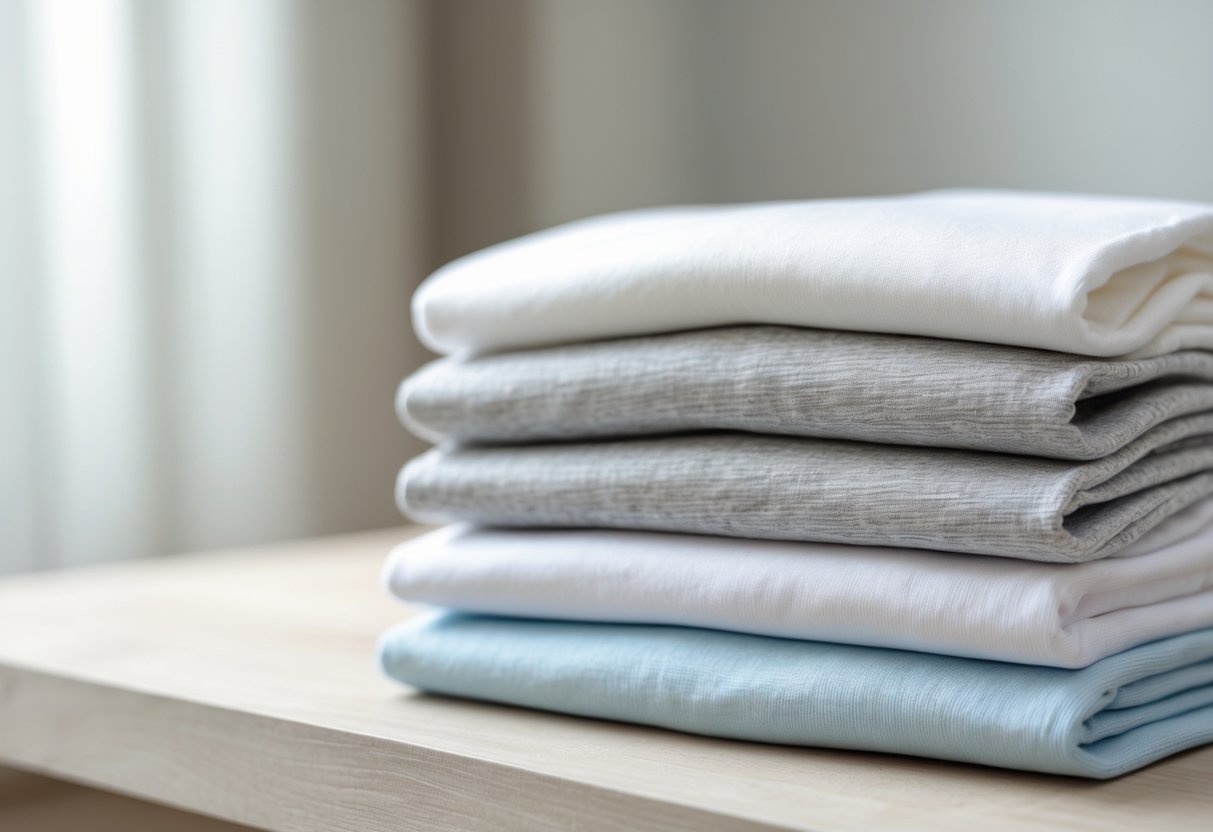
The 50/50 polyester-cotton blend combines equal parts of both fibers. This mix balances the softness and breathability of cotton with the strength and durability of polyester. It is a popular choice for casual t-shirts and everyday wear.
This fabric is more wrinkle-resistant and holds up better after many washes than 100% cotton. It also tends to dry faster because of polyester’s moisture-wicking ability. However, it may feel less soft than pure cotton.
The blend works well for people who want a low-maintenance shirt that still feels comfortable. It is good for those who need something durable but breathable. Many brands use this fabric for t-shirts, sweatshirts, and similar clothing.
3) Tri-Blend (Cotton, Polyester, Rayon)
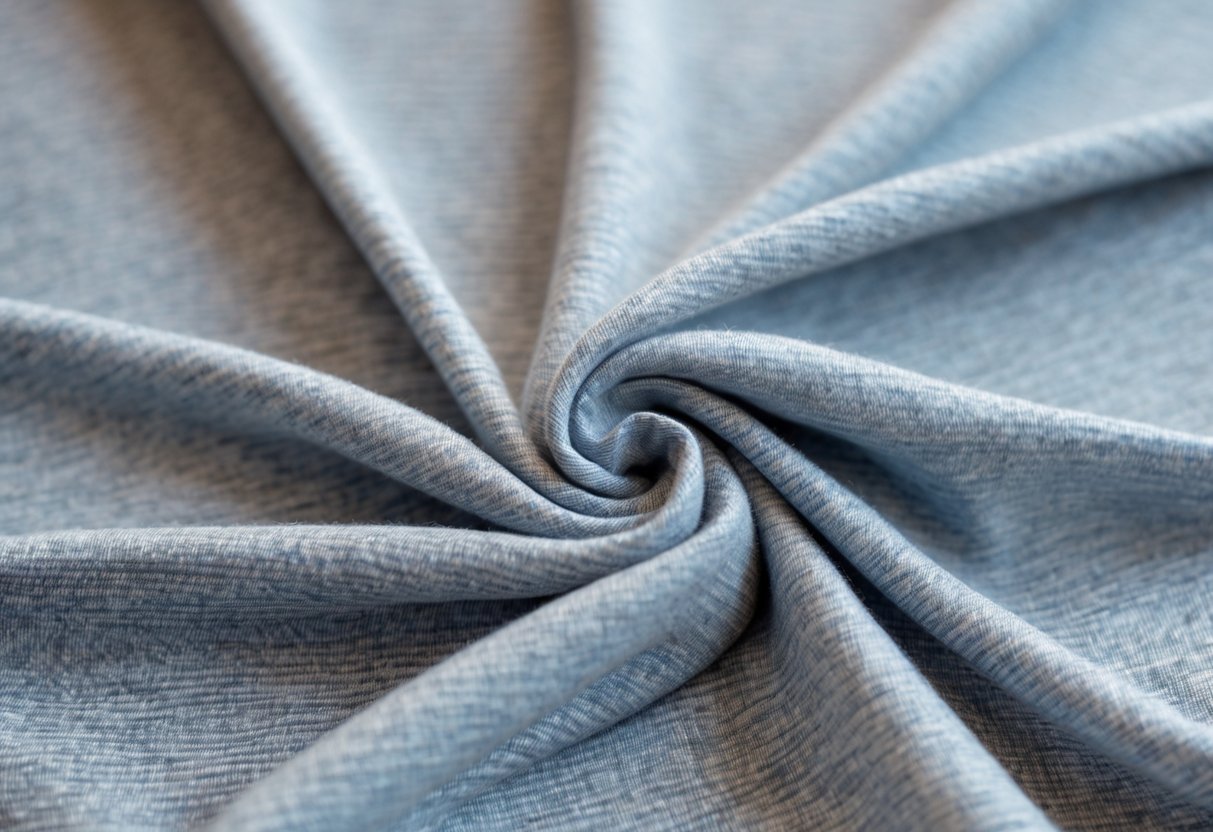
Tri-blend fabric mixes cotton, polyester, and rayon. Typically, it contains about 50% cotton, 25% polyester, and 25% rayon. This combination creates a balanced fabric with useful qualities from each material.
Cotton adds breathability and comfort. Polyester contributes strength and durability. Rayon gives the fabric a smooth feel and soft texture. Together, they provide a lightweight and breathable fabric.
Tri-blend shirts often have a vintage or heathered look. They drape well on the body and feel soft against the skin. This makes them popular for casual wear and fitted styles.
They handle moisture better than pure cotton, thanks to polyester. The fabric also holds its shape without stretching out too much. This blend works well for people who want both comfort and durability.
Overall, tri-blend fabric offers a good mix of softness, strength, and style. It fits well for those who need a reliable and comfortable t-shirt for everyday use.
4) Bamboo Fabric
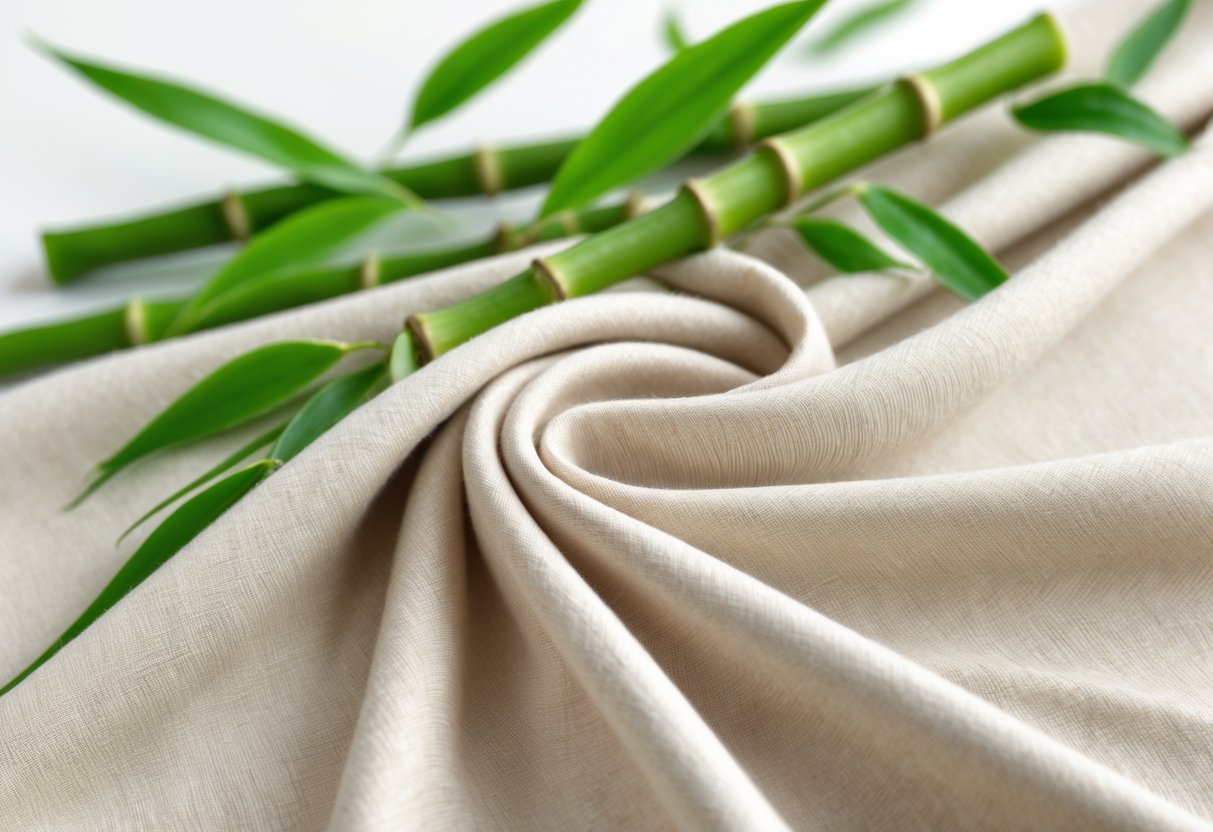
Bamboo fabric is known for being soft and breathable. It feels smooth on the skin, which makes it a good choice for people with sensitive skin.
This fabric is also moisture-wicking. It helps keep the wearer dry by pulling sweat away from the body.
Bamboo fabric is eco-friendly because bamboo grows quickly and needs less water than cotton. It is considered more sustainable in comparison to some traditional fabrics.
Its natural properties make bamboo fabric hypoallergenic. This means it is less likely to cause allergic reactions.
Bamboo blends are often used in clothing, including everyday t-shirts. These blends improve durability while keeping the fabric comfortable.
Care for bamboo fabric by washing it gently and avoiding high heat. This helps keep its softness and shape over time.
5) Pima Cotton
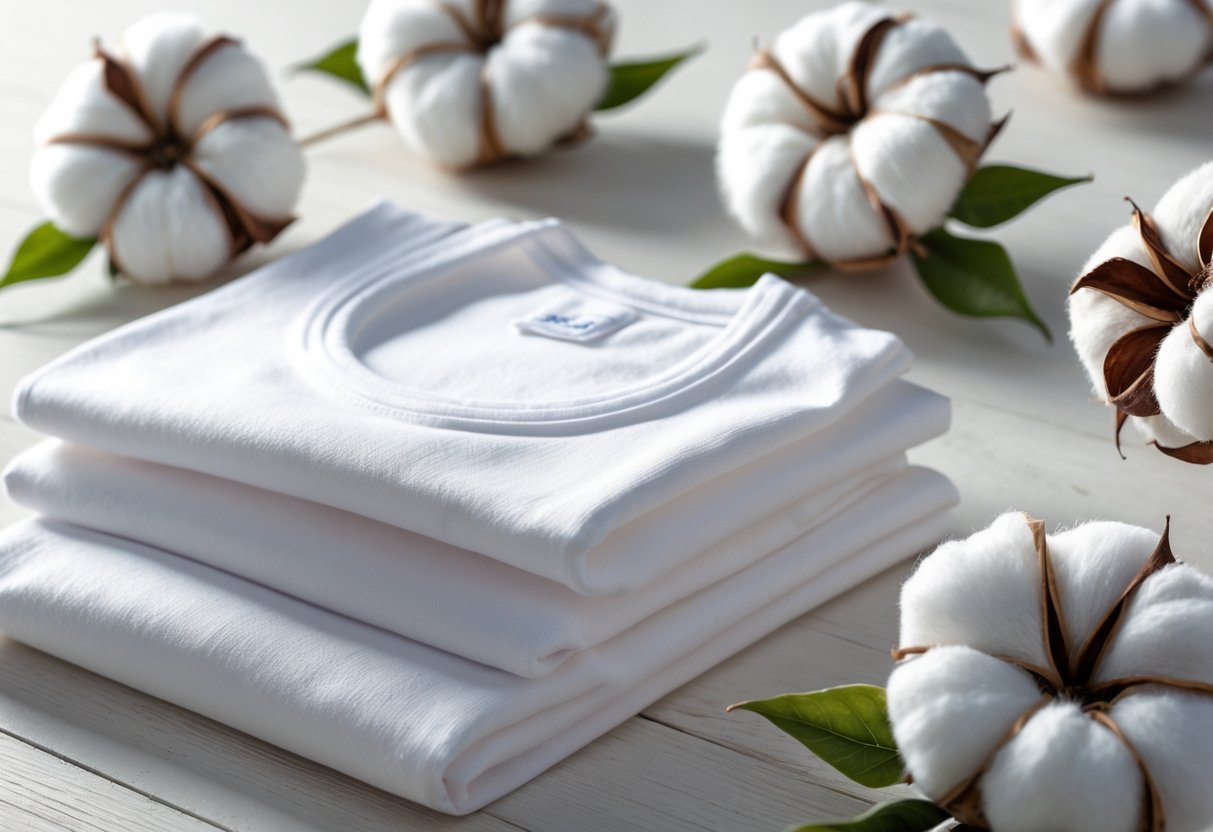
Pima cotton is a high-quality fabric known for its softness and strength. It has fibers that are much longer than regular cotton, which helps make the fabric smooth and durable.
Only a small amount of cotton worldwide meets the luxury grade, and Pima cotton is part of this exclusive group. It is resistant to tearing, fading, and wrinkling, making it a reliable choice for T-shirts that last.
This cotton is breathable, which adds to the comfort of wearing it in warm weather. Many premium brands choose Pima cotton to provide a soft feel and long-lasting quality.
Pima cotton works well for different styles of T-shirts, including casual and dressier options. Its balance of softness and durability makes it a preferred fabric for people who want a nice shirt that stays in good condition over time.
6) Combed Cotton
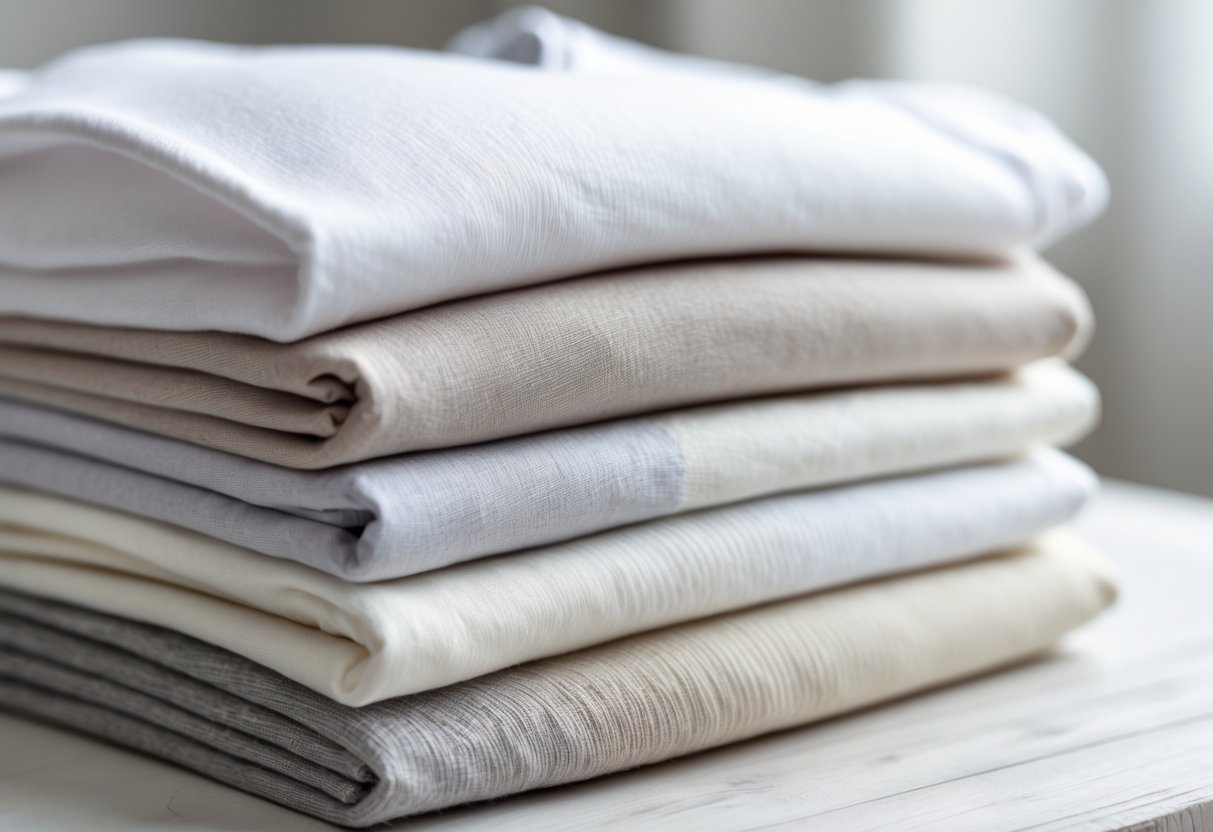
Combed cotton is made by treating the cotton fibers to remove short strands and impurities. This process results in longer, stronger fibers that create a smoother and softer fabric.
It is often used in higher-quality t-shirts because it feels more comfortable against the skin. The fabric also tends to last longer and resist pilling compared to regular cotton.
Combed cotton is common in luxury t-shirt lines and apparel where comfort and appearance are important. It holds up well to washing and maintains its softness over time.
Because it has fewer impurities, combed cotton also offers a cleaner look and better printing surface for designs. This makes it popular for custom graphic tees.
While it can cost more than basic cotton, many find the added softness and durability worth the price. It balances quality with everyday wearability.
7) Linen Cotton Blend
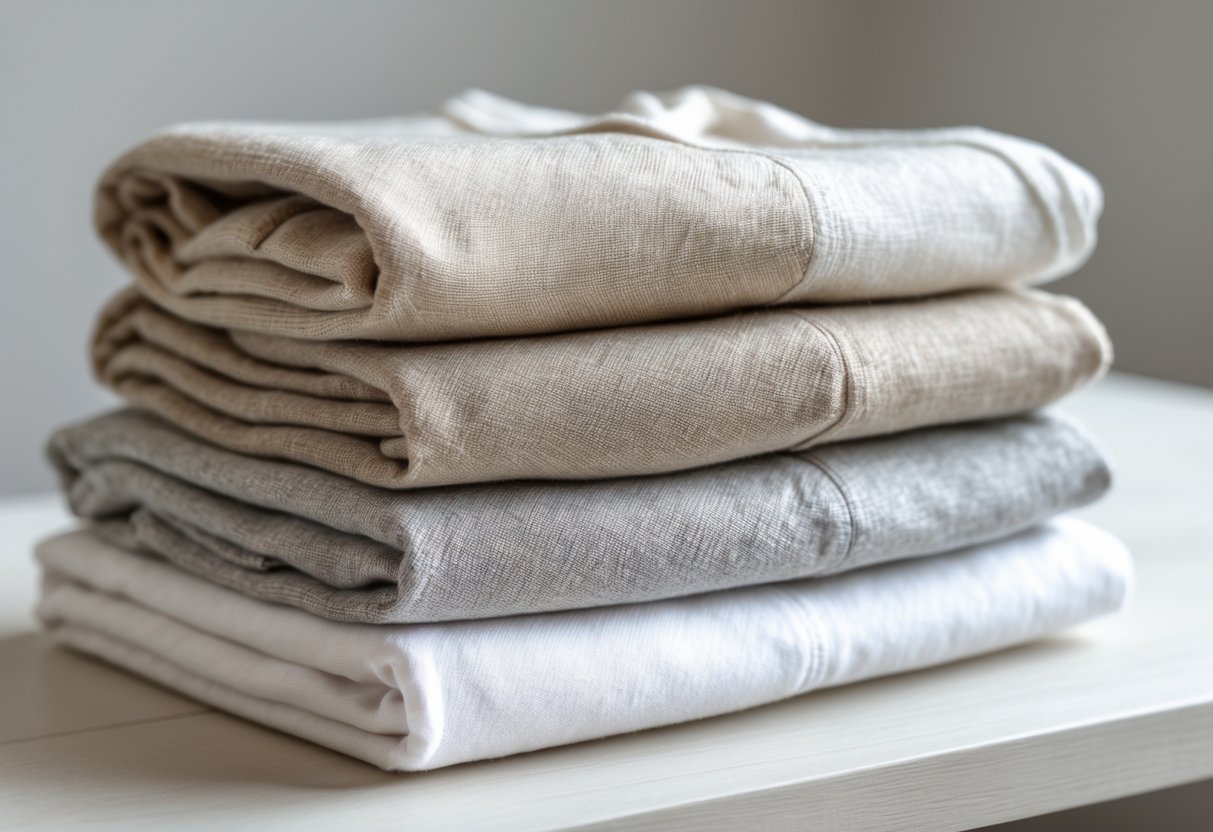
Linen cotton blend combines the breathability of linen with the softness of cotton. This mix creates a fabric that feels lighter and cooler than pure cotton.
The blend reduces the rough texture often found in linen. It offers better comfort against the skin while keeping many of linen’s natural qualities, like moisture-wicking.
This fabric is durable and shows less wrinkling than pure linen. It also tends to be easier to care for, making it a practical choice for everyday wear.
Because of its balance, the linen cotton blend works well for casual t-shirts. It suits warm weather, providing airflow without sacrificing softness.
The combination also holds dyes well, resulting in good color retention after washing. Overall, it offers a reliable option for those who want a mix of comfort and durability.
8) Recycled Polyester
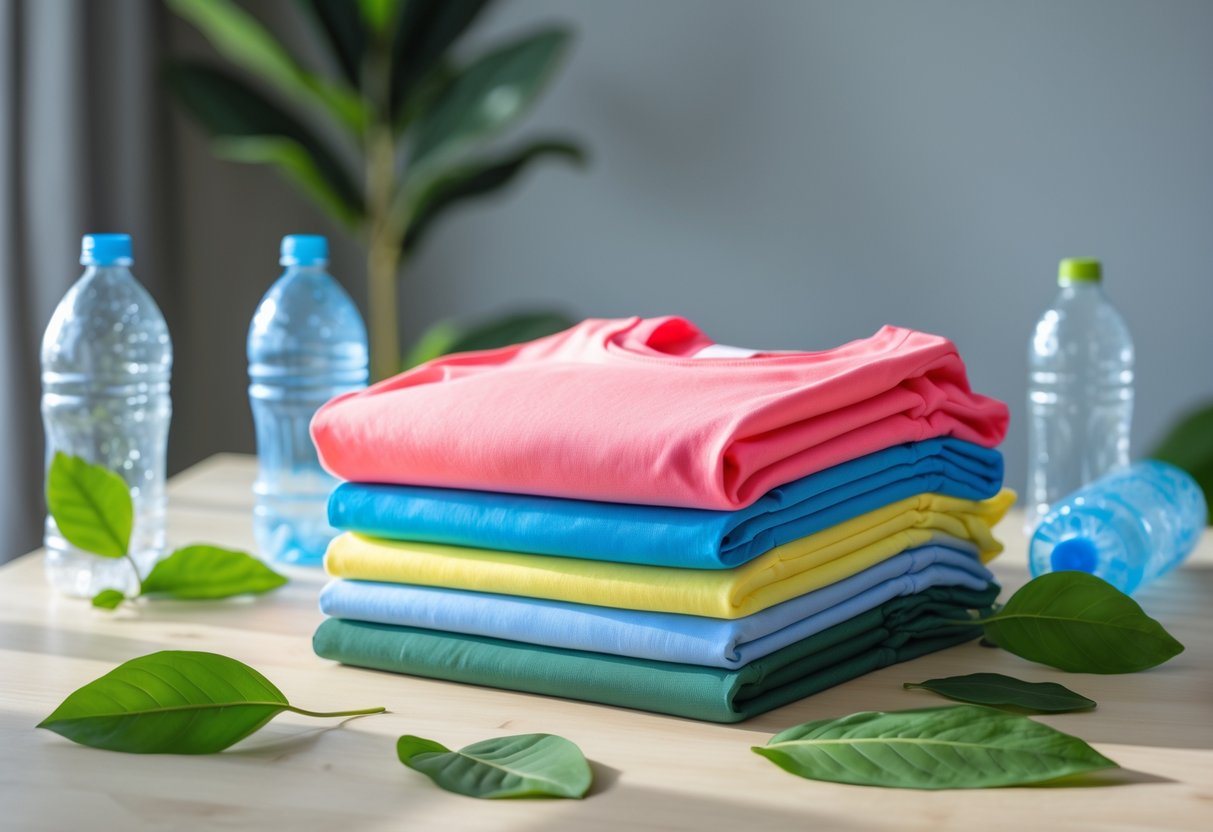
Recycled polyester is made from plastic bottles and old polyester fabrics. It turns waste into new fibers, helping reduce plastic pollution.
This fabric is strong and durable. It holds up well to daily wear and washing. It also dries quickly and wicks moisture away, making it good for active use.
Recycled polyester uses less energy and resources than new polyester. However, it is still a synthetic material and does not break down easily in nature.
It offers a smooth feel but may not be as breathable as natural fabrics like cotton. This can affect comfort in hot weather or long wear.
Brands may choose recycled polyester for its durability and eco-friendly benefits. It fits well with styles that need strength and performance.
9) Modal Fabric
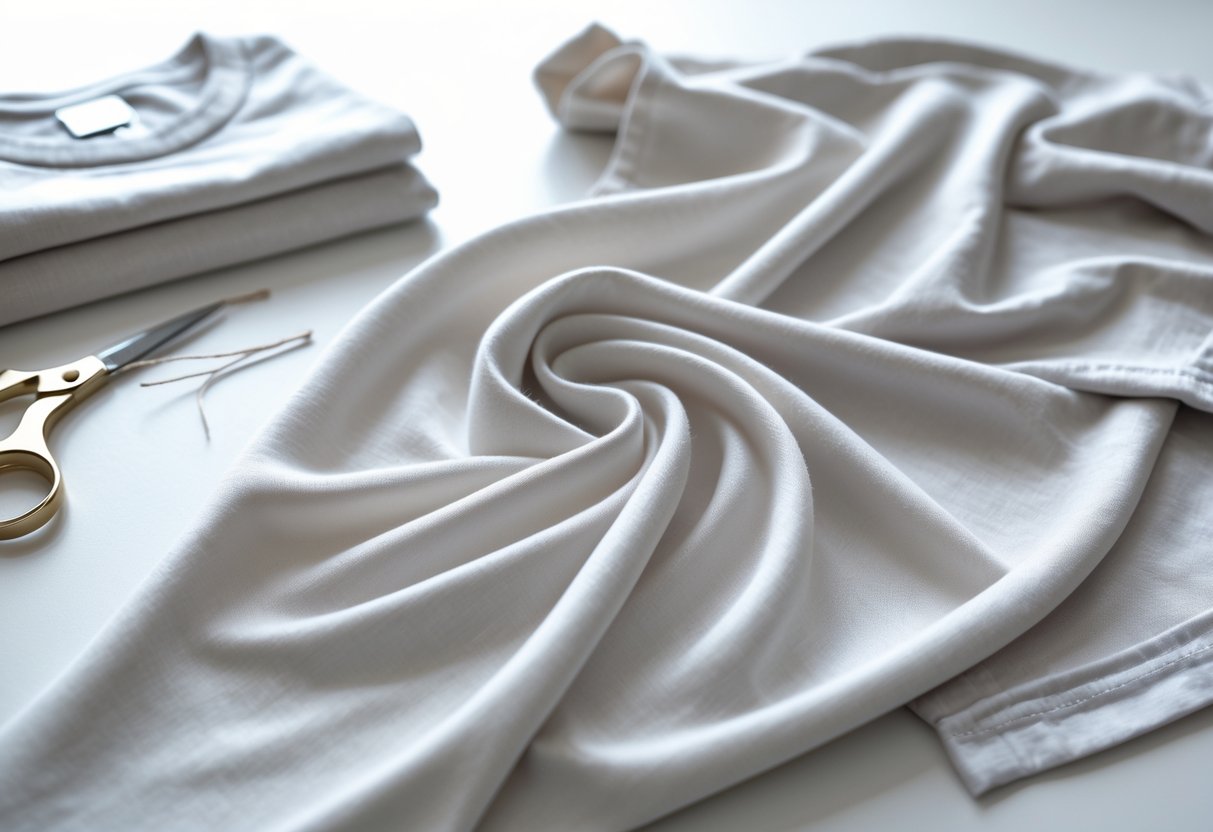
Modal fabric is made from beechwood pulp. It is known for being soft and smooth to the touch. Many people find it comfortable to wear in warm weather because it is breathable.
It dries quickly, which helps keep the wearer feeling fresh. Modal is often used in T-shirts, underwear, and loungewear. Its ability to maintain shape and color after washing makes it popular for everyday clothing.
Modal is considered environmentally friendly compared to some synthetic fabrics. It is often blended with cotton or spandex to improve stretch and durability. These blends create T-shirts that combine softness with added strength.
Though modal is excellent for casual and lightweight clothing, it is not suitable for heavy-duty use like workwear or denim. It works best in garments where comfort and breathability are priorities.
10) Supima Cotton
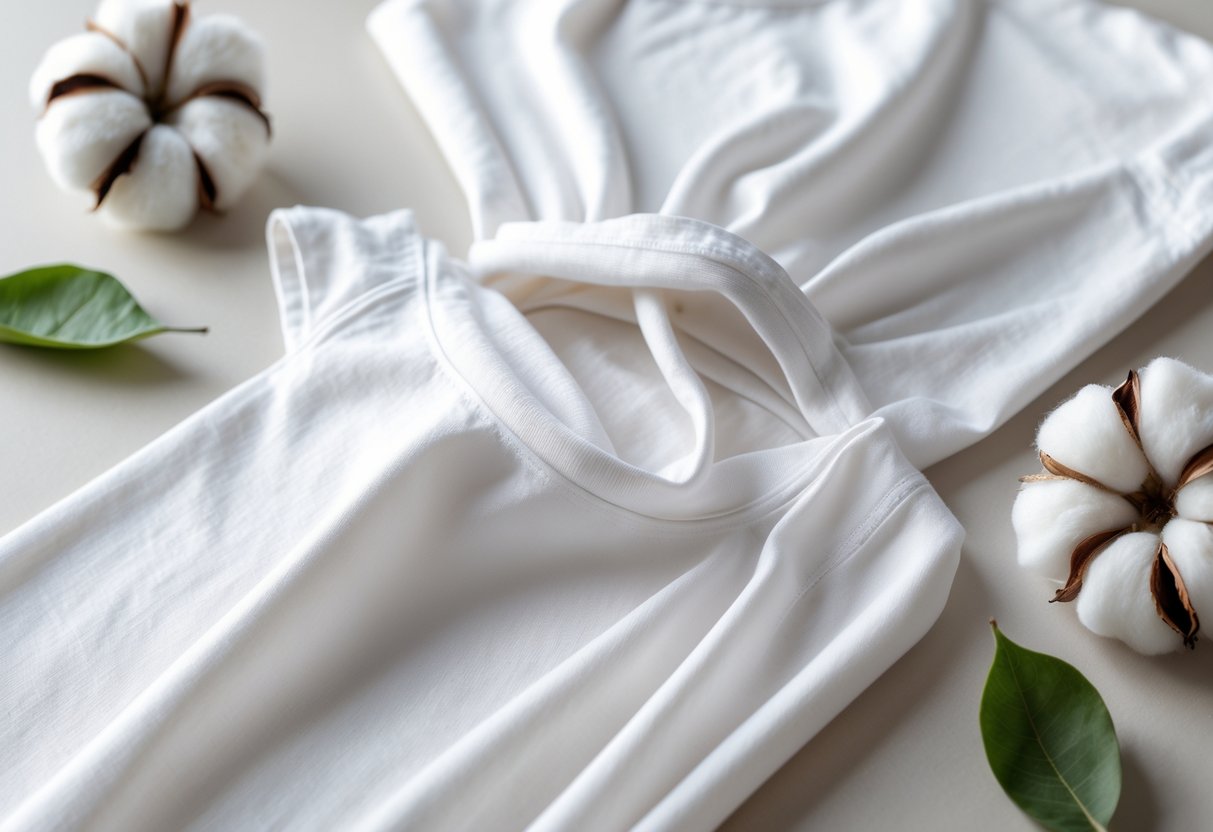
Supima cotton is a high-quality fabric made from extra-long staple fibers grown in the United States. These longer fibers create a softer and stronger material compared to regular cotton.
It is known for its smooth feel and durability. This makes Supima cotton a popular choice for luxury t-shirts and casual wear. The fabric maintains comfort even after many washes.
Supima cotton is also breathable, which helps keep the wearer comfortable in both warm and cool weather. Its strength reduces pilling and wear over time.
Many premium brands use Supima cotton to offer lasting quality. The fabric’s combination of softness, strength, and breathability makes it a preferred option for those who want a durable yet comfortable t-shirt.
Factors That Influence Fabric Performance
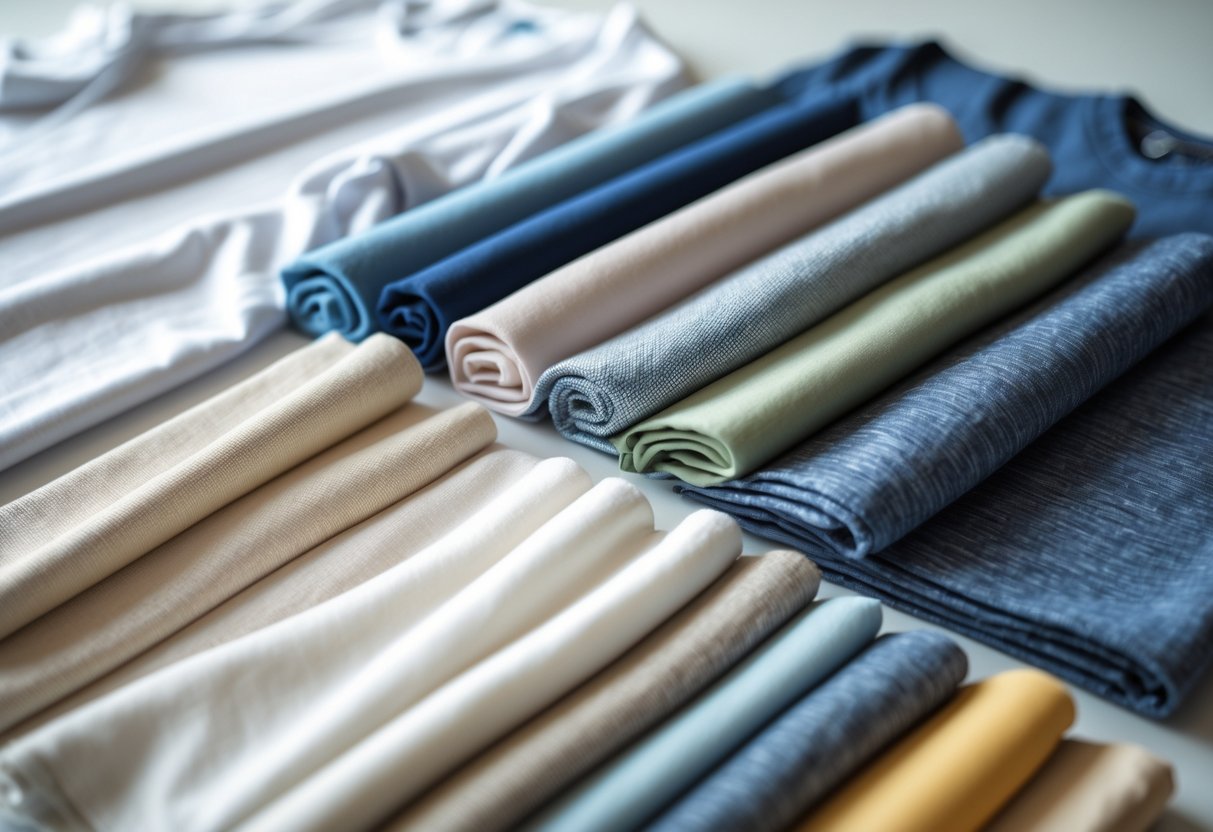
Fabric performance depends on several key criteria. These include how well the fabric allows air flow, how long it lasts under regular use, and how it handles sweat and moisture. These qualities affect the overall experience of wearing a T-shirt daily or during physical activities.
Breathability and Comfort
Breathability refers to how easily air passes through the fabric. Fabrics like cotton are highly breathable because of their natural fibers, which allow heat and moisture to escape easily. This makes cotton T-shirts comfortable in warm weather.
Synthetic fabrics, such as polyester, often have lower breathability but can be engineered to improve airflow. Comfort is also affected by the fabric’s softness and weight. Lightweight fabrics tend to be cooler and more comfortable for daily wear. The weave of the fabric impacts how breathable it feels; tighter weaves reduce airflow, while looser weaves increase it.
Durability and Longevity
Durability measures how well a fabric holds up over time and use. Natural fabrics like cotton are prone to shrinking, fading, and wear after many washes, especially if they are not pre-treated. Polyester and blended fabrics generally resist wrinkles, shrinking, and stretching better.
The strength of the fibers and the fabric’s weight, often measured in GSM (grams per square meter), impact durability. Heavier weight fabrics are tougher and last longer but may feel less breathable. For brands or individuals needing long-lasting shirts, blends or polyester might offer more value.
Moisture Management
Moisture management is the fabric’s ability to wick sweat away from the skin and dry quickly. Cotton absorbs moisture but takes longer to dry, which can cause discomfort during exercise or hot weather.
Synthetic fabrics like polyester wick moisture and dry faster, keeping the wearer dry and more comfortable during workouts. Blended fabrics combine qualities, offering moderate moisture control with the feel of natural fibers. Proper moisture management improves comfort and prevents chafing or irritation during extended wear.
Environmental Impact of T-Shirt Fabrrics
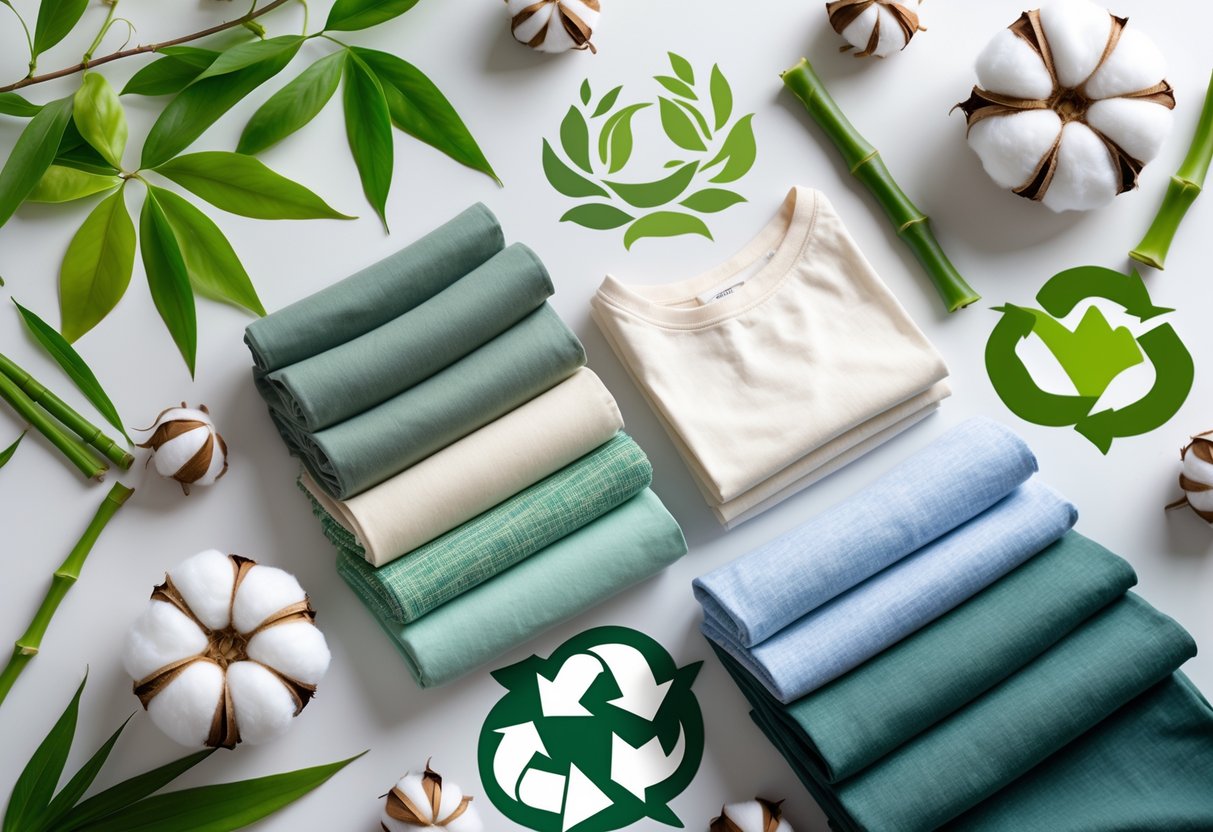
The choice of fabric greatly changes how a T-shirt affects the environment. Water use, chemical inputs, and energy during production all vary among fabrics. Waste handling and end-of-life options also influence a T-shirt’s environmental footprint.
Sustainable Material Choices
Sustainable fabrics include organic cotton, hemp, bamboo, and recycled polyester. Organic cotton uses less water and avoids harmful pesticides compared to conventional cotton. Hemp and bamboo grow quickly and need fewer chemicals, making them eco-friendlier options.
Recycled polyester reduces reliance on fossil fuels and lowers greenhouse gas emissions. It is made from plastic waste, diverting materials from landfills and oceans. However, microplastic shedding during washing remains a concern.
Choosing sustainable materials helps reduce water use, chemical pollution, and carbon emissions. These fabrics often come from renewable or recycled sources and support ethical production practices.
Recyclability and Biodegradability
Some T-shirt fabrics break down naturally, while others last longer in landfills. Cotton and hemp are biodegradable, decomposing in a few months under the right conditions. This helps reduce waste buildup.
Polyester and blended fabrics are not biodegradable and can take decades to decompose. They can be recycled, though recycling rates for textiles remain low worldwide. Mechanical and chemical recycling methods turn old fabrics into new fibers, lowering resource demand.
Biodegradable fabrics are preferred if waste disposal options are limited. Recycling extends fabric life and reduces raw material use but depends on collection and processing infrastructure. Understanding fabric end-of-life helps buyers make informed choices.
Frequently Asked Questions
Different fabrics offer various benefits like durability, comfort, and breathability. Some materials work better in hot weather, while others have a longer lifespan. High-end options often combine softness and quality.
What types of fabric are most durable for t-shirts?
Polyester-cotton blends, especially the 50/50 mix, are known for durability. They resist shrinking and wrinkling better than pure cotton.
Tri-blends, which include polyester, cotton, and rayon, also last long while keeping some softness. Bamboo fabric offers durability and natural moisture-wicking properties.
Which material is considered a high-end choice for t-shirts?
Pima cotton is often seen as a premium option. It has extra-long fibers, making it softer and more durable than regular cotton.
100% organic cotton is also a high-end choice because of its sustainability and softer texture.
What is the best fabric choice for summer t-shirts?
Lightweight materials like 100% organic cotton and bamboo fabric are best for hot weather. They provide breathability and help wick away sweat.
Tri-blends with rayon also work well since rayon adds a cooling effect.
How does the fabric type affect the longevity of a t-shirt?
Fabrics with synthetic fibers like polyester blend hold shape better after washing. Pure cotton can shrink or lose form faster.
Natural fibers like Pima cotton last longer because their longer fibers reduce pilling and wear.
What are the advantages of cotton fabric for t-shirts?
Cotton offers natural breathability, softness, and comfort. It is hypoallergenic and feels gentle on the skin.
Organic cotton adds the benefit of being grown without pesticides, making it eco-friendly.
Where can you purchase t-shirt fabric by the yard?
T-shirt fabric can be bought from fabric stores, online retailers, and specialty textile suppliers.
Sites focused on organic or bamboo fabrics often sell materials by the yard for custom projects. Local craft stores may also carry blends suitable for t-shirts.