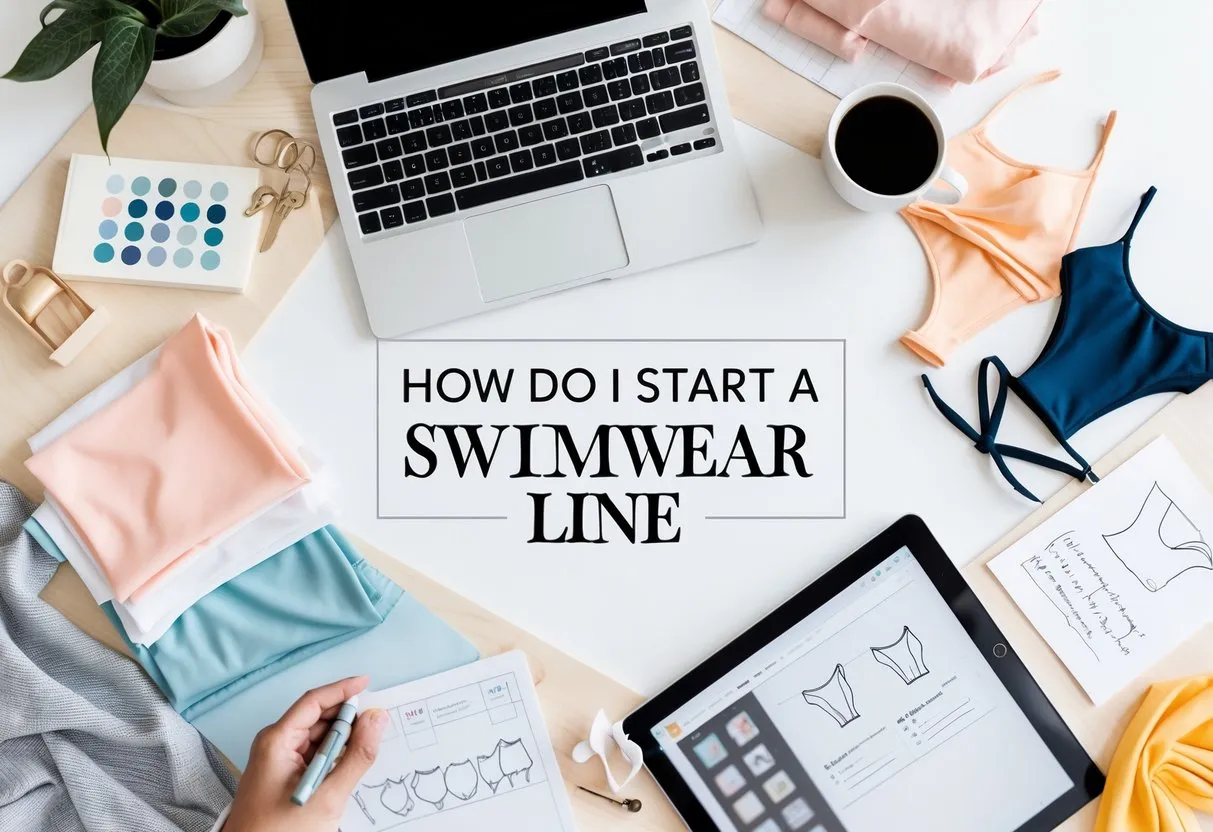
How Do I Start a Swimwear Line: A Step-by-Step Launch Guide
Start a swimwear line requires careful planning, research, and creativity. To begin, it’s important to understand the market, identify a clear focus for the swimwear—such as sustainable fabrics, inclusive sizing, or athletic styles—and develop a unique brand that connects with the right audience. Successful swimwear brands blend thoughtful design with a strong brand identity and careful selection of materials and manufacturers.
Table of Contents
Building the line involves turning ideas into technical designs and choosing quality fabrics that meet both style and function. Working with reliable manufacturers ensures the products meet quality standards and align with production timelines. Having the right business structure and an online presence helps to reach customers effectively.
Marketing plays a key role to launch the swimwear line with impact. Using social media and email campaigns allows the brand to grow visibility and connect with buyers. Continuous learning from sales and customer feedback guides improvements and future collections.
Key Takeaways
- Defining a unique swimwear focus is essential for standing out.
- Quality design and reliable manufacturing shape customer satisfaction.
- Strong online marketing drives brand awareness and sales growth.
Determining Your Swimwear Niche
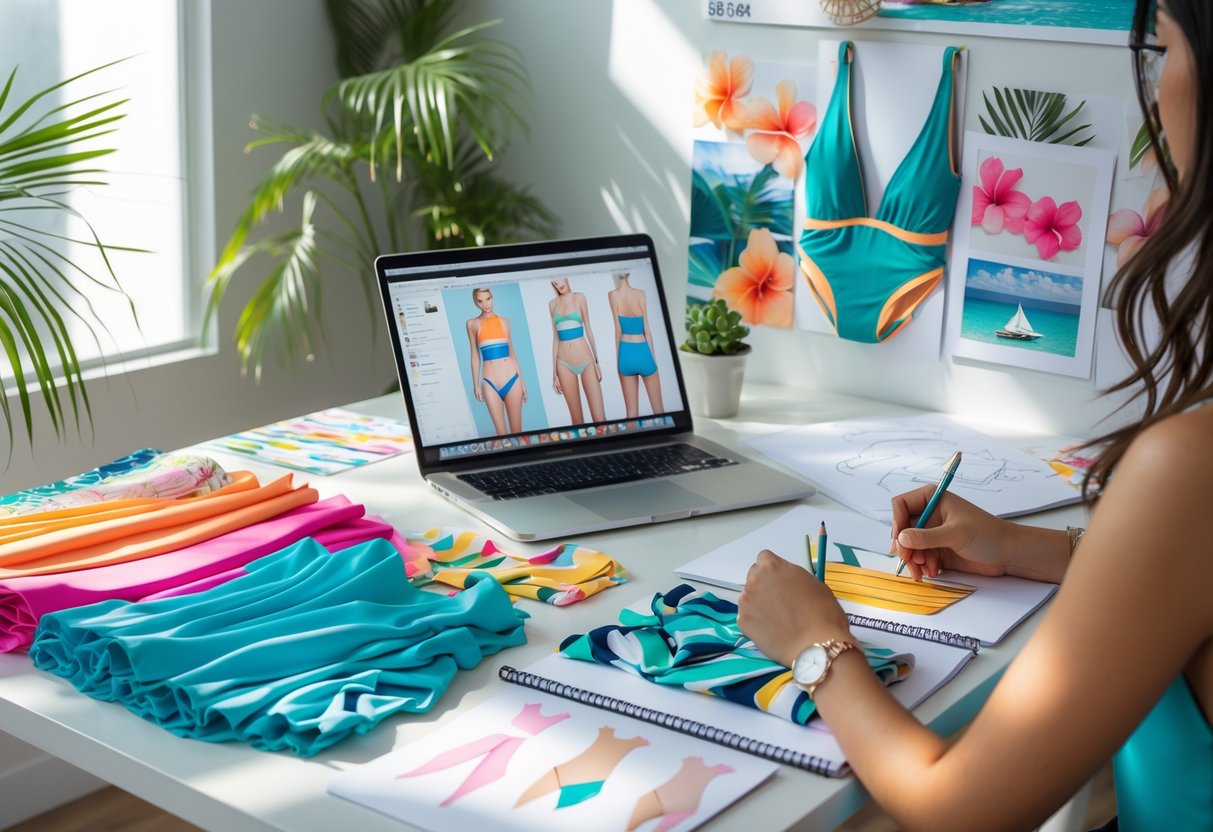
Finding the right niche means focusing on a clear group of customers with specific needs. This involves understanding who the swimwear is for, what current market trends show, and what styles match customer preferences. A strong niche helps make the brand stand out and meet real demands.
Identifying Target Audience To Start a Swimwear Line
To identify a target audience, research helps define age, body types, lifestyles, and values. For example, some swimwear lines focus on postpartum women who need gentle support, while others serve surfers wanting durable, eco-friendly materials.
Interview questions like “What challenges do you face with swimwear fit?” can reveal pain points. Social media polls and customer reviews give clues about preferences and frustrations.
Clear audience choices improve product fit and design. This also builds loyalty because customers feel the brand understands their specific needs.
Analyzing Market Trends To Start a Swimwear Line
Market trends show shifts in consumer preferences and gaps in current offerings. Recent data highlights rising demand for sustainable fabrics and more inclusive sizing. Vintage styles from the 90s and early 2000s are popular again, bringing nostalgia into modern designs.
Trends include:
- Growing interest in eco-friendly and recycled materials
- Demand for size inclusivity, especially beyond standard size ranges
- Blending swimwear with streetwear or resortwear for versatility
Understanding these trends guides decisions on materials, marketing messages, and product features that attract today’s buyers.
Choosing Swimwear Styles To Start a Swimwear Line
Styles should reflect the niche and solve problems identified in research. Options include modest swimwear that offers coverage without losing style, adaptive swimwear for people with mobility needs, or size-inclusive designs with extra support.
Consider function and fashion, such as swim-to-street pieces or eco-luxury materials. Offer options addressing fit issues like long torsos or fuller busts.
Match style choices with fabric types:
| Style Type | Recommended Fabric | Key Benefit |
|---|---|---|
| Performance swimwear | PBT, polyester | Shape retention, durability |
| Fashion swimwear | Nylon, spandex | Soft feel, stretch and recovery |
| Sustainable pieces | Recycled nylon or polyester | Eco-friendly, growing consumer interest |
Selecting the right styles strengthens the brand’s appeal and meets practical needs.
Planning Your Brand Identity

Building a strong brand identity helps a swimwear line connect with customers and stand out. It involves setting clear values, choosing a memorable name, and creating visuals that reflect the brand’s personality. These elements work together to create trust and loyalty.
Defining Brand Values To Start a Swimwear Line
Brand values guide every decision a swimwear line makes. They show what the company stands for and help attract customers who share those beliefs. For example, if sustainability is a core value, the brand should use eco-friendly fabrics and promote this message clearly.
Values like inclusivity, quality, or innovation can also shape product design and customer experience. Defining these early helps keep the brand consistent. It’s important that values feel authentic and are visible in marketing, packaging, and operations, so customers feel a genuine connection.
Naming Your Swimwear Line
A strong name is easy to remember and reflects the brand’s style. It should fit the target audience and stand out from competitors. Short, simple names often work best, but creativity is key to capture the right vibe.
Brands can use words related to the ocean, summer, or freedom to evoke the feel of swimwear. Checking for trademark conflicts and available domain names is essential before finalizing. A well-chosen name supports marketing efforts and builds brand recognition over time.
Designing Your Logo and Visual Identity
The logo is the face of the swimwear brand and should be clear and adaptable for different uses. It needs to align with the brand’s values and style, whether minimalistic, bold, or playful. Colors, fonts, and graphics must work together to create a cohesive look.
Visual identity goes beyond the logo. It includes packaging, website design, and social media images. Consistency in visuals builds trust and makes the brand recognizable. Using eco-friendly packaging or distinct patterns can also reinforce the brand story.
Creating Swimwear Designs To Start a Swimwear Line
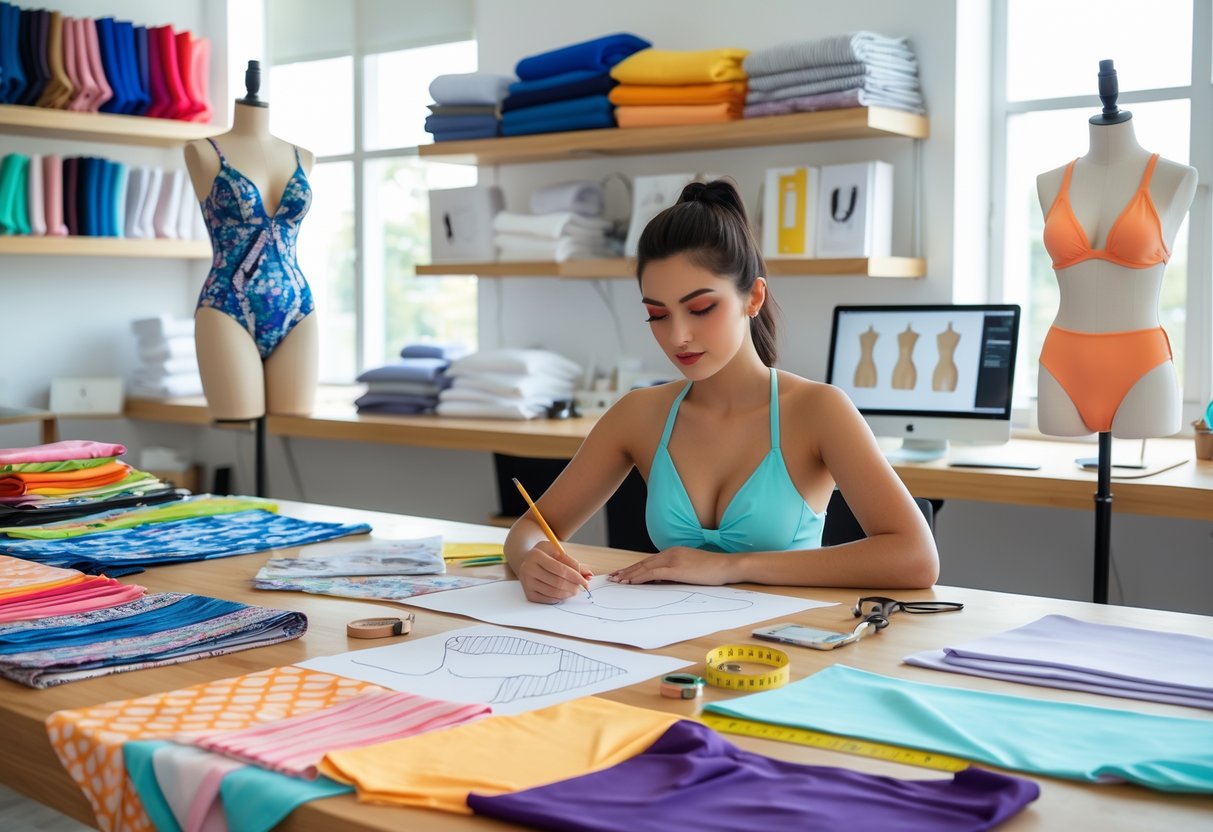
Designing swimwear requires clear ideas, the right fabrics, and detailed technical plans. It starts with forming strong concepts that fit the target market and brand identity. Then, choosing materials that balance comfort, durability, and style is essential. Finally, preparing detailed documents ensures the design can be accurately made.
Developing Design Concepts
Design concepts begin with understanding the brand’s style and customer needs. Designers often sketch ideas inspired by current trends, lifestyle preferences, and functionality. For example, a brand focusing on active swimwear might prioritize sporty cuts and supportive features.
Prints, colors, and silhouettes should reflect the style and market niche. Designers may create mood boards or digital collages using platforms like Pinterest or Instagram to gather visual inspiration.
It’s important to test whether the designs excite potential buyers by sharing samples or previews. Feedback helps adjust styles before production, reducing risks and aligning with market demand.
Selecting Fabrics and Materials To Start a Swimwear Line
Choosing the right fabric involves considering durability, stretch, and resistance to elements like chlorine and saltwater. Common materials include nylon, spandex (Lycra), and polyester blends, which offer flexibility and comfort.
Sustainability is growing in importance. Using recycled fabrics or eco-friendly materials can appeal to environmentally conscious consumers.
Fabric weight and texture impact both comfort and appearance. Lightweight fabrics offer breathability, while thicker options may provide more support. Designers must balance these factors to match the intended swimsuit type, such as bikinis, rash guards, or one-pieces.
Preparing Technical Specifications
Technical specifications are detailed documents that guide manufacturers on how to produce the swimwear. They include measurements, stitching details, and materials used.
These specs should cover seam placements, elasticity requirements, lining, and closures. Providing accurate color codes and fabric types is critical.
Technical sheets often feature flat sketches with annotations and measurement charts. Clear communication with manufacturers reduces errors and ensures the final product matches the original design intent.
Finding Manufacturers and Suppliers

Choosing the right manufacturers and suppliers ensures swimwear is made with durable materials and precise craftsmanship. It also affects costs and production timelines. Careful research, sample testing, and thorough quality and price evaluation are vital steps for any swimwear line.
Researching Production Partners
Before committing to a manufacturer, he or she should search for partners with experience in swimwear production. Look for suppliers who specialize in fabrics suitable for swimwear, such as nylon blends or recycled spandex. Reliable manufacturers usually showcase their prior work and client reviews.
It’s important to consider location; manufacturers in countries like China offer lower costs but may involve longer shipping times. Local or boutique manufacturers often provide faster turnaround and higher customization but at increased prices. Verifying certifications and production capacity helps avoid delays.
Industry trade shows, online directories, and referrals from other brands are good starting points. Clear communication about design requirements and order volumes establishes strong early relationships.
Requesting Samples and Prototypes
Requesting samples allows the swimwear designer to evaluate material quality, fit, and workmanship firsthand. Samples should include different styles and fabric options when possible. This step helps detect issues like fabric durability, stitching strength, and colorfastness.
Prototypes provide a physical example of the final product. He or she needs to check how designs translate from paper to fabric and whether sizing and stretch meet standards. Any adjustments to fit or print placement are easier to address before mass production.
Always order multiple sample rounds if necessary. Review samples under various conditions, including chlorine and sun exposure, to simulate real usage.
Evaluating Quality and Costs
Evaluating manufacturer quality involves inspecting fabric resistance, seam strength, and overall durability. Swimwear must endure chlorine, saltwater, and UV exposure without fading or losing shape.
Costs include fabric prices, production fees, shipping, and possible import taxes. Balancing cost with quality is critical. Cheaper options may reduce profits but risk returns due to poor durability.
A cost comparison table can help:
| Item | Low-Cost Supplier | Mid-Range Supplier | High-End Supplier |
|---|---|---|---|
| Fabric Quality | Basic nylon | Recycled spandex | Luxury performance |
| Production Cost | Low | Moderate | High |
| Shipping Time | Long | Moderate | Short |
| Customization Level | Limited | Moderate | High |
Select a production partner who offers consistent quality at a price point that fits the brand’s positioning.
Setting Up Your Business
Starting a swimwear line involves more than design and production. It requires formalizing the business structure, planning for growth, and ensuring all legal aspects are covered. These steps create a strong foundation to build a lasting brand.
Registering Your Business
Registering the business is critical to operate officially and protect the brand. The entrepreneur needs to choose a business name that is unique and reflects the swimwear line’s identity.
Next, selecting the appropriate business structure matters. Common options include:
- Sole proprietorship
- Limited Liability Company (LLC)
- Corporation
Each has different implications for taxes, liability, and administration.
Once the structure is chosen, the business must be registered with local and state authorities. This step often involves filing paperwork and paying fees. Applying for an Employer Identification Number (EIN) from the IRS is necessary for tax filing and hiring employees.
Finally, securing a business bank account in the registered company name helps separate personal and business finances, simplifying accounting and protecting assets.
Creating a Business Plan
A solid business plan defines the swimwear brand’s direction and operations. It starts with a clear description of the brand’s vision and target market — for example, eco-friendly bikinis or performance swimwear.
Key parts include:
- Market research: Identify competitors, customer demographics, and pricing strategies.
- Product line: Detail the types of swimwear offered, fabric choices, and designs.
- Marketing strategy: Specify how the brand will reach customers, such as social media or influencer partnerships.
- Financial projections: Include startup costs, expected sales, profit margins, and cash flow estimates.
This plan guides decision-making and helps attract investors or loans. It should be revisited regularly as the business grows and market conditions change.
Managing Legal Requirements
Compliance with legal requirements protects the swimwear brand from risks. It begins with obtaining the necessary permits and licenses based on location and business activity.
Trademarking the brand’s name and logo prevents others from copying it. Intellectual property protection can extend to unique design elements or slogans.
Contracts are essential when working with manufacturers, suppliers, and designers. These agreements should clearly outline expectations, delivery timelines, payment terms, and quality standards.
Additionally, understanding consumer protection laws, return policies, and labeling requirements helps avoid legal issues. If the swimwear line sells online, following e-commerce regulations and data privacy laws is also critical.
Staying informed about changes in laws related to textiles and international shipping, if applicable, is necessary for smooth operations.
Launching and Marketing Your Swimwear Line
Launching a swimwear line requires careful setup of an online store and a clear marketing plan. Attention to customer experience, targeted promotions, and strategic partnerships will help the brand gain visibility and sales quickly.
Building an Online Store
The online store is the main platform where customers browse and buy swimwear. It needs to be visually appealing with high-quality photos showing details like fabric and fit. Easy navigation and a smooth checkout process improve sales.
Choosing an e-commerce platform that supports print-on-demand can save costs and reduce inventory risk. Options like Fourthwall or Shopify let creators upload designs without managing stock or fulfillment. They also offer integrated payment and shipping.
Clear product descriptions should highlight materials, sizing, and care instructions. Adding customer reviews and size guides builds trust and reduces returns. Mobile-friendly design is essential as many shoppers use smartphones.
Developing a Marketing Strategy
A focused marketing strategy defines how the brand reaches its audience and drives sales. Setting clear goals for brand awareness, engagement, or conversion helps target efforts effectively.
The strategy should include pricing aligned to target customers and competitive analysis. Paid ads on platforms like Instagram and Google can target specific demographics such as active swimmers or eco-conscious consumers.
Email marketing helps keep customers informed about new collections and sales. Offering promotions, bundle deals, or early access can boost initial purchases and repeat business.
Consistent branding across all channels, including website, packaging, and advertising, creates a professional impression that supports long-term growth.
Organizing Product Launches
Launching new products or collections needs planning and promotion to capture attention. Scheduling launches around key seasons, like spring or summer, aligns with when customers seek swimwear.
Pre-launch teasers using social media posts or email newsletters build anticipation. Offering limited edition designs or exclusive launch discounts encourages early buying.
Collaborations with influencers or events can create buzz. Hosting online launch parties or giveaways increases engagement. Clear communication about shipping times and return policies improves customer satisfaction.
Tracking sales performance after launch helps identify what works and informs adjustments for future launches.
Leveraging Social Media Influencers
Influencers can introduce the swimwear line to relevant audiences and increase brand trust. Selecting influencers whose followers match the brand target is crucial.
Partnerships can include sponsored posts, try-on videos, and lifestyle content featuring the swimwear in real settings. The influencer’s authentic voice helps potential buyers see how the products fit different body types or activities.
Micro-influencers with smaller but loyal followings often have higher engagement rates and can be more cost-effective. Contract terms should clarify content rights, posting schedules, and disclosure requirements.
Monitoring influencer campaigns through tracking links and feedback ensures the collaboration meets marketing goals.
Frequently Asked Questions
Starting a swimwear line involves careful planning, design, and choosing the right partners. Important factors include market research, manufacturing options, financial planning, and marketing strategies.
What are the first steps in launching a swimwear brand?
The process begins with thorough market research to understand trends and customer needs. Next, defining a clear brand identity helps set the swimwear line apart from competitors. After that, designing a focused collection based on your chosen niche lays the foundation for production.
Where can I find reputable manufacturers for my swimwear line?
Manufacturers experienced in swimwear production are essential, especially those skilled with stretch fabrics. They can be found through industry networks, trade shows, or online platforms specializing in garment manufacturing. Ordering samples to inspect quality before committing is a key step.
What are the essentials of a solid swimwear business plan?
A strong business plan includes a detailed description of your target audience, financial projections, and marketing strategies. It should outline your business structure, costs, pricing model, and how you plan to scale the brand over time. Legal and operational plans are also important.
How much initial investment is typically required to start a swimwear line?
Initial costs vary but often include design development, fabric sourcing, manufacturing samples, website creation, and marketing. Small brands might start with a few thousand dollars using print-on-demand services, while larger launches can require tens of thousands for inventory and promotion.
What design process is involved in creating a swimwear collection?
Design starts with sketches and technical drawings followed by developing detailed tech packs for manufacturers. Choosing materials like recycled nylon or polyester is part of the process. Fit, comfort, and performance in water are critical factors during design.
Can a swimwear business be highly profitable?
Yes, if managed carefully. Profitability depends on quality products, effective branding, proper pricing, and strong marketing. Many swimwear brands succeed by focusing on niches like sustainability or inclusive sizing, which attract loyal customers.