

Types of Hoodie Material Explained: A Clear Guide to Fabrics and Uses
Hoodies come in many different materials, each affecting how the garment feels, looks, and lasts. Choosing the right fabric is important for comfort, durability, and style.
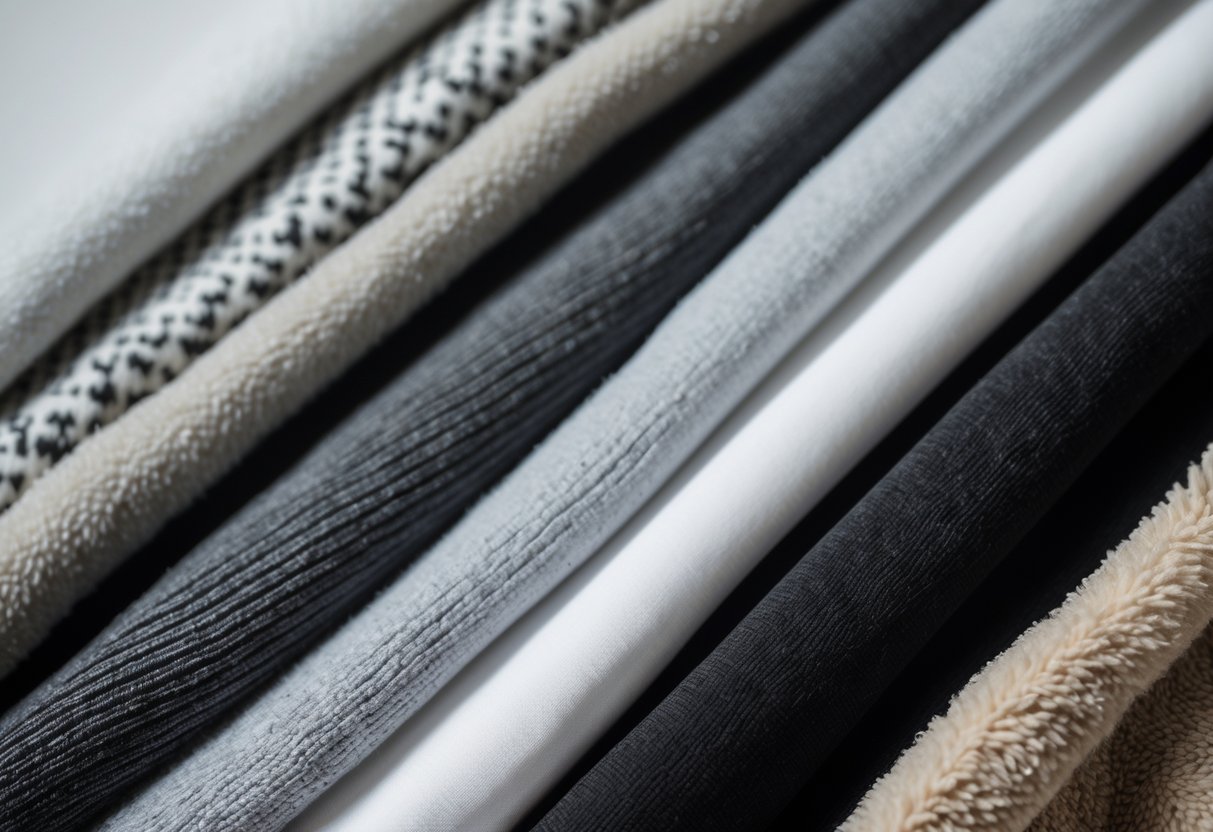
Understanding the types of hoodie materials helps people find the best option for their needs and preferences. This guide will explore common fabrics used in hoodies and what makes each one unique.
Table of Contents
1) Cotton
Cotton is one of the most popular materials used for hoodies. It is a natural fiber known for its softness and comfort against the skin. This makes cotton hoodies a good choice for everyday wear.
Cotton also allows for breathability, helping to keep the wearer cool and dry by absorbing sweat. High-quality cotton, like combed or ringspun cotton, adds extra smoothness and durability to the fabric.
Although cotton is comfortable, it may not be as durable as some synthetic blends. It can shrink or lose shape if not cared for properly. Still, many prefer cotton for its natural feel and ease of care.
Overall, cotton is a reliable fabric for hoodies, especially for those looking for comfort and softness in casual wear. It works well in different weather and can be layered easily with other clothing.
2) Polyester
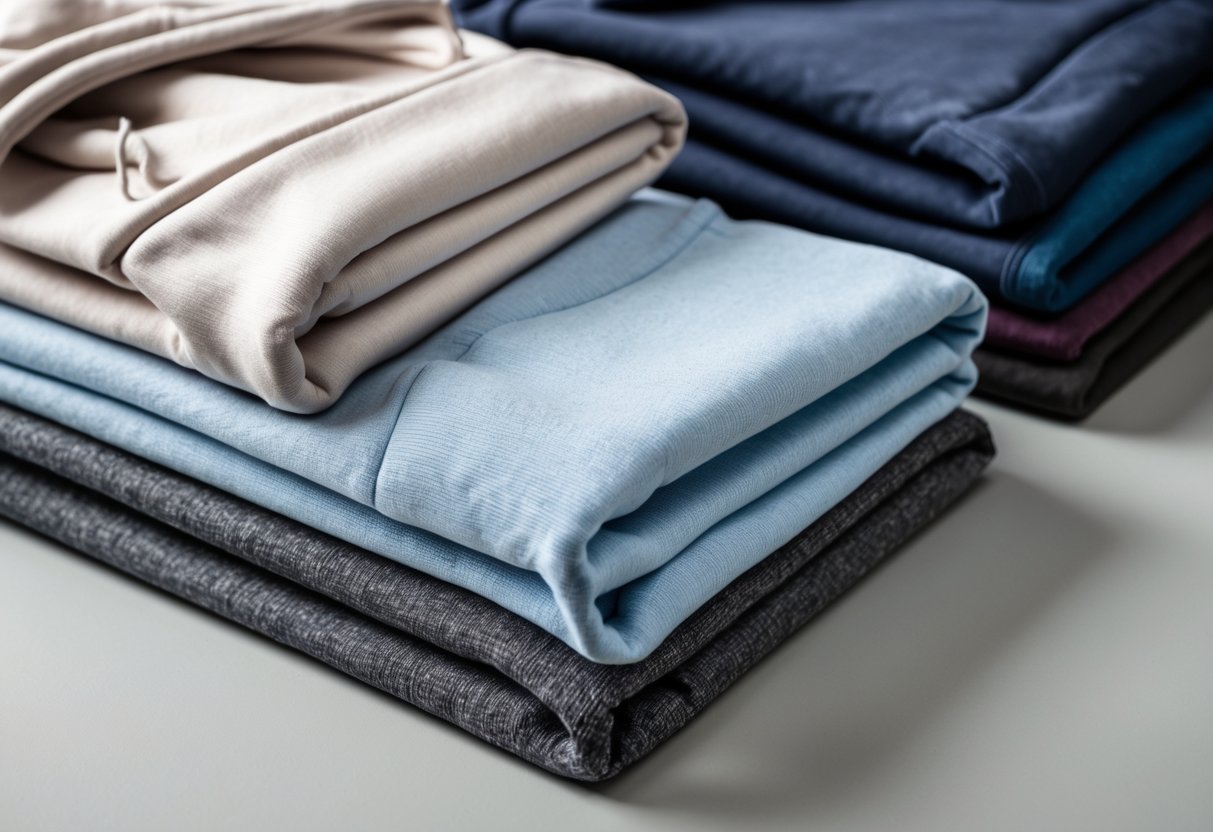
Polyester is a synthetic fiber made from petroleum. It is widely used for hoodies because of its strong and durable nature. Hoodies made from polyester resist shrinking, stretching, and tearing better than many other fabrics.
This material keeps its shape well, even after many washes. Polyester hoodies are good for people who want long-lasting clothing that can handle daily wear. They also dry faster than cotton hoodies.
Polyester can feel less soft than natural fibers like cotton. However, it often gets blended with cotton to add comfort and durability. These blends balance the benefits of both materials, making the hoodies soft yet tough.
Polyester also works well with special printing techniques. It holds colors better when using methods like dye sublimation, making designs look bright and clear.
Because of these qualities, polyester is a practical choice for casual, sport, and outdoor hoodies. It offers reliable performance without much extra care.
3) Fleece
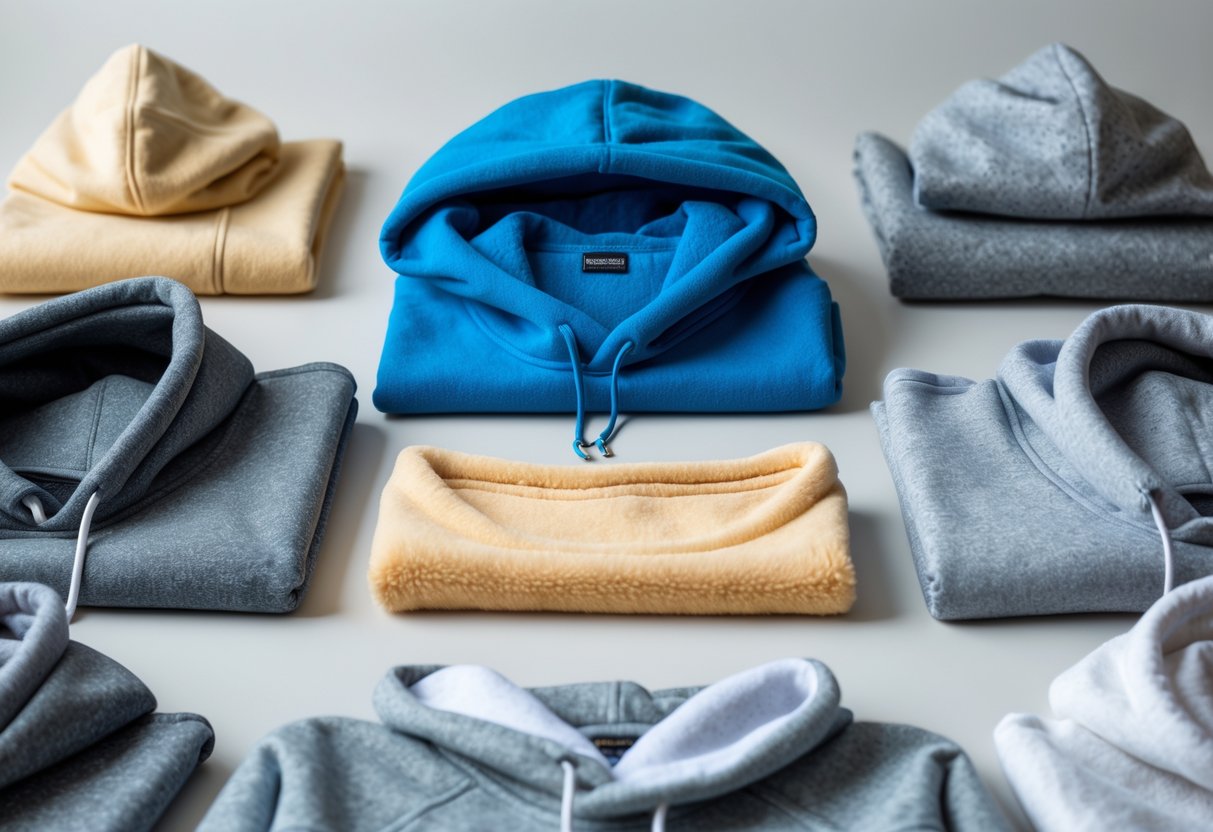
Fleece is a popular fabric choice for hoodies because it offers warmth without being heavy. It is made from synthetic fibers, often polyester, that are brushed to create a soft, fuzzy surface. This texture helps trap heat, making fleece hoodies good for cold weather.
There are different types of fleece, ranging from thin microfleece to thick Sherpa fleece. Microfleece is lightweight and breathable, which works well for layering. Sherpa fleece is thicker and provides more insulation, often used in winter hoodies.
Fleece is also durable and resists moisture better than cotton. Many fleece blends combine polyester with cotton to add softness and improve comfort. The material’s breathability helps prevent overheating, while still keeping the wearer warm.
Because of its insulating properties and comfort, fleece remains a top fabric for casual and activewear hoodies. It suits people who need warmth and freedom of movement in cooler conditions.
4) French Terry

French terry is a popular fabric choice for hoodies because of its unique texture and comfort. It has a smooth outer surface and a looped, soft inside that traps air. This makes it warm without being too heavy or bulky.
The fabric is usually made from cotton or cotton blends, giving it good breathability and stretch. It is lighter than fleece, making it suitable for different weather conditions. People often choose French terry for casual wear, sports, and loungewear.
French terry also stands out for its durability. The knit construction helps it keep shape even after many washes. It works well for those who want a hoodie that balances warmth with comfort. Its versatility means it can be worn all year round.
5) Bamboo Fabric
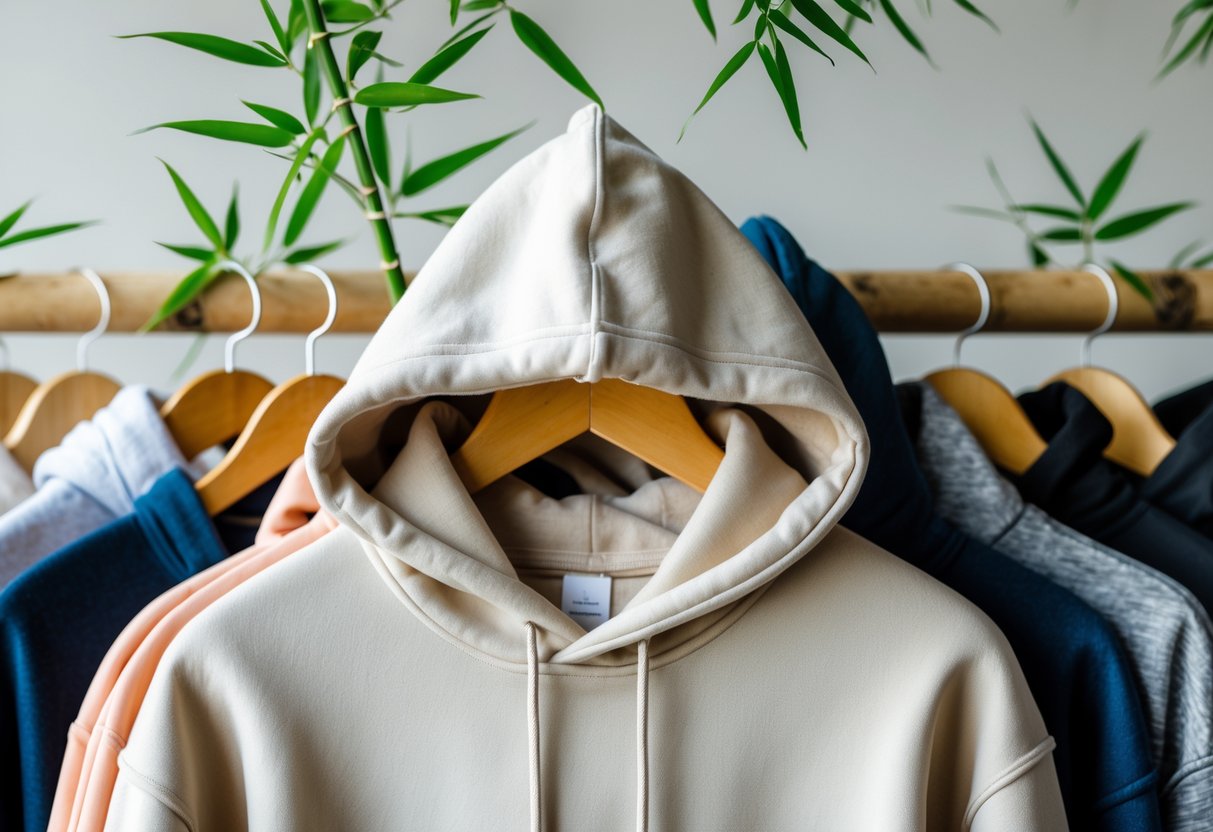
Bamboo fabric is made from bamboo fibers and is known for being soft and lightweight. It has natural moisture-wicking properties, which help draw sweat away from the skin. This keeps the wearer dry and comfortable.
The fabric is also gentle on sensitive skin. It is less likely to cause irritation compared to some synthetic materials. Bamboo fabric can help maintain a cool feeling in warm weather and provide light insulation in cooler temperatures.
In addition, bamboo fabric is antimicrobial. This means it can resist odors better than many other fabrics. Manufacturers often blend it with other materials to improve durability and stretch.
Bamboo fabric is considered an eco-friendly choice because bamboo grows quickly and requires less water than cotton. However, the process used to turn bamboo into fabric can affect its environmental impact. Overall, it offers a good balance of comfort and performance for hoodies.
6) Cotton-Polyester Blend
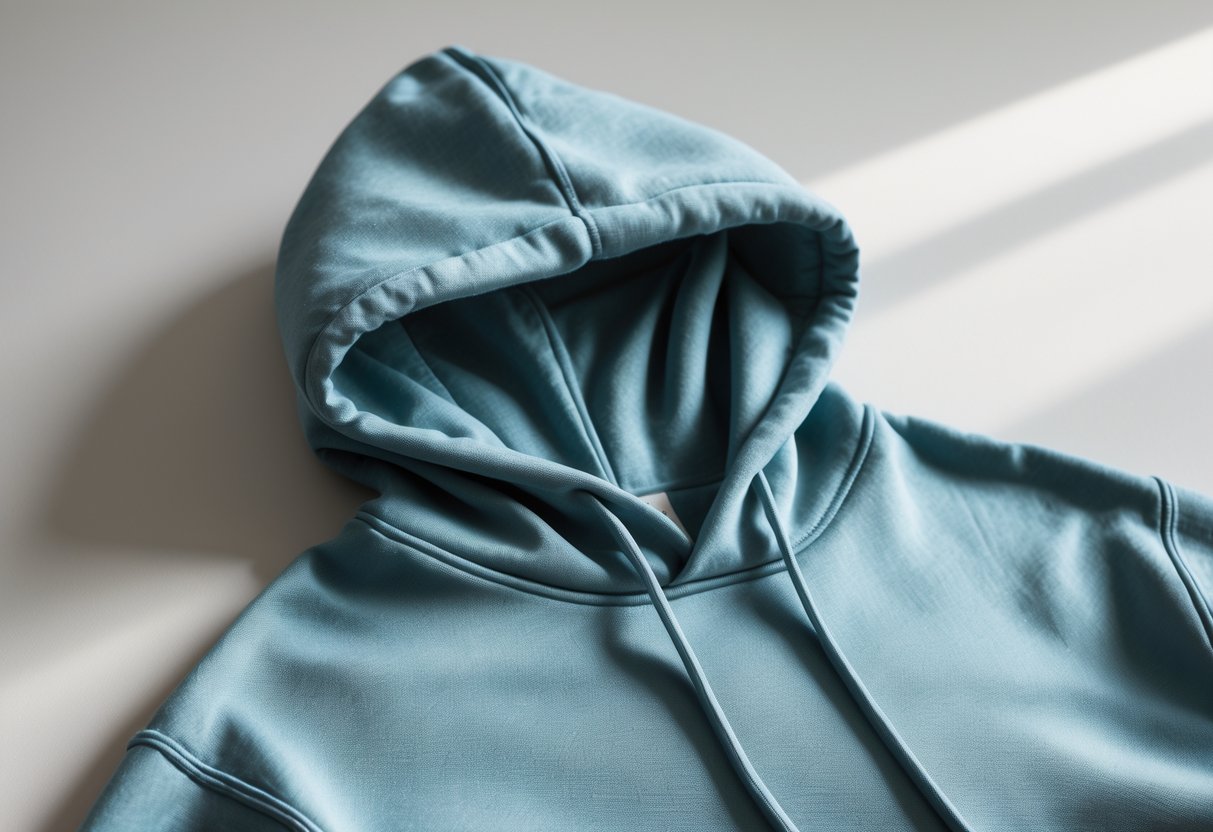
The cotton-polyester blend is one of the most common materials used for hoodies. It combines the softness and breathability of cotton with the durability and wrinkle resistance of polyester.
This blend provides good comfort while being more long-lasting than 100% cotton. It also reduces shrinking, making it easier to care for after washing. The fabric is versatile and suits both casual wear and light outdoor activities.
Different ratios of cotton to polyester affect the feel and performance. For example, an 80% cotton and 20% polyester blend feels softer and warmer, while a higher polyester content offers more strength and moisture-wicking abilities.
The blend is a popular choice because it balances comfort, durability, and ease of use. It works well in various climates, though it may not be as warm as heavy fleece fabrics. It also holds printed designs better than pure cotton in many cases.
7) Organic Cotton
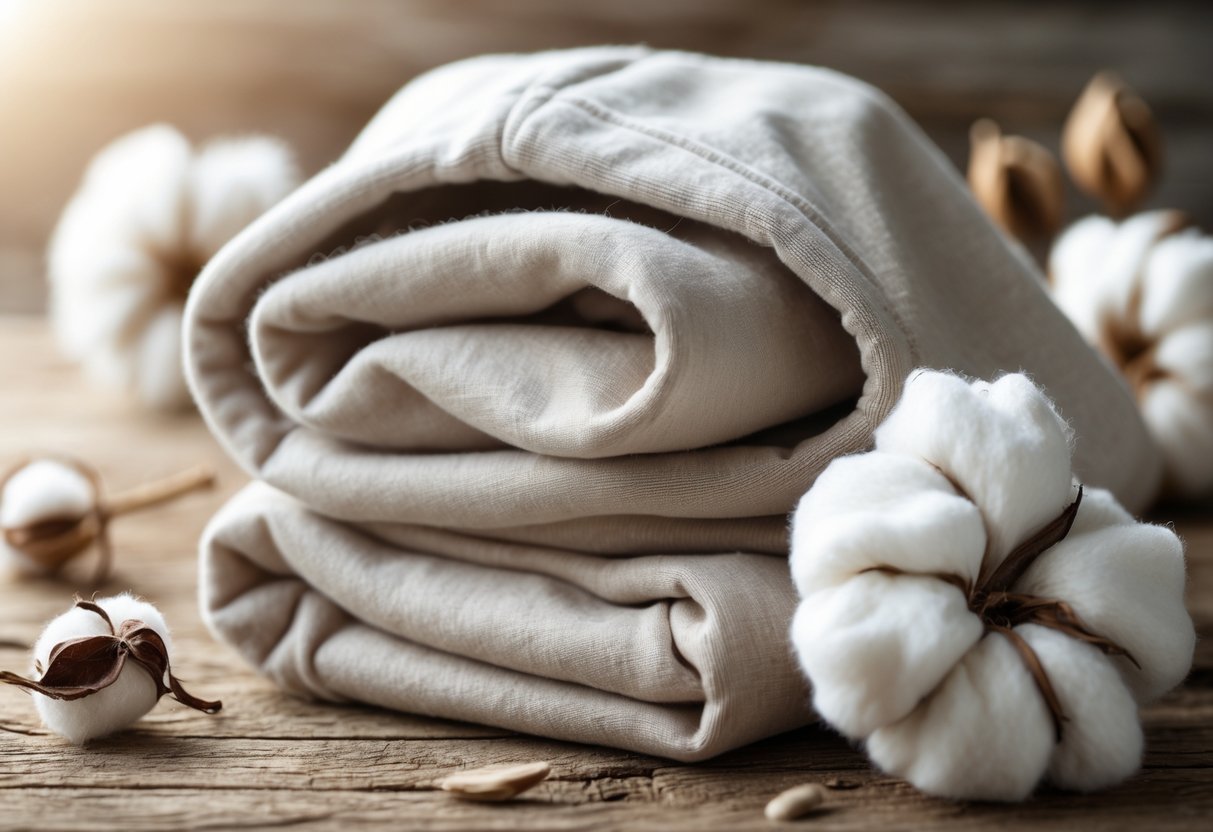
Organic cotton is a popular material for hoodies due to its natural and eco-friendly qualities. It is grown without harmful pesticides or chemical fertilizers, which helps protect the soil and promotes biodiversity. This makes organic cotton a better choice for the environment compared to conventional cotton.
The fabric is soft and comfortable, making hoodies made from organic cotton easy to wear for long periods. It is also breathable and gentle on the skin, which suits many people’s needs. Because it is durable, hoodies made from organic cotton can last through many washes without losing shape or comfort.
Brands that focus on sustainability often choose organic cotton to create hoodies that appeal to eco-conscious customers. This material supports farming practices that value soil health and reduce pollution. It is a good option for anyone looking to buy hoodie materials that balance comfort with environmental care.
8) Tri-Blend (Cotton, Polyester, Rayon)
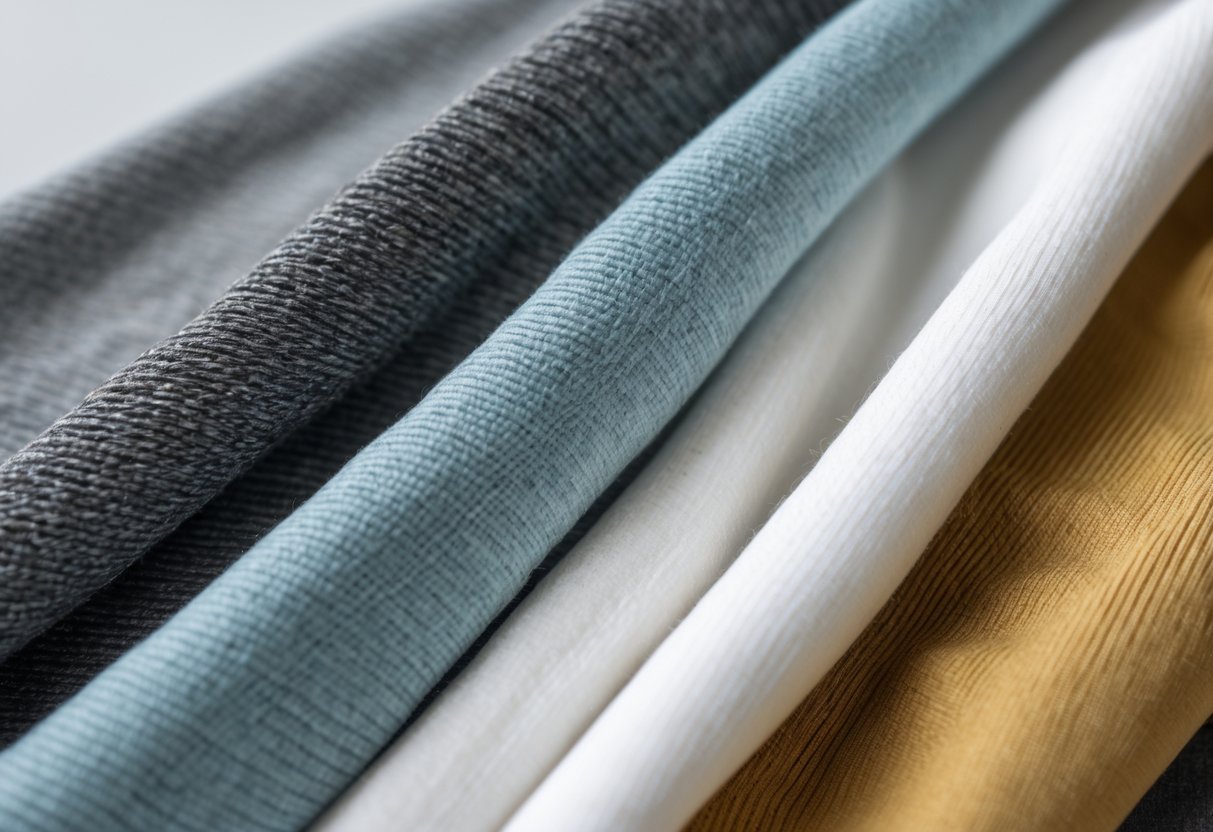
Tri-blend fabric combines cotton, polyester, and rayon. This mix creates a soft, lightweight material that feels smooth on the skin. People often choose tri-blend for its comfort and flexibility.
Cotton adds breathability and natural softness. Polyester brings durability and helps the fabric keep its shape. Rayon adds a silky texture and gives the hoodie a nice drape, making it look stylish without being stiff.
Hoodies made from tri-blend fabric are usually lighter than 100% cotton hoodies. They also do a good job of resisting shrinking and stretching after washing. This makes them a practical choice for everyday wear.
The fabric blend is popular for premium and fashion-forward hoodies. It offers softness while remaining strong enough for regular use. The tri-blend can feel a bit vintage or worn in, adding to its appeal.
9) Sherpa Lining
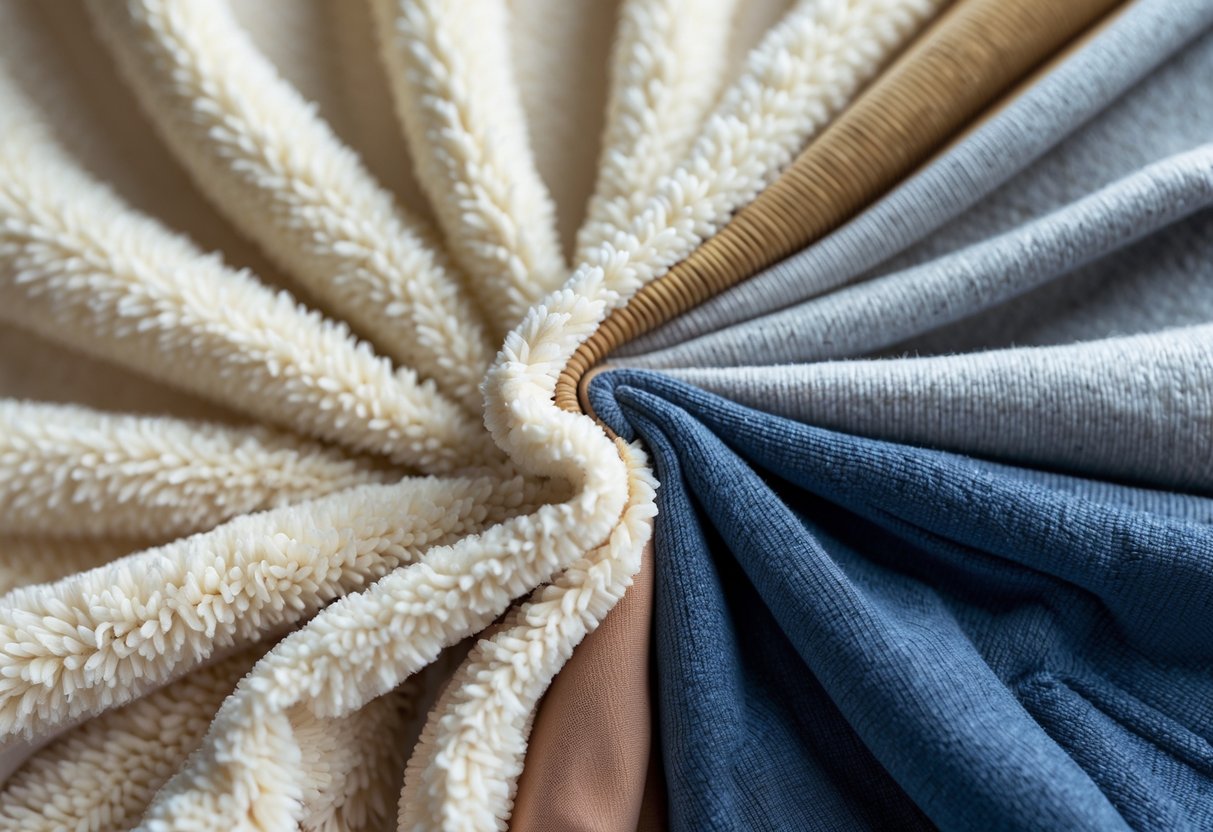
Sherpa lining is a soft, fuzzy material used inside hoodies to provide extra warmth. It is made to look and feel like wool but is often created from synthetic fibers like polyester or blends with cotton. This lining adds insulation without making the hoodie bulky.
The texture of Sherpa lining is thick and plush, making it comfortable against the skin. It traps heat well, which helps keep the wearer warm in cold weather. Because of this, Sherpa-lined hoodies are popular in colder climates and for outdoor use.
Sherpa fabric is usually placed inside the hood or along the inner body of the hoodie. This lining is durable and can handle regular use while maintaining softness. Many athletes and outdoor enthusiasts choose Sherpa-lined hoodies for these reasons.
The combination of comfort, warmth, and lightweight feel makes Sherpa lining a practical choice. It differs from regular fleece by offering a unique texture that looks like sheep’s wool but is easier to care for.
10) Velour
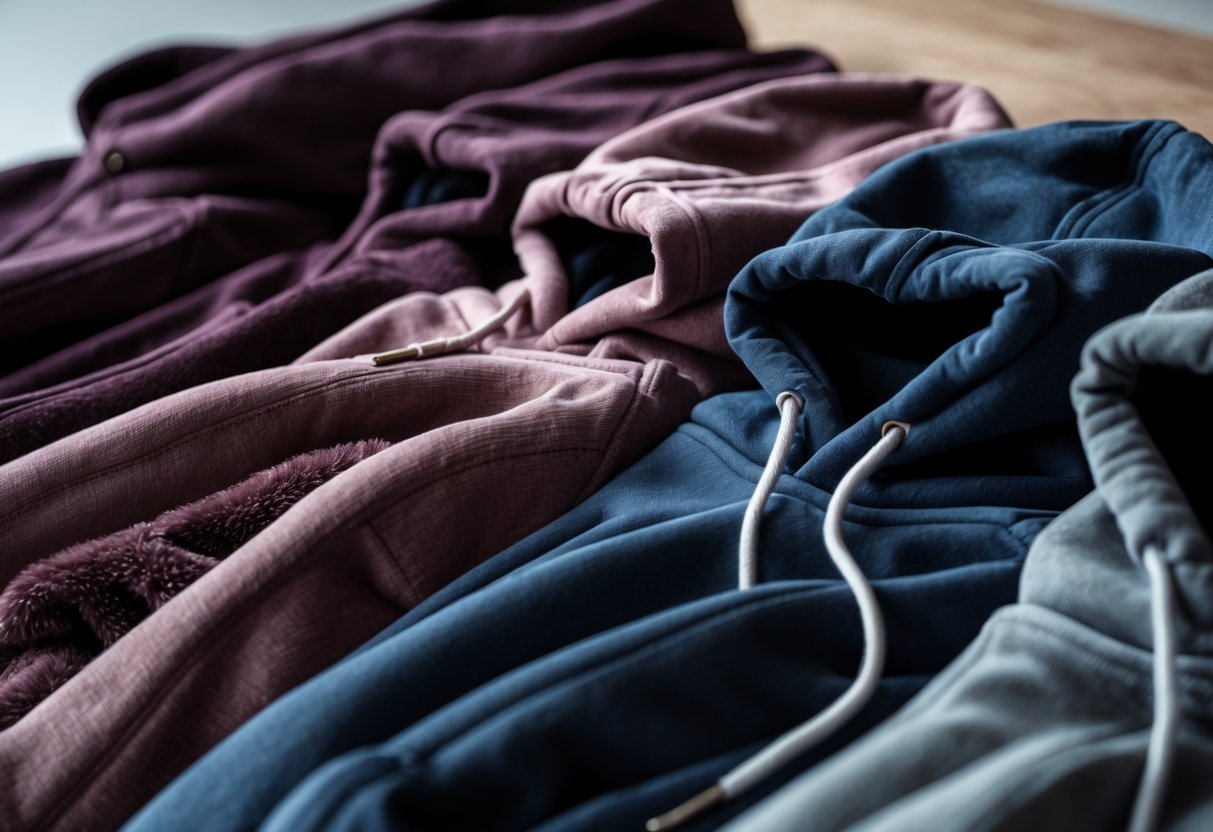
Velour is a soft, plush fabric similar to velvet but with more stretch. It has a smooth surface and a slightly shiny appearance, making it popular for stylish hoodies.
This material is usually made from cotton or synthetic fibers. It provides warmth and comfort, making it good for casual wear in cooler weather.
Velour hoodies are known for their luxurious feel. They often have a heavier weight compared to regular cotton hoodies, which adds to their cozy quality.
The fabric’s texture can show wear over time, especially with frequent washing. It needs gentle care to maintain its softness and color.
Velour is often chosen for fashion hoodies rather than athletic use. Its look and feel make it well suited for relaxed, stylish outfits.
Key Properties of Types of Hoodie Material
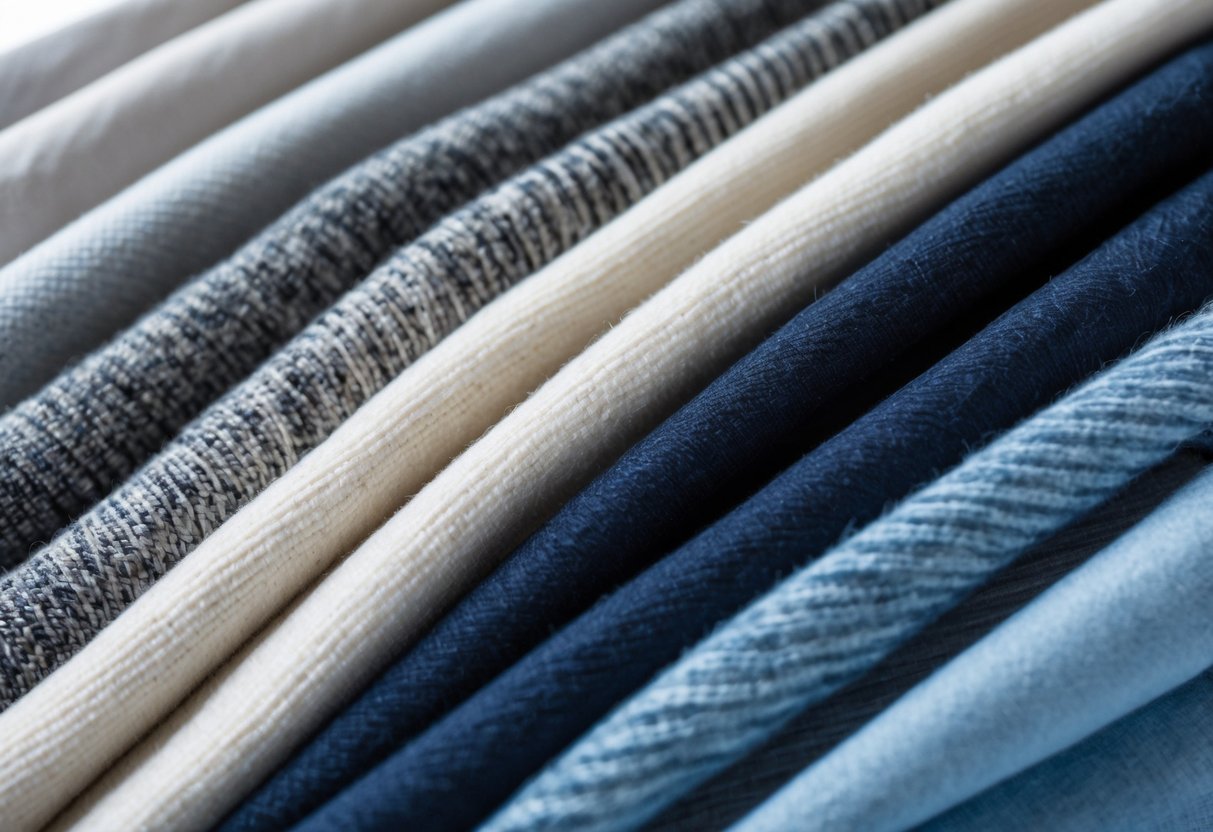
Hoodie materials differ in how they handle heat, air flow, and wear. Knowing these factors helps pick the right fabric for comfort, use, and durability. The balance between warmth and breathability often depends on the fabric’s weave and fiber type, while durability relates mostly to the material quality and construction.
Breathability and Comfort
Breathability is how well air passes through fabric, which controls moisture and body heat. Natural fibers like cotton offer high breathability, making them good for mild weather or daily wear. Cotton allows sweat to evaporate quickly, reducing dampness and discomfort.
Synthetic fabrics such as polyester tend to trap heat and moisture but dry faster. Blends combine these traits to improve breathability without losing durability. Softness is also key for comfort; materials like French terry feel cozy next to the skin without being too heavy.
Comfort also depends on stretch and weight. Lighter fabrics promote ease of movement, while thicker ones add bulk. The right choice balances wearability with climate needs.
Durability and Longevity
Durability refers to how well a hoodie resists wear, tears, and pilling over time. Polyester and blends typically outperform pure cotton in durability. They hold shape and color even after many washes.
Cotton hoodies may fade or shrink unless pre-treated. The fabric’s tightness contributes too—a dense knit lasts longer than loose loops. Reinforced stitching adds strength to seams.
Durable hoodies suit active lifestyles or rough conditions. Blended fabrics often give a good balance of toughness and softness. Proper care, like washing inside-out and avoiding high heat, also extends a hoodie’s life.
Insulation and Warmth
Insulation affects how much warmth a hoodie provides. Fleece is prized for warmth because it traps air between fibers, creating a thermal barrier. It’s good for cold weather but can be bulky.
Cotton is less insulating but breathable, so it’s better for cool, not freezing, temperatures. Some fabrics like French terry offer medium warmth, useful for layering.
Weight and thickness matter; heavier fabrics generally hold heat better but reduce flexibility. Some hoodies use inner linings for extra insulation without much added size.
Choosing the right insulation depends on climate and activity level, balancing warmth with comfort and breathability.
Care and Maintenance Tips
Taking proper care of hoodies helps keep their shape, color, and softness. Attention to washing methods and avoiding shrinkage is key to making hoodies last longer and remain comfortable.
Washing Recommendations
Hoodies made from cotton, polyester, or blends should be washed inside out to protect the fabric’s surface and any prints. Using cold water is best to avoid color fading and fabric damage. A gentle cycle reduces stress on the fibers, especially for softer materials like fleece.
Mild detergent without bleach preserves the hoodie’s color and texture. Avoid fabric softeners, which can clog fibers and reduce breathability. After washing, it’s better to air dry hoodies by laying them flat or hanging to avoid stretching. If machine drying is necessary, use a low heat setting to prevent damage.
Preventing Shrinkage
Shrinkage mostly affects cotton hoodies, especially if exposed to high heat during washing or drying. To prevent this, use cold or lukewarm water and avoid hot water cycles.
Drying at low temperatures or air drying is crucial. A dryer’s heat causes cotton fibers to contract, leading to smaller, tighter fit. Polyester and blended hoodies do not shrink as much but should still be handled gently with low heat to maintain fabric properties.
Stretching hoodies back into shape while damp can also help keep size and fit consistent over time.
Frequently Asked Questions
Hoodies come in many fabrics, each with specific benefits. Some materials offer softness, others provide warmth or durability, and the choice depends on the intended use and preference.
What materials are commonly used in high-quality luxury hoodies?
Luxury hoodies often use premium cotton like combed or organic cotton for softness and breathability. Blends with modal or bamboo fabric add a smoother feel and better durability. Some high-end hoodies also incorporate fine fleece or brushed French terry for a plush texture.
Which fabric should I choose for a winter hoodie to stay warm?
Fleece is one of the best choices for winter hoodies because it traps heat well and feels soft on the skin. Thick cotton-polyester blends with brushed interiors also provide good insulation. French terry can work but may not be as warm as fleece.
How does the texture of different hoodie fabrics affect comfort and durability?
Smoother fabrics like bamboo or modal blends feel soft and reduce irritation on the skin. Cotton offers breathability but can wear down faster if thin. Fleece has a fluffy texture that adds warmth but can pill over time. French terry is durable and has a looped texture that allows sweat absorption.
Are there specific materials recommended for men’s hoodies versus ladies’ hoodies?
Material choice usually depends more on function than gender. However, men’s hoodies often use thicker fabrics like heavyweight cotton or fleece for durability and warmth. Women’s hoodies may feature softer, lighter blends like bamboo or cotton-modal to enhance comfort and fit.
What characteristics should I look for when selecting cotton fabric for a hoodie?
Look for combed or ring-spun cotton, which is smoother and stronger than regular cotton. Organic cotton is preferred for its eco-friendliness and lack of chemicals. The fabric weight matters too; heavier cotton holds its shape better but may be less breathable.
How does fleece compare to other hoodie fabrics in terms of warmth and feel?
Fleece is warmer than regular cotton and French terry because of its brushed fibers that trap heat. It feels soft and cozy but can be bulkier. Compared to polyester blends, fleece provides better insulation but may not wick moisture as well.