How To Make A Tech Pack: Pro Methods Every Brand Should Know
Creating a tech pack is essential for turning fashion ideas into real clothing products. A tech pack is a detailed guide that tells manufacturers exactly how to make a garment, including design details, materials, measurements, and construction instructions. Without it, the risk of miscommunication and costly mistakes rises.
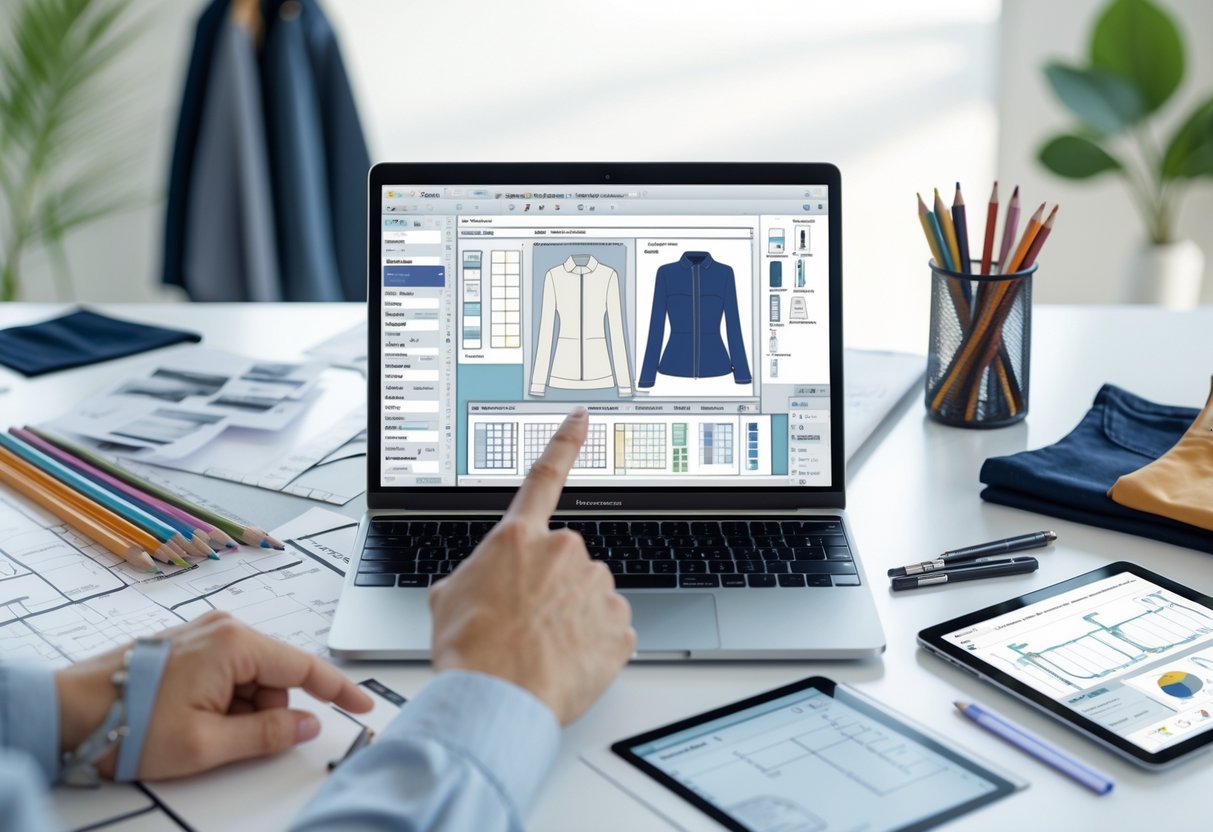
Tech packs act as a clear communication tool between designers and factories, ensuring the final product matches the original vision. From sketches to packaging instructions, each part of the tech pack helps streamline production and maintain quality.
Table of Contents
Understanding the key parts and following a clear process can make creating a tech pack manageable, even for beginners. Using the right tools and templates can save time and improve accuracy during development.
Key Takeaways
- A tech pack provides all the details needed for garment production.
- Clear, precise instructions reduce errors in manufacturing.
- Tools and organized steps make tech pack creation easier and faster.
Understanding Tech Packs

Tech packs are detailed documents that guide how a garment is made. They include visual designs, measurements, materials, and instructions. These elements help ensure that manufacturers produce clothing exactly as the designer intends. Clear communication through a tech pack prevents mistakes and speeds up production.
How To Make A Tech Pack
A tech pack is a blueprint for making clothing. It contains drawings, size charts, fabric details, stitching notes, and other technical info. This document acts as a manual for manufacturers, helping them understand every aspect of the garment.
It usually includes:
- Visual sketches showing the style and fit
- Size charts with critical measurements
- Fabric types and weights
- Color codes and placement
- Trim and label specs
Without a tech pack, manufacturers can misinterpret the design, causing costly errors or delays. The tech pack brings all design details into one organized file, making the manufacturing process smoother and more efficient.
Why Tech Packs Are Essential
Tech packs are necessary for accurate clothing production. They reduce errors by clearly outlining every garment detail. Manufacturers rely on them to estimate costs and timelines accurately.
If a tech pack is incomplete or unclear, mistakes happen. Samples may not match the design, leading to wasted time and money. With a thorough tech pack, designers hold factories accountable if changes occur without approval.
Tech packs also support quality control during production. Teams use them to check that every piece meets the original requirements. This document improves communication between designers, suppliers, and quality teams. It helps avoid confusion and speeds up approval at every stage.
Common Tech Pack Terminology
Understanding terms used in tech packs is crucial. Here are key words often found in tech packs:
| Term | Meaning |
|---|---|
| BOM | Bill of Materials; list of all materials needed |
| Grading | Adjusting measurements for different sizes |
| Flat Sketch | 2D technical drawing of the garment |
| Trim | Accessories like buttons or zippers |
| Spec Sheet | Detailed measurements and construction notes |
| Pantone Code | Standard color code used for accurate color matching |
| MOQ | Minimum Order Quantity required by factory |
Knowing these terms helps designers create complete and clear tech packs. It also ensures that everyone involved in production understands the garment specifications fully.
Key Components For How To Make A Tech Pack
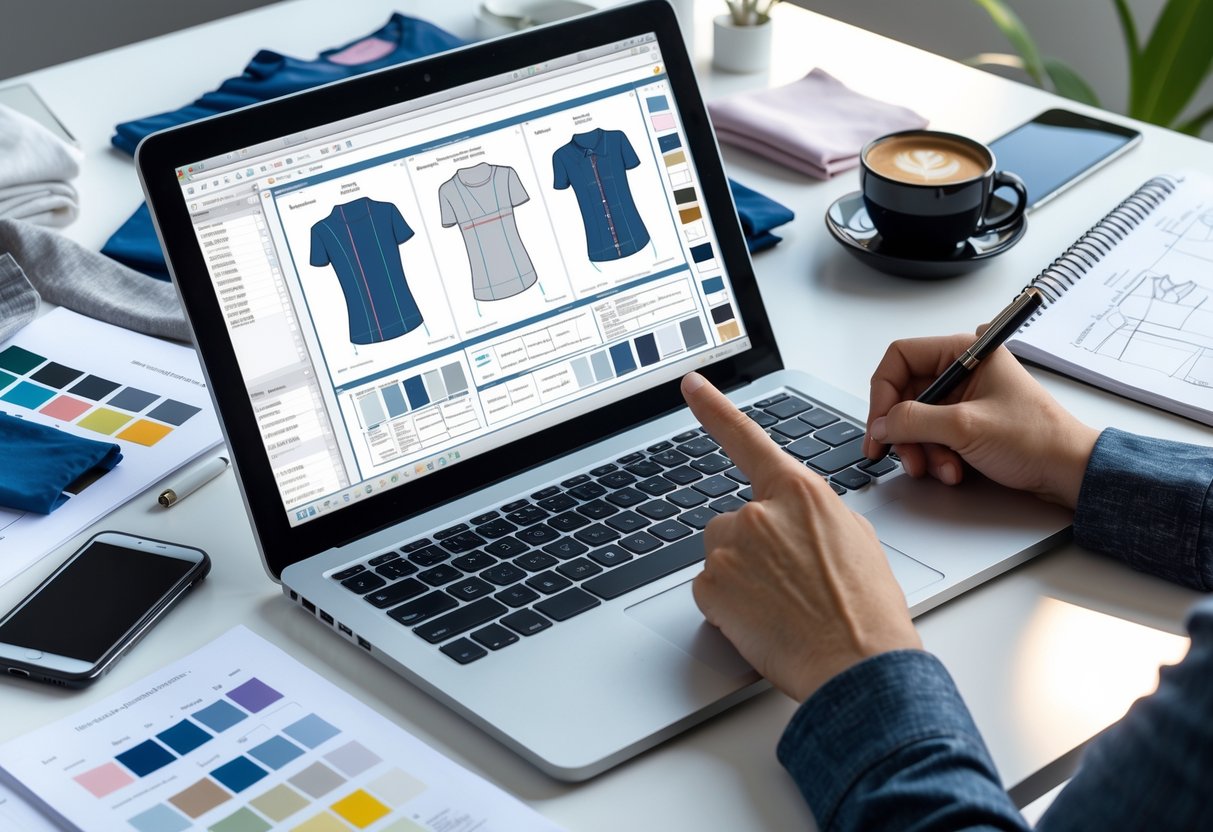
A tech pack contains detailed information needed to create a garment exactly as designed. It includes visuals, materials, measurements, and instructions. Each part plays a crucial role in guiding manufacturers to produce the correct product.
Technical Sketches and Drawings
Technical sketches, often called flat sketches, show the garment’s front, back, and sides. These drawings highlight the shape, style, and key details like pockets, seams, and zippers. Clear labeling of dimensions and design features helps manufacturers understand the exact look and fit of the product.
Accuracy in these drawings prevents confusion during production. Including multiple views with true-to-scale proportions ensures the garment is made to the correct size and style. Details like stitching lines, button placements, and fabric textures should also be visible.
Bill of Materials and Trims
This section lists all fabrics, trims, and accessories used in the garment. It specifies fiber content, fabric weight, and any special finishes like waterproofing. Trims such as buttons, zippers, and labels are described with size, color, and material details.
Clear material specifications help manufacturers source the right supplies. For example, a button entry might read: Metal button, 10mm diameter, antique brass finish. Providing exact color codes using Pantone guides prevents variation in production.
Measurement Specifications and Size Charts
Measurements define the garment’s dimensions at every size. A size chart organizes key points, such as chest, waist, hip, sleeve length, and inseam, often shown in a table format for clarity.
| Size | Chest (inches) | Waist (inches) | Hip (inches) |
|---|---|---|---|
| S | 34-36 | 28-30 | 36-38 |
| M | 38-40 | 32-34 | 40-42 |
| L | 42-44 | 36-38 | 44-46 |
| XL | 46-48 | 40-42 | 48-50 |
Grading rules explain how these measurements change between sizes. Setting tolerance levels indicates acceptable size variations, typically within ¼ to ½ inch, to allow for manufacturing differences. This detail ensures consistent fit and reduces returns.
Construction and Sewing Details
This part explains how the garment is assembled. It covers seam types, stitch styles, and finishing techniques. For example, it may specify a flat-felled seam or a single needle stitch.
Sewing details include stitch length and thread type. Finishing instructions might specify hemming methods or edge bindings. These clear directions guide manufacturers in creating durable, clean results.
Including quality standards for stitching ensures the garment meets durability and appearance expectations. Precise instructions here help maintain product consistency across batches.
Preparing to Make a Tech Pack

Creating a clear plan before starting a tech pack saves time and reduces errors later. This involves collecting design ideas, choosing the right materials and colors, and stating exact product details. Each step helps ensure that the tech pack guides manufacturers accurately.
Gathering Design Inspiration For How To Make A Tech Pack
Before drawing or listing details, a designer collects ideas to shape the garment’s look. This can include photos, sketches, fabric swatches, and mood boards. Inspiration must capture the style, fit, and unique features expected in the final product.
Organizing these visuals helps communicate the design clearly to manufacturers. It also prevents misunderstandings about the garment’s key elements like seams, collars, or trims. Keeping inspiration focused allows the tech pack to serve as a precise blueprint rather than a vague concept.
Defining Materials and Colors For How To Make A Tech Pack
Choosing materials and colors early defines the garment’s quality and appearance. Designers should specify fabric types, weight (grams per square meter), and finishes to avoid confusion. Including exact color codes such as Pantone or RGB values helps maintain color consistency across production.
This section of the tech pack must detail fabric placement and any special treatments required. It can also list trims like buttons or zippers with their sizes and materials. Clear, detailed material information limits costly mistakes and supports accurate cost estimates.
Setting Clear Product Requirements For How To Make A Tech Pack
Precise measurements and construction details are critical for successful production. This includes providing a size chart with key dimensions like bust, waist, and hip for each size. Designers should also include grading rules that show how measurements change from one size to the next.
Technical drawings or flat sketches clarify fit and structural features. They act as exact references for seam placement, collar style, and sleeve length. Adding a bill of materials (BOM) with all components organized supports quality control. Clear product specs help factories produce consistent, well-fitting garments.
Step-By-Step Process to Create a Tech Pack

Creating a tech pack requires organized steps that ensure every detail is clear for production. The process starts by choosing the right format, then moves on to entering precise product data. Visual elements and specific branding details finish the pack, making it a complete guide for manufacturers.
Selecting a Tech Pack Template For How To Make A Tech Pack
Choosing a good tech pack template saves time and keeps information consistent. Most templates come with sections already laid out, such as design details, materials, measurements, and production notes. A clear template helps avoid missing information.
Templates can be digital or physical, but digital ones often allow easier editing and sharing. Popular tools like Adobe Illustrator or Techpacker offer customizable templates designed for apparel. It’s important the template fits the product type, whether it’s a t-shirt, dress, or jacket, so all relevant details are covered.
Using a template that includes space for measurements, fabric details, and construction notes ensures nothing is overlooked. A well-structured template guides the creator through the process, making the tech pack professional and easy to read.
Filling Out Product Information
Filling out product information involves listing everything the manufacturer needs to build the garment correctly. This includes the product name, style number, and season or collection for easy tracking.
Material specifications are crucial. Details like fabric type, composition, weight, and color (using Pantone codes) must be precise. Trim and accessory descriptions, such as buttons or zippers, should also be included.
Size measurements with grading rules go here. Grading shows how sizes change from base measurements. Including fit notes helps explain the desired look, such as tight, loose, or relaxed fit.
Cost estimates might be added at this stage. Clear, organized product information reduces mistakes during production and speeds up the process.
Adding Detailed Sketches and Annotations
Detailed sketches are vital for showing the design visually. These usually include front, back, and side views of the garment. Sketches should clearly show style elements like seams, pockets, collars, and any special features.
Technical flats provide a more precise, two-dimensional look. They show stitching lines, seam types, and placement of trims or labels. Annotations explain what materials or stitching methods to use in specific areas.
Adding dimensions to sketches is important. Manufacturers need to know exact measurements for each part of the garment and how pieces fit together.
Clear annotations reduce confusion. They should describe fabric behavior, construction details, and any special instructions related to sewing or finish work.
Including Care Labels and Branding
Care labels and branding details tell manufacturers how to finish the product. Care instructions must follow textile standards and accurately advise consumers on washing, drying, and ironing.
Label placement is also key. The tech pack should specify where to place wash labels, brand logos, size tags, and any other labels.
Branding details might include logo size, color, and positioning. This ensures consistency across all garments.
Packaging instructions can also be included, detailing how the product should be folded or packed for shipment.
Including this information helps protect the brand and maintains quality throughout production.
Tech Pack Tools and Templates
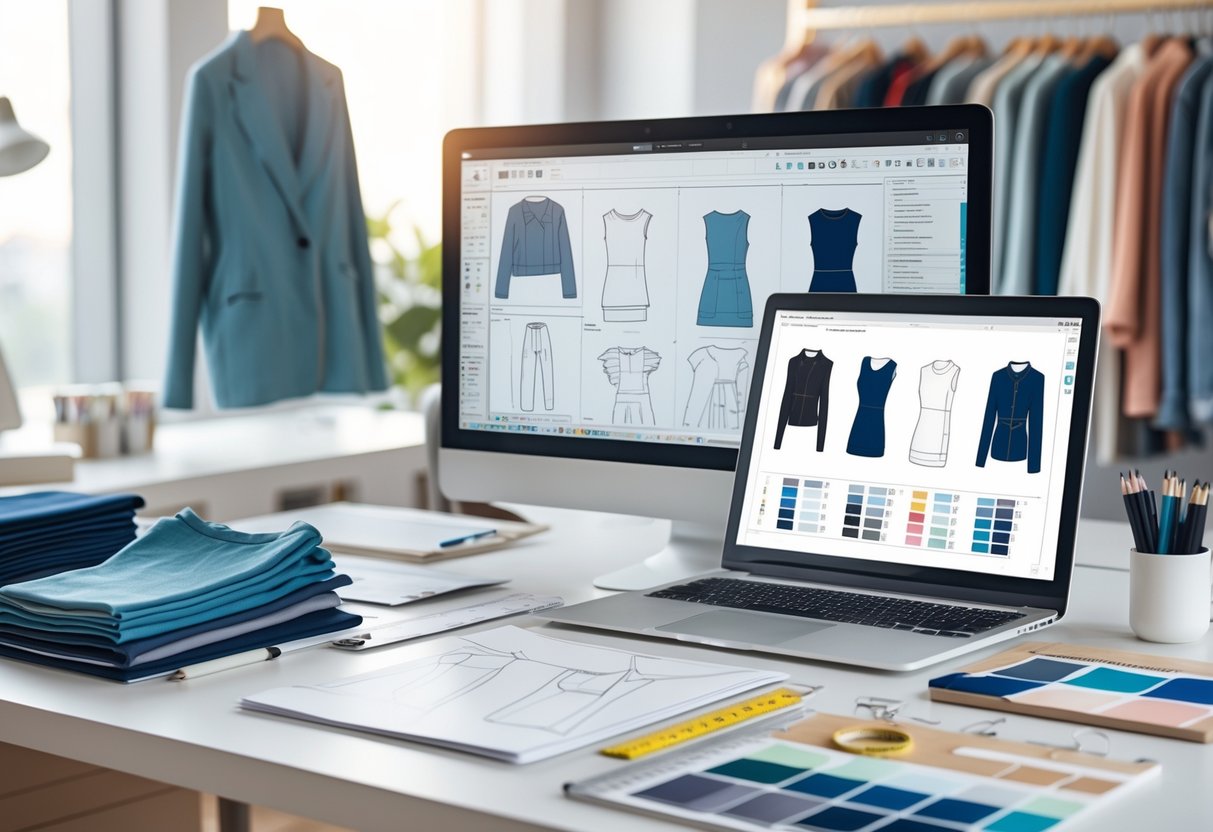
Creating a tech pack requires precise tools that provide clear organization and easy updates. Using the right resources can simplify the process, improve accuracy, and speed up collaboration with manufacturers. The options range from basic templates to advanced AI-driven platforms.
Free and Paid Tech Pack Resources
Many free tech pack templates are available online, often designed for apparel like T-shirts, hoodies, and jackets. These usually include editable files with sections for sketches, materials, measurements, and labels. They suit startups or designers new to creating tech packs.
Paid templates offer more features, such as higher customization, integrated BOM (Bill of Materials), and better layout tools. Some platforms bundle templates with step-by-step guides or examples. Sites like Techpacker, Maker’s Row, and Style Arcade offer both free and premium options depending on complexity and experience level.
Choosing between free or paid depends on project needs. Simple designs may only require free templates, while more complex collections benefit from paid services for added precision and support.
Software and AI Solutions
Software solutions have transformed creating tech packs by adding speed and accuracy. Programs like Adobe Illustrator allow detailed digital flats and technical sketches, essential for clear visual communication.
AI-driven tools now generate tech packs automatically from images or 3D models. These use smart suggestions for materials, measurements, and construction details, significantly cutting down preparation time. Cloud-based platforms also enable real-time collaboration with factories, keeping feedback and changes transparent.
Using software and AI tools improves consistency and minimizes errors by automating repetitive tasks. They are especially useful for brands managing multiple styles or collections simultaneously.
Customizable Template Features
Effective tech pack templates offer customization that matches a designer’s workflow and product specifics. Key features include:
- Drag-and-drop icons and graphics for quick building
- Sections for detailed BOM with supplier names and quantities
- Multiple size charts with grading rules and tolerance values
- Labels and branding placement templates with clear annotations
- Packaging instructions for folding, tagging, and polybag sizes
Custom templates often support importing artwork files and exporting to PDF for easy sharing. Visual clarity is critical, so annotations, close-up images, and multiple garment views (front, back, side) are standard.
Templates that allow easy updates save time when making revisions or adjusting for manufacturing feedback.
Best Practices for Effective Tech Packs
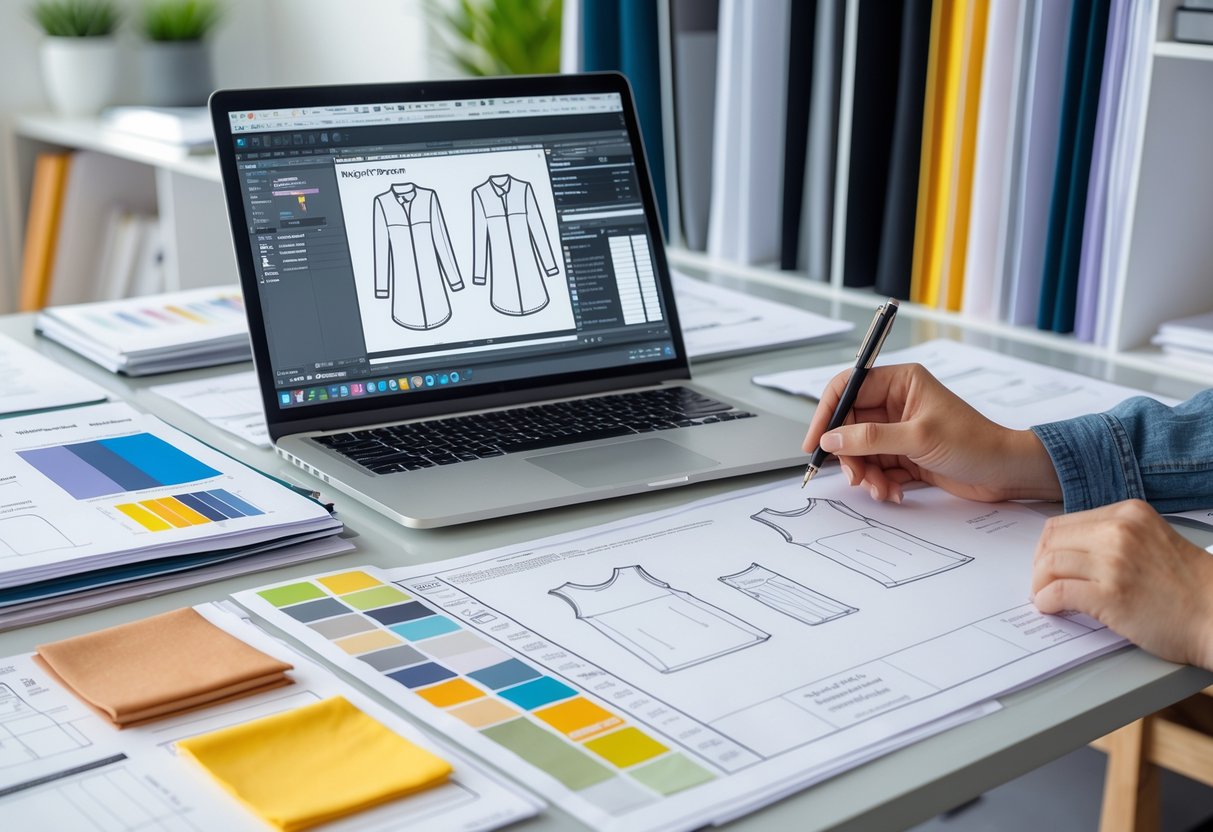
To create an effective tech pack, precision and clarity are key. Every detail must be communicated clearly to avoid confusion. Avoiding common mistakes and keeping the tech pack updated helps maintain quality and smooth communication through the production process.
Clear Communication with Manufacturers
Clear communication means providing detailed visuals and explicit notes. Technical sketches must show front and back views with stitching and seam lines clearly marked. Every material, trim, and color needs exact specifications, including supplier info and codes.
Measurement specs should define each Point of Measurement (POM) with tolerances to prevent sizing errors. Use labeled callouts to explain construction details like stitch types and seam finishes. This reduces guesswork for manufacturers and lowers the risk of costly revisions.
Visual aids and clear language ensure that the factory understands the design as intended. Consistency and detail here form the base for a smooth production run.
Avoiding Common Mistakes
One common mistake is vague or incomplete Bill of Materials (BOM). Instead of just “cotton,” specify fabric type, weight, processing, and source. This helps factories quote accurately and prevents surprises in quality or cost.
Another error is unclear or missing measurement tolerances. Factories cannot hit exact sizes every time, so realistic ranges (+/-) reduce production rejects. Important measurements should be marked as “critical” to focus quality control efforts.
Missing or poor technical sketches cause confusion. Photographs without annotations are not enough. Sketches must be accurate, to scale, and labeled to reflect all garment features and construction methods.
Updating and Version Control
Version control keeps all parties aligned on the latest design. Every change must come with a new version number and a log outlining updates. This prevents factories from working with outdated or incorrect information.
Uploading tech packs to cloud platforms supports easy sharing and tracking. Keeping the factory informed about updates avoids miscommunication and delays.
Factory feedback is valuable. When manufacturers suggest changes due to equipment or material restrictions, document these in revision notes. This two-way communication improves final product quality and supports efficient sampling and bulk production.
Frequently Asked Questions
A tech pack must include detailed design sketches, fabric and material specs, size measurements, construction instructions, and a bill of materials. Clear communication with manufacturers through precise information reduces errors and speeds up production.
What essential elements should be included in a tech pack?
A complete tech pack has design sketches with front and back views. It also details fabric types, color codes, and material composition. Size charts with measurements and grading rules are necessary to ensure proper fit. Construction instructions specify seams, stitches, and finishing methods. Lastly, a bill of materials lists all fabrics, trims, labels, and packaging needed.
How can I create a tech pack without professional software?
Tech packs can be made using basic tools like Microsoft Word, Google Docs, or Excel. Hand drawings can be scanned or photographed and added to the document. Clear labels, measurements, and written notes help communicate the design. Templates are available online to guide users on layout and essential sections.
What are the best practices for communicating with manufacturers using a tech pack?
Manufacturers need detailed, accurate information presented clearly. Use precise terms and measurements. Including photos or samples can help avoid confusion. Early collaboration is important to clarify questions and adjust any technical details before production. Keeping the tech pack organized prevents misinterpretation.
Can I find a tech pack template that is suitable for beginners?
Yes, numerous beginner-friendly tech pack templates are available online. These templates often guide users through each section with prompts and examples. Using a template helps ensure nothing important is missed and can speed up the learning process.
Is there a standard format for creating a tech pack for apparel?
Although no strict universal format exists, tech packs generally follow a consistent structure: design sketches, specs, size charts, instructions, BOM, and costing. Brands may customize the layout to fit their workflow or product type, but all essential elements should be clearly organized.
What tips can you provide for adapting a tech pack for different types of products, such as a backpack?
Focus on product-specific details like compartments, hardware, and materials in the design sketches. Include exact measurements for all parts and specify unique construction techniques, such as welding or reinforced stitching. Materials should cover all components like zippers and straps. Make sure the bill of materials lists every item needed to assemble the product.