Trendy Pet Clothes Patterns Design Stylish Outfits for Pets
Designing stylish outfits for pets has become easier and more popular than ever, thanks to trendy pet clothes patterns. These patterns offer a simple way to create fashionable, comfortable, and well-fitting clothes that suit pets of all sizes. Whether for warmth, fun, or special occasions, using the right patterns lets owners showcase their pet’s personality while meeting practical needs.
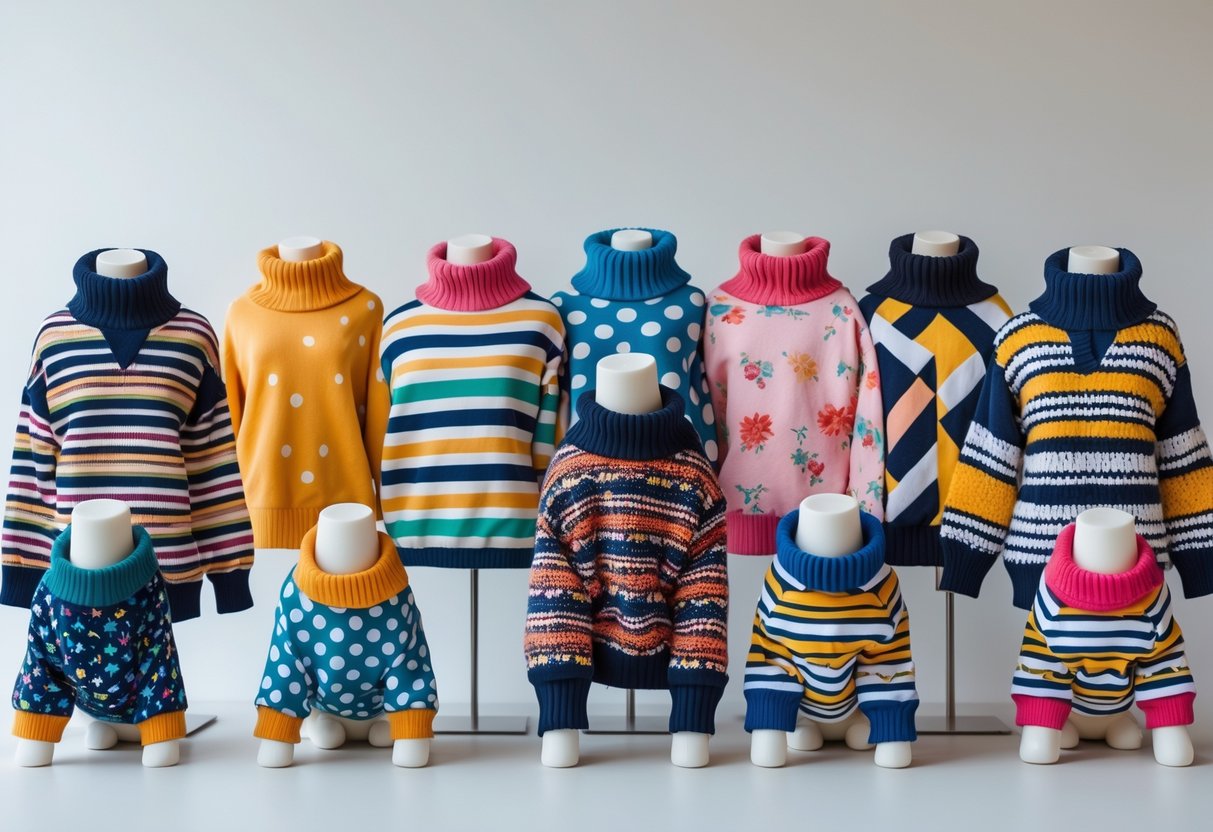
Using trendy pet clothes patterns allows for customization, cost savings, and quick adaptation to current fashion trends, making it a smart choice for both pet lovers and small businesses. From classic hoodies to seasonal sweaters and raincoats, there are plenty of designs to explore and personalize. This movement is growing because pets are now seen as family members, making their clothing not just functional but also a way to express style.
With a focus on comfort, fit, and ease of making, these patterns help create pet clothes that pets can enjoy wearing without restriction. Many designs also include eco-friendly materials and easy-to-use features, showing how pet fashion is becoming more thoughtful and sustainable.
Table of Contents
Key Takeaways
- Pet clothes patterns help create stylish, comfortable outfits for pets of all types.
- Customizable and reusable patterns save time and money while keeping looks fresh.
- Modern designs prioritize pet comfort, fit, and sustainable materials.
Why Trendy Pet Clothes Patterns Matter
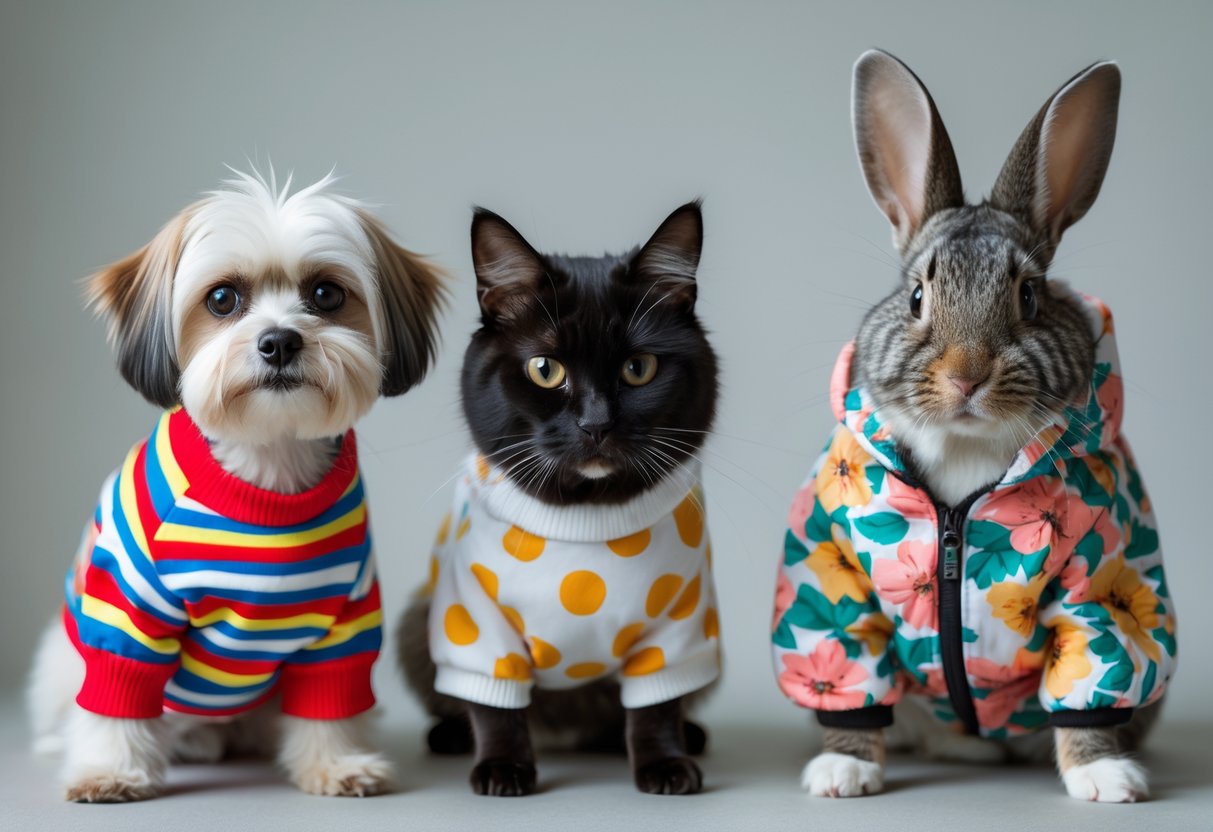
Pet clothes patterns reflect more than just style; they show how pet owners connect with their animals and how the pet fashion market responds to growing demand. These patterns influence the comfort, functionality, and visual appeal of pet outfits, making them an important part of pet care and ownership today.
The Growth of Pet Fashion
Pet fashion has expanded significantly as more people treat pets like family members. In 2025, nearly 94 million U.S. households own pets, increasing the demand for stylish and comfortable pet clothing.
This growth is driven by pet owners seeking seasonal and custom outfits that match their pets’ needs. From light summer tops to warm winter sweaters, variety in pet clothes patterns allows brands to serve diverse customers.
Pet humanization plays a big role, pushing brands to create apparel that fits all breeds and sizes while providing comfort and style.
Influence of Social Media on Pet Clothing
Social media platforms like Instagram, TikTok, and YouTube have made pets popular influencers. Pet owners share photos and videos of their pets in trendy outfits, increasing the visibility of pet fashion.
This online trend pushes brands to offer customizable and themed pet clothes to catch attention. Popular designs for holidays and seasonal events see high demand due to their social media appeal.
Social media also spreads awareness about comfort and functionality, encouraging brands to focus on breathable fabrics and practical designs.
Benefits of Dressing Pets Stylishly
Dressing pets in trendy clothes offers practical and emotional benefits. Comfort is a priority; good patterns ensure proper sizing and suitable materials for different weather conditions.
Stylish pet clothes also strengthen the bond between owners and pets, reflecting the owner’s care and the pet’s personality. Customized designs make pets stand out in social settings or events.
Additionally, modern pet clothes patterns help brands keep products affordable and reusable, allowing pet owners to mix style with practicality throughout the year.
Types of Trendy Pet Clothes Patterns
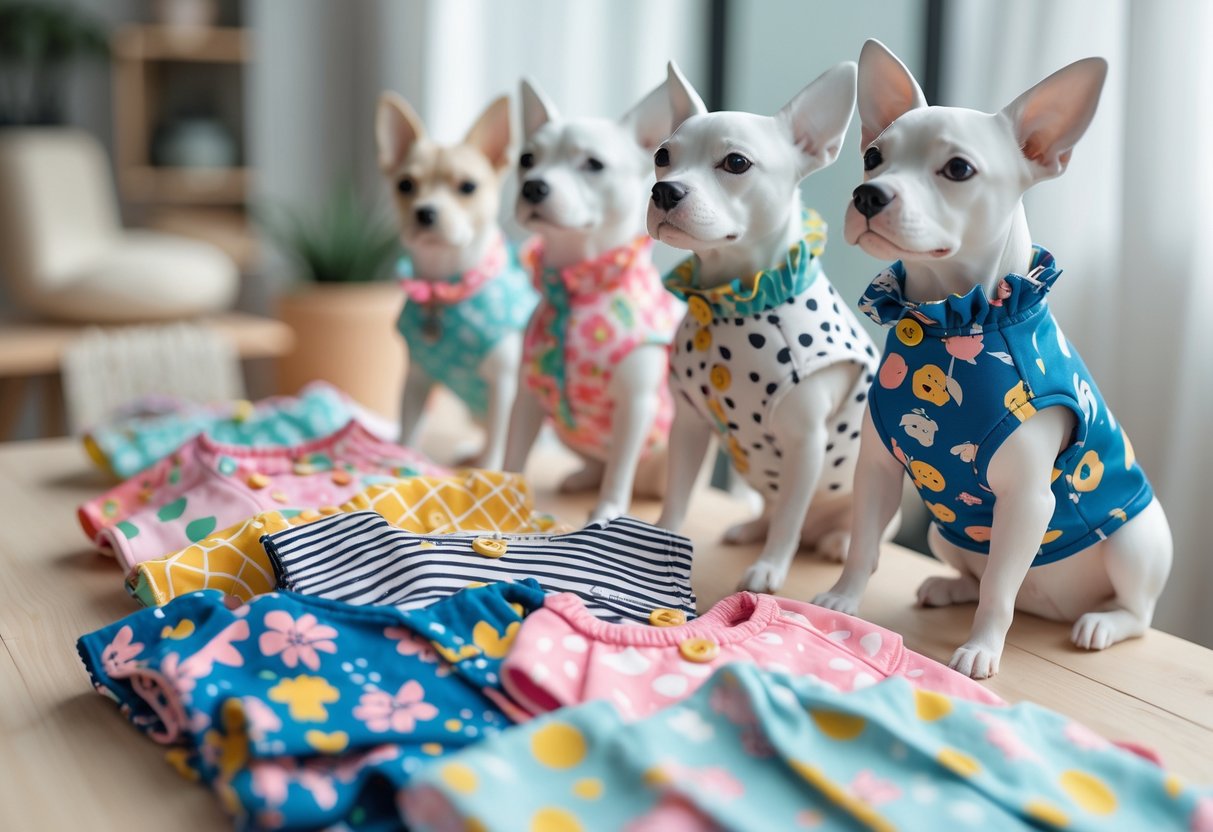
Pet clothing patterns vary widely to suit different needs and styles. They include functional and fashionable designs that offer comfort, seasonal fit, and style. Details like fabric choice, fit, and pattern shapes serve different pet sizes and activities.
Coats and Jackets Designs
Coats and jackets for pets combine warmth and style. Patterns often use thick fabrics like fleece, wool, or padded materials to protect pets during cold weather. These designs include features such as adjustable straps, snap buttons, and hoods for better fit and coverage.
Winter and autumn patterns commonly have earthy tones or festive prints like snowflakes or pumpkins. Waterproof or water-resistant materials are popular for raincoats, adding protection from wet weather while keeping pets dry. Velcro closures and easy fastenings are practical elements often included in these patterns.
Custom sizing is key. Patterns must consider the pet’s breed and body shape for a comfortable fit. Quality coat patterns ensure the jacket stays secure during walks but does not restrict movement.
Dresses and Skirts Trends
Pet dresses and skirts focus on style, often featuring light fabrics like cotton or linen to keep pets cool and comfortable. Floral prints, ruffles, and bows are commonly used to add charm. These designs suit special occasions, birthdays, or casual outings.
Patterns for dresses usually allow easy dressing and removal. Elastic waistbands or adjustable straps help fit various sizes. Lightweight materials prevent overheating and allow pets to move freely.
Patterns may include playful elements like polka dots or pastel colors for spring and summer seasons. Dress patterns often come with matching accessories, such as collars or bows, to complete the look.
T-Shirts and Tank Top Patterns
T-shirts and tank tops are among the most versatile pet clothes. Patterns focus on soft, breathable fabrics like cotton or bamboo blends to ensure comfort, especially in warm weather.
These relatively simple designs emphasize ease of wear and freedom of movement. Neck and arm openings in the patterns are sized for comfort and convenience. Stretch fabrics or reinforced hems often appear to improve fit and durability.
T-shirt patterns can include fun prints, sayings, or pet names, allowing customization. They are suitable for everyday wear and are often a part of seasonal collections targeting summer and indoor use.
DIY Pet Fashion: Creating Stylish Outfits at Home
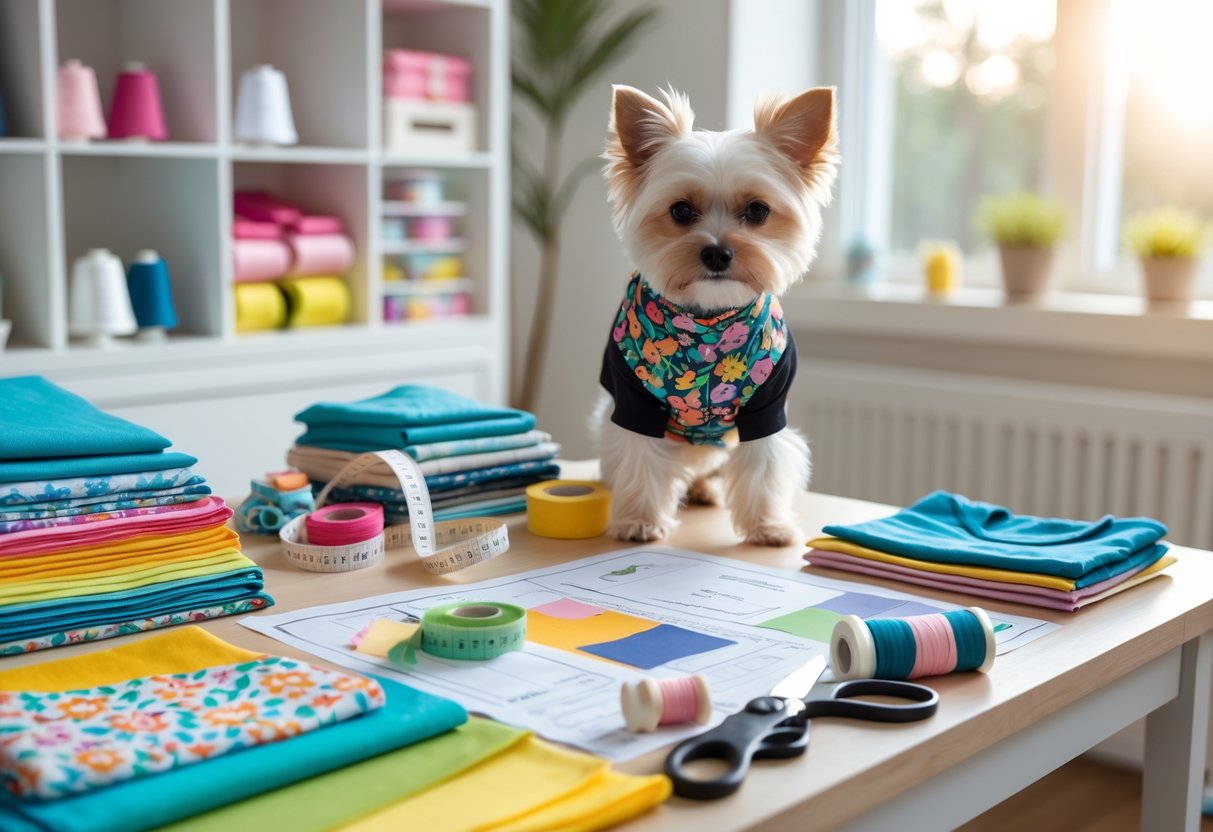
Creating pet apparel at home requires practical skills and smart choices. Pet clothes sewing patterns help guide the design process, while selecting the right materials ensures comfort and durability. With simple tools and the right approach, making stylish pet outfits is achievable for both beginners and experienced crafters.
Getting Started with Sewing Pet Clothes
Begin with easy pet clothes sewing patterns designed for basic shapes and simple stitches. Patterns that are adjustable for different breeds and sizes increase the chance of a good fit.
Basic sewing tools like needles, thread, and scissors are essential. A sewing machine speeds up the process but hand sewing works well for small projects. Start by cutting fabric pieces according to the pattern, then sew them together while keeping seams smooth and flexible.
Testing the fit is important. Let the pet try on the garment to check comfort and mobility. Adjustments to pattern size or seams may be needed before making the final piece.
Choosing the Right Fabrics and Materials
Selecting fabrics affects a pet’s comfort and garment durability. Soft, breathable materials like cotton or cotton blends work well for everyday pet apparel. They allow pets to move freely and stay cool.
For colder weather, fleece or knit fabrics provide extra warmth without being heavy. Waterproof materials like nylon or polyester are best for raincoats and outdoor gear.
Durability is key as pets can scratch or chew clothes. Choose fabrics that resist wear and are easy to wash. Stretchy blends help maintain shape and fit during active movement.
Using pet-safe, non-irritating fabrics and avoiding rough seams adds extra comfort. This keeps pets happy and less likely to resist wearing their new outfits.
Customizing and Personalizing Pet Outfits
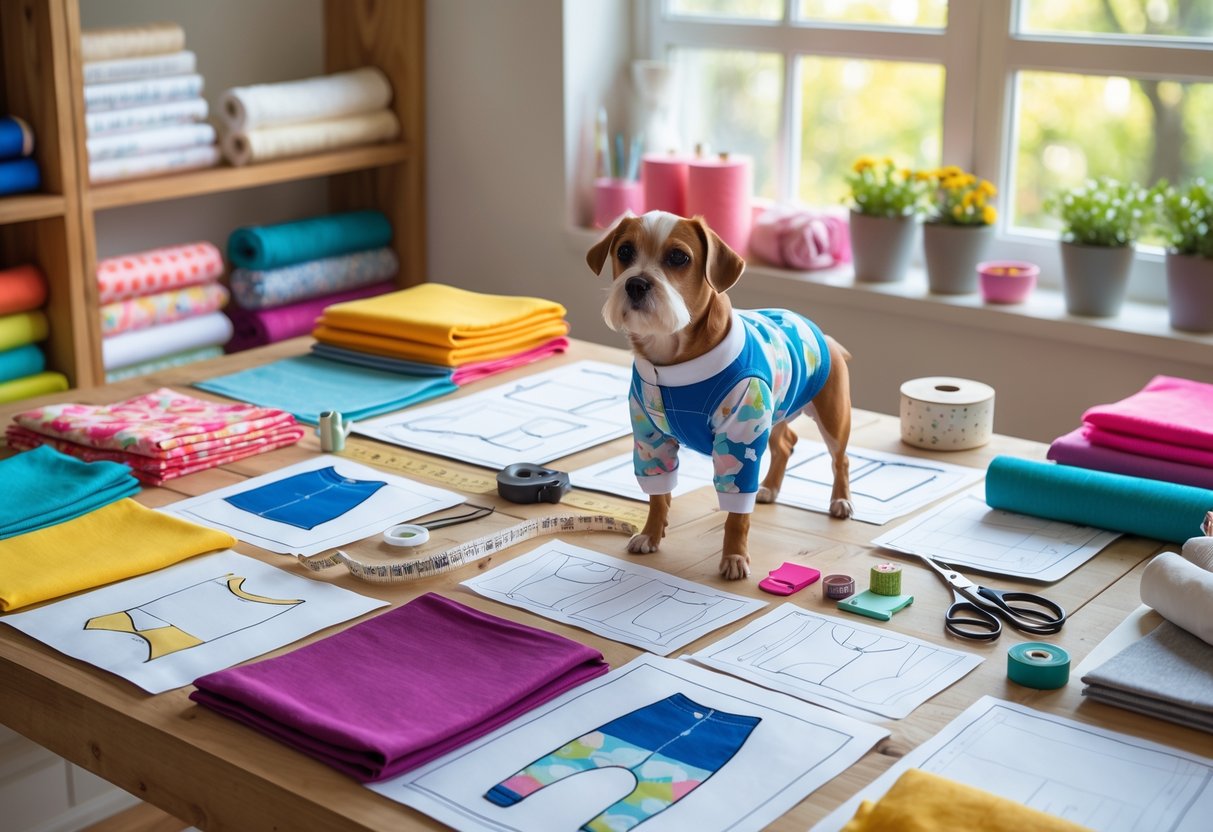
Customizing pet outfits involves adjusting designs to fit various pet breeds, adding details that reflect personality, and ensuring perfect sizing. These steps enhance comfort, style, and usability while making each garment unique.
Adapting Patterns for Different Breeds
Pet clothes sewing patterns must be flexible to accommodate breed differences. Wide chests, short legs, or long necks require pattern adjustments to avoid tightness or discomfort.
Pet owners can modify key measurements like neck circumference, chest width, and back length. Using adjustable or multi-size patterns helps create a better fit. For example, a pattern for a Labrador should differ significantly from one for a Dachshund.
Adapting patterns also means considering pet movement. Patterns for active dogs might include stretchy fabrics and looser cuts. Tailoring patterns to breed shapes improves both comfort and appearance, making pet outfits functional.
Adding Embellishments and Accessories
Embellishments add personality to pet outfits without sacrificing comfort. Pet owners often add embroidery, patches, or custom prints to make clothes stand out.
Accessories like buttons, bows, or bandanas can complete an outfit. However, safety is a priority—small parts should be securely attached to prevent choking hazards.
Simple additions like reflective strips improve visibility and practical value. Personalized details also help pet clothes sewing patterns become unique products, appealing to fashion-conscious owners.
Personalized Sizing and Fit
Accurate sizing is crucial for pet comfort and clothing effectiveness. Using detailed size charts tailored to specific breeds helps avoid ill-fitting garments.
Pet owners measure neck, chest, and length precisely. Many pet clothes sewing patterns offer clear guidance on how to take these measurements for best results.
Patterns with adjustable features like Velcro straps or elastic bands improve fit across various sizes. Proper sizing ensures pets can move freely and wear their outfits safely for long periods.
Sustainability and Upcycling in Pet Clothing
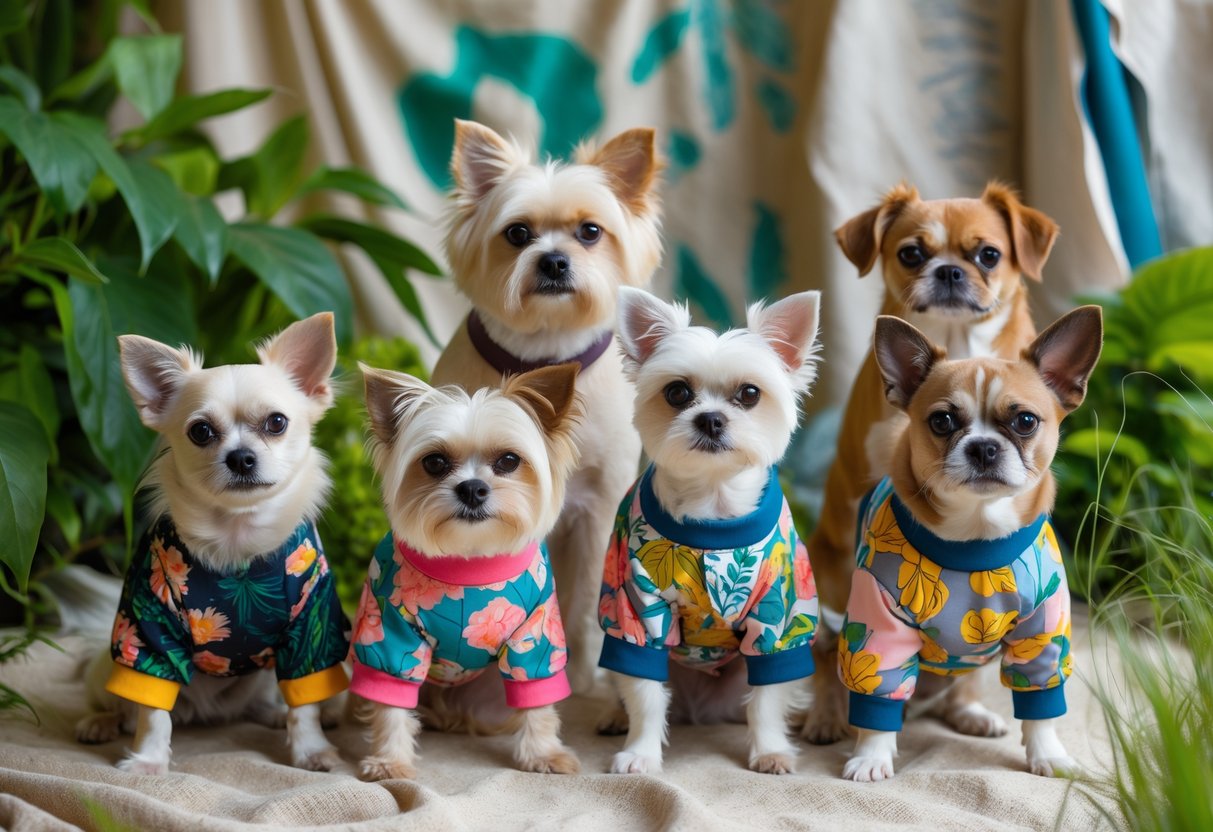
Sustainable pet clothing focuses on using materials and methods that reduce harm to the environment while still offering style and comfort. This approach often includes choosing natural fibers and creatively reusing old garments. These choices help lower waste and promote responsible pet fashion.
Eco-Friendly Materials and Practices
Pet clothing made from organic cotton, hemp, bamboo, or recycled fabrics is becoming more popular. These materials are gentle on pets’ skin and reduce environmental impact compared to synthetic fibers.
Brands often use natural dyes without harmful chemicals. This avoids pollution and keeps pets safe.
Many companies practice ethical manufacturing, ensuring fair wages and lowering pollution during production. Choosing neutral colors and versatile pieces helps build a minimalist pet wardrobe that lasts longer and reduces waste.
Accessories made from cork leather or plant-based fabrics also support sustainability without sacrificing style.
Upcycling Old Clothes for Pets
Upcycling transforms old or worn-out clothing into new pet outfits. This method reduces textile waste and creates unique pieces.
For example, an old sweater can be reshaped into a cozy dog jumper. This adds personalization and extends the life of fabrics.
Pet owners can join clothing swap events or repurpose family garments to make affordable, eco-friendly pet wear. Upcycling combines creativity with sustainability by turning what might be trash into valuable pet fashion.
This practice supports a circular economy and cuts down on demand for new materials.
Where to Find Patterns and Inspiration
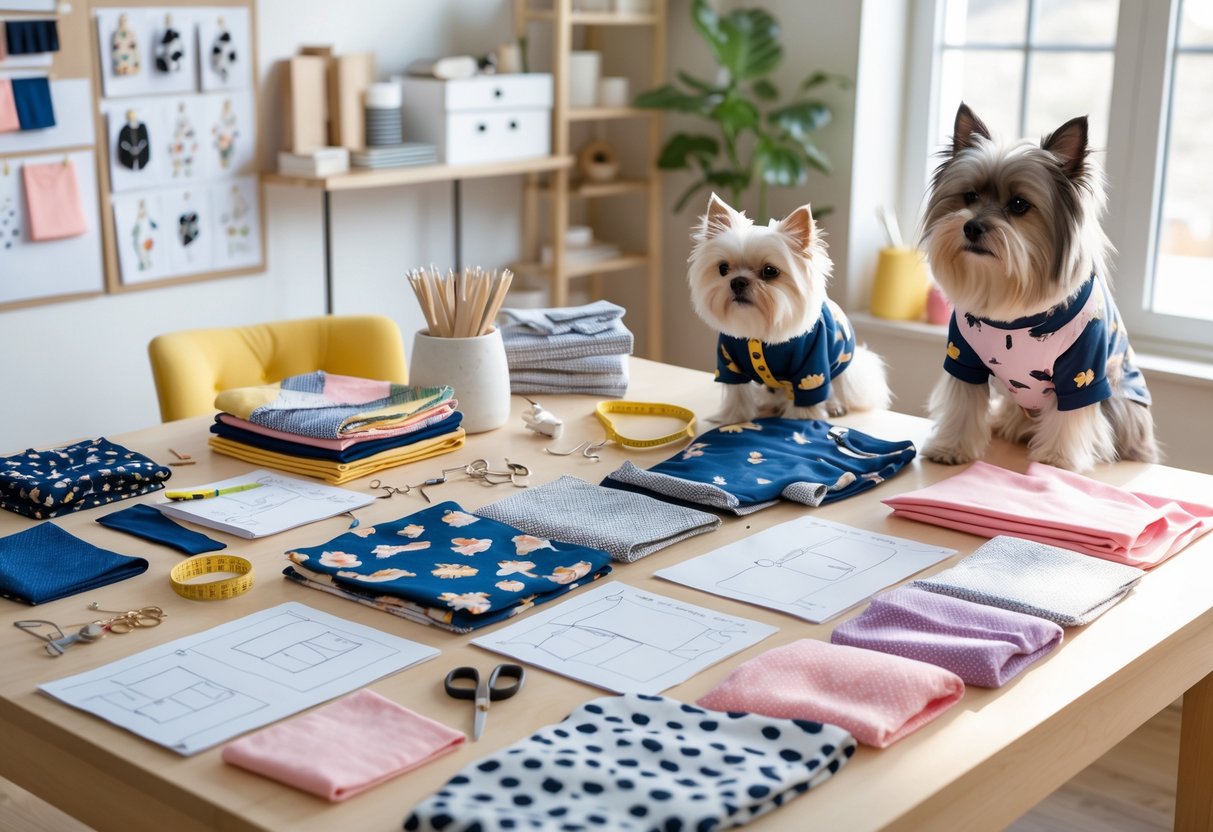
Finding the right pet clothing patterns is key to creating stylish, comfortable outfits. Resources vary from detailed tutorials to community-driven content. Choosing the best source depends on skill level, desired style, and the type of pet clothing involved.
Online Tutorials and PDF Pattern Resources
Many websites offer downloadable pet clothes sewing patterns in PDF format. These patterns often come with step-by-step tutorials and sizing guides, making them suitable for beginners and experienced sewers alike.
Popular platforms include craft-specific marketplaces and independent designers who sell or provide free templates. PDFs allow easy printing and repeated use. Some sites also offer seasonal collections, like winter sweaters or raincoats, ensuring options fit different needs.
Patterns for various pet sizes and breeds can be found, often with customization tips. Clear instructions reduce errors and speed up production. Many digital patterns are compatible with home printers, allowing convenient access and flexibility.
Craft Blogs, Communities, and Video Guides
Craft blogs provide creative ideas and detailed posts on making pet clothing patterns. They often share tips on fabric choice, sewing techniques, and design personalization. Readers get the benefit of real-world testing and feedback.
Online communities and forums dedicated to pet fashion are valuable for pattern exchange and advice. Members discuss fitting challenges and recommend reliable patterns.
Video tutorials on platforms like YouTube offer visual guides on pattern cutting and sewing. They help viewers understand difficult steps clearly. These videos often feature various styles from casual hoodies to custom bandanas, making them practical for different project types.
Combining these resources helps sewists stay updated with trends and perfect their skills.
Frequently Asked Questions
Many pet owners and designers look for specific pet clothes patterns and guidance on starting a pet apparel business. Questions often focus on where to find patterns, popular styles for different dog sizes, and business advice for entering the pet fashion market.
Where can I find free dog clothes patterns in PDF format?
Free dog clothes patterns in PDF format are available on several crafting and pet fashion websites. Some blogs and online communities offer printable patterns specifically for DIY pet clothing.
Downloading these PDFs allows easy access for pet owners who want to sew clothes at home without purchasing expensive patterns.
What are the most popular patterns for large dog clothes?
Popular patterns for large dog clothes include hoodies, raincoats, and sweaters designed with extra room for bigger chest and neck sizes. These patterns focus on comfort and mobility.
Adjustable closures like Velcro and wide straps help fit various large breeds securely without restricting movement.
How do I obtain a simplicity dog clothes pattern?
Simplicity dog clothes patterns can be purchased directly from the Simplicity website or through authorized retailers. They offer downloadable digital patterns or physical pattern packets.
These patterns are known for clear instructions and are suitable for different skill levels in sewing.
Can I get a dog shirt pattern with sleeves for free?
A limited selection of free dog shirt patterns with sleeves can be found online on crafting blogs and pet hobbyist sites. These patterns are often basic but functional.
For more detailed sleeve designs, paid patterns usually provide improved fit and style options.
What are the key steps to start a pet clothing brand?
Starting a pet clothing brand begins with market research to identify demand and target customers. Designing comfortable, functional, and stylish patterns is essential.
Next, selecting suitable fabrics, testing prototypes on pets, and planning manufacturing or production methods follow. Marketing and building a brand presence are critical to sales success.
Is creating a pet clothing line a profitable business venture?
Creating a pet clothing line can be profitable due to the growing pet fashion market and pet humanization trends. Profit depends on offering quality, customizable, and trendy designs.
Seasonal products, unique branding, and smart sales channels contribute to business growth and customer loyalty.