Start A Denim Line: How To Make Your Mark In The Industry
Starting a denim line is a promising way to turn a passion for fashion into a successful business. The denim industry is competitive with many established brands, but there is still room for new labels that offer unique designs and quality products. To make your mark, you need a clear plan that includes understanding the market, designing appealing products, and building a strong brand presence.
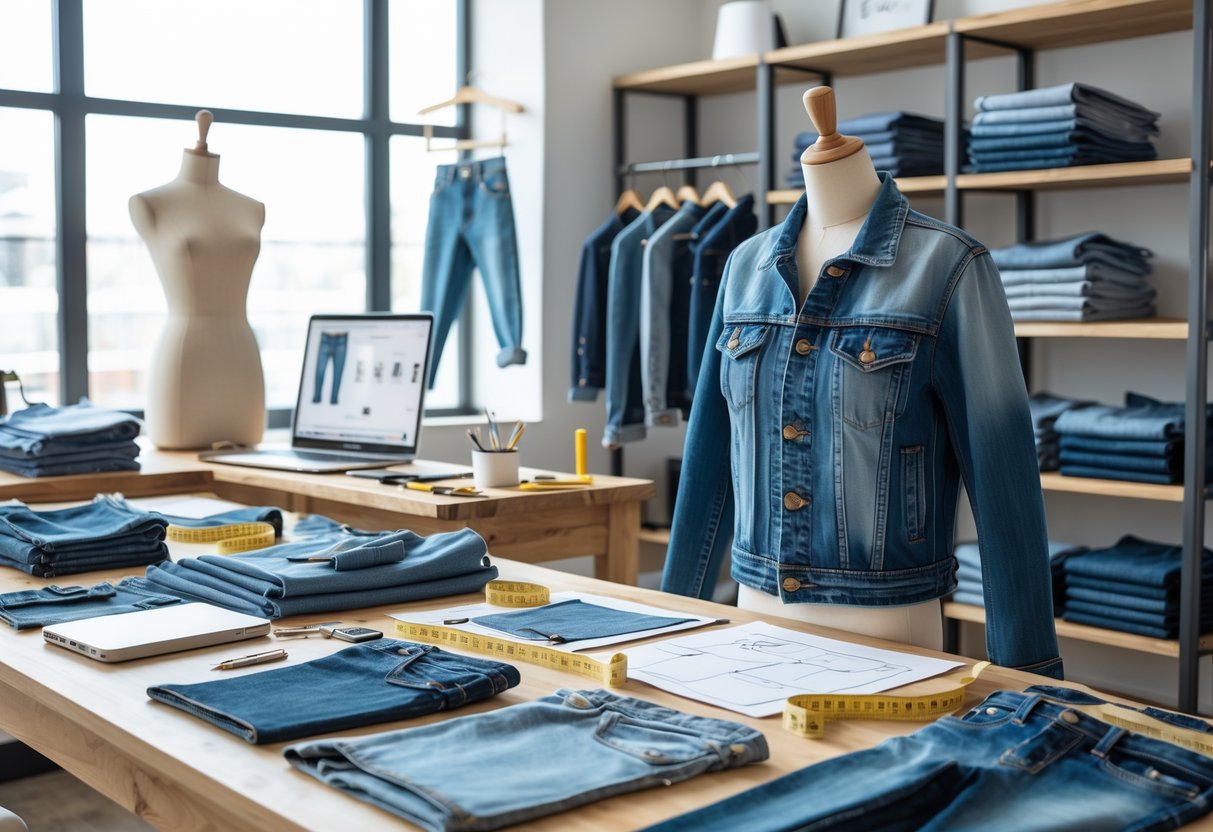
Launching a denim brand takes more than just creativity. It requires research to find a niche, smart sourcing of materials, and good relationships with manufacturers. Marketing and customer engagement play a critical role in getting your products noticed and trusted by buyers.
With dedication and the right approach, anyone can bring a denim concept to life and compete globally. Success comes from blending solid business strategies with originality and consistent quality.
Key Takeaways
- A clear plan and market knowledge are essential to succeed.
- Quality design and reliable manufacturing build brand trust.
- Effective marketing helps grow and maintain customer loyalty.
Understanding the Denim Industry

The denim industry is vast and constantly changing, with roots in workwear and strong influence in fashion. It involves many opportunities shaped by trends, global competition, and varied consumer tastes. Knowing these elements helps anyone wanting to start a denim line plan with insight and realistic expectations.
Evolution of Denim in Fashion
Denim began as durable workwear for miners and laborers in the 19th century. Over time, it moved from a symbol of toughness to a fashion staple worn by all ages and classes.
By the mid-20th century, denim jeans became popular in youth culture and mainstream fashion. Designers introduced new cuts, washes, and styles to attract broader audiences.
Today, denim includes diverse styles like skinny, wide-leg, and eco-friendly options. Its use has extended beyond jeans to jackets, skirts, and accessories. This evolution shows denim’s lasting appeal and adaptability in fashion.
Market Opportunities and Trends
The denim market offers growth in areas such as sustainable denim and customized fits. Consumers now look for eco-friendly fabrics, ethical manufacturing, and unique design elements.
Digital marketing and social media influence buying habits strongly. Brands that engage with these platforms tend to build loyal followings faster.
Offering a variety of fits and sizes also meets demand for inclusivity. This creates space for new denim brands to stand out by focusing on niche audiences or innovative product features.
Key Players and Competition
The denim industry includes both established global brands and smaller, emerging labels. Big names often control large market shares through wide distribution and heavy marketing.
Competition is also international, with manufacturers and brands from countries like Italy, the USA, and China providing diverse denim products.
New denim lines must focus on quality, pricing, and branding to compete. Building relationships with reliable manufacturers and suppliers is essential to maintain product standards and meet deadlines.
Conducting Market Research and Defining Your Niche

Understanding the denim market is crucial for a new jeans business. This involves knowing who will buy the products, how competitors operate, current denim styles gaining popularity, and finding areas where the business can stand out. Clear research will help design products that meet real customer needs and fit market demands.
Identifying Your Target Market
The target market defines the specific group of consumers a denim brand aims to serve. This could be based on age, lifestyle, fashion preferences, or values like sustainability. For example, focusing on young adults who prefer skinny jeans and mom jeans appeals to a different crowd than those who want baggy or drainpipe jeans.
It’s important to gather details about customers’ buying habits, income level, and where they shop. Using surveys, social media insights, and trend reports helps create a clear profile. Brands that target niche groups, like eco-conscious buyers looking for denim skirts made with sustainable fabrics, often build stronger connections and loyal followings.
Analyzing Competitors
Knowing competitors gives a jeans business an edge. This includes studying both big names and smaller brands in the denim industry. Key points to analyze are the types of jeans they sell—like slim fit jeans or denim skirts—their price points, and how they market themselves.
Look at competitors’ strengths and weaknesses, such as quality, design variety, or brand identity consistency. Also, watch how they engage customers online and offline to understand what works. This helps spot opportunities where a new line can offer something different or better.
Discovering Denim Trends
Keeping up with fashion trends in denim is vital. Trends shift regularly—for instance, the comeback of baggy jeans or the rise of sustainable denim production. Tracking what styles gain popularity among different age groups will guide product design and marketing.
Not only styles but also fabric innovations and finishing techniques matter. For example, distressed or vintage washes may appeal more to younger customers. Brands should use trend reports, fashion shows, and social media influencers to stay updated on what’s current and forecast what might next catch on.
Uncovering Gaps in the Market
Finding gaps means locating customer needs that others are not fully addressing. This might include limited sizes for plus or petite shoppers, eco-friendly options, or innovative cuts not widely available, such as hybrid denim skirts combining style and comfort.
Market research can reveal demands for designs that mix old and new trends or target communities often ignored by major brands. Offering unique products like sustainable skinny jeans or customizable mom jeans can attract buyers looking for something special. Filling these gaps helps build a brand identity with clear purpose and competitive advantage.
Crafting a Denim Business Plan

A solid plan lays the groundwork for a denim business startup. It guides decision-making and defines how the company will meet its goals. Clear goals, smart budgeting, and a well-chosen business structure all play key roles in setting a denim brand up for success.
Setting Business Objectives
Defining clear business objectives is crucial in shaping the denim company’s direction. Objectives should include short-term targets, like launching an initial product line, and long-term aims, such as expanding into new markets or product categories.
These goals must be specific, measurable, and aligned with the brand’s vision. For example, aiming to create a sustainable denim line that appeals to eco-conscious consumers can help focus design, sourcing, and marketing efforts.
Business objectives also guide how the clothing venture positions itself against competitors. They influence product quality, pricing strategies, and customer engagement plans. Well-defined objectives make it easier to monitor progress and adjust strategies as needed.
Financial Planning and Budgeting
Financial planning ensures the denim business startup manages funds efficiently through all stages. This includes estimating initial costs like fabric sourcing, manufacturing, branding, and marketing.
A detailed budget should outline fixed and variable expenses, with particular attention to production costs and marketing campaigns. Break-even analysis helps determine when the business will cover costs and start making profits.
Funding options often include bootstrapping, small business loans, or investor partnerships. Projecting cash flow and planning for unexpected expenses reduce risks and keep the startup financially healthy.
Accurate financial planning helps business partners and investors understand the viability of the denim company, building confidence in its growth potential.
Choosing a Business Structure
Selecting the right business structure affects legal liability, taxes, and operational flexibility for a denim company. Common options include sole proprietorships, partnerships, and limited liability companies (LLCs).
An LLC is a popular choice in the clothing business because it protects personal assets from business debts and offers tax benefits. It also allows multiple business partners to participate without risking their personal finances.
The structure chosen influences registration requirements, how profits are shared, and compliance with industry regulations. It’s important to evaluate these factors carefully before finalizing the decision.
This foundation shapes the company’s ability to grow while maintaining legal and financial stability.
Designing and Developing Your Denim Line

Creating a denim line means making careful choices about fabrics, styles, and design details. Each decision impacts the final product’s fit, look, and appeal. Developing prototypes and gathering feedback are essential steps to refine the jeans before full production.
Selecting Denim Fabrics and Styles
Choosing the right denim fabric is crucial for quality and brand identity. Raw denim is popular for durable, high-end jeans that improve with wear. Acid-washed denim offers a retro look, while sustainable denim fabrics attract eco-conscious customers.
Brands must decide on weight, texture, and stretch in the denim textiles. For example, 12-14 oz denim is common for classic jeans. Offering a range of styles, like slim fit denim jeans or relaxed cuts, helps reach more customers.
A mix of materials and finishes creates variety. Including options like custom jeans or specialty washes strengthens the brand’s uniqueness.
Product Design and Prototyping
Designing your own jeans involves defining the silhouette, pocket shapes, stitching, and hardware. Details such as buttons, rivets, and zipper types affect comfort and aesthetics.
A solid sketch or digital design guides the prototyping phase. Producers use the design to create a first sample, which helps identify practical issues and design flaws.
Designers should keep manufacturing in mind, balancing creativity with cost and production limits. Offering multiple styles and sizes broadens market appeal but adds complexity.
Sample Development and Feedback
Sample development is the process of turning the design into a physical product. It allows for testing fit, comfort, and durability before mass production.
After creating samples, the denim line team gathers feedback from fit models, retailers, or potential customers. This input highlights necessary changes in measurements or fabric choice.
Adjustments improve product quality and ensure consistency during custom apparel production. Iterating on sample designs helps create denim jeans that meet brand standards and consumer expectations.
Sourcing and Manufacturing
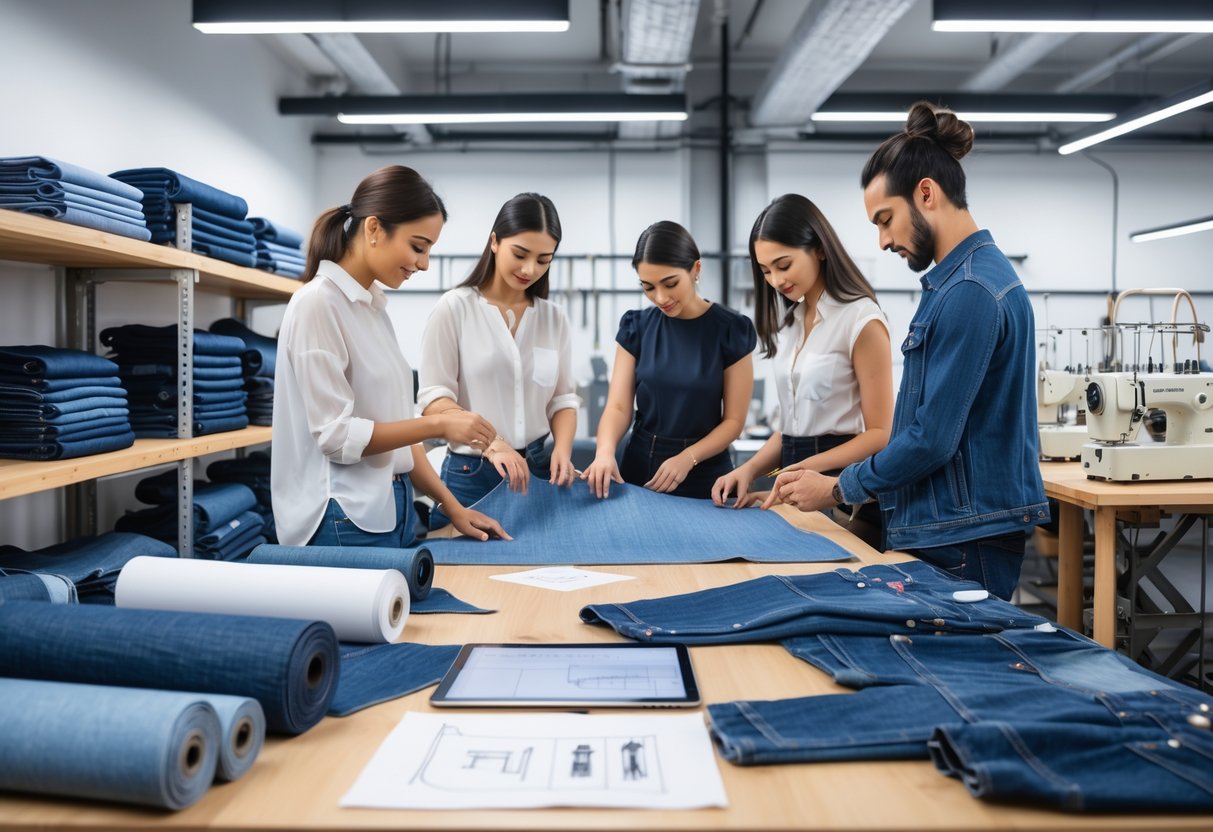
Starting a denim line requires careful planning around finding the right partners and managing costs. Securing a reliable denim manufacturer with reasonable order requirements is key. Maintaining quality throughout production helps protect the brand’s reputation.
Finding Denim Manufacturers
Finding a reputable denim manufacturer is the first step in creating a successful denim line. Designers should look for companies with experience in denim production and proven technical skills in cutting, sewing, and finishing jeans. Checking for manufacturers that offer services like dyeing and screen printing can simplify the process.
Researching whether the manufacturer handles small or large orders matters. Many denim manufacturing companies specialize in either readymade garment manufacturing or custom production. Reliable manufacturers often provide fabric sourcing and tech pack support to help create consistent products.
Minimum Order Quantities and Pricing
Minimum order quantity (MOQ) is a critical factor when choosing a denim manufacturer. A lower MOQ allows a new brand to test designs without large upfront investments. Some manufacturers offer no-MOQ or low-volume orders, which suits startups best.
Pricing varies based on fabric choice, complexity of design, and order size. Stretch denim or organic cotton often costs more than basic 100% cotton. Transparent pricing that includes washing, distressing, and packaging helps avoid hidden costs.
Quality Control in Production
Quality control ensures every pair of jeans meets brand standards before shipment. A strong denim manufacturing business performs inspections at multiple stages, from fabric sourcing to final packing.
Checking stitching, fit, and washes is essential. Some manufacturers provide wash test videos or fabric swatches before full production. Clear communication between the brand and manufacturer helps catch issues early and maintain consistent sizing and finishes.
Building Your Brand and Online Presence
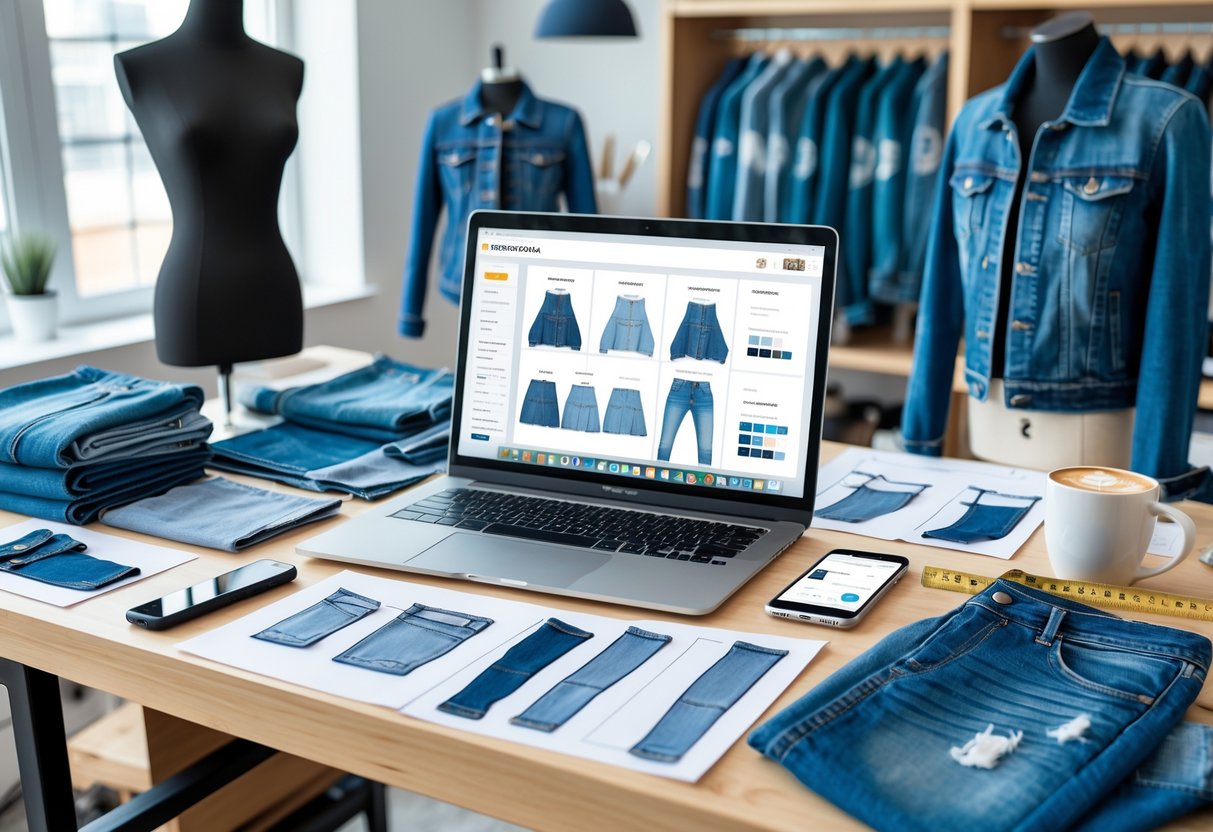
A strong denim brand needs a clear identity, attractive packaging, and a solid online store. These elements work together to build brand awareness and attract loyal customers.
Developing Brand Identity
Brand identity is how a jeans brand presents itself to the world. It includes the brand name, logo, colors, and overall style. A strong identity connects with the target audience and reflects the values of the clothing brand, such as quality or sustainability.
To build brand identity, the denim label should create a logo and slogan that are easy to recognize. Consistency across all materials, from social media to product tags, helps customers remember the brand. The identity should align with the style of the jeans and appeal to the chosen market segment.
Packaging and Denim Label Design For How to Start A Denim Line
Packaging and label design are key to making a denim line stand out. They provide a physical touchpoint that can influence customer perception. Labels should be clear and durable, showing the brand name and care instructions.
Creative packaging can include eco-friendly materials or unique designs that reflect the brand’s image. Clear, attractive packaging also helps protect the jeans during shipping. Investing in packaging that matches the brand style adds professionalism and value to the product.
Establishing Your Online Store For How to Start A Denim Line
An online store is essential for reaching customers beyond local markets. E-commerce platforms like Shopify, WooCommerce, or BigCommerce offer tools to set up a denim brand storefront quickly.
The store should have detailed product pages with photos, sizes, and fabric descriptions. Easy navigation and a secure checkout build trust and encourage sales. It is important to also integrate social media and email marketing to boost online presence and brand awareness. Regular updates and customer feedback help improve the store experience over time.
Marketing Strategies and Growing Your Denim Business

Growing a denim business requires clear marketing tactics, effective pricing, and strong customer connections. A brand must balance online presence, direct outreach, smart pricing, and solid service to attract and keep customers. Each of these aspects plays a key role in expanding the brand’s reach and sales.
Digital Marketing and Social Media For How to Start A Denim Line
Digital marketing drives brand awareness and customer engagement. Denim brands should focus on platforms like Instagram, TikTok, and Facebook to share high-quality images, styling tips, and behind-the-scenes content.
Social media allows direct interaction with customers. Responding to comments and messages builds loyalty and trust. Paid ads on these platforms target specific groups based on interests, location, and behavior, maximizing ad spend.
Using influencers and brand ambassadors can increase credibility. Partner with micro-influencers relevant to the denim market to reach niche audiences. Tracking metrics like engagement rate and conversion helps optimize campaigns.
Outbound Marketing and PR For How to Start A Denim Line
Outbound marketing includes email campaigns, event sponsorships, and traditional advertising. A brand should build an email list for newsletters, promotions, and product updates.
Public relations is crucial for brand reputation. Sending press releases to fashion blogs, magazines, and local media can help generate buzz. Hosting or participating in denim pop-up shops and trade shows increases visibility and network opportunities.
Consistency is key in outbound efforts. Clear messaging about the brand’s values and unique denim features helps maintain a strong identity in all communications.
Pricing and Distribution Tactics For How to Start A Denim Line
Pricing strategies must balance competitiveness and profitability. A brand should research competitor pricing and material costs to set prices that reflect quality without overpricing.
Offering tiered pricing or bundles encourages larger purchases. Limited editions or collaborations can command higher prices by creating exclusivity.
For distribution, a mix of direct-to-consumer sales through the brand’s website and partnerships with select retailers often works best. Direct sales maximize margins, while retail partnerships provide wider exposure.
Tracking sales data and customer feedback assists in adjusting prices and distribution methods over time.
Providing Exceptional Customer Service
Customer service is vital to building long-term brand loyalty. Quick responses to inquiries, clear return policies, and helpful size guides reduce friction in the buying process.
Personalizing the shopping experience through follow-ups and thank-you notes fosters positive connections. Handling complaints professionally turns unhappy customers into repeat buyers.
Offering after-sales support, like care tips for denim, adds value. Brands that prioritize transparent communication and responsiveness set themselves apart in a crowded market.
Sustainability and the Future of Denim
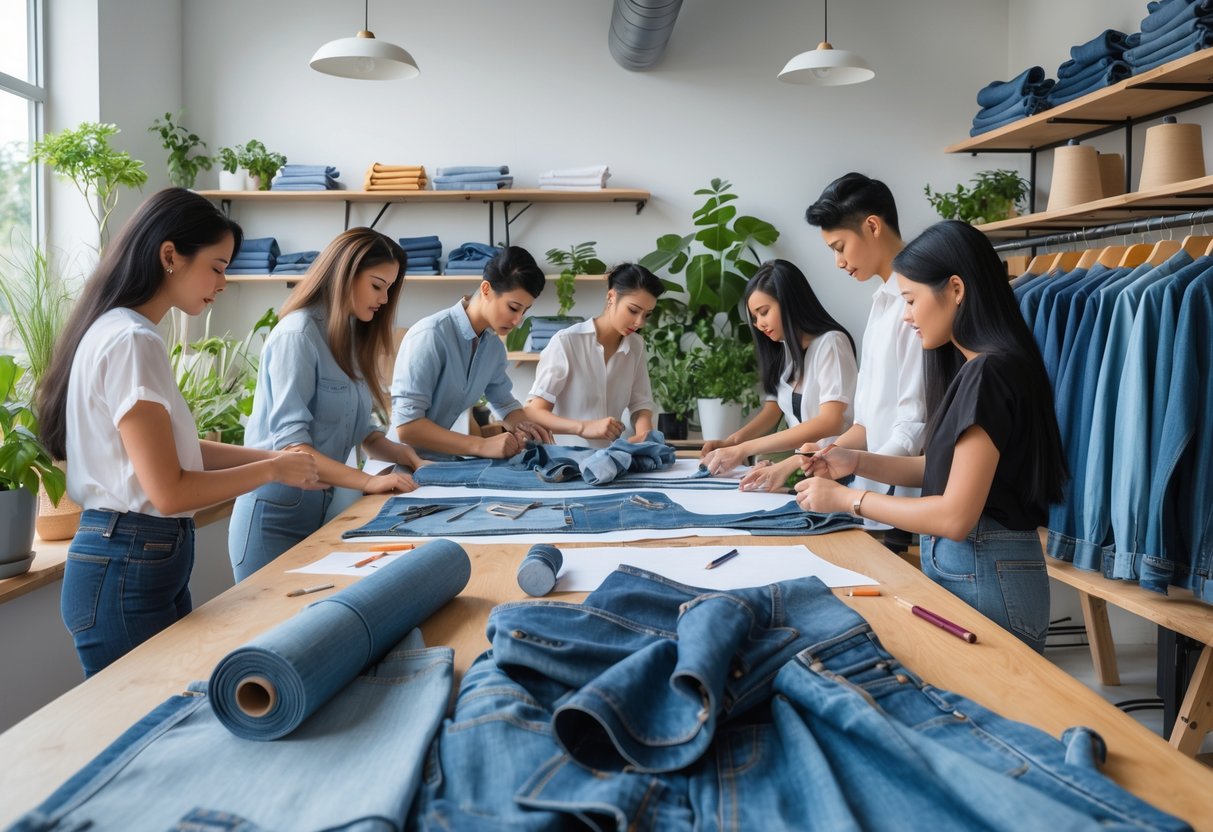
Sustainable denim production requires a focus on better materials and cleaner manufacturing methods. Meeting consumer expectations means prioritizing transparency and ethical practices. The denim industry is moving toward solutions that reduce environmental harm while maintaining quality and style.
Implementing Sustainable Practices For How to Start A Denim Line
Companies are shifting to organic or regenerative cotton to lower water use and chemical impact. Alternatives like cottonised hemp and recycled fibers are gaining traction for their reduced environmental footprint.
In dyeing and finishing, innovations such as digital printing and ultrasonic indigo dyeing cut water and energy consumption. Many factories adopt safer chemicals and improved wastewater treatment to reduce pollution.
Clear standards and certifications help brands monitor their supply chains and ensure sustainable practices. Worker safety and training remain critical, especially in regions with limited resources.
Adapting to Changing Consumer Demands
Consumers now expect transparency about how jeans are made and the environmental costs. Brands that share detailed information on sourcing, materials, and production gain more trust and loyalty.
Sustainable denim often features recycled content or blends designed for longer wear and easier recycling. Customization and repair services are growing in popularity, supporting circular fashion goals.
Ethical labor practices and fair wages also influence buying decisions. Brands that show responsibility through social and environmental actions improve their market standing and future prospects.
Frequently Asked Questions
How to Start A Denim Line demands careful planning, from understanding the market to finding the right partners. Securing capital and identifying unique selling points are crucial steps.
What are the initial steps to establishing a successful denim brand?
First, conduct thorough market research to identify target customers and current trends. Next, create a detailed business plan that covers funding, product design, and marketing strategies.
Choosing a strong brand name and identity is key. Finally, source high-quality materials and reliable manufacturers to produce the denim products.
How can one secure funding for a new denim apparel company?
Funding options include personal savings, loans, or investments from family and friends. Entrepreneurs can also seek business loans, grants, or angel investors who focus on fashion startups.
Crowdfunding platforms may help raise money while building an audience. Clear financial projections and a solid business plan improve chances of securing funds.
What distinguishes a successful denim line from its competitors?
High product quality and unique designs set successful brands apart. Using sustainable materials or offering custom fits can attract niche markets.
Effective branding and strong customer relationships also increase a brand’s visibility and loyalty. Consistent marketing and listening to customer feedback maintain competitive advantage.
What are the key marketing strategies for promoting a denim brand?
Social media marketing on platforms like Instagram and Pinterest is essential. Influencer partnerships help widen reach and build credibility.
Hosting launch events or pop-up shops raises brand awareness. Online e-commerce stores should be user-friendly, with clear product details and strong visuals.
How do you navigate the selection process for denim manufacturers?
Choose manufacturers with experience in denim production and a good reputation. Verify their ability to meet quality standards and deadlines.
Look for suppliers who offer sustainable or innovative materials. Building strong communication helps ensure production runs smoothly and fits design expectations.
What are the latest trends in denim that new brands should be aware of?
Sustainable and eco-friendly denim fabrics are growing in demand. Unique washes, including vintage and colored denim, appeal to fashion-forward buyers.
Customization options, like patches or embroidery, add value. Fit variety, including relaxed and oversized styles, is popular across different customer groups.