Viscose: What Is It? Learn About Viscose Fabric and Its Production
Viscose is a type of semi-synthetic fabric made from natural wood pulp that is chemically processed to look and feel like silk. It is a versatile material widely used in clothing and home textiles because of its softness, breathability, and ability to hold bright colors well. Viscose often serves as a more affordable alternative to natural silk while offering similar comfort and appearance.
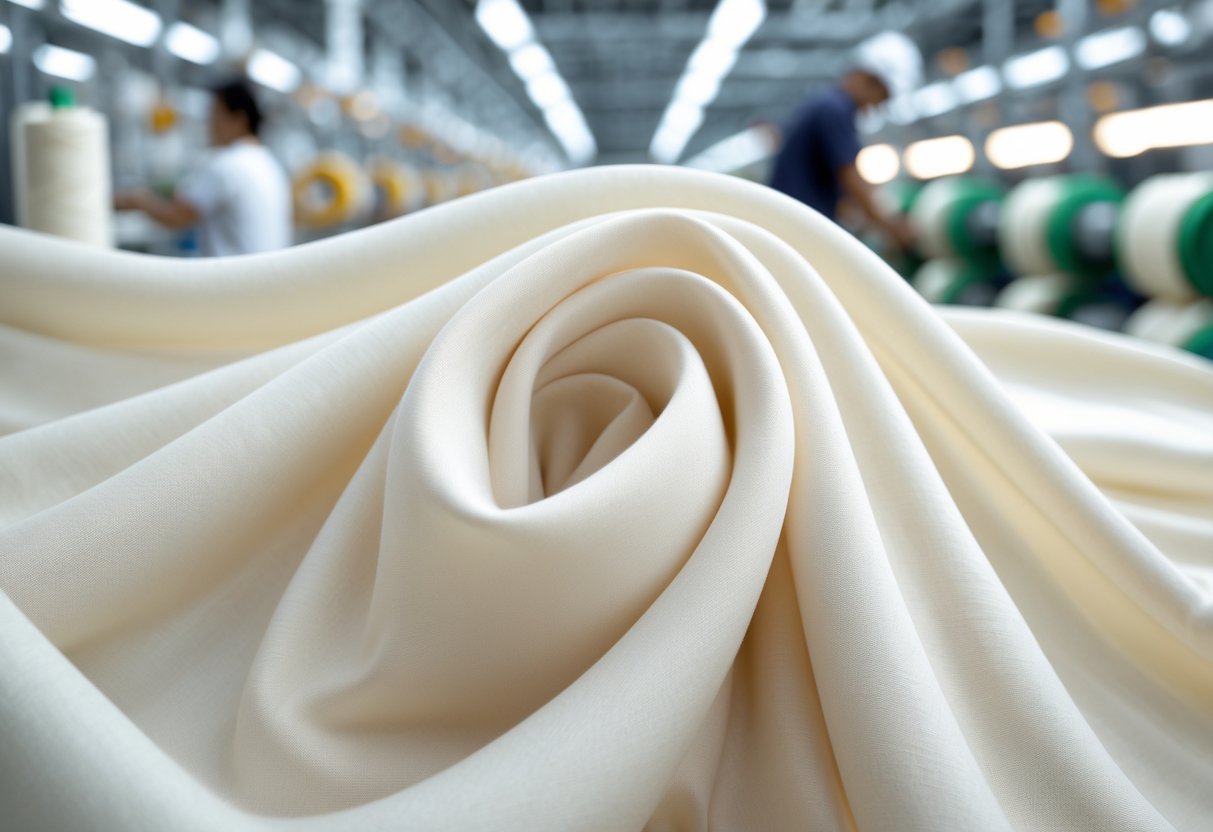
The production of viscose involves several chemical and mechanical steps that transform wood pulp into fibers suitable for making yarn and fabric. Different types of viscose exist, each made using specific chemical methods, resulting in variations in strength, texture, and durability. Its unique properties make it popular for dresses, linings, upholstery, and even industrial applications.
Despite its many benefits, viscose has environmental challenges due to its chemical manufacturing process and impact on natural resources. However, its biodegradability and wide range of uses keep it an important fabric in modern textiles. Understanding viscose can help consumers make informed choices about this common fabric.
Key Takeways
- Viscose is a semi-synthetic fabric made from wood pulp with silk-like qualities.
- Its production uses chemicals that affect both the fabric’s traits and the environment.
- Viscose is found in many types of clothing, home textiles, and industrial products.
What Is Viscose?
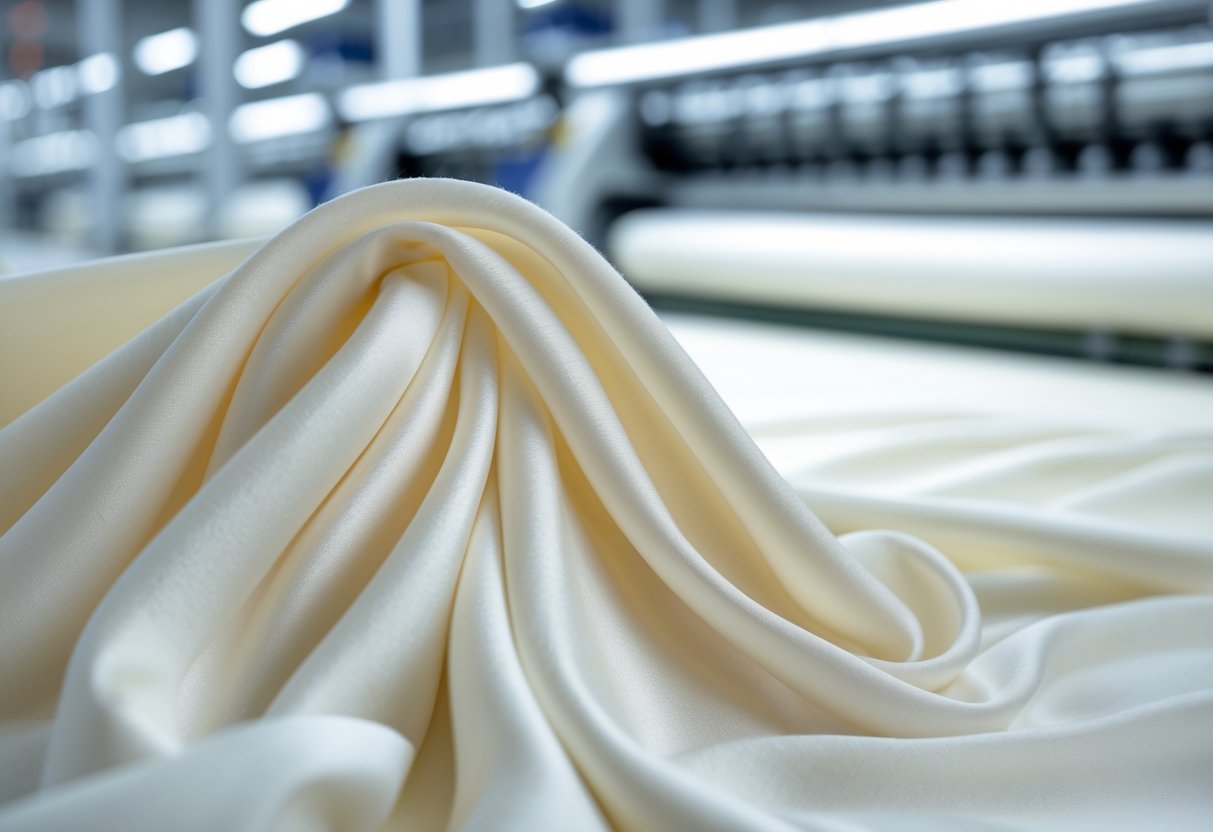
Viscose is a type of fabric made from natural materials but processed with chemicals. It shares qualities with both natural and synthetic fibers. Understanding its origin, classification, and how it compares to other fibers helps clarify its role in textiles.
Definition and Origins
Viscose is a semi-synthetic fabric mainly made from wood pulp, which is a natural source of cellulose. The wood pulp undergoes chemical treatment and regeneration to become fibers that can be spun into yarn. This process turns natural cellulose into a fabric that behaves differently from pure natural fibers.
It was first developed in the late 1800s as an affordable alternative to silk. Because of its softness and draping ability, it quickly gained popularity. The name “viscose” refers to the thick, sticky solution created during the production process. This solution is then transformed into fibers for textiles.
Relationship to Rayon and Artificial Silk
Viscose is often called rayon in the United States, but both names refer to the same material. It is also known as artificial silk because it resembles silk in texture and shine, but it is less expensive. The fabric has a smooth feel and flows well, similar to natural silk.
While viscose is made from cellulose, like cotton and linen, it is chemically treated during production. This treatment makes it artificial or man-made, setting it apart from purely natural fibers. Its silk-like quality helped it replace silk in many clothes and home textiles.
Comparison: Semi-Synthetic vs Natural and Synthetic Fibers
Viscose belongs to the semi-synthetic category because it starts as a natural material but requires chemical processing. Natural fibers come directly from plants or animals, such as cotton or wool, with minimal alteration. Synthetic fabrics, like polyester or nylon, are fully man-made from petroleum-based chemicals.
Compared to natural fibers, viscose offers softness and breathability but often requires delicate care. It is less durable when wet and can shrink. Against synthetic fibers, viscose feels more natural and comfortable but is less strong and resistant to wrinkles.
| Fiber Type | Source | Key Traits | Durability | Care Needs |
|---|---|---|---|---|
| Natural (e.g., cotton) | Plants, animals | Breathable, strong | High | Easy |
| Semi-Synthetic (Viscose) | Wood pulp + chemicals | Soft, silky, breathable | Moderate | Delicate |
| Synthetic (e.g., polyester) | Man-made chemicals | Durable, wrinkle-resistant | Very high | Low maintenance |
This balance of natural and artificial features defines viscose as a versatile fabric in many garments and textiles.
History and Evolution of Viscose
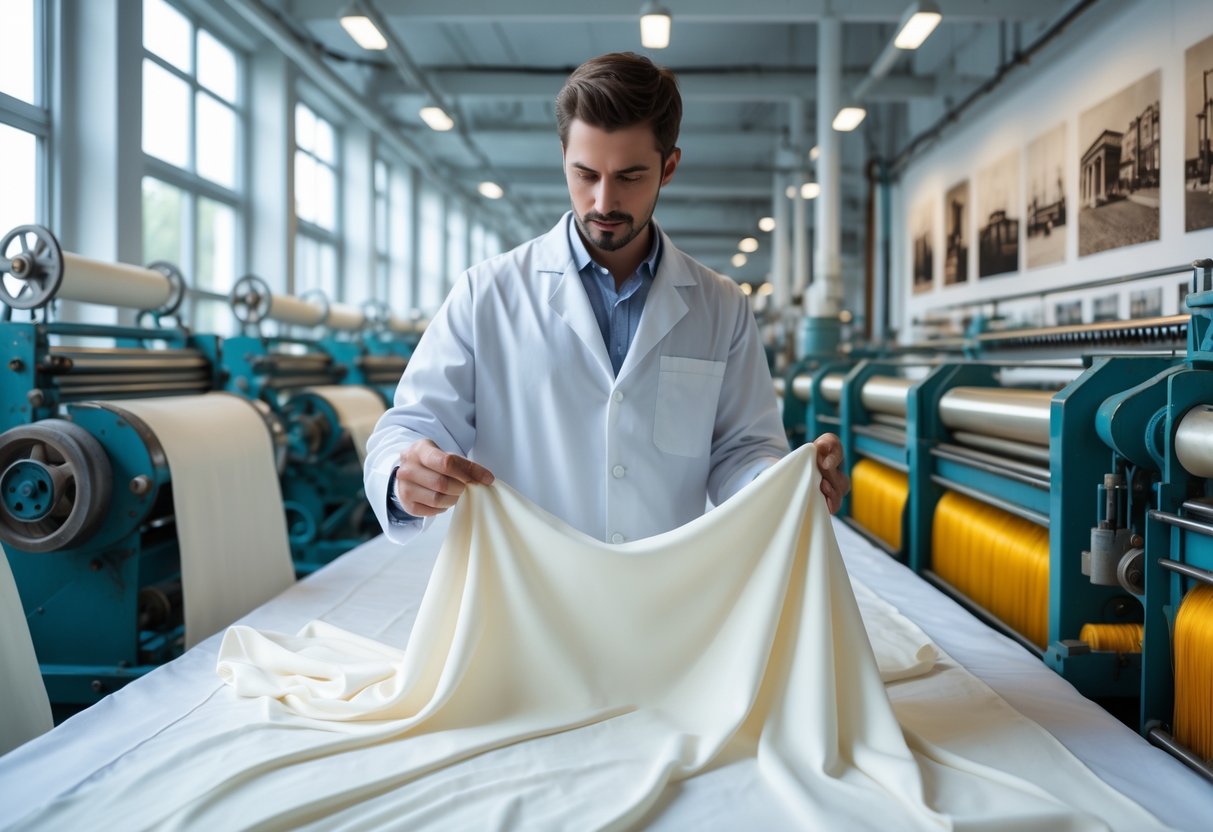
Viscose fabric has a rich history tied to its invention, early applications, and continuous improvements. It began as an artificial silk alternative and has evolved into a widely used textile with various industrial developments over time.
Invention and Early Uses
Viscose was invented in the late 19th century by English chemists Charles Cross, Edward Bevan, and Clayton Beadle. They patented the viscose process in 1892, which involved dissolving cellulose from wood pulp using chemicals like sodium hydroxide and carbon disulfide.
The resulting material was called cellulose xanthate, which formed a thick liquid named viscose. This process made it possible to create fibers that looked and felt like silk but were cheaper to produce.
Early uses of viscose included textiles meant to mimic silk’s softness and shine. It was often dubbed “artificial silk” because it provided a less costly alternative with similar appeal.
Rise as a Silk Alternative
Viscose gained popularity in the early 1900s, especially after commercial-scale production began. Textile companies embraced viscose because it offered a more affordable option compared to natural silk, which was expensive and less available.
Markets saw viscose as a versatile fabric suitable for clothing and furnishings. Its lightweight nature and ability to drape well made it ideal for fashion, especially during the 1920s when it became widely adopted.
Because it shimmered like silk, viscose attracted designers and consumers looking for luxury at lower prices. It enabled mass production of elegant garments that were accessible to many.
Development of Modern Viscose
In the 20th century, advances improved viscose fabric strength and quality. By the 1960s, high-tenacity rayon was introduced, increasing durability for broader applications.
Environmental concerns emerged in the 1990s due to toxic chemicals used in manufacturing and deforestation caused by harvesting cellulose. This led to efforts toward sustainability.
Recent decades have seen innovations like closed-loop production systems that recycle chemicals and use sustainable wood sources certified by organizations like the FSC. These changes aim to reduce environmental harm while keeping viscose an important textile in fashion and industry.
Production of Viscose Fabric
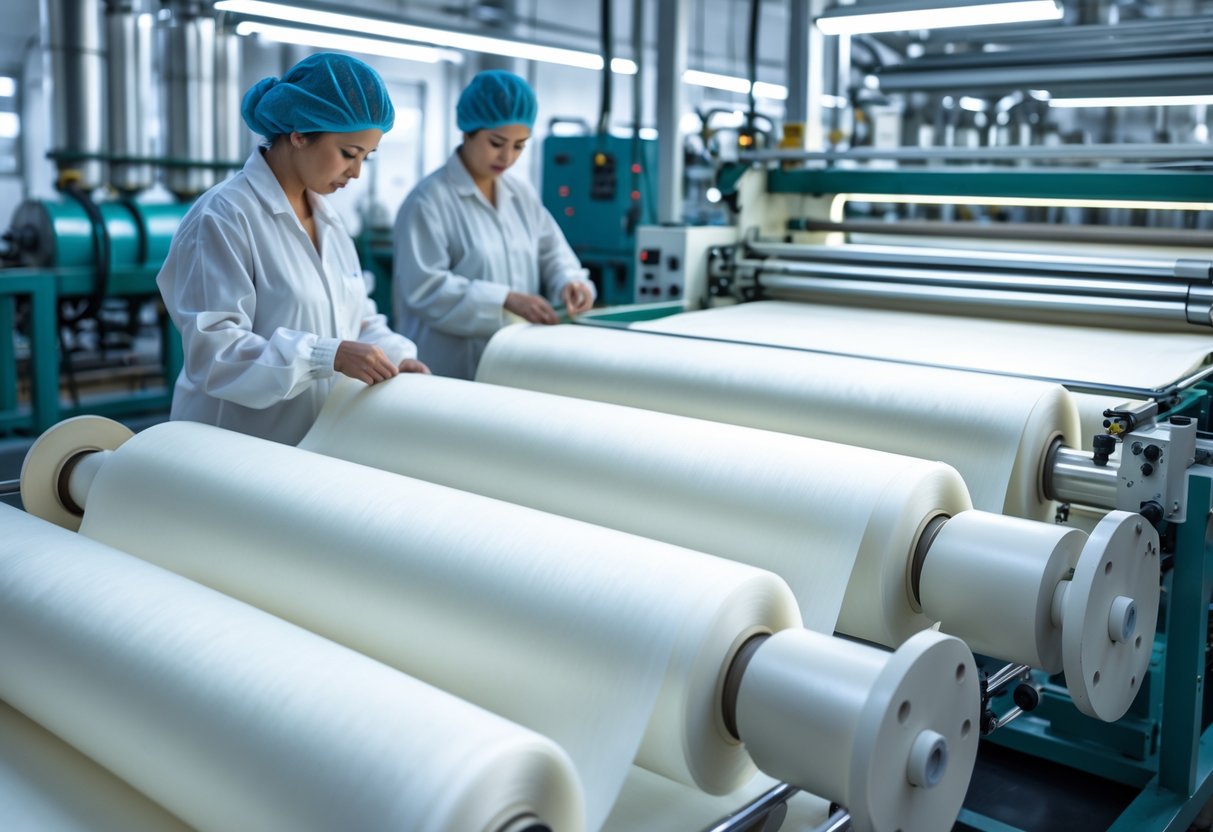
Viscose fabric production begins with natural raw materials and moves through chemical steps that turn these materials into fibers. The process involves extracting cellulose from wood pulp and treating it with chemicals to create a fiber that can be spun and woven.
Raw Material Sources: Wood Pulp and Cellulose
The primary raw material for viscose is cellulose, mostly taken from wood pulp. Common trees used include eucalyptus, beech, and bamboo for certain types of viscose. Eucalyptus trees are favored because they grow quickly and provide a high-quality cellulose.
Wood pulp is collected from sustainably managed forests to reduce environmental impact. The cellulose is purified to remove impurities like lignin and hemicellulose, which helps make the final fabric soft and smooth.
Key Chemical Processes
Once the cellulose is purified, it is treated with caustic soda (sodium hydroxide) to create alkali cellulose. This substance is then shredded and allowed to age under controlled conditions.
Next comes treatment with carbon disulfide, which converts the alkali cellulose into cellulose xanthate. This chemical reacts to form a thick, orange-colored viscous liquid called viscose. This solution is filtered, deaerated, and adjusted to prepare it for fiber formation.
Spinning and Regeneration of Fibers
The viscose solution is pushed through spinnerets, tiny holes similar to a showerhead. As it exits, it enters an acid bath. This step regenerates the cellulose from the viscose state back into solid fibers.
These fibers are washed, bleached, and stretched to increase strength. After drying, they can be spun into yarns and woven into fabric. This method allows for control over the texture and appearance of the final viscose fabric.
Types and Variants of Viscose
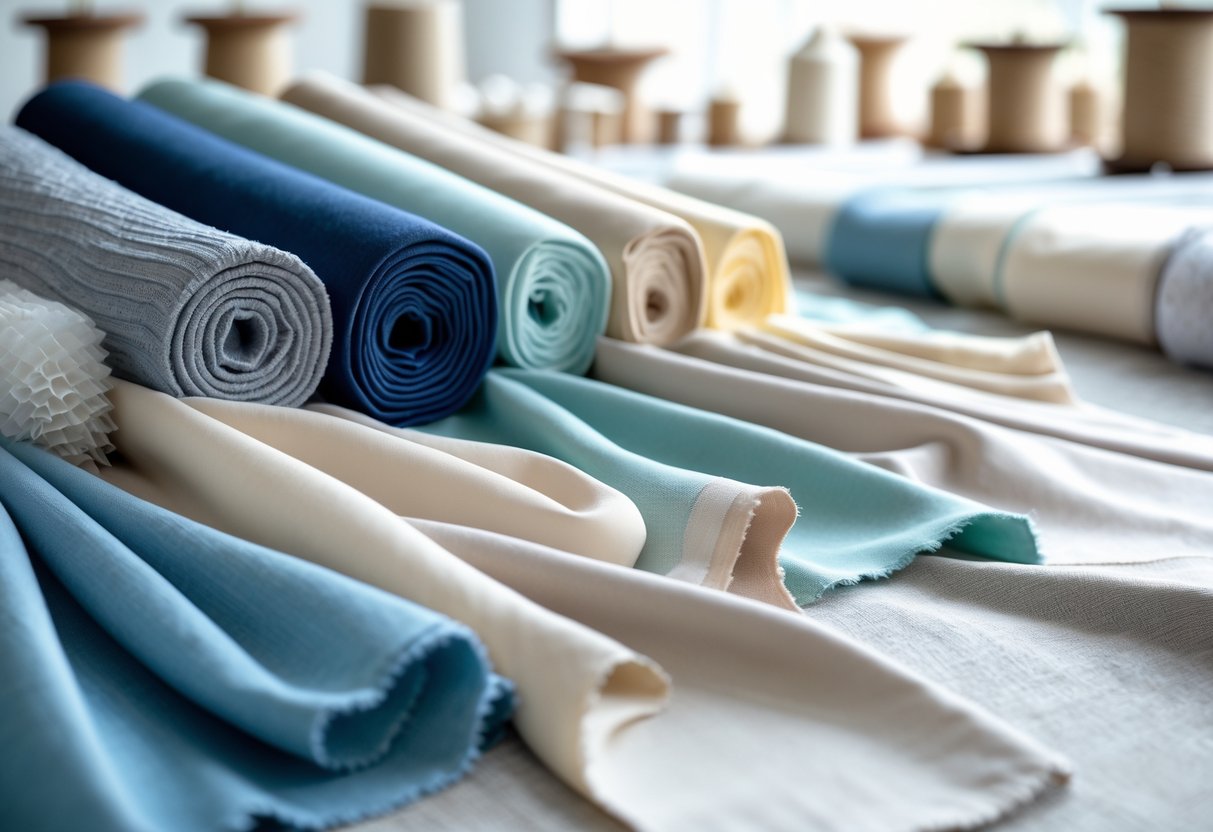
Viscose fabric comes in several forms, each with distinct qualities and uses. These types differ mainly in how they’re made, their softness, durability, and environmental impact. Understanding these differences helps in choosing the right viscose for specific projects or clothing.
Standard Viscose and Viscose Blends
Standard viscose is a semi-synthetic fabric made from wood pulp. It has a soft texture and good drape, making it popular for dresses, blouses, and linings. However, its production involves chemicals that can harm the environment if not managed properly.
Viscose blends combine viscose fibers with materials like cotton, polyester, or wool. Blending improves strength, adds stretch, or changes the feel of the fabric. For example, viscose blended with cotton tends to be more breathable, while a polyester blend increases durability.
Standard viscose fabrics can vary in weave and thickness, such as twill, crepe, or satin. Each variation suits different garment styles, balancing flow, weight, and texture.
Modal and Modal Viscose
Modal is a type of viscose fabric known for its high softness and flexibility. It is made using beech tree pulp and has a smoother finish than standard viscose. Modal resists shrinking and fading better, making it popular for underwear, activewear, and loungewear.
Modal viscose blends share these benefits but can include other fibers to boost strength or absorbency. Modal absorbs moisture well, which helps keep the body dry and comfortable.
This fabric retains color well and is less prone to pilling. It is semi-synthetic like viscose but often considered more durable and easier to care for.
Lyocell and TENCEL™
Lyocell is an eco-friendlier type of viscose made from wood pulp, with TENCEL™ being a well-known brand name. It uses a closed-loop manufacturing process that recycles most chemicals and water, reducing environmental damage.
Lyocell fibers are strong, soft, and breathable. The fabric is absorbent and dries faster than cotton, making it suitable for summer clothes and athletic wear. It is also known to be hypoallergenic and gentle on sensitive skin.
TENCEL™ viscose is used widely in fashion brands aiming for sustainable products. It offers a smooth feel, excellent drape, and durability, while being more sustainable compared to standard viscose.
Bamboo Viscose and Other Alternatives
Bamboo viscose is made by chemically processing bamboo pulp. It feels soft, similar to silk or cotton, and is breathable and moisture-absorbing. Bamboo viscose is often used in clothing like t-shirts and underwear.
While bamboo as a plant grows quickly and requires little water, the chemical process to turn bamboo into viscose can be harsh and less eco-friendly unless cleaner methods are used.
Other alternatives to traditional viscose include blends with organic fibers or newer fabrics like cupro, which aims to provide similar softness with fewer chemicals. Each alternative offers different benefits depending on the desired fabric qualities and sustainability goals.
Properties and Characteristics of Viscose Fabric
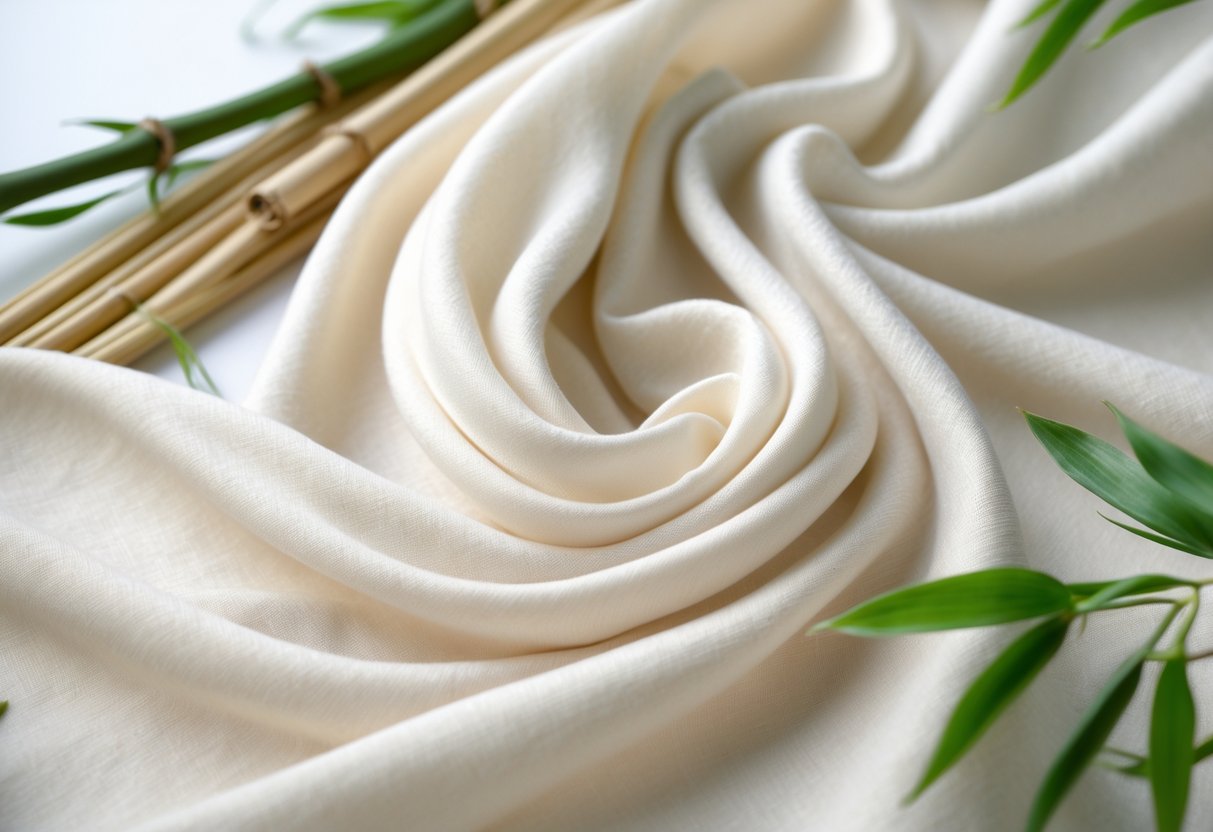
Viscose fabric is known for its unique blend of softness, appearance, and comfort. It offers qualities that make it popular in fashion and home textiles. These include how it feels to the touch, how it hangs on the body, how well it handles moisture, and its ability to take on color.
Softness and Silk-Like Feel
Viscose is prized for its soft texture, which closely resembles silk. This softness makes it comfortable to wear against the skin. The fabric has a smooth, almost slippery surface that feels cool to the touch.
Its softness comes from the regenerated cellulose fibers that create a delicate and fine yarn. The fabric does not have the roughness found in some synthetic fibers. However, this softness also means viscose can be more fragile and prone to damage without proper care.
The silk-like feel makes viscose a preferred choice for formal wear like blouses and dresses where comfort and luxury are important.
Drape and Fluidity
One of the key traits of viscose is its excellent drape. The fabric falls in soft, graceful folds that follow body contours smoothly. This fluidity gives clothing a natural elegance and movement.
Viscose drape is more noticeable than in stiffer fabrics like cotton. It hangs well without stiffness, making it suitable for flowing skirts, scarves, and dresses. The weight of the viscose fibers helps it drape evenly, avoiding bulkiness or stiffness.
This soft draping quality also makes viscose popular for home textiles, such as curtains, where it adds a refined look by letting fabric flow naturally with the air.
Breathability and Moisture Absorption
Viscose has moderate breathability compared to natural fibers. It allows some air to pass through, which helps reduce heat buildup when worn. While not as breathable as cotton, it still offers comfort in warmer weather.
The fabric is moisture absorbent and tends to dry fairly quickly. It can wick sweat away from the skin, making it suitable for summer clothing. However, the breathability is limited compared to fully natural fibers, so it may be less ideal in very hot or humid conditions.
Because viscose shrinks and weakens when wet, it requires gentle washing to maintain durability.
Color, Dyeing, and Appearance
Viscose is easy to dye and can hold a wide range of vibrant colors well. Its smooth surface absorbs dyes evenly, resulting in bright and uniform shades. This makes it highly versatile for fashion needs requiring rich color effects.
The fabric has a natural sheen that adds to its luxurious appearance. This shine complements the silk-like texture and enhances the visual appeal of garments and home items.
However, viscose wrinkles easily, which can affect its look after wearing or washing. This means it may need careful handling and proper ironing to keep its smooth, fresh appearance.
Applications of Viscose
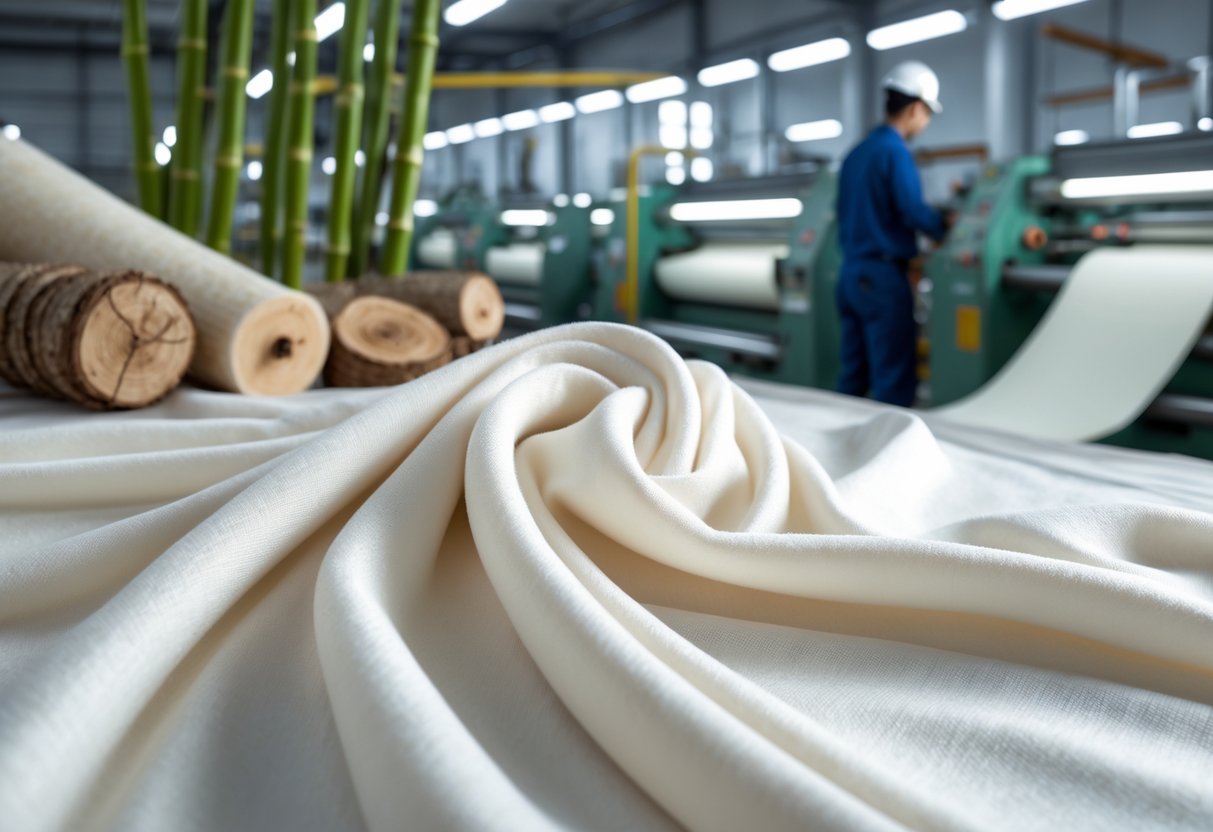
Viscose fabric is used in many areas due to its softness, breathability, and versatility. It is common in clothing, home textiles, and even specialty fabrics for comfort and performance. Its ability to mimic natural fibers while being more affordable makes it a practical choice across different industries.
Fashion and Clothing
Viscose is widely used in fashion because it drapes well and feels smooth against the skin. It is found in dresses, blouses, skirts, and tops, especially when softness and breathability are needed. The fabric’s silk-like texture offers a lightweight alternative to more expensive materials like silk.
Viscose clothing often appears in formal wear and casual outfits. Designers choose it for its ability to hold vibrant colors and patterns. However, it may wrinkle more easily than some synthetic fabrics, so care is important to maintain appearance. Its affordability allows brands to produce stylish clothing at lower costs.
Home Textiles and Upholstery
Viscose fabrics are popular in home textiles such as curtains, bed linens, and upholstery. The fabric provides a soft feel and good breathability, making it comfortable for daily use. It often combines with other fibers to improve durability, especially in furniture coverings.
Upholstery made with viscose offers a smooth finish and attractive sheen that enhances decor. It is common in cushions and throw pillows where softness is a priority. The fabric’s moisture absorption helps regulate temperature in bedding and curtains, adding comfort to living spaces.
Activewear, Loungewear, and Specialty Uses
Viscose is increasingly used in activewear and loungewear for its moisture-wicking and breathable qualities. It keeps the wearer cool and comfortable during low- to moderate-intensity activities. Its soft texture suits clothing meant for relaxation and casual wear.
Specialty uses include medical textiles and non-woven products where flexibility and softness matter. Some types of viscose, like modal and lyocell, are valued for their enhanced strength and environmentally friendly production methods. These variants offer more durability while maintaining comfort.
Environmental Impact and Sustainability
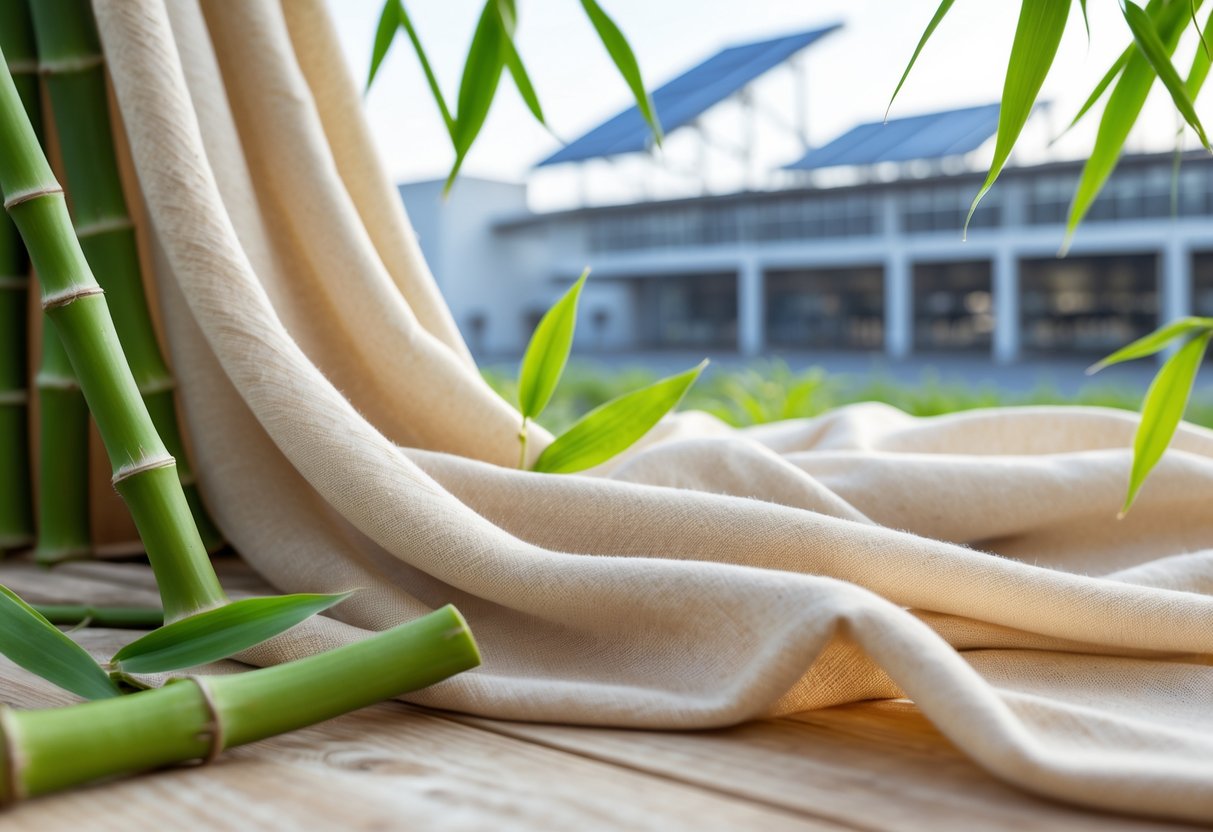
Viscose production involves several environmental challenges, from how raw materials are sourced to the chemicals used and efforts to reduce waste. These factors affect the overall sustainability of viscose fabric and its impact on ecosystems and communities.
Deforestation and Raw Material Sourcing
Viscose comes from wood pulp, which is mainly harvested from trees like eucalyptus and pine. Large-scale logging for wood pulp has caused deforestation in areas such as Indonesia and Brazil. This loss of forests reduces biodiversity and releases stored carbon, contributing to climate change.
Some wood used in viscose production comes from monoculture plantations, which replace diverse natural forests and harm local habitats. Although certifications like the Forest Stewardship Council (FSC) exist, their effectiveness varies, and unsustainable logging remains a concern.
Choosing wood from recycled sources or plantations with responsible forest management can lower the negative effects of raw material sourcing. Consumers and brands that demand transparency help promote better practices.
Chemical Use and Hazard Management
The chemical processing of viscose requires substances like carbon disulfide and sodium hydroxide. Carbon disulfide is highly toxic, posing health risks to factory workers such as nerve damage and respiratory problems.
Wastewater from viscose factories often contains harmful chemicals that can pollute nearby waterways. Without proper treatment, these pollutants damage aquatic life and disrupt ecosystems. Soil contamination is also a risk.
Improved hazard management, including proper chemical disposal and worker safety measures, is essential. Regulations and monitoring must be enforced to reduce these chemical risks in viscose production.
Closed-Loop Systems and Sustainable Viscose
Some viscose manufacturers use closed-loop systems, which recycle water and chemicals during production. These systems significantly cut down pollution by capturing and reusing carbon disulfide and other substances instead of releasing them into the environment.
Closed-loop production reduces chemical waste and lowers water and energy consumption. Although these systems require high investment, their adoption supports more sustainable viscose fabric.
Brands sourcing viscose produced with closed-loop methods or certified sustainable wood pulp help improve the fabric’s environmental footprint. Supporting such products encourages wider industry change toward cleaner manufacturing.
Frequently Asked Questions
Viscose fabric comes from wood pulp that goes through a chemical process. It has qualities that set it apart from natural and synthetic fabrics. Its environmental impact, care needs, and uses vary depending on how it is made and handled.
How does the production of viscose impact the environment?
Viscose production uses chemicals like carbon disulfide, which can harm workers and pollute the environment if not managed properly. The process consumes energy and water, leading to pollution concerns. However, newer methods like lyocell aim to reduce these impacts by recycling chemicals.
What are the key differences between viscose and cotton fabrics?
Viscose feels softer and silkier than cotton. Both fabrics breathe well, making them good for warm weather. Cotton holds up better when wet and is more durable, while viscose can shrink and weaken if not cared for properly.
Can viscose fabric be considered suitable for both summer and winter wear?
Viscose is lightweight and breathable, making it ideal for summer clothing. It absorbs moisture and allows air flow, helping keep the body cool. For winter, viscose alone may not provide enough warmth but can be blended with other fibers for different uses.
How does viscose compare to rayon in terms of fabric properties?
Viscose and rayon are often used interchangeably because viscose is a type of rayon. Both have a silk-like feel and are semi-synthetic. Properties like softness, breathability, and care needs are very similar for both fabrics.
Is viscose fabric derived from natural or synthetic sources?
Viscose is semi-synthetic. It starts as natural cellulose extracted from wood pulp but goes through heavy chemical processing to turn it into fibers. This gives it qualities from both natural and synthetic fibers.
What are the primary drawbacks of using viscose in textiles?
Viscose can weaken and lose shape when wet, so it requires gentle washing. It is prone to shrinking and may pill over time. Its production raises environmental concerns due to the chemicals involved, and the fabric needs careful handling to maintain its look and feel.