
Knitted Fabrics Types And What They’re Used For!
Knitted fabrics are created by forming loops of yarn, which makes them stretchy, comfortable, and versatile. They come in two main types—weft knits and warp knits—and each type serves different purposes in clothing and textiles. These fabrics can be used to make a wide range of items, from casual t-shirts and sweaters to performance sportswear and even upholstery.
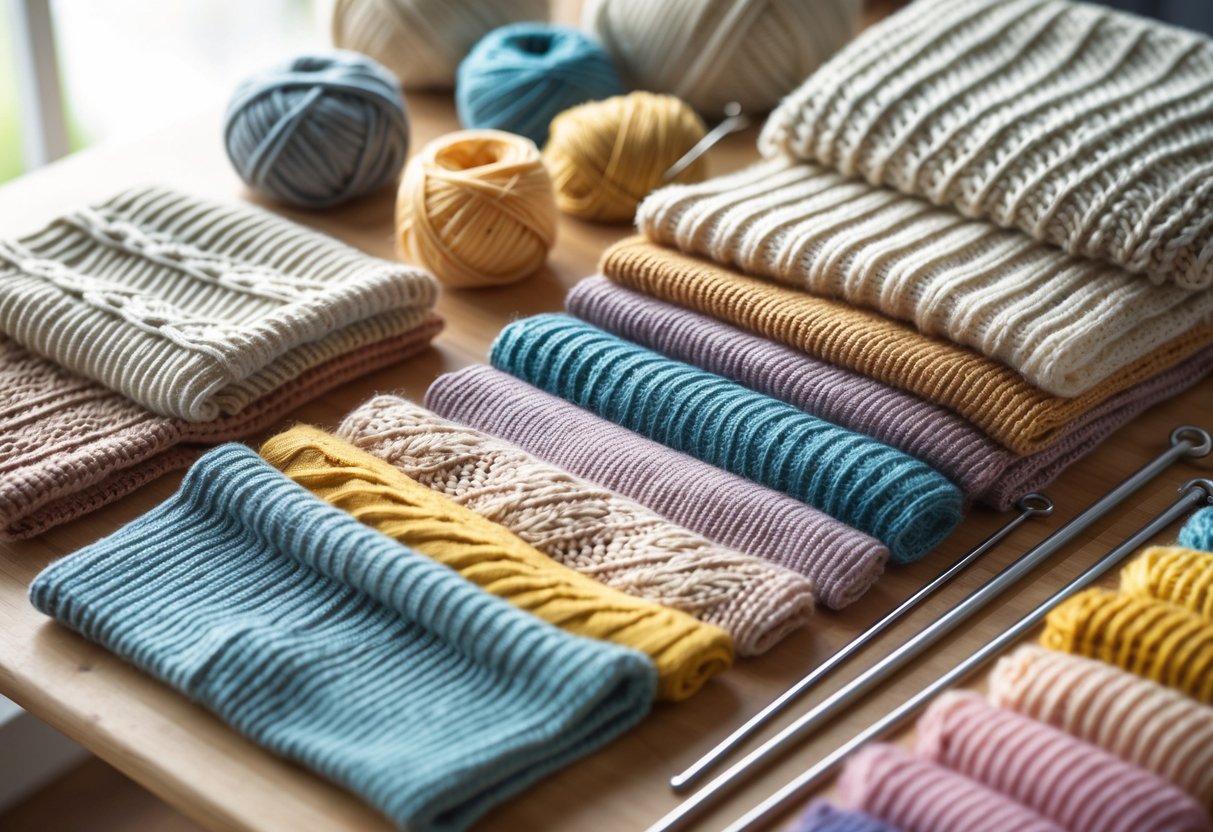
The variety in knitting techniques allows the creation of fabrics with unique structures and textures. This variety affects how the fabric stretches, feels, and holds its shape. Understanding these differences helps in choosing the right knit fabric for specific needs, whether for everyday wear or specialized garments.
Knitted fabrics are popular because they are light, require little maintenance, and resist wrinkles. Their stretchy nature supports movement, making them ideal for clothing that fits well and feels good to wear. This combination of qualities makes knitted fabrics a staple in many wardrobes.
Key Takeways
- Knitted fabrics are made by looping yarn, creating stretch and comfort.
- Weft and warp knits offer different features for various uses.
- Knitted fabrics are lightweight, wrinkle-resistant, and easy to care for.
What Is Knitting and Knitted Fabric?
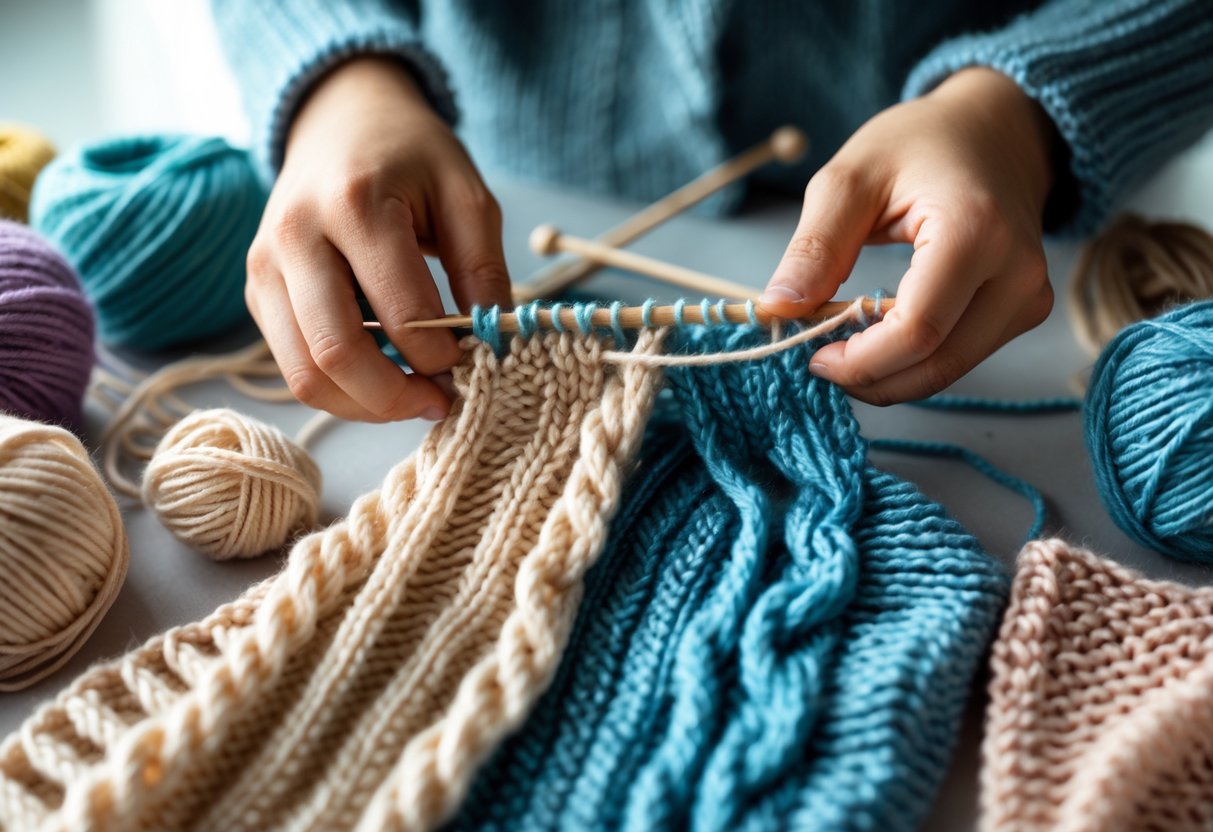
Knitting creates fabric by forming loops of yarn, which gives knitted fabric flexibility and stretch. Unlike woven fabrics, knitted fabrics have a specific structure that affects how they behave. Knitting can be done by hand or machine, each method offering different benefits.
Definition and Structure of Knitted Fabrics
Knitted fabric is made by interlocking loops of yarn together. These loops form rows called courses (horizontal) and columns called wales (vertical). The looped construction makes knitted fabrics elastic and porous.
The loops allow the fabric to stretch, making it comfortable to wear. Different yarn types, thicknesses, and loop styles change the fabric’s texture and weight. This is why knit fabrics are common in clothing like t-shirts, sweaters, and activewear.
Differences Between Knitted and Woven Fabrics
Knitted fabrics are built from interconnected loops, while woven fabrics are made by crossing yarns at right angles. This makes knitted fabrics stretchier and more flexible.
Woven fabrics tend to be stronger and less stretchy. Knits resist wrinkles better and are often lighter. Woven fabrics usually have a firmer feel, while knits feel softer and more elastic.
Because knitting uses loops instead of tight crossings, knitted fabric can be made faster and often at a lower cost.
Hand vs. Machine Knitting
Hand knitting uses needles to manually create loops one row at a time. This allows for detailed or custom designs but takes more time. Hand knitting can use different techniques to make unique textures.
Machine knitting uses many needles operating together to create fabric quickly. Circular knitting machines can produce seamless tubes of fabric for garments. Knitting machines allow for consistent fabrics at large scale, especially useful in commercial production.
Both methods produce knit fabric, but machines are key in meeting high demand and efficiency.
Core Types of Knitted Fabrics
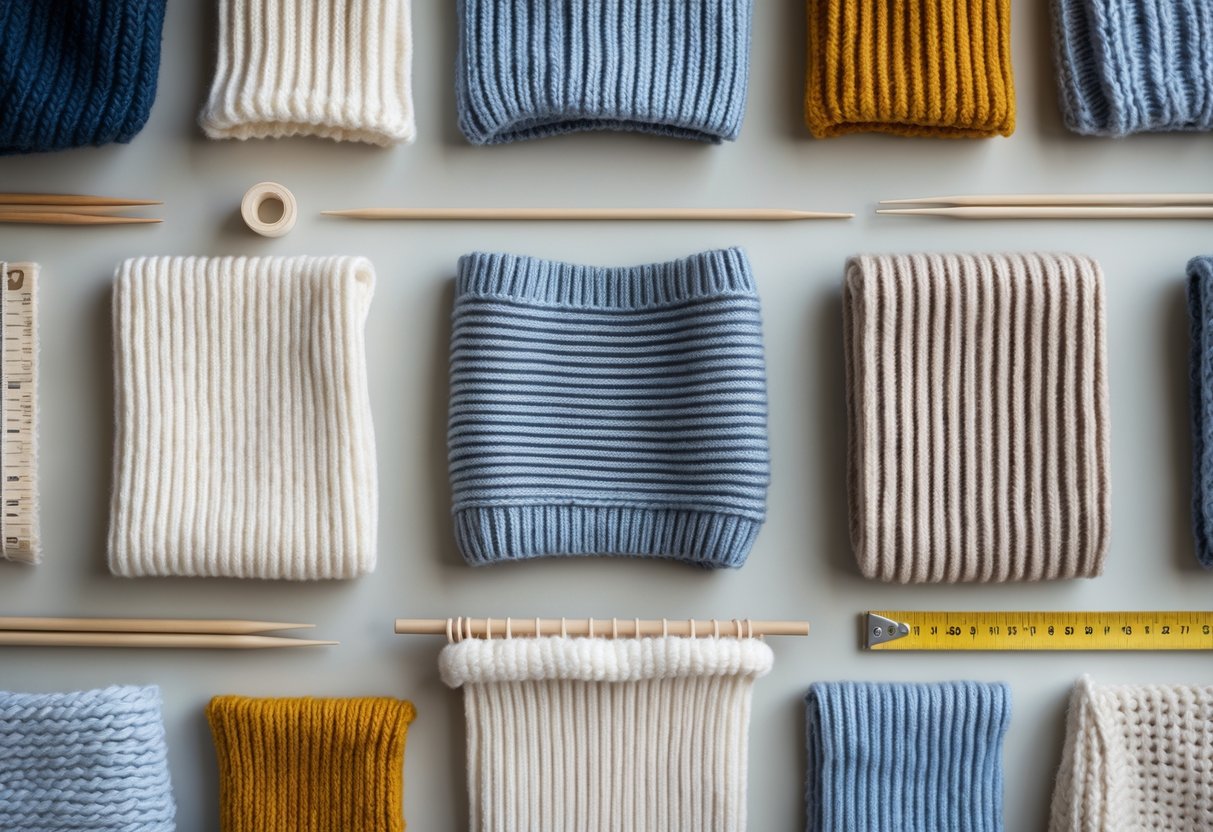
Knitted fabrics come mainly from two knitting methods that influence their look, stretch, and uses. These methods create fabric structures with distinct loop formations and properties. Understanding these types helps identify how fabric behaves and where it works best.
Weft Knitting Overview
Weft knitting forms loops horizontally, one row at a time, using a single yarn. Each new row connects to the previous, creating a flexible, stretchy fabric. This method includes fabrics like jersey, rib knit, and interlock.
Weft knits are soft and warm, commonly found in t-shirts, sweaters, and casual wear. Their elasticity makes them ideal for garments that need stretch and comfort. However, weft knits can unravel easily if a stitch breaks. They also have a tendency to curl at the edges, especially jersey fabrics.
The fabric’s loops run across the width (courses), giving it characteristic stretch mainly side-to-side. This makes weft knits popular in activewear and fashion items where movement and fit matter.
Warp Knitting Explained
Warp knitting creates loops vertically along the length of the fabric, with each yarn fed from separate needles. This produces a tighter, more stable structure compared to weft knits.
Warp knits, such as tricot and raschel, are less stretchy but more durable and resistant to runs. Their diagonal or crosswise loop pattern produces smooth, often shiny fabrics. These qualities make warp knits popular in lingerie, sportswear, and home textiles.
Warp knits maintain shape better and resist stretching out. They can use a wider variety of yarns, including filaments, which helps in creating fabrics suited for structural or decorative purposes. This stability makes warp knits good for items needing firmness combined with some flexibility.
Popular Knitted Fabric Styles and Structures
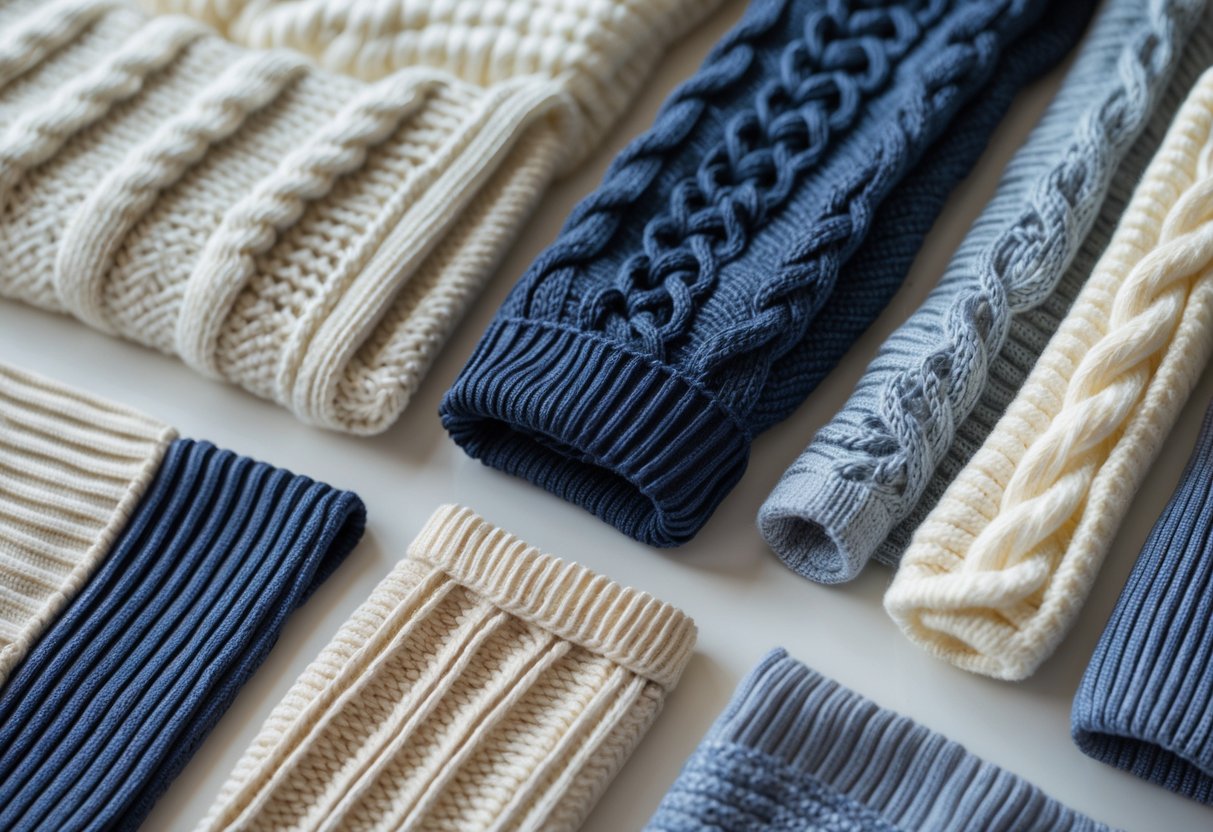
Knitted fabrics vary in texture, stretch, and strength, which makes each type suited for specific uses. Some are light and stretchy, ideal for casual wear, while others are thicker and more stable, used for structured garments. Understanding these differences helps in selecting the right fabric for comfort and function.
Jersey Knit Characteristics
Jersey knit fabric is lightweight and features a smooth front surface with a slightly textured back. It is made by looping yarns horizontally, giving it natural stretch and softness.
This fabric stretches mainly across its width, providing excellent comfort and ease of movement. It drapes well on the body, making it popular for t-shirts, dresses, and casual clothing.
Jersey knit tends to curl at the edges when cut, which requires careful handling during sewing. Its stretch and recovery are good but moderate, meaning it can lose shape if overstretched repeatedly. Breathability and softness are key benefits.
Rib Knit Features and Uses
Rib knit fabric is easily identified by its vertical ridges formed through alternating knit and purl stitches. This design creates strong elasticity, especially across the fabric’s width.
The exceptional stretch and quick recovery make rib knit ideal for cuffs, collars, waistbands, and fitted garments. It hugs the body snugly without restricting movement.
Rib knits also hold their shape well after repeated wear and washing. Its firm texture and durability ensure long-lasting use in sweaters, tank tops, and activewear.
Interlock Knit Properties
Interlock knit is a double-knit fabric with smooth, identical surfaces on both sides. It is thicker and more stable than jersey knit, offering better resistance to curling.
This fabric provides a soft, luxurious feel with increased weight and structure. It stretches well but maintains shape better due to its construction, which improves recovery after stretching.
Interlock knit is often chosen for baby clothing, activewear, and loungewear because of its comfort and durability. Its balanced stretch helps garments keep their form over time.
Double Knit Applications
Double knit fabric involves two layers of fabric knitted together, resulting in a durable, thicker material. It offers less stretch than single knits but provides excellent stability and shape retention.
This structure allows for more complex designs and is suitable for garments needing structure, such as jackets, skirts, and formal wear. Double knits do not curl at edges, simplifying the sewing process.
Its stretch is limited compared to other knits, but recovery is strong due to the double-layer construction. Double knits also provide warmth and resistance to wrinkling, making them practical for outerwear and fashion pieces.
Common Materials Used in Knitted Fabrics
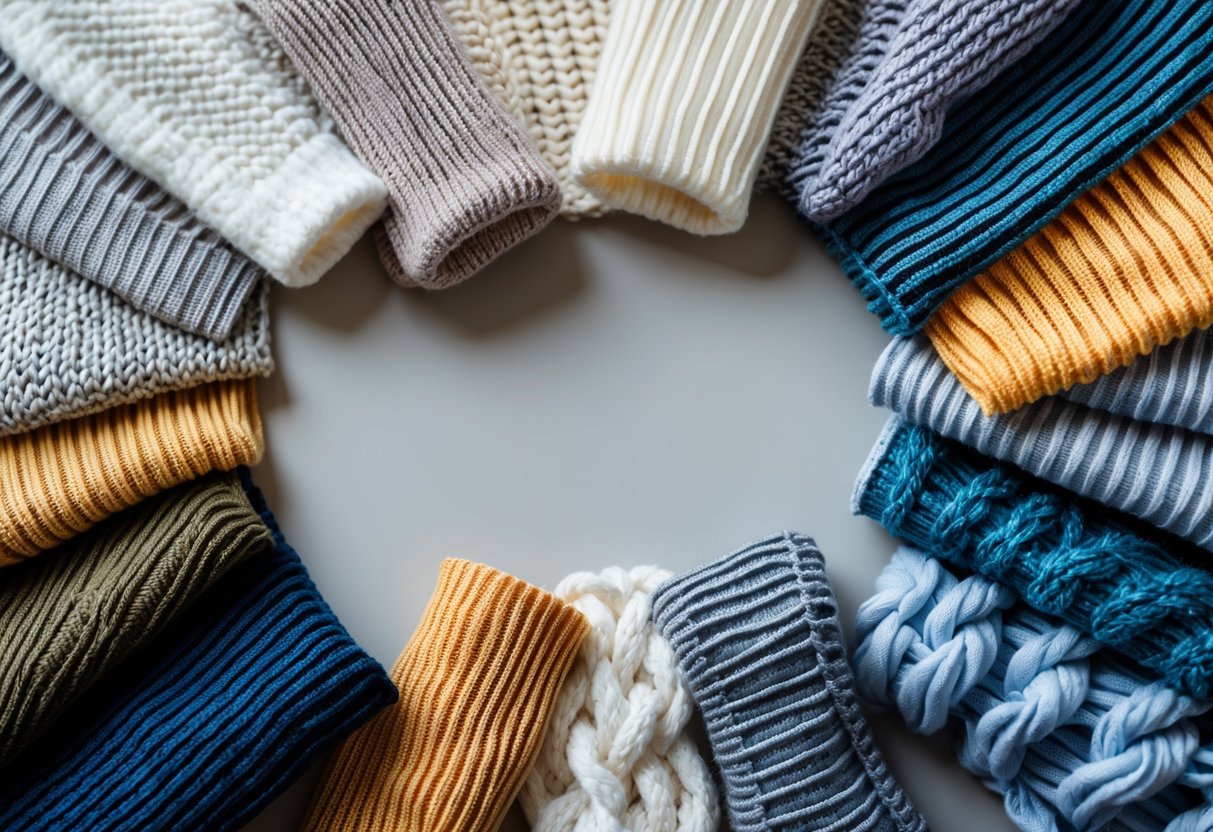
Knitted fabrics can be made from a variety of fibers, each offering different qualities such as softness, stretch, durability, and moisture control. The choice of material affects how the fabric feels, performs, and looks, making it important to understand the main options available.
Natural Fibers: Cotton, Wool, Linen, and Silk
Cotton is a popular natural fiber used in knitted fabrics because of its softness and breathability. It absorbs moisture well, making cotton knits comfortable for everyday wear. However, it tends to wrinkle and may shrink after washing.
Wool is valued for its warmth and natural insulation. Wool knits are stretchy and breathe well, commonly used in sweaters and cold-weather clothing. Some people find wool itchy, so finer types like merino wool are preferred.
Linen is made from flax and is cooler and more absorbent than cotton. Linen knits have a light, crisp feel but may wrinkle easily. They are less common but favored in warm climates.
Silk adds a smooth, shiny finish to knitted fabrics. It is strong yet delicate, often blended with other fibers to reduce cost and increase durability.
Synthetic Fibers: Polyester, Nylon, Acrylic, and Spandex
Polyester is durable, resistant to shrinking and stretching, and dries quickly. It is often blended with natural fibers to add strength and wrinkle resistance. Polyester knits are commonly used in sportswear and outerwear.
Nylon is known for its toughness and elasticity. It makes knit fabrics strong and abrasion-resistant. Nylon blends can improve stretch and shape retention, useful in activewear.
Acrylic mimics wool in softness and warmth but is lighter and cheaper. Acrylic knits resist moths and wrinkles but may pill over time. These are often used as wool substitutes.
Spandex (also called Lycra) adds significant stretch to knitted fabrics. It is usually blended in small amounts with other fibers to provide flexibility and maintain shape in garments like leggings and athletic shirts.
Blends and Specialty Fibers
Blending different fibers combines their strengths while reducing weaknesses. For example, cotton-polyester blends offer comfort, durability, and easy care. Wool blended with synthetic fibers enhances warmth and resilience.
Specialty fibers like Tencel, made from wood pulp, bring moisture-wicking, softness, and environmental benefits to knits. These fibers often appear in blends to improve comfort and sustainability.
Blended fabrics allow designers to tailor knitwear for specific needs, balancing texture, stretch, warmth, and care requirements.
Key Properties and Performance of Knitted Fabrics
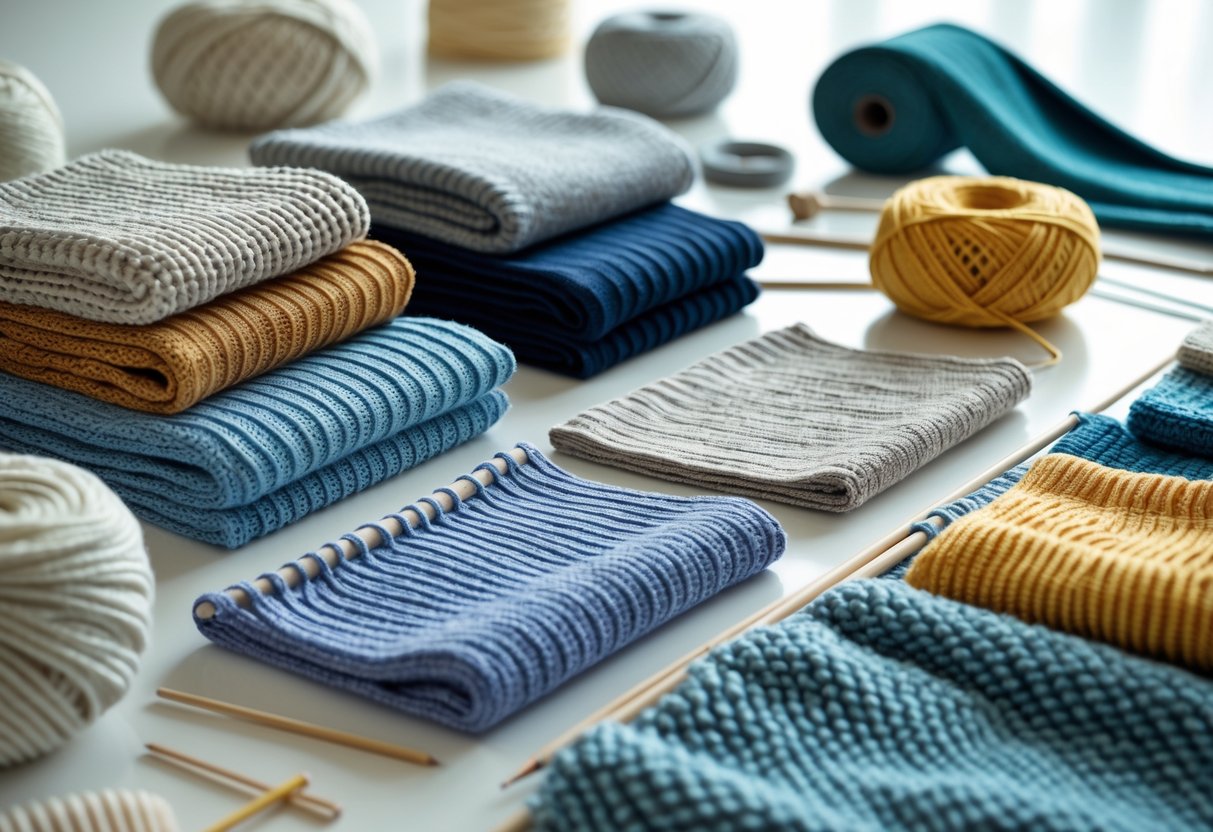
Knitted fabrics offer unique qualities that affect how they perform and feel. These include strength, flexibility, how they handle moisture, and their color retention. Understanding these traits helps in choosing the right knit for specific uses.
Durability and Longevity
Knitted fabrics vary in durability based on fiber type and knit structure. Fabrics made from synthetic fibers like polyester or nylon tend to resist wear and tear better than natural ones such as cotton or wool.
The looped construction of knits adds flexibility but can also make them prone to snagging or pilling over time. Quality depends on the tightness of the knit and yarn strength. Warp knits generally provide better durability than weft knits because of their tighter loops.
Proper care extends fabric life. Machine washing with gentle cycles, avoiding harsh detergents, and air drying reduce stress on fibers and knit loops. Despite some weakness in abrasion resistance, many knit fabrics maintain good longevity in everyday use.
Stretch, Recovery, and Drape
Knits are known for their inherent stretchiness due to interlocking loops of yarn. Weft knits usually stretch across the width, making them ideal for form-fitting clothes and activewear.
Recovery—the ability to return to original shape after stretching—varies. Blends with spandex improve this significantly, preventing garments from sagging or losing shape.
The drape of knit fabric is soft and fluid. It flows well over the body, creating natural folds without stiffness. This makes knits suitable for a variety of styles, from casual T-shirts to elegant dresses.
Stretch, recovery, and drape together define the comfort and fit of knitted garments.
Moisture-Wicking and Breathability
Knitted fabrics naturally allow air to pass through, helping to keep the body cool. Their porous loop structure lets moisture evaporate rapidly, improving comfort in warm weather.
Materials also impact moisture management. Synthetic fibers often pull sweat away from the skin effectively, making them popular in sportswear. Natural fibers like cotton absorb moisture but may dry slower.
Breathability combined with moisture-wicking helps control body temperature and reduces discomfort caused by sweat buildup. This performance is critical in active clothing and everyday wear for maintaining dryness.
Colorfastness and Ease of Care
Colorfastness refers to a fabric’s ability to hold dye without fading. Most knit fabrics maintain color well, especially when dyed with modern techniques on synthetic yarns.
Natural fibers may experience slight fading after repeated washing. Proper care, such as washing in cold water and turning garments inside out, helps preserve colors.
Knitted fabrics are generally easy to care for. They resist wrinkles and often dry quickly. Most knit garments are machine washable and require little or no ironing, making them practical for daily use.
These care benefits add to the convenience and appeal of knit fabrics for consumers.
Typical Uses for Knitted Fabrics
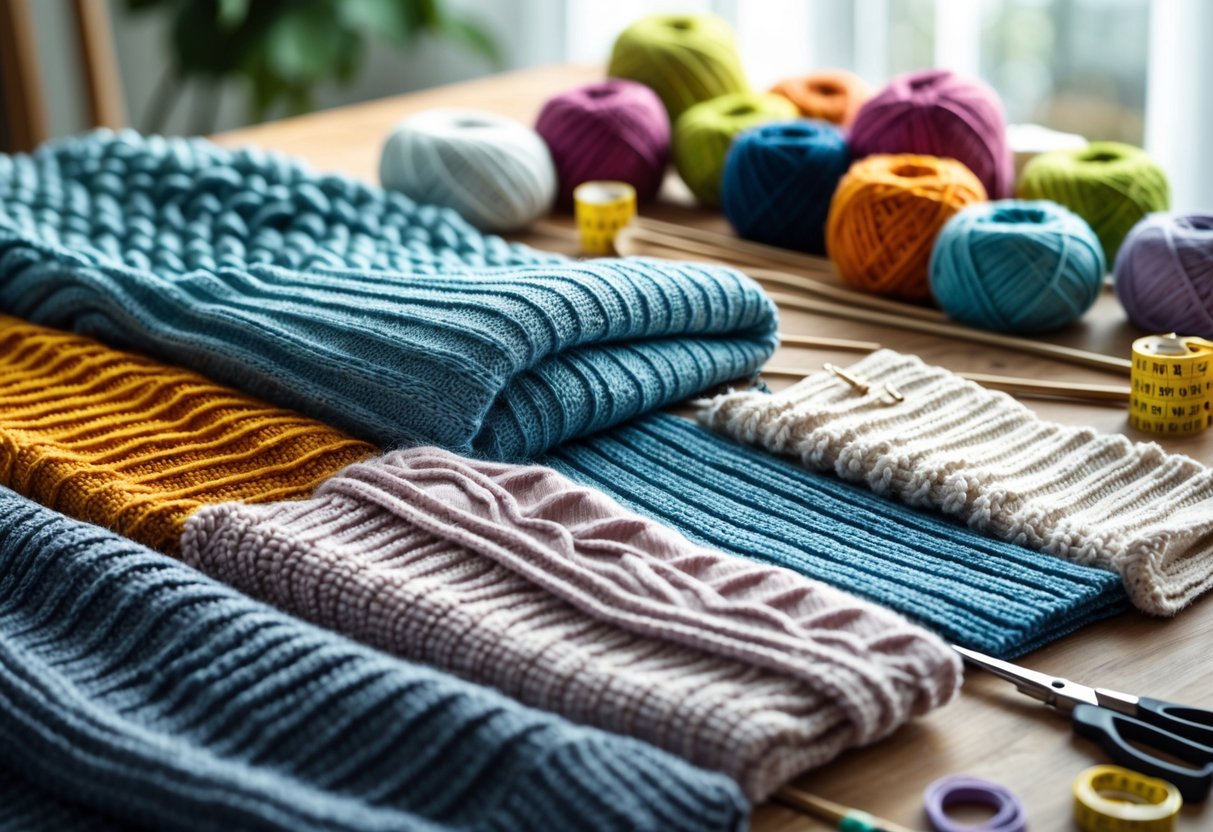
Knitted fabrics are chosen for their stretch, comfort, and ease of care. They adapt well to many clothing needs and household items. Their lightweight and wrinkle-resistant nature make them practical across different uses.
Activewear and Sportswear
Knitted fabrics are popular in activewear because they stretch easily and allow movement. Materials like warp knits are common in sportswear linings, track suits, and leisure wear. The stretch helps athletes perform better and stay comfortable during exercise.
These fabrics also breathe well, which prevents overheating when working out. Knit fabrics used for sportswear often include blends for durability and moisture-wicking. They are made mostly on machines for consistency and fast production, important in the textile industry to meet high demand.
Casual Wear: T-Shirts and Everyday Clothing
T-shirts and casual clothing rely heavily on knitted fabric, especially weft knits like single jersey. These materials stretch in multiple directions and return to shape after use, making them comfortable for daily wear.
Knits such as rib and interlock are used for collars, wristbands, and more structured casual tops. They resist wrinkles and require less care than woven fabrics. The versatility, cost-effectiveness, and comfort of knit fabrics keep them a staple in everyday wardrobes.
Home Textiles and Beyond
Knits extend beyond clothing into household goods. They are found in items like sheets, terry robes, and upholstery. Knitted fabrics offer softness and flexibility that woven materials lack, useful for comfort and fit.
Other areas include industrial and automotive uses, such as mattress fabrics, car seat linings, and protective covers. The ability of knit fabrics to combine stretch with strength makes them practical in many modern applications.
Frequently Asked Questions
Knitted fabrics vary in structure, fiber content, and knitting methods, which influence their performance and uses. Understanding these differences helps in choosing the right fabric for specific needs and ensures proper care for long-lasting wear.
What are the unique characteristics of different knitted fabric types?
Jersey knit is lightweight, soft, and stretchy, often used for t-shirts and dresses. Rib knit offers high elasticity, making it ideal for cuffs and collars. Interlock knit is more stable with less stretch, suitable for activewear and dresses.
Tricot knit provides durability with a smooth face and is common in lingerie and sportswear. Raschel knit is lace-like and decorative, used in fashion and upholstery.
How do the applications of various knitted fabrics differ in fashion and textile industries?
Casual wear often uses jersey and rib knits for comfort and flexibility. Sportswear relies on moisture-wicking and stretchable knits like interlock and tricot for performance. Luxury fashion incorporates unique knit patterns and textures to create stylish pieces.
Knitted fabrics are also popular in home textiles such as blankets and cushion covers, where softness and warmth are important.
What factors determine the selection of knitted fabrics for specific clothing items?
The choice depends on the desired stretch, durability, breathability, and texture of the fabric. For tight-fitting clothes, high stretch types like rib or jersey knit are preferred. More structured items require stable knits like interlock.
Fiber content and fabric weight also influence suitability for seasons and comfort.
Can you explain the maintenance and care requirements of common knitted fabrics?
Most knitted fabrics should be washed in cold water to prevent shrinkage and stretching. Mild detergents help preserve the fibers. Drying flat is recommended to maintain shape.
Using gentle washing cycles and storing garments folded avoids distortion and damage.
What is the impact of fiber content on the properties and uses of knitted textiles?
Cotton knits are breathable and soft but can lose shape if overstretched. Viscose knits have excellent drape and retain shape well. Synthetic fibers like polyester add durability and moisture-wicking properties.
Blends often combine comfort with performance features suited for sportswear or fashion.
How do knitting techniques affect the stretch and durability of knitted fabrics?
Weft knitting produces soft, highly stretchable fabrics ideal for form-fitting clothes. Warp knitting creates more stable, less stretchy fabrics used in lingerie and upholstery.
Tuck stitches can increase fabric density and reduce spirality, improving durability and shape retention. Different techniques allow fabrics to meet varied functional needs.