What Are Clothing Quality Control in Manufacturing: Complete Guide
Quality control and quality check in clothing manufacturing refer to the procedures used to make sure garments meet specific standards. These processes involve carefully inspecting raw materials, sewing, cutting, and finishing to catch defects early. Clothing quality control ensures that only well-made clothes reach customers by identifying and fixing problems before the products leave the factory.
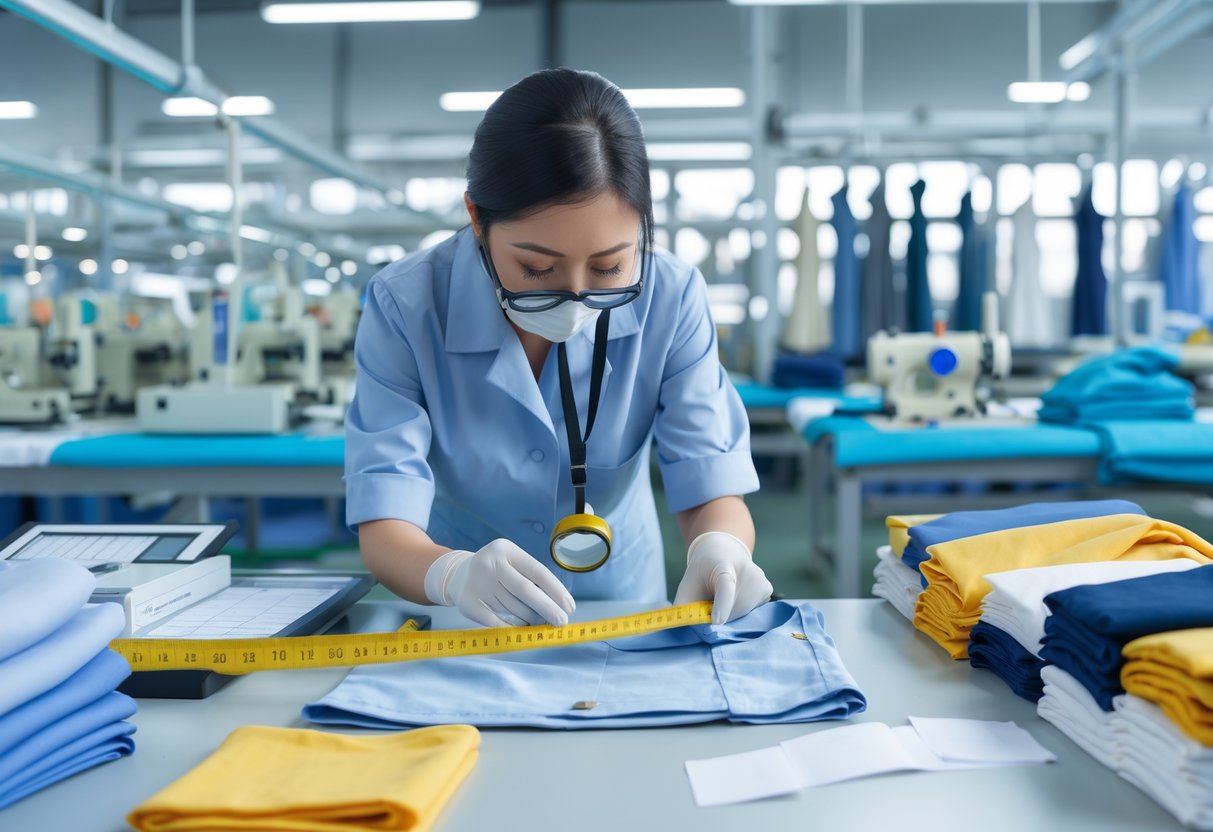
These checks include looking for issues like wrong stitching, color mismatches, sizing errors, and faulty buttons or zippers. The goal is to maintain consistent quality while reducing waste, saving money, and protecting the brand’s reputation. Quality control happens throughout production, from the first cut to the last wash test, making sure every step meets the company’s rules and customer expectations.
By following strict quality control methods, manufacturers can prevent common defects and create clothing that customers trust. This process helps businesses stay competitive and build strong relationships with buyers who expect high-quality products.
Key Takeways
- Quality control screens for defects at every stage of garment production.
- Consistent checks reduce waste and protect brand reputation.
- Early detection of problems improves customer satisfaction.
Defining Clothing Quality Control and Quality Check
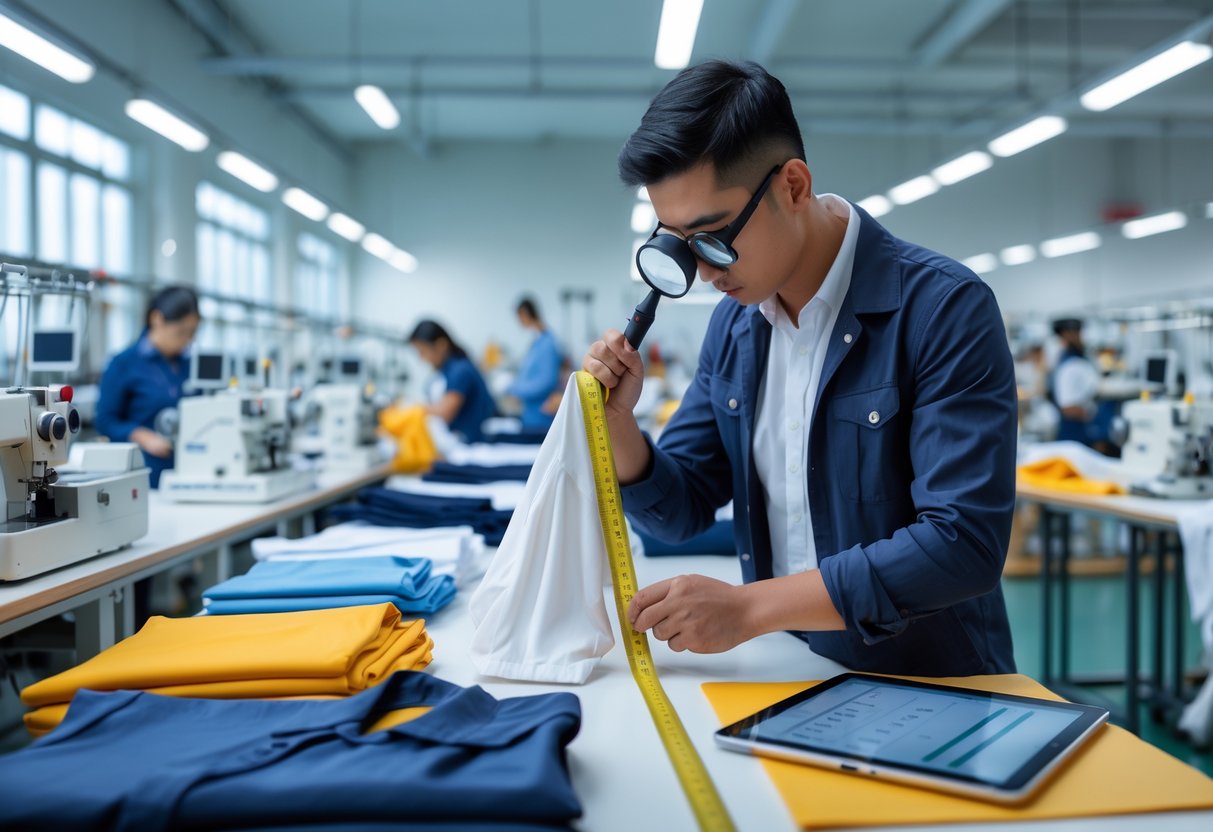
Clothing quality control and quality check in garment manufacturing focus on ensuring that each product meets specific requirements for appearance, size, and durability. These processes help catch mistakes early and maintain consistent production standards. They also support business goals by reducing waste and avoiding customer complaints.
Purpose of Quality Control in Garment Manufacturing
The main purpose of quality control in garment manufacturing is to make sure each garment meets the company’s expectations and customer demands. This involves checking raw materials, monitoring sewing techniques, inspecting trims, and assessing finished products.
Regular inspections help identify common problems such as stitching errors, wrong sizing, color mismatches, and fabric defects. This reduces the chances of faulty products reaching customers, protecting brand reputation. Quality control also helps reduce waste and lowers production costs by catching defects early.
Distinguishing Quality Control and Quality Assurance
Quality control (QC) and quality assurance (QA) are related but serve different roles. QC is the process of inspecting and testing garments during and after production to detect defects. It focuses on finding problems.
QA takes a broader view. It involves planning, setting policies, and managing the production system to prevent defects before they happen. QA controls the whole supply chain and production environment, ensuring all steps follow the design and quality standards.
Together, QC and QA work to ensure that garments meet customer and industry requirements throughout manufacturing.
Role of Quality Standards in Manufacturing
Quality standards in garment manufacturing establish clear, measurable criteria for every stage, from fabric selection to final packaging. These standards serve as a benchmark to judge product quality and ensure consistency across batches.
Standards cover areas such as:
- Stitch density and thread tension
- Accurate sizing and fit
- Color matching and dye consistency
- Proper use of trims like buttons and zippers
Following quality standards helps produce garments that meet safety, performance, and aesthetic expectations. It also supports compliance with industry regulations, reducing the risk of recalls or customer disputes. Factories use these standards to train workers and guide inspection teams in quality control.
Types and Methods of Quality Control in Clothing Manufacturing

Quality control in clothing manufacturing involves various inspections and techniques to catch defects early and ensure garments meet standards. It includes checking raw materials, monitoring production, and testing finished products. Different approaches focus on specific stages and use sample testing to maintain efficiency while ensuring quality.
Pre-Production Inspection
This step focuses on the materials and components before manufacturing begins. Inspectors check fabrics, threads, buttons, and zippers against set quality standards.
The goal is to spot defects like color mismatches, fabric flaws, or weak trims before production starts. Identifying these issues early helps prevent costly errors later.
Pre-production inspection verifies that the raw materials comply with the buyer’s specifications. It also ensures suppliers deliver consistent quality, which supports smoother production.
If materials fail this check, manufacturers can reject or request replacements, avoiding problems in the actual garment.
In-Line Inspection During Production
In-line inspection happens during the garment making process. Inspectors examine pieces after critical stages such as cutting, sewing, and finishing.
This method allows quality control to catch issues like stitching errors, sizing mistakes, or alignment problems while production is ongoing. Fixing these defects early reduces waste.
Inspectors follow an inspection protocol to review products systematically. They may check a fixed number of items or use random samples at specified intervals.
Frequent checks maintain consistency and ensure that garments continue to meet quality standards throughout the production run.
Final Random Inspection and Product Inspection
Once garments are complete, final random inspection tests finished products before shipment. Inspectors pick random samples from the whole production lot.
They assess the garments for defects such as loose threads, faulty zippers, stains, or fit problems. This final check confirms the overall product quality.
Final inspection uses a detailed product inspection checklist. If defects exceed the allowed limit, the entire batch may be rejected or require rework.
Random sampling at this stage helps verify that quality control measures worked during earlier stages, ensuring customer satisfaction.
Sampling Techniques and Acceptable Quality Level (AQL)
Sampling testing is used to inspect a portion of the production instead of every garment. It saves time and resources while still checking quality.
The Acceptable Quality Level (AQL) is a standard that sets the maximum number of defects considered acceptable in a sample. AQL varies depending on product type and customer requirements.
For example, an AQL of 2.5 means inspectors accept up to 2.5% defective items in the sample before rejecting the batch.
Using AQL, manufacturers can balance product quality with inspection efficiency. This method supports quick decision-making without inspecting every piece.
Sampling and AQL provide clear guidelines for when to accept, reject, or rework garments based on the inspection results.
Key Quality Checkpoints in Garment Production

In garment production, specific checkpoints ensure the final product meets quality standards. These include inspecting raw fabrics, controlling sewing processes, and verifying trims, finishing, and packaging. Each step focuses on details like fabric defects, stitching accuracy, and proper labeling to maintain product consistency and functionality.
Fabric Inspection and Fabric Rolls
Fabric inspection is the first critical quality control step. Inspectors check fabric rolls for flaws such as holes, uneven dyeing, stains, and inconsistencies in texture or weight. They measure fabric weight to confirm it meets product specifications, ensuring durability and use suitability.
Each fabric roll undergoes a detailed review to detect issues before cutting. Any defects found, such as weak areas or color variations, are marked or removed. Consistent fabric quality is essential to avoid problems during production and maintain finished garment standards.
Cutting and Sewing Quality Control for Clothing Quality Control
Cutting and sewing are key stages where workmanship directly affects final quality. The cutting process must use precise patterns to ensure pieces match size and design requirements. Poor cutting can cause size mismatches or waste fabric.
During sewing, checks focus on stitching quality and seam alignment. Inspectors look for even stitching, secure seams, and absence of loose threads. They verify that seam lines are straight and seams do not gap or pucker. This control maintains garment durability and appearance.
Trims, Finishing, and Packaging Requirements
Trims like buttons, zippers, and labels undergo inspection for durability and proper attachment. Finishings, such as hems and edge stitching, are checked for neatness and security. These elements contribute to both function and garment aesthetics.
Packaging requirements involve verifying correct labeling, including care instructions and size tags. Packaging must protect garments and comply with regulatory standards. Proper packaging also ensures product integrity during shipping and handling.
Essential Quality Control Processes and Checklists

Effective quality control involves specific inspections, testing methods, and thorough documentation. Each part plays a critical role in making sure garments meet required standards. The processes include on-site checks, use of precise tools, and detailed reporting to track and improve product quality.
On-Site Inspections and Checklist Components
On-site inspections are key to identifying defects during manufacturing. Inspectors use a detailed quality control checklist to ensure every garment meets size, stitching, fabric, and finishing standards. The checklist typically covers:
- Material quality: Checking fabric, threads, and trims for defects.
- Stitching and seams: Evenness, strength, and alignment.
- Fit and size: Accuracy against approved measurements.
- Colors and prints: Consistency without fading or errors.
- Labels and packaging: Correct branding and care instructions.
Following an inspection protocol, inspectors examine garments at various stages. This helps catch issues early, preventing defects from reaching the next production phase or final shipment.
Testing Methods and Measurement Tools
Testing ensures garments perform under real conditions. Common tests include shrinkage, colorfastness, and tensile strength. These checks verify that fabrics and finishes hold up through use and washing.
Standard tools in quality control include:
| Tool | Purpose |
|---|---|
| Digital measuring devices | Accurate size and dimension checks |
| Fabric inspection machines | Detect fabric flaws automatically |
| Color consistency meters | Ensure uniform colors across batches |
| Seam strength testers | Measure seam durability |
Using these methods and tools reduces human error and improves precision. Regular testing supports consistent product quality and compliance with industry standards.
Quality Control Documentation and Reporting
Recording inspection results is crucial. Detailed documentation tracks defects, corrective actions, and compliance. A good quality control report includes:
- Inspection date and location
- Inspector’s name and findings
- Photos of defects, if applicable
- Pass/fail status for each checklist item
- Recommendations for improvements
Clear records create accountability and help manufacturers spot recurring issues. Reports guide management decisions and support auditing processes. Consistent documentation also ensures transparency with suppliers and customers.
Impact of Quality Control on Brand Reputation and Customer Satisfaction
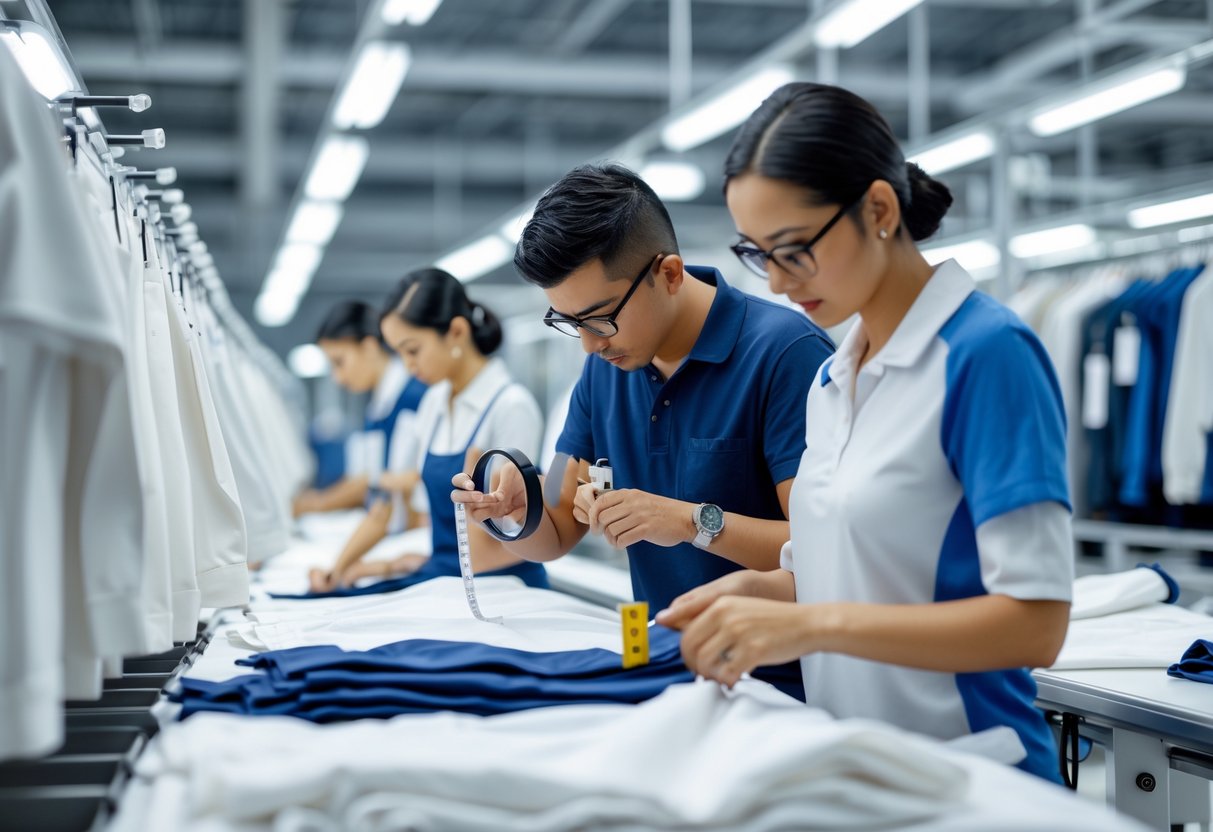
Quality control directly affects how customers perceive a brand and whether they keep buying its products. It lowers the chances of defects and returns, builds customer trust, and supports ongoing improvements in product quality.
Reducing Product Returns and Defects
Effective quality control catches defects before products reach customers. This reduces the number of defective items sold, which lowers product returns and complaints.
Fewer returns save costs related to shipping, handling, and restocking. It also prevents negative reviews that damage brand reputation.
By maintaining consistent product quality, brands meet customer expectations. This consistency is critical in the apparel industry where fit, fabric, and craftsmanship vary widely.
Building Brand Trust in the Apparel Industry
Consistently delivering high-quality clothing strengthens a brand’s reputation. Customers who receive goods that meet or exceed their expectations are more likely to trust that brand’s future products.
Trust leads to customer loyalty. Loyal customers buy repeatedly and are more likely to recommend the brand to others.
Quality control plays a key role here by ensuring garments comply with standards such as fabric durability, stitching quality, and safety requirements.
Continuous Improvement in Garment Quality
Quality control provides data that helps brands identify patterns of defects or areas for improvement.
By analyzing feedback and inspection results, brands can make targeted changes to materials, processes, or suppliers.
This continuous improvement cycle helps apparel companies adapt to customer demands and industry trends, strengthening customer satisfaction over time.
Regular updates to quality control methods ensure that brands remain competitive and relevant in the fast-paced apparel market.
Common Garment Defects and Prevention Strategies
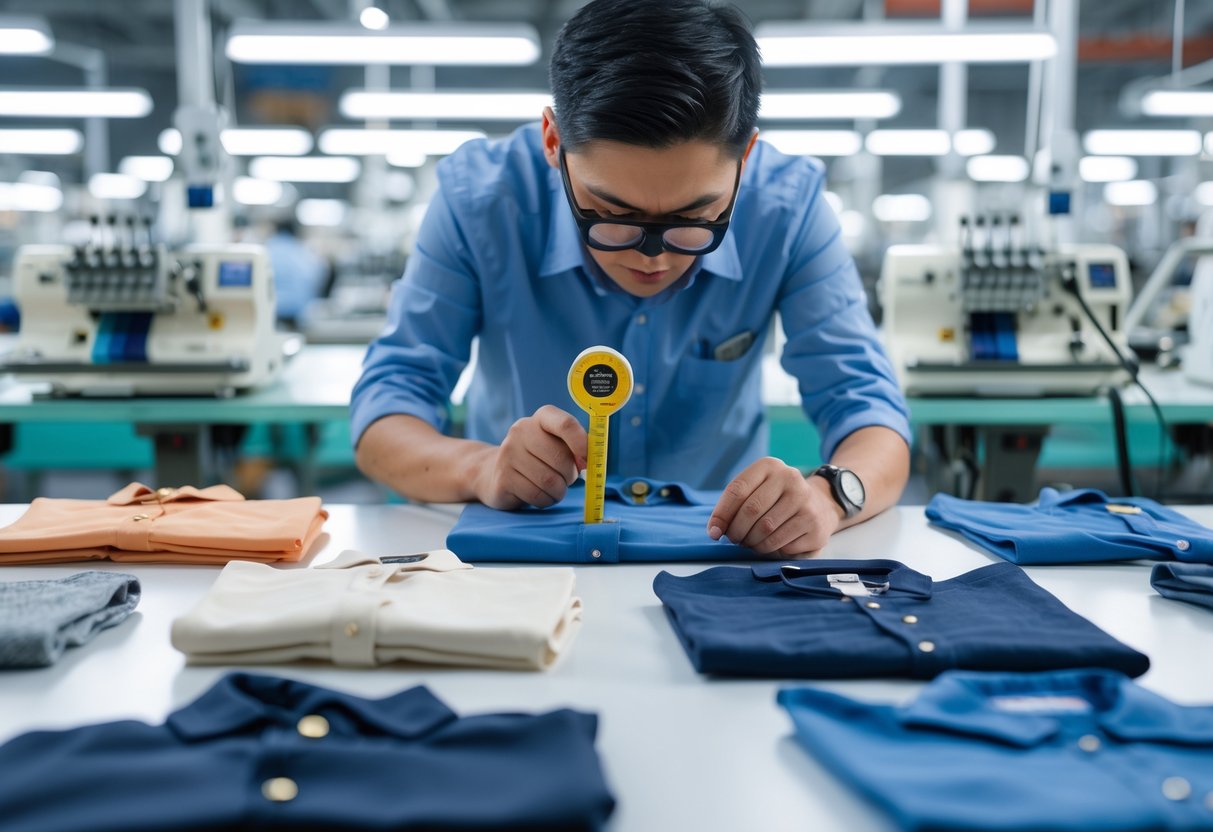
Garments often face defects that affect their quality and usability. These defects come from fabric flaws or workmanship problems and can be costly if not caught early. Preventing these issues requires clear standards, proper training, and continuous quality improvement efforts.
Identifying Typical Fabric and Workmanship Issues
Common fabric defects include uneven dyeing, holes, weak textures, and color fading. These flaws can weaken the garment and reduce its visual appeal. Workmanship issues include uneven stitching, loose threads, misaligned seams, and incorrect sizing.
Defects also arise from poor seam strength, puckering, and damaged trims. These problems affect the garment’s durability and wearer comfort. Frequent inspection of raw materials and ongoing checks during production help catch these defects before garments reach the final stage.
Training, Standards, and Quality Improvement Measures
Preventing garment defects begins with proper worker training focused on quality standards. Staff must learn to recognize flaws and understand garment quality control procedures. Clear guidelines help maintain consistent workmanship and fabric handling.
Manufacturers implement standardized QC checks at each production stage, including fabric inspection, in-process monitoring, and final inspection. Using tools like digital measuring and fabric inspection machines also supports accuracy.
Regular audits and feedback loops encourage continuous quality improvement. Monitoring supplier quality and investing in staff development sustain high garment quality and reduce costly defects over time.
Frequently Asked Questions
Clothing Quality Control Standards in garment manufacturing focus on inspecting materials, stitching, fit, and compliance. The process varies depending on fabric type, garment style, and industry standards. Consumer input and global quality norms also guide manufacturers to maintain product consistency.
What methods are commonly used to inspect garment quality during production?
Manufacturers use visual inspection to spot stitching errors, loose threads, and fabric flaws. Measurement tools verify size accuracy. In-line inspections happen during sewing. Final checks confirm overall finish and function before packaging.
How does fabric quality affect the overall quality of manufactured clothing?
Fabric strength and consistency impact durability and garment appearance. Poor fabric can cause shrinkage, fading, or weak seams. Quality fabric reduces defects and supports reliable fit and comfort.
What are the critical aspects of quality control in the textile industry?
Key points include fabric inspection, pattern accuracy, stitching and seam strength, color consistency, and final product testing. Compliance with safety and environmental rules is also crucial.
How do quality checks differ between different types of clothing items?
Checks vary by garment complexity. For example, outerwear requires waterproof and seam-sealing tests. Stretch fabrics need elasticity and recovery testing. Simple garments focus more on stitching and size accuracy.
What role does consumer feedback play in the apparel quality assurance process?
Feedback helps identify real-world issues like fit problems or fabric wear. Brands use this data to improve future designs, fix recurring defects, and enhance customer satisfaction.
Which international standards are typically applied in clothing quality management?
Standards like ISO 9001 for quality management and OEKO-TEX for fabric safety are common. Compliance ensures global market acceptance and consistent product quality across manufacturing sites.