
10 Types of Patches:Complete Guide on Patches and Applications
Patches have long been used to add style, fix clothing, and show identity. They come in many forms and serve different purposes, from decoration to branding. Understanding the various types helps people choose the right patch for their needs.
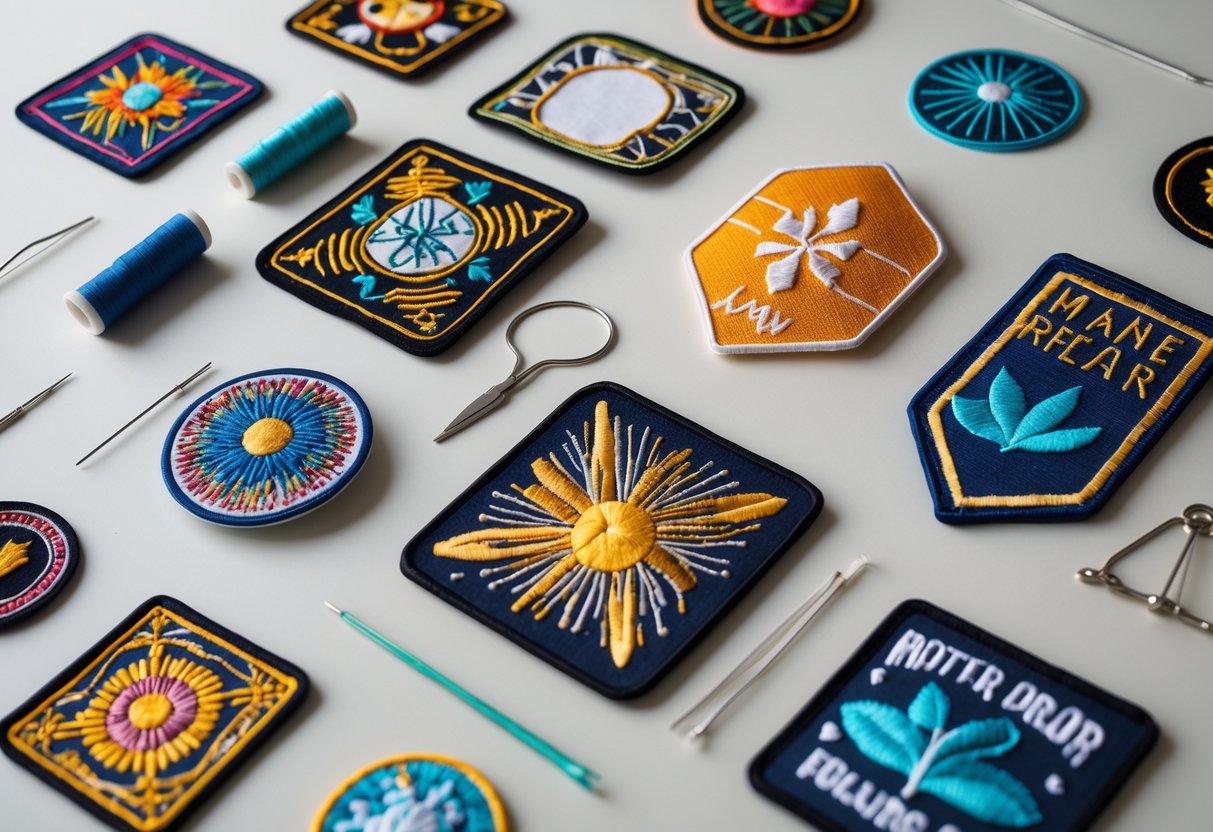
A complete guide on patches explains the different styles and uses, making it easier to pick the best option. This knowledge can benefit anyone looking to personalize items or repair fabric in a creative way.
1) Embroidered Patches
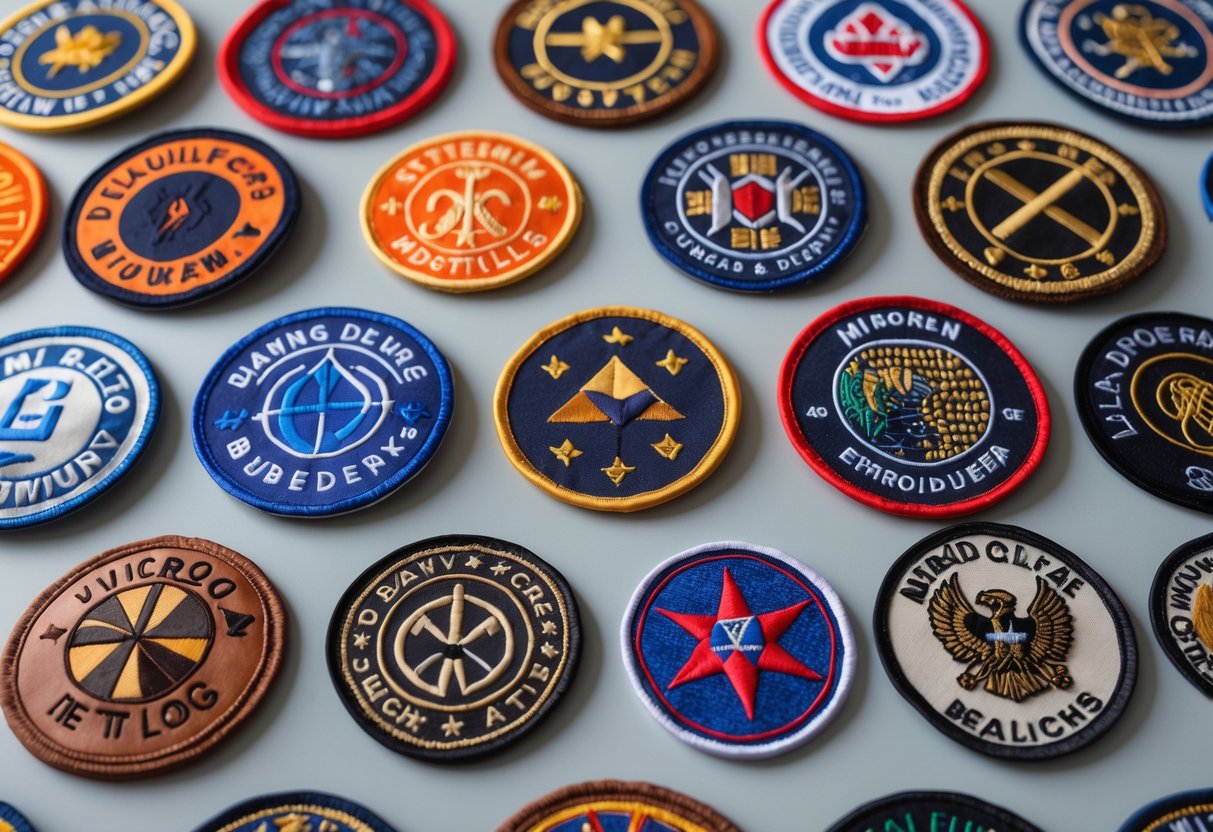
Embroidered patches are one of the most popular types of patches. They are made by stitching thread onto a fabric backing, creating detailed designs and patterns. This method allows for many colors and intricate details.
They are durable and often used for uniforms, brands, and personal style. The texture of embroidered patches adds a raised, textured look that helps designs stand out.
Embroidered patches can be attached by sewing or with iron-on backing for easy application. They work well on clothing, bags, and hats. Because they are classic and customizable, they remain a top choice for many purposes.
2) Woven Patches
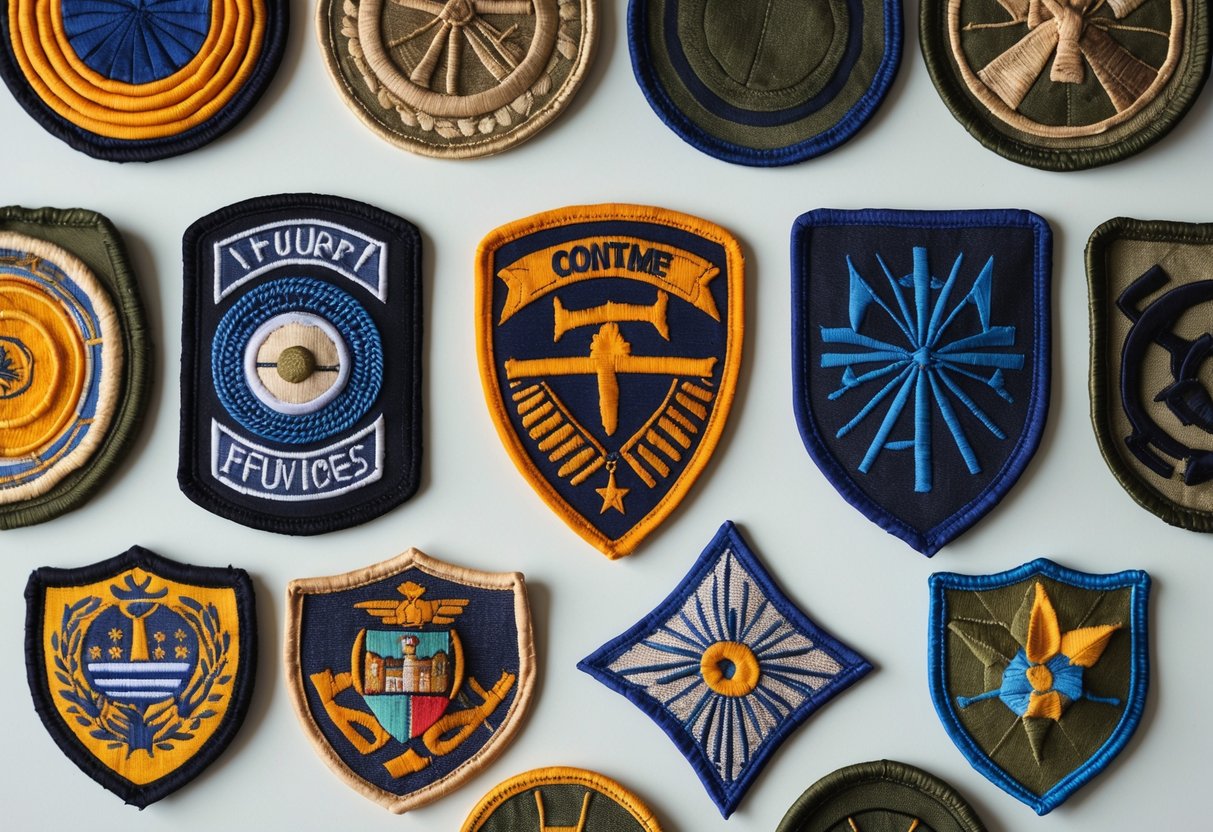
Woven patches are made by weaving threads together on a loom. This technique allows for fine details and smooth textures. They are often used for logos and designs that require clarity.
These patches have a flat surface and are lighter than embroidered patches. They do not have raised stitching, which makes them ideal for complex artwork with small details.
Woven patches work well on uniforms, bags, and hats. They are durable and maintain their color and shape even after many washes.
Because they are woven, the edges can be cut cleanly with a laser or heat. This gives the patch a neat finish without the need for thick borders.
Woven patches are a good choice when smooth texture and detailed designs are important. They balance durability and aesthetic appeal in many applications.
3) Chenille Patches
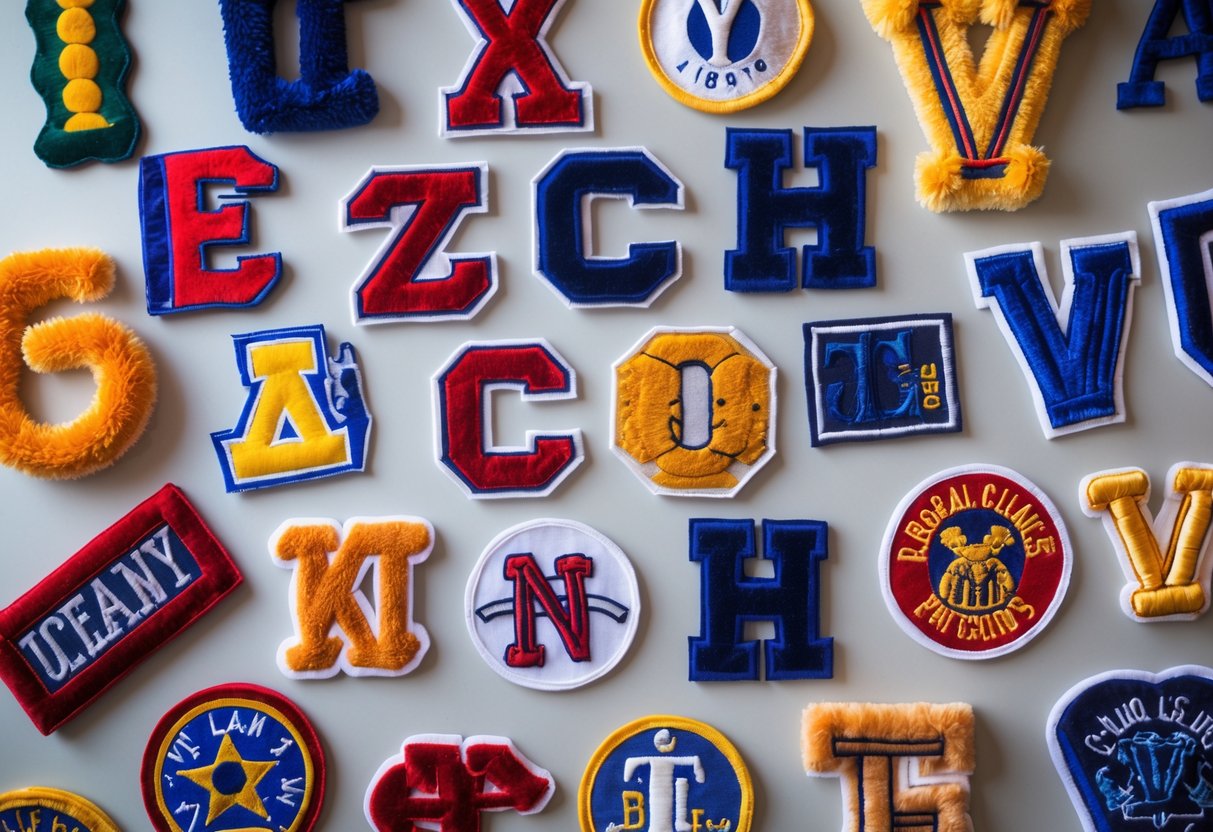
Chenille patches are made with a special looped yarn that gives them a soft, fuzzy texture. This unique look makes them stand out compared to smooth, flat patches. They often have a raised, three-dimensional feel.
They are popular for sports teams, school letterman jackets, and other applications where a bold, textured design is desired. The texture adds depth and a vintage style that many people find appealing.
Chenille patches are usually sewn onto fabric rather than glued or ironed on. Sewing helps keep them secure because their thick texture can make other attachment methods less reliable.
These patches come in various shapes and designs, often featuring letters or logos. Their thick, plush surface allows for creative designs that catch attention.
While chenille patches require more care when attaching and washing, they often last long when treated properly. They offer a classic look that combines tradition with durable materials.
4) PVC Patches
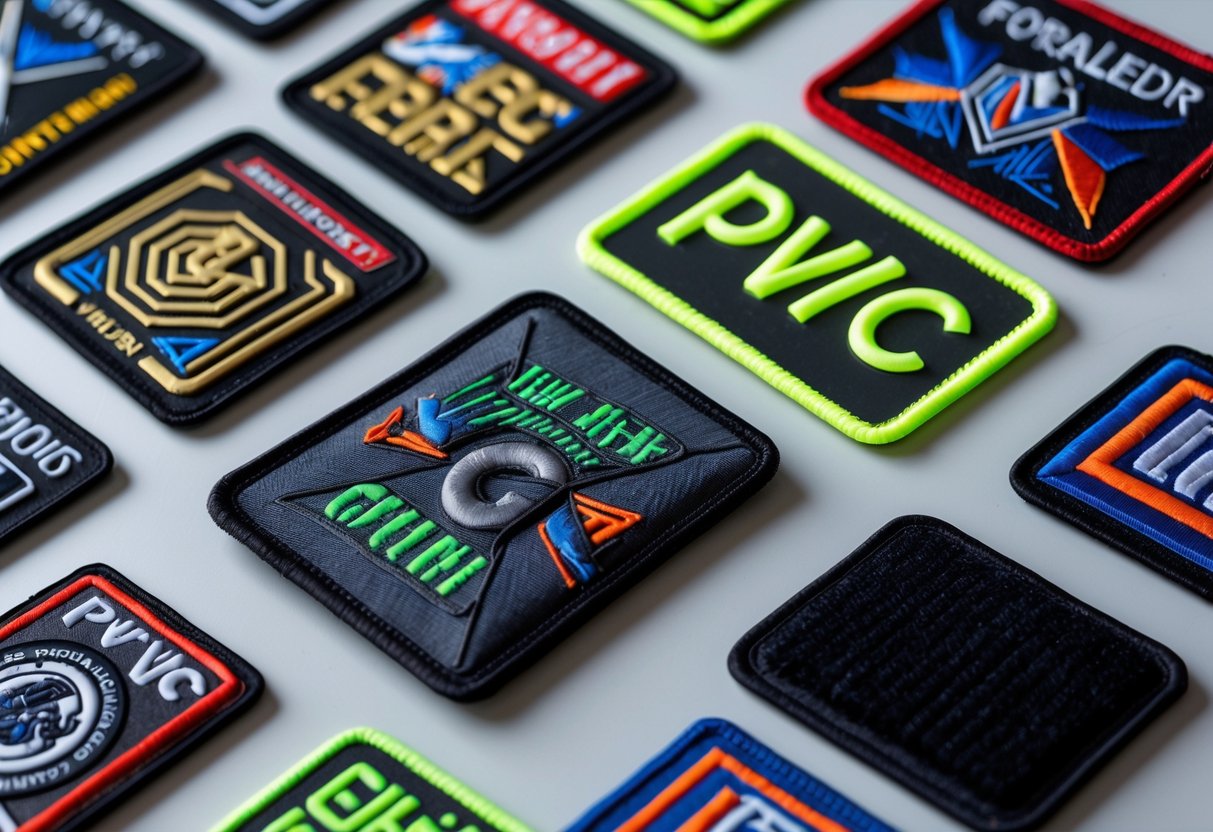
PVC patches are made from polyvinyl chloride, a type of durable and flexible plastic. Unlike embroidered patches, they are molded using heat and pressure to create raised, detailed designs. This process allows for more complex shapes and textures.
They are strong and weather-resistant, making them ideal for outdoor use. PVC patches do not fray or fade easily, so they last longer than fabric patches in many conditions.
These patches often come with different backing options, such as Velcro or adhesive, for easy attachment to various surfaces. They are popular for uniforms, gear, and promotional items due to their sturdy look.
PVC patches offer design flexibility, allowing for bright colors and sharp details. Their durable material can handle rough use, which makes them a practical choice for many applications.
5) Leather Patches
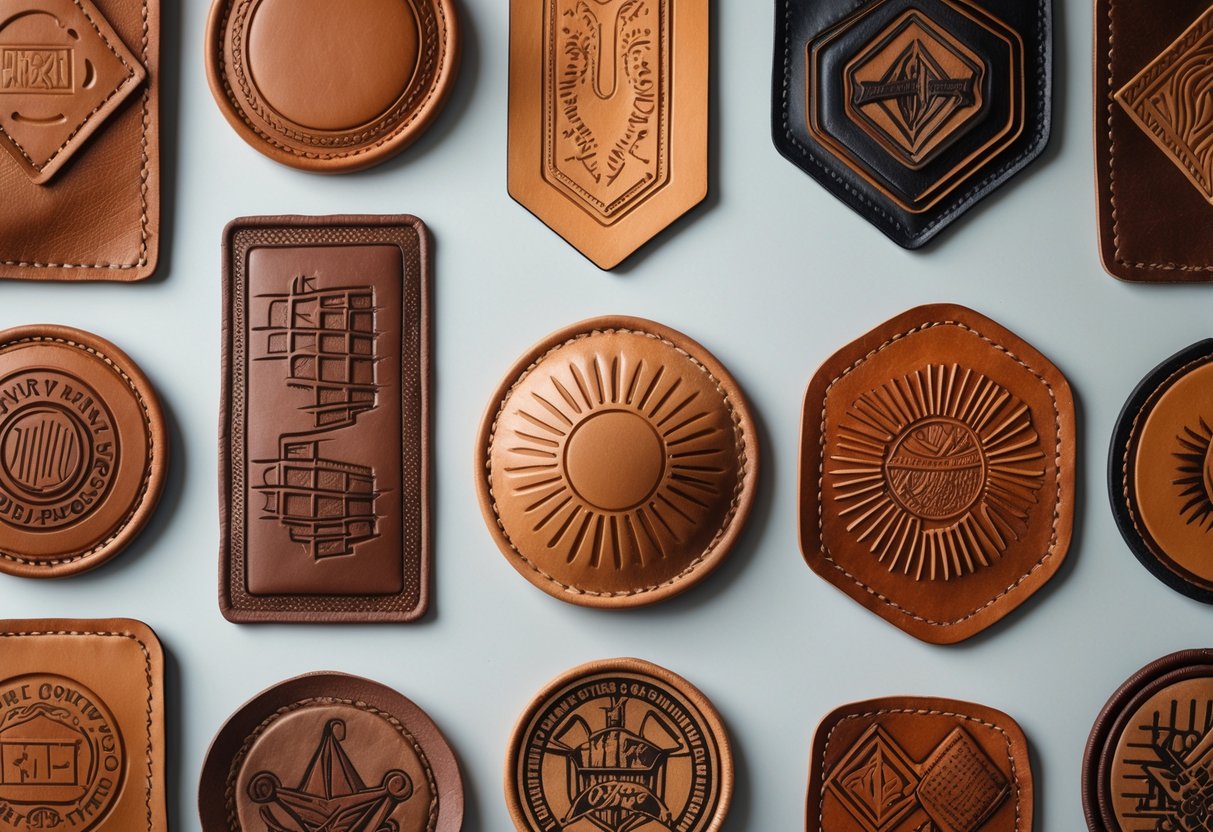
Leather patches are made from genuine or synthetic leather. They add a tough and stylish look to clothing and accessories. These patches are often used on jackets, hats, bags, and denim.
Leather patches can be plain or decorated. Some feature embossing, engraving, or foil stamping for extra detail. This makes them popular for branding and customization.
They are known for durability and a premium feel. Leather patches withstand wear well, making them suitable for outdoor and heavy-use items.
Care is important to keep leather patches looking good. Avoid excessive moisture and clean them gently with a damp cloth or specialized leather cleaner.
Leather patches come in different types, including full-grain leather, faux leather, and vegan options. Each type varies in texture, price, and environmental impact.
Overall, leather patches offer a balance of function and style. They enhance the look of garments while providing a long-lasting design element.
6) Printed Patches
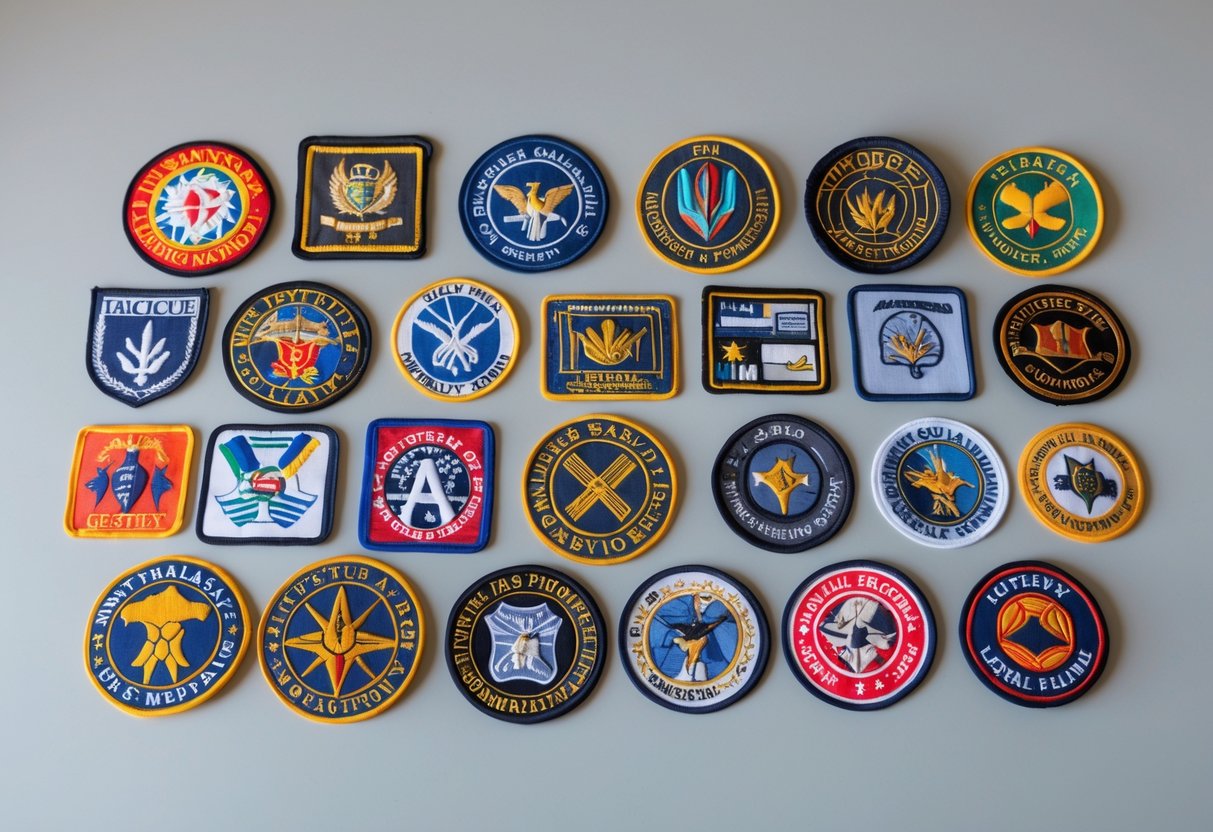
Printed patches are made by applying ink directly onto the fabric, allowing for detailed and colorful designs. They can reproduce complex images and gradients better than embroidery or weaving. This makes them ideal for logos, artwork, or photos with many colors.
These patches are usually thin and lightweight. They have a smooth surface, which gives them a clean, modern look. Printed patches often use heat transfer or screen printing methods to apply the design.
Printed patches are less textured compared to embroidered ones. They may not be as durable if exposed to heavy wear or repeated washing. But they work well for casual use and designs that need precision and color variety.
They are a cost-effective option for producing patches in large quantities. This makes them popular for brands or events looking for a polished but affordable patch choice.
7) Bullion Patches
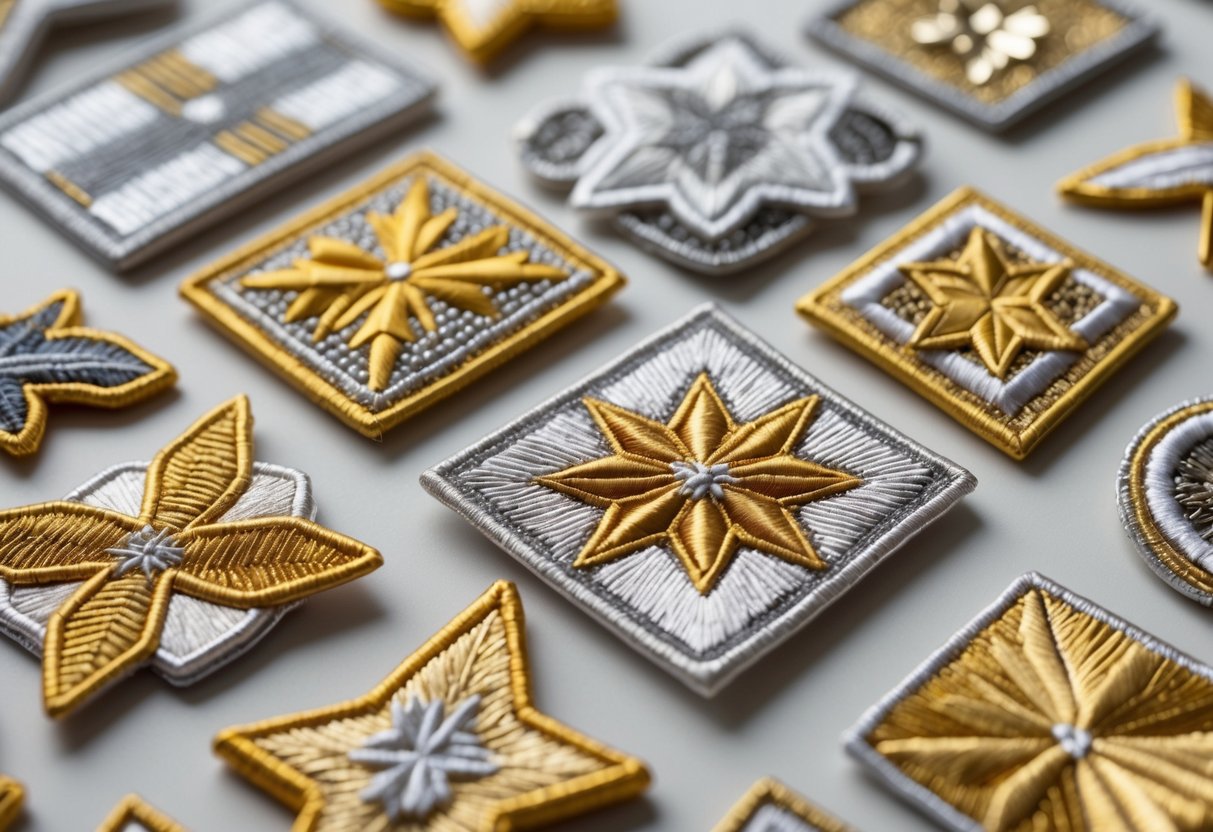
Bullion patches are made using metallic threads such as gold or silver. These threads give the patches a shiny, high-relief look that stands out from regular embroidery. They are often handmade, which adds to their detail and quality.
These patches are common on military and police uniforms, especially for ceremonial use. They can show rank or special honors in a clear and elegant way. Bullion patches are also popular in high-end fashion for jackets, hats, and bags.
The base of bullion patches is usually felt or velvet. Real metal wires and silk threads provide texture and depth. This style makes the patches look rich and premium.
People choose bullion patches when they want something unique and formal. They work well for uniforms, awards, and special events where a traditional embroidered patch might not have the same impact.
8) Heat Transfer Patches
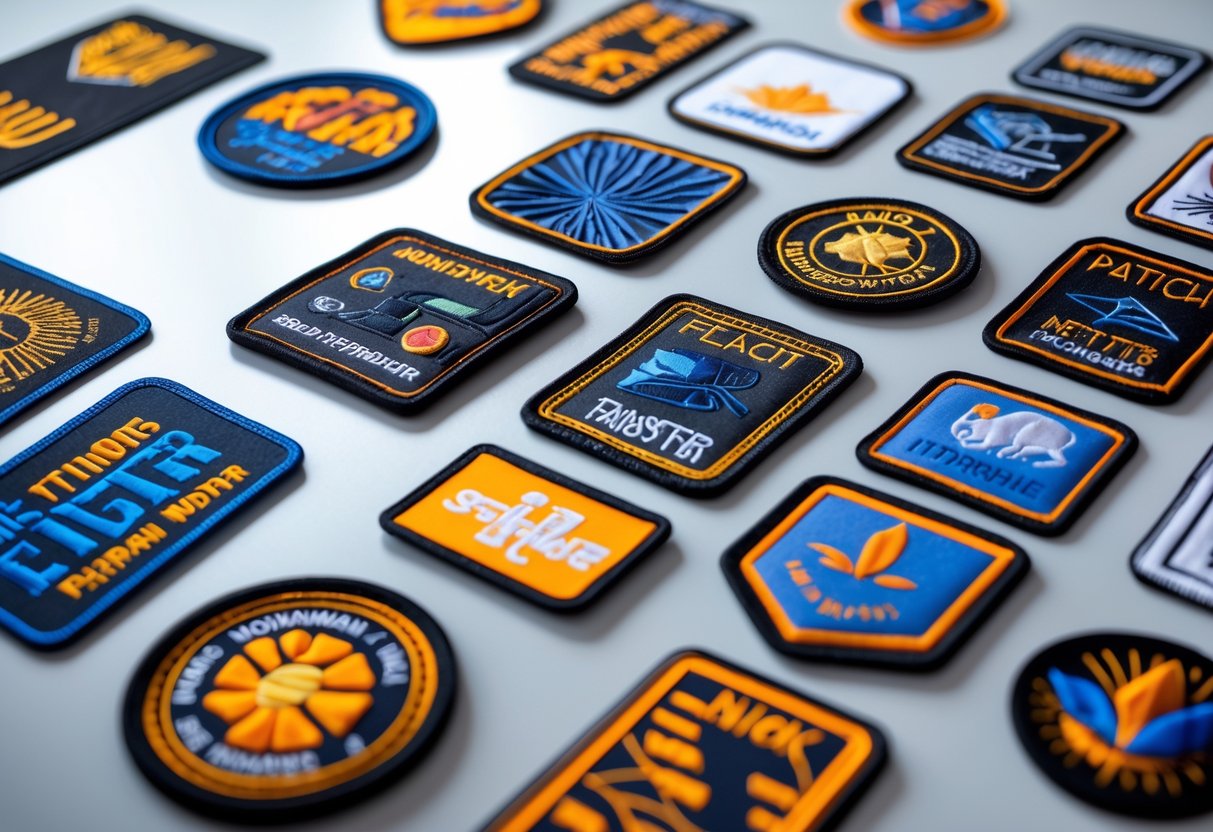
Heat transfer patches are designs that attach to fabric using heat and pressure. They usually require a heat press or iron to bond the patch permanently to clothing or other materials.
These patches are popular for their quick application and clean look. They work well on t-shirts, hats, and other soft materials where sewing might be difficult or time-consuming.
One type, silicone heat transfer patches, offers a raised, rubbery texture. They provide durability and a clear, detailed appearance. Silicone transfers can be cut into custom shapes, giving a sharp and neat finish.
Heat transfer patches come with an iron-on backing, but they can be combined with other attachment options if needed. They suit designs that need fine detail and vibrant colors.
Overall, heat transfer patches provide a flexible and efficient way to customize apparel, especially for brands or events needing fast and reliable results.
9) Glow-in-the-Dark Patches
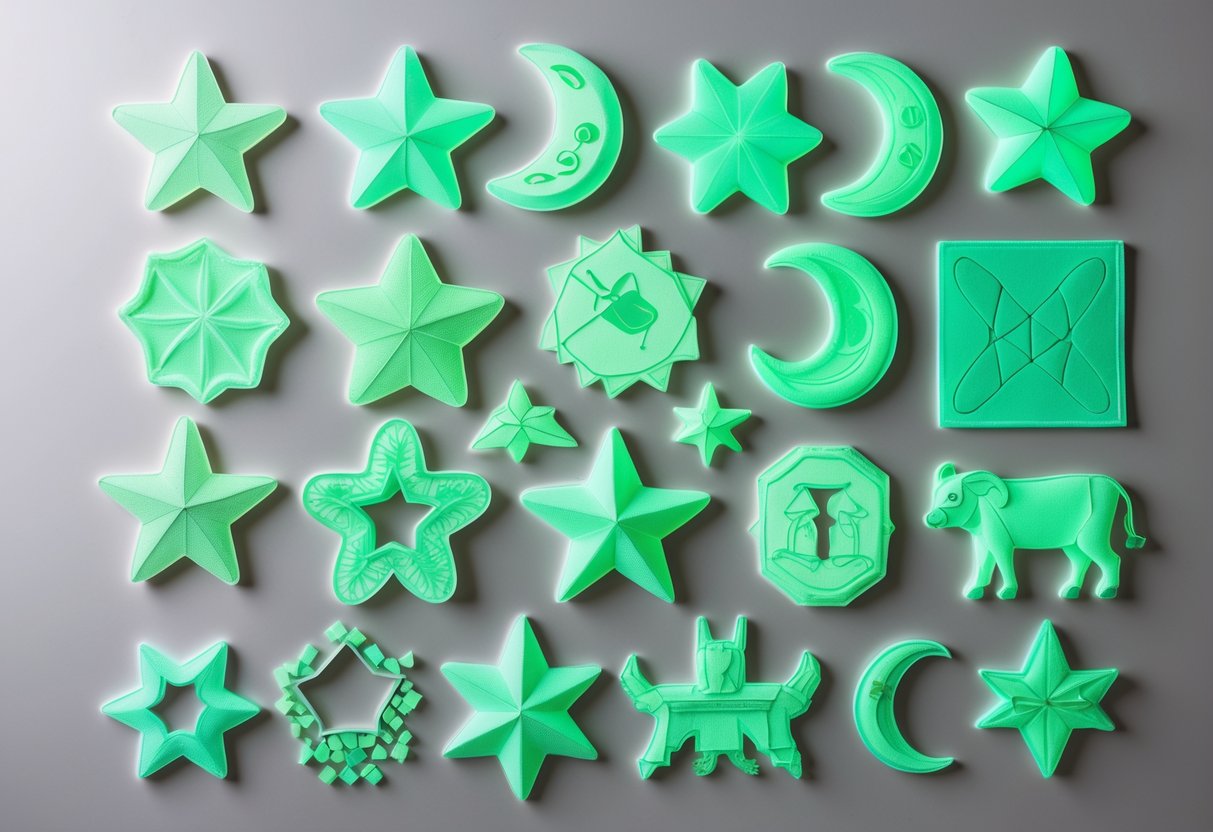
Glow-in-the-dark patches are made with special threads that store light and then glow when it is dark. These threads usually contain materials like zinc sulfide or strontium aluminate, which absorb light energy and release it slowly. This feature makes the patches visible in low-light conditions.
They are popular for both fashion and safety reasons. People use them on clothing, hats, backpacks, and uniforms to add a unique look that stands out at night.
These patches work best after exposure to strong light, especially sunlight or UV light. When the lights go out, the stored energy makes the patch shine, often in green or off-white tones.
Glow-in-the-dark patches also help improve visibility in places with low light, such as on safety gear or tactical uniforms. Their ability to combine style and function makes them useful in many areas.
Prices for these patches vary depending on size and design, but they generally start from a few dollars each when ordered in bulk. They offer a creative way to add both brightness and utility to fabric items.
10) Reflective Patches
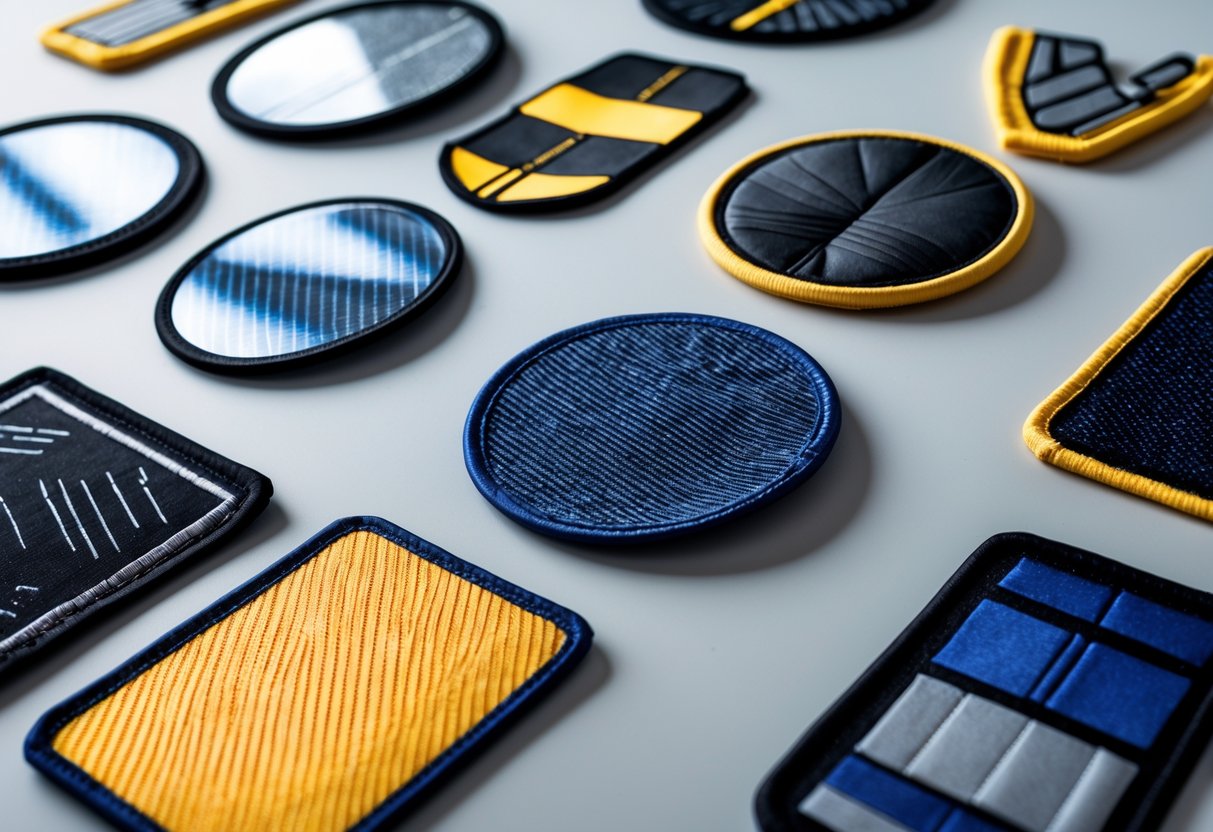
Reflective patches are designed to increase visibility in low-light conditions. They use special materials that reflect light back to its source, making the wearer easier to see at night.
These patches are often used on safety gear, uniforms, and outdoor clothing. They help improve safety for workers, cyclists, and pedestrians in the dark.
Reflective patches come in different shapes and sizes. They can be sewn or heat-applied to various fabrics.
They are durable and weather-resistant, which makes them suitable for outdoor use. The reflective surface usually does not fade quickly.
Because of their practical purpose, reflective patches focus more on function than decoration. They are helpful additions for anyone needing extra visibility.
Materials and Production Methods
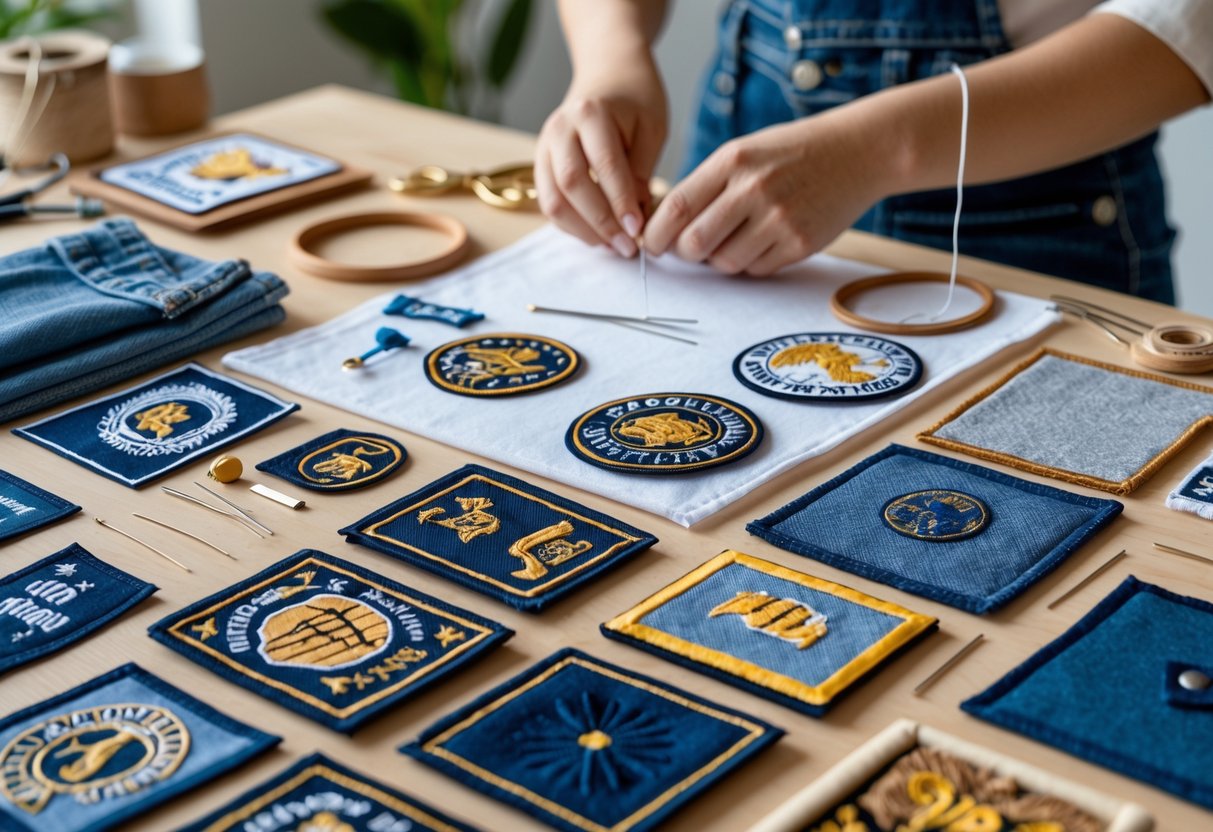
Patches are made from various materials chosen for strength and appearance. The production process affects the patch’s final look, feel, and durability. Understanding fabric options and manufacturing techniques helps in selecting the best patch for each use.
Fabric Selection and Durability
Common fabrics for patches include twill, felt, leather, and PVC. Twill is strong and smooth, making it ideal for embroidery. Felt offers a soft texture but is less durable outdoors.
Leather patches provide a sturdy, premium look but require special care. PVC patches are waterproof and flexible, suited for harsh conditions.
Durability depends on the fabric’s resistance to factors like washing, sunlight, and wear. For outdoor or work clothing, PVC or twill is often preferred due to their toughness.
The backing type, such as iron-on or Velcro, also impacts how well a patch holds up and how it is attached.
Techniques in Patch Manufacturing
Embroidery is the most common method, where thread is stitched into fabric to create designs. It offers detailed, textured patches.
Woven patches use thread woven on a loom for finer detail and smooth surfaces. These are thinner and less textured than embroidered ones.
PVC patches are made from soft plastic molded into shapes and colors. They are durable and water-resistant but less flexible.
Other methods include heat pressing, laser cutting, and chenille embroidery. Each technique affects the patch’s cost, look, and ideal use.
Choosing the right technique depends on design complexity, budget, and durability needs.
Choosing the Right Patch for Your Needs
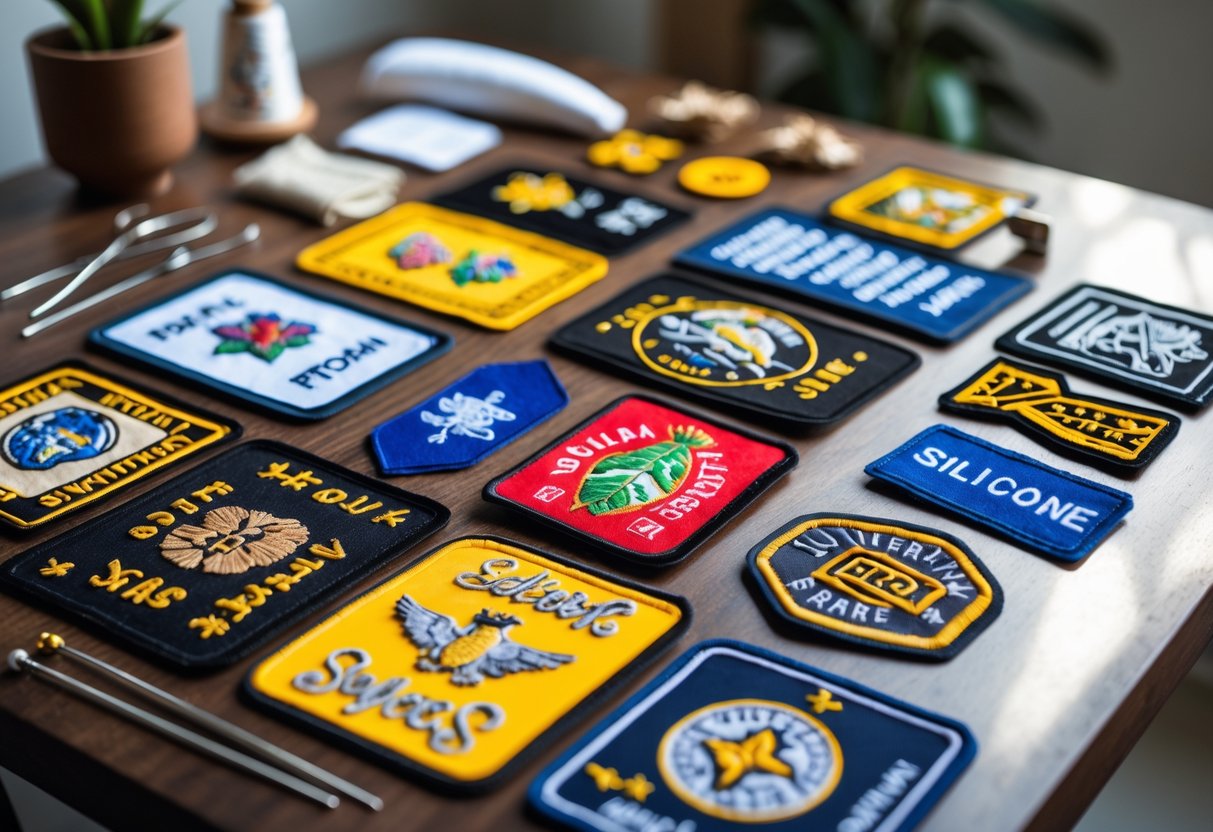
Selecting a patch depends on the way it will be used and the type of customization required. Knowing where the patch will go and how it should look helps in making the best choice. Durability, style, and design all play key roles.
Application and Usage Scenarios
Different patches suit different uses. For clothes that get washed often, embroidered or woven patches stand out because they hold up well to cleaning. For outdoor gear or uniforms, PVC patches are a better choice since they resist water and wear.
If the patch is for decoration on hats or bags, heat transfer or iron-on patches save time because they are easy to attach. For safety, reflective patches improve visibility in low light.
The surface and material where the patch will be placed also matter. Leather patches work well on thicker fabrics like jackets, while thin fabrics need lighter patches to avoid damage.
Customization Considerations
Design details affect patch choice. Embroidered patches allow for textured, classic looks with clear thread colors. Woven patches are best for fine, detailed images because they have a smooth finish.
Color options vary by material. PVC patches support bright, bold colors and shapes that stand out. Chenille patches add a fuzzy texture, which works well for sports teams.
Durability should match the patch’s use. Patches meant for heavy wear, like work uniforms, need strong backing and stitching. Custom finishes like glow-in-the-dark or reflective coatings serve specific functional needs.
Frequently Asked Questions
Different types of patches serve distinct purposes across clothing, medicine, technology, and home repairs. Their materials, designs, and applications vary to meet specific needs, from decoration and branding to health treatments and software fixes.
What are the various applications for different types of clothing patches?
Embroidered patches are popular for decoration and branding on jackets, uniforms, and backpacks.
Woven patches provide detailed designs with a smooth finish, suitable for high-quality apparel.
Chenille patches add texture and are often used in sports and varsity jackets.
PVC patches are durable and weather-resistant, making them good for outdoor gear.
Leather patches offer a classic look and are common on jeans and jackets.
How do transdermal patches work and what are the main categories?
Transdermal patches deliver medicine through the skin into the bloodstream.
Main categories include pain relief, nicotine replacement, hormone therapy, and motion sickness patches.
They provide controlled release of medication for steady absorption over time.
Can you outline the differences between patches used in software applications?
Software patches fix bugs, improve security, or add features in programs.
They come as hotfixes, service packs, or updates, depending on scope and size.
Unlike physical patches, these are digital files applied to the software system.
What are the techniques for patching in home economics and their purposes?
In home economics, patching repairs torn or worn fabric in clothes or household textiles.
Techniques include sewing on fabric patches, darning, or using iron-on patches for quick fixes.
This extends the life of items and prevents further damage.
What are the primary types of embroidered patches and their uses?
Basic embroidered patches use thread stitched on fabric backing and are good for logos.
3D embroidered patches use thicker thread for raised designs, adding a textured look.
Low-profile patches have a flat stitch pattern, ideal for detailed images and text.
How do patches function in the medical field and what varieties exist?
Medical patches administer drugs or monitor health through the skin.
Types include nicotine, contraceptive, pain relief, and glucose monitoring patches.
They allow non-invasive, controlled treatment or data collection without pills or needles.