
10 Type Of Men’s Underwear : Guide to Styles and Uses
Men’s underwear comes in many styles, each designed to offer different levels of comfort, support, and fit. Choosing the right type helps improve daily comfort and confidence.
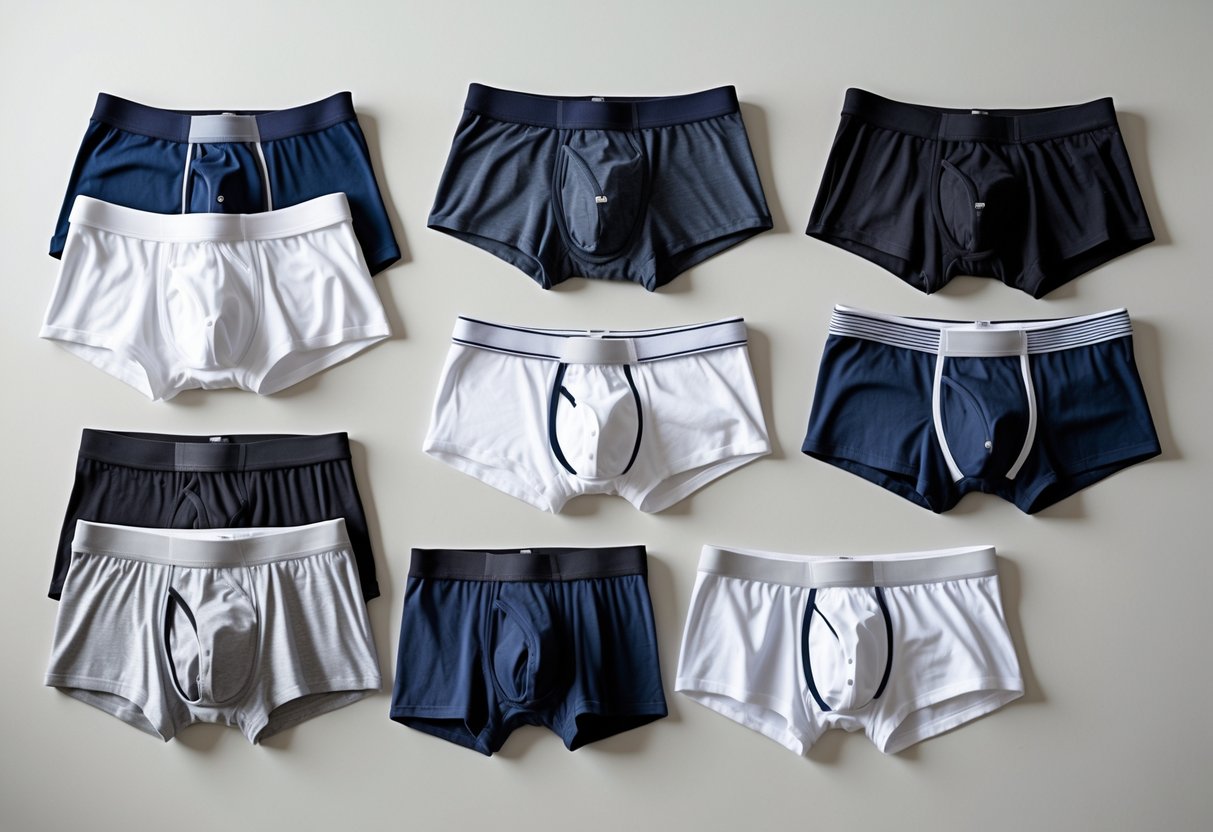
Understanding the different types of mens underwear allows individuals to find the best option for their body and lifestyle needs. This guide will cover key options and their main features without going into specific details yet.
1) Boxers
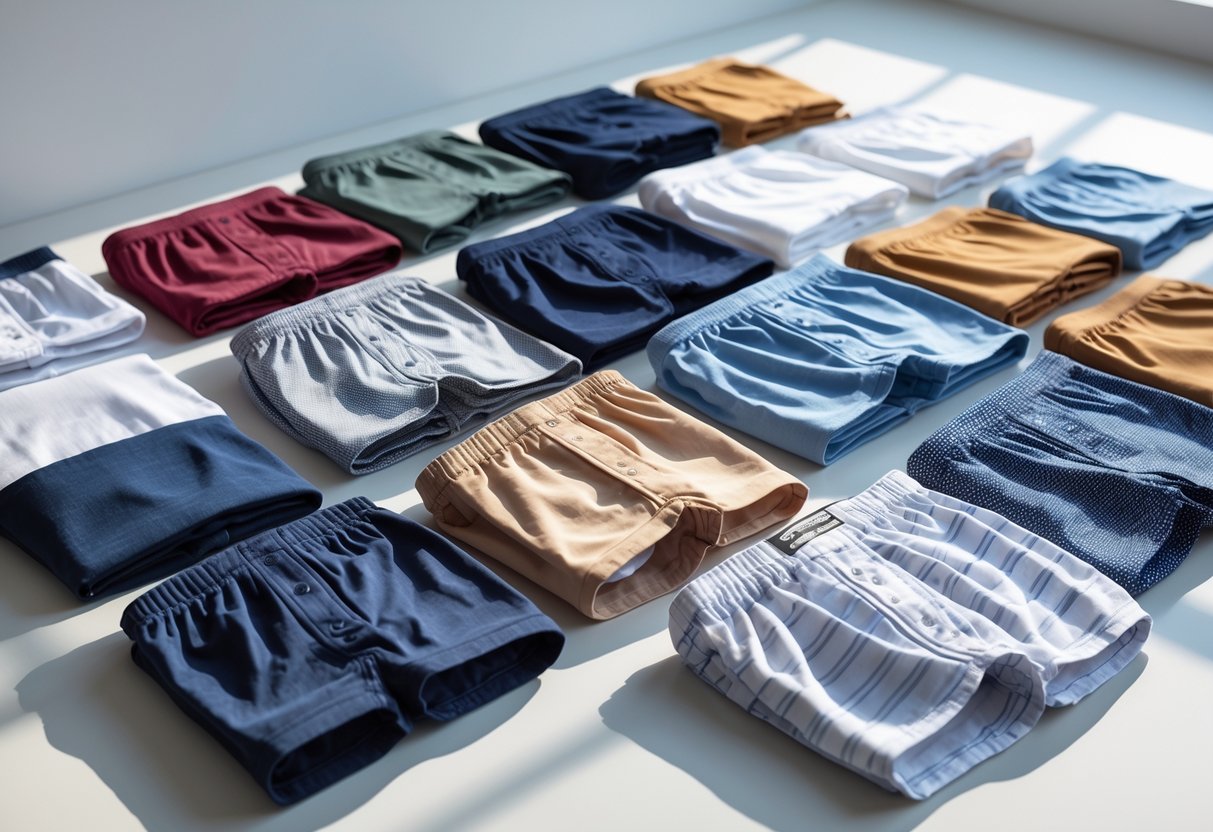
Boxers are one of the most popular types of men’s underwear. They are loose-fitting and provide full coverage, making them very comfortable for everyday wear. Many men prefer boxers because they allow for better airflow compared to tighter underwear styles.
Boxers come in different materials, including cotton and blends. Cotton boxers are soft and breathable, which helps keep the skin dry. Some boxers are designed with a relaxed fit, while others are more fitted but still maintain a looser feel than briefs or boxer briefs.
These underwear are a good choice for men who want comfort over support. However, boxers may not provide enough support for high-intensity activities. For those activities, other styles like boxer briefs might be better suited.
Boxers are also easy to wear under most clothing types. They do not cling to the skin, which helps reduce sweating and irritation. This makes boxers a practical option for daily use.
2) Briefs
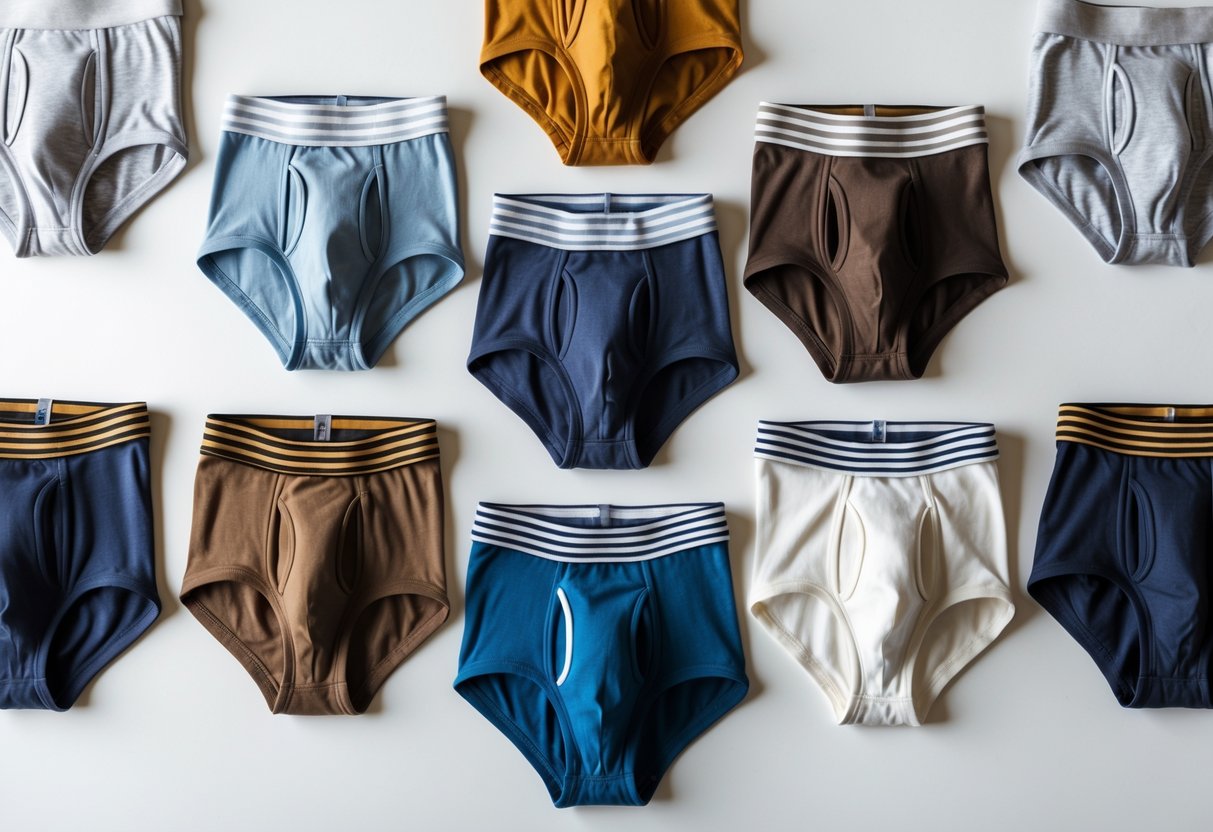
Briefs are a classic style of men’s underwear that offer full coverage and support. They fit snugly around the waist and cover the entire rear, making them a popular choice for daily wear.
They have an elastic waistband and a high-cut leg opening. This design allows for good freedom of movement while keeping everything in place.
Briefs work well under tight clothing because they reduce bunching and visible lines. Many men prefer them for comfort during physical activities or long hours of wear.
The fabric is usually cotton or cotton blends, which provide breathability and softness. Some briefs have a front pouch for added support and comfort.
In recent years, briefs have made a comeback due to their practical design and comfort. They suit a wide range of body types and can be found in many colors and patterns.
3) Boxer Briefs
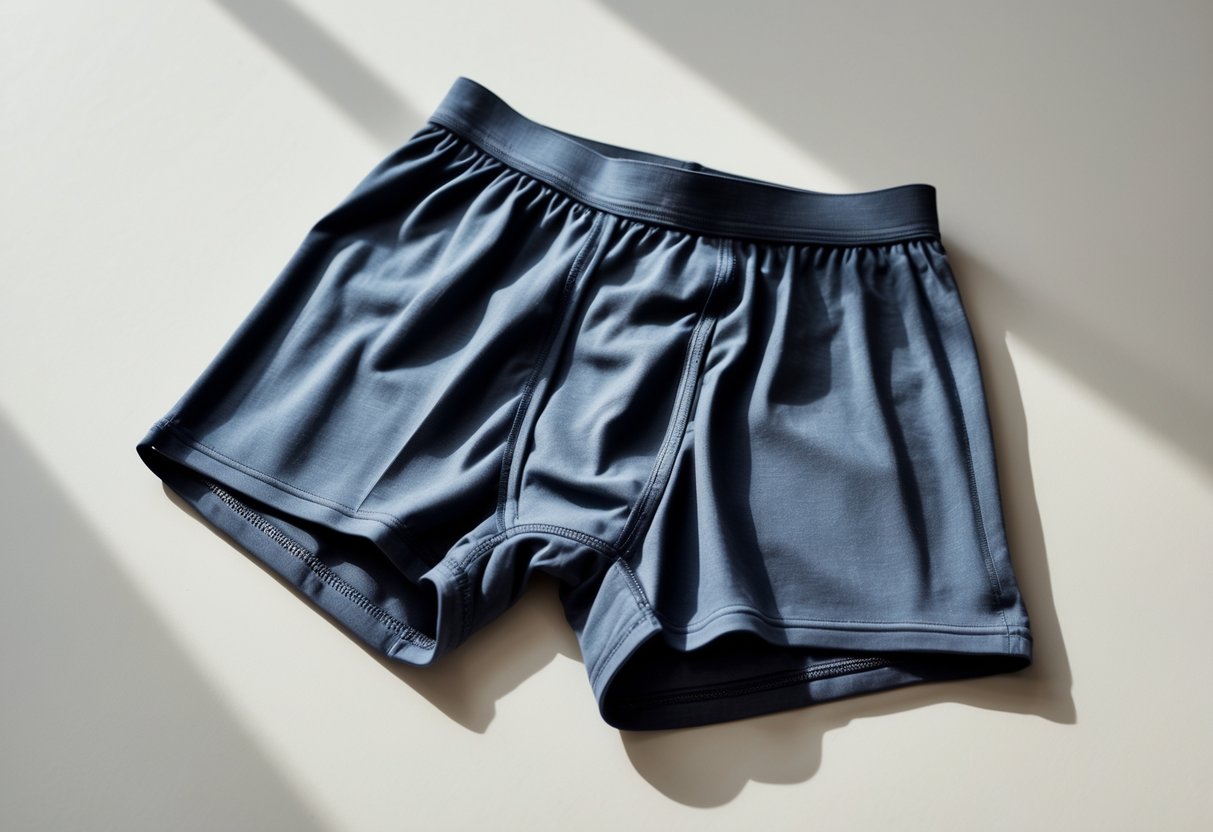
Boxer briefs are a popular style of men’s underwear that combines features of both boxers and briefs. They fit snugly like briefs but offer more coverage, extending down the thighs. This makes them a good choice for men who want support and comfort together.
They became widely popular in the 1990s and remain a favorite for everyday wear. Boxer briefs provide support for physical activities and sports without being as loose as traditional boxers. This fit can help prevent chafing and stay in place during movement.
The length of boxer briefs usually reaches mid-thigh, which offers more coverage than briefs but less than long boxers. Many men find this style suitable for both casual and active use. The form-fitting design also helps with moisture control and reduces bunching.
4) Trunks
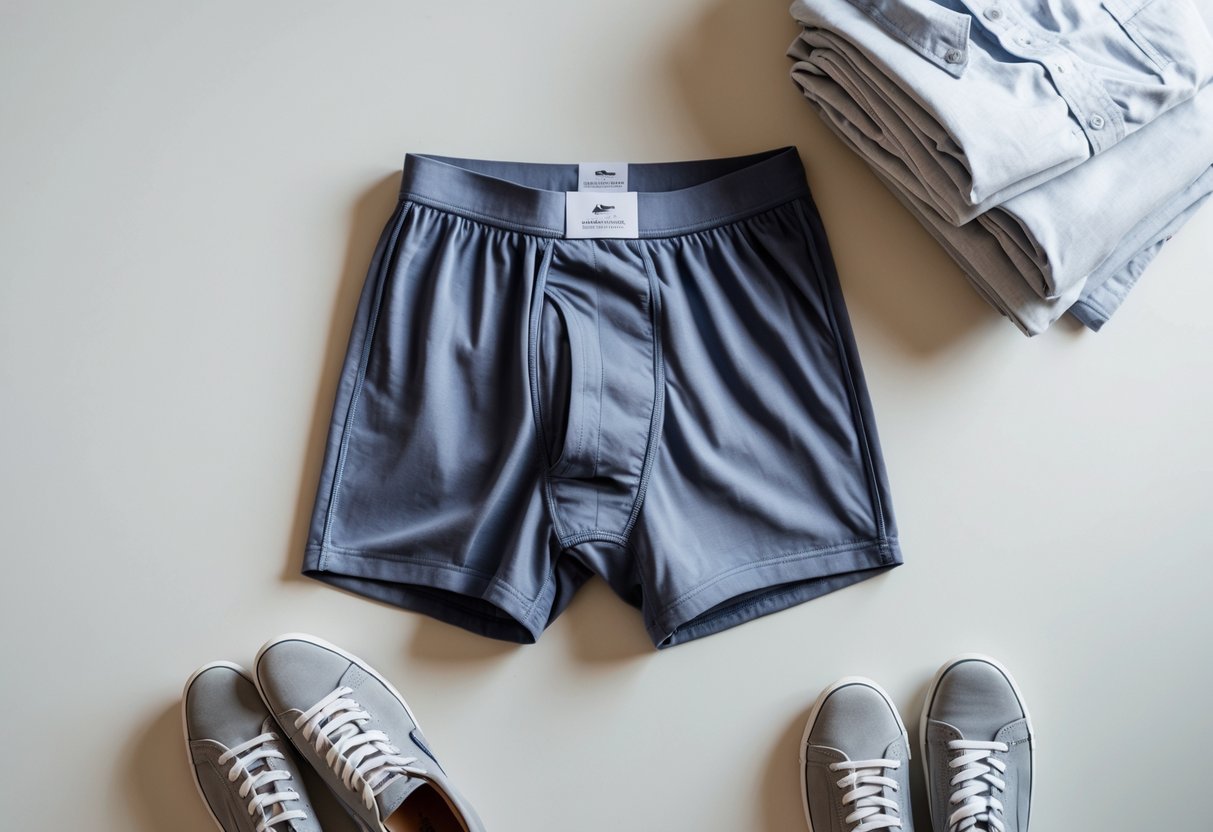
Trunks are a popular style of men’s underwear that combine features of briefs and boxer briefs. They have a square-cut shape, offering more coverage than briefs but less than boxer briefs.
This style usually fits snugly around the thighs with shorter legs. Trunks provide support without excess fabric, making them a good choice for everyday wear.
Many trunks are made with cotton or cotton blends, which makes them soft and breathable. This helps with comfort and moisture control throughout the day.
Trunks suit most body types because their shape is balanced and does not add bulk. They also work well under different clothes, including pants and shorts.
The snug fit and quality leg bands help trunks stay in place without riding up. This makes them reliable for active days and simple daily use.
5) Thongs
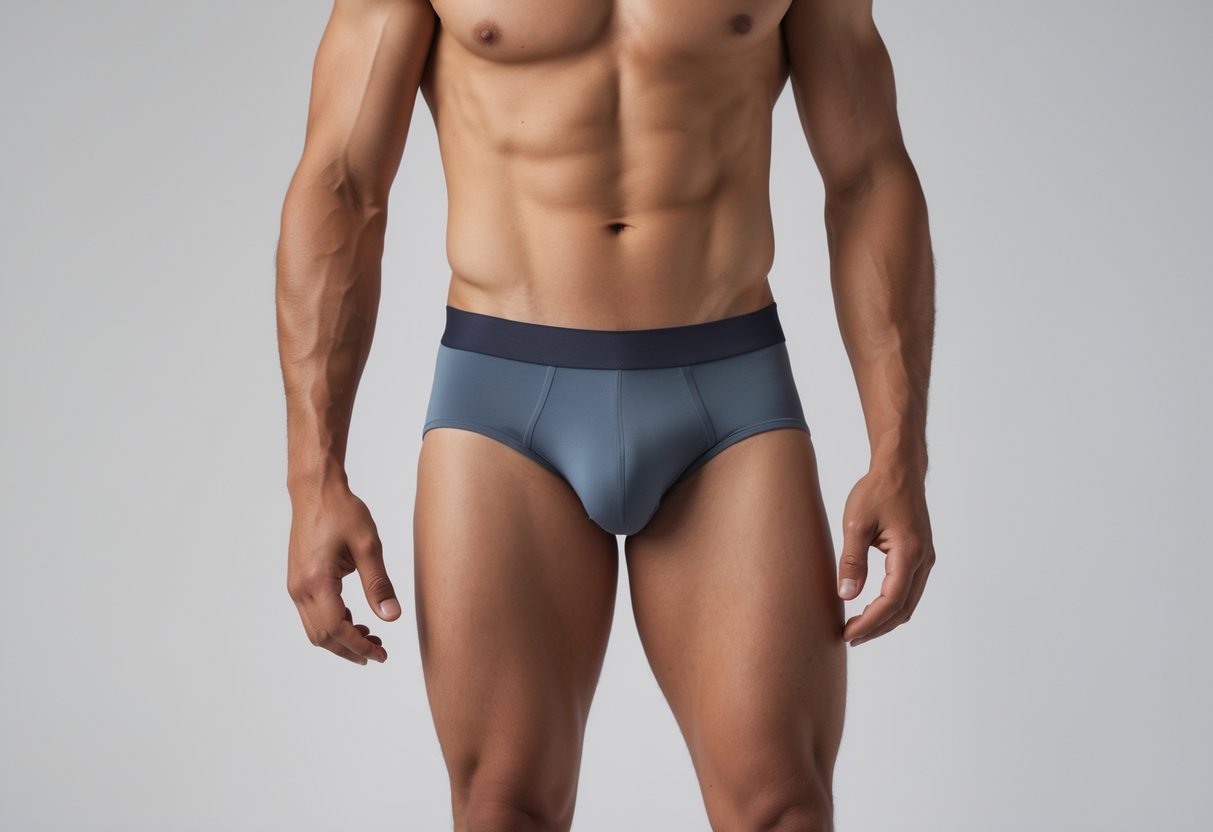
Thongs are a type of men’s underwear designed with minimal fabric at the back. They usually have a narrow strip that fits between the buttocks, providing less coverage than briefs or boxers.
Many men choose thongs for their ability to stay hidden under tight or fitted clothing. This makes them a popular option for those wanting no visible underwear lines.
Thongs come in various styles, such as classic, sport, and pouch designs. Fabrics like cotton, modal, and microfiber are common, offering breathability and comfort.
They are also favored in hot weather because they allow better airflow compared to other underwear types. However, comfort levels may vary depending on personal preference and fit.
Overall, thongs provide a mix of style, support, and invisibility. They are a practical choice for men who want underwear that combines function with a confident look.
6) Jockstraps
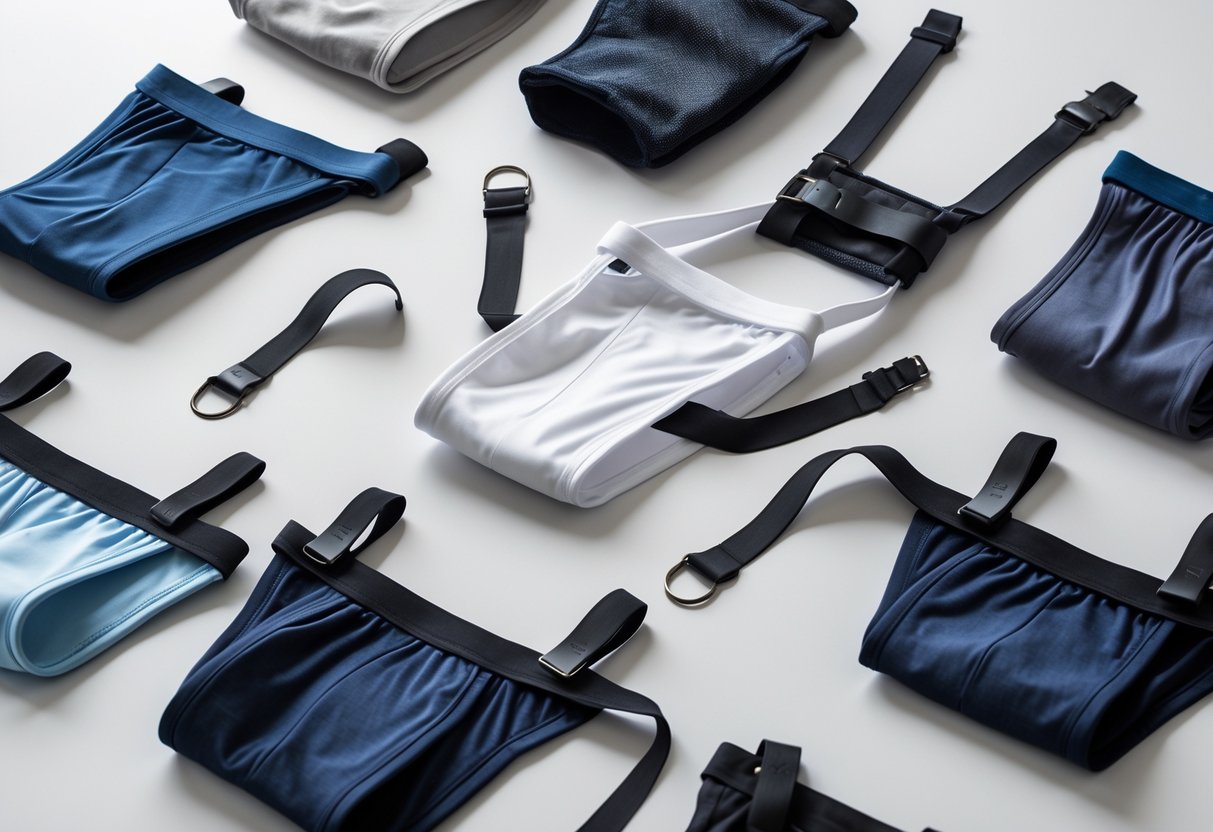
Jockstraps are a type of men’s underwear originally designed for athletic support. They have a front pouch that holds everything in place and two elastic straps that wrap around the buttocks, leaving the rear exposed. This design offers strong support and breathability.
Today, many men choose jockstraps for both sports and everyday wear. They provide comfort by reducing friction and preventing fabric from riding up. Because they keep everything secure, they work well during physical activities.
Jockstraps also come in many styles and fabrics now. Some focus on style and fashion, while others prioritize comfort and performance. Men who want support without extra fabric on the back may prefer jockstraps over briefs or boxer briefs.
Choosing a jockstrap depends on personal comfort and the intended use. They are especially popular among athletes or those who want a no-ride fit. The design helps keep the wearer cool and offers good support compared to other underwear types.
7) Bikini Cut
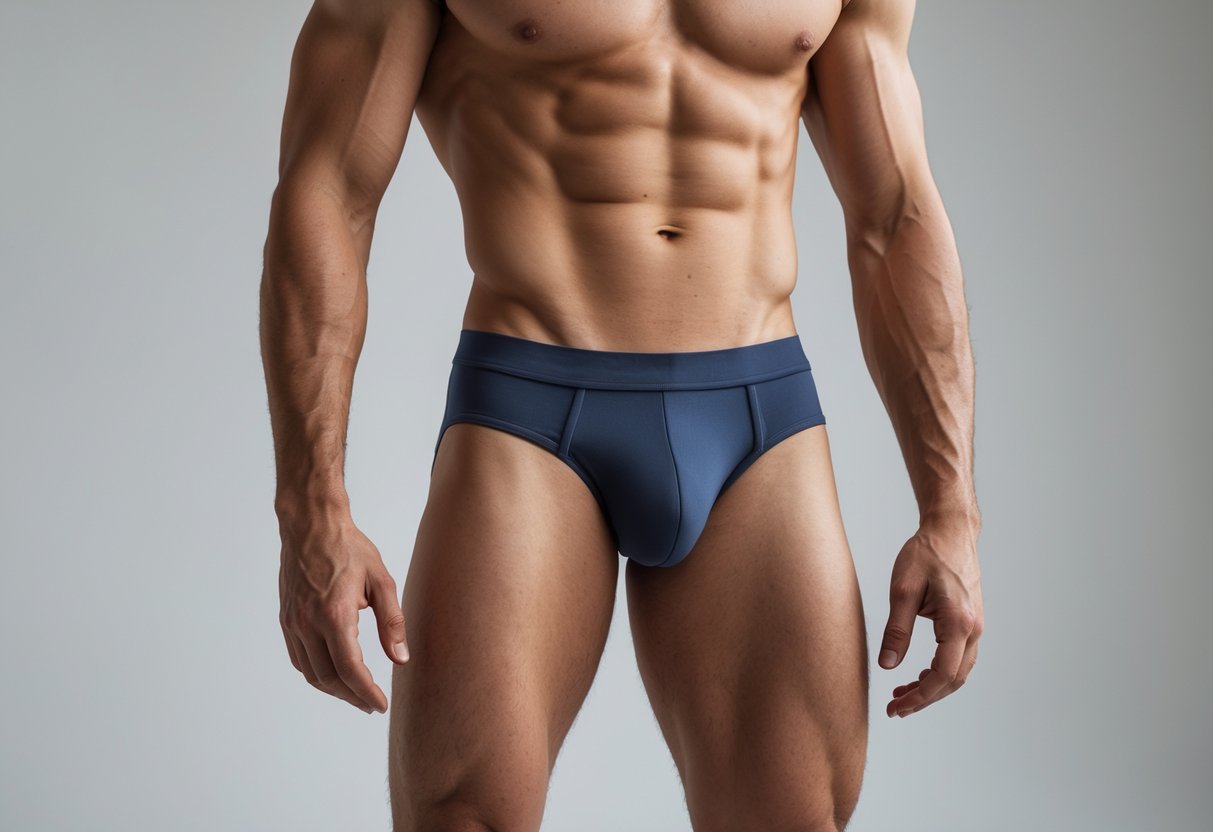
The bikini cut is a low-rise style of men’s underwear. It features higher-cut leg openings and less coverage on the sides and back compared to traditional briefs. This design creates a sleek and modern look.
Men choose bikini cut underwear for its balance of comfort and style. It fits close to the body and works well under tight or fitted clothing. The cut reduces visible lines and helps maintain a smooth silhouette.
Bikini underwear offers moderate rear coverage, which some find more comfortable than briefs with full coverage. It is usually made from soft, stretchy fabrics to ensure a snug but flexible fit. Many prefer it because it feels less restrictive.
This style comes in different variations, including classic, high-cut, and string versions. Each offers a slightly different fit but keeps the core low-rise shape. It suits those who want minimalist underwear with a modern edge.
8) Cotton-Elastane Blend Underwear
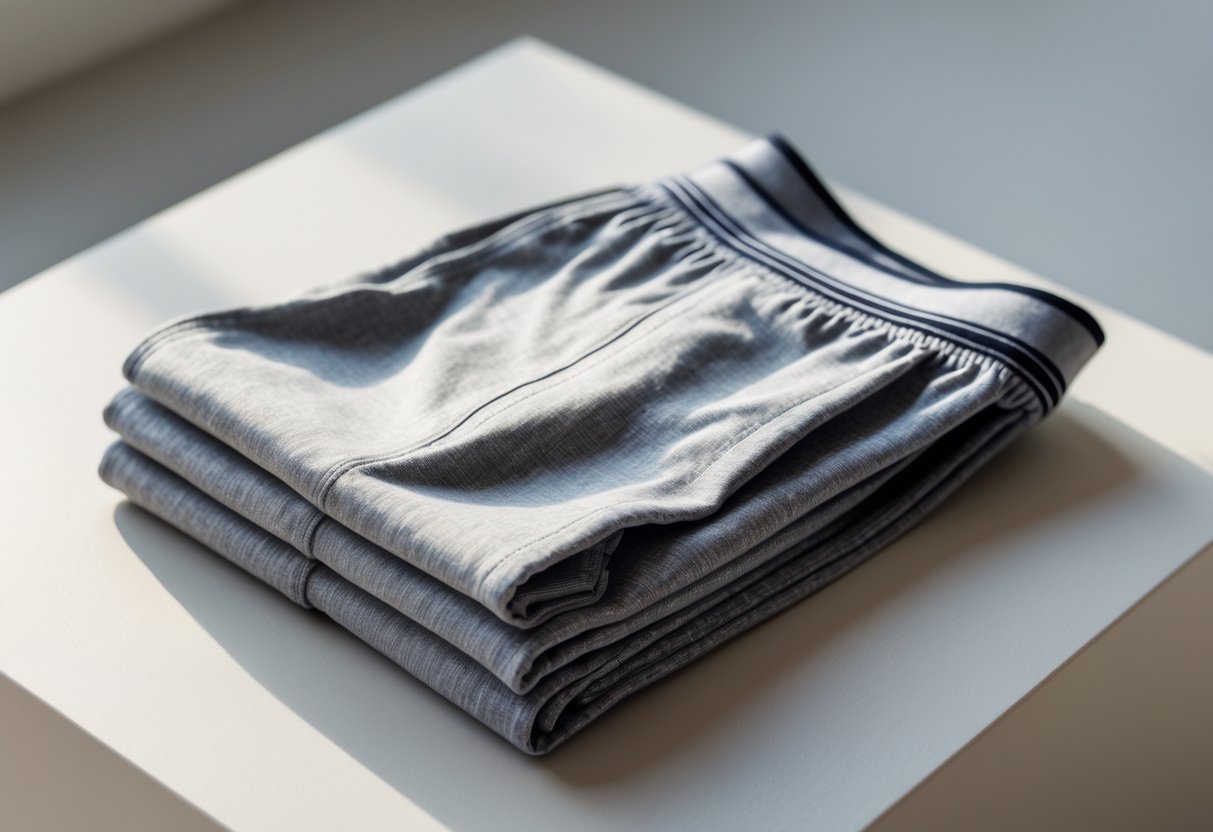
Cotton-elastane blend underwear combines natural cotton with a small percentage of elastane or spandex. This mix offers softness and breathability from cotton while adding stretch and durability from elastane. It helps the underwear keep its shape and fit better.
This blend is popular for everyday wear because it provides comfort and support. It suits people with active lifestyles who need underwear that moves with them. The fabric also dries relatively quickly and reduces irritation.
Most cotton-elastane blends contain around 95% cotton and 5% elastane. This ratio balances comfort and flexibility well. It fits snugly without feeling tight, which helps prevent bunching or riding up.
Many brands use this blend to make boxer briefs, trunks, and briefs. It is easy to care for and usually holds up well to washing. This type of underwear is widely recommended for its practical comfort and reliable wear.
9) Bamboo Viscose Underwear
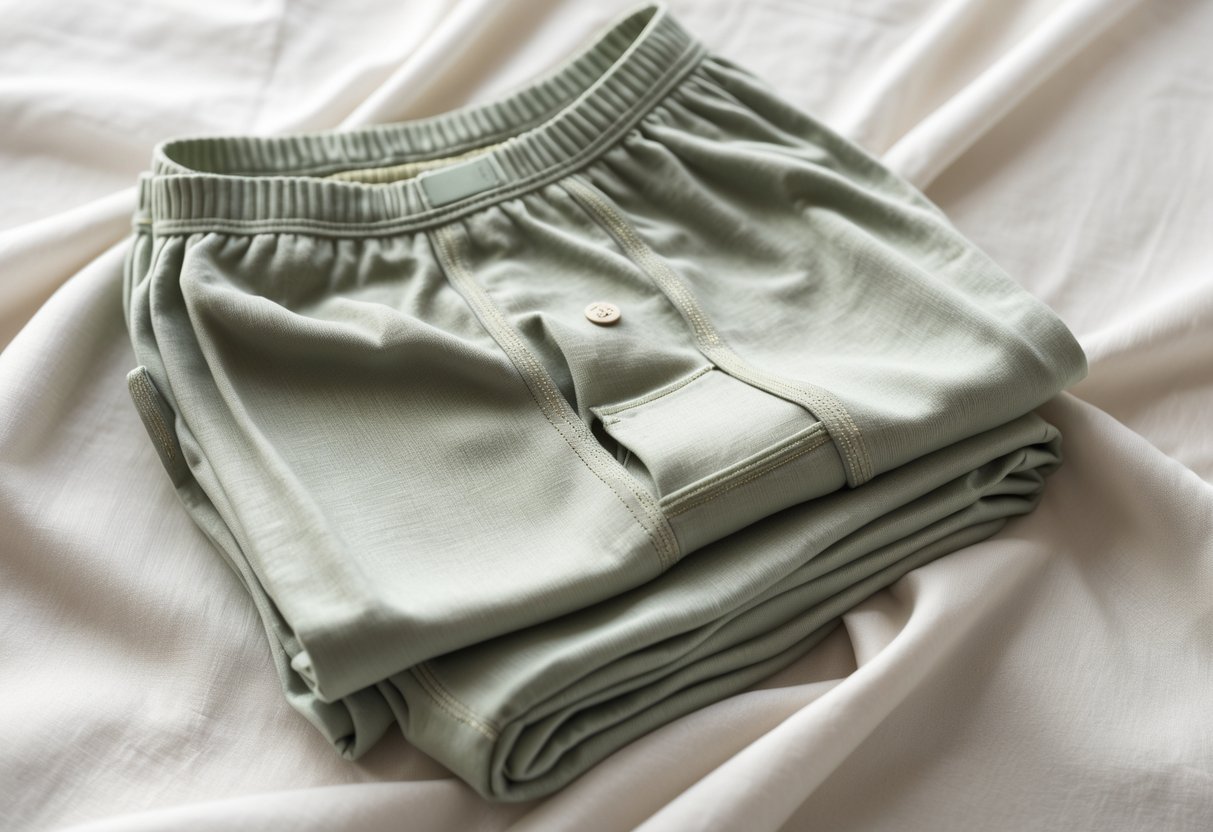
Bamboo viscose underwear is known for being soft and breathable. The fabric helps wick away moisture, keeping the wearer dry during daily activities. It is also gentle on sensitive skin, reducing the chance of irritation.
This type of underwear often includes a blend with materials like spandex. This adds stretch, improving fit and comfort. The combination makes the underwear flexible and supportive without feeling tight.
Bamboo viscose is eco-friendly because it comes from a renewable resource. It also dries faster than cotton and tends to stay cooler in warm weather. These qualities make it a practical choice for men seeking comfort and sustainability.
Many brands offer bamboo viscose underwear in various styles, from briefs to boxer briefs. Sizes and colors vary, giving options for different preferences. The fabric’s natural odor resistance adds to its appeal for everyday wear.
10) Performance Fabric Underwear
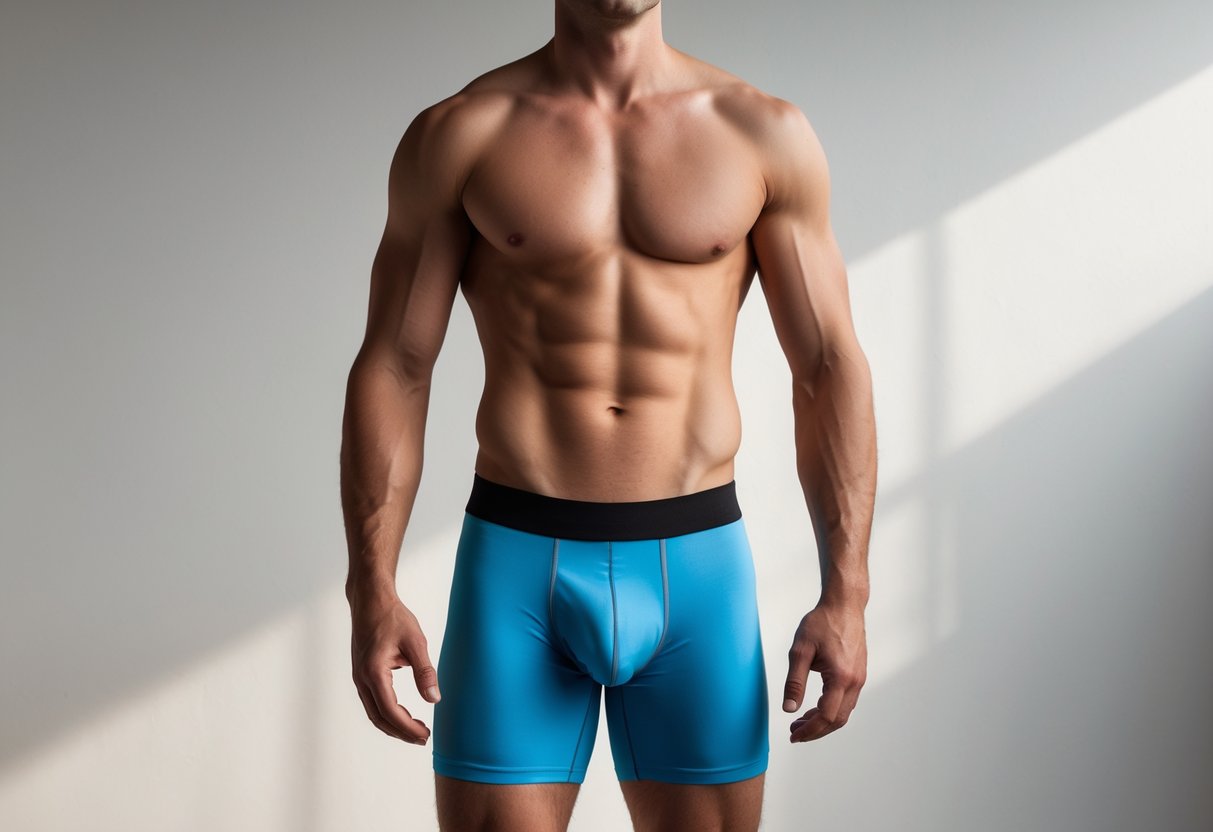
Performance fabric underwear is designed to support an active lifestyle. These fabrics often include materials like polyester, nylon, and spandex. They are chosen for their ability to wick moisture away from the body.
These fabrics help keep the wearer dry and comfortable, especially during exercise or hot weather. They also tend to dry faster than natural fibers like cotton.
Some performance fabrics include natural options such as merino wool. Merino wool is soft, breathable, and resists odor, making it a good choice for sports or long wear.
The stretch in fabrics like spandex adds to comfort and allows for better movement. This is important for athletic activities where flexibility is needed.
Performance fabric underwear also tends to be lightweight and durable. This helps maintain shape and fit after repeated use and washing.
Key Considerations When Choosing Men’s Underwear
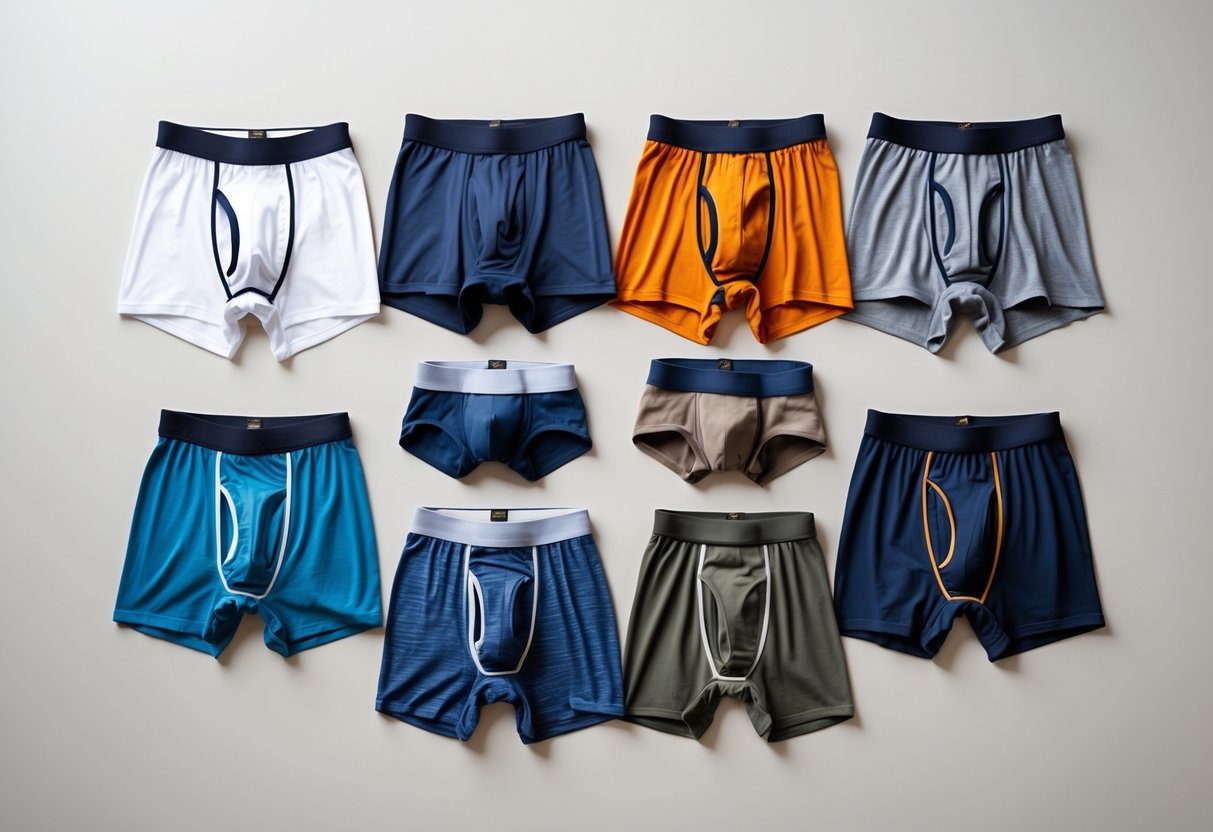
Choosing the right men’s underwear depends on several specific factors. These include the fabric used, the level of support and comfort provided, and how active the wearer is throughout the day. Each aspect influences how well the underwear performs and how comfortable it feels.
Material and Fabric Options
The fabric affects breathability, moisture control, and durability. Common fabrics include cotton, which is soft and breathable but can hold moisture. Synthetic blends like polyester and nylon wick sweat and dry faster.
For sensitive skin, bamboo or modal fabrics offer softness and natural moisture control.
Natural fabrics tend to be better for everyday wear, while synthetics work well in active or hot conditions. Look for underwear with a mix of cotton and elastane for stretch and fit.
Support and Comfort Factors
Underwear must provide the right support depending on the wearer’s needs. Some styles like briefs offer firm support, while boxers are looser and less supportive.
A well-designed pouch or contouring can prevent discomfort and chafing. Flat seams reduce irritation, especially during movement.
Elastic waistbands should be snug but not tight to avoid digging into the skin. Comfort depends on both the fit and construction quality.
Impact of Activity Level
Men with active lifestyles need underwear designed for movement and moisture control. Athletic underwear usually features quick-drying fabrics and extra support to prevent slipping.
For gym or sports use, styles like trunks or briefs are common because they offer more stability than boxers.
Men with sedentary routines might prefer boxers for comfort and breathability. Considering daily activities helps select underwear that can keep up without sacrificing comfort.
Men’s Underwear Care and Maintenance

Proper care helps keep men’s underwear comfortable, clean, and in good shape longer. Paying attention to how underwear is washed and stored can prevent damage and maintain fit and hygiene.
Proper Washing Techniques
Men’s underwear should be washed separately from heavy items like jeans or towels to avoid stretching or damage. Using cold or warm water helps protect the fabric and color.
A gentle cycle and mild detergent are best. Avoid bleach or harsh chemicals because they weaken fibers and cause irritation. Fabric softeners can reduce absorbency and damage certain materials, so use them sparingly or not at all.
Delicate fabrics like silk or lace may require hand washing to keep their shape and texture. After washing, gently squeeze out excess water without wringing, which can cause distortion.
Maximizing Longevity
Drying underwear properly extends its life. Air drying is preferred; it prevents shrinking and fabric breakdown caused by the heat of dryers. Hanging underwear flat or on a drying rack keeps the shape intact.
Storage also matters. Underwear should be kept clean and dry, folded neatly rather than tossed in a drawer. This avoids unnecessary stretching or wrinkles.
Replacing underwear once it loses elasticity or shows thinning fabric is important for comfort and hygiene. Regular maintenance, including rotating pairs evenly, reduces wear from overuse.
Key tips summarized:
| Care Step | Recommended Action |
|---|---|
| Washing | Cold/warm water, gentle cycle |
| Detergents | Mild, no bleach or strong chemicals |
| Handling Delicates | Hand wash, avoid wringing |
| Drying | Air dry flat or on rack |
| Storage | Fold neatly, keep dry |
| Replacement Timing | When elasticity or fabric thins |
Frequently Asked Questions
Men’s underwear comes in several styles, each designed with specific fits and purposes. The materials used, fit, and size all play important roles in comfort, health, and activity suitability.
What are the various styles of men’s underwear currently popular?
The main popular styles include boxers, briefs, boxer briefs, trunks, and thongs. Boxers offer a loose fit, while briefs provide firm support. Boxer briefs combine coverage and support. Trunks are shorter than boxer briefs but similar in shape. Thongs offer minimal coverage and are less common.
How do different types of men’s underwear affect comfort and health?
Tighter underwear like briefs and boxer briefs can provide support but may reduce airflow. Loose styles such as boxers allow better ventilation, which can be healthier for skin. It’s important to balance support with breathability to avoid irritation or overheating.
What are the best men’s underwear for sports and physical activities?
Boxer briefs and trunks are often preferred for physical activities because they offer support and reduce chafing. Some designs include special pouches for extra lift and moisture control. Breathable, stretchy fabrics enhance comfort during exercise.
What materials are commonly used in the manufacturing of men’s underwear?
Cotton is widely used for comfort and breathability. Synthetic fabrics such as polyester and nylon are common in sport-focused underwear for moisture-wicking and stretch. Bamboo and modal fabrics have gained popularity for their softness and eco-friendliness.
Are there any emerging trends in men’s underwear styles?
Sustainable fabrics like bamboo and recycled fibers are becoming more popular. Underwear with ergonomic pouches designed to reduce sweat and friction is also trending. Styles now often focus on combining comfort with performance features.
How does one choose the right size when shopping for men’s underwear?
Choosing the right size depends on waist measurements and brand sizing charts. Underwear should fit snugly but not be too tight. Proper fit prevents discomfort and skin irritation while ensuring adequate support.