29 Lightest Fabrics for Breathable and Comfortable Clothing
Choosing the right fabric is important for making clothing that feels good to wear, especially in warm weather. Lightweight fabrics help keep the body cool and comfortable by allowing air to flow and moisture to escape. The lightest fabrics are key to creating breathable and comfortable clothing for different occasions.
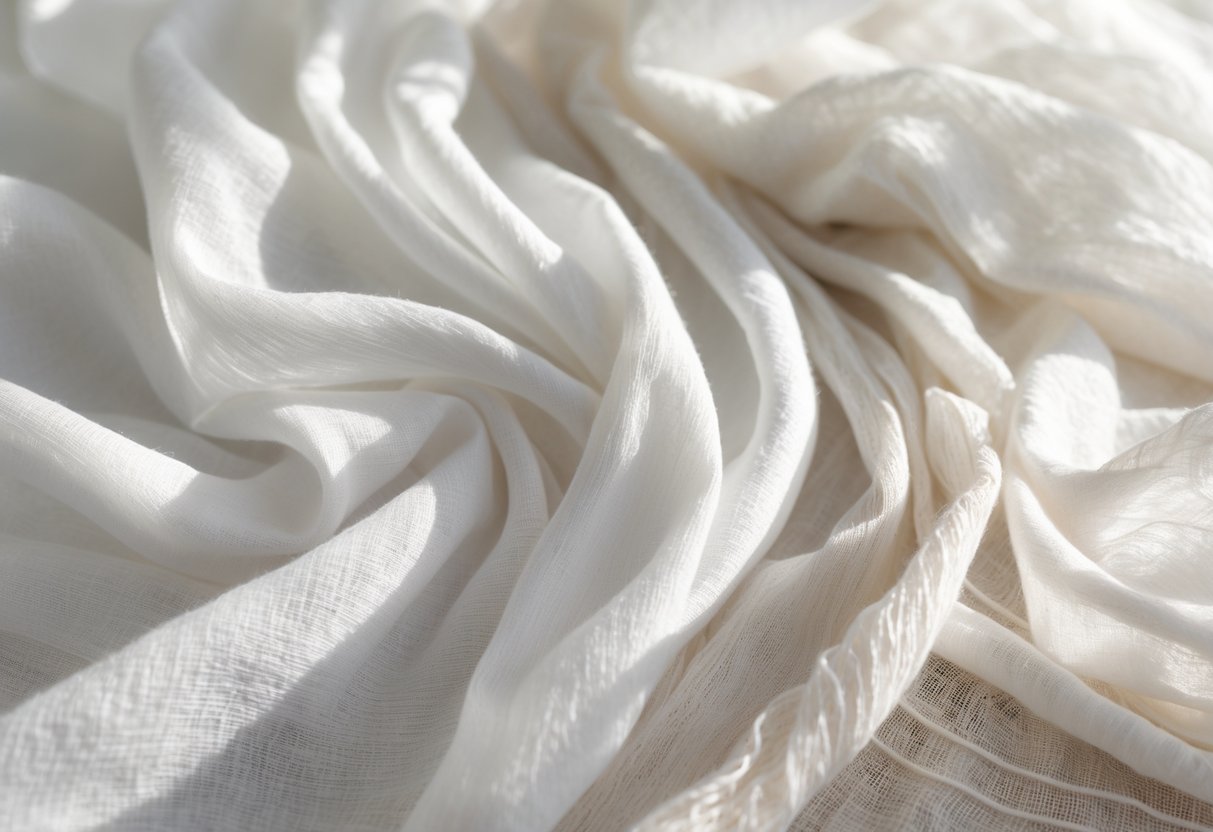
This article explores 29 of the lightest fabrics available, focusing on how their properties contribute to comfort and breathability. It offers useful information for anyone interested in clothing that stays cool without sacrificing style.
1) Cotton Voile
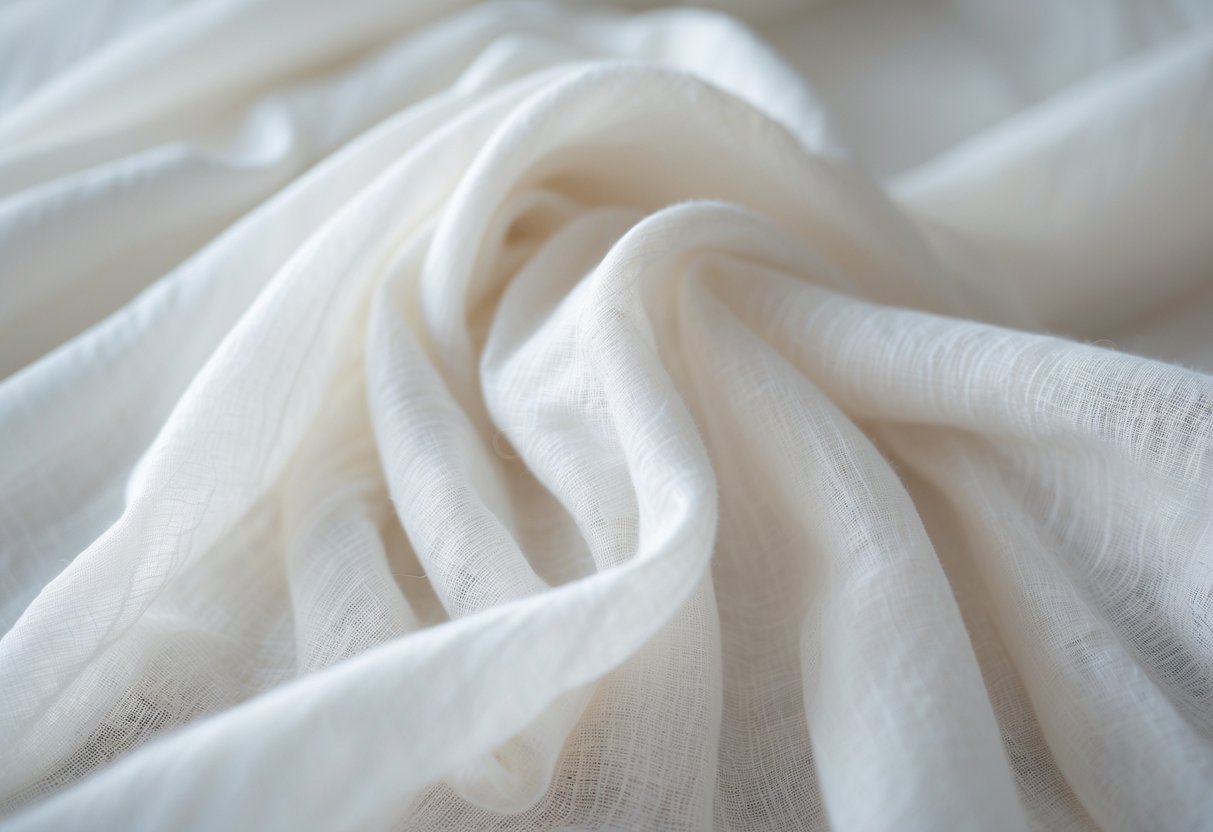
Cotton voile is a very lightweight fabric made from 100% cotton or cotton blends. It has a smooth, silky feel because of its high thread count.
This fabric is breathable and semi-sheer, making it excellent for summer clothing. It works well for dresses, blouses, skirts, and scarves.
Cotton voile is known for its softness and delicate texture. It allows air to flow easily, helping wearers stay cool in warm weather.
It comes in many colors and prints, including floral patterns, stripes, and polka dots. This variety makes it versatile for different fashion styles.
Because of its light weight and breathability, cotton voile is often chosen for airy and comfortable clothing. It is also easy to sew and care for, which is helpful in garment making.
2) Chiffon
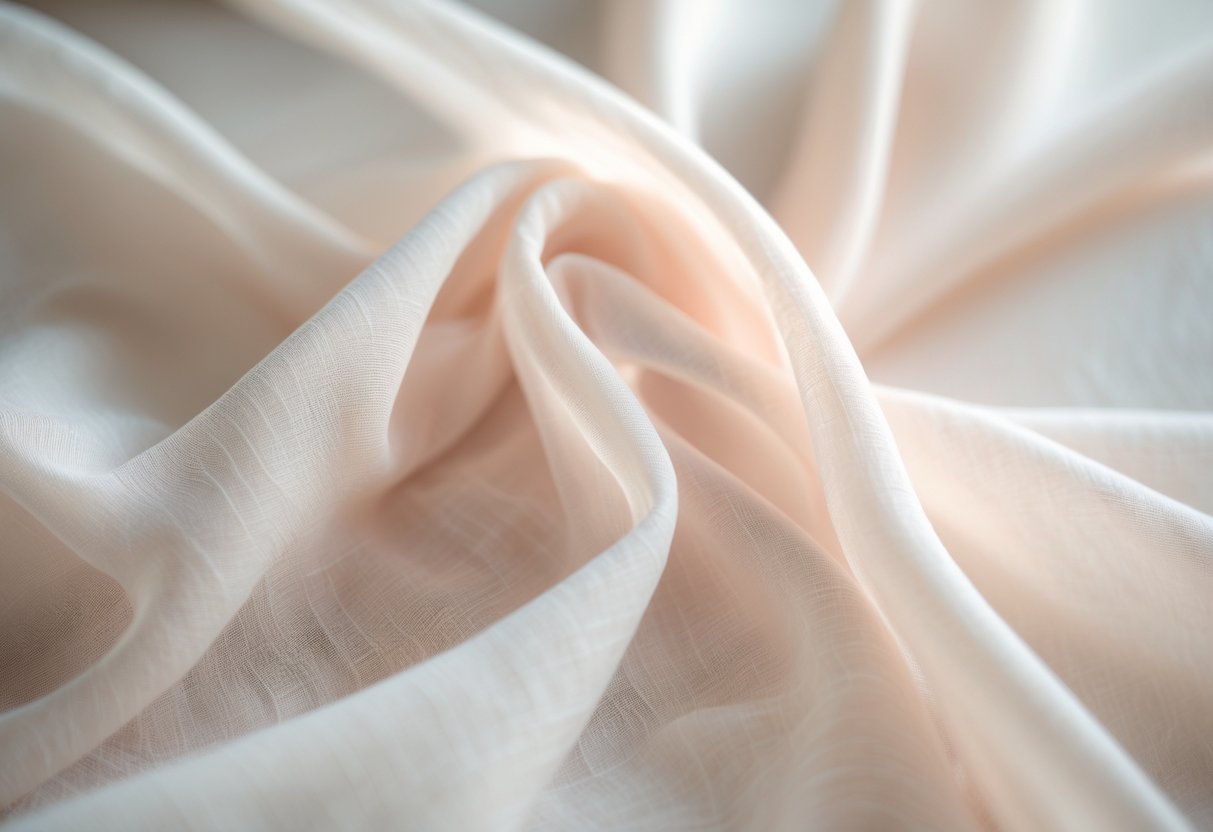
Chiffon is a very lightweight fabric known for its sheer and airy texture. It is usually made from silk, nylon, or polyester, which gives it a smooth and soft feel. This makes chiffon ideal for clothing that needs to flow and move easily.
It is often used for dresses, scarves, and blouses because it drapes well and adds a delicate look. Chiffon lets air pass through, which helps keep the wearer cool in warm weather. However, because it is thin, it often requires lining or layering.
Chiffon is also a popular choice for formal wear and summer clothes. It can be delicate, so it needs gentle care when washing. Its light weight and breathability make it practical for comfortable, stylish outfits in hot conditions.
3) Tencel
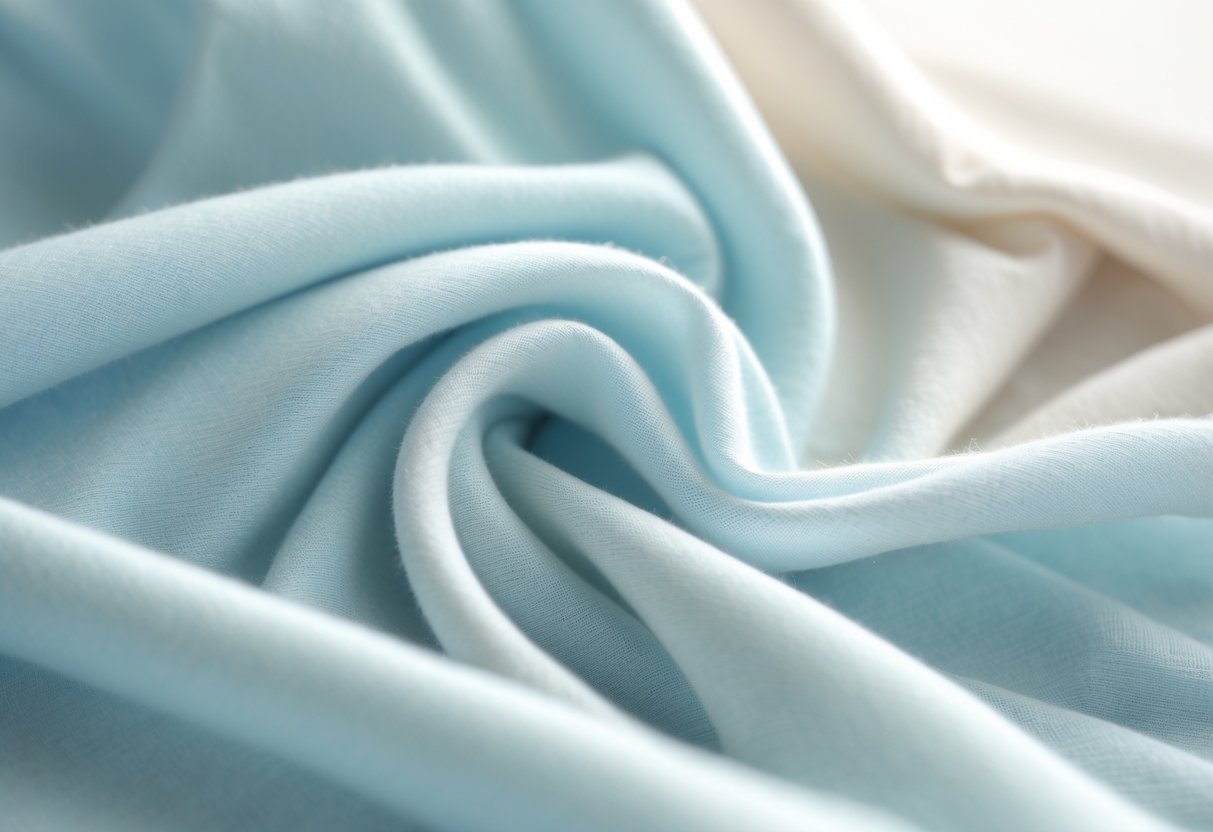
Tencel is a lightweight fabric made from wood pulp, often from eucalyptus trees. It is known for being soft and smooth to the touch. This fabric is breathable, allowing air to pass through easily and helping to keep the wearer cool.
It also manages moisture well, drawing sweat away from the skin. This makes it a good choice for hot weather and activewear. Tencel is durable, so clothes made from it tend to last longer even with regular use.
Tencel is considered eco-friendly because its production uses fewer chemicals and less water compared to other fabrics. Many brands use it to create sustainable clothing options.
The fabric works well for both casual and formal wear because of its comfortable feel and light weight. It blends easily with other fibers like cotton or silk to improve strength and texture.
While Tencel performs well in breathability and comfort, it can be more expensive than synthetic materials. Still, it remains a popular choice for those who want breathable, sustainable clothing.
4) Linen
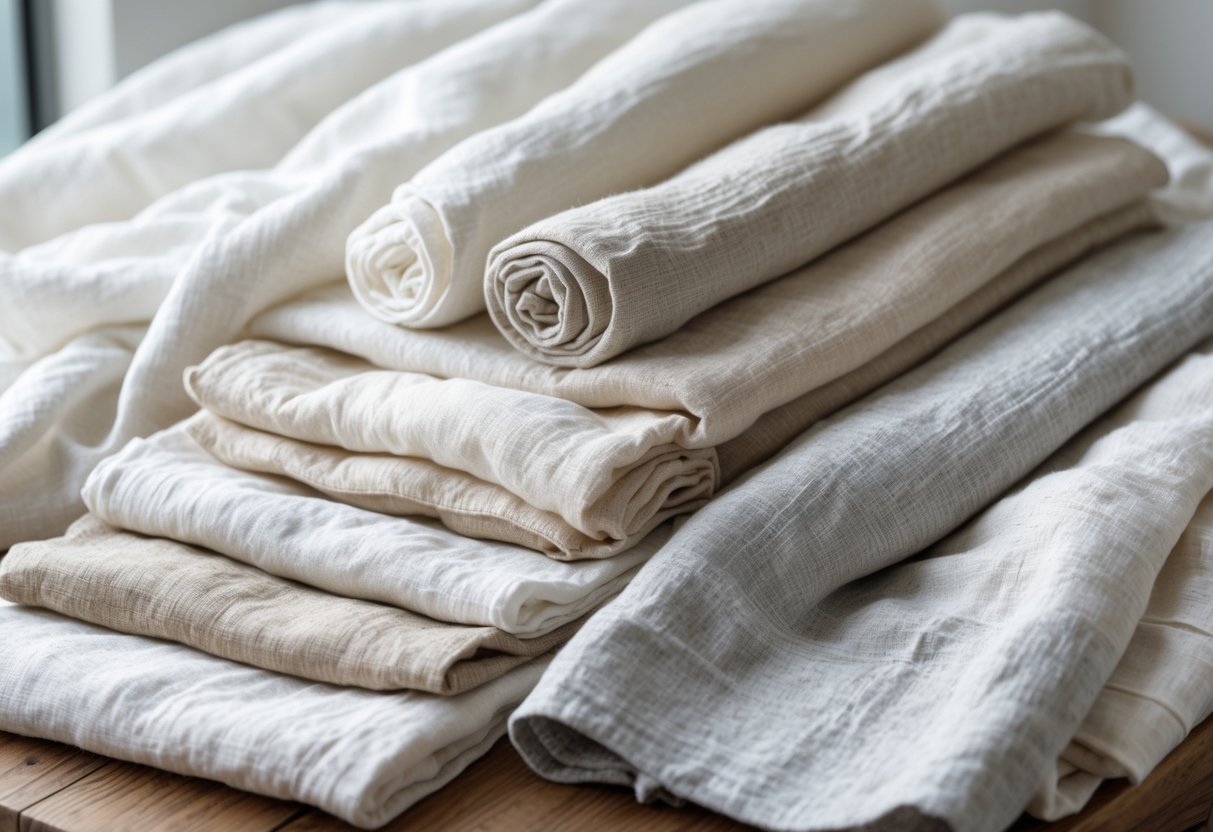
Linen is made from fibers of the flax plant. It is well known as a lightweight and breathable fabric. This makes it a popular choice for warm weather clothing.
The texture of linen allows air to flow easily, helping to keep the body cool. It also absorbs moisture quickly, which helps with comfort in hot conditions. Many summer garments, like shirts and dresses, use linen for these reasons.
Linen has a natural, slightly rough feel but softens with each wash. It wrinkles more easily than some fabrics, but this is often seen as part of its charm. Its durability and breathability make it a practical option for both casual and formal summer wear.
Because it is natural and biodegradable, linen is also viewed as an eco-friendly fabric. Many appreciate its combination of comfort, style, and sustainability when choosing fabrics for hot weather.
5) Bamboo Fabric
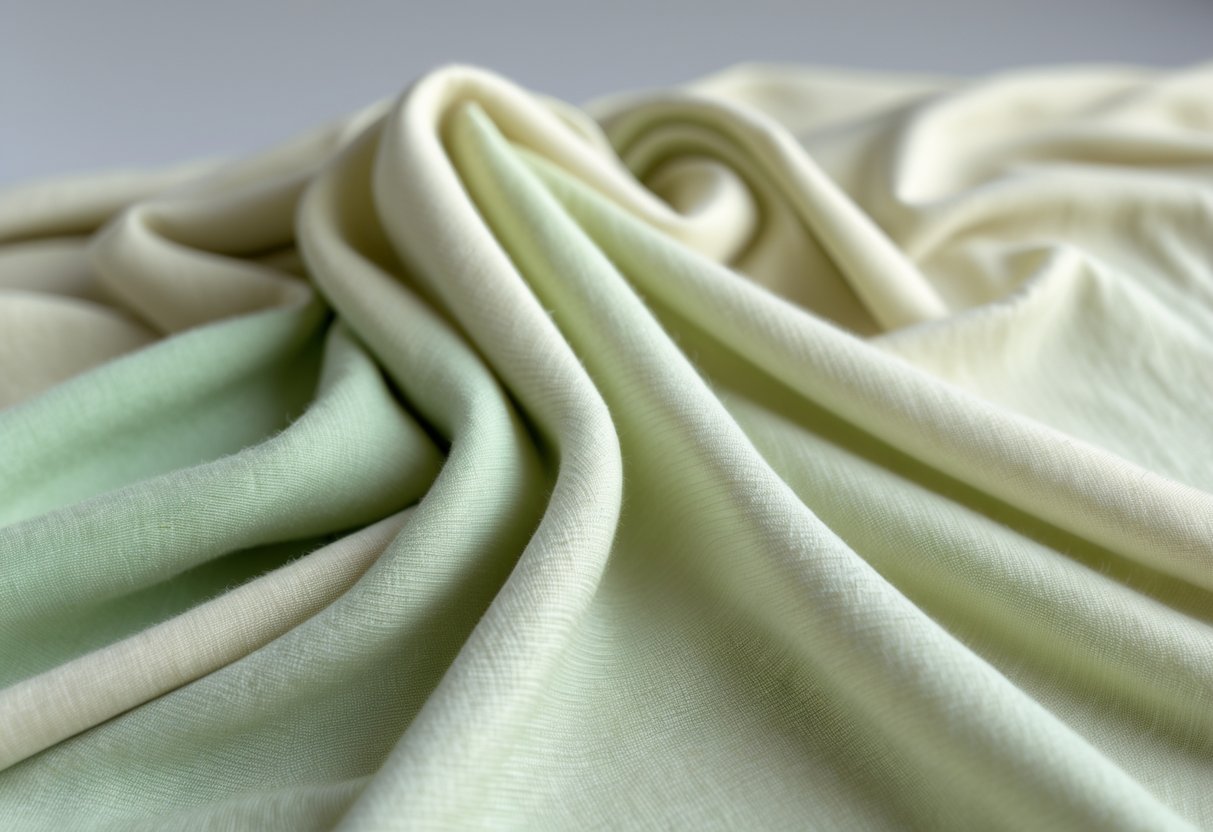
Bamboo fabric is made from the pulp of bamboo plants. It is lightweight and soft, making it a popular choice for breathable clothing. The fabric allows good air circulation, which helps keep the wearer cool.
This fabric also has moisture-wicking properties. It pulls sweat away from the skin, promoting faster drying and added comfort. Bamboo is naturally antibacterial, reducing odors and helping with sensitive skin.
It is eco-friendly because bamboo plants grow quickly and require less water than cotton. Bamboo fabric is suitable for summer wear, activewear, and baby clothing. Its softness and breathability make it a versatile option for many garments.
Compared to synthetic fabrics like polyester, bamboo traps less heat and moisture. This helps prevent discomfort in warm weather. Bamboo fabric combines comfort, breathability, and sustainability, making it a good choice for lightweight clothing.
6) Micro Modal
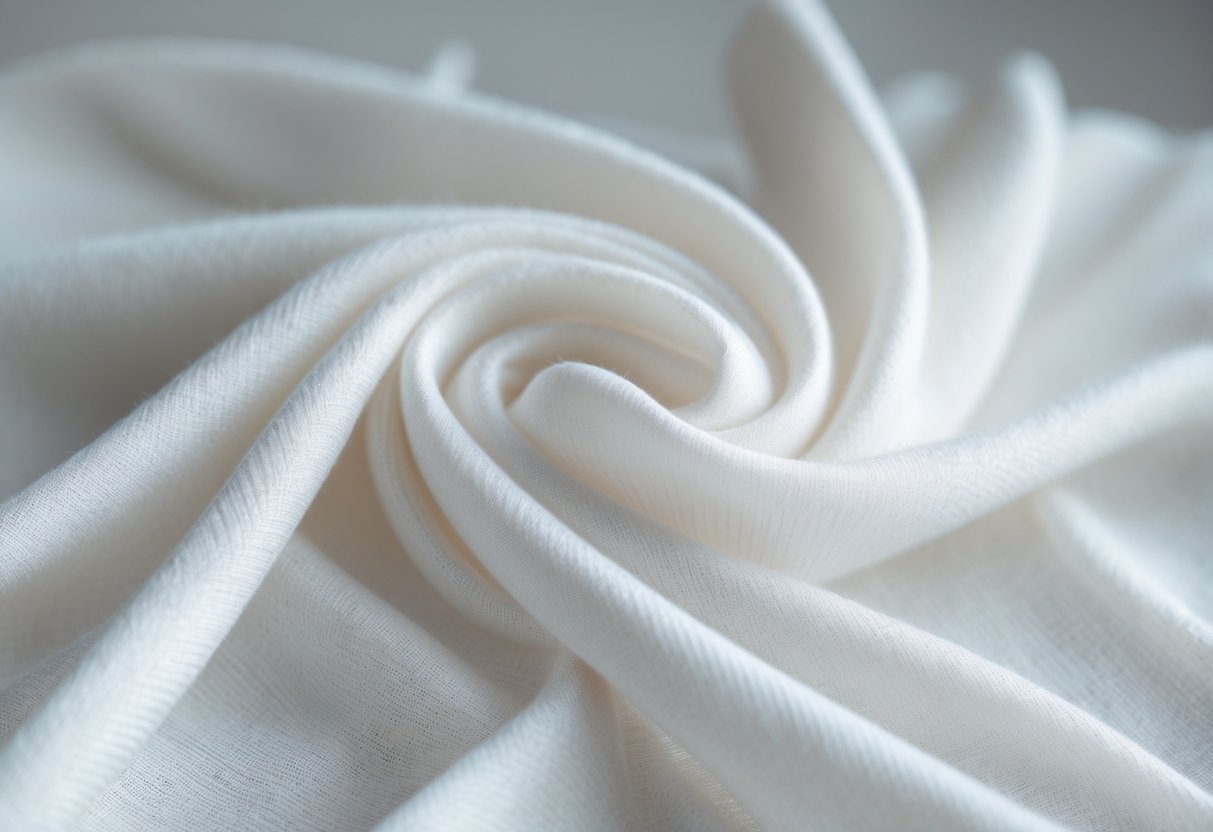
Micro Modal is a type of fabric known for being very soft and lightweight. It is made from beech tree fibers, which gives it a smooth feel. The fabric drapes well, making it a popular choice for clothing like dresses and activewear.
This fabric is breathable and moisture-wicking. It helps keep the wearer cool by allowing air to pass through easily. Micro Modal also absorbs moisture better than cotton, which adds to its comfort.
Micro Modal is often used in underwear and pajamas because it feels gentle on the skin. It does not trap heat or sweat, which makes it suitable for warm weather. The fabric is also known for being durable and resistant to wrinkles.
It offers some eco-friendly benefits since the production process uses less water and energy compared to other fibers. This makes Micro Modal a good option for those looking for sustainable fabric choices.
Overall, Micro Modal combines softness, breathability, and comfort, making it a reliable material for many clothing needs.
7) Rayon
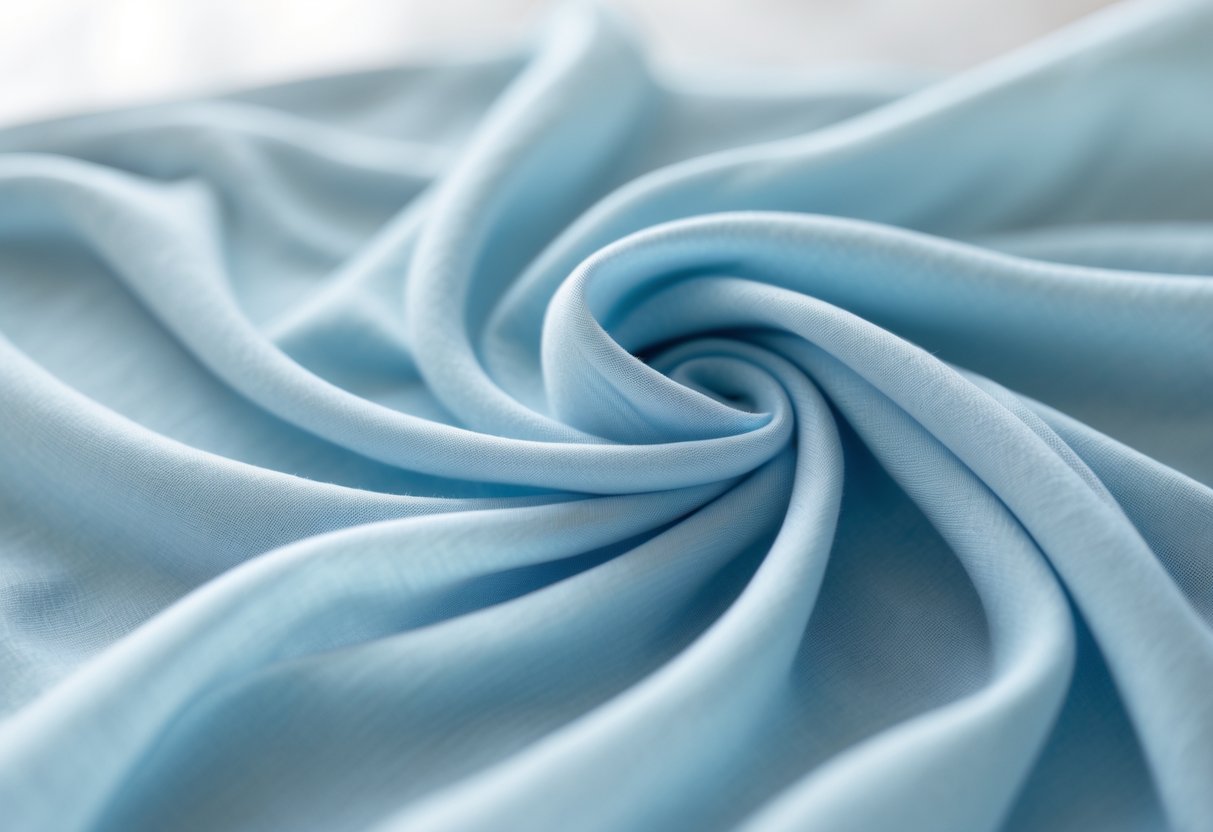
Rayon is a semi-synthetic fabric made from natural cellulose fibers. It is known for its smooth texture and soft feel, making it comfortable to wear.
This fabric is lightweight and breathable, which helps keep the wearer cool. It allows air to pass through easily, making it a good choice for hot weather.
Rayon also absorbs moisture well, helping to manage sweat. However, it can lose strength when wet and may require careful washing to maintain its quality.
Due to its breathability and softness, rayon is often used in summer clothing and casual wear. It drapes nicely, giving garments a relaxed look.
While rayon offers good comfort, it may wrinkle easily and sometimes lacks durability compared to natural fibers like cotton or linen. It is best suited for light, breathable clothing where comfort is a priority.
8) Silk
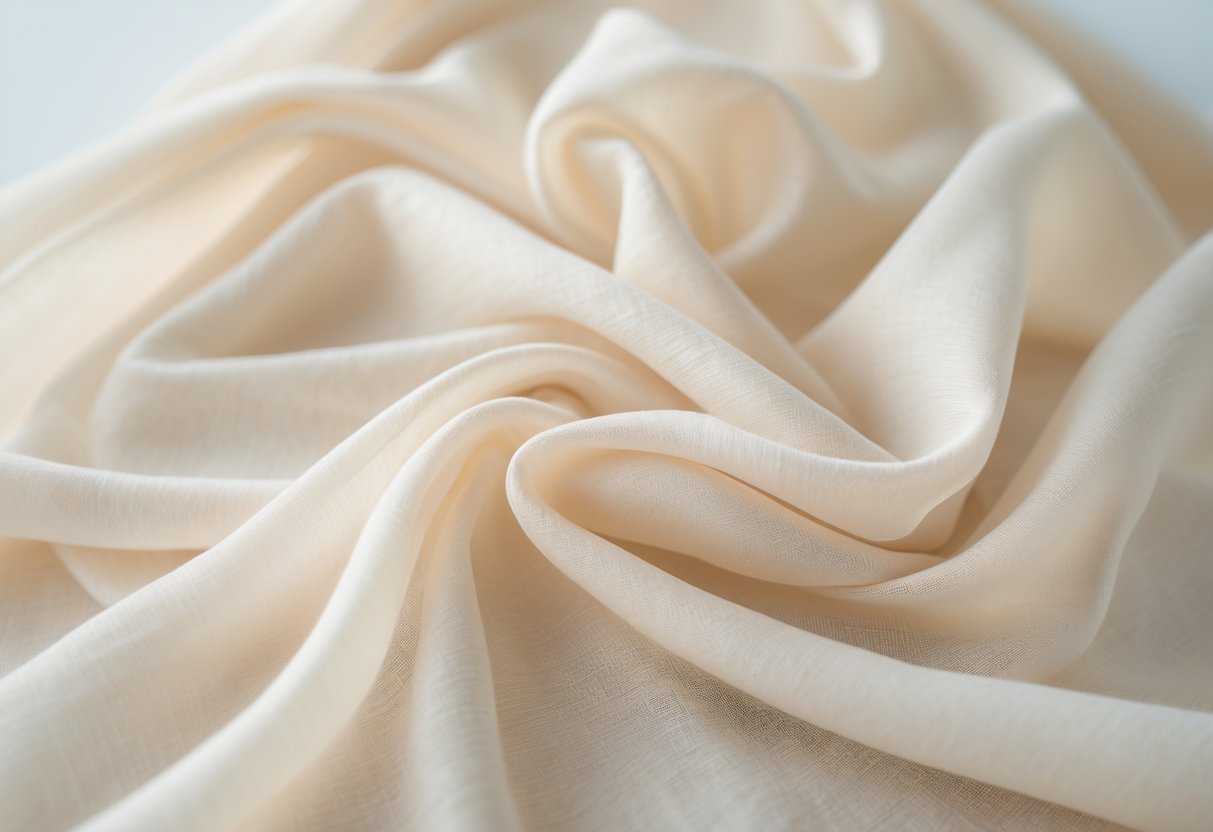
Silk is a natural fiber known for its lightweight and smooth texture. It feels soft against the skin and has a natural shine that makes it popular for stylish clothing.
It is breathable, allowing air to pass through easily. This helps keep the wearer comfortable by reducing heat and moisture buildup.
Silk also has moisture-wicking properties. It can absorb small amounts of sweat and move it away from the body, which helps in maintaining dryness.
Because of its light weight and breathability, silk is often used in summer clothing and formal wear. It provides comfort without adding bulk or weight.
Although delicate, silk fabrics can be strong and durable if cared for properly. They require gentle washing and handling to maintain their qualities.
In addition to comfort, silk offers a luxurious look that many people appreciate. It combines function with style, making it a versatile fabric choice.
9) Cotton Lawn
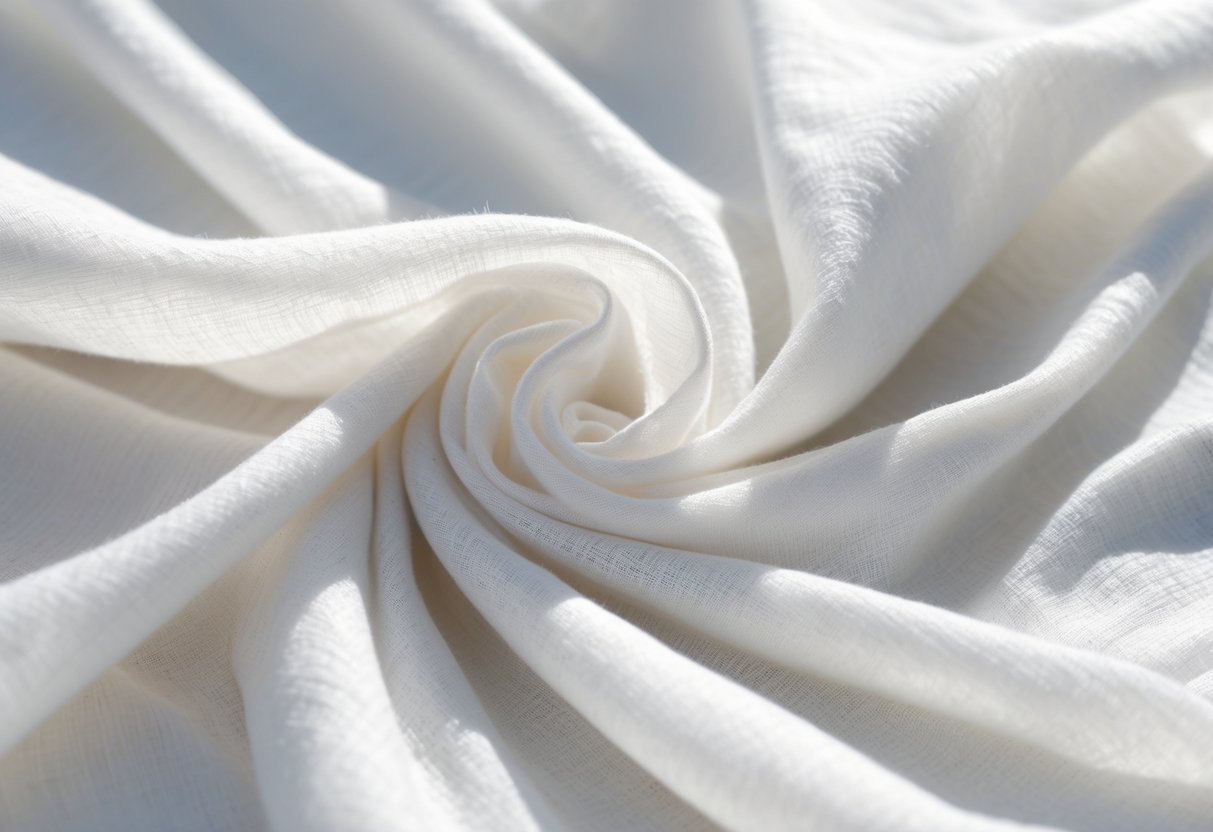
Cotton lawn is a very lightweight fabric known for its smooth and soft texture. It feels cool and comfortable against the skin, making it a popular choice for warm weather clothing.
This fabric is breathable, allowing air to pass through easily. It helps keep the body cool by letting moisture escape, which is important during hot weather.
Cotton lawn is also slightly crisp, giving garments a neat and polished look. It works well for dresses, blouses, and shirts that need both comfort and style.
It is easy to care for and generally holds up well after washing. Its fine weave makes it strong yet delicate enough for airy clothing.
Because of these qualities, cotton lawn is a reliable fabric for summer outfits. It balances breathability, lightness, and a smooth finish in one textile.
10) Organza
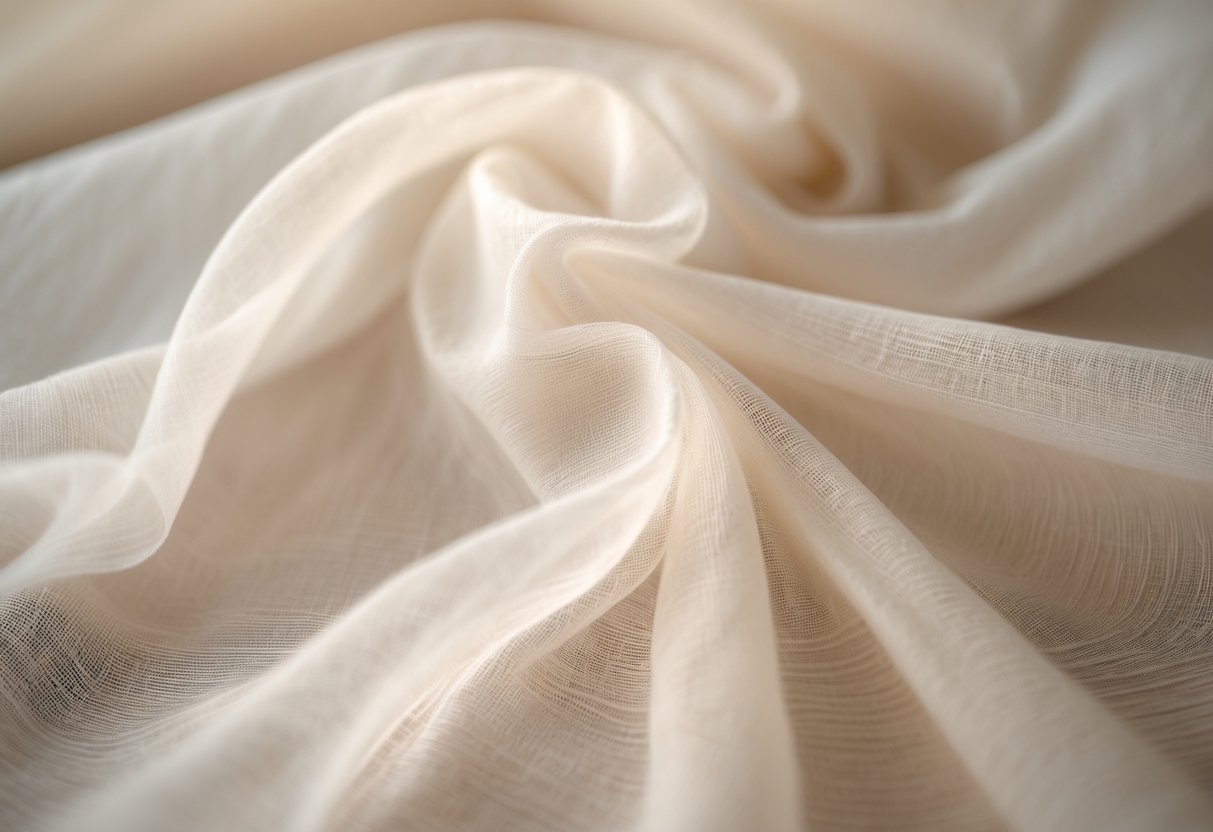
Organza is a lightweight, sheer fabric known for its crisp texture and delicate appearance. It is often made from silk or polyester. This fabric has a unique stiffness that helps it hold shape while remaining light and airy.
It is popular for formal clothing like evening dresses and bridal wear. Organza adds volume without adding weight, making it suitable for overlays and decorative layers. Its transparency gives a soft, elegant look.
Despite its delicate feel, organza is fairly durable. However, it requires careful handling when sewing or cleaning due to its fine threads. It works well in designs that need structure but also want to maintain airflow and lightness.
Organza is less breathable than natural fabrics like cotton or linen. Still, its light weight makes it comfortable for special occasions where style and breathability both matter.
11) Voile
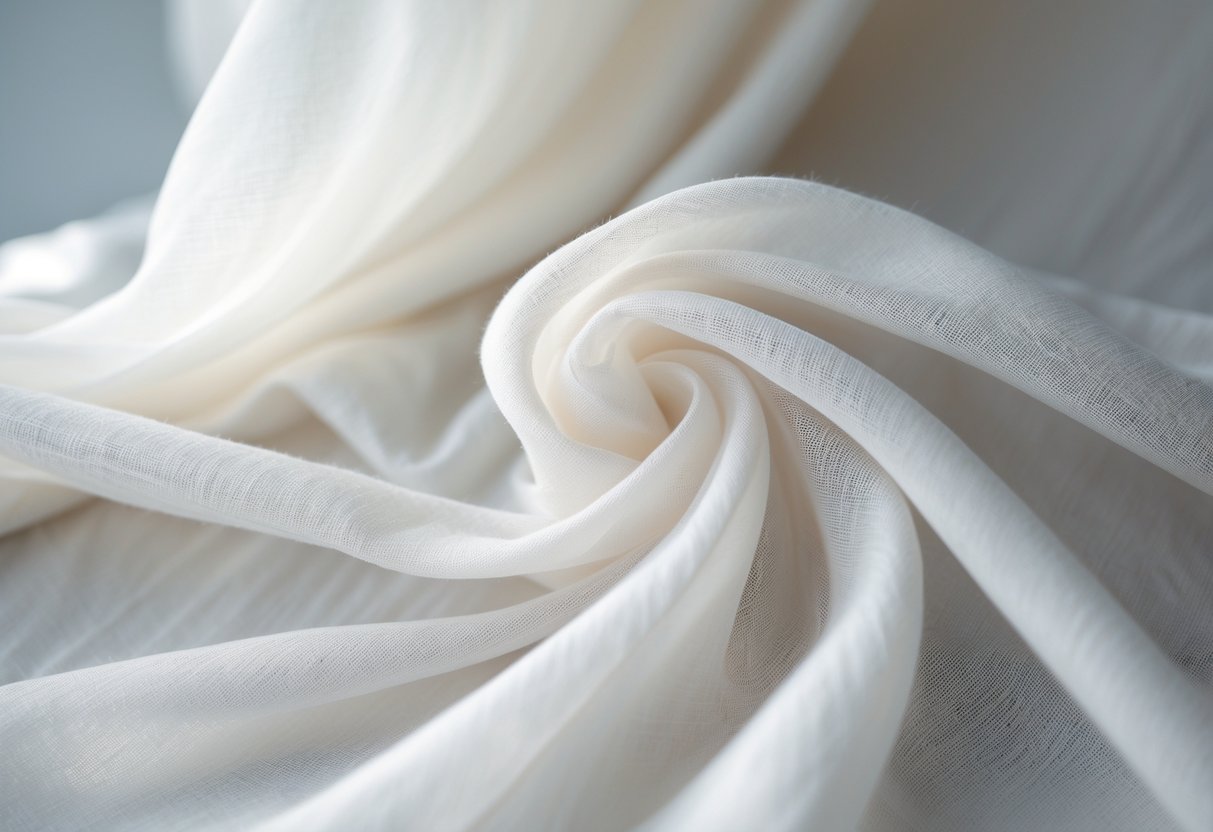
Voile is a lightweight, plain-woven fabric often made from 100% cotton or a cotton blend. It has a higher thread count than many other cotton fabrics, which gives it a soft and smooth feel.
This fabric is semi-sheer, making it breathable and comfortable to wear in warm weather. Its fine weave allows air to flow easily, helping to keep the wearer cool.
Voile is versatile and used for dresses, blouses, scarves, and light curtains. It comes in many colors and prints, including floral patterns, stripes, and polka dots.
Because of its light weight and breathability, voile is a popular choice for summer clothing. It offers a balance between softness and durability, fitting well in different fashion styles.
Voile became more common in clothing after the 1990s as it matched various fashion trends. Today, it remains a practical option for those who want comfort without heavy fabric.
12) Seersucker
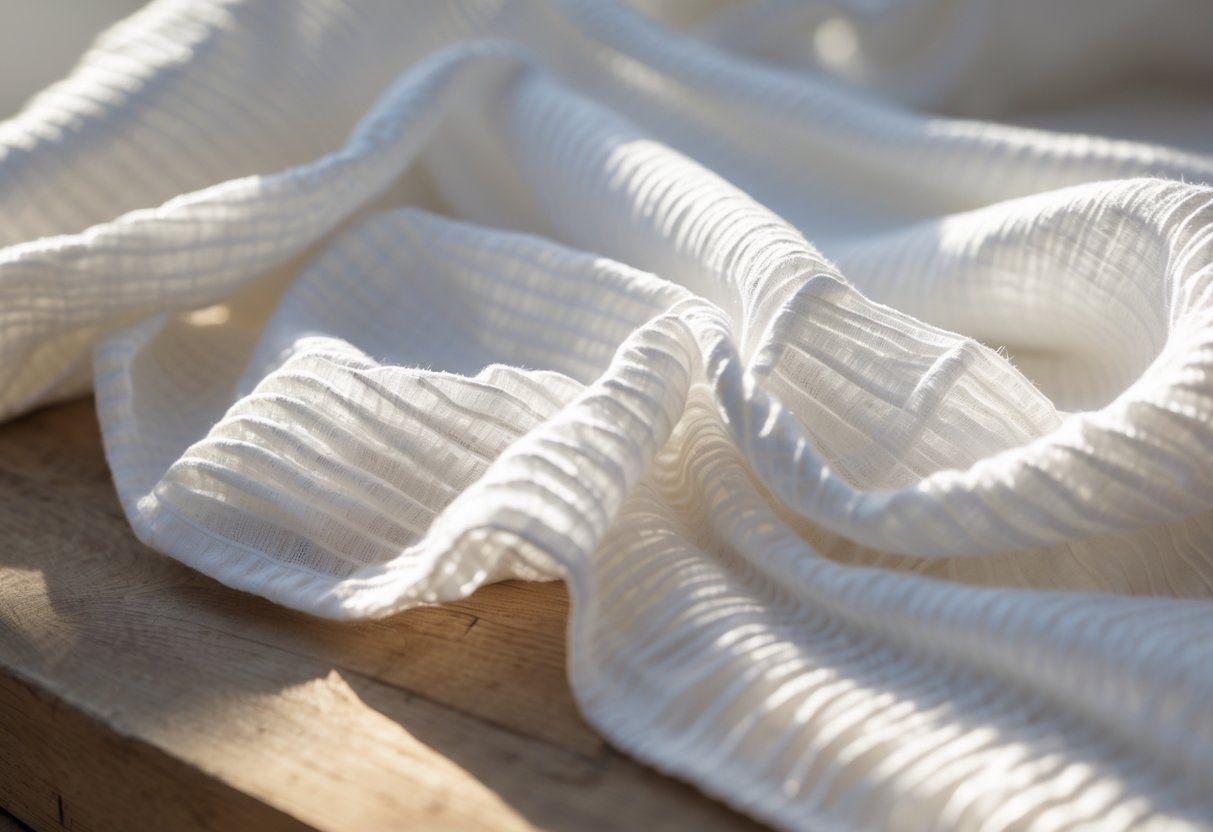
Seersucker is a lightweight cotton fabric known for its unique puckered texture. This texture creates small air pockets, which help air flow easily around the body. This makes seersucker very breathable and comfortable in hot weather.
The fabric does not cling to the skin, so it feels cool and light even on the hottest days. It often comes in classic striped or checkered patterns, adding a timeless look to summer clothing.
Seersucker is low-maintenance and durable despite being lightweight. It works well for both casual and formal wear, including suits and dresses. Its ability to keep wearers cool without needing extra layers makes it popular for warm climates.
13) Gauze
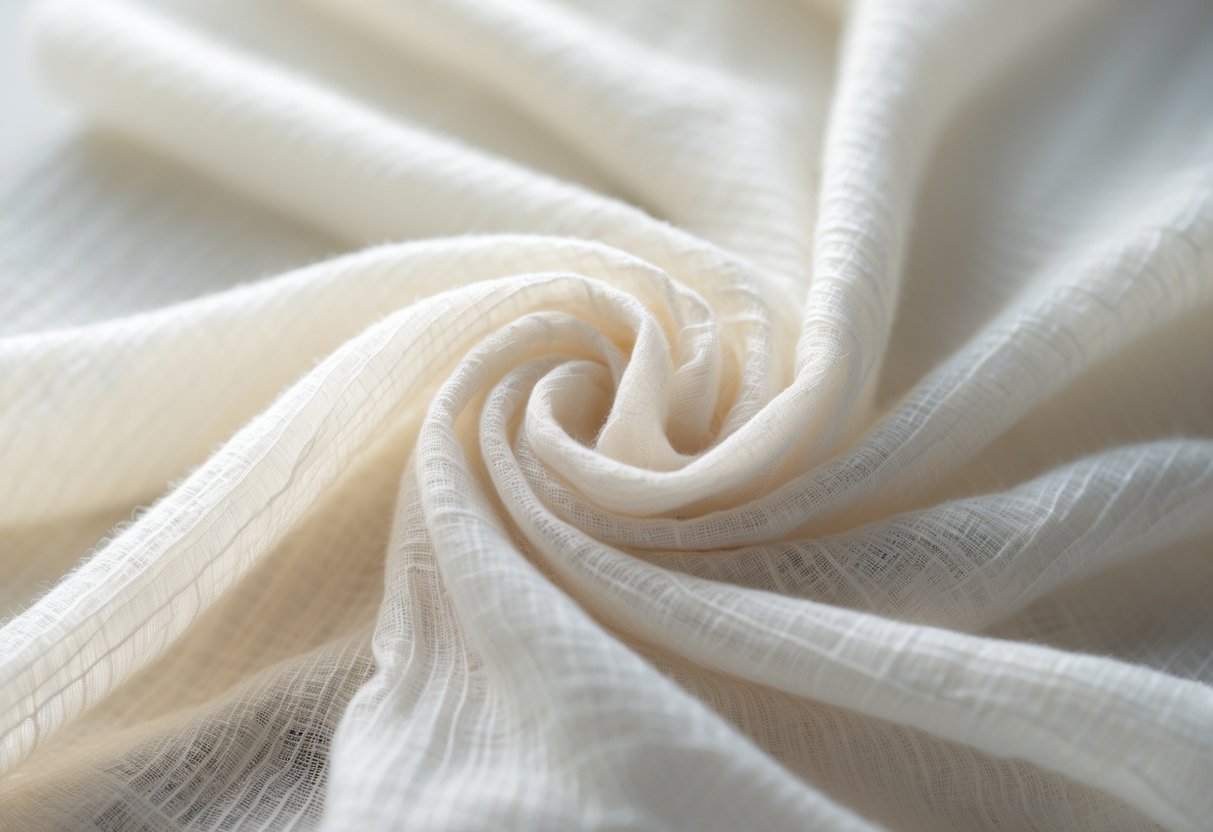
Gauze is a lightweight, breathable fabric known for its loose weave and soft texture. It allows air to flow easily, making it excellent for warm weather clothing.
This fabric feels gentle on the skin and drapes well. It is often used for casual dresses, scarves, and baby clothes because of its comfort and softness.
Gauze is typically made from cotton but can also include blends with other fibers. Its airy nature helps keep the wearer cool and prevents overheating.
Care is needed when sewing gauze, as its delicate weave can snag or stretch. Using fine needles and minimal pins helps maintain its shape and appearance.
Overall, gauze combines comfort and style in a way that suits breathable, lightweight clothing. It is a good choice for anyone looking for fabric that feels light yet durable.
14) Batiste
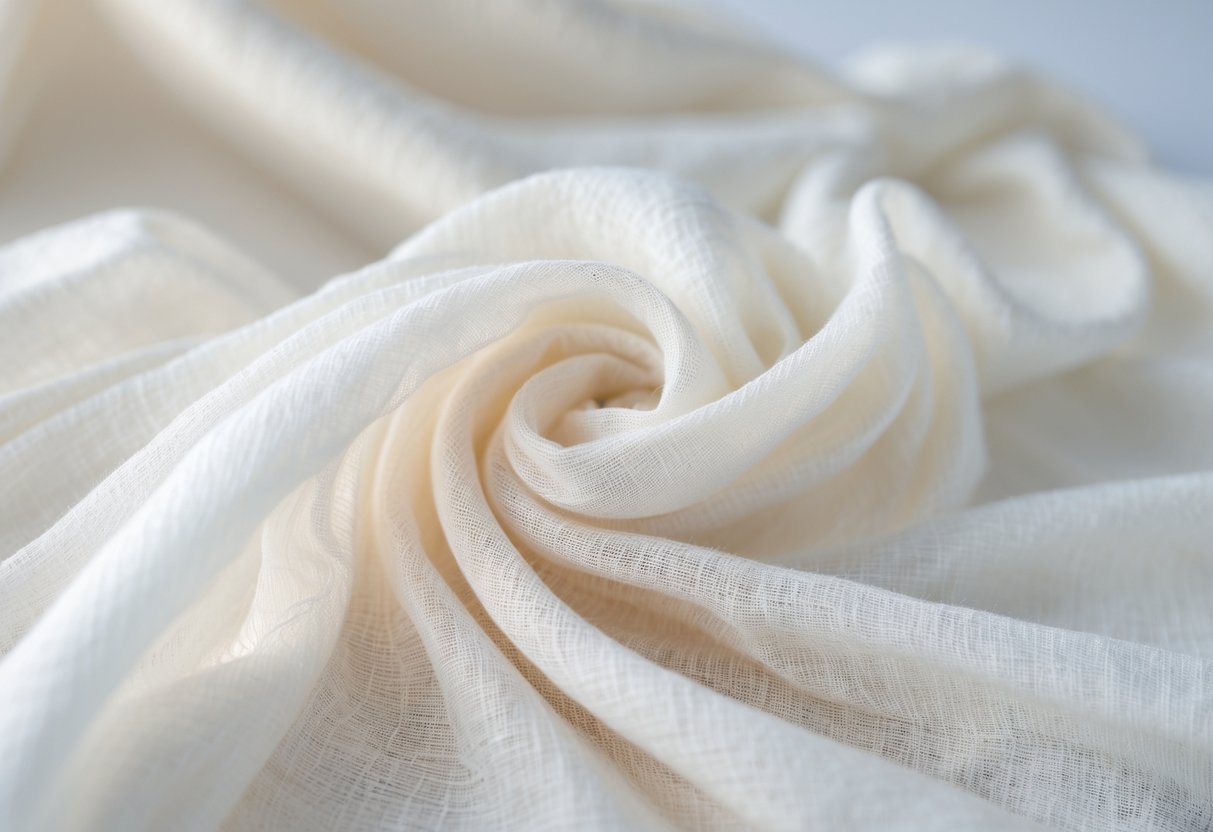
Batiste is a very lightweight and breathable fabric. It is soft and smooth to the touch, making it comfortable to wear.
This fabric is semi-sheer and has a plain weave. It balances delicacy and durability well, which makes it popular for many types of clothing.
Batiste is often used for summer dresses, blouses, and lingerie. It also works for baby clothes and home textiles like curtains because of its light, airy feel.
The fabric drapes elegantly, giving garments a flowing, graceful look. It is well-suited for warm weather and humid climates.
Because of its breathability and softness, batiste is chosen when comfort is a priority. Designers appreciate its versatility for both casual and luxury wear.
15) Poplin
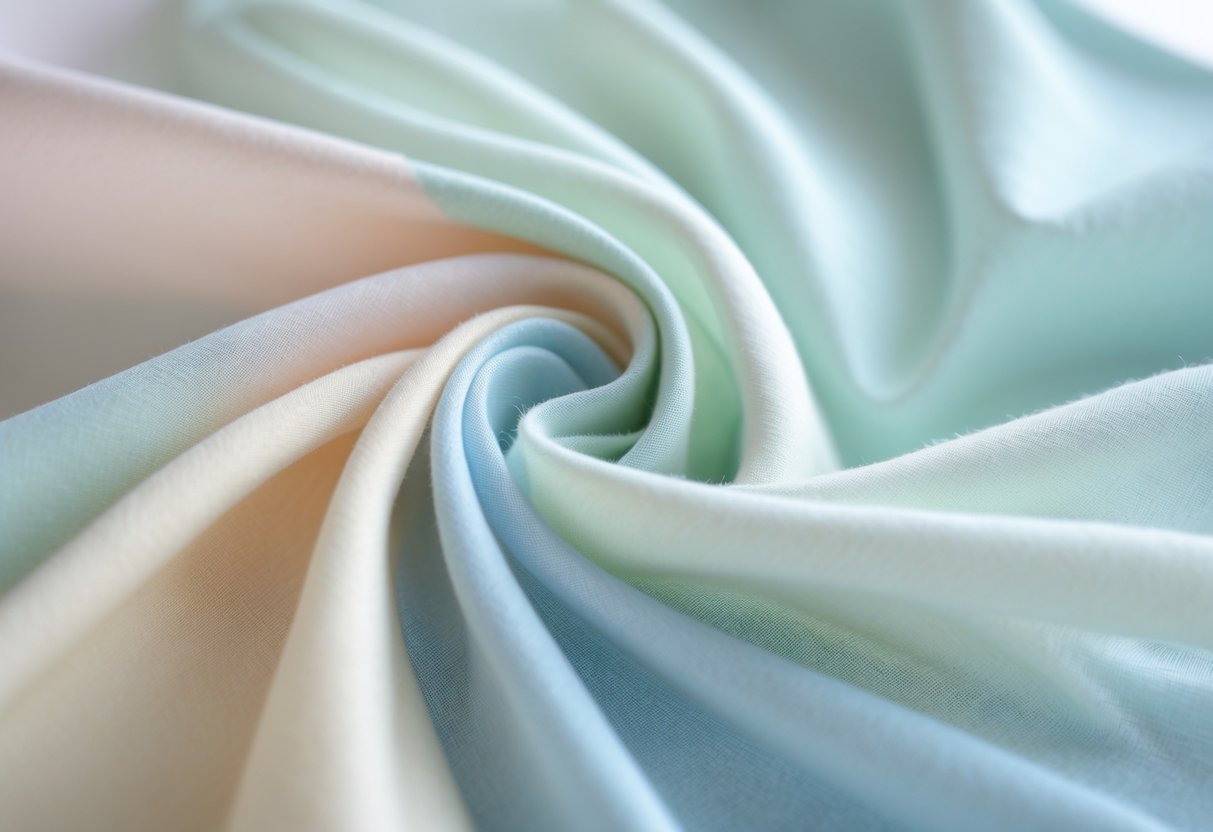
Poplin is a lightweight fabric known for its breathability. Its tight weave allows air to pass through, which helps keep the wearer cool in warm weather. This makes poplin a popular choice for summer clothing.
The fabric also has moisture-wicking properties. It draws sweat away from the skin, helping the body stay dry during activity. The smooth texture of poplin adds to its comfort.
Poplin is durable despite being lightweight. Its plain weave gives it strength, so it resists wear and tear well. This combination of durability and breathability makes poplin suitable for many uses.
People often use poplin for shirts, dresses, and professional clothing. Its ability to stay cool and comfortable while looking neat makes it a versatile option across different styles.
16) Chambray
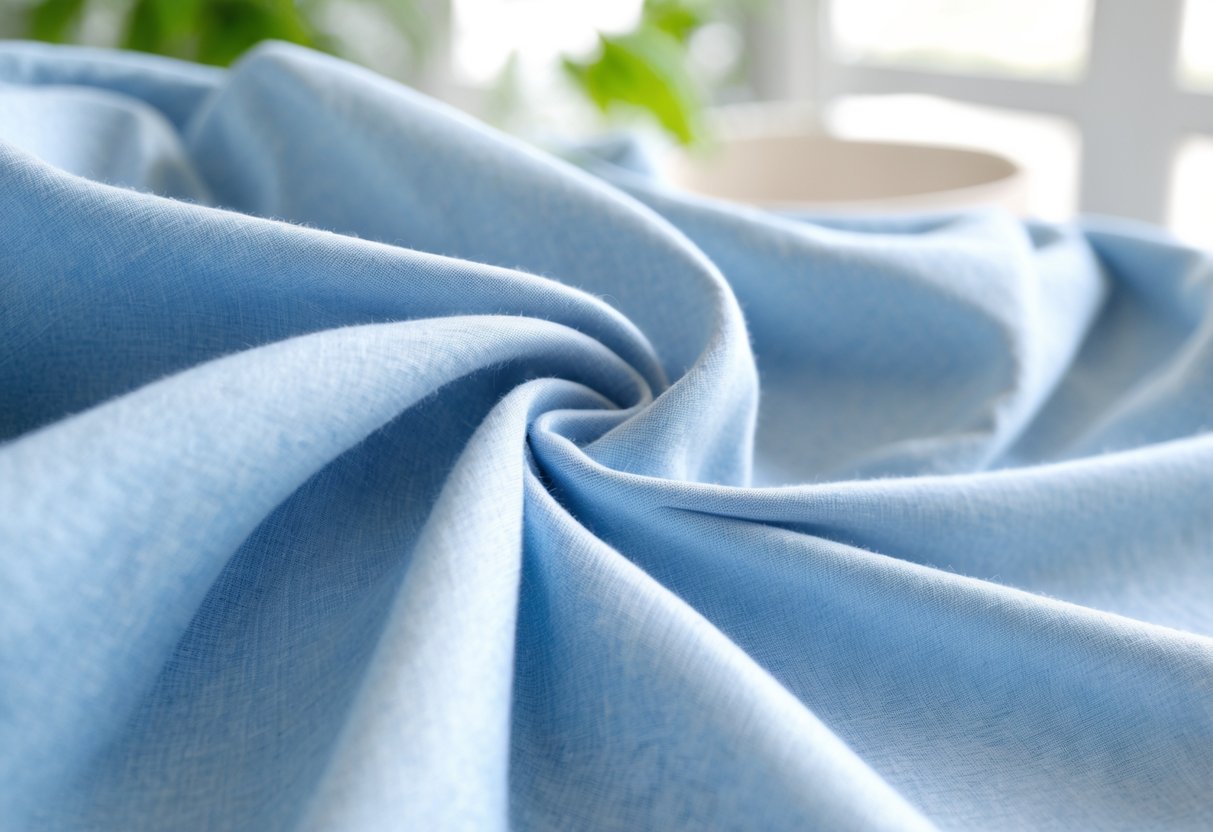
Chambray is a lightweight fabric made with colored threads in the warp and white threads in the weft. This plain weave gives it a soft texture and a distinctive two-tone look. It is often made from cotton, making it breathable and comfortable to wear.
Compared to denim, chambray is much lighter and cooler. It allows air to pass through easily and dries faster, which helps keep the wearer comfortable in warm weather. Chambray also wicks moisture away better than denim, reducing the feeling of dampness.
Because of its breathability and light weight, chambray is popular for making shirts and summer clothing. Its smooth surface feels soft against the skin. The fabric also adapts well to casual or slightly dressy styles.
Chambray’s simple weave and cotton content make it a practical choice for everyday clothing when comfort and airflow are important. It provides a balance of style and function, especially in hot and humid conditions.
17) Hemp Fabric
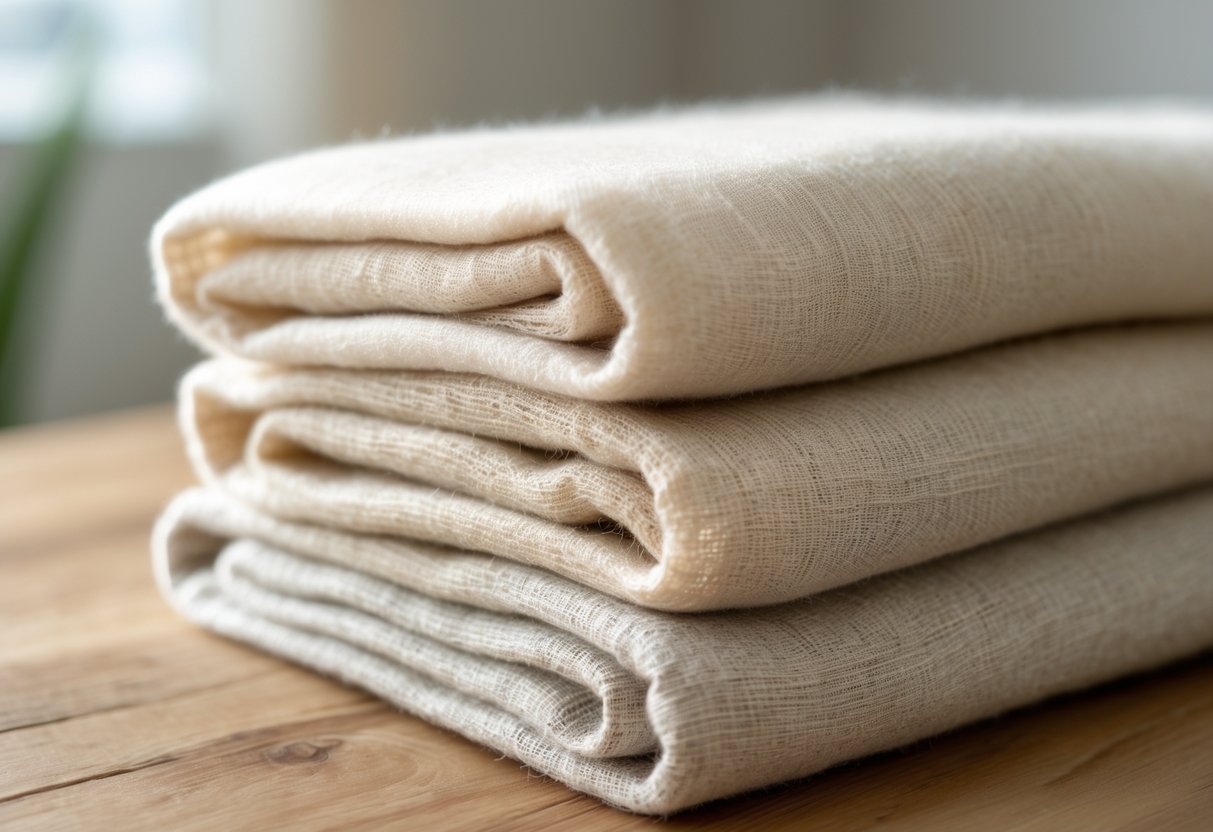
Hemp fabric is known for being strong and durable. It is up to three times stronger than cotton, which helps clothes made from hemp last longer and resist wear.
The fabric is also breathable and comfortable. It allows air to flow easily, making it a good choice for warm weather clothing.
Hemp grows quickly and usually without pesticides. This makes it a more eco-friendly option compared to some other fabrics.
It has natural UV resistance, which can help protect the skin from some sun exposure. This makes hemp fabric useful for summer clothes.
Because of its strength, breathability, and sustainability, hemp is becoming popular in fashion that values comfort and durability. It fits well with casual and outdoor clothing styles.
18) Cupro
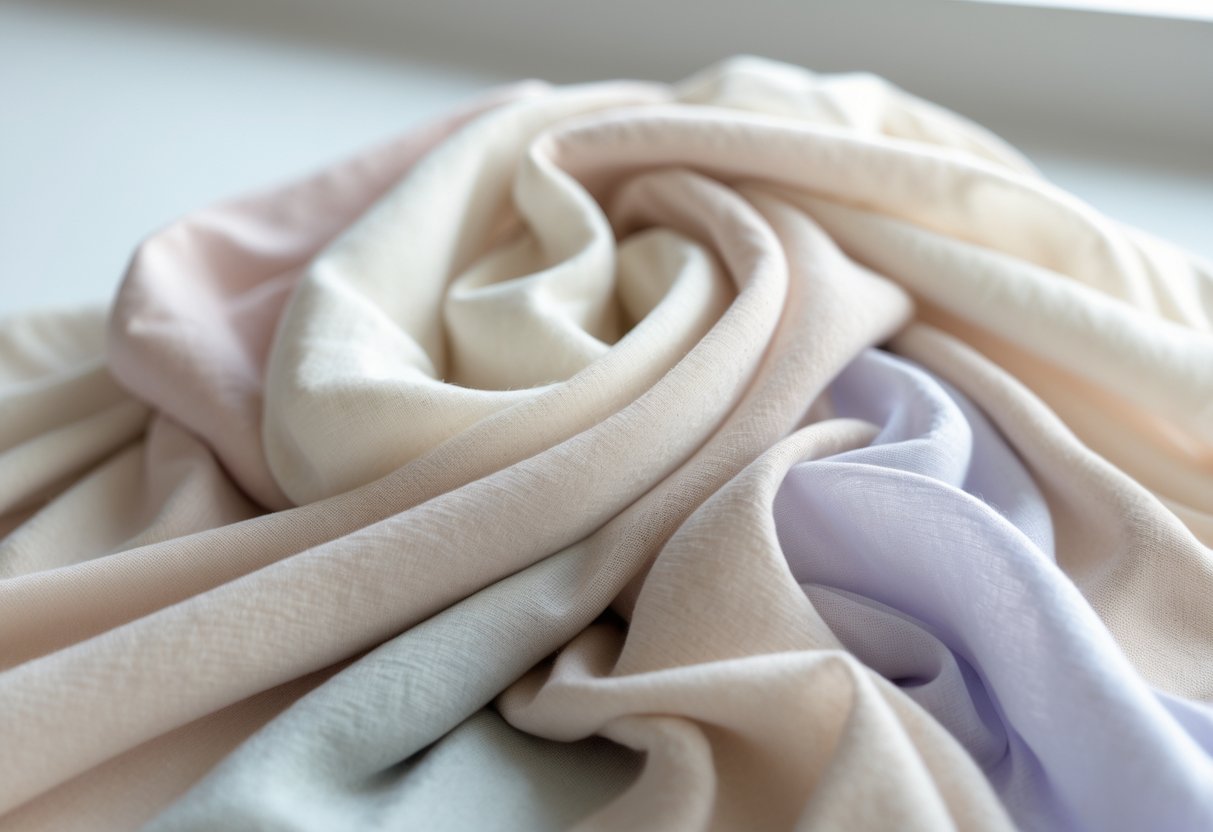
Cupro is a lightweight fabric made from cotton linter, which is the fine fiber left around cotton seeds after harvest. It is a plant-based, regenerated cellulose fabric that offers a smooth and silky texture.
This fabric is breathable and moisture-wicking. It lets air flow freely and absorbs sweat, making it comfortable to wear in warm weather or during physical activity.
Cupro is gentle on the skin and is often chosen for those with sensitive or allergy-prone skin. Its soft feel and hypoallergenic nature add to its comfort.
The fabric drapes well, giving clothes a refined look. It also holds colors nicely, so garments made with cupro stay vibrant over time.
Cupro is seen as an eco-friendly option because it uses cotton waste and is produced with a closed-loop process. This reduces environmental impact compared to many synthetic fabrics.
Because of these qualities, cupro is often used in high-end fashion, lingerie, and sustainable clothing lines.
19) Percale Cotton
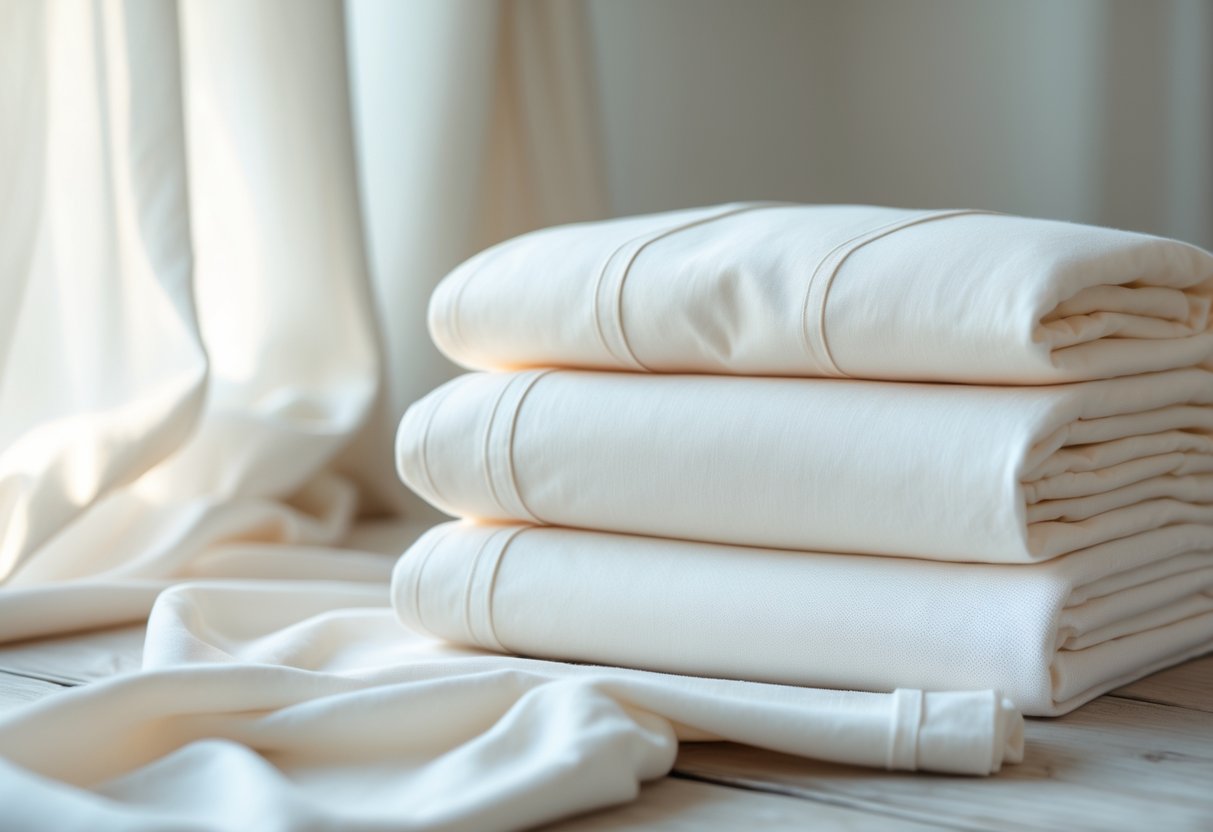
Percale cotton is a lightweight and breathable fabric known for its crisp feel. It uses a simple weave that creates a smooth, matte finish. This makes it cool to the touch, which is helpful in warm weather.
The fabric is durable and becomes softer after washing. It maintains its breathability over time, making it a good choice for clothing and bedding.
Percale cotton is often made from high-quality cotton fibers, including Egyptian cotton. This combination boosts comfort and strength. It works well for shirts, dresses, and summer apparel where airflow is important.
Its lightweight nature helps keep the wearer feeling fresh. Percale cotton also resists pilling and can last through many wash cycles. This makes it practical and comfortable for everyday use.
20) Muslin
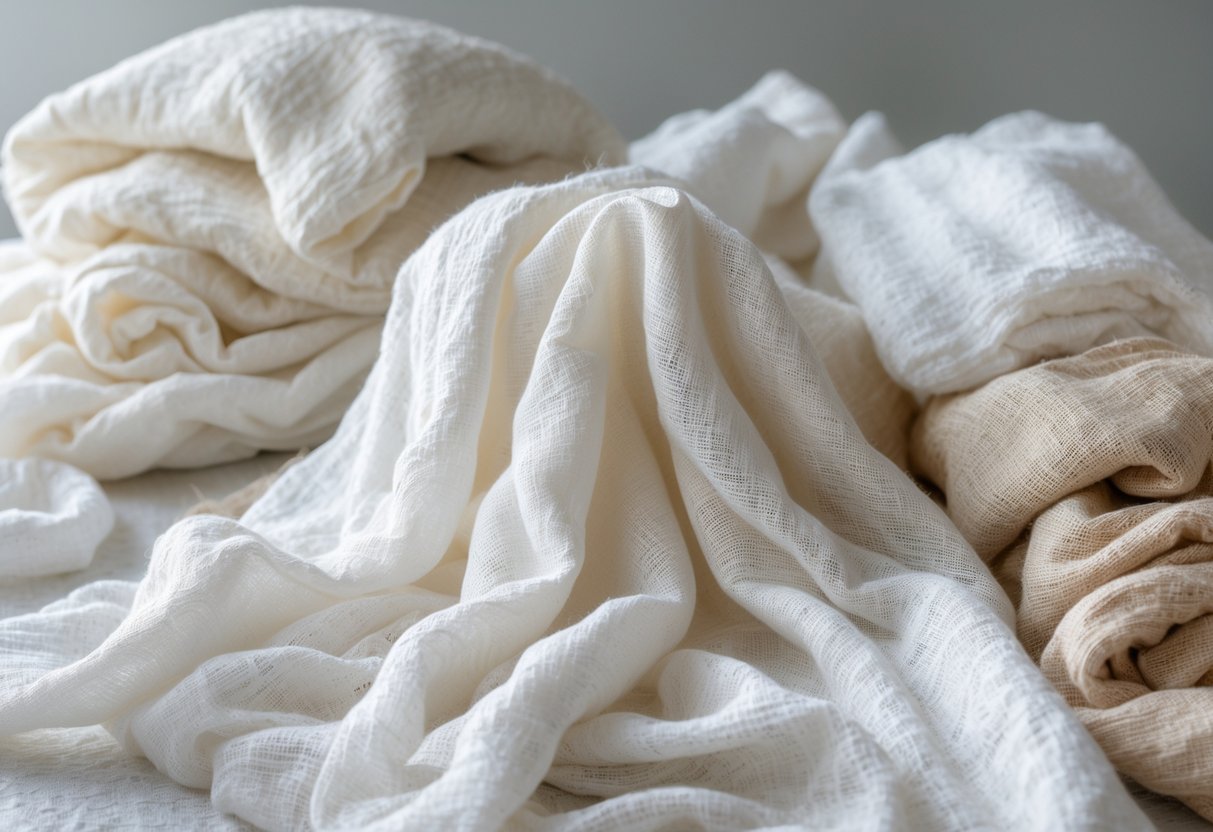
Muslin is a lightweight cotton fabric known for its breathability. It is loosely woven, which allows air to pass through easily. This makes muslin a good choice for warm weather clothing.
The fabric feels soft and gentle against the skin. It also absorbs moisture well, helping to keep the wearer dry and comfortable. Muslin is often used for summer dresses, shirts, and baby clothes.
Muslin has a simple plain weave, meaning the threads cross over and under in a consistent pattern. This basic construction adds to its light and airy texture. It has a long history and remains popular for its natural fibers and comfort.
Because muslin is made from 100% cotton, it is also durable and easy to care for. It suits many styles, from casual wear to lightweight home textiles. Its versatility is why many designers choose muslin for breathable, comfortable clothing.
21) Georgette
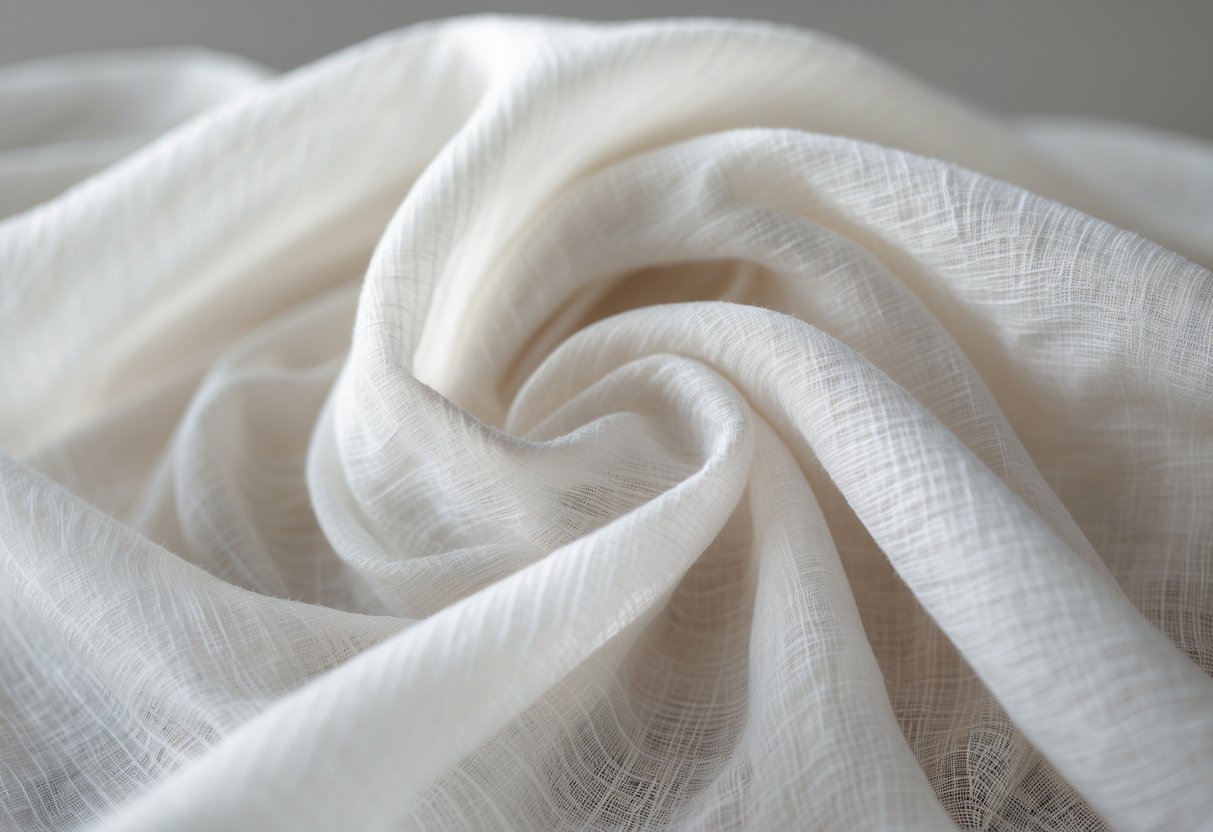
Georgette is a lightweight fabric known for its slightly puckered surface and grainy texture. It is typically made from silk or synthetic fibers like polyester. This gives it a delicate drape while still holding some shape.
The fabric is breathable and comfortable, making it suitable for warm weather. It is often used for blouses, dresses, and skirts because of its flowy nature. Georgette can work well for both casual and formal clothing.
Some types of georgette, such as polyester blends, are wrinkle-resistant and easier to care for. Silk georgette feels soft against the skin and maintains an elegant look. Its texture also helps fabrics hold vibrant colors effectively.
Users should check care labels before washing. Hand washing with a gentle detergent keeps the fabric’s shine and softness. Polyester georgette may be machine washed on a gentle cycle.
Georgette is valued for its balance of lightness, durability, and style. It fits well with designs that need a soft, airy fabric that looks graceful in motion.
22) Voile Cotton Blend
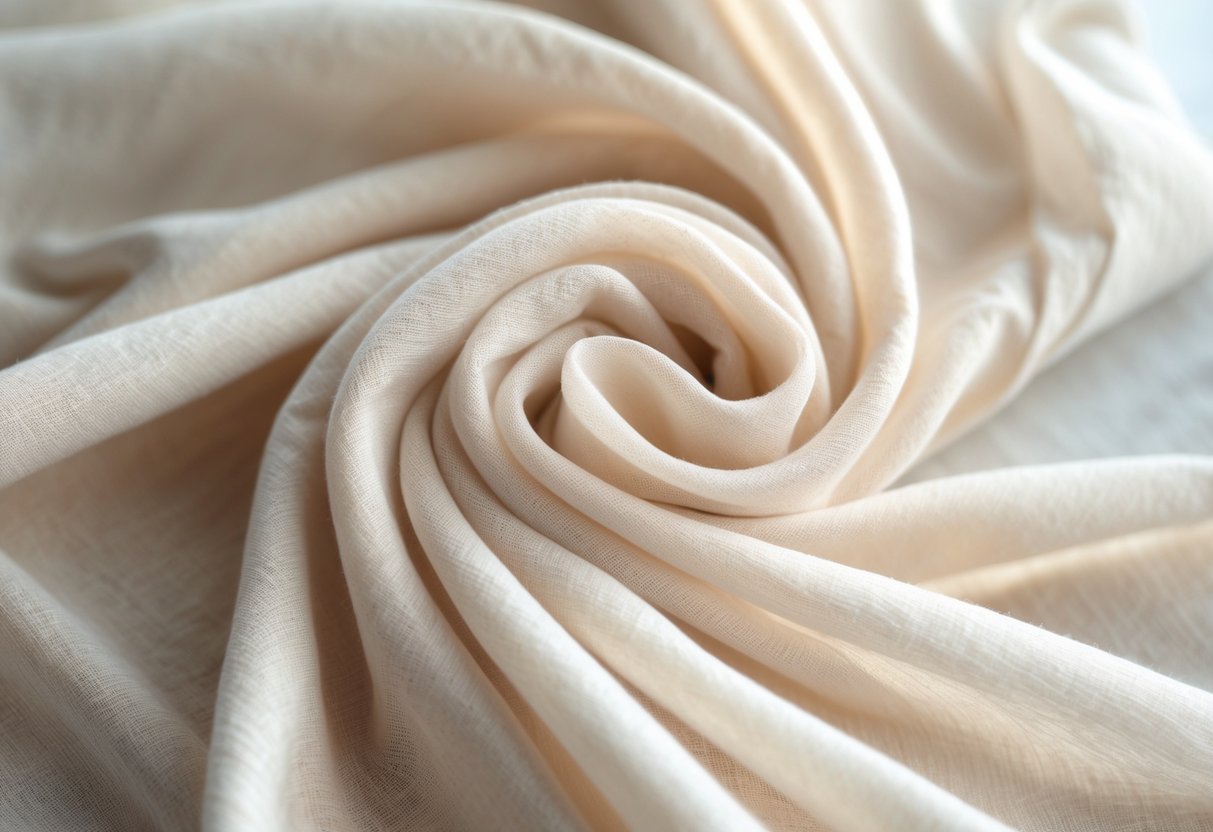
Voile cotton blend is a lightweight fabric made from cotton mixed with polyester or other fibers. It is soft and breathable, making it suitable for warm weather clothing.
The fabric has a semi-sheer, smooth texture that feels comfortable on the skin. It is often used for summer dresses, blouses, and scarves because it allows air to pass through easily.
Voile cotton blend has a fine weave, giving it a slightly silky feel. This makes the fabric drape well, adding elegance to casual and dressy outfits.
Its breathability helps keep the wearer cool and prevents overheating. The fabric also tends to be durable while maintaining a light and airy quality.
Voile cotton blend is available in many colors and prints. It works well for both clothing and light home décor, such as curtains.
This fabric is a good choice for those who want soft, comfortable, and breathable material during hot weather without heavy weight.
23) Tencel Lyocell
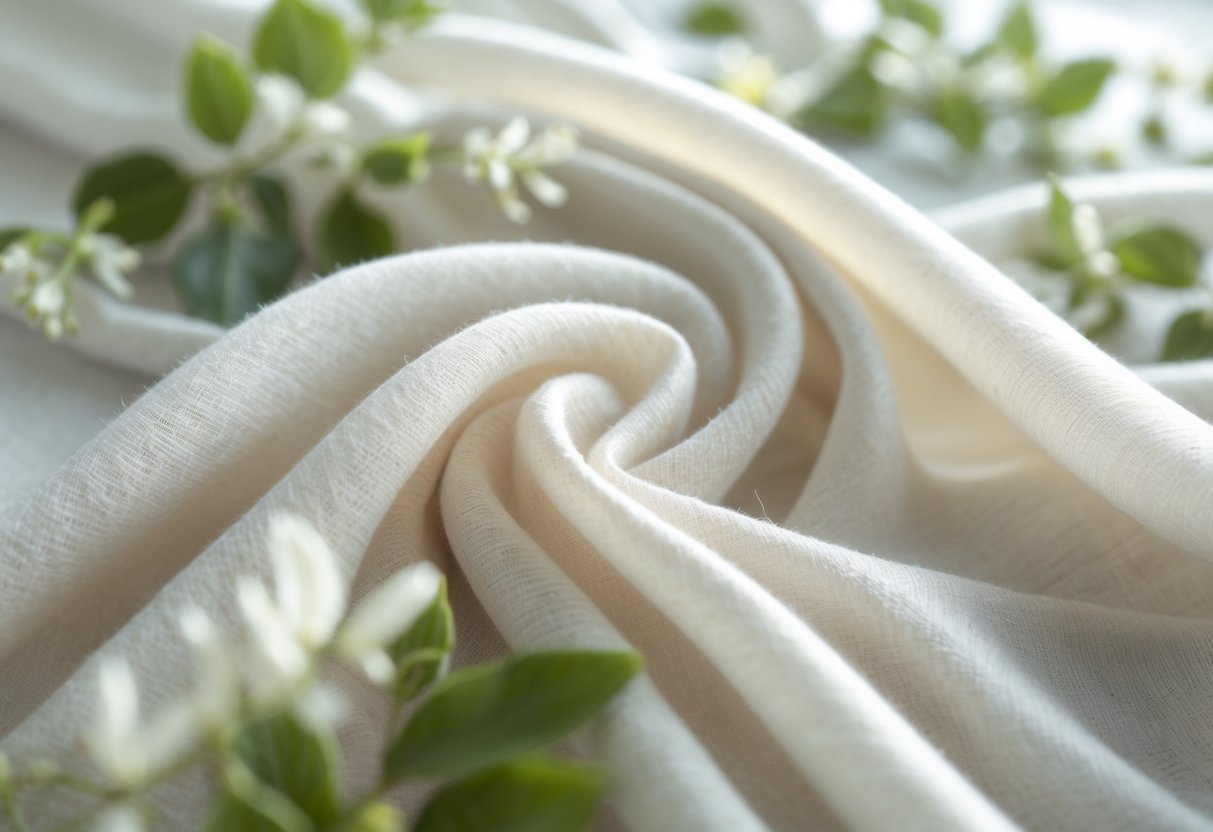
Tencel Lyocell is a soft, breathable fabric made from wood pulp. It is known for its smooth texture and comfortable feel against the skin. This fabric is often used in clothing that requires both comfort and durability.
It has good moisture-wicking properties, which help keep the wearer dry by pulling sweat away from the skin. This makes it suitable for warm weather and active use. It is also wrinkle-resistant, reducing the need for frequent ironing.
Tencel Lyocell is produced using an eco-friendly process that recycles most of the chemicals involved. This closed-loop system helps reduce pollution and save resources. Many sustainable clothing brands now use Tencel to create comfortable and light garments.
The fabric blends well with other fibers, improving softness and breathability. It can be found in a variety of clothing, including shirts, shorts, and travel wear. Its light weight and smooth drape make it a popular choice for those who value comfort in their clothes.
24) Lawn Cotton
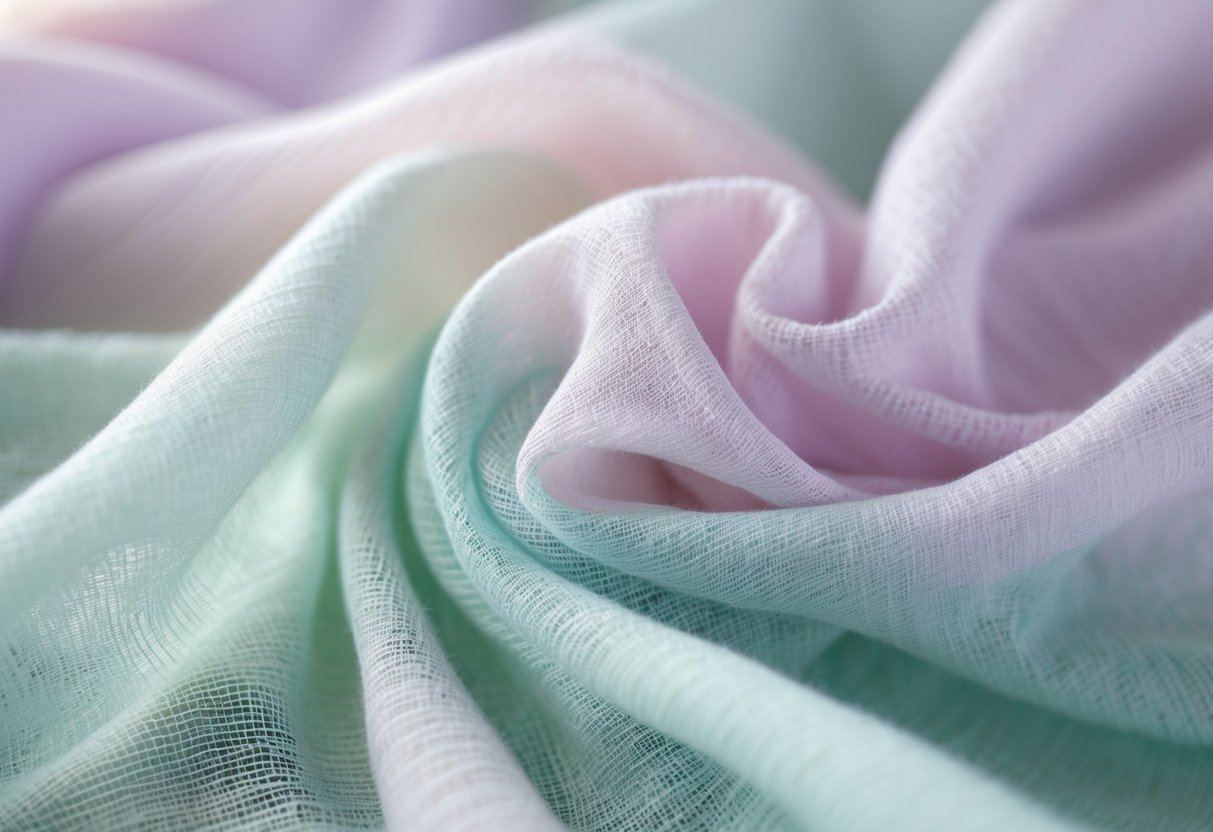
Lawn cotton is a fine, lightweight fabric known for its smooth and slightly crisp texture. It has a high thread count, which gives it a soft and silky feel while remaining breathable. This makes it a good choice for clothing worn in warm weather.
It is often used for dresses, blouses, and shirts. Lawn cotton allows air to pass through easily, helping to keep the wearer cool and comfortable. Its lightweight nature also makes it easy to layer without adding bulk.
The fabric absorbs moisture well, which adds to its comfort in hot conditions. Lawn cotton is also easy to care for, making it practical for everyday wear. It balances style and function, making it popular for summer clothing.
25) Lightweight Chambray
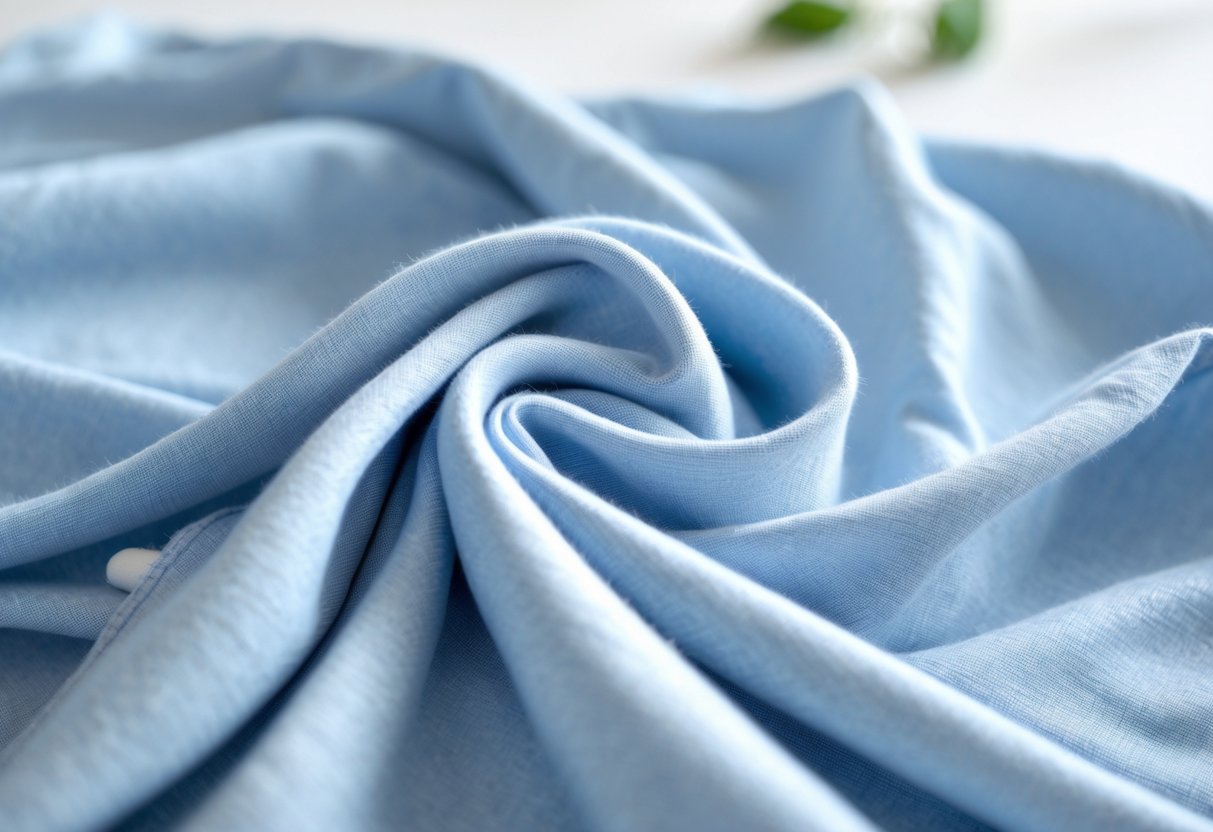
Lightweight chambray is a soft and breathable fabric. It looks similar to denim but is much lighter and smoother. This makes it a good choice for warm-weather clothing.
Chambray is usually made from 100% cotton. Its plain weave uses a colored warp and a white weft, giving it a unique heathered appearance. This helps with both comfort and style.
Because it is breathable and moisture-wicking, chambray keeps the wearer cool. It is often used for shirts, summer dresses, and casual wear. It offers a balance of durability and lightweight feel.
Chambray’s versatility also makes it popular beyond clothing. It can be used in home textiles and accessories. The fabric’s soft texture adds to its comfort and appeal in many forms.
26) Silk Crepe
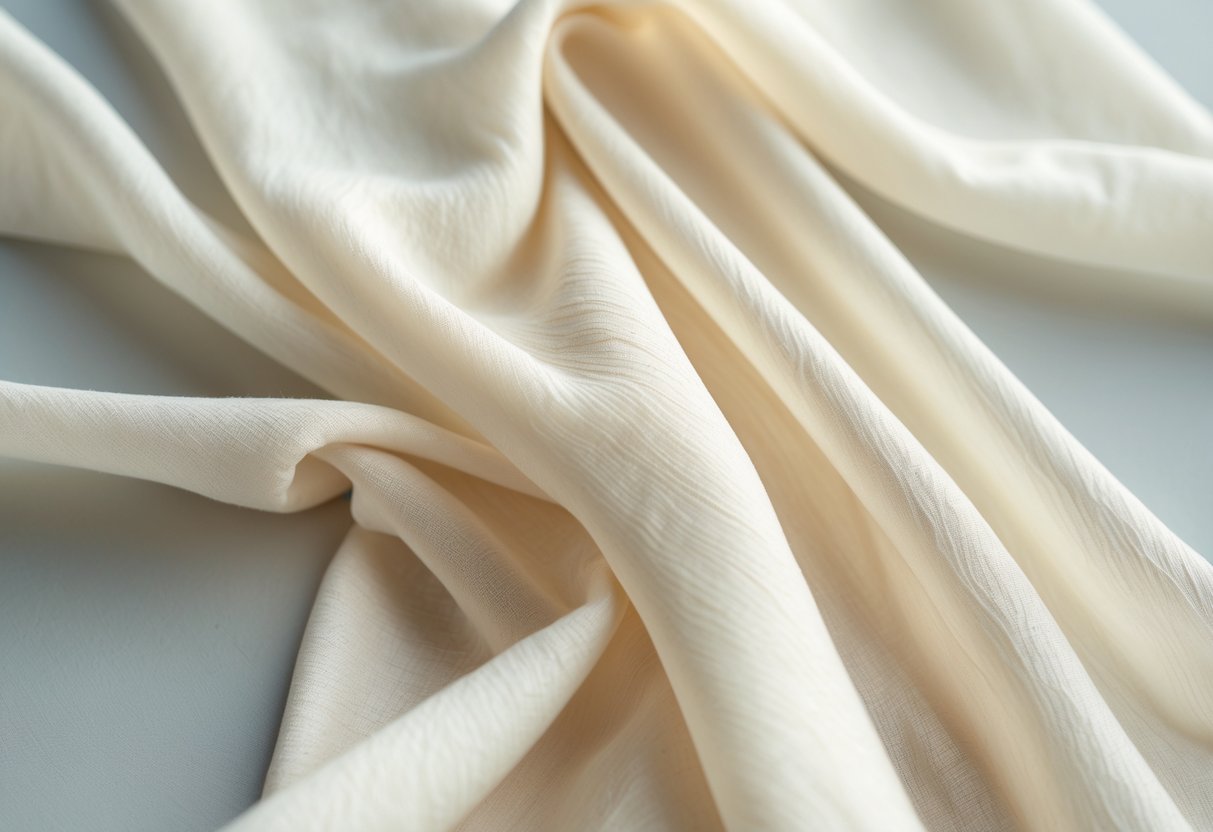
Silk crepe is a lightweight fabric known for its soft texture and natural breathability. It allows air to flow easily, making it suitable for warm weather clothing.
This fabric has a slightly crinkled surface, which gives it a unique feel and appearance. It drapes well, adding elegance to garments like blouses and dresses.
Silk crepe is comfortable to wear because it is smooth against the skin. It helps keep the wearer cool without feeling heavy or bulky.
Compared to other crepe fabrics, silk crepe is lighter and more breathable. Some synthetic crepe fabrics may trap heat, but silk crepe avoids this issue due to its natural fibers.
It is often chosen for formalwear and summer clothing because it combines style with practical comfort. It maintains breathability while offering durability.
27) Thin Jersey Cotton
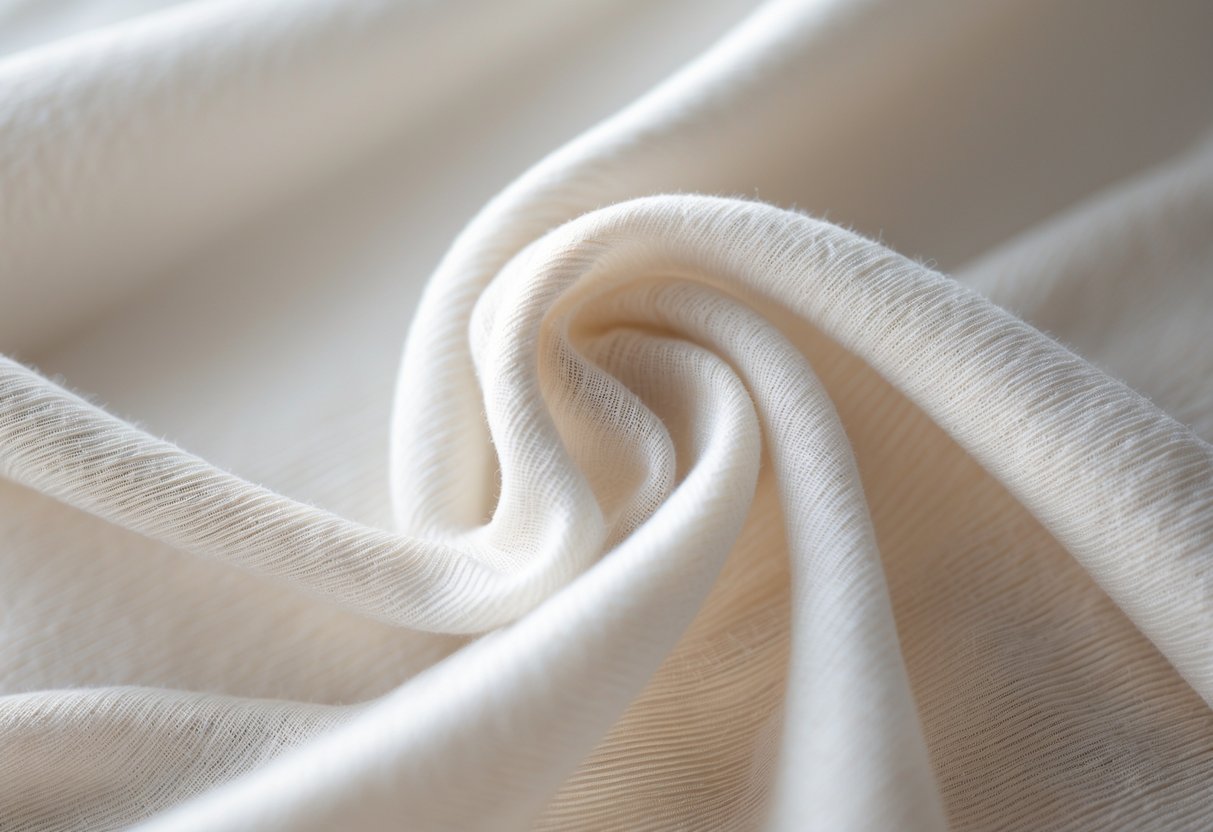
Thin jersey cotton is a lightweight fabric known for its softness and stretch. It is made from cotton or a blend of cotton with synthetic fibers like polyester or rayon.
This fabric is breathable and comfortable, making it popular for casual clothing such as t-shirts and lightweight dresses. Its thin nature allows for good airflow, which helps keep the wearer cool.
Jersey cotton also has some natural moisture-wicking properties. This means it can absorb sweat and help it evaporate, adding to comfort in warm weather.
Because it stretches, thin jersey cotton offers ease of movement. It is often used in activewear or relaxed fit garments.
Thin jersey cotton is easy to care for and durable, which makes it a practical choice for everyday wear. It maintains its shape well despite repeated washing.
28) Fine Wool
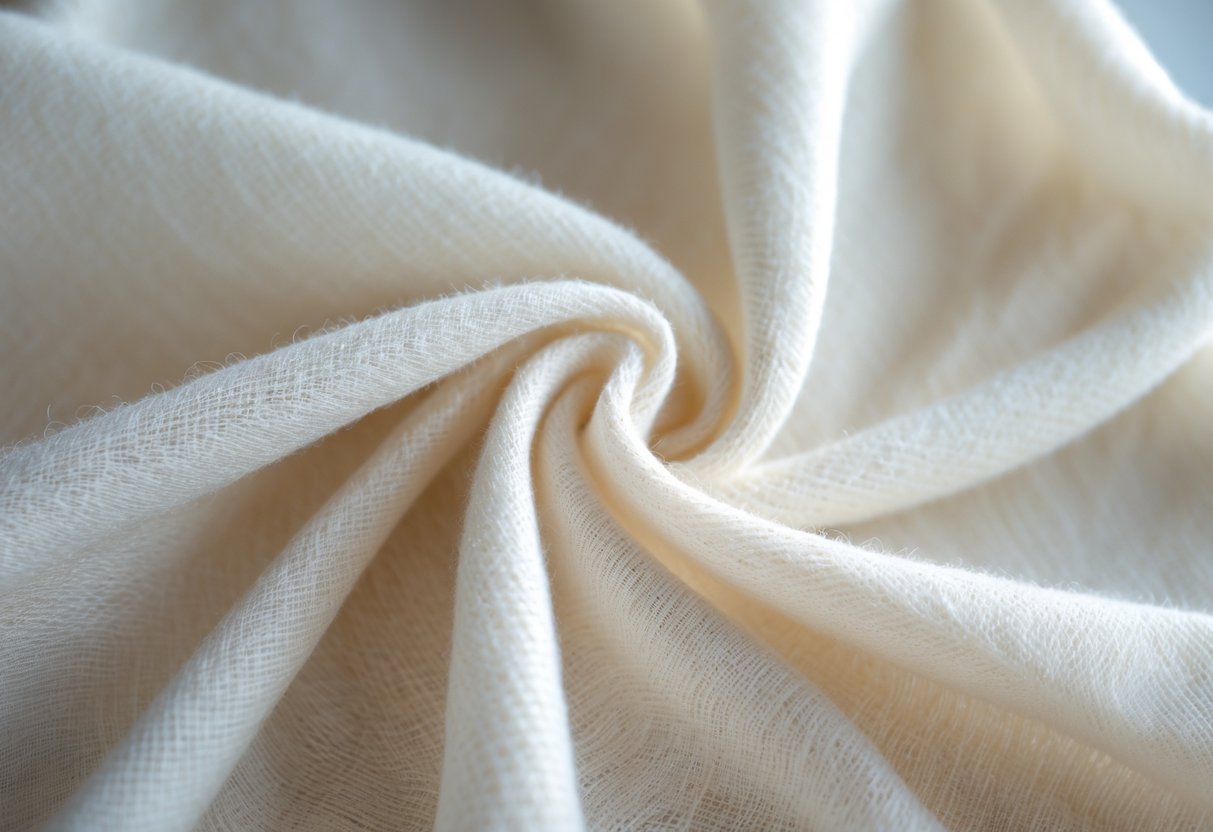
Fine wool is a lightweight fabric known for its softness and breathability. It is thinner than regular wool, making it suitable for warmer weather.
This fabric helps regulate body temperature by allowing air to pass through while still providing some insulation. It also wicks moisture away from the skin, keeping the wearer dry and comfortable.
Fine wool is durable and resists wrinkles, which makes it practical for travel or daily wear. It is often used in lightweight suits, sweaters, and scarves.
Because of its natural fibers, fine wool is biodegradable and more environmentally friendly than many synthetic fabrics. It blends well with other materials to enhance comfort and performance.
29) Silk Habotai
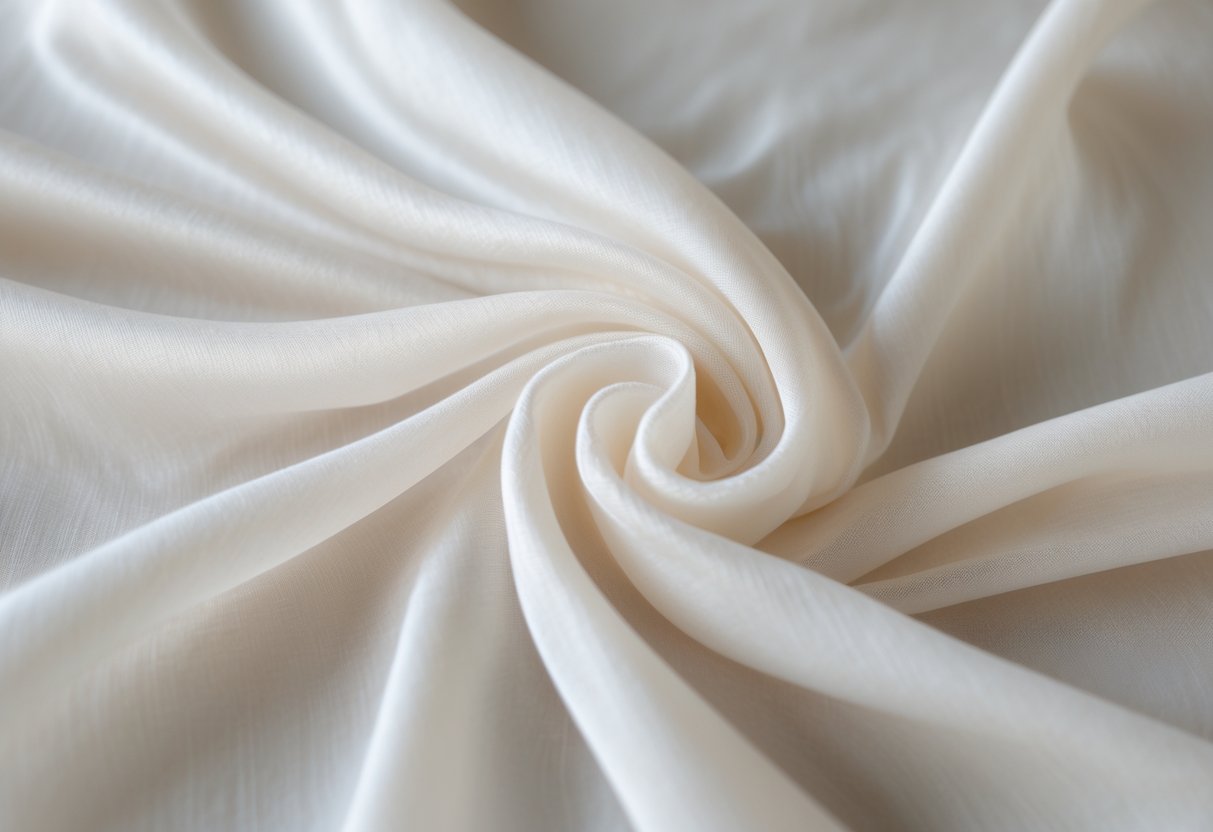
Silk Habotai is a lightweight fabric made from 100% mulberry silk. It is known for its smooth texture and soft feel, which makes it comfortable against the skin.
The fabric has a plain weave and a subtle sheen that gives it a natural shine without being too glossy. It drapes well, allowing clothing to flow gently.
Habotai is breathable and has a delicate but durable structure. It is often used for linings, scarves, blouses, and lightweight dresses.
This fabric is also hypoallergenic, making it suitable for those with sensitive skin. Its lightness and smooth hand feel make it popular in warm weather clothing.
Due to its fine quality, habotai requires gentle care and is usually recommended to be dry cleaned. It offers a balance of softness, breathability, and elegance suitable for many garments.
Benefits of Choosing Lightweight Fabrics
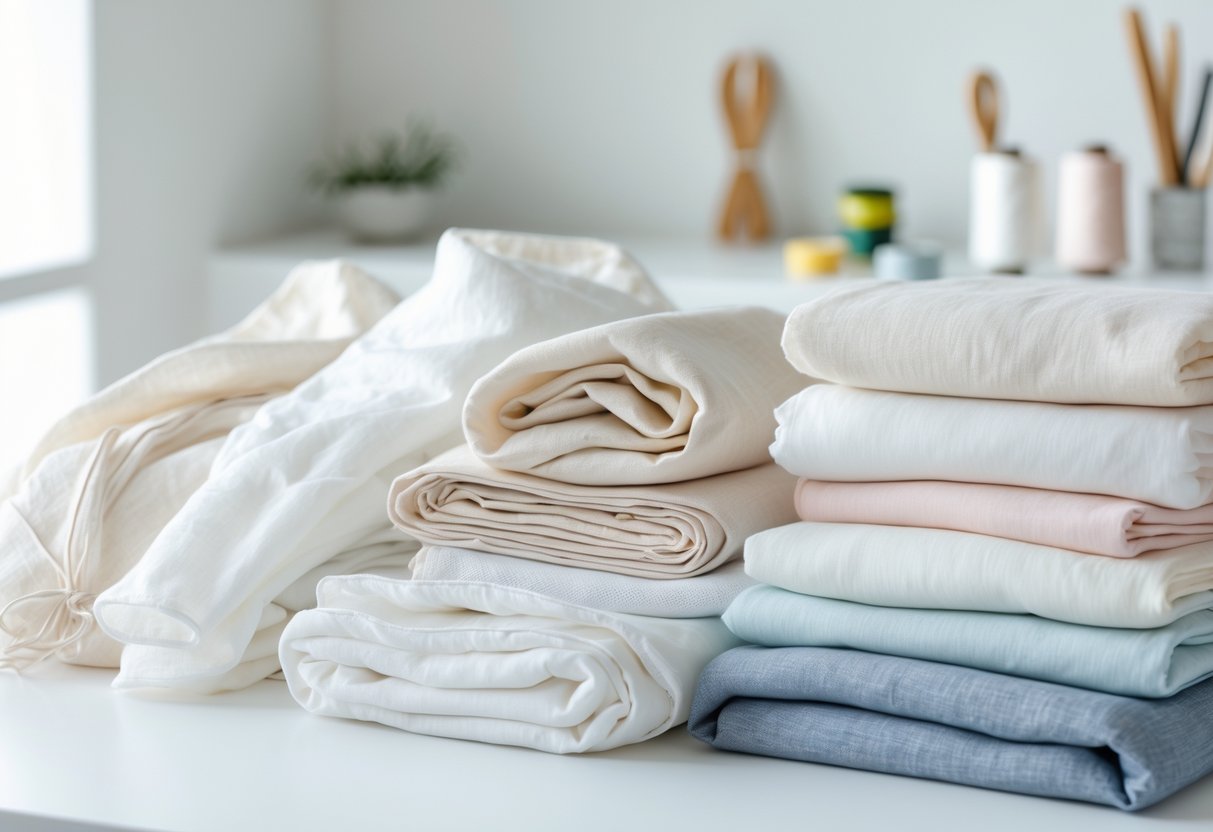
Lightweight fabrics improve wearability by enhancing airflow and managing moisture. They also adapt well to different activities and styles, making them practical choices for many clothing needs.
Enhanced Comfort in Warm Climates
Lightweight fabrics help reduce body heat by allowing air to pass through easily. This cooling effect keeps the wearer feeling fresh even during hot days. Materials such as cotton, linen, and silk are known for their ability to provide comfort without heavy weight.
Because these fabrics do not cling tightly to the skin, they promote natural ventilation. This lowers the risk of overheating and skin irritation. Lightweight fabrics also dry faster, which is helpful when sweating occurs.
Choosing fabrics with a low GSM (grams per square meter) means the clothing will feel less bulky and restrict movement less. This is especially important for outdoor activities or in areas with high humidity.
Moisture-Wicking and Breathability
Many lightweight fabrics actively pull moisture away from the skin. Natural fibers like bamboo and micro modal are soft and absorb sweat well, keeping the wearer dry. Breathability varies by fabric, but lighter materials generally allow better airflow.
Synthetic fabrics such as polyester and nylon tend to be less breathable. They often trap heat and moisture, which can cause discomfort. Lightweight natural fabrics reduce this by balancing moisture management with airflow.
Using blends or fabric finishes can enhance moisture-wicking properties. This means clothes can stay dry longer and help regulate body temperature more effectively.
Versatility for Everyday Wear
Lightweight fabrics suit a wide range of clothing types—casual, formal, or activewear. Their ease of care and softness make them practical for daily use. They also offer a clean, polished look without feeling heavy or stiff.
Because these fabrics come in many textures and blends, designers can create styles with different levels of durability and stretch. Lightweight clothes can be layered easily, adding flexibility in changing weather conditions.
Selecting lightweight material helps maintain comfort all day. It allows the wearer to move freely and feel less weighed down, no matter the occasion.
Care Tips for Maintaining Lightweight Fabrics
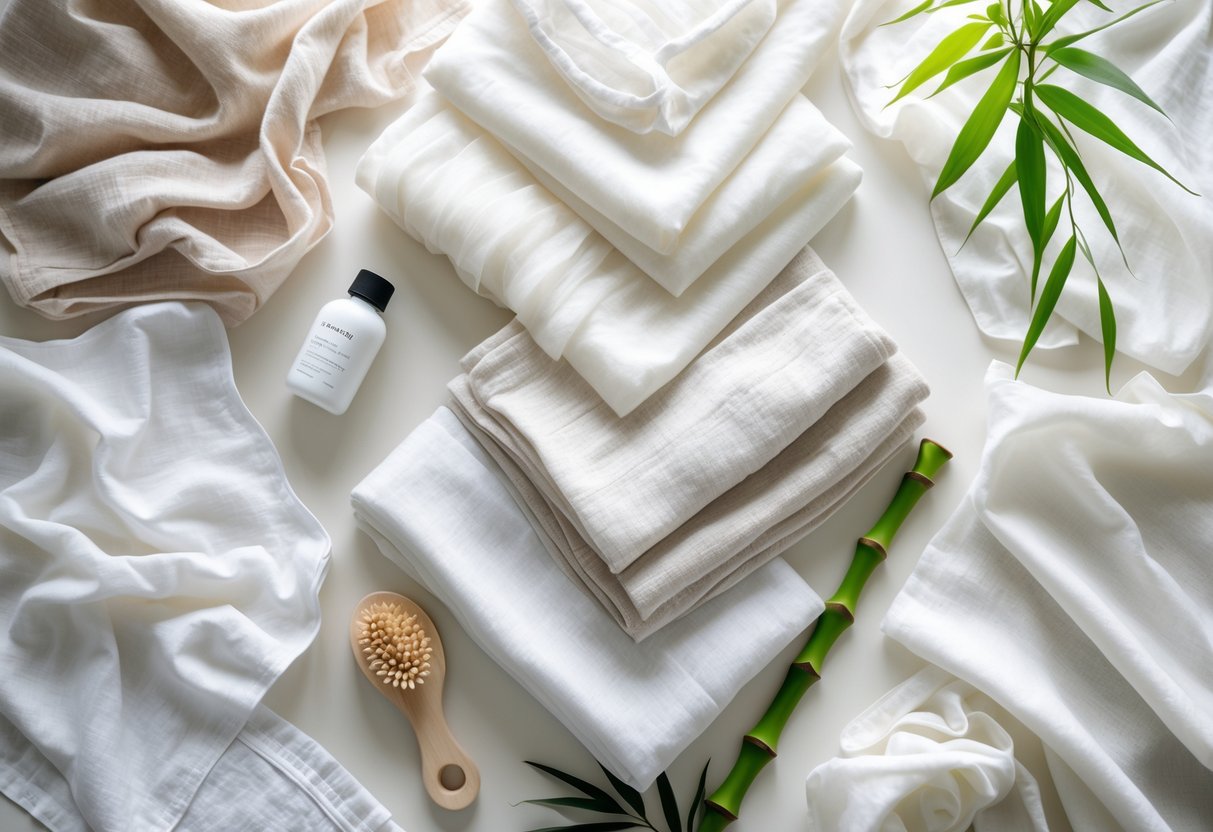
Lightweight fabrics need delicate handling to keep their breathability and softness. Proper washing, storage, and ironing help prevent damage and extend the fabric’s life. Attention to detail is key when caring for these materials.
Washing Guidelines
Lightweight fabrics often require gentle washing. Using cold water helps avoid shrinking and color fading. A mild detergent formulated for delicate fabrics is best to protect fibers.
Machine wash on a gentle cycle or hand wash when possible. Avoid strong agitation that can stretch or tear the fabric. Rinse thoroughly to remove all detergent residue.
Avoid bleach and fabric softeners, as they can weaken fibers and reduce breathability. Air drying flat or hanging to dry prevents heat damage from dryers. If using a machine dryer, select the lowest heat setting.
Proper Storage Solutions
Storing lightweight fabrics properly prevents wrinkles and damage. Clothes should be kept in a cool, dry place away from direct sunlight to avoid fading and weakening of fibers.
Fold soft fabrics like chiffon or voile to reduce stretching. For garments prone to creasing, hang with padded hangers to maintain shape without extra pressure on seams.
Using breathable garment bags helps protect clothes from dust while allowing air circulation. Avoid plastic bags, which trap moisture and can lead to mildew.
Handling and Ironing Recommendations
Handle lightweight fabrics with care to avoid snags and pulls. When ironing, always check the fabric label for temperature settings.
Iron on the reverse side to protect the surface. Using a pressing cloth between the iron and fabric prevents shine and burns.
Low heat and steam settings are safest for delicate materials like silk or Tencel. Avoid heavy pressure and quick movements to reduce distortion. Let clothes cool completely before storing or wearing.
Frequently Asked Questions
Breathable summer clothing often uses fabrics that offer lightness, moisture control, and airflow. Some fabrics stand out for their balance of softness, durability, and breathability, making them popular choices for warm weather wear.
What are the top fabrics recommended for breathable summer clothing?
Cotton voile and linen are widely recommended for hot weather. Both fabrics offer excellent breathability and comfort.
Chiffon and Tencel also rank high due to their lightweight nature and moisture-wicking properties.
Which fabric is the lightest available for making clothing?
Cotton voile is among the lightest fabrics used in clothing. It is thin, soft, and breathable, often used for summer garments.
Chiffon is also very lightweight but has a different texture and drape, making it popular for airy outfits.
Can you list examples of lightweight woven fabrics suitable for hot weather?
Lightweight woven fabrics include cotton voile, chiffon, linen, bamboo fabric, and Tencel.
These fabrics allow air to pass through easily, helping keep the wearer cool.
What are the key characteristics of the most breathable fabrics for apparel?
The most breathable fabrics let air flow freely through their fibers.
They often absorb moisture or wick it away from the skin to keep the body dry and cool.
Softness, lightweight feel, and quick drying are also important traits.
What types of thin fabric are best for creating comfortable clothing?
Thin fabrics like cotton voile and chiffon offer comfort by reducing bulk and improving airflow.
Linen and bamboo fabric provide natural temperature regulation and softness.
Which super soft fabric types offer both comfort and lightness?
Tencel and bamboo fabric are known for their soft hand feel and light weight.
They combine comfort with breathability, making them suitable for all-day wear.