How to Start a Fitness Clothing Line: Step-by-Step Guide
How to Start a Fitness Clothing Line involves a clear plan and understanding of the market. Success comes from choosing a specific niche, designing quality activewear, and building a brand that connects with customers. This industry offers many opportunities, especially as more people want stylish, functional fitness apparel.
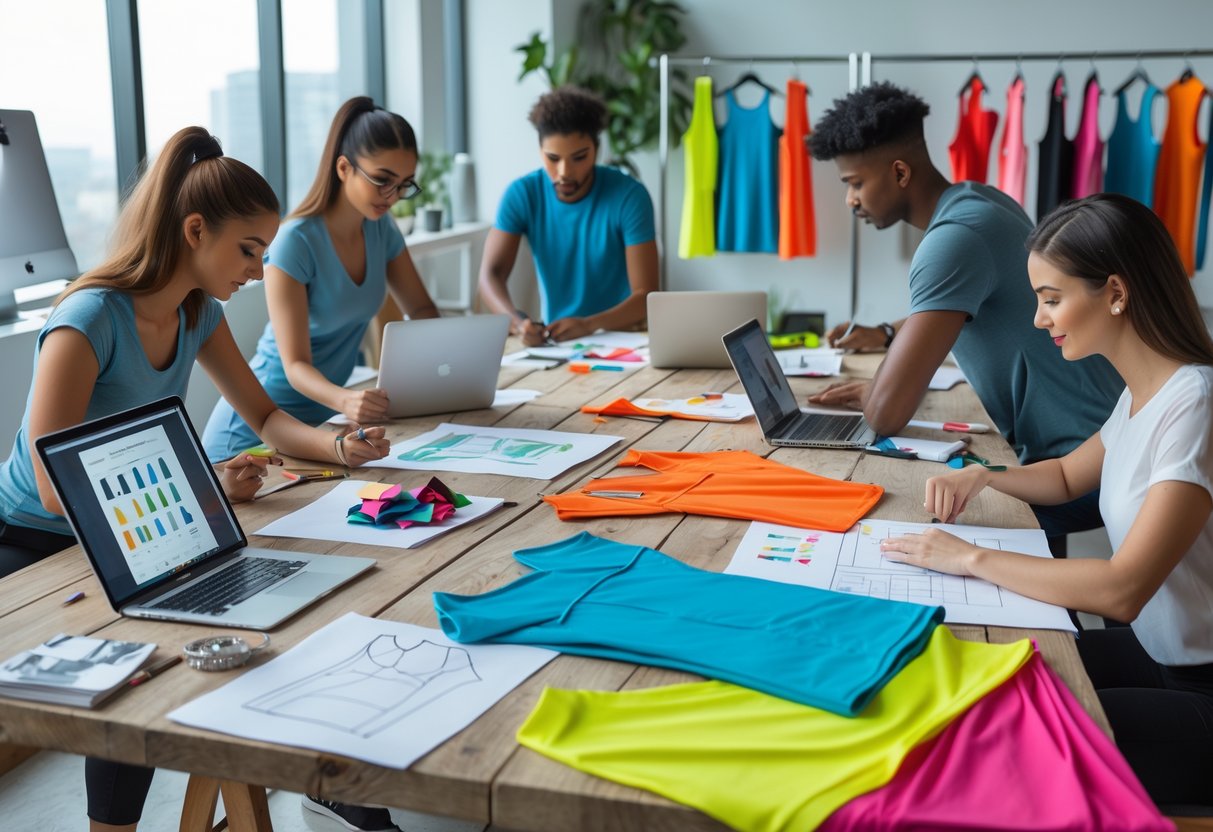
Entrepreneurs need to research their target audience and competition to stand out. Managing business details like legal steps and cost planning is also important in making a fitness clothing line solid and sustainable. With the right strategy, it is possible to turn passion for fitness into a profitable business.
Creating and selling fitness apparel requires balancing good design with smart marketing and effective sales channels. Knowing how to launch and grow the brand can lead to long-term success in the activewear market.
Key Takeways
- Identifying a focused market niche helps brands connect with customers.
- Proper planning and business setup build a strong foundation.
- Combining design, marketing, and sales drives growth.
Finding Your Niche and Defining Brand Identity
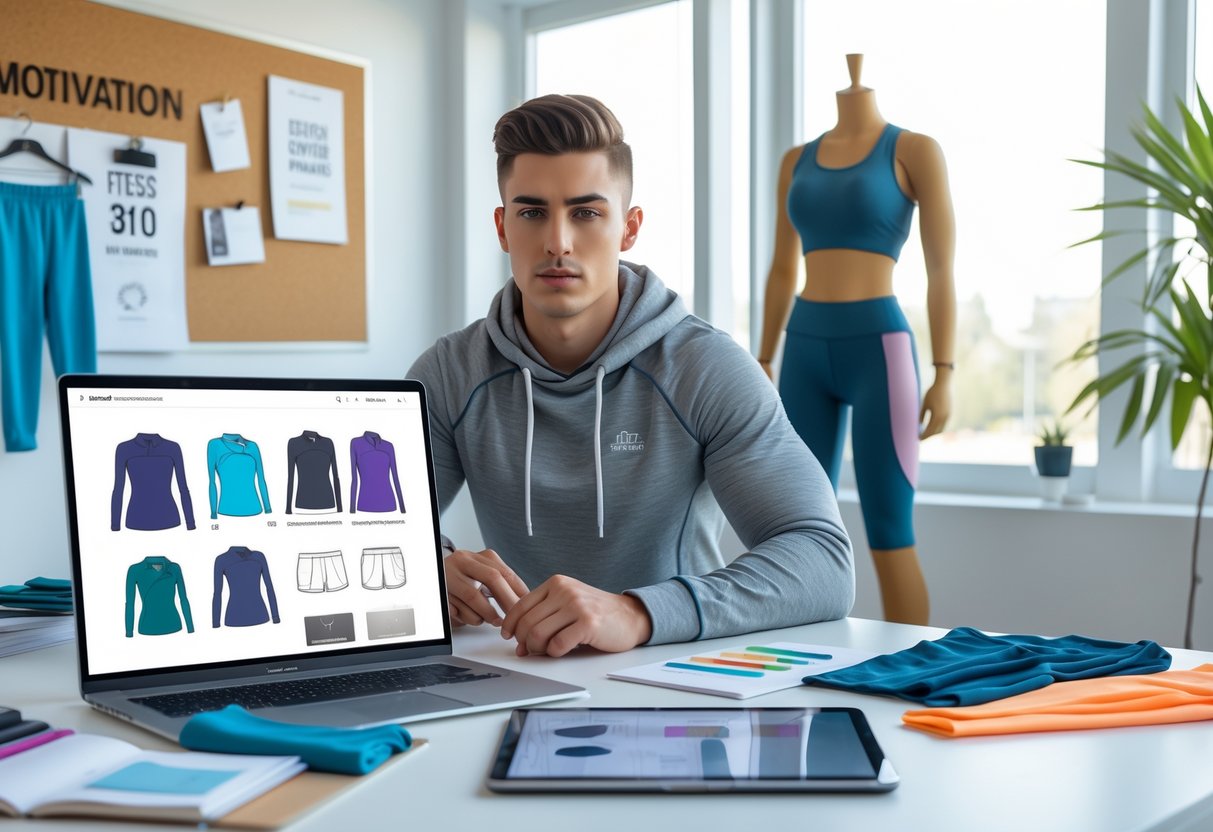
Choosing a clear focus and shaping a strong identity are key to standing out. This involves understanding who the products are for, what sets the brand apart, and how it communicates with customers.
Identifying Your Target Audience
Success begins with knowing exactly who will wear the clothing. This includes defining age, gender, fitness habits, and lifestyle choices.
For example, targeting young women who practice yoga means designing comfortable, flexible outfits. If aiming at athletes training for high-intensity workouts, durability and performance fabrics are essential.
It is important to create detailed customer profiles that include:
- Demographics (age, gender, location)
- Psychographics (values, interests)
- Fitness levels or preferred activities
This focus helps tailor the designs and marketing to attract the right buyers and build loyal customers.
Creating a Unique Value Proposition
The value proposition explains why customers should pick this brand over others. It highlights what is special about the clothing line.
This could be:
- Offering eco-friendly materials for sustainable buyers
- Providing superior moisture-wicking fabrics for athletes
- Designing stylish, versatile pieces for everyday wear
Clear communication of this uniqueness increases brand appeal and sets realistic customer expectations. The value proposition should be easy to understand and consistent across all marketing channels.
Establishing Brand Personality
Brand personality shapes how customers relate to the clothing line. It determines the tone, style, and emotional connection.
A fitness clothing brand could be:
- Motivational and energetic to inspire activity
- Friendly and approachable to build community
- Sophisticated and premium to signal quality and performance
Visual elements like logo and colors should match this personality. The chosen tone of voice, whether formal or casual, must stay consistent to strengthen brand recognition and trust.
Business Planning and Structure
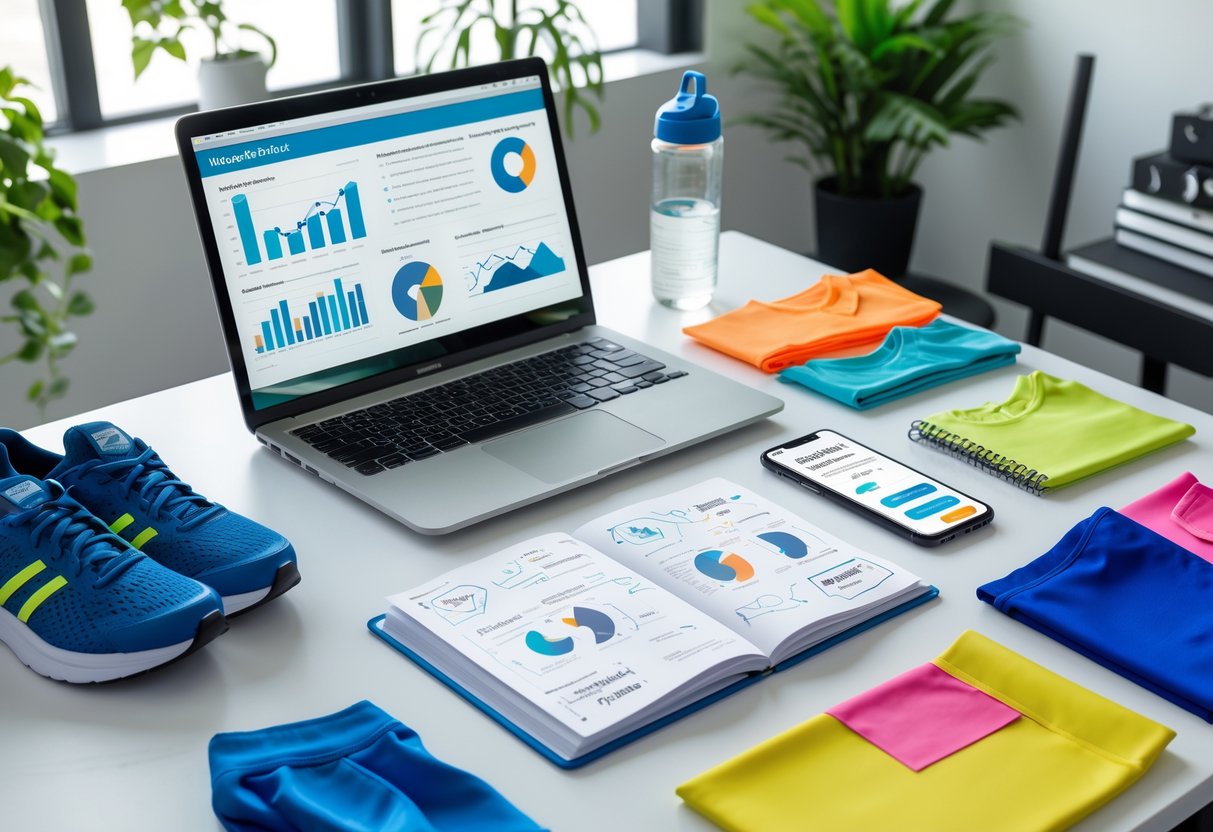
Launching a fitness clothing line requires detailed planning and clear choices in how the business will operate and grow. It involves outlining goals, deciding how the business will function, and selecting a legal framework to protect the owners and support future success.
Writing a Business Plan
A business plan lays the roadmap for the fitness clothing line. It defines the target market, product range, marketing strategy, and financial forecasts. Including detailed numbers on startup costs, funding needs, and expected sales helps keep the business on track.
The plan should cover:
- Product design and sourcing
- Pricing strategy
- Marketing channels and promotional tactics
- Production and distribution methods
- Revenue projections and break-even analysis
This document supports decision-making and is essential when seeking loans or investors. Updating the plan regularly ensures it matches changing market needs and growth.
Choosing a Business Model
Selecting a business model shapes how the brand reaches customers and makes money. Common models include direct-to-consumer (D2C) e-commerce, retail partnerships, or a mix of both. D2C allows full control over brand image and customer experience but requires investment in online platforms and marketing.
Alternatively, selling through stores or boutiques can expand reach but cuts into profit margins. Another option is Print on Demand, which lowers upfront costs by printing products only when ordered.
A clear business model balances initial investment, scalability, and customer access based on resources and goals.
Selecting Your Business Structure
Choosing the right legal structure impacts taxes, liability, and management.
- Sole proprietorship is simple to set up but offers no personal liability protection. Owners risk personal assets if the business faces legal trouble.
- Limited Liability Company (LLC) provides personal asset protection while allowing profits to pass through personal tax returns, avoiding double taxation. It is ideal for startups wanting both flexibility and protection.
Corporations add complexity and costs, suitable only for larger firms expecting to raise capital or go public. Forming an LLC is often the best balance for fitness brands at launch.
Product Selection and Design
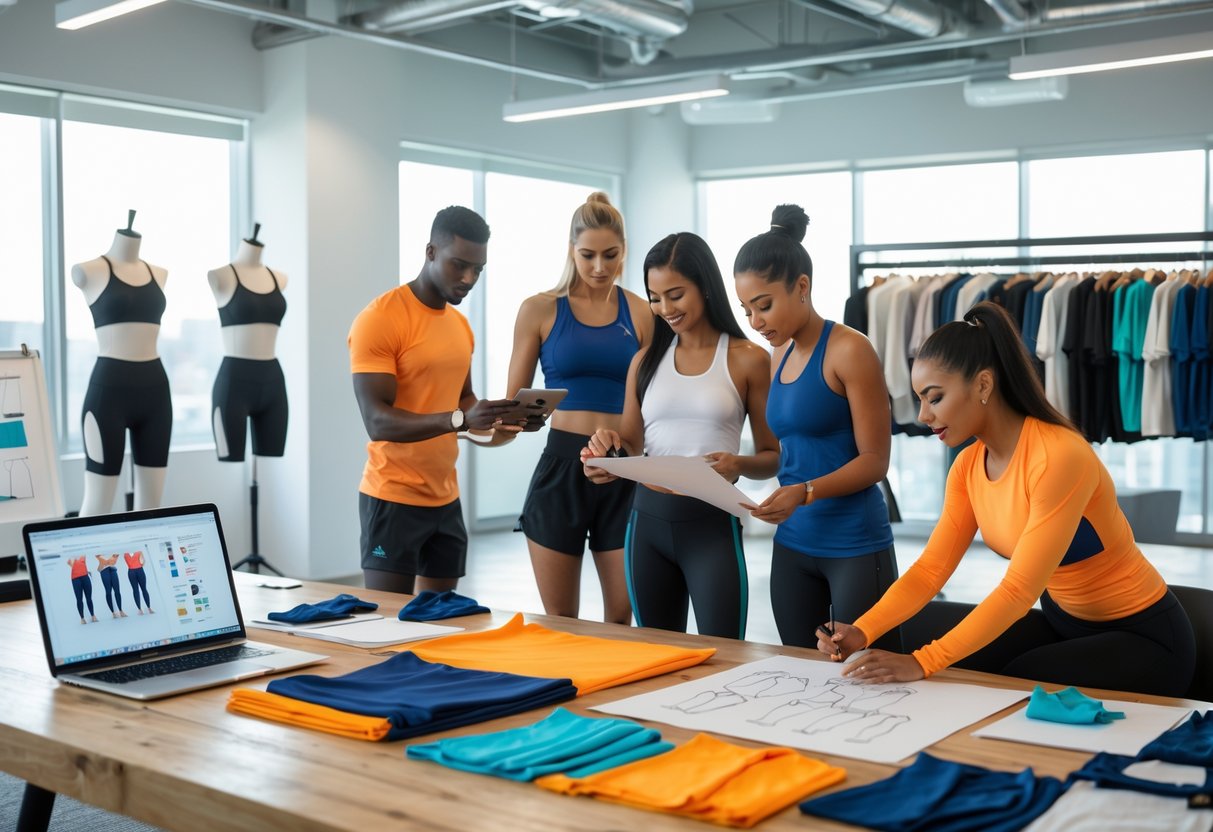
Selecting the right products and designing them thoughtfully are key to standing out in the fitness clothing market. Careful choices about types of apparel, visual style, and materials will affect customer appeal and brand identity.
Choosing Apparel Types
He or she should start by deciding which fitness clothing items to offer. Popular choices include t-shirts, hoodies, leggings, sports bras, and gym shorts. These garments serve different uses, from high-intensity workouts to casual athleisure.
Including versatile pieces like tote bags can complement apparel and expand the product range. When selecting items, consider the target audience’s activities and preferences. For example, yoga enthusiasts might prefer soft leggings and breathable tops, while runners may want moisture-wicking shirts and hats.
Grouping items into clear categories on the online store helps customers find what they need easily. Offering a mix of basics and specialized items can attract a wider market.
Designing Your Fitness Wear
Design should reflect the brand’s identity through logo placement, typography, and color palette. Simple, bold logos work best on activewear because they stay visible during movement.
Typography should be clean and easy to read, avoiding overly complex fonts that distract from the garment’s look. The color palette must balance trends and longevity; neutral tones with occasional bright accents often appeal to gym-goers and casual wearers alike.
Customization options like limited-edition drops or exclusive prints can add value. He or she might use design software or hire professionals to create consistent visuals across all products.
Selecting Fabrics and Materials
Choosing appropriate fabrics impacts both performance and sustainability. Synthetic materials such as polyester blends provide moisture-wicking and durability suited for intense workouts.
Natural fibers like organic cotton offer breathability and appeal to eco-conscious consumers. Using recycled fabrics supports sustainability and adds a marketable feature to the line.
Fabrics should also consider comfort and stretch, especially for leggings and sports bras. A balance between function and style ensures customers feel confident and comfortable.
Quality fabric choices reduce returns and strengthen brand reputation over time.
Production and Fulfillment Options
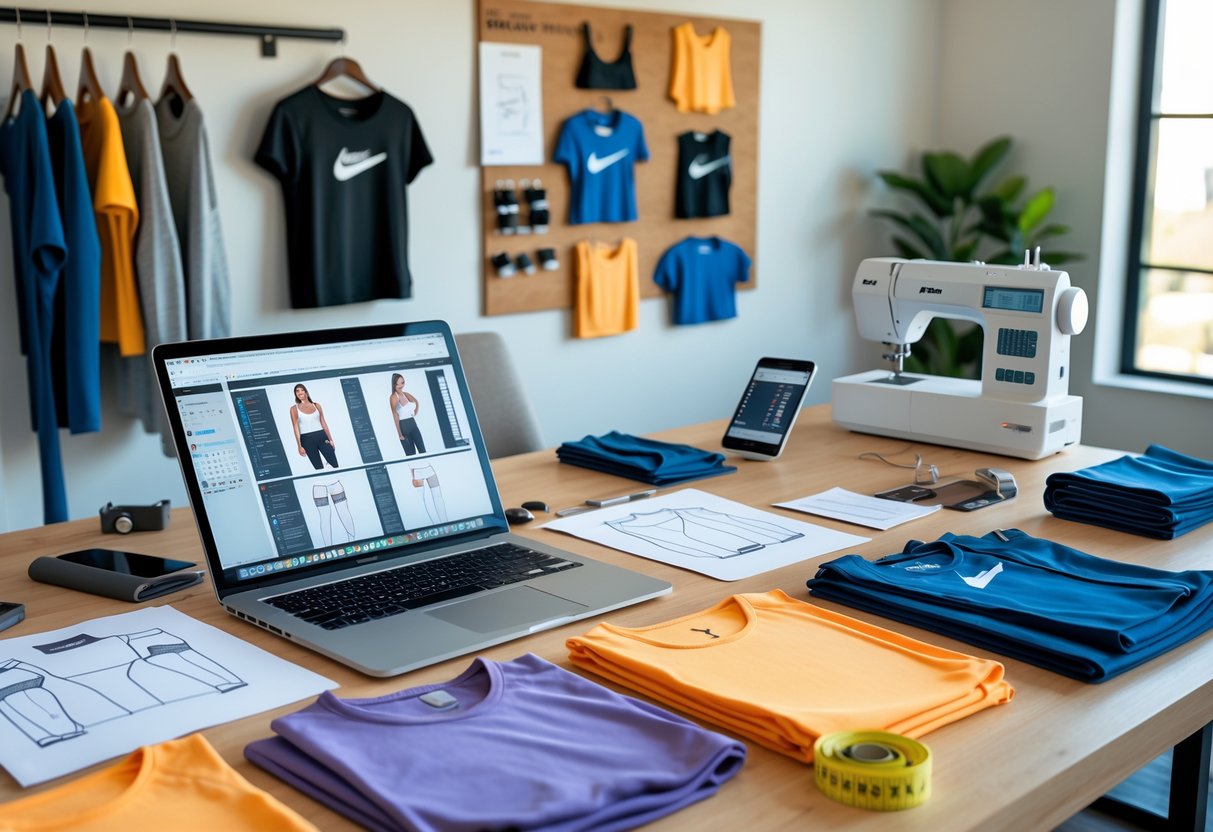
Choosing the right production and fulfillment method is crucial for a fitness clothing line. It affects costs, quality, and delivery times. Different approaches offer unique advantages depending on budget, scale, and business goals.
Print-on-Demand Services
Print-on-demand (POD) services like Printful and Printify allow entrepreneurs to produce fitness apparel without holding inventory. They print and ship items only after a customer places an order. This lowers upfront costs and reduces risk.
Using POD, sellers can upload custom designs to a product catalog and sync it with online stores. This method works well for testing designs or fast scaling. However, options are limited to the printers’ available products and fabrics.
POD providers handle manufacturing, packaging, and shipping. This frees up time but can result in lower profit margins compared to bulk manufacturing. It also means less control over quality and shipping speed.
Working With Manufacturers
Partnering with manufacturers is a common choice for those ready to invest in bulk production. Ordering large runs reduces the cost per unit, increasing profit potential.
Manufacturers offer more choices in fabrics, cuts, and production techniques. This allows for custom branding, unique features, and better quality control. It also supports creating complex pieces like compression leggings or specialty sports bras.
This approach requires more capital, time, and effort to manage. Lead times can range from weeks to months. Communication with manufacturers is key to ensure designs meet expectations and deadlines.
Quality Control Considerations
Maintaining consistent quality is essential for customer satisfaction and brand reputation. Regularly ordering samples helps verify fabric, fit, stitching, and print durability.
Whether using POD or manufacturers, companies should establish clear quality standards. This includes checking physical samples before each production run or periodically during ongoing orders.
Tracking customer feedback on product quality can spot issues early. If defects or returns increase, the brand must adjust suppliers or production processes quickly.
Clear quality control steps safeguard the fitness clothing line’s credibility and reduce costly mistakes later.
Building Your Online Store
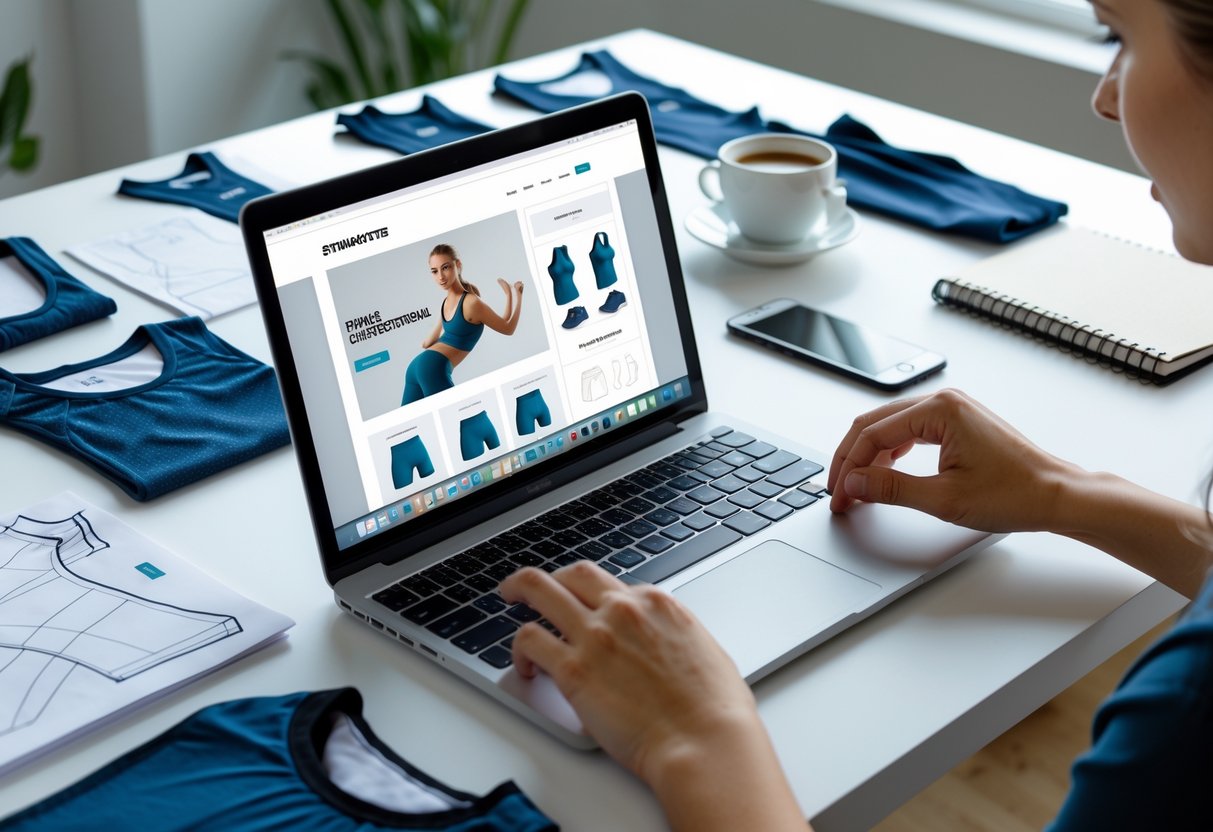
Creating a smooth and professional online store is essential for selling fitness clothing. This includes selecting the right platform, designing a user-friendly website, and securing a matching domain name. Each step affects customer trust and ease of buying.
Choosing an Ecommerce Platformwikipedia.com
Selecting the right ecommerce platform is key. Shopify and WooCommerce are popular options.
- Shopify offers an all-in-one solution with hosting, store-building tools, and payment processing. It is user-friendly and has many themes designed for fitness or clothing brands. Shopify supports dropshipping and print-on-demand, reducing the need to hold inventory.
- WooCommerce is a free plugin for WordPress sites. It offers more control and flexibility but requires more technical skill to set up and manage hosting.
Important features to look for include ease of use, design options, payment gateways, and scalability. A platform with a free trial or demo lets the entrepreneur test its tools before committing.
Setting Up a Professional Website
The website should be clear and easy to navigate. A clean layout with strong branding helps customers recognize the store’s identity.
Key elements include:
- Homepage: Showcases featured products and brand mission.
- Product pages: Include clear titles, detailed descriptions, multiple photos, and sizing info.
- Navigation: Menus and search bars guide users smoothly through the site.
- Mobile optimization: Most customers shop on phones, so the site must adapt well to smaller screens.
Adding an FAQ and contact page builds customer trust and answers common questions quickly.
Securing Your Domain Name
A domain name is the store’s web address and a crucial branding tool. It should be easy to spell, short, and related to the brand or products.
Steps for securing a domain name:
- Brainstorm relevant names using keywords or the store name.
- Check availability on platforms like GoDaddy or directly through the ecommerce platform.
- Register the domain with a reliable provider to maintain control over it.
Matching the domain to the store name makes it easier for customers to remember and find the site online. Some platforms, like Shopify, let users buy and set up domains during store creation.
Showcasing and Selling Your Products
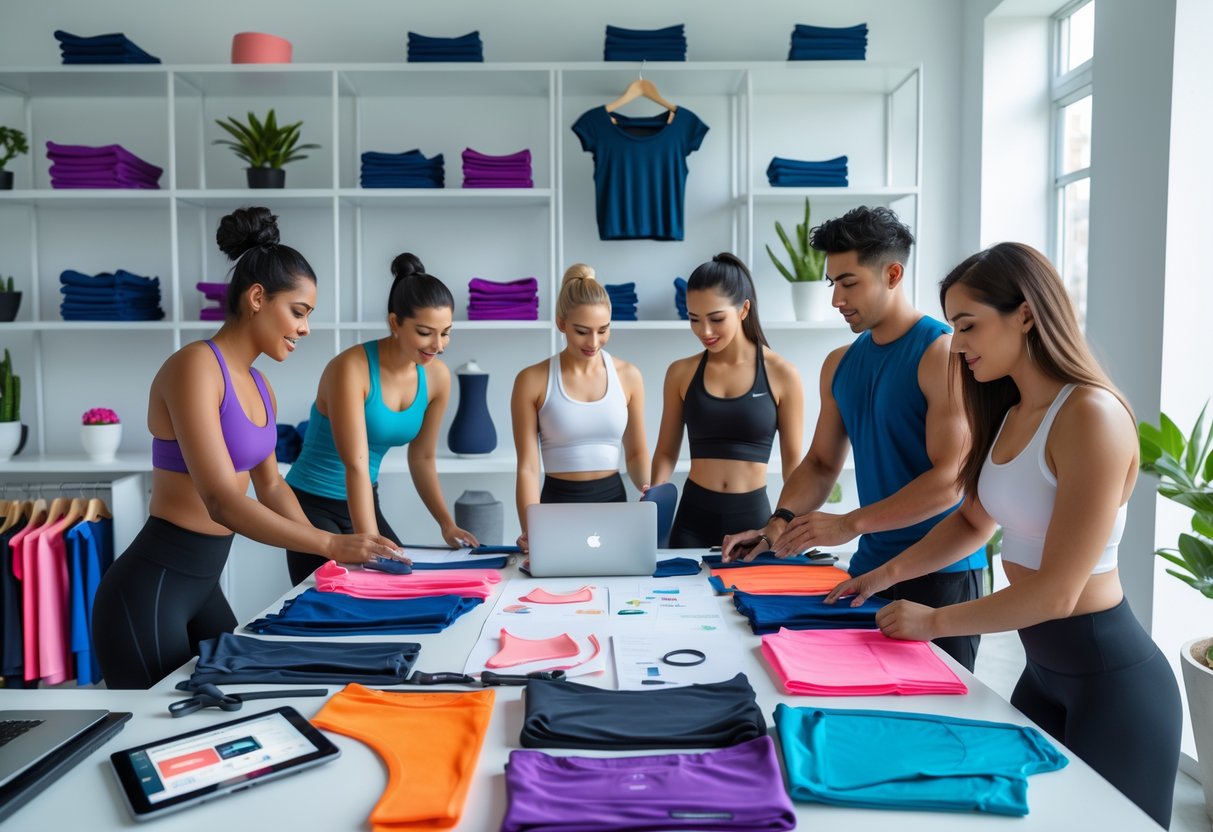
Effective product presentation is essential to attract buyers and drive sales. Clear photos, organized product pages, and persuasive descriptions help customers understand the value and features of each item.
Product Photography and Mockups
High-quality product photos are critical for showing details like fabric texture, color accuracy, and fit. Realistic mockups can be used if actual photo shoots aren’t possible.
Good photos include multiple angles: front, back, close-ups, and lifestyle shots showing the clothing in use. Natural lighting and simple backgrounds help keep focus on the product.
Using consistent image size and style across all items creates a professional look. If using print-on-demand services, request proof samples for genuine photos or choose mockups that replicate the final product closely.
Creating Shop and Product Pages
The shop page should be clean and easy to navigate, with clear categories like leggings, sports bras, or hoodies. Display products in a grid or list with thumbnail images and prices.
Each product page needs to provide all essential details at a glance. This includes:
- Multiple product photos
- Price and available sizes
- Color options
- Size charts or fit guides
Fast loading times and a mobile-friendly design improve user experience. Adding customer reviews or testimonials can increase trust.
Writing Compelling Product Descriptions
Descriptions should clearly explain the key benefits and features of the clothing. Highlight functional elements such as moisture-wicking fabric, stretch, breathability, or eco-friendly materials.
Use simple language and focus on what the customer gains: comfort, style, or performance. Break descriptions into short paragraphs or bullet points for easy reading.
Avoid generic phrases. Instead, personalize descriptions to each product type, like “provides high compression for muscle support” or “lightweight fabric perfect for hot weather workouts.” This helps buyers make informed decisions.
Pricing and Payments for How to Start a Fitness Clothing Line
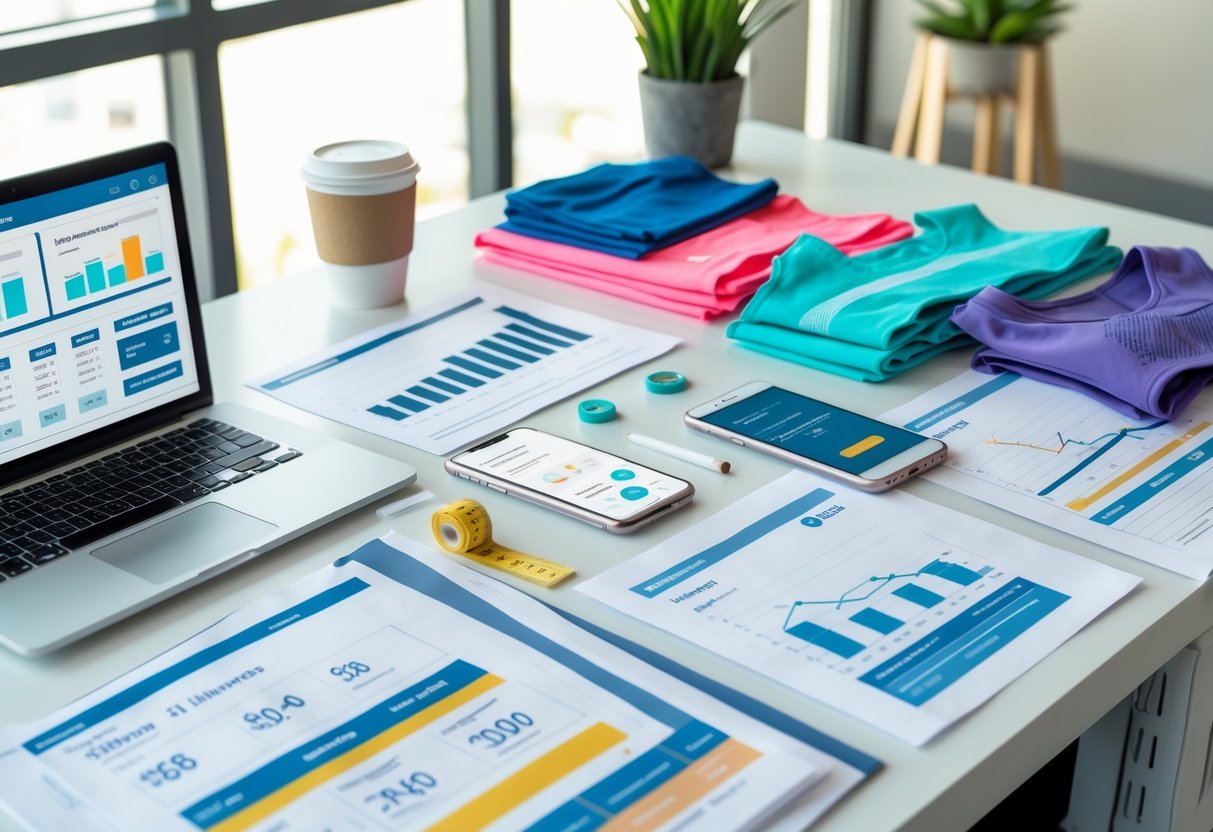
Setting the right price and managing payments effectively are key to running a successful fitness clothing line. Careful planning helps maintain profit margins while offering a smooth buying experience for customers.
Developing Your Pricing Strategy
A clear pricing strategy balances production costs, market demand, and competitor prices. It often starts by calculating total cost per unit, including materials, manufacturing, packaging, and shipping.
Next, add a profit margin that aligns with your business goals—typically between 30%-50% for fitness apparel. Consider whether to use keystone pricing (doubling the cost) or adjust based on brand positioning.
Pricing can vary for different products, so segment your line by categories such as basics, premium items, or limited editions. Offering discounts or bundles can attract customers but should be planned carefully to avoid eroding profit margins.
Setting Up Payment Processing
Payment processing is how money moves from customers to the business. It requires a reliable system that handles transactions securely and quickly.
Retailers often choose a payment processor that supports various methods like credit cards, digital wallets, and direct bank transfers. These systems charge fees, usually around 2.9% plus 30¢ per transaction, so factoring this into the pricing is important.
The checkout process should be simple and fast to reduce abandoned carts. Options like one-click payments or guest checkout help improve conversion rates by minimizing distractions.
Choosing Payment Gateways
Payment gateways connect your online store to payment processors. Selecting the right gateway impacts transaction speed, security, and customer trust.
Popular gateways such as Stripe and PayPal offer easy integration with most ecommerce platforms. Stripe is known for developer-friendly tools and supports in-depth customization, while PayPal is widely trusted and familiar to many shoppers.
Look for features like fraud detection, multi-currency support, and mobile compatibility. Fees are competitive but can vary, so compare costs and contracts carefully before deciding.
A smooth payment gateway helps ensure customers complete purchases, which directly affects sales and growth.
Shipping, Fulfillment, and Inventory Management
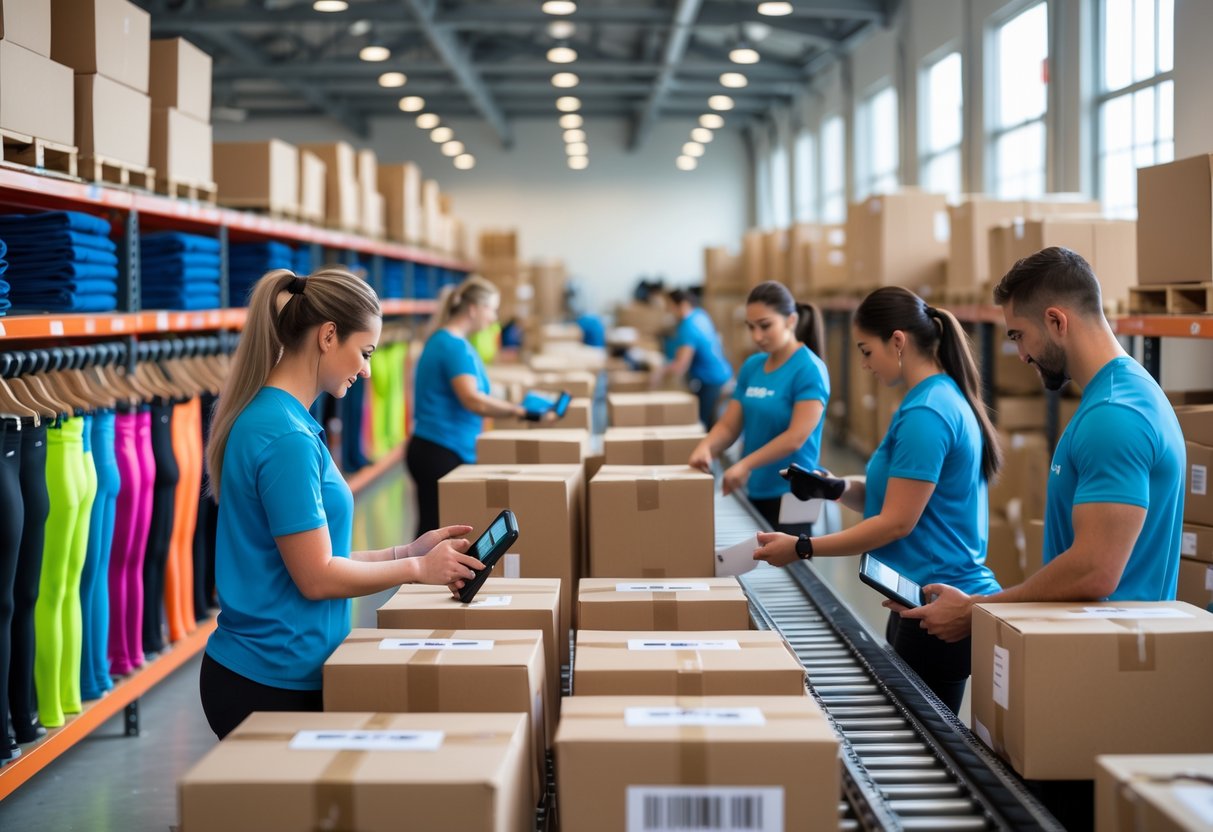
Efficient shipping and fulfillment help keep customers satisfied and lower costs. Managing inventory well avoids stock problems and supports smooth order processing. Together, these steps create a reliable system that supports business growth.
Building a Shipping Strategy for How to Start a Fitness Clothing Line
A strong shipping strategy must balance cost, speed, and reliability. Choosing carriers depends on customer locations and delivery times. Offering multiple shipping options, like standard and expedited, meets different buyer needs.
Packaging should protect products but remain cost-effective. Lightweight, durable materials reduce shipping expenses. Businesses can save by negotiating rates with carriers or using fulfillment services that combine shipments.
Tracking systems are key to keeping customers informed. Transparent shipping policies, including estimated delivery times and costs, improve trust and reduce disputes.
Implementing Free Shipping
Free shipping appeals to many customers but requires careful planning. It can be offered with minimum purchase limits to protect profits. Businesses often include shipping costs in product prices when offering free delivery.
Using thresholds encourages customers to buy more to qualify for free shipping. Another option is to offer free shipping on select items or during special promotions.
Monitoring shipping costs over time helps adjust the free shipping policy. It’s important to maintain profitability while using free shipping as a marketing tool.
Managing Inventory for How to Start a Fitness Clothing Line
Effective inventory management prevents overselling and stockouts. Keeping accurate records of stock levels guides replenishment and supports forecasting.
Using inventory software or integrating it with sales platforms automates tracking. This reduces errors and saves time on manual updates.
Regular audits and reviews of sales trends help optimize inventory levels. Identifying fast-moving vs. slow-moving items allows better purchasing decisions.
For print-on-demand models, inventory risks are low since products are made when ordered. However, businesses still need to monitor supplier stock and delivery times.
Marketing and Growing Your Clothing Line
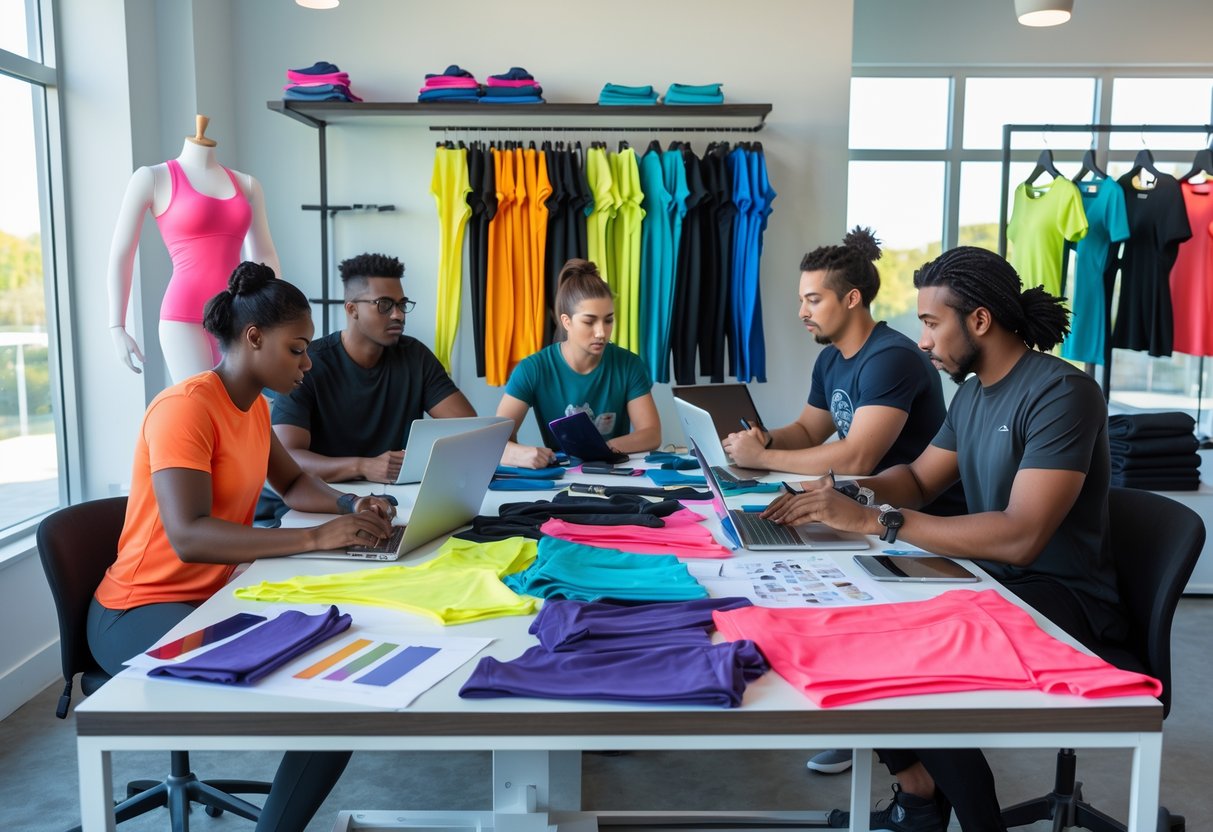
Building a strong presence in the market requires clear planning and targeted efforts. This involves creating effective marketing plans, optimizing online visibility, and maintaining strong relationships with customers to encourage repeat business.
Developing a Marketing Strategy
A successful marketing strategy focuses on defining the ideal customer and identifying where to reach them. Start by outlining goals like increasing brand awareness or boosting sales.
Use a mix of channels such as social media, influencer partnerships, and paid ads. For example, Instagram and TikTok are vital platforms for fitness apparel due to their visual nature and fitness communities. Consistent branding and messaging help build recognition.
Tracking performance with tools like Google Analytics guides adjustments. Budgets should balance creativity and cost-efficiency. Promotions like limited-time offers or product launches keep engagement high and motivate purchases.
SEO for Fitness Apparel Stores
SEO improves online shop visibility by helping it rank higher in search results. Conduct keyword research to target terms customers use, such as “performance workout leggings” or “men’s compression shirts.”
Optimize product titles, descriptions, and meta tags using these keywords naturally to attract organic traffic. Creating content like blog posts about workout tips or fitness trends can boost SEO and establish authority.
Site speed, mobile-friendliness, and easy navigation enhance user experience and support SEO efforts. Regularly updating the website and fixing broken links also maintain ranking.
Email Marketing and Customer Retention
Email marketing keeps customers informed and encourages repeat purchases. Building a targeted email list through website sign-ups or special offers is key.
Send personalized emails with exclusive deals, new product announcements, or workout tips relevant to customers’ interests. Regular but not overwhelming communication keeps the brand top of mind.
Segmenting the list by shopping behavior or preferences allows sending tailored messages that increase engagement and sales. Tracking open and click rates helps refine campaigns for better results.
Frequently Asked Questions
How to Start a Fitness Clothing Line involves understanding the necessary early steps, selecting the right manufacturers, and creating a solid business plan. It also requires knowledge of selling options, design essentials, and how to set a brand apart in a competitive market.
What are the initial steps to take when launching a fitness clothing line?
First, conduct market research to identify target customers and current trends. Next, develop unique designs and create product samples. Register the business legally and apply for necessary tax IDs. Setting a budget and planning marketing strategies early is important.
How can I find reputable manufacturers for my gym wear brand?
Look for manufacturers with experience in activewear production. Check reviews and request samples before committing. Consider local or overseas options based on cost and quality. Attending trade shows and using industry directories can help locate trusted partners.
What should be included in a business plan for a gym clothing company?
A clear market analysis with target demographics and competitors should be included. Outline production costs, pricing strategies, and sales channels. Detail marketing plans, funding requirements, and financial projections. Legal structure and risk management are also important sections.
Can I sell workout clothes from home, and if so, how?
Yes, selling from home is possible by starting with an online store. Use e-commerce platforms to manage sales and shipping. Keep inventory organized in a dedicated space. Marketing through social media and local events can boost sales while working from home.
What are the key considerations when designing custom gym wear?
Focus on fabric choice for comfort and durability, like moisture-wicking and stretch materials. Designs should balance style and function. Consider size ranges and customer preferences. Sustainability and ethical sourcing are rising in importance among consumers.
How can I differentiate my brand from existing fitness clothing lines?
Target a specific niche or sport, such as yoga, running, or weightlifting. Use unique designs or sustainable materials. Offer excellent customer service and create a strong brand story. Collaborating with influencers or local fitness groups can also build recognition.