How to Start a Clothing Line in 10 Simple Steps: Complete Guide
How to Start a Clothing Line can feel overwhelming, but it’s a manageable goal with the right approach. Breaking the process down into 10 simple steps makes launching a clothing brand clear and achievable. From defining what makes the brand unique to choosing the right manufacturer, each step builds on the previous one to create a solid foundation.
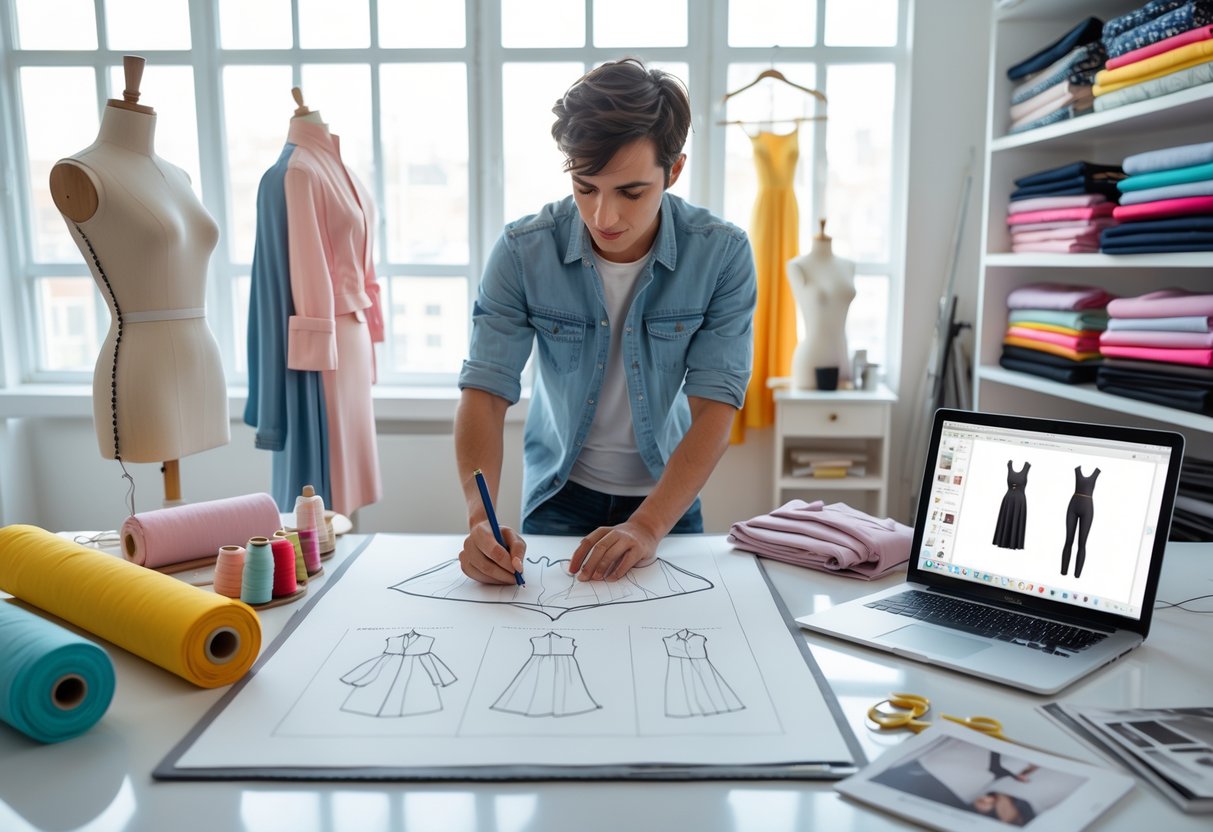
Many new designers worry about where to begin or how to stand out in a crowded market. Understanding your target audience and designing with purpose are key to success. With a clear plan, the journey from idea to selling the first product becomes easier and more organized.
Knowing how to balance creativity with business sense is crucial in the fashion industry. This guide will walk through each step to help ensure quality, control costs, and prepare for a smooth product launch, giving newcomers the confidence to start their own clothing line.
Key Takeways
- Define a unique brand that speaks to a specific audience.
- Plan and manage production carefully to maintain quality and control costs.
- Use effective marketing and customer service strategies to grow the brand.
Choosing Your Niche and Target Audience
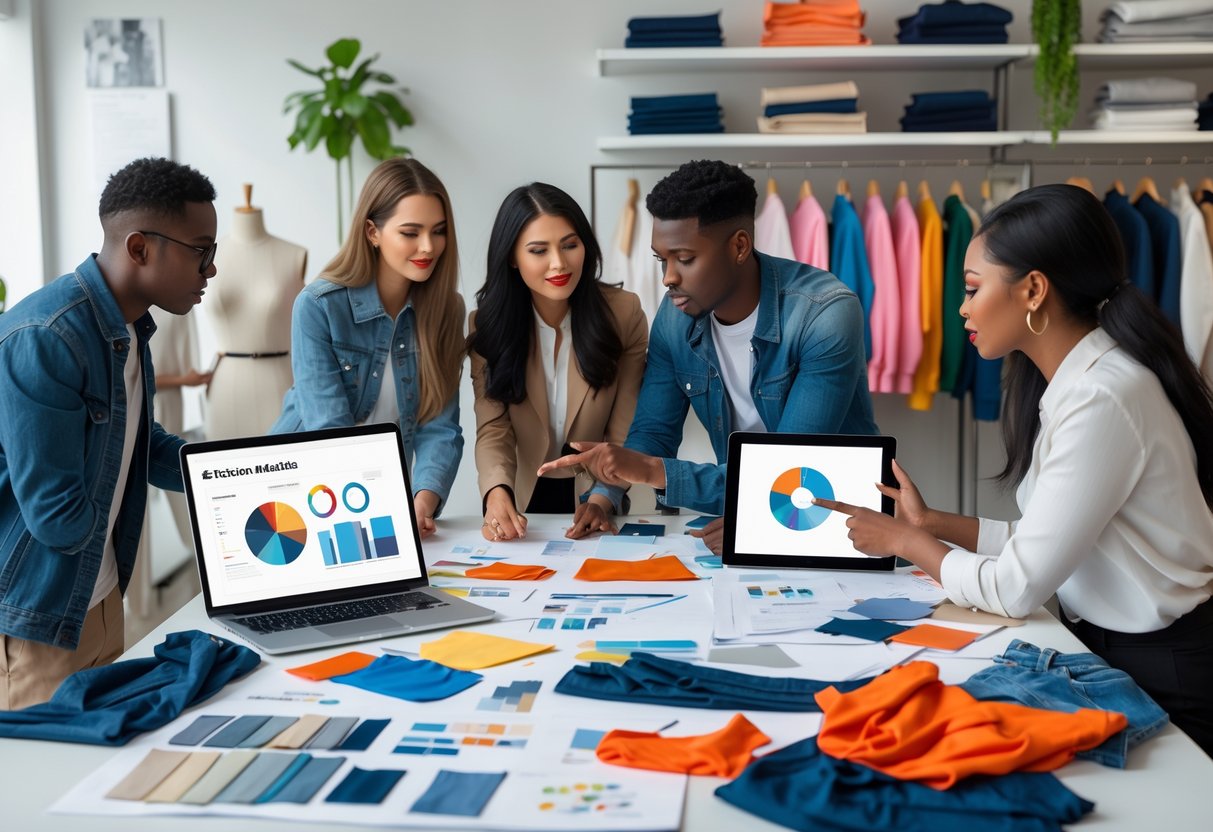
Finding a clear focus and knowing who the clothing line serves is critical. It helps shape design choices, marketing, and business strategy. Paying attention to market gaps and current trends guides smart decisions.
Defining Your Clothing Line Niche
A niche is a specific part of the clothing market where a brand aims to compete. It could be based on style, function, or customer values. Examples include sustainable fashion, activewear, or streetwear.
Choosing a niche means identifying what makes the brand different. It helps attract customers who want something unique. Clarity in niche lets the line focus on materials, design, and pricing that match those customers’ needs.
Researching competitors and understanding gaps in the market support finding the right niche. Brands that serve well-defined niches often build stronger customer loyalty and clear brand identity.
Identifying Your Target Audience
The target audience is the group of people most likely to buy the clothing. Knowing their age, interests, lifestyle, and spending habits shapes product design and marketing.
Brands should create a profile of their ideal customer. For example, age range, gender, geographic location, and fashion preferences matter. If the line focuses on youth streetwear, the marketing and product style will differ from a line targeting professional women.
Listening to customer feedback and analyzing market data helps adjust this profile. Clear target audience knowledge improves communication and product fit, increasing sales potential.
Analyzing Fashion Trends
Fashion trends show what styles are popular and how consumer interests shift over time. Tracking these trends helps ensure the clothing line stays relevant.
Tools like Google Trends, Instagram, and TikTok reveal popular designs, colors, and materials. However, not all trends suit every brand’s niche or audience. It’s important to pick trends that align with brand identity and customer needs.
Trend analysis also involves looking at competitors’ products and sales. This helps find opportunities to innovate or fill unmet demands in the fashion world while avoiding oversaturated markets.
Developing Your Brand Identity and Business Plan
Building a solid brand identity and a clear business plan is key to creating a successful clothing line. This includes defining what makes the brand different, deciding how the business will operate, and setting up the proper legal structure to protect the company and meet local requirements.
Creating a Unique Brand Identity
A strong brand identity helps a clothing line stand out. It includes the brand’s name, logo, colors, and overall style, which should appeal directly to the target customer. The identity reflects the values and personality of the brand, such as eco-friendliness or modern streetwear.
Consistency is key. The same tone and look should appear on labels, packaging, and marketing materials. This builds recognition and trust. Research competitors to find a unique angle. For example, choosing sustainable materials can set a brand apart in a crowded market.
Crafting a Clothing Line Business Plan
A business plan serves as a roadmap for the clothing brand’s growth. It includes sections like business goals, target market, product range, marketing strategies, and financial projections.
Important parts are:
- Defining the target audience by age, interests, and spending habits
- Forecasting sales and costs realistically to attract investors
- Detailing marketing channels, such as e-commerce and social media
A clear plan helps guide decisions and shows lenders or partners that the startup is prepared and serious.
Selecting a Business Model
Choosing the right business model defines how the clothing line makes money. Options include:
- Direct-to-consumer: Selling through an online store or pop-ups.
- Wholesale: Supplying bulk orders to retailers.
- Print-on-demand: Producing items as they are ordered to reduce inventory costs.
Each model affects costs, pricing, and marketing strategies. For example, print-on-demand lowers upfront expenses but may limit design options. Selecting the best fit depends on budget, scale, and brand goals.
Setting Up Your Legal Business Structure
Legal setup protects the clothing line and allows it to operate officially. Common options include:
| Structure | Description | Pros | Cons |
|---|---|---|---|
| Sole Proprietorship | One owner, simple to set up | Easy & low cost | Unlimited liability |
| LLC (Limited Liability Company) | Protects personal assets, flexible | Limits personal liability | More paperwork |
Registering the business name and getting a business license is often required. It’s important to check local laws. An LLC is common for clothing brands because it offers legal protection without complex management.
Designing and Planning Your Collection
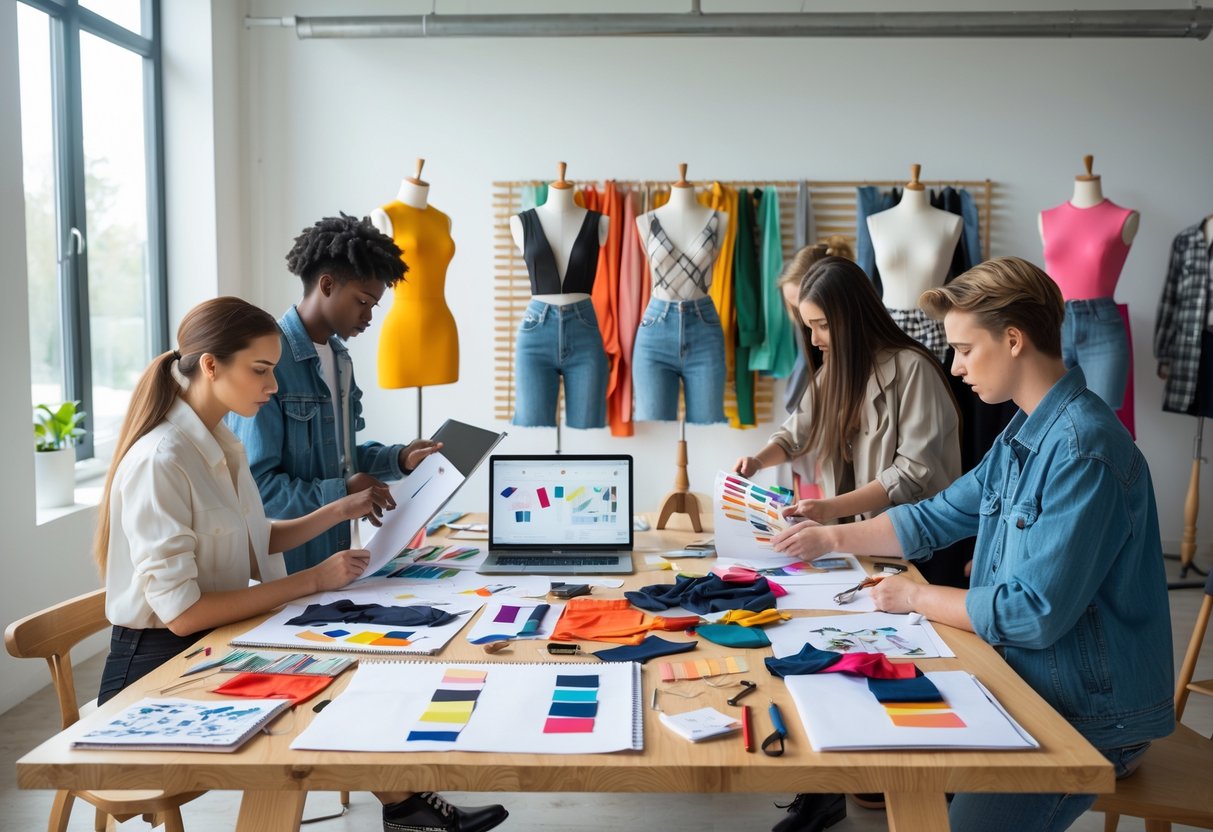
Planning a clothing collection means turning ideas into clear, workable plans. This involves creating detailed designs, choosing the right materials, and making prototypes to test quality and fit. Each stage builds the foundation for a successful product.
Developing Fashion Designs and Tech Packs
The first step is to create fashion designs that show exactly what the clothes will look like. Designers often use sketches or digital tools to map out style, shape, and details. These designs must be clear enough for manufacturers to understand.
Next, tech packs are created. Tech packs include all the technical details needed for production, like measurements, stitching instructions, colors, and trims. They act like blueprints for factories to follow.
A well-made tech pack helps avoid mistakes and miscommunication during production. Professionals who prepare tech packs increase chances of getting accurate samples and better product quality.
Selecting Materials and Fabrics
Choosing the right materials affects both the look and durability of a clothing line. Designers must find fabrics that fit the design’s style and function. They should consider texture, weight, stretch, and care instructions.
It’s important to source fabrics from wholesalers to reduce costs, rather than buying retail. Small minimum orders are helpful during early stages to avoid excess stock.
Along with fabric, trims like buttons, zippers, and labels must match the design’s quality and style. Careful material selection ensures the clothes feel right to the customer and last as expected.
Creating Prototypes and Samples
Once designs and materials are chosen, creating prototypes or samples is next. These initial physical versions help test the garment’s fit, feel, and appearance.
Working closely with a factory or sample maker, designers can check if the quality meets expectations. Samples also catch design or construction issues before bulk production.
It is common to make several sample rounds to refine details. Timely sampling reduces risks and helps launch on schedule with a product customers want to buy.
Finding a Manufacturer and Sourcing Materials
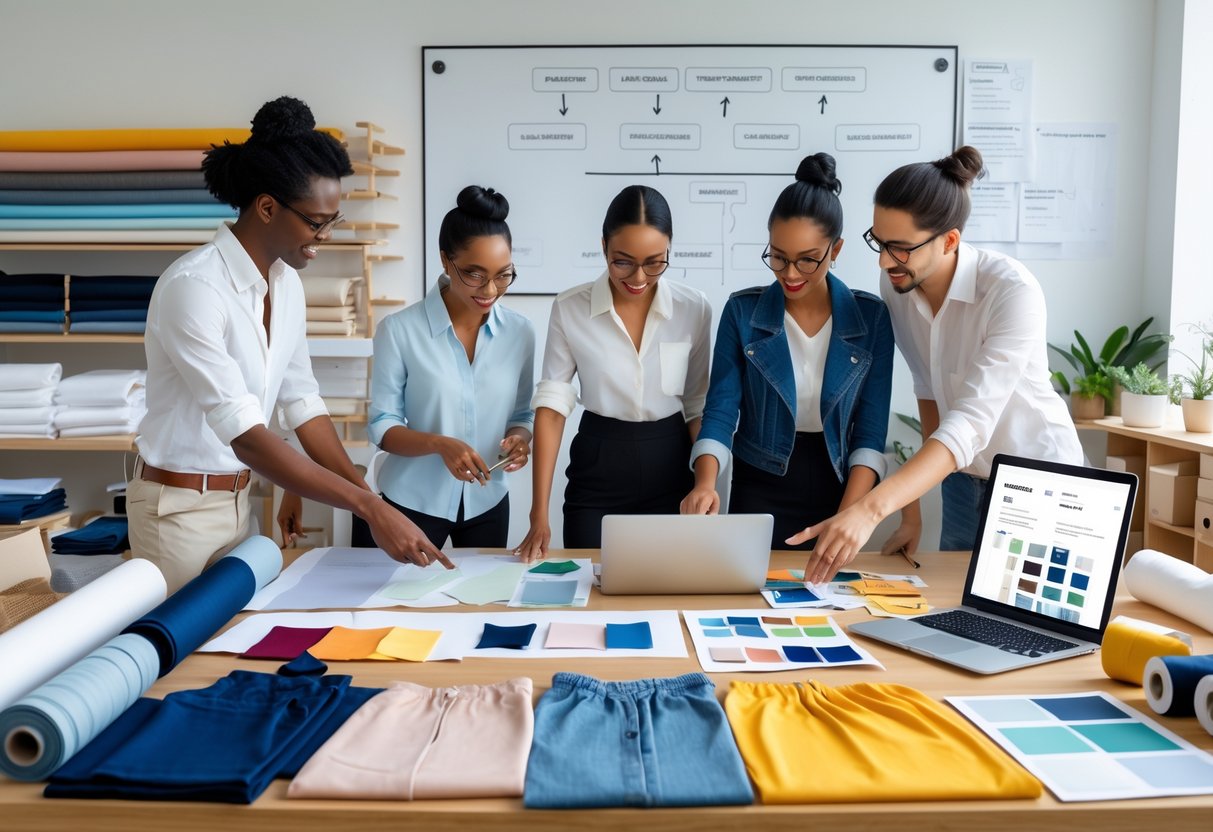
Starting a clothing line requires careful choices about where to make the products and what materials to use. These decisions affect product quality, production costs, and the brand’s ability to grow. Understanding manufacturing partners and fabric options helps avoid delays and costly issues.
Choosing the Right Clothing Manufacturer
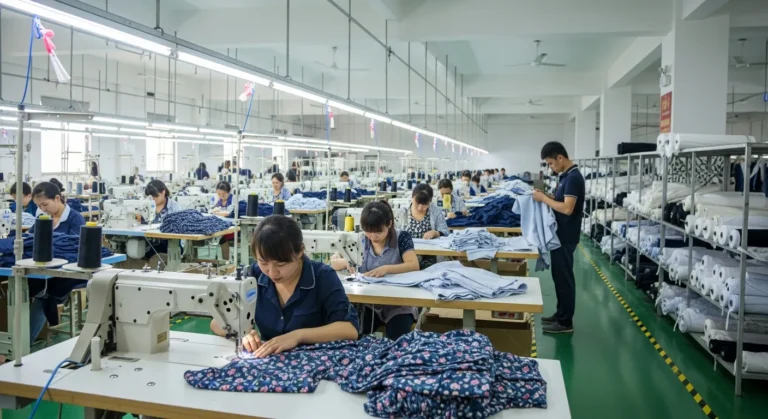
Selecting a reliable clothing manufacturer is essential for consistent quality and smooth production. He or she should consider whether the manufacturer specializes in knits or wovens, as skills and equipment differ. Small-batch producers are good for startups with low minimum order quantities (MOQs), while large-scale factories work best for bigger orders.
It’s important to check the manufacturer’s reputation, responsiveness, and past work. Trust and clear communication reduce mistakes. Considering domestic versus overseas production affects costs, lead times, and quality control. Domestic manufacturers usually provide faster turnaround but at higher prices. Overseas options can lower costs but require more planning for shipping and inspections.
Fabric Sourcing and Material Selection
Choosing the right fabrics and trims shapes the clothing line’s style and feel. The first step is identifying materials that fit the brand’s design and customer expectations. High-quality fabrics help a brand stand out and avoid returns or complaints.
Sourcing involves finding suppliers who offer consistent, cost-effective fabrics. Designers should request samples to check texture, color, and durability. It’s also critical to understand fabric availability and minimum purchase requirements to align with production goals. Sustainable or unique textiles may require extra lead time or higher budgets but can add value to the brand.
Understanding the Manufacturing Process
Knowing how the manufacturing process works helps control production timelines and costs. It usually begins with submitting tech packs that detail designs, materials, and construction.
Pre-production samples (PPS) are a key step. They let the designer check fit, quality, and details before committing to bulk production. Skipping this can lead to costly errors in large orders.
Manufacturers charge based on order size, material complexity, and labor. Setup fees may apply for patterns or molds. Clear agreements on deadlines, quality standards, and penalties for delays protect both parties. Regular quality control during production prevents defects and maintains brand reputation.
Pricing, Production, and Quality Control
Setting accurate prices, managing production costs, and ensuring quality are key to a successful clothing line. Careful planning of expenses and maintaining control through the production process will help protect profits while meeting customer expectations.
Determining Production Costs and Business Expenses
Production costs include fabric, labor, manufacturing, and packaging. Fabric sourcing varies; organic materials cost more but support a premium brand image. Labor expenses can differ depending on hiring freelancers or full-time staff. Manufacturing costs may range from small-batch production to large-scale runs, with bulk orders often lowering the unit price.
Business expenses add layers such as marketing budgets, website setup, and legal fees. Accurate cost calculation helps set wholesale and retail prices. A common formula is:
Wholesale Price = Cost of Goods × 2
Retail Price = Wholesale Price × 2 to 2.5
He or she should include shipping and handling costs in pricing to avoid losses.
Overseeing Quality Control
Quality control prevents defects and maintains product standards. Regular inspections during fabric sourcing and production reduce errors and returns.
Working closely with manufacturers allows adjustments to sewing, printing, or finishing processes. Using skilled sample makers early can identify issues before bulk production. Documentation of quality standards helps ensure consistency across batches.
Quality control impacts brand reputation. Products that match design specifications strengthen customer trust and increase repeat sales.
Order Fulfillment and Packaging
Efficient order fulfillment ensures timely delivery, which affects customer satisfaction. Using third-party logistics or managing in-house shipping depends on scale and budget.
Packaging should protect the product and align with the brand identity. Custom labels, tissue paper, and branded boxes add professionalism but increase costs. Balancing cost and presentation is important for both wholesale and direct-to-consumer sales.
Proper packaging also supports product safety during transit and enhances customer experience, leading to better reviews and loyalty.
Launching and Marketing Your Clothing Line

Launching a clothing line means setting up the right sales channels and reaching your audience effectively. Focus on creating a smooth shopping experience and building strong connections with potential customers through strategic marketing.
Building Your Online Store and Ecommerce Presence
A solid online store is crucial. Platforms like Shopify and WooCommerce provide easy ways to build ecommerce sites without deep coding knowledge. Shopify is user-friendly with many built-in features for payment, shipping, and inventory. WooCommerce is ideal for those who want more control using WordPress.
Include clear product descriptions, high-quality images, and easy navigation to improve the shopping experience. Setting up mobile-friendly design is important since many shoppers use phones. Adding live chat or quick support options helps increase trust and sales.
Print on demand (POD) services can also be integrated. POD allows custom clothing to be sold without inventory, reducing upfront costs. This works well for startups testing market interest in designs like athleisure wear.
Developing an Effective Marketing Strategy
Marketing should target the right customers with clear messages about what makes the brand unique. Start by identifying your niche and customer profiles. Use social media ads focused on platforms where your audience is most active.
Content marketing like blog posts or styling tips helps build brand identity. Promotions such as limited-time discounts or free shipping encourage first-time buyers. Track all campaigns with tools like Google Analytics to adjust tactics based on results.
Paid ads are most effective when combined with organic efforts such as posting regularly and engaging with followers. Consistency and authenticity help grow credibility and repeat sales.
Leveraging Influencers and Email Marketing
Partnering with influencers boosts visibility by reaching niche followers who trust their advice. Micro-influencers in fashion or athleisure wear niches often have high engagement and affordable rates. Offer free samples or commissions to motivate partnerships.
Email marketing remains a strong tool for direct communication. Collect emails through your website and offer incentives like discounts or early access to new collections. Send regular newsletters with product launches, styling guides, and exclusive offers.
Personalization increases email effectiveness. Segment lists by customer interest or purchase history to send relevant messages. Using email automation tools helps maintain timely communication without extra effort.
Customer Service, Shipping, and Growth Strategies
Managing customer expectations with clear policies and strong support is essential. Efficient shipping and thoughtful growth plans help maintain satisfaction and build long-term success in a clothing business.
Establishing a Return Policy
A clear return policy builds trust and protects both the customer and the business. It should specify the time frame for returns, acceptable product conditions, and whether refunds or exchanges are offered.
Include details like:
- Time limits (usually 14-30 days after purchase)
- Condition requirements (unworn, tags attached)
- Process steps (how to start a return, packaging instructions)
- Who pays for return shipping
This policy should be visible on the website and included with orders. Clear communication avoids confusion and reduces disputes. It protects the brand’s credibility and ensures customers feel confident in their purchase decisions.
Providing Excellent Customer Service
Prompt, respectful, and helpful communication is key. Customer service teams should be trained to answer questions about sizing, shipping, returns, and product care clearly.
Use multiple channels such as email, chat, and phone to reach customers. A fast response time—within 24 hours—is critical.
Track common issues and regularly update FAQs based on customer feedback. Personalize responses whenever possible to make customers feel valued. Good service turns a simple transaction into a positive experience and encourages repeat business.
Building a Loyal Customer Base
Loyal customers provide steady revenue and free promotion through word-of-mouth. To build loyalty, offer rewards, exclusive discounts, or early access to new collections.
Engage customers through social media and email marketing with personalized messages and content. Show appreciation by responding to feedback and celebrating milestones.
Providing consistent product quality and maintaining open communication strengthens trust. Repeat buyers are less price-sensitive and often recommend the brand to others, making loyalty a vital growth driver.
Scaling Up Your Clothing Business
Scaling requires careful planning to meet increased demand without compromising quality. Start by automating order fulfillment and inventory management using reliable software.
Expand marketing efforts strategically by targeting new customer segments or geographic areas. Consider partnerships with influencers or retail stores to broaden reach.
Invest in improving your supply chain and production partners to handle higher volumes. Layer in hiring professionals for finance, marketing, or customer service to support operations. Each step should ensure the brand retains its core values while growing sustainably.
Frequently Asked Questions
How to Start a Clothing Line involves understanding costs, choosing the right business model, and knowing how to market effectively. Some methods use wholesale buying, while others focus on print-on-demand or building luxury brands. Online platforms also play a key role in reaching customers and managing sales.
What are the initial costs involved in launching a clothing line?
Initial costs include design expenses, fabric and material sourcing, manufacturing or customization fees, and registering the business. Additional costs come from developing prototypes, setting up an online store, and marketing. Inventory storage or third-party logistics may add to expenses. The total depends on the business model and scale.
What are the steps to starting a small clothing business from home?
First, define a clear brand identity and select a niche. Next, choose products to sell, focusing on a small collection to start. Use print-on-demand or small wholesale orders to avoid large inventory. Create an online store using platforms like Shopify or Etsy. Finally, market the business through social media and local outreach.
How can one create a luxury clothing brand from scratch?
Focus on high-quality materials and unique designs. Work with skilled manufacturers or create garments by hand. Develop a strong brand identity based on exclusivity and craftsmanship. Price products accordingly and market to a specific affluent audience. Build trust through storytelling and maintain consistent branding across all channels.
What are the best practices for building a clothing brand using wholesale purchases?
Choose reliable wholesale suppliers offering quality products. Customize the pieces through embroidery, printing, or other methods to make them unique. Manage inventory carefully to avoid overstock. Keep clear records of costs and shipping times. Market the brand by highlighting the customization and quality to set it apart.
Which platforms are most effective for starting an online clothing business?
Shopify, Etsy, and BigCommerce are popular choices for easy setup and built-in e-commerce tools. Social media platforms like Instagram and Facebook help connect directly with customers and build brand awareness. Integrating analytics tools supports better marketing decisions. Some brands also use marketplaces like Amazon for wider reach.
How do you create a clothing line using print-on-demand services like Printify?
Select your designs and upload them to the print-on-demand platform. Choose the products to sell, such as T-shirts, hoodies, or hats. Connect the service with an online store to automatically handle orders and shipping. This model requires minimal upfront investment and avoids inventory risks. Focus on marketing and design to attract buyers.