Clothing Marketing Strategies for Fashion Brands: 5 Best Approaches
Fashion brands face a crowded and competitive market where standing out is key to success. To thrive, companies must focus on clear strategies that connect with the right people and highlight what makes their products unique. The best clothing marketing strategies combine strong brand identity, smart use of social media, influencer partnerships, and targeted advertising to boost sales and engagement.

Understanding who the customers are and what they want is essential to tailoring marketing efforts that work. Brands also need to keep their visuals and messages consistent to build trust and recognition. Using platforms like Instagram and Facebook effectively can help brands reach new audiences and encourage direct shopping.
Staying current with trends and adjusting marketing tactics accordingly ensures a brand remains relevant in a fast-changing industry. Thoughtful collaboration with influencers and careful digital marketing choices create lasting connections with buyers and drive business growth.
Key Takeaways for Clothing Marketing Strategies
- Effective marketing starts with knowing the ideal customer and reaching them clearly.
- Consistent branding and social media use build customer trust and increase sales.
- Adapting to trends and using influencers help keep the brand relevant and engaging.
Identifying and Understanding Your Target Audience
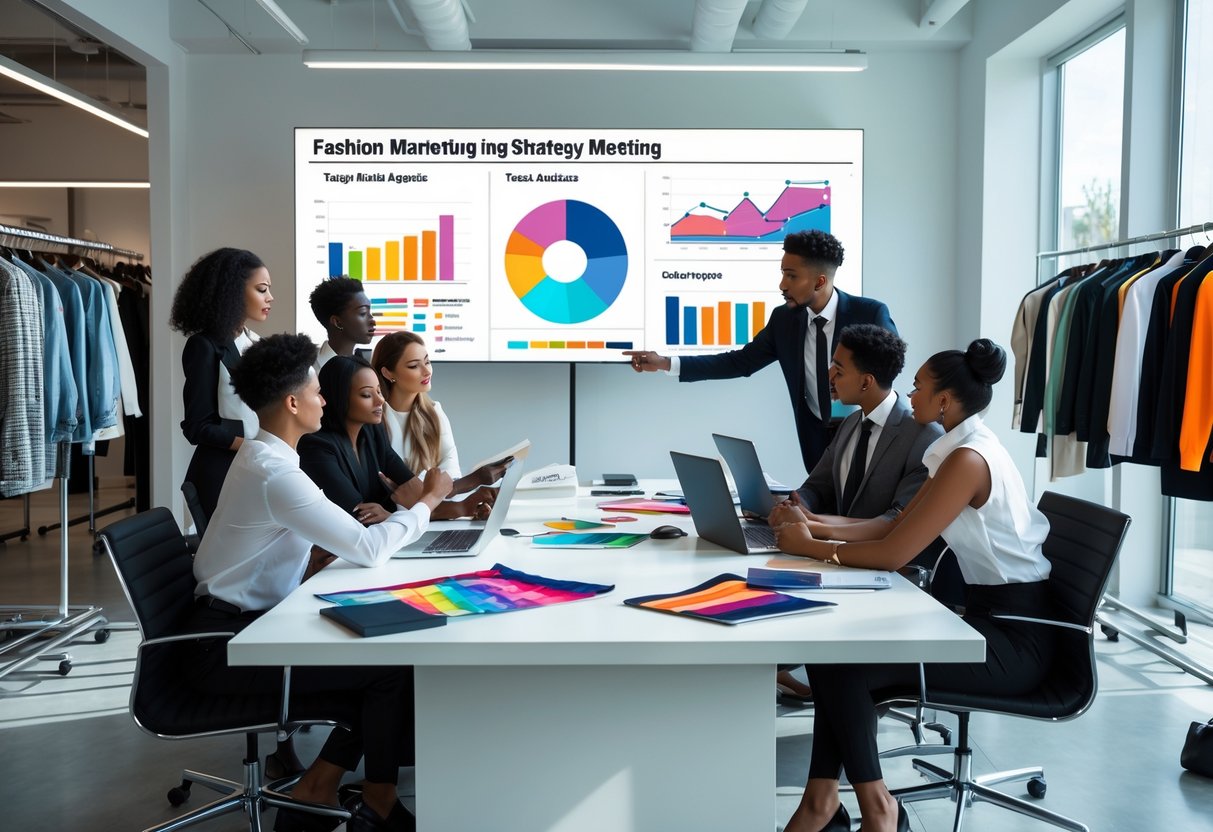
Knowing who a clothing brand serves is essential for effective marketing. It involves clarifying who the ideal customers are, studying their behavior, and breaking them into groups. This approach helps brands tailor their messages and products to meet specific needs.
Defining Your Fashion Brand’s Niche for Clothing Marketing Strategies
A niche defines the specific segment of the fashion market a brand wants to serve. This could be based on style, price, age, or values such as sustainability. By focusing on a clear niche, a clothing brand can stand out in a crowded market.
Defining a niche helps brands align their design, messaging, and marketing efforts. For example, a brand specializing in eco-friendly activewear targets customers who value sustainability and fitness. This clear focus makes marketing campaigns more precise and efficient.
Conducting Market Research and Analyzing Consumer Trends
Market research involves gathering data about potential customers and competitors. This can include surveys, sales data, and social media analysis. It helps brands understand what styles, colors, and fabrics are currently popular.
Tracking consumer trends allows a clothing brand to anticipate changes in demand. For instance, if customers are moving toward eco-conscious products, the brand can adjust its offerings to meet that need. Research also reveals gaps in the market that the brand can fill.
Segmenting Your Audience for Maximum Impact
Segmentation divides the broader target audience into smaller groups based on factors like age, lifestyle, location, or buying habits. Each segment receives tailored marketing that resonates better than generic ads.
For example, one segment might be young professionals interested in affordable office wear, while another might be eco-conscious shoppers looking for sustainable options. This strategy improves engagement and increases conversion rates by speaking directly to specific customer needs.
Building a Strong Brand Identity and Values
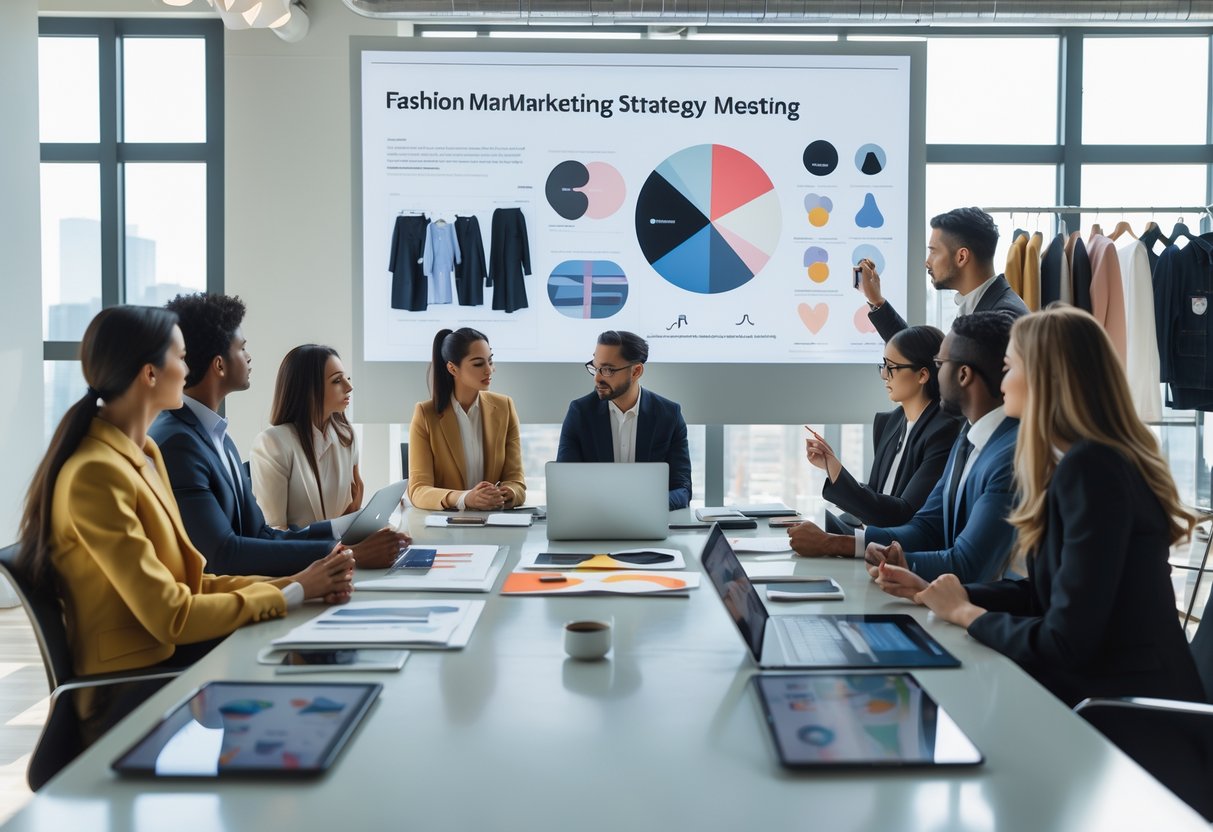
A clear brand identity helps fashion brands earn trust and stand out in a crowded market. Defining key values and developing a consistent look and voice make a lasting impression. Sharing an authentic story strengthens connections with customers and builds loyalty.
Establishing Brand Values and Voice
Brand values are the foundation of a fashion brand’s identity. They guide decisions, reflect the brand’s mission, and connect with customers on a deeper level. Brands that clearly define values around themes like sustainability, quality, or inclusivity better align with their audience’s beliefs.
The brand voice should match these values. It shapes how the brand communicates across channels. Whether it’s formal, friendly, or edgy, the voice must remain consistent to build brand awareness and trust. For example, a sustainable fashion brand might use a calm but informative tone that highlights eco-conscious practices.
Creating a Memorable Visual Identity
Visual identity includes logos, color schemes, fonts, and packaging. These elements work together to create immediate recognition. Choosing colors and styles that reflect the brand’s personality helps attract the target audience and supports brand loyalty.
Consistency is key. Using the same visuals across social media, website, and product labels reinforces the brand and builds familiarity. Simple, clean designs often work well in fashion, allowing the product to remain the focus while supporting the overall look.
Communicating Brand Story for Clothing Marketing Strategies
The brand story tells why the fashion brand exists and what it stands for. Sharing origins, values, and goals humanizes the brand and fosters emotional connections with customers.
Stories that highlight craftsmanship, ethical sourcing, or a unique design philosophy can differentiate the brand. Authenticity matters most; customers respond better when the story feels genuine and not overdone. Regularly updating the story through marketing and social media keeps the brand relevant and engaging.
Leveraging Social Media Marketing Platforms
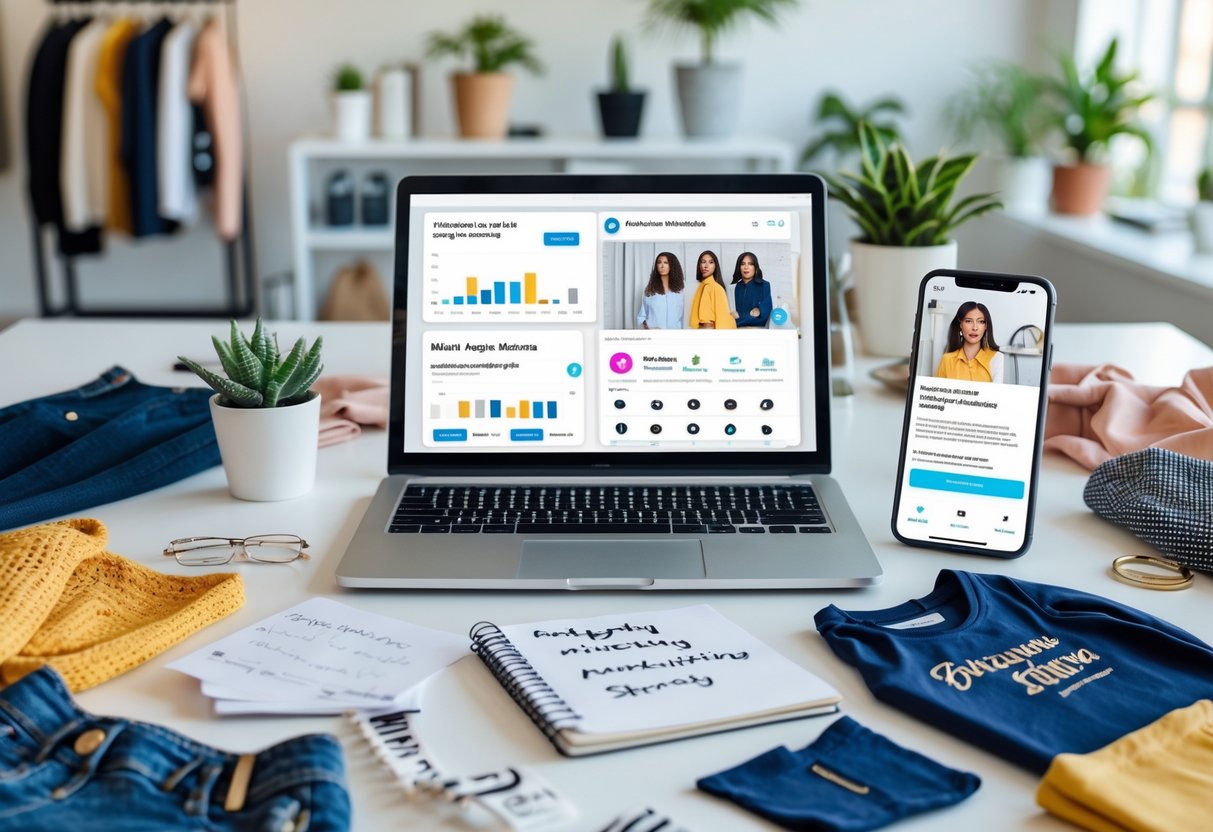
Fashion brands must carefully choose how to use different social media platforms to connect with their audience. Each platform offers unique tools to share content, engage users, and build brand loyalty. Brands that align platform strengths with their marketing goals get better visibility and engagement.
Developing a Robust Social Media Presence
A strong social media presence is essential for brand recognition and customer trust. This starts by maintaining consistent branding across profiles and engaging regularly with followers. Responding to comments and messages quickly creates a sense of community.
Brands should focus on creating authentic content that reflects their values. Using user-generated content (UGC) encourages followers to share their experiences, making the brand feel more relatable. Posting frequently and at optimal times helps keep the audience engaged and attracts new followers.
Using Instagram and TikTok for Brand Engagement
Instagram and TikTok are key platforms for fashion brands targeting younger audiences. Instagram’s visual nature supports high-quality photos, stories, and shopping features that simplify product buying.
TikTok thrives on short, creative videos and viral challenges. Fashion brands benefit by launching hashtag challenges and collaborating with authentic influencers to encourage user participation. Both platforms reward interactive and original content, so brands should focus on trends while keeping their unique style.
Maximizing Facebook and Twitter Strategies
Facebook remains strong for targeted advertising and community building through groups and events. Brands can use Facebook’s detailed ad tools to reach specific demographics and retarget interested customers. Posting a mix of promotional and value content keeps followers interested.
Twitter is effective for real-time communication, announcements, and customer service. Fashion brands using Twitter should focus on clear messaging, timely updates, and engaging in trending conversations. Twitter chats and polls help boost brand visibility and interaction.
Utilizing Short-Form Video and Visual Content
Short-form video is a powerful way to capture attention quickly. Platforms like TikTok and Instagram Reels encourage dynamic, engaging clips that showcase outfits, behind-the-scenes moments, or styling tips.
Visual content should be sharp and on-brand, highlighting the product while telling a story. Combining videos with branded hashtags helps increase organic reach. Incorporating AR features or interactive filters can also boost engagement by offering unique, hands-on experiences.
Influencer and Collaboration Strategies
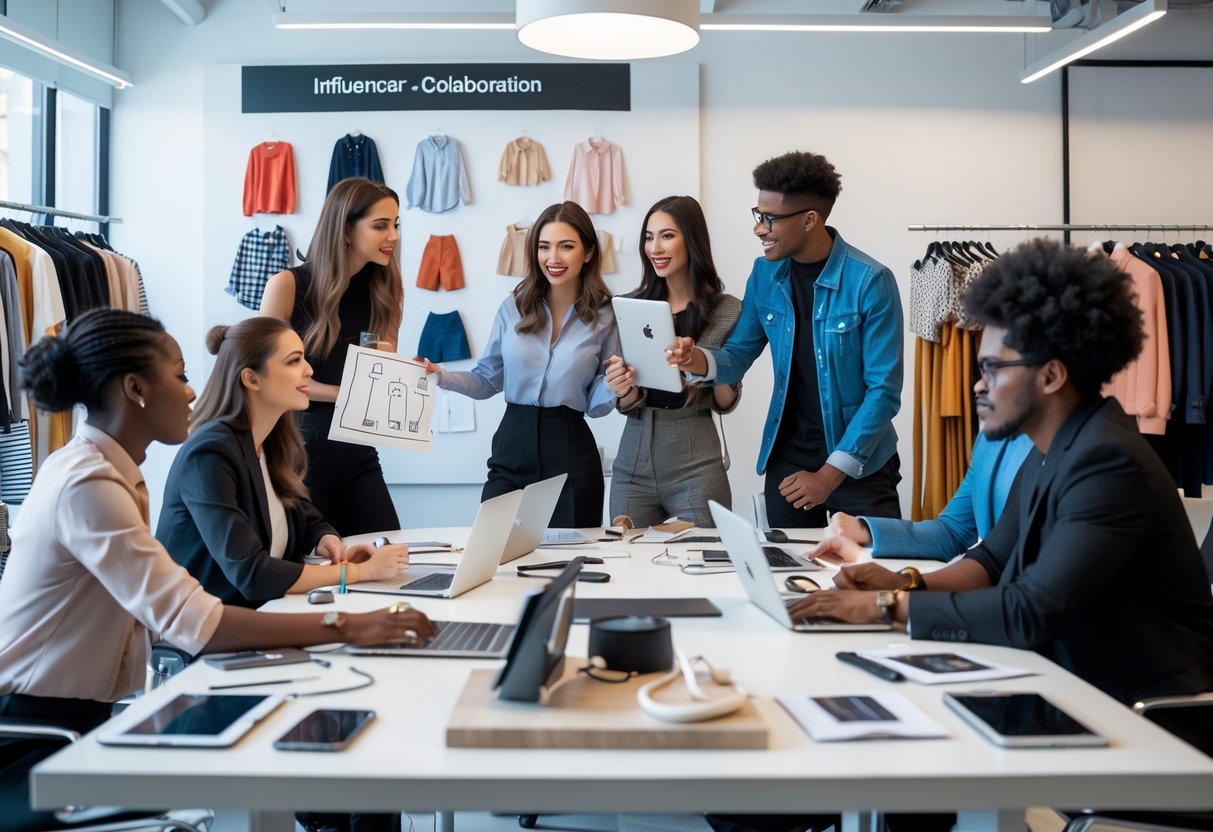
Fashion brands can expand their reach and build trust through targeted partnerships and collaborative experiences. These strategies involve influencers at different levels, engaging real audiences, and creating unique events that bring the brand closer to customers.
Partnering with Influencers and Micro-Influencers
Working with both macro and micro-influencers allows brands to tap into diverse audiences. Micro-influencers, with follower counts between 1,000 and 100,000, often offer higher engagement and authenticity. Their content feels more relatable, which helps brands build trust in niche communities.
Brands should select influencers whose style and values align closely with their own. This ensures campaigns feel genuine and reach the right audience. Authentic partnerships tend to boost long-term loyalty more than one-off promotions.
Effective partnerships often include exclusive collaborations or capsule collections, which create buzz due to limited availability and influencer involvement.
Implementing Fashion Blogger Campaigns
Fashion bloggers remain valuable for their detailed, style-focused content. They usually provide curated looks and styling tips, which help consumers visualize how to wear the brand’s pieces.
Brands benefit from working with bloggers who have a consistent voice and a loyal, engaged audience. Blogger campaigns often include lookbooks or “try-on haul” videos, which showcase products in real-life scenarios and on various body types.
These campaigns increase confidence in purchases by showing fit and versatility. Bloggers also enhance brand authority by adding a personal touch to marketing.
Strengthening Influencer Partnerships
Long-term influencer partnerships create more impact than single campaigns. Ongoing relationships build deeper audience trust and allow influencers to authentically integrate the brand into their content.
Brands should invest in multi-campaign collaborations. This can include co-branded styling guides or exclusive product launches with influencers. Offering influencers creative control often results in more engaging, original content.
Tracking engagement and sales data helps refine these partnerships, focusing on influencers who deliver the best performance. Transparency and mutual respect maintain strong, productive partnerships.
Collaborative Events and Pop-Up Shops
Hosting collaborative events, like pop-up shops or live digital runway shows, directly connects brands with consumers. These events create immersive experiences that combine entertainment and commerce.
Pop-up shops offer customers the chance to see, try on, and buy products in person while interacting with influencers or brand ambassadors. Live fashion shows streamed online with influencer hosts can boost excitement and drive immediate sales through embedded shopping links.
These experiences create urgency and exclusivity, motivating quick action. They also expand brand visibility beyond traditional retail channels.
Optimizing Digital Marketing Channels

Effective digital marketing uses targeted techniques to reach customers directly and keep them engaged. Combining communication methods and content helps increase sales and brand loyalty.
Implementing Email and SMS Marketing Campaigns
Email and SMS marketing are powerful ways to connect with customers. Emails can share promotions, new product launches, and personalized discount codes. Successful campaigns use clear subject lines and strong calls to action to increase open and click rates.
SMS marketing is ideal for timely offers like flash sales. Messages should be short and include direct links. It works best when combined with email to cover different customer preferences. Tracking engagement helps improve future campaigns.
Key tactics:
- Segment lists by customer behavior
- Send personalized offers
- Schedule messages for optimal times
Using both channels in tandem increases overall reach and encourages faster purchases.
Boosting Results with Automation and Personalization
Automation allows brands to send timely messages without manual effort. It supports welcome emails, abandoned cart reminders, and re-engagement campaigns. Personalization tailors content to user behavior, increasing relevance and response rates.
Fashion brands can automate discount code delivery after certain actions, like browsing or purchase anniversaries. Tools analyze customer data to create unique product suggestions in emails and SMS.
This mix of automation and personalization builds stronger customer relationships and boosts sales without constant manual work. It helps maintain consistent communication at the right moments.
Creating High-Performing Fashion Blog Content
A fashion blog drives traffic and builds credibility. Posts should focus on style tips, product guides, and industry trends that appeal to the target audience. Consistent publishing improves SEO and brand awareness.
Including high-quality images and clear calls to action encourages readers to explore products or sign up for newsletters. Blogs can promote exclusive offers or flash sales linked to email and SMS campaigns.
Fashion brands benefit most from content that educates and inspires. Well-crafted blogs become a key channel for engaging customers beyond social media and paid ads.
Driving Sales and Performance through Advertising and SEO

Effective advertising and SEO directly impact sales by improving brand reach and customer engagement. A smart mix of social media ads, optimized ecommerce sites, and search engine strategies helps fashion brands increase conversion rates and boost online visibility.
Planning Social Media and Digital Ads
Social media ads are crucial for targeting specific audiences with fashion marketing campaigns. Brands should design ads that reflect their style and appeal to their ideal customers. Platforms like Instagram and Facebook allow precise audience targeting by age, interests, and location.
Digital ads must include clear calls to action (CTAs) such as “Shop Now” or “Discover More.” Regular testing of ad formats — like videos, carousels, and story ads — helps find what best drives clicks and sales. Budgeting properly and monitoring ad performance with analytics tools also ensures the highest return on investment.
Improving Ecommerce Conversion Rates
Conversion rates improve when the shopping experience is smooth and fast. Brands need easy navigation, clear product details, and quick checkout processes on their ecommerce sites. Mobile optimization is critical since many customers shop on their phones.
Adding customer reviews and size guides reduces doubts and encourages purchases. Offering multiple payment options and clear return policies builds trust. Using targeted promotions and personalized recommendations further motivates buyers to complete sales.
Enhancing Visibility with Search Engine Optimization
SEO helps fashion brands appear at the top of search results, driving organic web traffic. Key tactics include using relevant keywords in product titles, descriptions, and website content. Optimizing loading speed and mobile usability improves search rankings.
Brands should focus on creating SEO-friendly content, like blog posts about fashion trends or styling tips. Link-building with influencers and other sites also increases authority. Constantly tracking SEO performance allows brands to adjust strategies to stay competitive in search results.
Adapting to Trends and Customer Engagement

Fashion brands must respond quickly to changing trends and focus on keeping customers involved to stay competitive. Success depends on linking product updates with strong customer connections and personalized experiences that match buyer needs.
Leveraging Fashion Trends and Product Development
Fashion brands need to actively track emerging trends in fabrics, colors, and styles to stay relevant. They should use consumer data and market analysis to guide product development, ensuring new releases meet current demand.
Brands often collaborate with designers and influencers to create fresh collections that attract attention. Speed is key, as brands that launch trendy items quickly can capture market interest before competitors. This approach also helps maintain a dynamic product lineup, encouraging repeat purchases.
Regularly refreshing product lines with limited-edition items or seasonal collections can boost excitement. Staying agile in manufacturing and supply chains enables brands to pivot when trends shift, preventing stock buildup and reducing costs.
Encouraging Brand Loyalty through Customer Engagement
Building brand loyalty requires ongoing interaction with customers across multiple channels. Brands that communicate directly through social media, email, and live chats can answer questions and resolve issues promptly, improving customer satisfaction.
Offering rewards programs, exclusive content, or early access to new collections encourages repeat business. Personalized offers based on purchase history create a sense of recognition and value.
Additionally, brands benefit from encouraging user-generated content like customer reviews and photos. This creates social proof and fosters a community feeling. Engaging customers this way strengthens their emotional connection and increases long-term loyalty.
Creating Personalized Shopping Experiences
Personalized shopping experiences help brands stand out in crowded marketplaces. Using data like browsing behavior and past purchases, brands can tailor product suggestions and marketing messages.
Technology such as AI chatbots and recommendation engines supports shopping by guiding customers to items that fit their style and preferences. Mobile optimization ensures smooth experiences on various devices, which is crucial as many shoppers use smartphones.
Personalization extends beyond product suggestions. Customized packaging, localized promotions, and targeted emails make customers feel understood. This attention to detail improves conversion rates and builds trust in the brand’s clothing business.
Frequently Asked Questions
Clothing Marketing Strategies for Fashion brand involves targeting the right audience, using consistent branding, and leveraging digital tools wisely. Social media campaigns and partnerships with influencers also help increase visibility and sales. Clear brand identity and understanding marketing basics are key to effective fashion marketing.
What effective strategies can be used to promote a women’s clothing line?
Targeted social media ads focusing on the interests and demographics of the audience work well. Collaborations with influencers who appeal to the target customers boost credibility. Hosting events or pop-up shops can create direct connections with buyers.
How can a fashion brand develop a successful social media marketing campaign?
It starts with a consistent visual identity across all platforms. Using Instagram stories, reels, and shoppable posts helps engage users and drive sales. Influencer partnerships must align with the brand’s values and aesthetics.
Can you suggest any standout examples of marketing strategies for clothing businesses?
Many successful brands maintain strong, recognizable visuals like Ralph Lauren’s classic preppy look. Using personalized ads and remarketing strategies to recover abandoned carts also proves effective. Expanding product lines based on trends without losing brand identity helps maintain relevance.
How does branding play a role in fashion marketing strategies?
Branding sets a company apart from competitors and builds customer loyalty. A clear, consistent aesthetic and message create emotional connections with consumers, influencing their purchasing decisions over time.
What role does a marketing agency play in enhancing a clothing brand’s reach?
Marketing agencies bring expertise in targeting audiences and designing campaigns that increase visibility. They often provide connections to influencers and help optimize digital strategies to boost brand awareness and sales.
How do the 5 P’s of marketing apply specifically to fashion brand strategies?
Product involves creating appealing, trend-appropriate clothing. Price must balance affordability and perceived value. Place covers where and how the products are sold, including online and physical stores. Promotion uses advertising, social media, and events. People refers to understanding and engaging the target audience effectively.