
13 Types of Fabric for Understanding Textiles and Uses
Fabrics play an important role in everything from clothing to home decor. Choosing the right fabric affects how an item looks, feels, and lasts over time. Understanding different fabric types helps people make better choices for their projects or purchases.
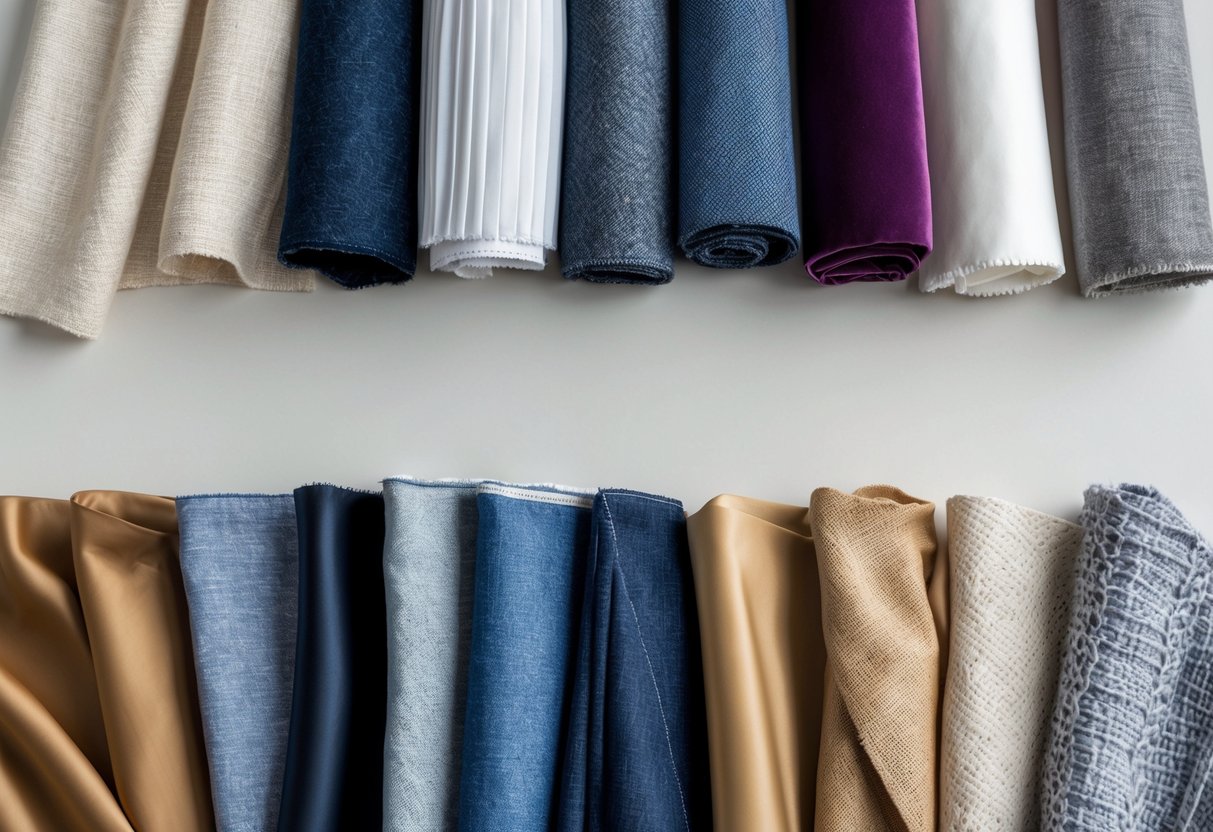
This article explains 13 different types of fabric, focusing on their key qualities and common uses. Knowing basic fabric facts can make it easier to pick materials that match the desired comfort, style, and care needs.
Table of Contents
1) Cotton
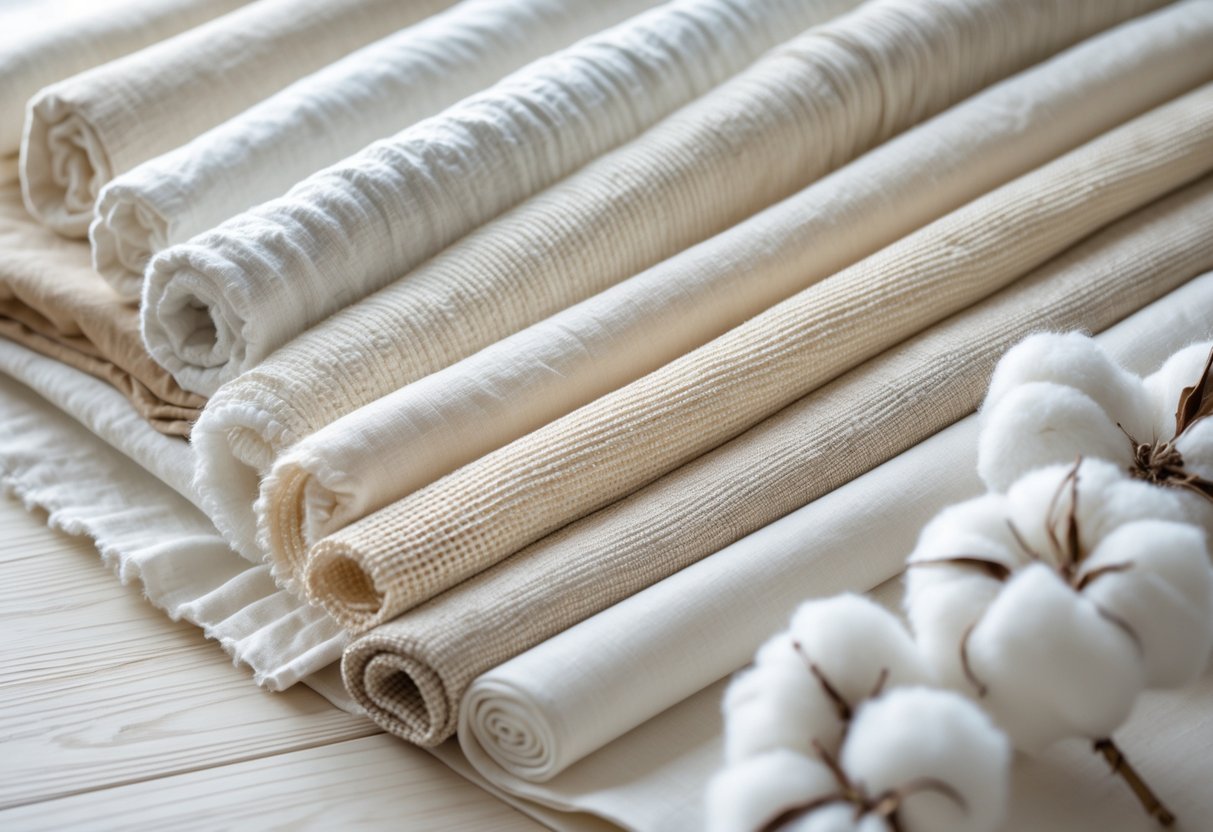
Cotton is a natural fabric made from the fibers of the cotton plant. It is one of the most common fabrics used in clothing, home textiles, and crafts. People choose cotton because it is soft, breathable, and comfortable to wear.
There are many types of cotton fabric, each with different textures and weights. Some popular types include quilting cotton, poplin, and lawn. Each type serves different purposes. For example, quilting cotton is often used for sewing projects, while poplin works well for shirts and dresses.
Cotton is easy to care for and tends to hold up well over time. It can be washed at home without special handling. However, it may shrink slightly when washed, so proper care is important.
The versatility of cotton makes it a favorite for both beginners and experienced fabric users. Its natural qualities like breathability and softness make it suitable for many kinds of clothing and household items.
2) Linen
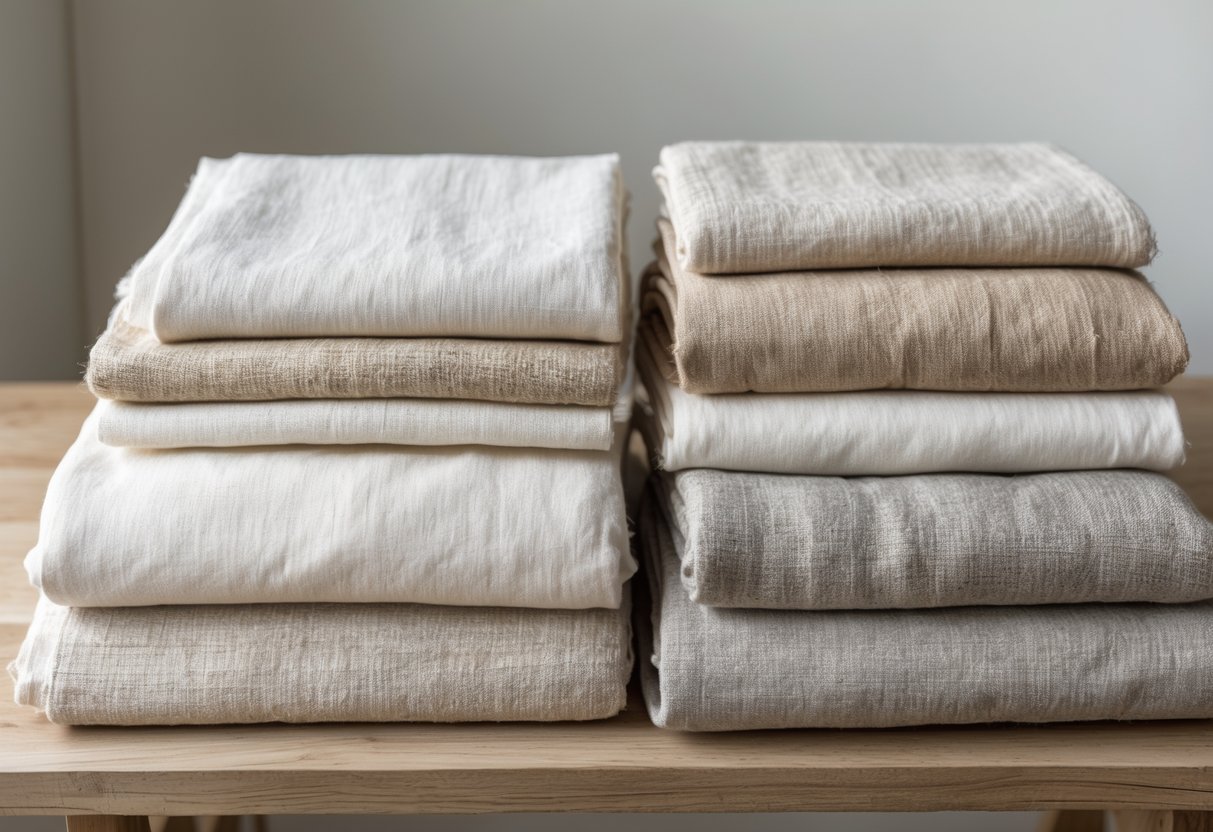
Linen is a fabric made from the flax plant. It is known for being strong and breathable. Because of this, it is often used in warm weather clothing and home textiles like tablecloths and curtains.
There are many types of linen, each with its own texture and feel. Some are smooth and lightweight, while others are thicker and more coarse. The weaving techniques, such as plain weave or jacquard, can also change how the fabric looks and performs.
Linen is valued for its natural look and its ability to stay cool. It wrinkles easily, which is a natural part of its charm. This fabric is also eco-friendly because flax plants need less water and pesticides compared to other crops.
People use linen in a wide range of projects. It works well for casual clothing like shirts and pants, as well as more formal wear. It is also popular in upholstery and bedding due to its durability and comfort.
3) Silk
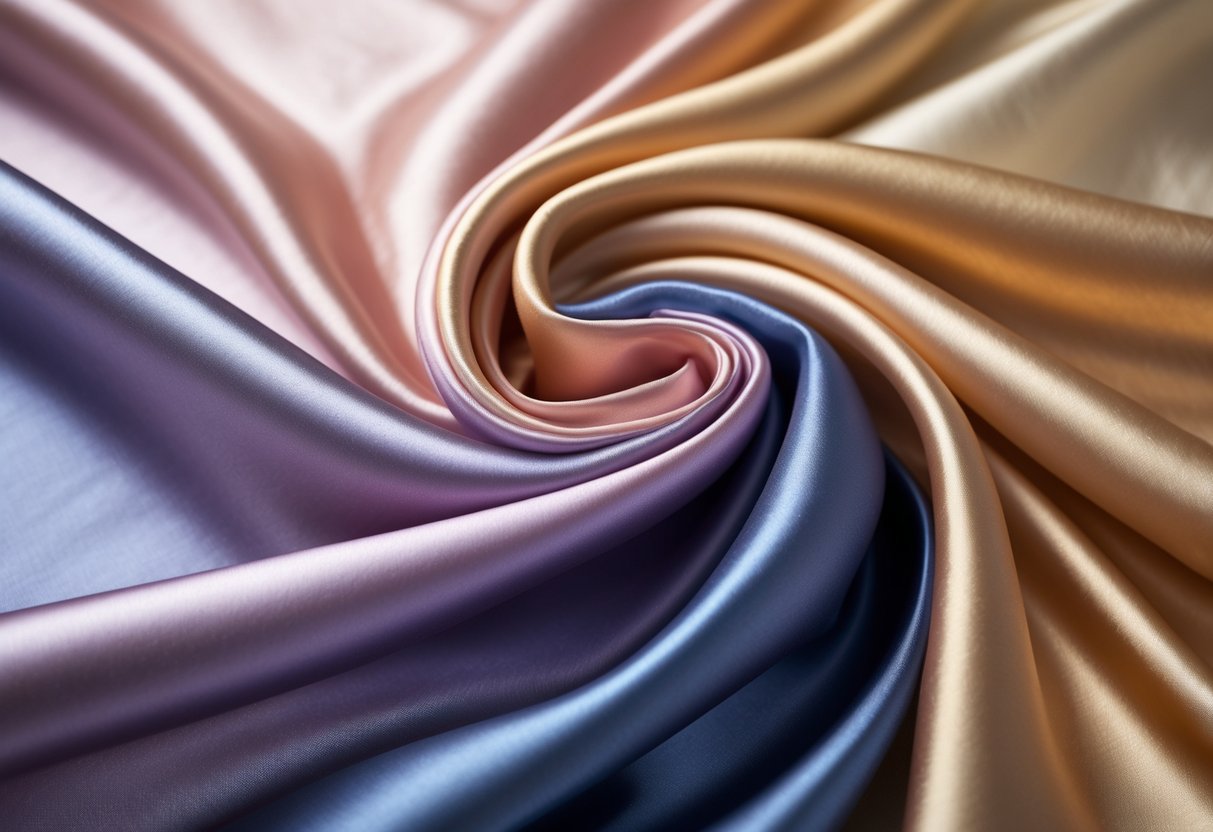
Silk is a natural fabric made from the fibers produced by silkworms. It is known for its smooth texture, shine, and strength. These qualities make it a popular choice for clothing, home decor, and luxury items.
There are many types of silk, each with different textures and uses. Common types include mulberry silk, which is smooth and high-quality, and tussar silk, which has a rougher texture and a natural golden color. The fabric’s feel and appearance can change based on how the silk threads are woven.
Silk is valued for its lightweight and breathable nature. It drapes well and feels comfortable on the skin. Because of this, it is often used for dresses, scarves, and bedding. However, silk requires careful cleaning and handling to maintain its qualities over time.
4) Wool
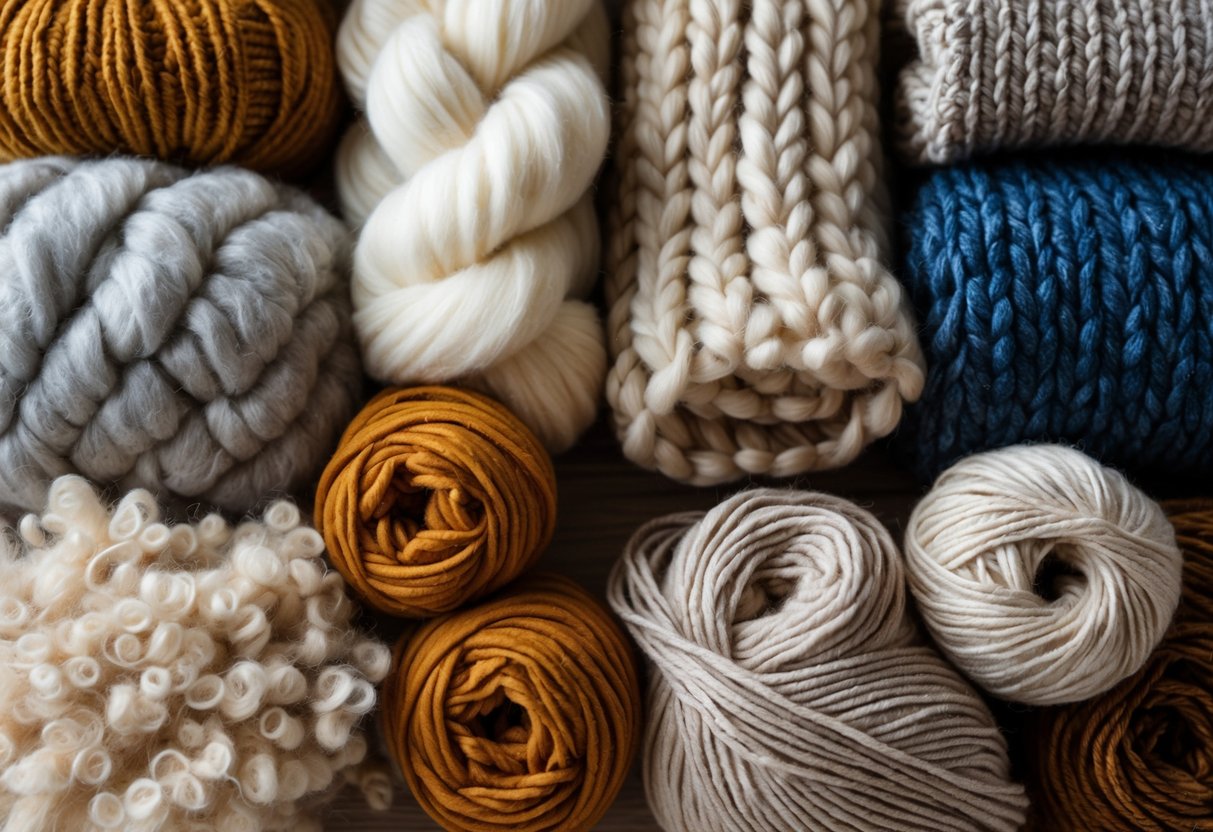
Wool is a natural fiber that comes mainly from sheep, but other animals like alpacas and goats also produce similar fibers. It is known for its warmth and durability, making it a popular choice for winter clothing and blankets.
Wool fibers have a natural crimp that traps air, helping to insulate against cold weather. Its elasticity allows the fabric to stretch when wet and return to its original shape once dry, which adds to its comfort and long-lasting use.
There are many types of wool, each with unique properties. For example, Merino wool is soft and fine, often used in high-quality garments. Alpaca wool is thicker and warmer, suited for coats and heavy blankets. Mohair, from the Angora goat, is known for its sheen and strength.
Wool varies in texture, weight, and warmth, which determines its best uses. It can be woven or knitted, and is valued for being breathable and moisture-wicking. This makes wool fabrics flexible for both clothing and home textiles.
5) Polyester
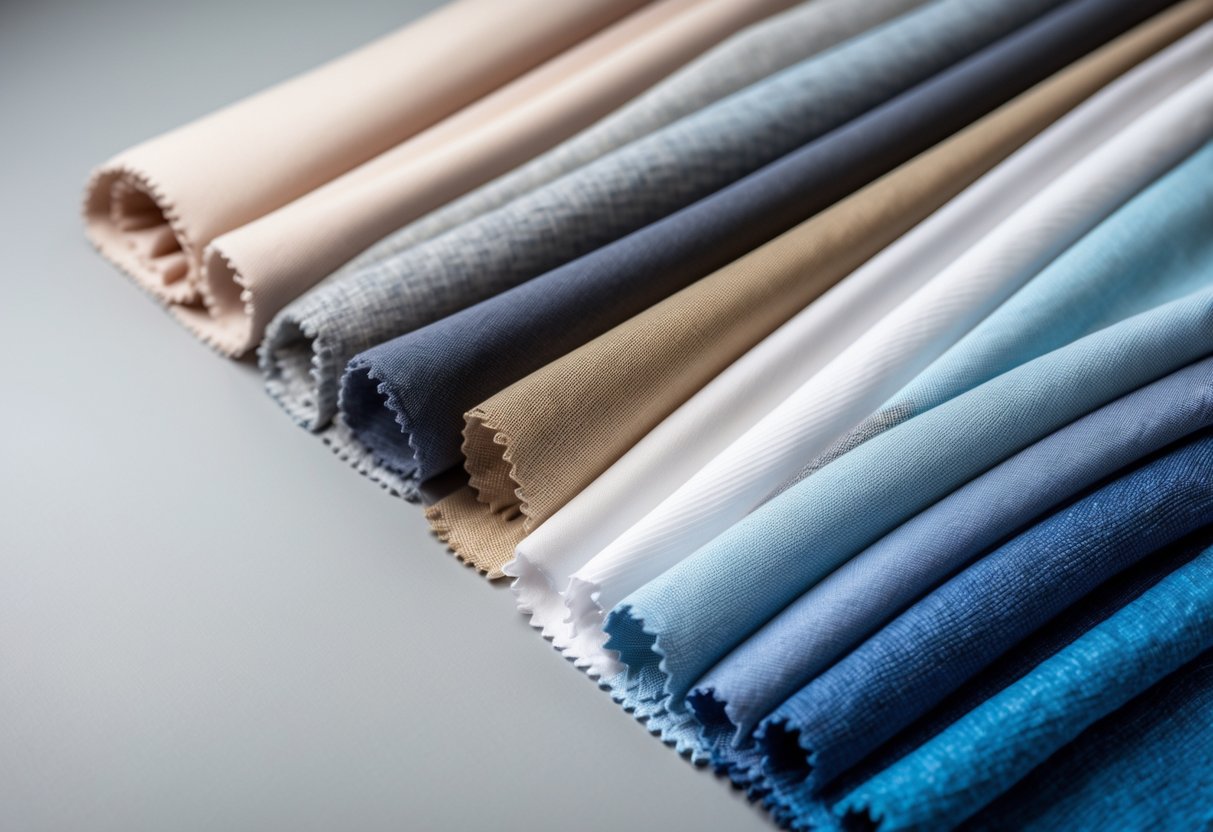
Polyester is a synthetic fabric made from petroleum-based fibers. It is known for being strong, durable, and resistant to wrinkles and shrinking. These qualities make polyester a popular choice for a wide range of uses, from clothing to home furnishings.
The fabric can be made into different types, such as woven or knitted forms. This allows for versatility in texture and appearance. Polyester fabrics are often lightweight but hold their shape well, making them suitable for both casual and formal wear.
Polyester is also easy to care for since it dries quickly and resists stains. Many polyester fabrics are blended with natural fibers to improve comfort and breathability. However, it is important to note that polyester is not very breathable on its own and can trap heat.
In recent years, sustainable options have become more available. Recycled polyester offers a way to reduce environmental impact while keeping the benefits of this fabric. Despite some concerns, polyester remains widely used for its practical features and affordability.
6) Nylon
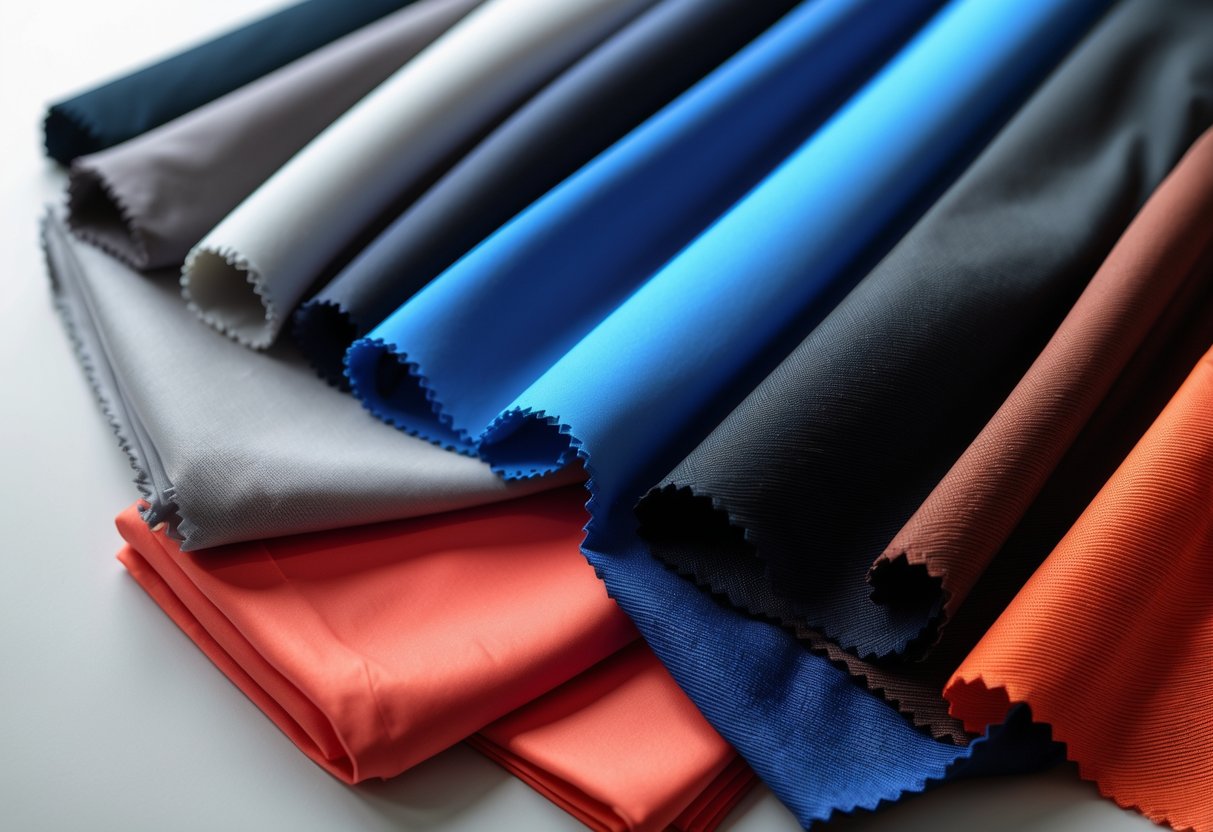
Nylon is a synthetic fabric made from polyamide polymers. It was the first fully synthetic fiber invented and quickly became popular due to its strength and durability.
This fabric is lightweight and resistant to abrasion, making it useful in many types of clothing. Nylon is often found in activewear, hosiery, jackets, and even outdoor gear because it dries quickly and holds its shape well.
There are several types of nylon, including Nylon 6 and Nylon 66. Each type differs in molecular structure, which affects its strength and elasticity. Some nylons are very sheer and lightweight, like nylon tulle, while others are thicker and tougher for more heavy-duty uses.
Nylon is easy to care for, but it can melt or shrink if exposed to high heat. It’s commonly blended with other fibers to improve the feel or add stretch.
Overall, nylon’s versatility keeps it widely used across fashion and industry. It offers a balance of toughness, lightness, and flexibility not always found in natural fibers.
7) Rayon
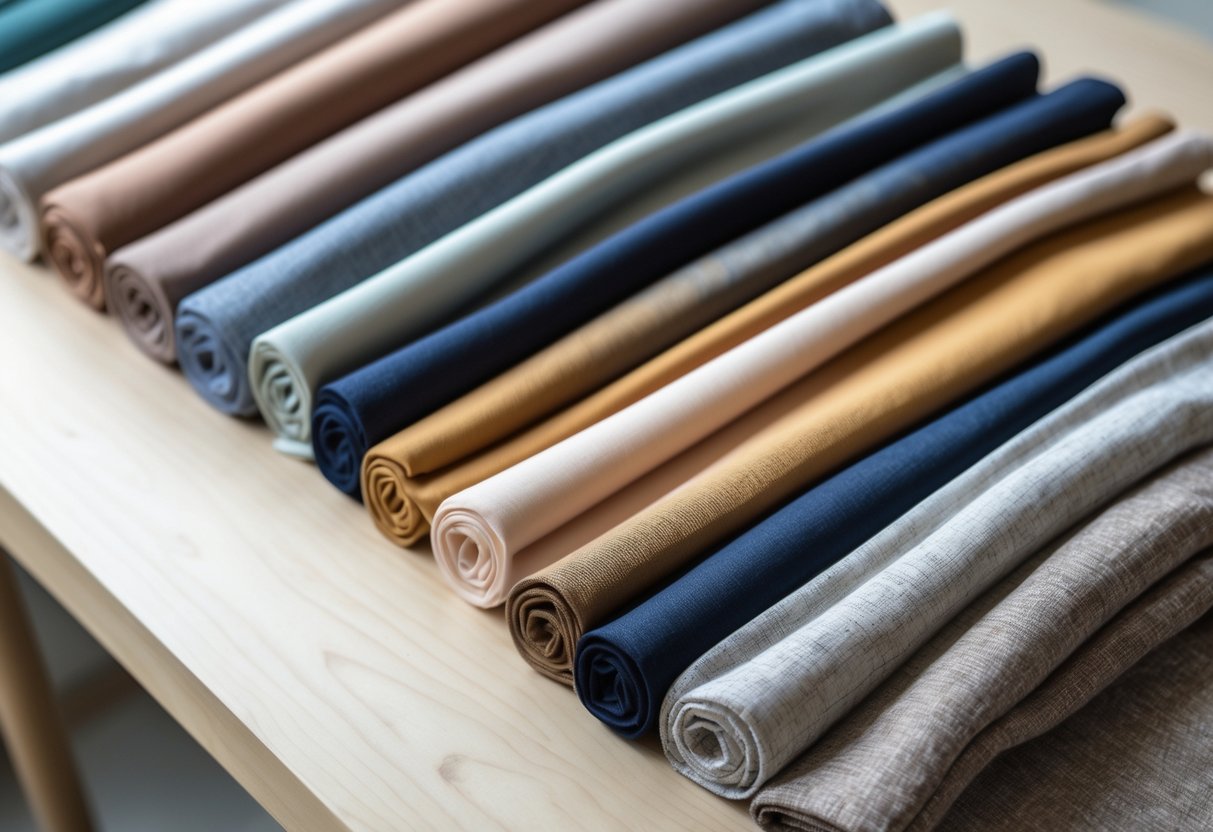
Rayon is a versatile fabric made from natural wood pulp that goes through a chemical process to become soft and smooth. It mimics natural fibers like cotton, silk, and wool, offering a lightweight and breathable feel. Because of this, it is popular in clothing and home textiles.
There are several types of rayon, including viscose, modal, lyocell, and cuprammonium rayon. Viscose is the most common and has a silky texture, but it can lose shape and shrink when washed. Modal and lyocell are more durable and often considered more eco-friendly options.
Rayon absorbs moisture well, which makes it comfortable in hot weather. It can also drape nicely, giving clothes a stylish look. However, it requires careful washing to avoid damage. Its combination of softness and breathability makes rayon useful for many different products.
8) Acrylic
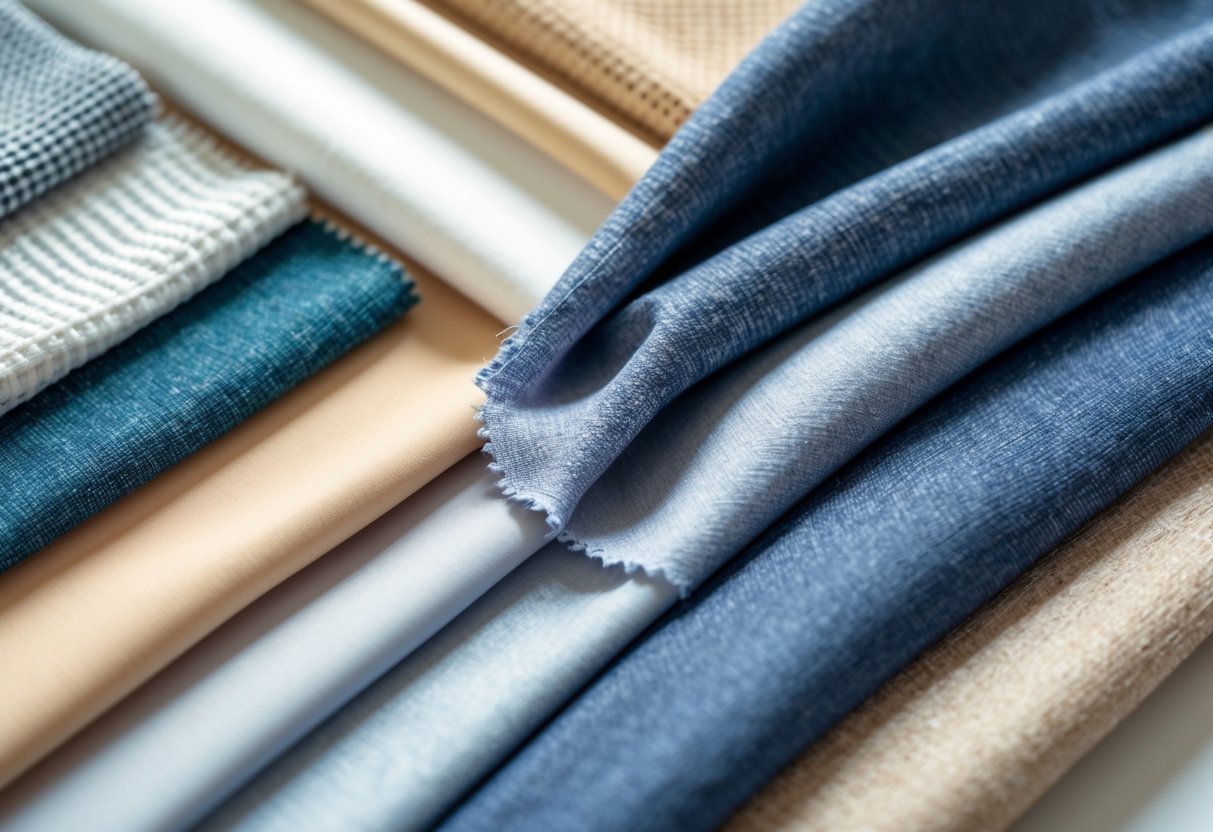
Acrylic is a synthetic fabric made mainly from acrylonitrile, a chemical derived from petroleum or coal. It was designed to mimic natural wool, offering softness and warmth without the weight. This makes acrylic a popular choice for winter clothing such as sweaters, fleece, and socks.
The fabric is lightweight and holds color well. It resists fading and can handle frequent washing better than many natural fibers. These qualities make it suitable for uniforms and workwear that require durability.
Acrylic is also easy to care for. It dries quickly and is less likely to shrink or wrinkle compared to wool. Because it is a synthetic fiber, it does not have the same breathability as natural fabrics but offers good insulation.
Its use extends beyond clothing. Acrylic is common in blankets, upholstery, and home textiles due to its versatility. Though synthetic, it provides a comfortable feel and lasts a long time when cared for properly.
9) Spandex
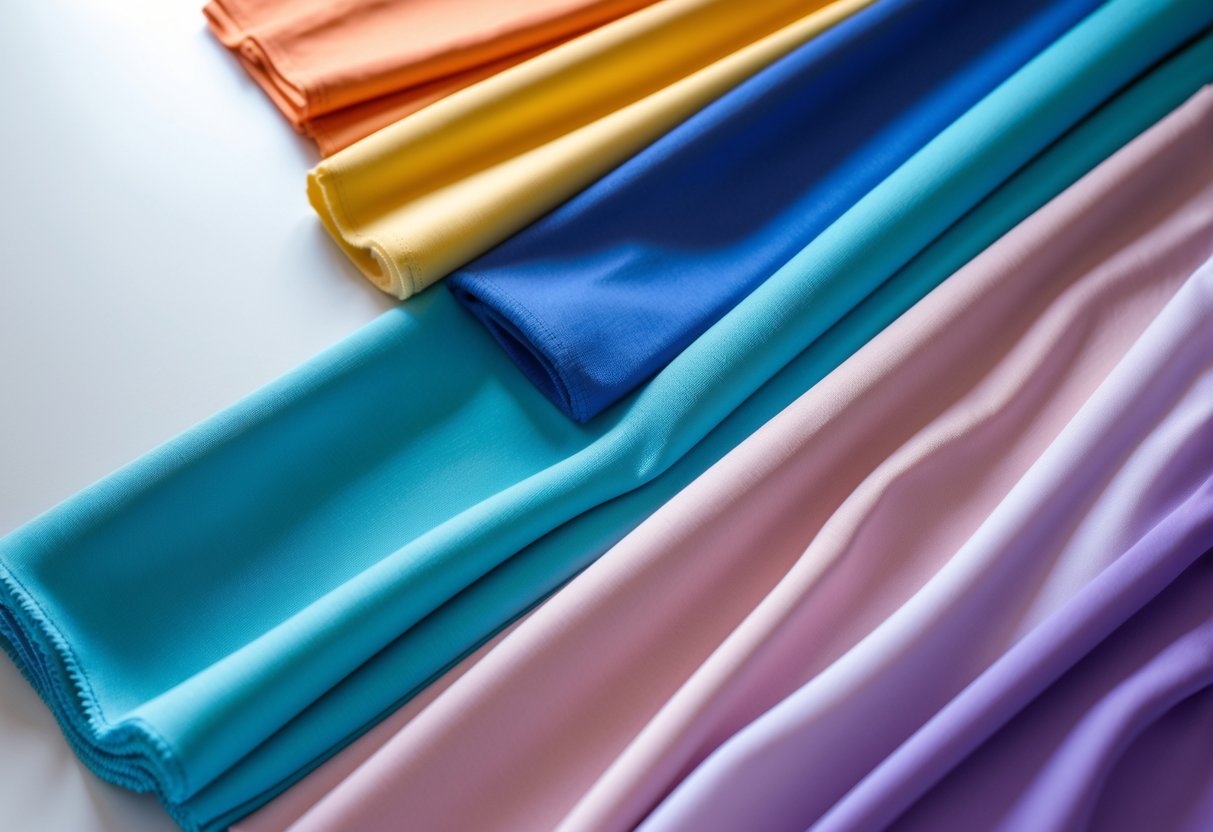
Spandex is a synthetic fabric known for its exceptional stretch and elasticity. It can stretch up to five times its original length and still return to its shape. This makes it ideal for clothing that needs to move with the body.
It is commonly used in activewear, swimwear, dancewear, and costumes. Spandex provides a snug fit and allows for freedom of movement without losing comfort or shape. Its lightweight and durable nature add to its popularity.
Not all spandex fabrics are the same. Different blends and textures exist to suit various needs. Choosing the right type of spandex depends on factors like stretch percentage, weight, and intended use.
Spandex fabric tends to be more expensive than many other fabrics because of its complex manufacturing process. Despite the cost, its benefits make it a valuable material for many types of garments.
10) Velvet
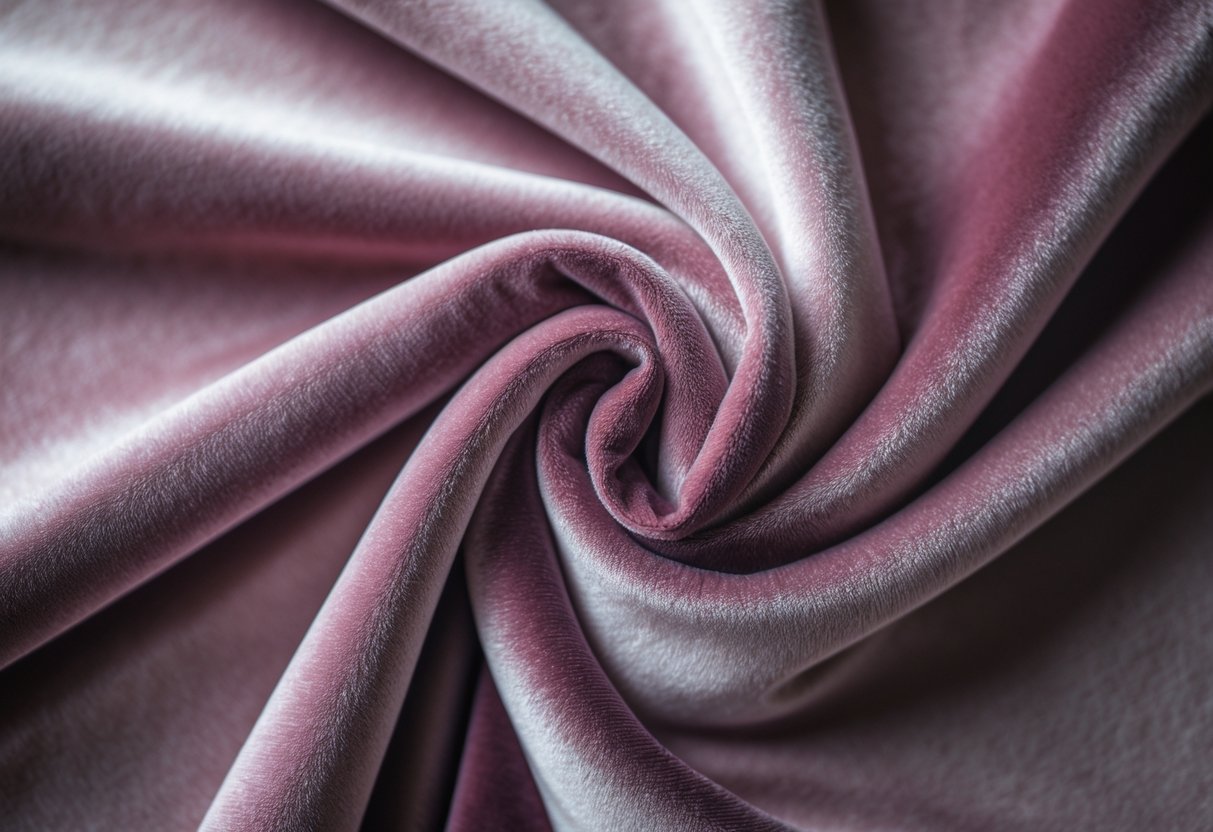
Velvet is a soft, medium-weight fabric known for its smooth texture and unique sheen. It is made by weaving two layers of fabric together, then cutting them apart to create a dense pile. This gives velvet its characteristic plush surface.
There are many types of velvet, each made from different fibers like silk, cotton, or synthetic materials. Silk velvet is smooth and luxurious but can be delicate. Cotton velvet is more durable and easy to care for. Synthetic velvet offers affordability and strength, making it popular for everyday use.
Velvet is widely used in fashion and home decor, such as in upholstery, curtains, and clothing. Its rich texture adds depth and elegance to any item. However, care is important as velvet can be prone to crushing and marking if not handled gently.
The variety of velvet styles allows for many design options, from lightweight drapery fabrics to heavy-duty furniture coverings. This versatility makes velvet a popular choice for both classic and modern looks.
11) Chiffon
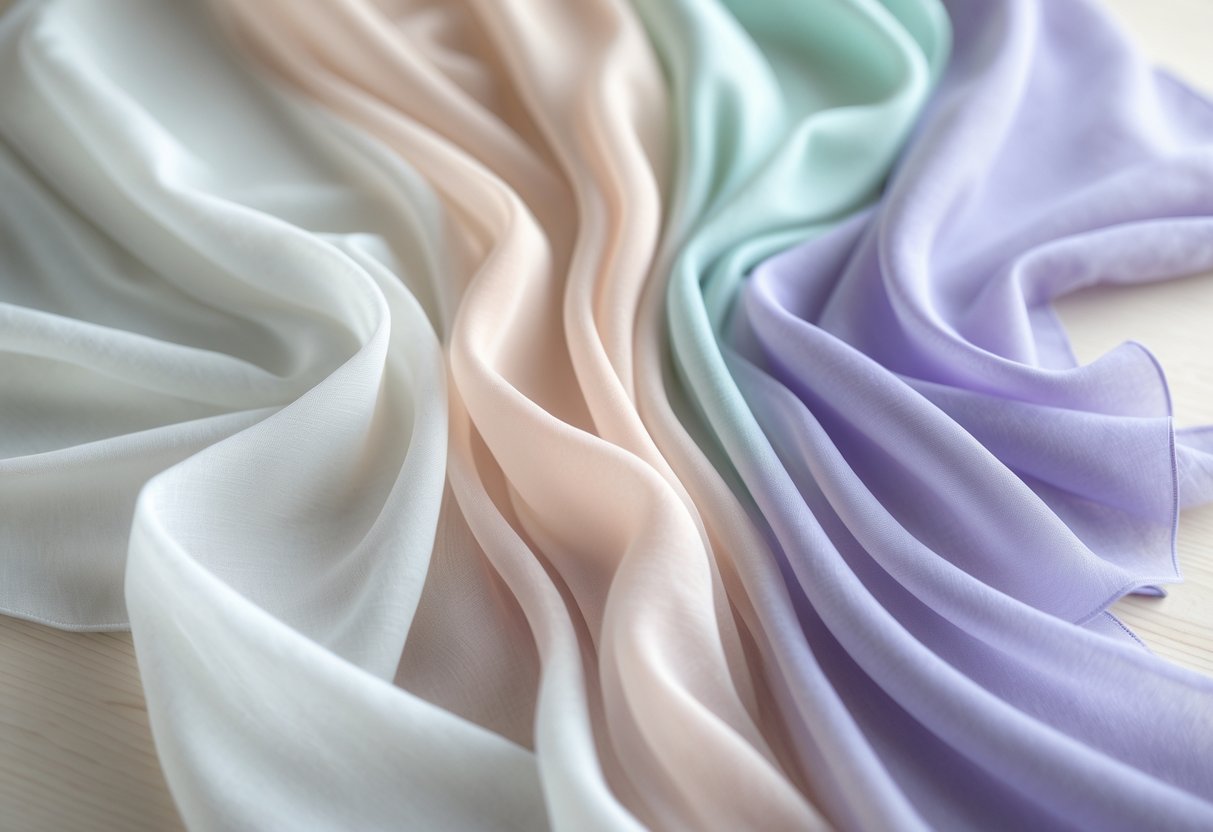
Chiffon is a lightweight, sheer fabric known for its soft and airy feel. It drapes well, making it popular for elegant clothing like evening gowns, blouses, and scarves. Its see-through quality gives garments a delicate and graceful look.
Chiffon comes in several types, mainly based on the fibers used. Silk chiffon is the most luxurious and smooth, but it can be expensive and requires careful care. Polyester and nylon chiffons are more affordable and durable, often used for everyday clothing and decorations.
This fabric has a slightly puckered texture, which helps it hold shape while remaining breathable. While chiffon is beautiful, it can be delicate and prone to snags. It is best washed gently by hand or on a delicate machine cycle to maintain its texture and lifespan.
Chiffon is versatile and available in many colors. Its lightness and softness make it ideal for layers or adding a flowing element to outfits. It offers a balance of beauty and function across different uses in fashion and textiles.
12) Denim
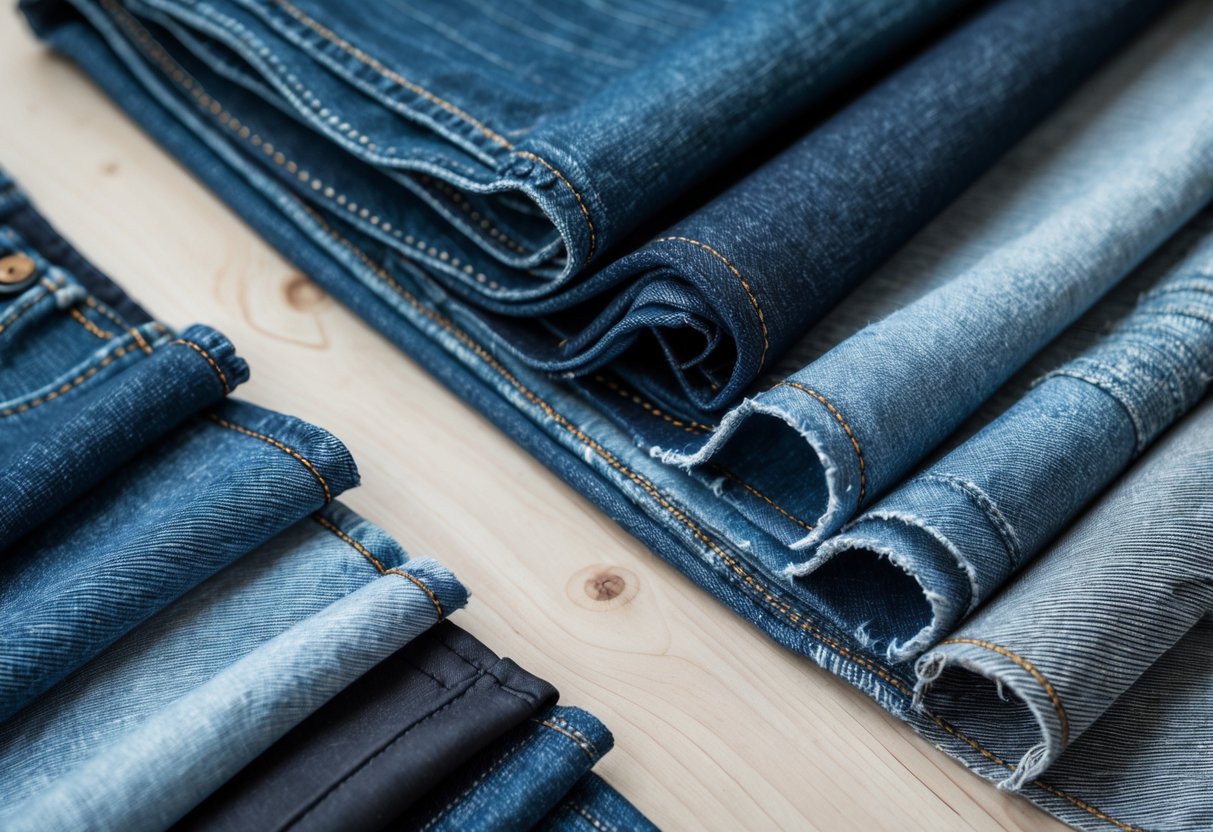
Denim is a strong, durable fabric best known for making jeans. It is made from cotton and uses a twill weave, which creates diagonal lines in the fabric. This weave adds to denim’s toughness and gives it a unique texture.
There are many types of denim, each with slight differences in weight, color, and stretch. For example, raw denim is untreated and stiff, while stretch denim includes elastic fibers for added comfort. Selvedge denim is woven on special machines that create finished edges, making it high quality.
Denim’s color often comes from indigo dye, which fades with wear and gives jeans their characteristic look. This fabric is used not only for jeans but also for jackets, skirts, and other clothing meant to last.
Its ability to combine comfort, durability, and style makes denim a staple in fashion worldwide.
13) Flannel
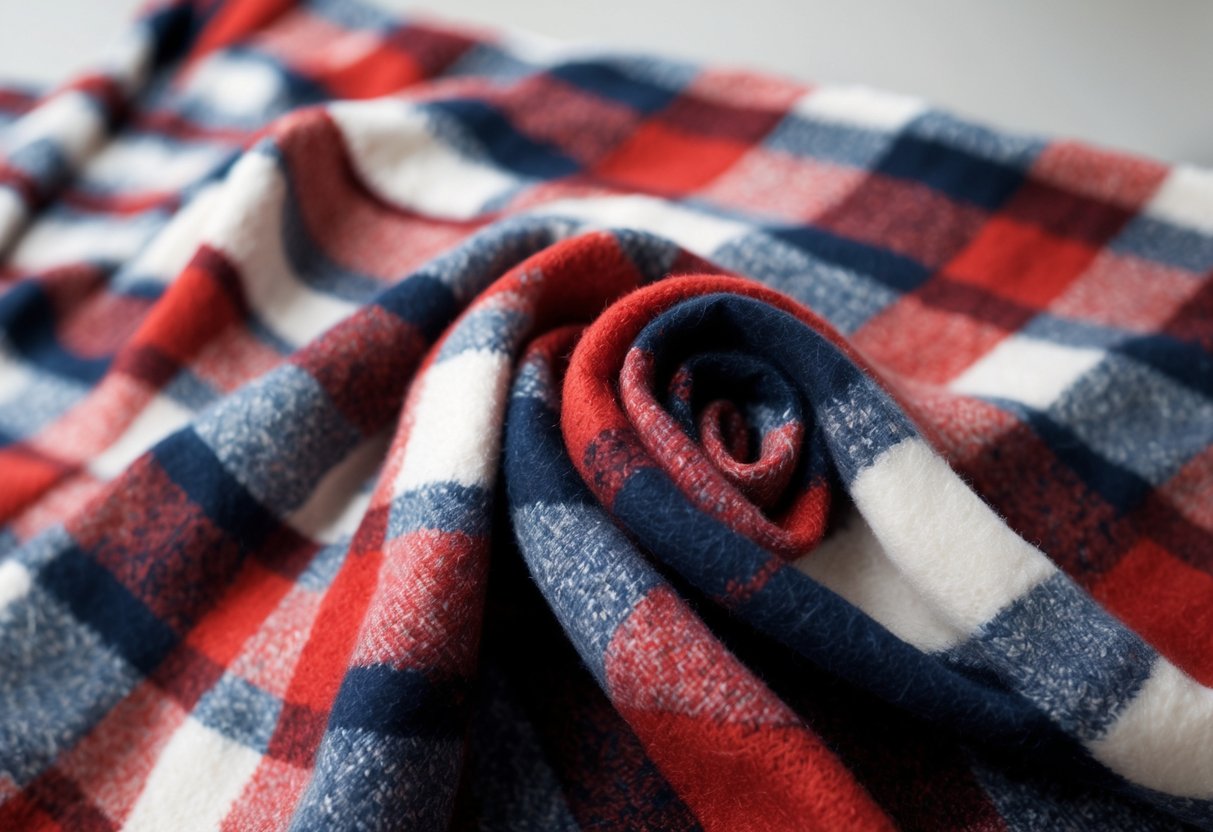
Flannel is a soft, warm fabric known for its comfortable feel. It is usually made from wool, cotton, or synthetic fibers. The fabric is woven and then brushed to create a fuzzy surface, which adds to its softness and warmth.
This fabric is popular for clothing like shirts and pajamas, as well as bedding and blankets. Its ability to keep heat makes it ideal for cold weather. Flannel comes in solid colors and many patterns, with plaid being the most common.
There are different types of flannel that vary in weight and thickness. Some flannels are lightweight, suitable for shirts, while others are thicker and better for blankets. Caring for flannel usually involves gentle washing to keep the fabric soft and cozy over time.
Flannel has a long history and has remained a favorite because of its practicality and comfort. It offers durability alongside warmth, making it a reliable choice for everyday wear and home use.
Understanding Fabric Construction
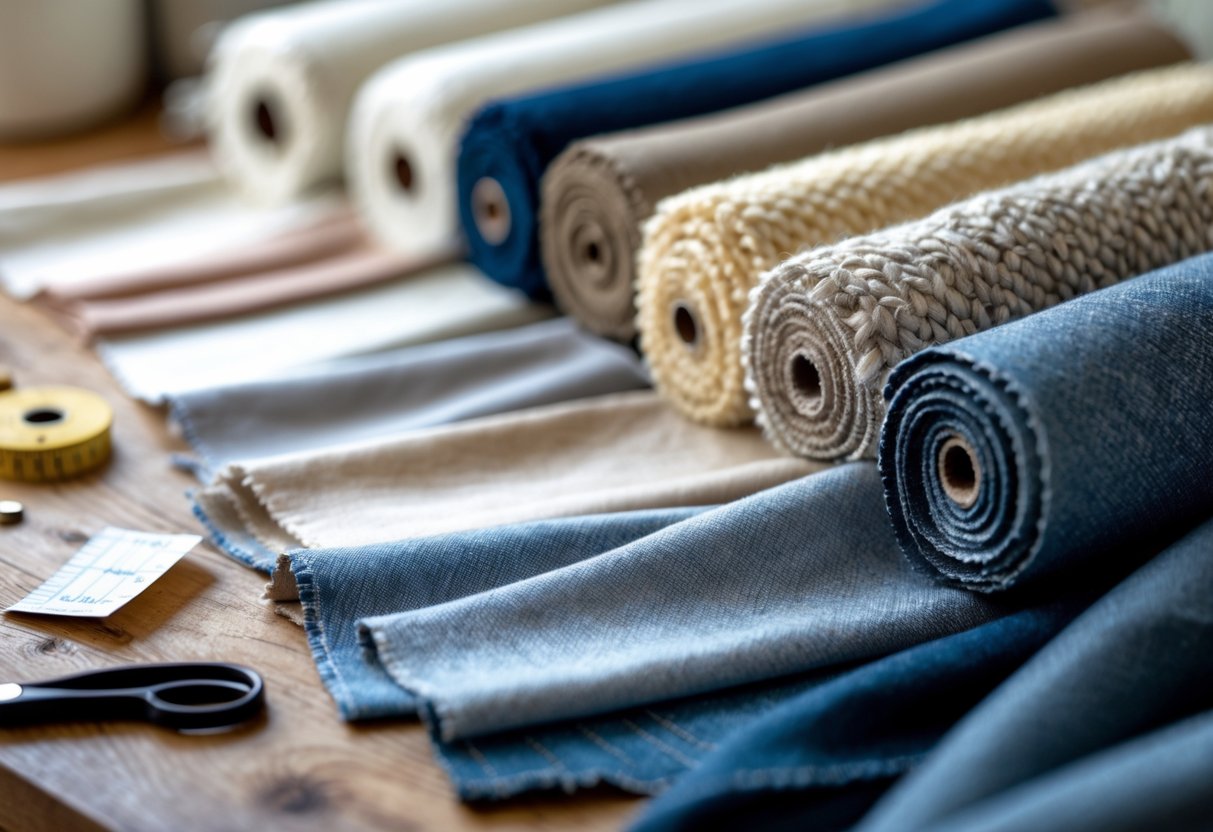
Fabric construction explains how fibers are turned into cloth and how this shapes the fabric’s feel, stretch, and strength. It also includes where the fibers come from, which affects the fabric’s care and use.
Woven vs. Knit Fabrics
Woven fabrics are made by weaving two sets of yarns at right angles: the warp (lengthwise) and the weft (crosswise). This creates a tight, stable fabric that resists stretching. Common woven fabrics include cotton, denim, and linen. They hold their shape well and are good for garments like shirts and pants.
Knit fabrics are made by looping yarns together. This gives knits more stretch and flexibility. They can be lightweight and soft or thick and warm, often used for t-shirts, sweaters, and activewear. Knits are comfortable but can lose shape over time if not handled properly.
Natural and Synthetic Sources
Natural fabrics come from plants or animals. Examples include cotton (plant fiber) and wool (animal fiber). These fabrics tend to breathe well and feel soft. They are often biodegradable but can wrinkle or shrink.
Synthetic fabrics are made from chemicals, usually from petroleum. Types include polyester, nylon, and acrylic. They are strong, wrinkle-resistant, and often cheaper. Synthetics can be less breathable but dry quickly and are often blended with natural fibers to improve performance and feel.
| Source Type | Examples | Key Traits |
|---|---|---|
| Natural | Cotton, wool | Soft, breathable, biodegradable |
| Synthetic | Polyester, nylon | Durable, wrinkle-resistant, quick-drying |
Fabric Care and Longevity
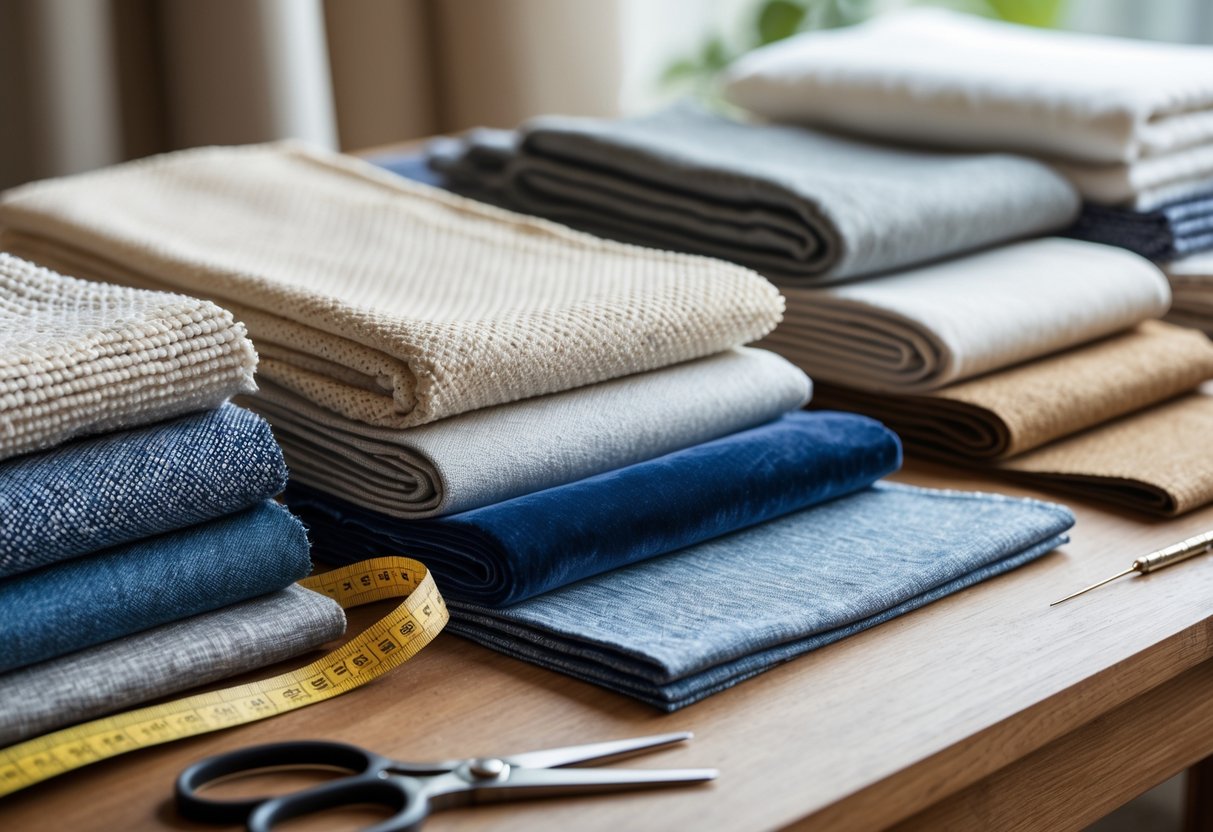
Proper care and storage can extend the life of fabrics significantly. Different materials require specific cleaning methods and storage conditions to keep them looking their best. Understanding these details helps prevent damage and wear over time.
Tips for Maintaining Different Fabrics
Each fabric type has unique care needs. For example, cotton can shrink if washed in hot water, so cold or warm water is best. Silk is delicate and often needs hand washing or dry cleaning to avoid damage. Wool requires gentle washing and should never be wrung out; instead, it should be laid flat to dry to maintain its shape.
Synthetic fabrics like nylon do well with gentle cold cycles and air drying. Avoid high heat to prevent melting or warping. Always check garment labels for recommended temperatures and washing instructions. Using mild detergents and avoiding bleach helps keep colors vibrant and fibers strong.
Ironing settings should match the fabric type. For instance, use low heat for nylon and medium to low for wool and cotton. Proper care during washing, drying, and ironing reduces wear, preserves texture, and improves longevity.
How to Store Fabrics Properly
Storage affects fabric durability as much as washing. Natural fibers like wool and cotton are prone to moth damage, so it’s important to store them in airtight containers or garment bags. Adding cedar blocks or lavender sachets can help deter pests.
Keep fabrics away from direct sunlight to prevent fading and weakening of fibers. Store items in a cool, dry place to avoid mold and mildew growth. Avoid plastic bags for long-term storage, as they can trap moisture.
Fold heavy fabrics carefully to avoid creases and keep delicate fabrics flat or rolled. Hanging lightweight fabrics on padded hangers maintains shape and reduces wrinkles. Proper storage prevents unnecessary repairs and extends wear.
Frequently Asked Questions
Fabrics vary in texture, durability, and care needs. Choosing the right fabric depends on the design goals, such as breathability, drape, or strength. Understanding the differences between natural and synthetic fibers helps in picking the best option for each use. Environmental impact and new textile technologies also shape fabric choices today.
What characteristics define the various categories of textiles?
Textiles are usually divided into natural and synthetic fibers. Natural fibers like cotton, linen, silk, and wool come from plants or animals. They tend to be breathable and biodegradable.
Synthetic fabrics such as polyester are made from chemicals. They often offer more durability and wrinkle resistance but may trap heat and moisture.
Woven, knitted, or braided construction also affects the texture and stretch of the fabric.
How does one determine the best type of fabric for specific clothing designs?
The choice depends on the garment’s purpose and the desired look and feel. For example, cotton and linen are preferred for summer because of their breathability.
Silk works well for formal wear due to its smooth texture and shine. Wool is ideal for warmth in cold weather.
Polyester suits activewear because it dries quickly and holds shape well.
Can you provide a visual guide to the most common types of fabrics used in apparel?
Common fabrics include:
- Cotton: Soft, versatile, and breathable.
- Linen: Lightweight with a textured weave.
- Silk: Shiny and smooth with a natural sheen.
- Wool: Thick and warm, often with a fuzzy surface.
- Polyester: Smooth and slightly shiny, sometimes stretchy.
Each fabric shows different textures and sheens that suit various styles.
What are the technical and performance differences between natural and synthetic fabrics?
Natural fabrics are generally more breathable and comfortable. They absorb moisture well but may wrinkle easily and take longer to dry.
Synthetic fabrics resist wrinkles and dry faster. They are often stronger and more elastic but can trap heat and cause sweat buildup.
Natural fibers degrade faster over time, while synthetic ones tend to last longer but are less eco-friendly.
Which fabrics are considered the least environmentally friendly and why?
Polyester and other synthetic fabrics are among the least eco-friendly. They rely on fossil fuels and do not biodegrade easily.
Production of synthetic fibers can release harmful chemicals. Washing these fabrics also sheds microplastics into water systems.
In contrast, natural fabrics like cotton have their own issues, such as high water use, but they break down more easily after disposal.
What are the latest innovations in textile technology influencing fabric production?
Recent advances include recycled polyester and improved dyeing processes that reduce water use.
Smart textiles with moisture-wicking and temperature-regulating properties are growing in popularity.
Biodegradable synthetics and blends combining natural and synthetic fibers aim to balance performance with environmental concerns.