7 Types of Sports Fabric : Choose the Best Material
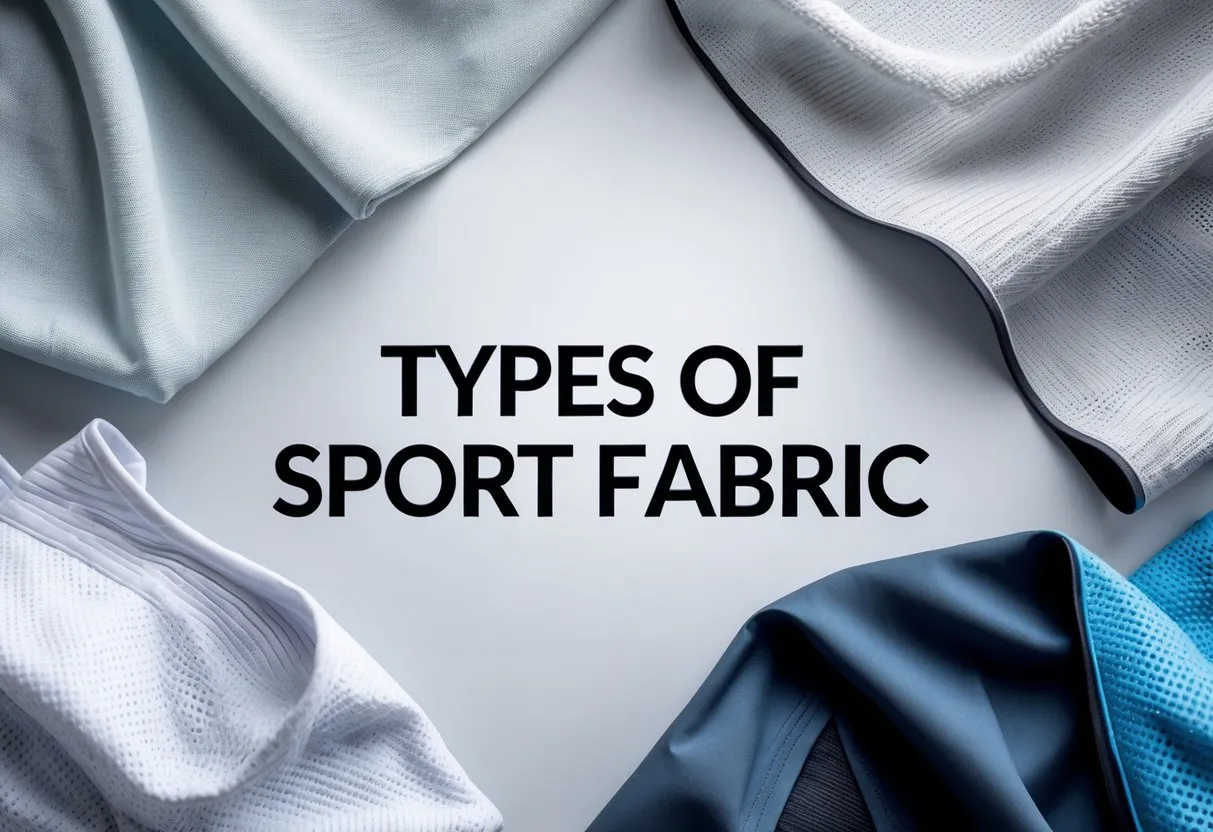
Choosing the best types of Sport Fabric is key to creating activewear that performs well and feels comfortable. Different materials offer varying levels of breathability, stretch, and moisture management, all of which affect how the clothing works during physical activity. Understanding these qualities helps brands make better decisions for their apparel lines.
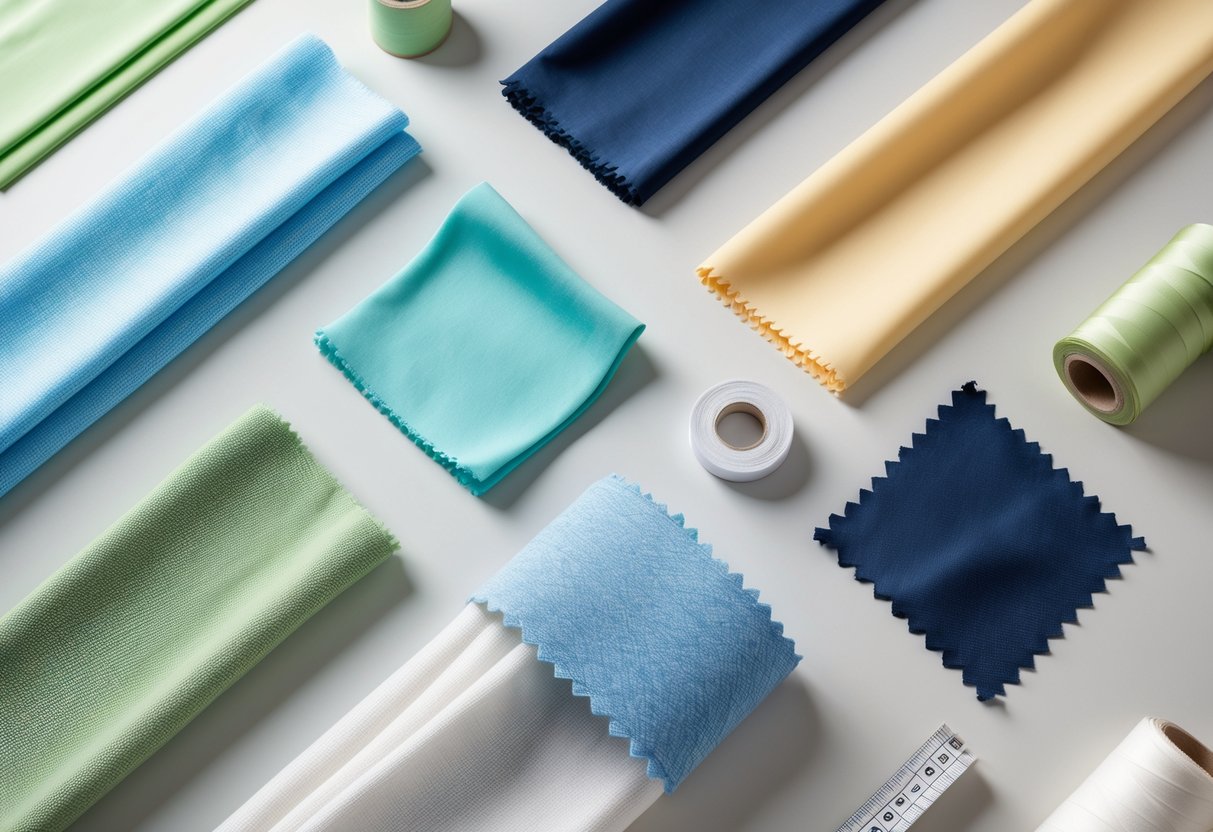
The best activewear fabrics combine durability, comfort, and the ability to handle sweat while allowing easy movement. Selecting the right materials can set a product apart in a competitive market by providing wearers with better performance and satisfaction. This article highlights seven fabrics that meet these important criteria.
Table of Contents
1) Nylon-Spandex Blend
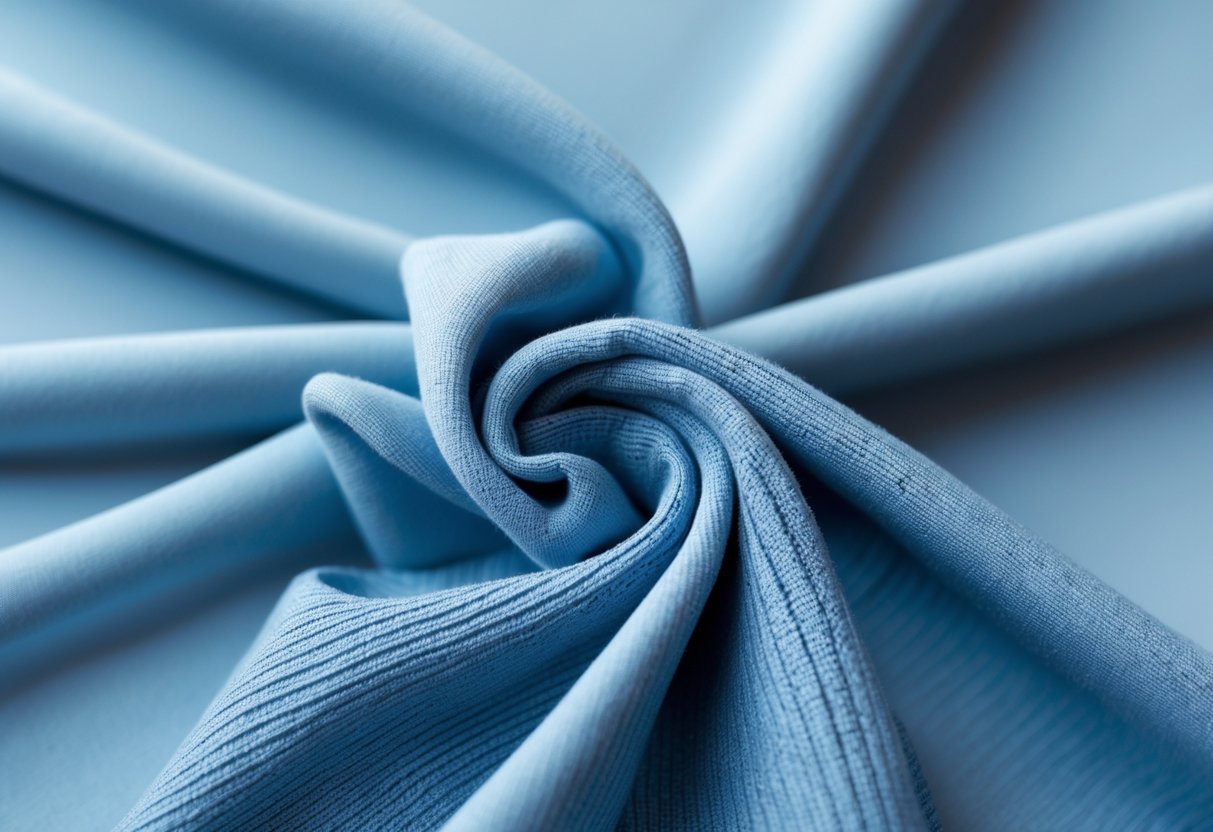
Nylon-spandex is a popular fabric choice for activewear due to its balance of strength and stretch. The nylon adds durability and helps manage moisture. This keeps the wearer dry and comfortable during intense workouts.
Spandex provides excellent elasticity, allowing clothes to move easily with the body. This stretch helps improve comfort and freedom of movement. These qualities make nylon-spandex a common choice in leggings, sports bras, and tops.
The blend is also quick-drying and breathable. This means it helps regulate body temperature by allowing air flow. It is resistant to wear and tear, which is important for sportswear used regularly.
Designers often adjust the ratio of nylon to spandex to achieve the desired feel. More nylon increases durability and moisture-wicking. More spandex increases flexibility and softness.
Because of these features, nylon-spandex blends meet the demands of many types of exercise. This fabric is reliable for both performance and comfort in activewear brands.
2) Polyester Microfiber
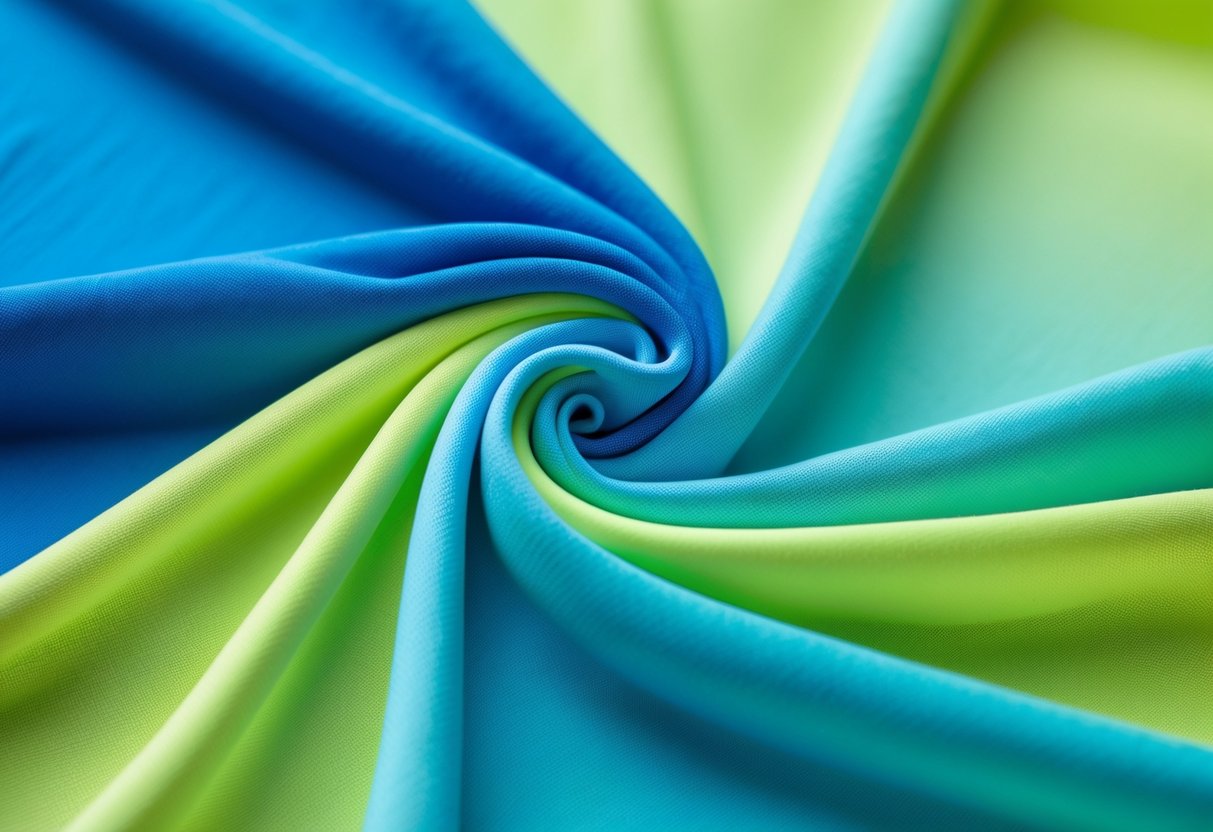
Polyester microfiber is a popular choice for activewear due to its lightweight and durable nature. It offers good moisture-wicking abilities, helping to keep the wearer dry during workouts by pulling sweat away from the skin.
This fabric is also known for its breathability. Small fibers allow air to circulate, which helps regulate body temperature. Many brands use polyester microfiber in leggings, tops, and outer layers because it balances comfort and performance.
Polyester microfiber is easy to care for. It resists shrinking and wrinkles, making it practical for everyday use. Its quick-drying feature is another advantage, especially for athletes who need gear that can handle frequent washing and use.
Additionally, it often blends well with other materials like spandex. This adds stretch and shape retention, which improves fit and comfort during movement. Its versatility makes polyester microfiber a reliable foundation for many activewear products.
3) Bamboo Fabric
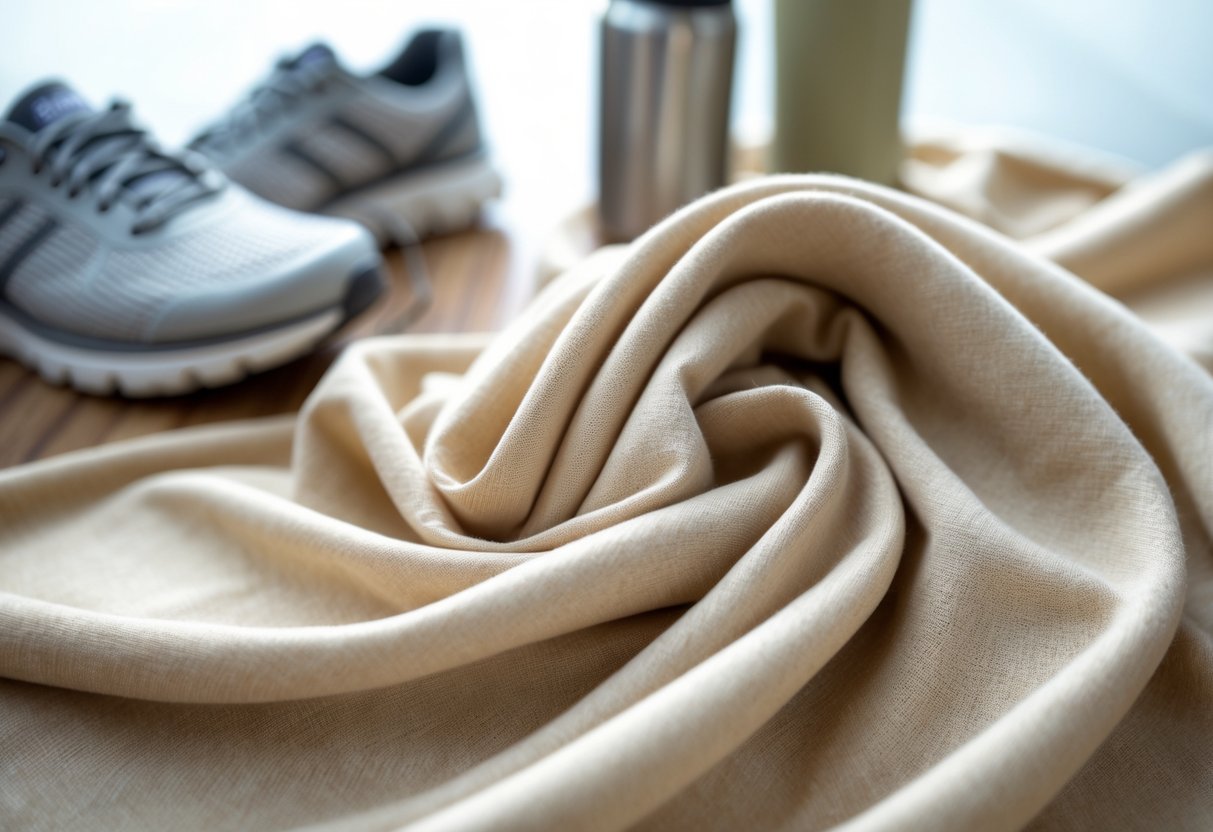
Bamboo fabric is a popular choice for activewear due to its softness and breathability. It feels gentle against the skin, making it comfortable during workouts and daily wear. Bamboo fibers are naturally lightweight, which helps keep the wearer cool.
This fabric also offers good moisture-wicking properties. It can pull sweat away from the body, helping to keep the skin dry during exercise. Additionally, bamboo fabric has natural anti-bacterial qualities that reduce odor, making it suitable for repeated use.
From a sustainability perspective, bamboo is considered eco-friendly. It grows quickly and requires less water than many other plants. However, the process to turn bamboo into fabric varies, so the environmental impact depends on the manufacturing method.
Bamboo activewear balances performance and comfort with a more responsible approach to materials. It may not be as durable as synthetic fibers like polyester, but many brands blend bamboo with other fabrics to improve strength without sacrificing softness.
4) Merino Wool
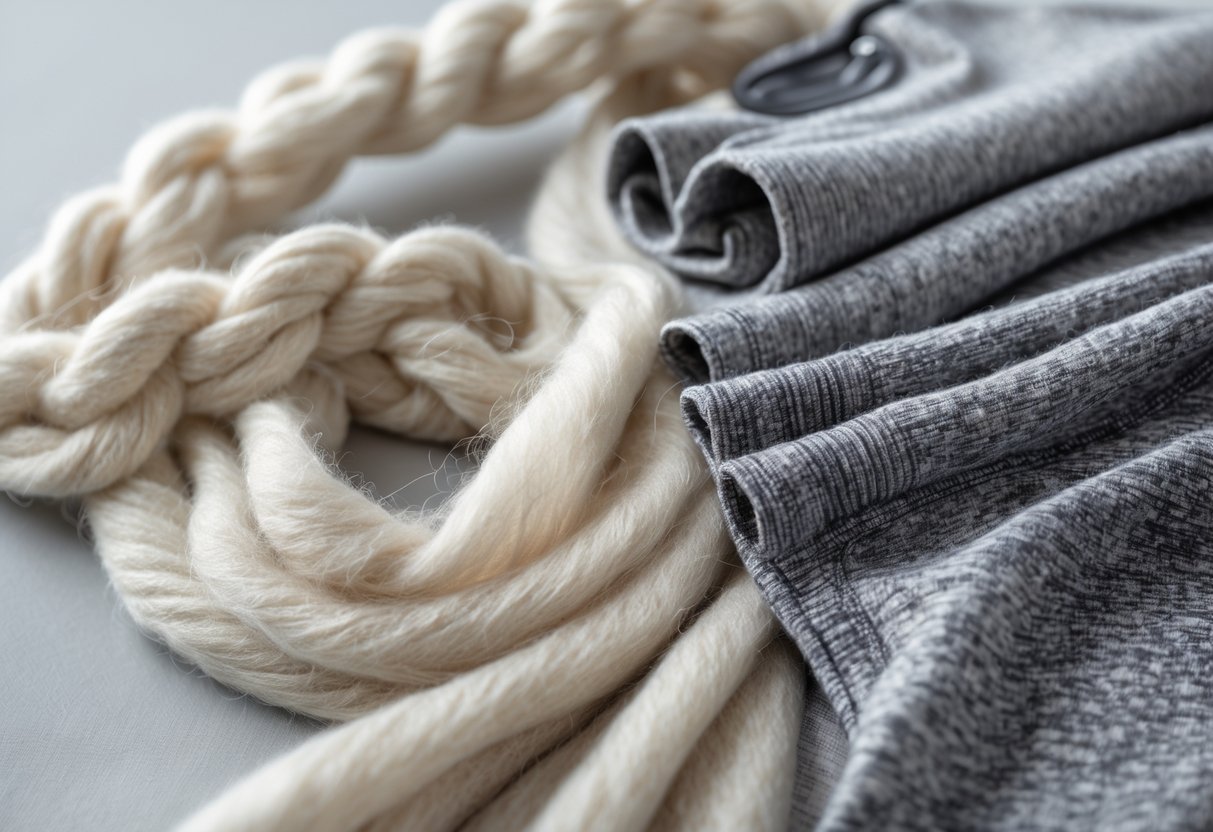
Merino wool is a natural fabric known for its softness and comfort. It feels much smoother than traditional wool, which helps reduce itchiness during wear. This makes it a good choice for activewear, especially for those who want warmth without irritation.
The fabric offers temperature regulation. It keeps the wearer warm in cold weather but can also cool when needed by wicking moisture away from the skin. This makes Merino wool versatile for different types of outdoor activities like hiking or skiing.
It also resists odor better than many synthetic fabrics. This means it can be worn longer without developing bad smells, an important feature for workout or travel clothes. Care is simple, requiring cold water washing and flat drying to keep the fabric in good shape.
Sustainability is another benefit. Merino wool is biodegradable and renewable, making it an eco-friendly option compared to synthetic fibers. Brands focused on environmental responsibility often choose Merino wool for these reasons.
5) Supplex Nylon
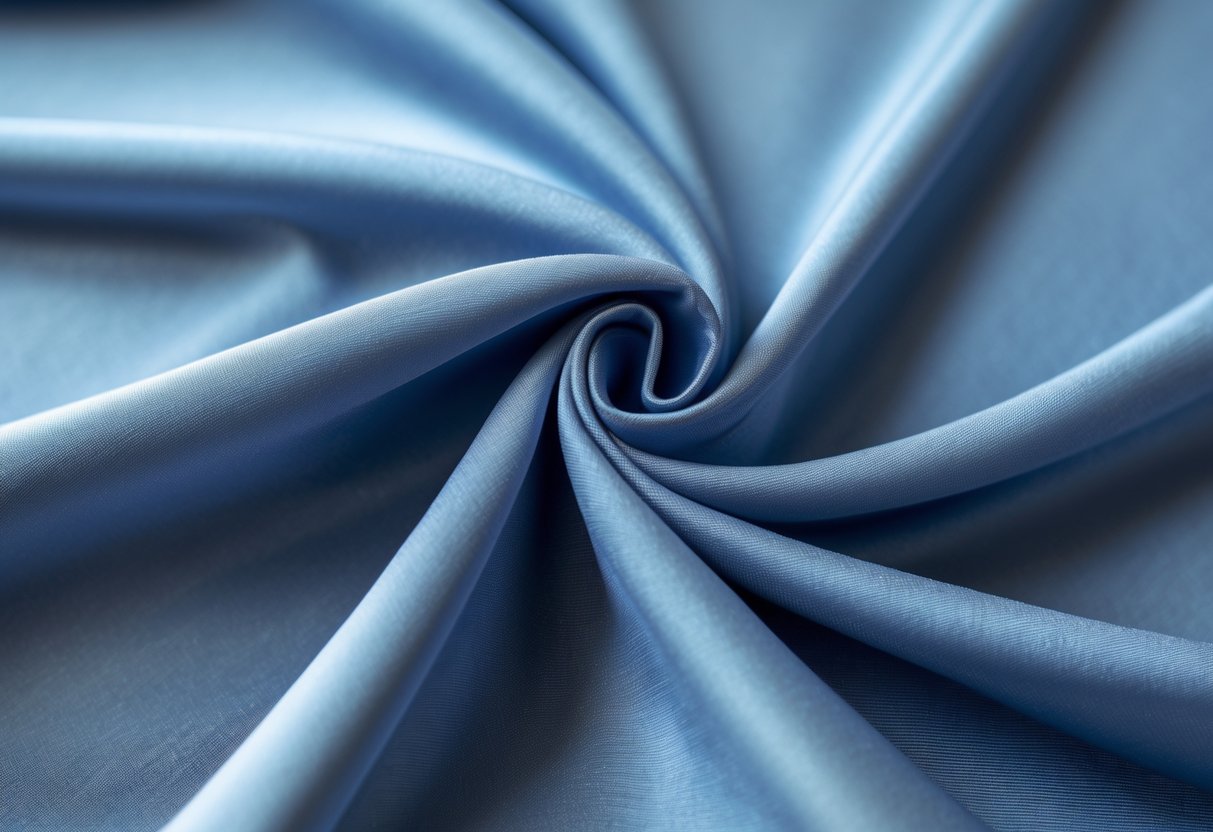
Supplex nylon is a popular choice for activewear due to its strong and durable nature. It feels soft and cotton-like, which adds comfort without sacrificing performance.
The fabric resists punctures, pilling, and wear. This makes it suitable for heavy use in activewear such as leggings, shorts, and tops. Its durability helps activewear last longer through repeated workouts and washes.
Supplex also performs well with moisture-wicking. It helps keep the wearer dry by pulling sweat away from the skin. This makes it a good option for high-intensity activities.
It works well with stretchy fibers like spandex. Blending Supplex with spandex allows garments to maintain shape while offering needed stretch and support.
Many brands value Supplex for how it balances comfort, durability, and function. It has become a trusted fabric for performance apparel that still feels soft and wearable.
6) Tencel Lyocell
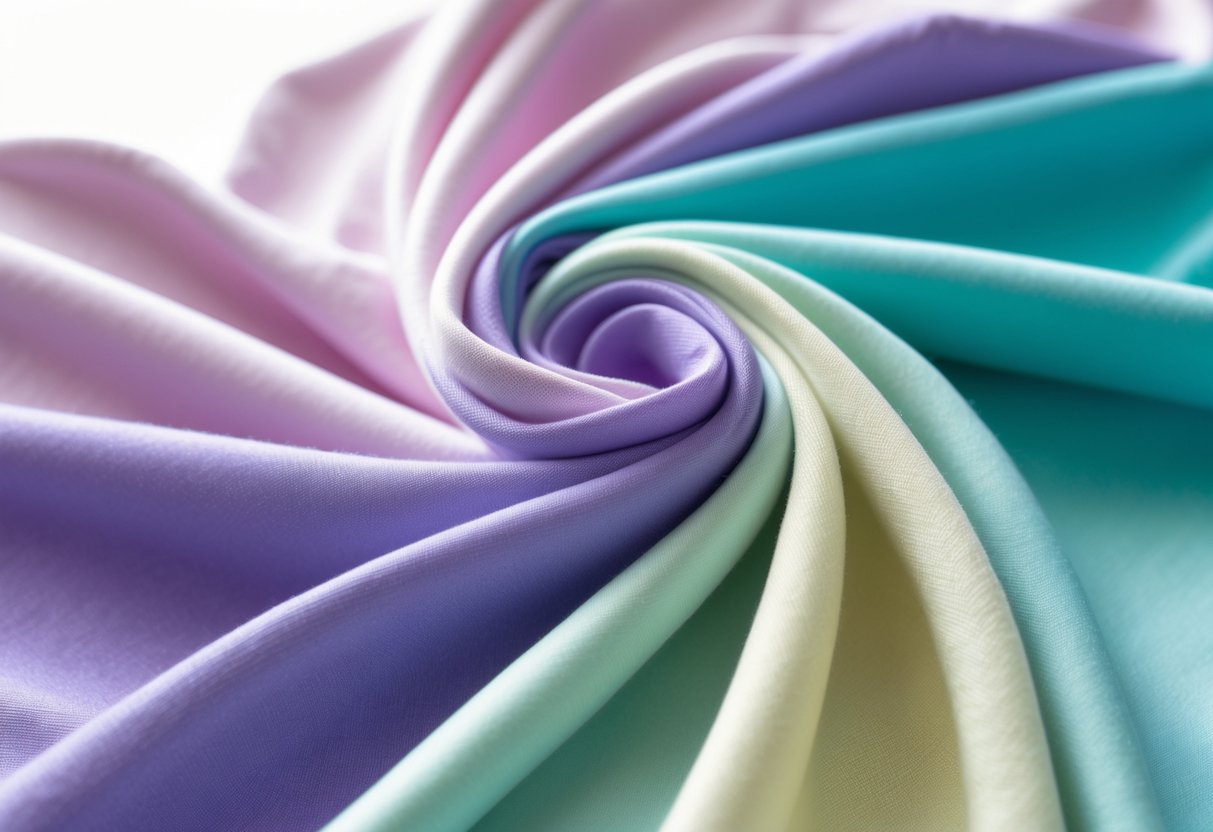
Tencel Lyocell is a fabric made from wood pulp, usually from eucalyptus, beech, or birch trees. It is known for being biodegradable and environmentally friendly. This makes it a good choice for activewear brands committed to sustainability.
The fabric is soft and smooth, which makes it comfortable to wear during workouts. It also has good breathability and helps regulate temperature. These qualities keep the wearer cool and dry, even in intense activity.
Tencel Lyocell is also moisture-wicking, drawing sweat away from the skin. This helps reduce discomfort and keeps the fabric lightweight. It has some stretch, allowing for good movement without losing shape.
Its natural anti-microbial properties reduce odors, making it suitable for repeated use during exercise. Many activewear brands use Tencel Lyocell to balance performance with eco-consciousness. It is increasingly popular as people look for better fabrics with less environmental impact.
7) CoolMax Polyester
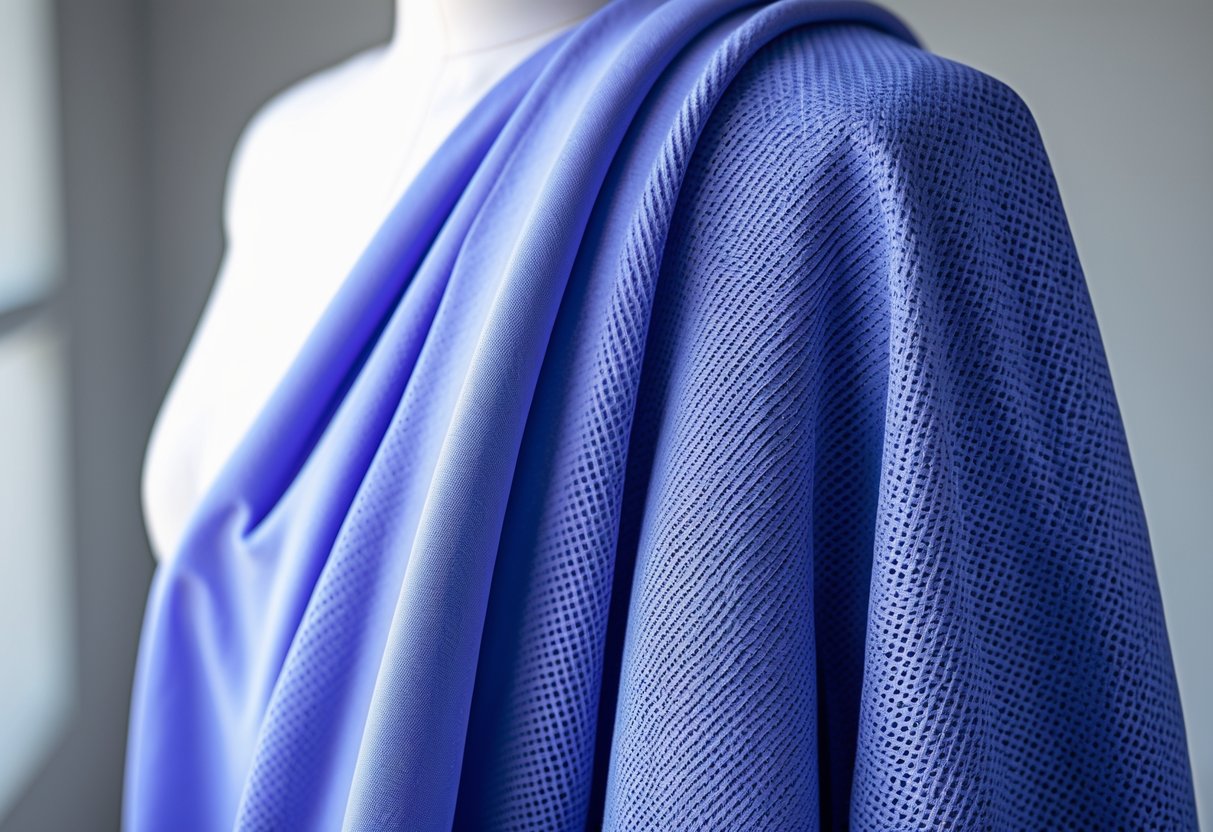
CoolMax polyester is a popular choice in activewear because of its strong moisture-wicking ability. It pulls sweat away from the skin, helping keep the wearer dry during exercise. This makes it well-suited for high-intensity workouts or outdoor activities.
The fabric is lightweight and breathable, allowing good air circulation. Its design also improves comfort by reducing the feeling of dampness against the skin. These properties make CoolMax a preferred fabric for sportswear brands focused on performance.
Though made from polyester, CoolMax uses advanced fiber technology that improves on traditional polyester fabrics. It provides better moisture control without sacrificing durability. Brands often choose CoolMax when they want reliable, functional activewear fabrics that perform well under pressure.
CoolMax polyester also dries quickly. This helps athletes avoid discomfort and chafing during long training sessions. It can be blended with other fibers like spandex to add stretch and improve fit. Overall, CoolMax polyester balances comfort, performance, and durability in a way that fits many activewear needs.
Key Performance Features of Activewear Fabrics
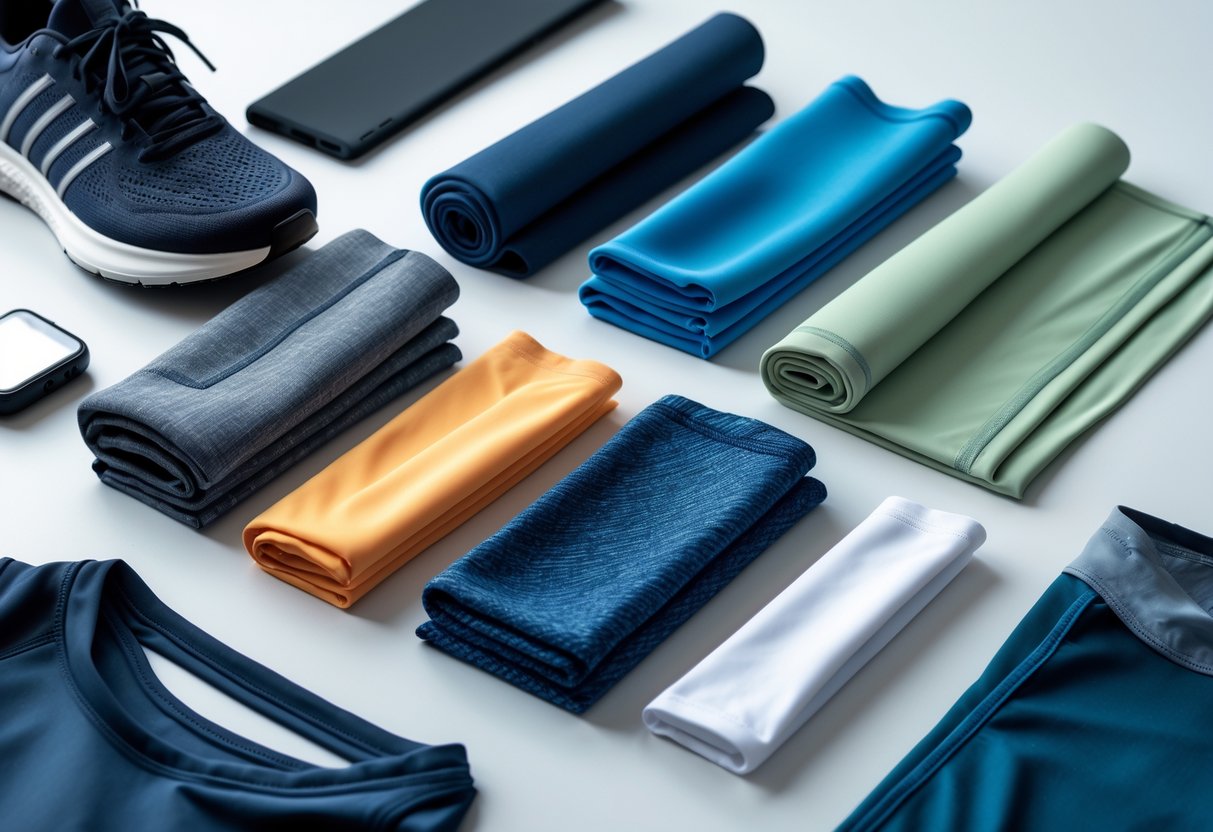
Activewear fabrics need specific qualities to support physical activity well. These qualities affect comfort, durability, and fit during workouts or daily use. The right fabric balances airflow, toughness, and movement to meet these demands.
Breathability and Moisture Management
Breathability helps air pass through fabric to regulate body temperature. Fabrics with good breathability allow sweat to evaporate faster, keeping the wearer cool and dry.
Moisture-wicking is key for activewear. It pulls sweat away from the skin to the fabric’s surface, where it can evaporate. This reduces chafing and discomfort. Synthetic fibers like polyester and nylon often use moisture-wicking technology.
Some fabrics use tiny holes or mesh patterns to improve airflow. This is especially helpful for intense workouts where sweat production is high. Without proper moisture management, fabrics can feel heavy and sticky, hurting performance.
Durability and Shape Retention
Activewear must resist wear and tear from frequent movement and washing. Durable fabrics keep their strength and appearance over time without thinning or pilling.
Shape retention means the fabric can stretch with the body but returns to its original form. This prevents sagging or bagging in key areas like knees and elbows. Nylon blends often excel in this area.
Strong fibers and quality construction help fabrics maintain color and texture after multiple washes. Durable fabrics also resist snagging and tearing, which is critical for long-lasting sportswear.
Stretch and Flexibility
Stretch is essential for activewear because it allows natural movement without restriction. Fabrics with good stretch increase comfort and reduce the risk of tears.
Flexibility means the fabric can bend and twist with the body. Spandex or elastane are common fibers added to enhance stretch. A good activewear fabric will stretch in multiple directions.
Too little stretch can feel tight, while too much may lose shape quickly. The best fabrics strike a balance that supports a wide range of motions, making workouts smoother and more effective.
Sustainability Considerations for Fabric Selection
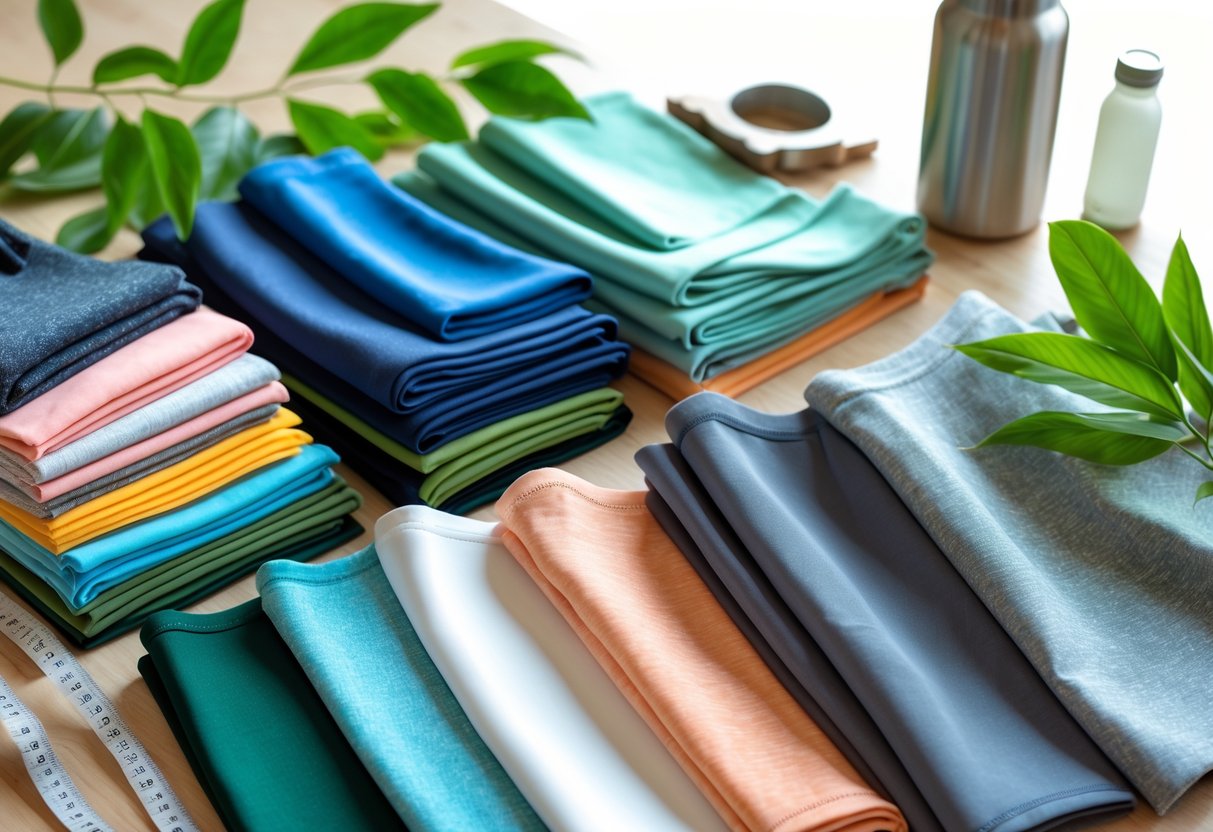
Choosing the right fabric goes beyond performance. It also means thinking about the impact on the environment and how trustworthy a fabric’s origin is. Attention to eco-friendly materials and proper certifications helps brands make responsible choices that meet consumer expectations and reduce harm.
Eco-Friendly Materials
Eco-friendly fabrics come from sources that use less water, energy, and chemicals. Popular options include organic cotton, which avoids pesticides, and recycled polyester, made from plastic waste. Both help lower the carbon footprint compared to conventional fabrics.
Natural fibers like bamboo and Tencel are also widely valued. Bamboo grows quickly without much water or fertilizer, while Tencel is made from sustainably harvested wood through a closed-loop process. These fibers offer breathability and comfort while being gentler on the planet.
Choosing blends that combine sustainable fibers with strong performance qualities can balance eco-friendliness and durability. Brands should consider the entire lifecycle of the fabric—from sourcing to disposal—to ensure a material’s sustainability.
Certifications to Look For
Certifications verify the environmental and social standards behind fabrics. Some key ones include:
- GOTS (Global Organic Textile Standard): Ensures organic fiber content and limits harmful chemicals.
- OEKO-TEX Standard 100: Tests for toxins and harmful substances in textiles.
- Bluesign: Focuses on safer chemical use and water waste during production.
- Recycled Claim Standard (RCS): Verifies recycled material content is accurate.
These certifications help brands guarantee transparency and build trust. They reduce risks related to harmful processes or false sustainability claims. Checking for well-known certificates is essential for credible eco-friendly products.
Frequently Asked Questions
Choosing the right activewear fabric involves understanding how different properties affect comfort, durability, and performance. Key aspects include moisture control, stretch, breathability, and the impact of sustainable materials on quality and function.
What factors determine the ideal fabric for activewear garments?
The ideal fabric depends on the activity type, expected sweat levels, and climate. Durability and stretchability are also important to ensure ease of movement and long-lasting wear.
Fabric weight and breathability influence comfort, while moisture management helps keep the wearer dry. Brands often balance performance features with style preferences too.
How does moisture-wicking capability affect activewear performance?
Moisture-wicking fabrics pull sweat away from the skin to the fabric surface. This speeds up evaporation and helps keep the body cooler and more comfortable during workouts.
Without this feature, sweat can build up, causing discomfort, chafing, or coldness after exercise. Materials like polyester microfiber and nylon-spandex blends often have strong moisture-wicking abilities.
What are the key benefits of using sustainable materials in activewear production?
Sustainable fabrics reduce environmental impact by using renewable or recycled fibers. They often come with certifications verifying eco-friendly practices.
Materials like bamboo fabric are breathable and soft, offering comfort while supporting sustainability. These fabrics appeal to consumers who value both performance and ethical manufacturing.
In what ways does fabric stretchability impact fitness apparel functionality?
Stretchability allows activewear to move with the body during exercises, increasing comfort and reducing fabric strain. It also helps garments retain their shape after repeated wear.
Blends with spandex provide excellent stretch. Without enough give, clothing can restrict motion or cause discomfort during dynamic activities.
Can you explain the importance of breathability in workout clothing materials?
Breathable fabrics let air circulate to regulate body temperature during physical activity. This prevents overheating and improves overall comfort.
Materials like bamboo fabric and merino wool are known for their breathability. Good airflow also helps reduce sweat buildup and keeps the skin dry.
What are the pros and cons of synthetic versus natural fabrics in exercise attire?
Synthetic fabrics like nylon and polyester dry fast and offer strong durability. They tend to wick moisture well, but may trap odors and feel less soft.
Natural fabrics such as merino wool and bamboo are breathable and odor-resistant. However, they may take longer to dry and sometimes require more care to maintain shape and durability.