14 Types of Socks for Comfort, Sports and Fashion
Socks come in many styles and materials, designed for different needs and occasions. They are more than just foot coverings—they offer comfort, protection, and style.
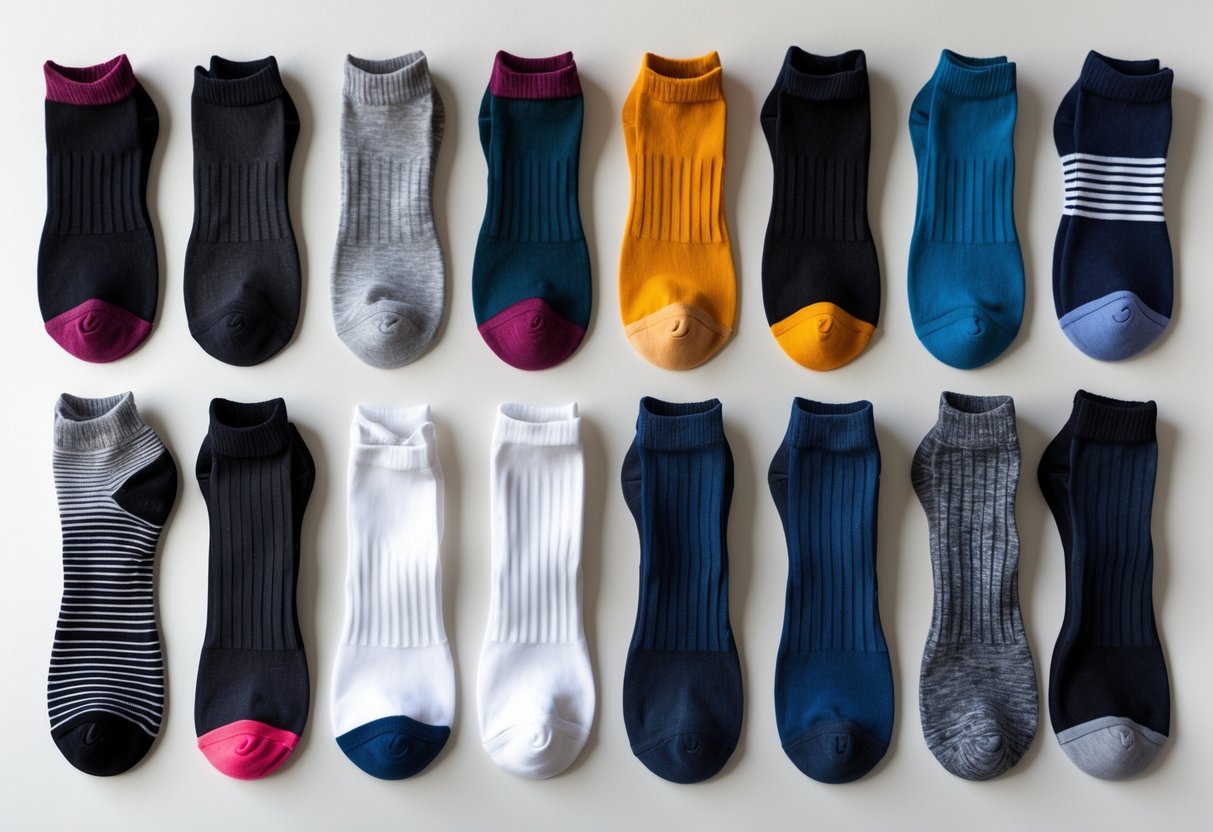
Understanding the various types of socks helps people choose the right pair for any activity or outfit. Knowing the differences can improve comfort and prevent problems like blisters or sweaty feet.
Table of Contents
1) No-Show Socks
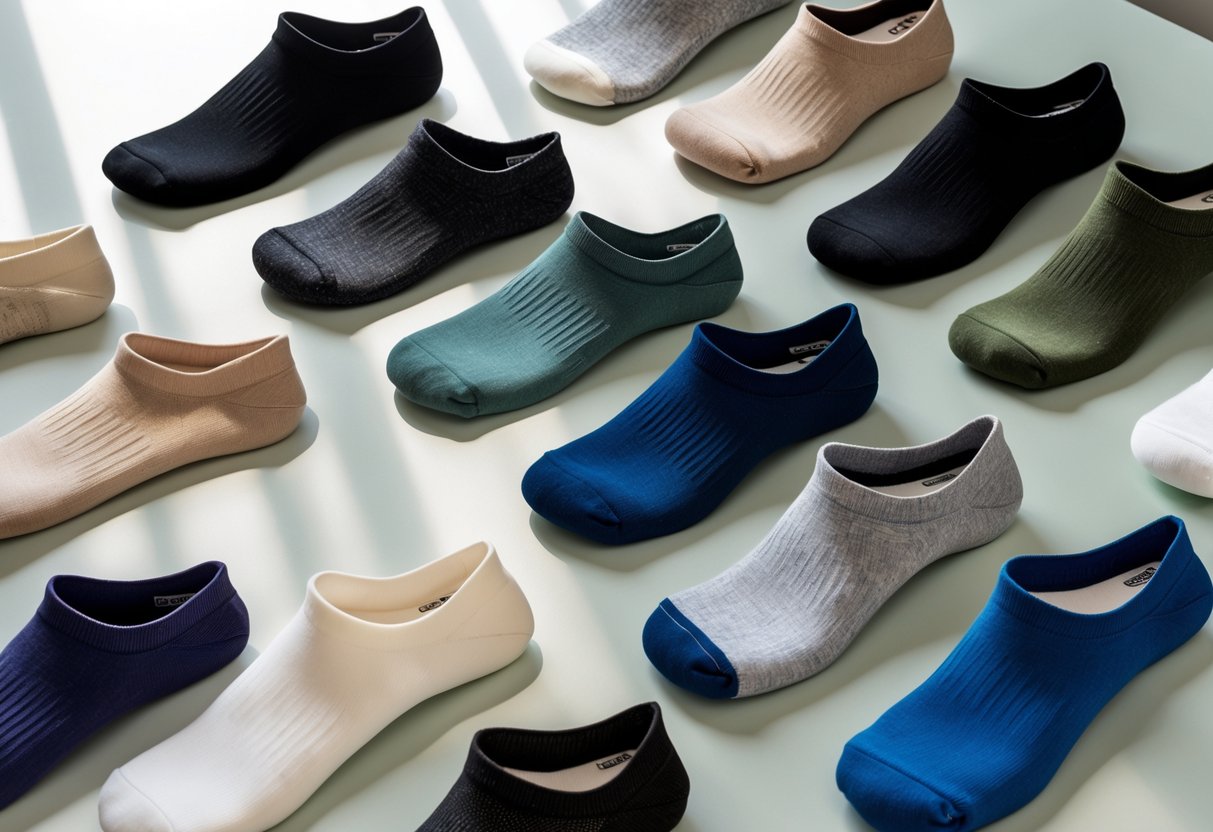
No-show socks are designed to sit below the shoe line. They are perfect for people who want the comfort of socks without them being visible. These socks cover the heel and the toes but stay hidden inside most low-cut shoes.
They work well with slip-ons, loafers, and sneakers, helping to prevent blisters and keep feet dry. Many no-show socks have silicone grips on the heel to keep them from slipping off during wear.
Materials vary but often include cotton blends for breathability and moisture control. Some no-show socks have added cushioning for better comfort during daily activities. These socks are a popular choice for warmer weather when heavy socks feel uncomfortable but bare feet can cause issues inside shoes.
2) Ankle Socks
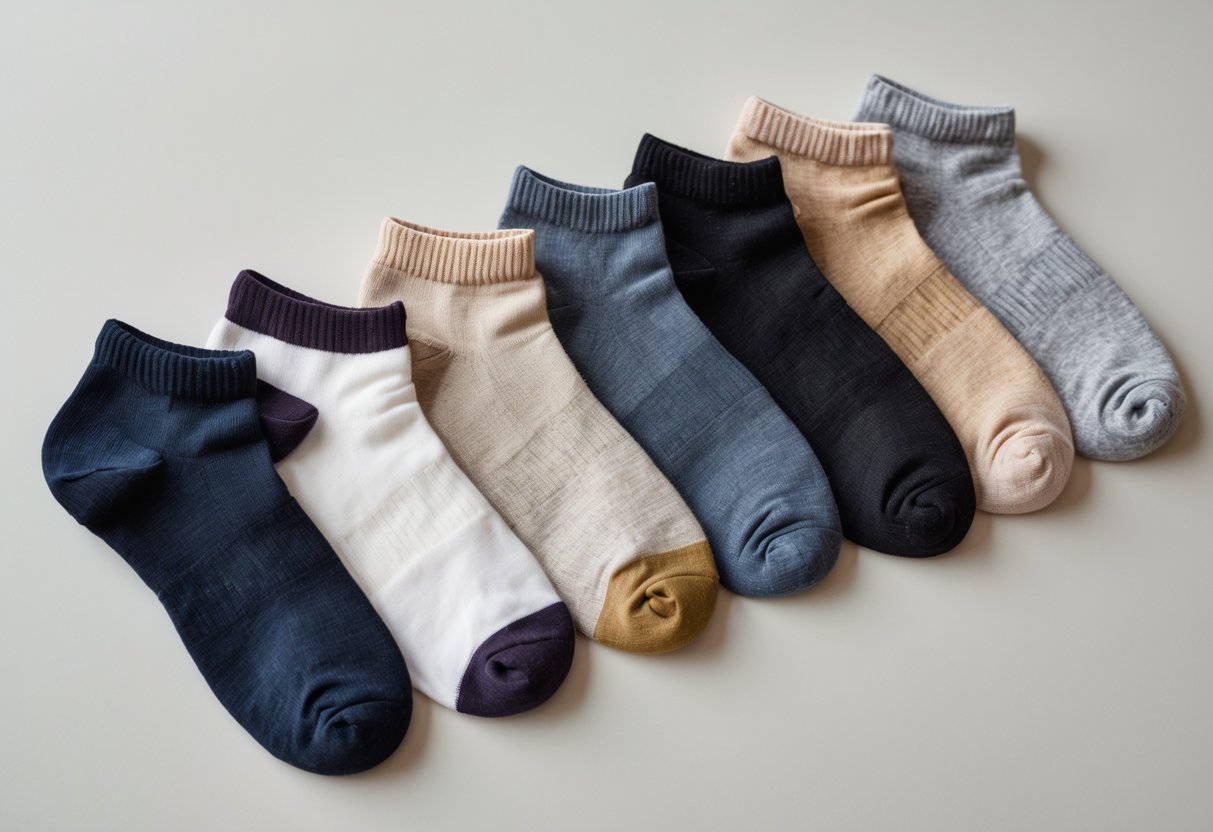
Ankle socks reach just above the ankle bone. They offer a low profile that works well with sneakers, flats, and other low-cut shoes. This design makes them popular for everyday wear and casual activities.
These socks provide enough coverage to protect the feet while staying cool. They are often chosen for warmer weather or indoor use because they don’t cover much of the leg.
The material of ankle socks can vary, but cotton blends are common since they offer breathability and comfort. Some versions include added stretch or cushioning for extra support during walking or light exercise.
Ankle socks are practical for people who want a simple sock that is easy to wear and less visible. They also help prevent blisters and irritation from shoe friction without adding bulk. This balance of comfort and low height makes ankle socks a versatile choice.
3) Low-Cut Socks
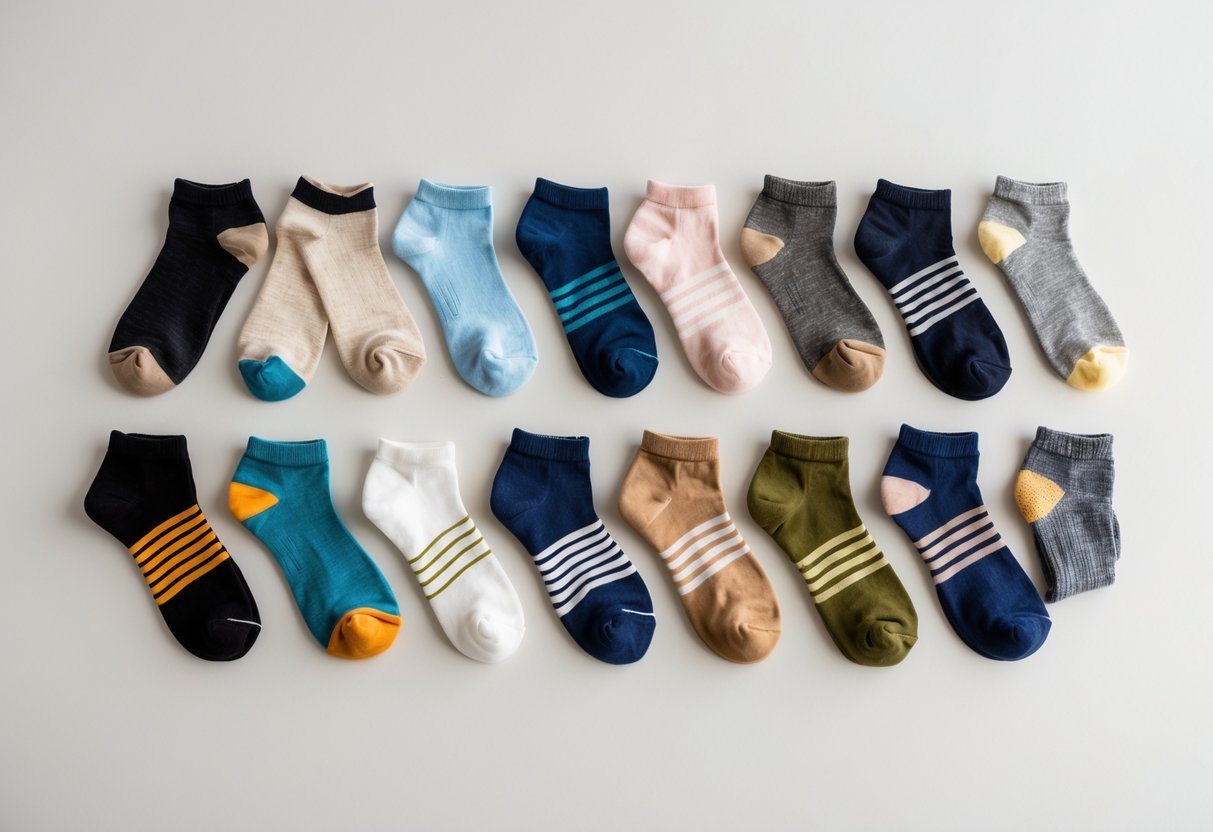
Low-cut socks are designed to sit just below the ankle bone. They are often hidden inside shoes, making them a popular choice for those who want a clean, minimal look. These socks work well with sneakers, running shoes, and casual footwear.
They provide enough coverage to protect the feet from friction and blisters without showing above the shoe line. Low-cut socks are lightweight and breathable, which helps keep feet comfortable during activities like walking or light exercise.
Because they cover less of the leg, they are not the best choice for cold weather. However, in warmer conditions, they offer good ventilation and reduce sweating. Many athletes prefer low-cut socks for their balance of protection and low visibility.
These socks come in various materials, including cotton, polyester, and blends with moisture-wicking properties. This variety allows people to pick socks for different needs, from everyday wear to sports performance.
Overall, low-cut socks are practical for anyone who wants comfort without sacrificing style or showing their socks while wearing low-profile shoes.
4) Crew Socks
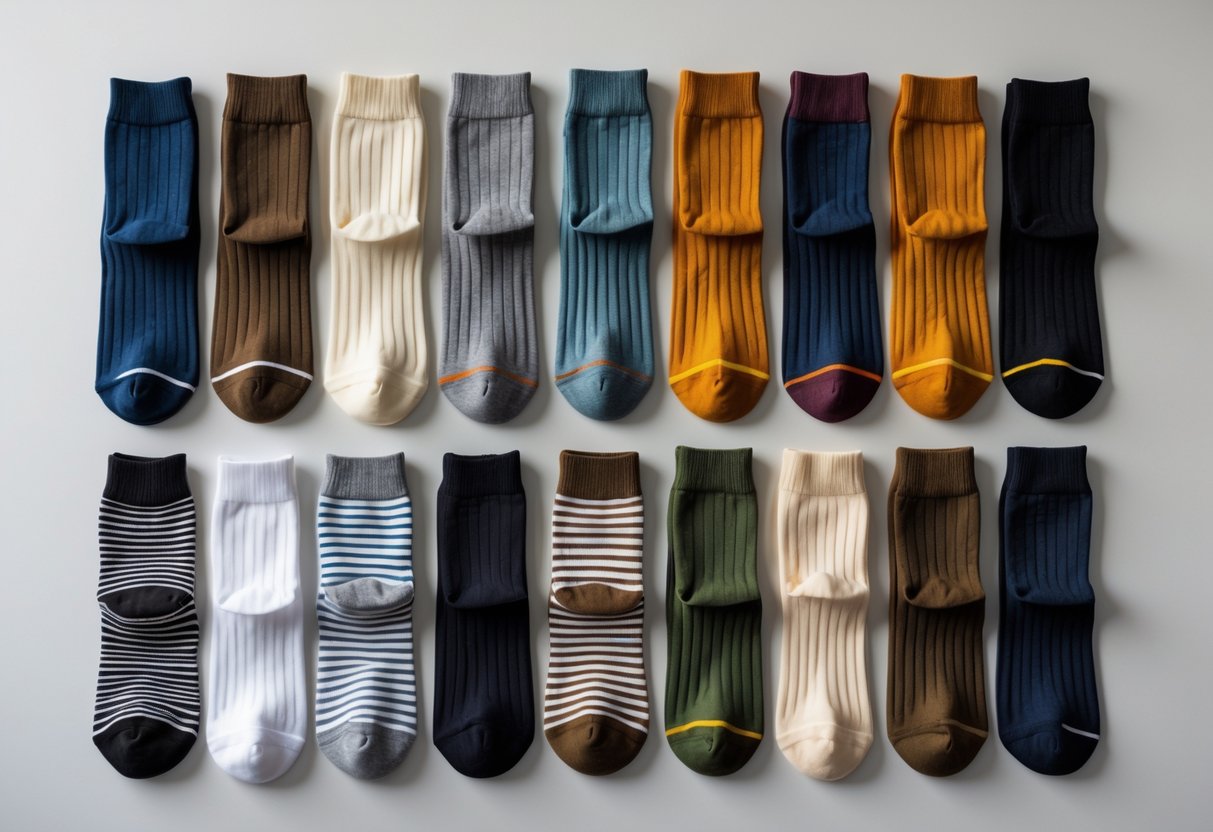
Crew socks are one of the most common sock lengths. They usually reach mid-calf, about 6 to 8 inches above the ankle. This height makes them versatile for many types of shoes and activities.
They work well with boots, athletic shoes, and casual footwear. Many people choose crew socks for everyday use because they provide good coverage and protect the lower leg.
Crew socks come in a range of materials, from cotton to wool and synthetic blends. This variety helps with comfort, moisture control, and temperature regulation.
They are suitable for office wear, sports, and outdoor activities. Because of their balance of length and comfort, crew socks are a practical choice for many situations.
5) Mid-Calf Socks
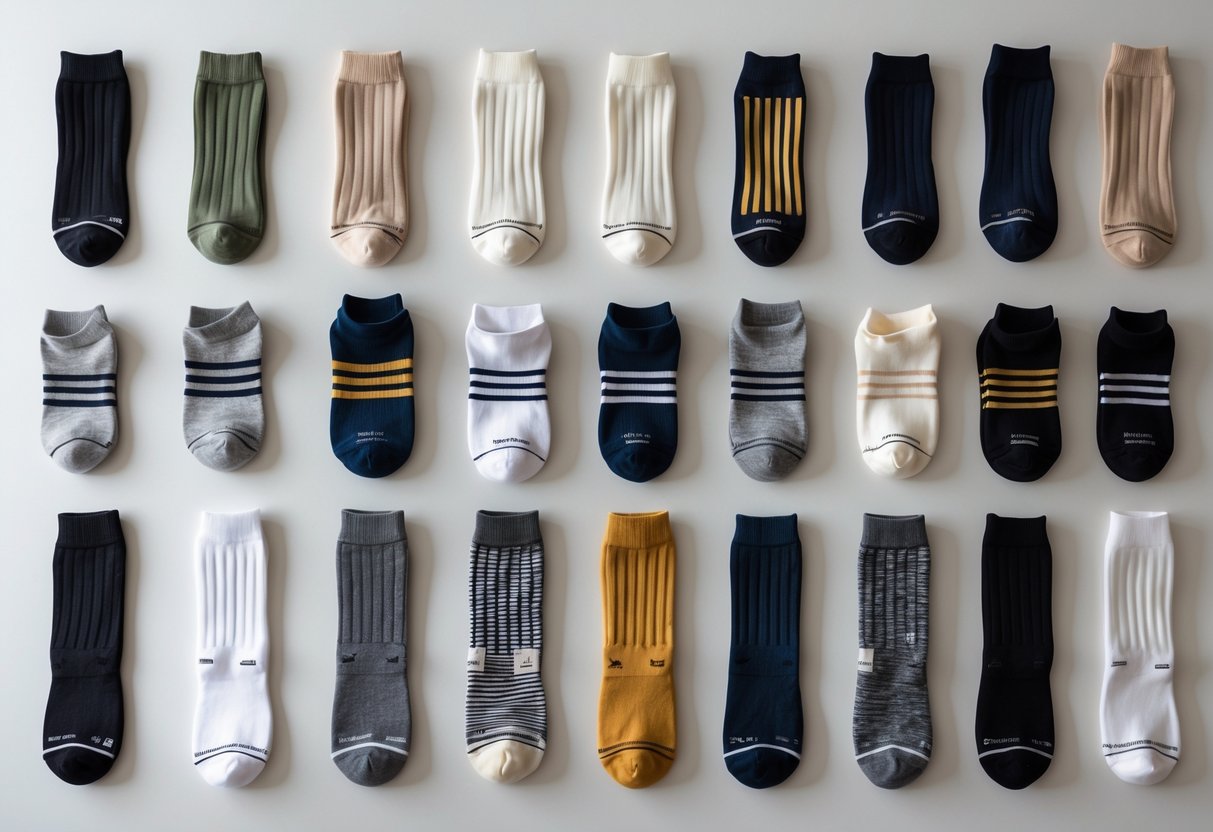
Mid-calf socks reach up to the middle of the lower leg, making them a popular choice for many activities. They offer more coverage than ankle socks but are shorter than knee-high socks. This length provides good protection and support, especially during sports or work.
These socks are versatile and work well with many types of shoes, including sneakers, boots, and dress shoes. They help keep the lower leg warm and protect against rubbing from footwear. Many people choose mid-calf socks for their blend of comfort and style.
Materials vary, but common choices include cotton, wool, and synthetic blends. Cotton offers softness and breathability, while wool adds warmth and moisture control. Synthetic materials are often added to improve durability and fit.
Mid-calf socks are a practical option for everyday wear. Their height makes them suitable for casual, athletic, and professional settings. They balance comfort and function without being too high or too short.
6) Over-the-Calf Socks
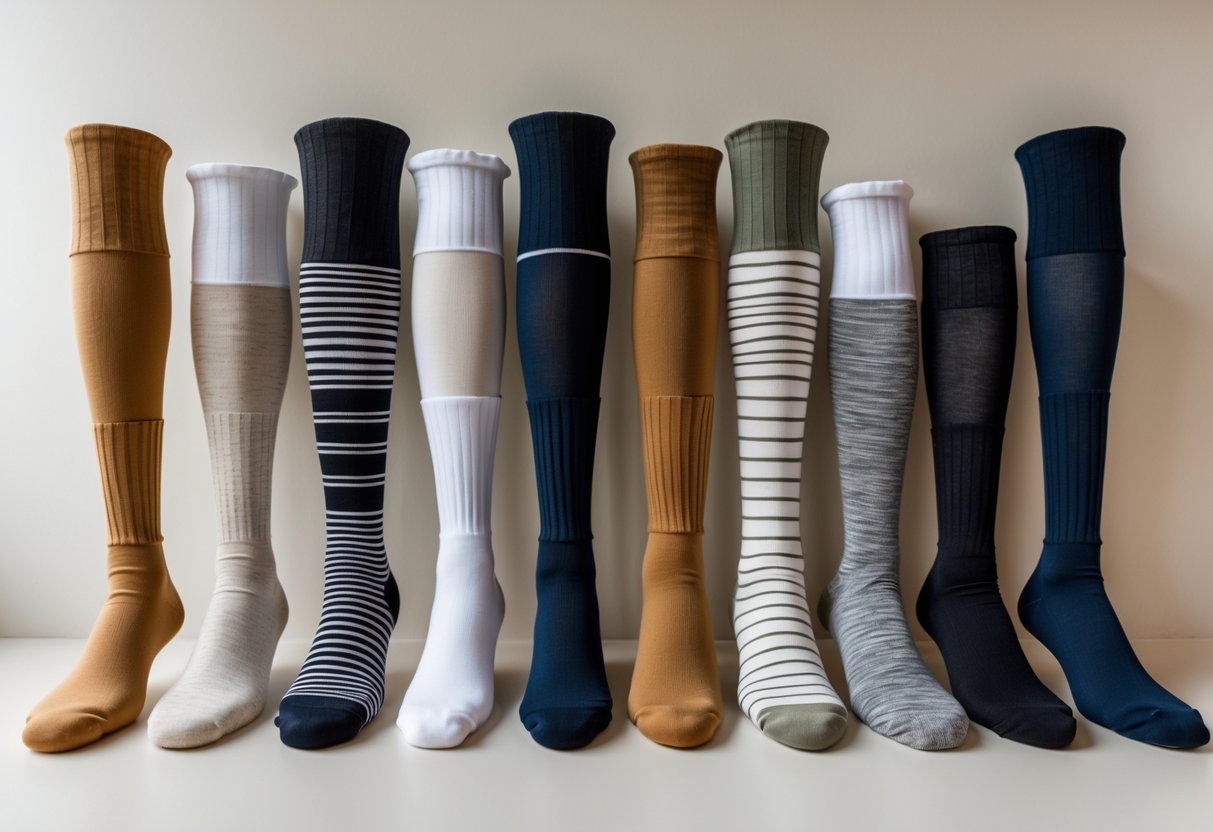
Over-the-calf socks are longer than most socks and stretch up to cover the entire calf. They provide additional warmth and support, making them a popular choice in cooler weather or for formal occasions. These socks often stay up better than shorter socks due to their length and tighter fit.
They are commonly worn with dress shoes and suits, offering a polished and professional look. Athletes and hikers may also choose over-the-calf socks for extra cushioning and protection during long activities.
Materials vary depending on use. Wool and blends are common for warmth and moisture control, while cotton or synthetic fibers improve breathability. Their length helps prevent chafing and slipping, which adds comfort during extended wear.
7) Knee-High Socks
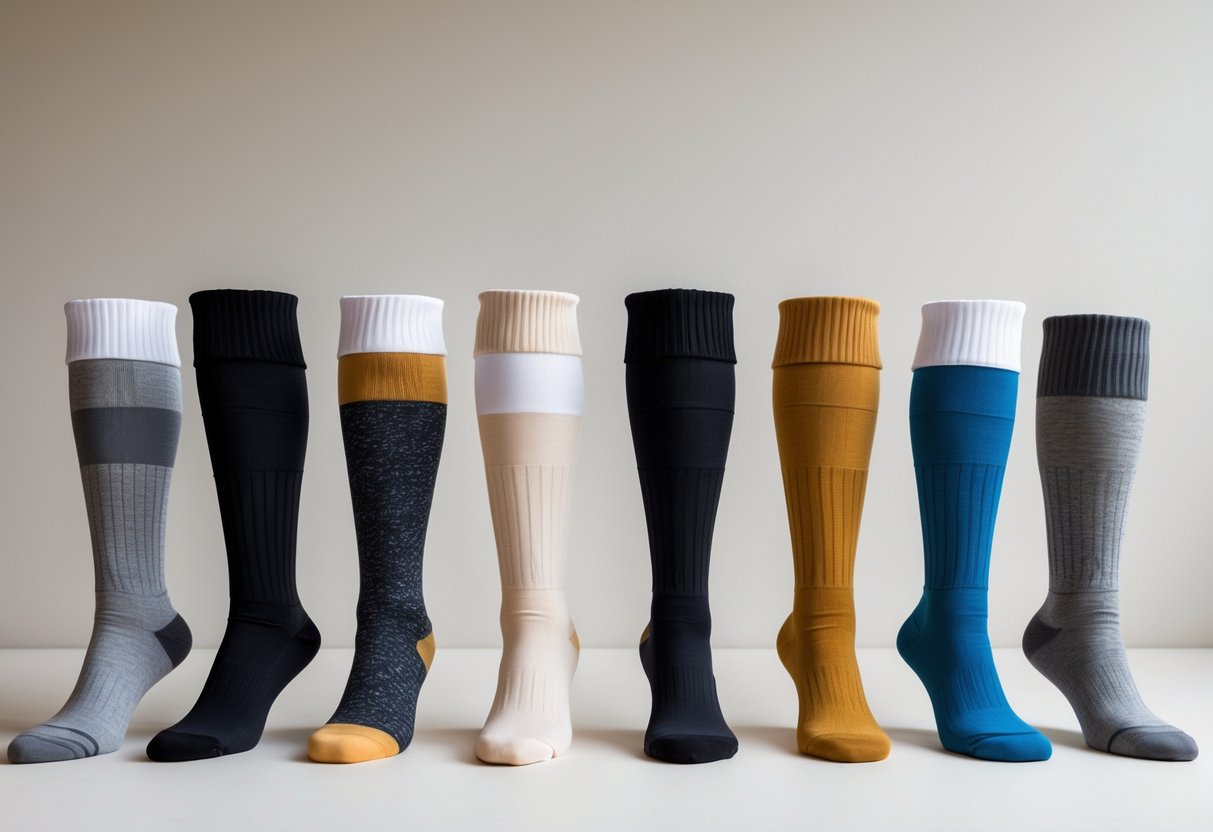
Knee-high socks reach up to just below the knee. They offer more coverage and warmth compared to shorter socks like crew or ankle socks. This length makes them practical for cooler weather and for certain sports or activities that need extra leg protection.
They come in many materials, including cotton, wool, and synthetic blends. Wool knee-highs are popular for outdoor activities because they provide insulation and help manage moisture. Cotton versions are often chosen for everyday wear due to their softness and breathability.
Knee-high socks fit well with boots, especially tall boots, as they help prevent chafing and add comfort. They are also used in some uniforms and fashion styles. Their height allows for various design options, ranging from plain colors to patterns.
These socks can serve different purposes such as casual wear, athletic use, or even compression. Compression knee-high socks improve circulation and reduce fatigue, often worn during long periods of standing or travel.
Overall, knee-high socks balance function and style, making them a versatile choice for many people.
8) Thigh-High Socks
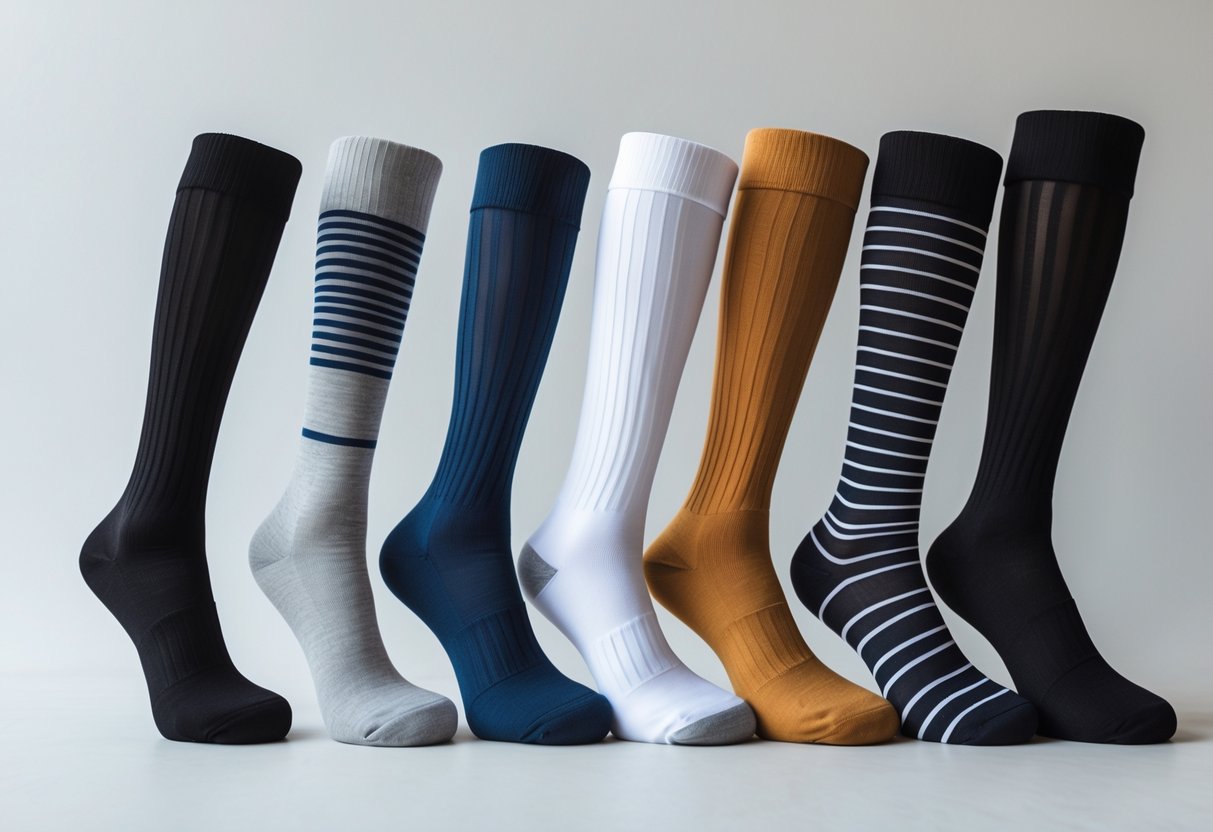
Thigh-high socks extend above the knee and reach the upper thigh. They offer extra coverage and warmth compared to knee-high or crew socks. This style is often chosen for fashion or practical reasons, such as added protection for colder weather.
These socks come in many materials, including cotton, wool, and synthetic blends. Wool and merino wool versions provide good insulation and moisture control. Synthetic options may offer stretch and durability.
Thigh-high socks can serve different purposes. Some wear them for style, pairing them with skirts or shorts. Others use them for added support or comfort during activities. When selecting thigh-high socks, fit is important to prevent slipping down the leg.
They are also used in health care or sports, sometimes designed with compression features. This can help improve circulation during long periods of standing or sitting. Choosing the right size and material ensures they meet both comfort and functional needs.
9) Liner Socks
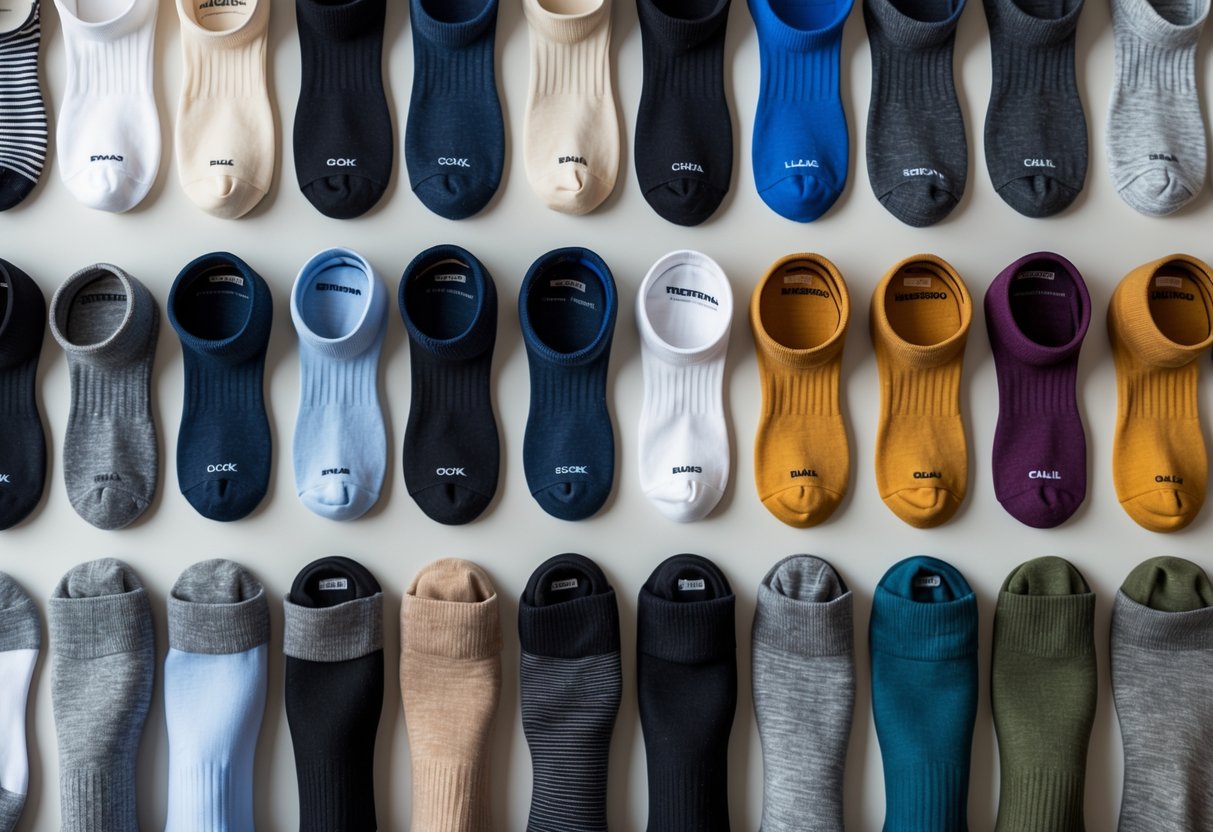
Liner socks are thin socks designed to be worn underneath regular socks. They create a smooth layer between the foot and the main sock. This helps reduce friction and prevents blisters during activities like hiking or running.
They are often made from materials like Merino wool or synthetic fibers. These materials help wick moisture away and regulate temperature. This makes liner socks useful in both hot and cold conditions.
Liner socks also add extra comfort by keeping the feet dry. Many people use them for long outdoor trips or sports. They help extend the life of outer socks by reducing wear caused by sweat and rubbing.
Because of their slim fit, liner socks can be worn with tight shoes without feeling bulky. They are sometimes used by athletes or anyone needing extra foot protection. While they do not provide much cushioning, their main job is to improve comfort and foot health.
10) Compression Socks
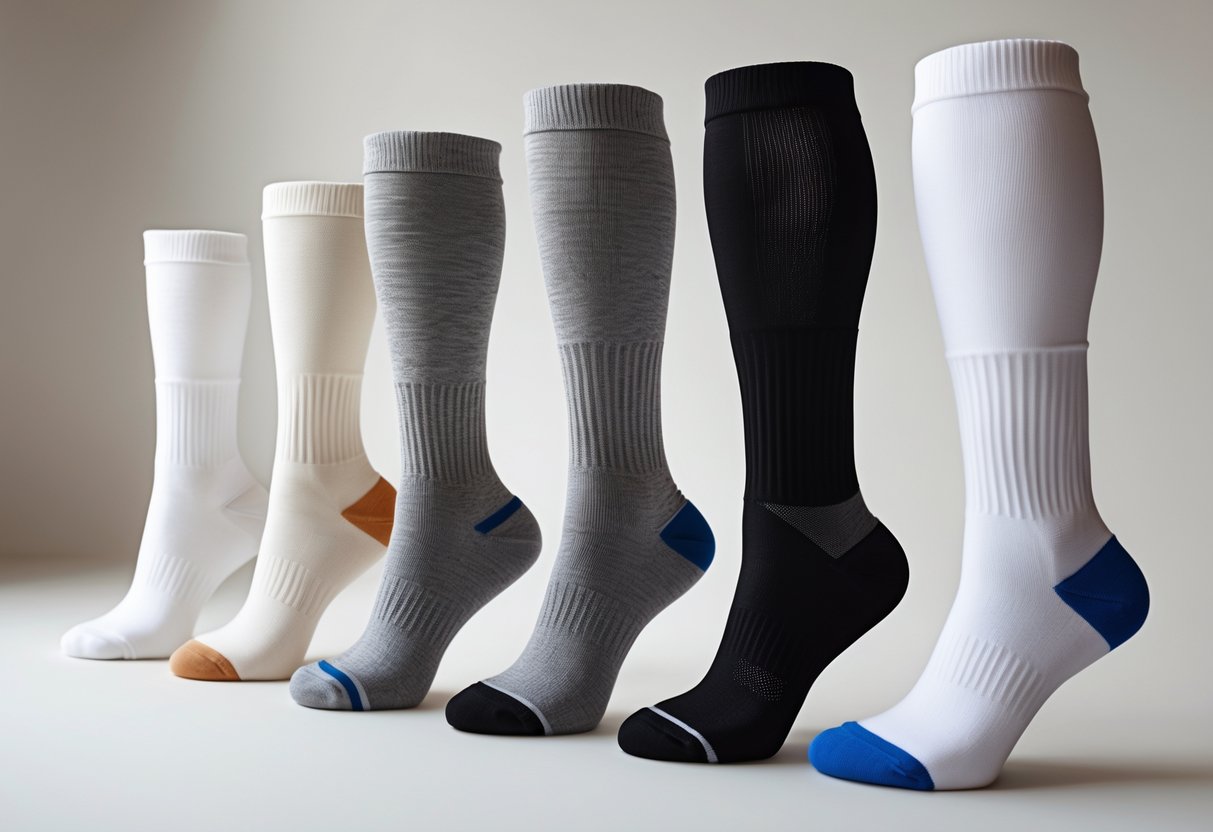
Compression socks are designed to apply pressure to the legs and feet. This helps improve blood flow and reduce swelling. They are often used by people who stand or sit for long periods, such as travelers, athletes, and workers.
These socks come in different compression levels, measured in millimeters of mercury (mmHg). Lower levels provide mild support, while higher levels offer stronger compression for medical needs. It is important to choose the right level based on individual health and activity.
Compression socks also vary in height. Some cover just the ankle, while others reach the calf or thigh. The height chosen depends on the area that needs support. Proper fit is essential, so measuring the ankle and calf before buying is recommended.
Materials can differ, too. Many compression socks use breathable fabrics like wool or synthetic blends to keep feet comfortable. Some styles include extra padding for protection during exercise or long wear.
People with conditions like diabetes or vein problems may find specific compression socks helpful. They reduce fatigue and support circulation without causing discomfort.
11) Performance Athletic Socks
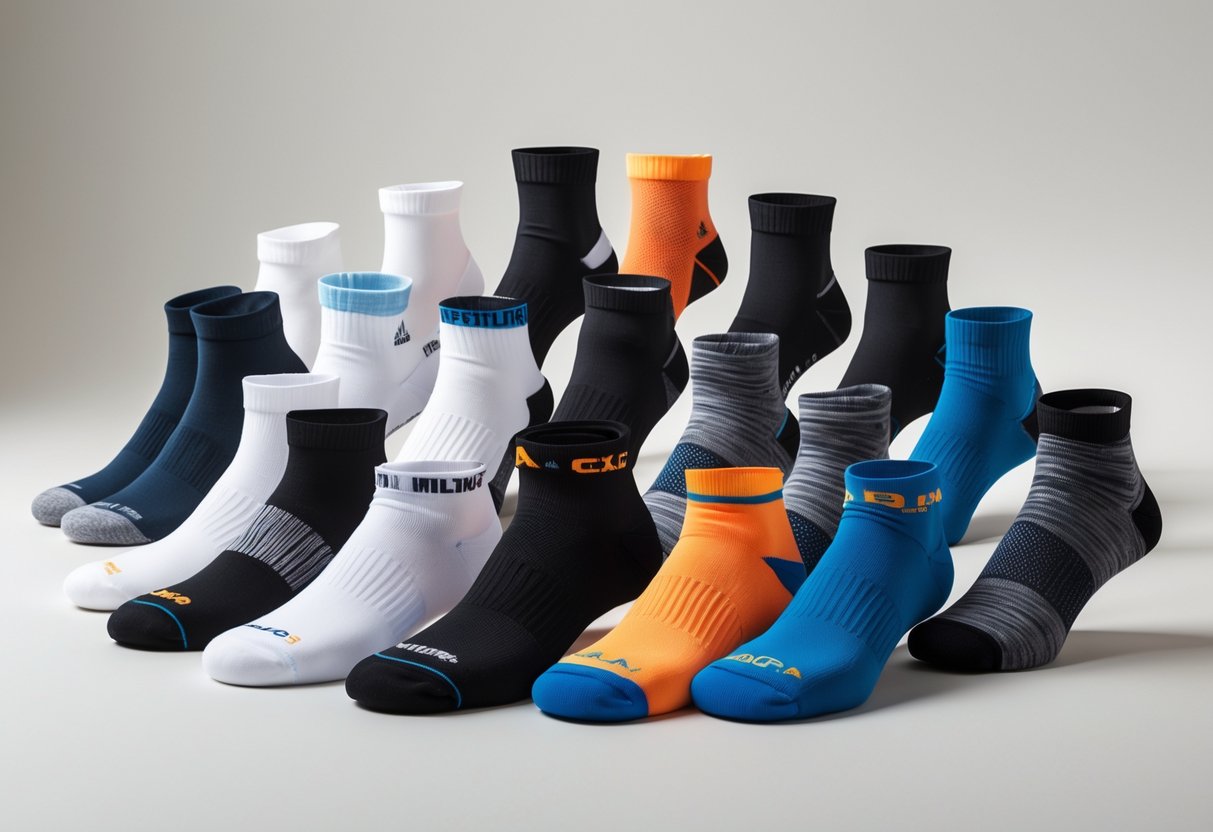
Performance athletic socks are designed to support athletes during physical activities. They often feature materials that wick moisture away from the skin. This helps keep feet dry and reduces the chance of blisters.
These socks also provide cushioning in key areas like the heel and ball of the foot. Cushioning improves comfort and can help absorb the impact during running or jumping. Some performance socks offer extra arch support to reduce foot fatigue.
Breathability is another important feature. Many use mesh panels or breathable fabrics to allow air flow. This keeps the feet cooler during intense exercise.
Compression zones are common in some athletic socks. They improve blood flow and help with muscle recovery. This feature is especially useful for long workouts or sports that demand endurance.
Performance socks come in a variety of heights, from ankle to crew length. The choice depends on the sport and the shoe type. The right fit and features help enhance both comfort and performance.
12) Dress Socks
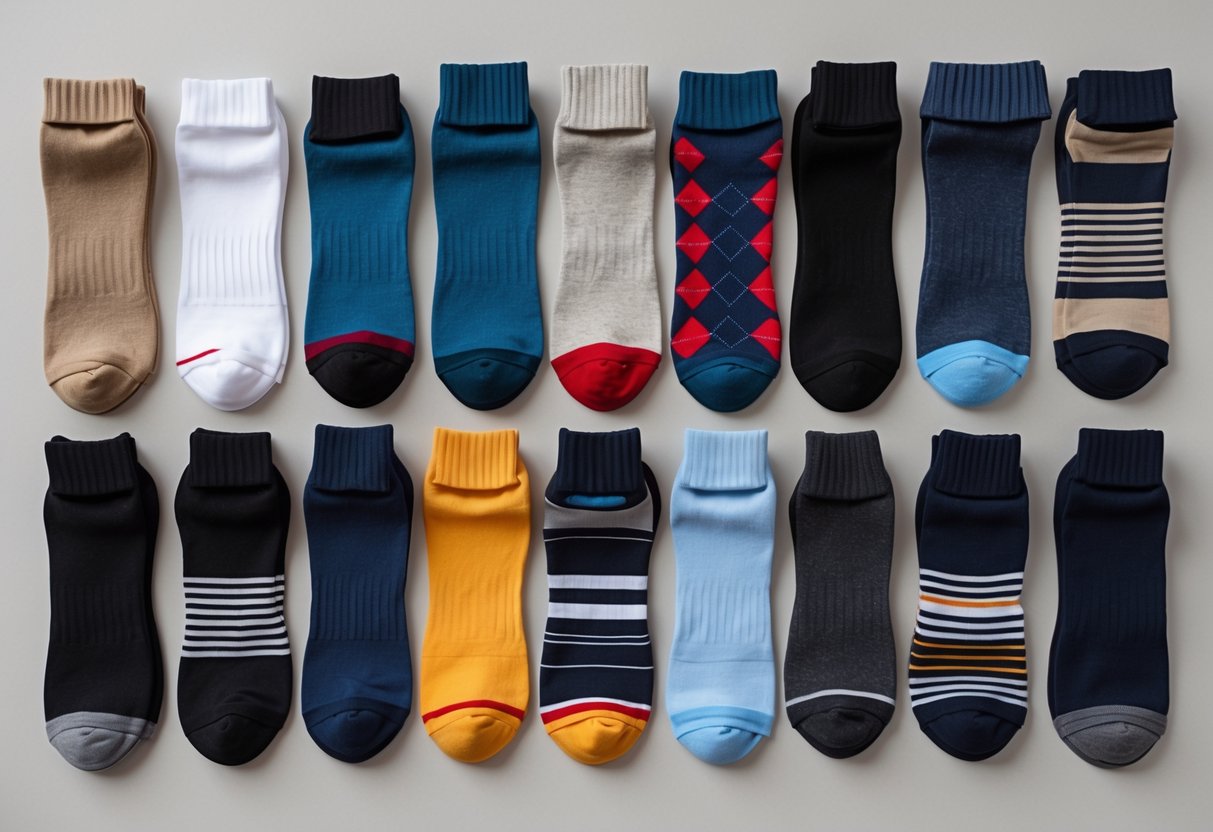
Dress socks are designed to complement formal and business attire. They usually reach the calf or just below the knee, providing full coverage when sitting or crossing legs. This length helps maintain a polished look by preventing skin from showing.
Typically, dress socks are made from fine, lightweight materials like cotton, wool, or silk blends. These fabrics offer breathability and a smooth finish, making them comfortable for long wear. The thin construction also ensures they fit well inside dress shoes without adding bulk.
Colors and patterns for dress socks tend to be more subdued. Common choices include black, navy, gray, and dark brown. This helps keep the focus on the overall outfit while adding a subtle touch of style. Some dress socks include small patterns like dots or stripes for visual interest without being too bold.
Proper fit is important in dress socks. They should stay up without slipping down the leg. Good elasticity in the cuff helps with this, ensuring a neat appearance throughout the day. Dress socks blend function and style, making them essential for formal occasions.
13) Boot Socks
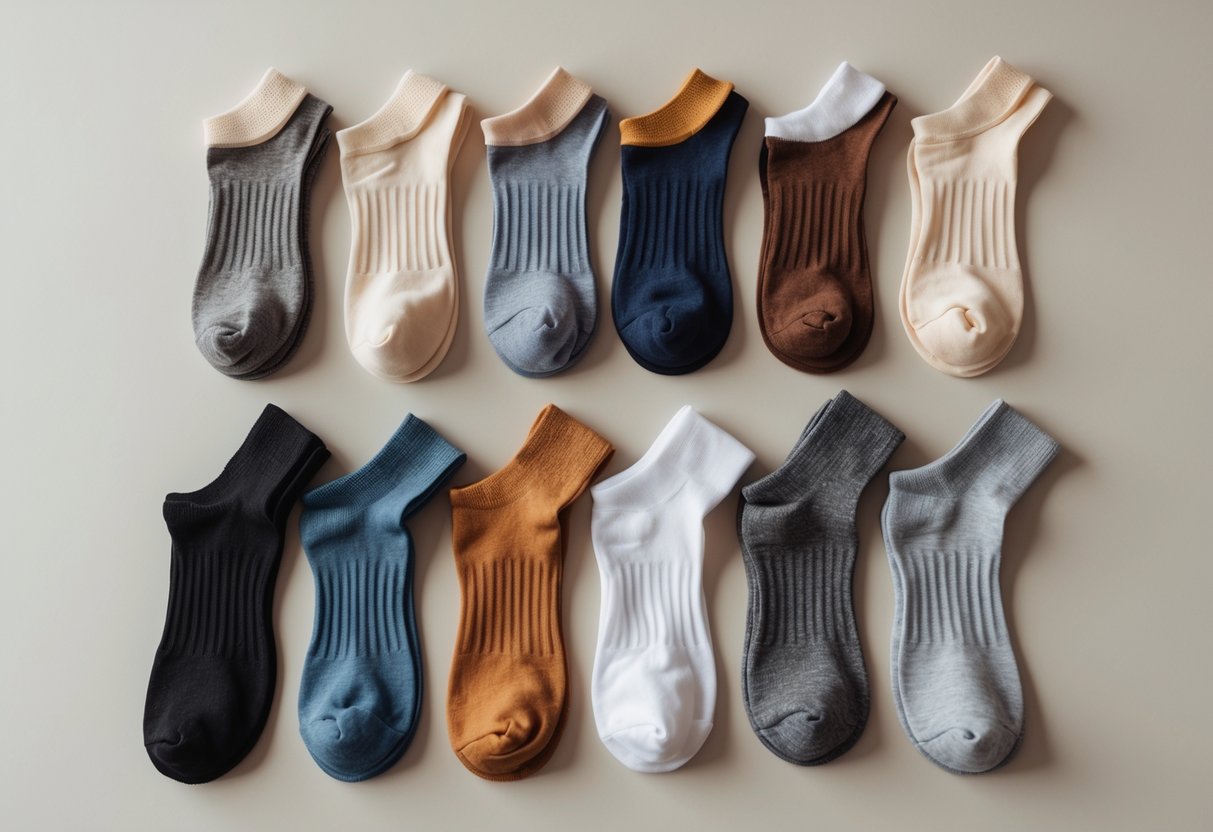
Boot socks are designed to be worn with boots, providing extra comfort and protection. They are usually thicker than regular socks to cushion the feet during long walks or tough activities. This thickness helps prevent blisters and reduces friction inside the boot.
These socks often extend up to mid-calf or higher to offer better coverage and support. Many boot socks include features like reinforced heels and toes for durability. Some also use moisture-wicking materials to keep feet dry and reduce sweat.
Boot socks come in different materials, such as wool, cotton blends, and synthetic fibers. Wool is popular because it provides warmth while still allowing breathability. Synthetic fibers are good at managing moisture and drying quickly.
They are commonly used for hiking, work, or military boots. Their design helps improve foot comfort during heavy use and protects against the elements. Choosing the right boot sock depends on the activity and climate.
14) Yoga Socks
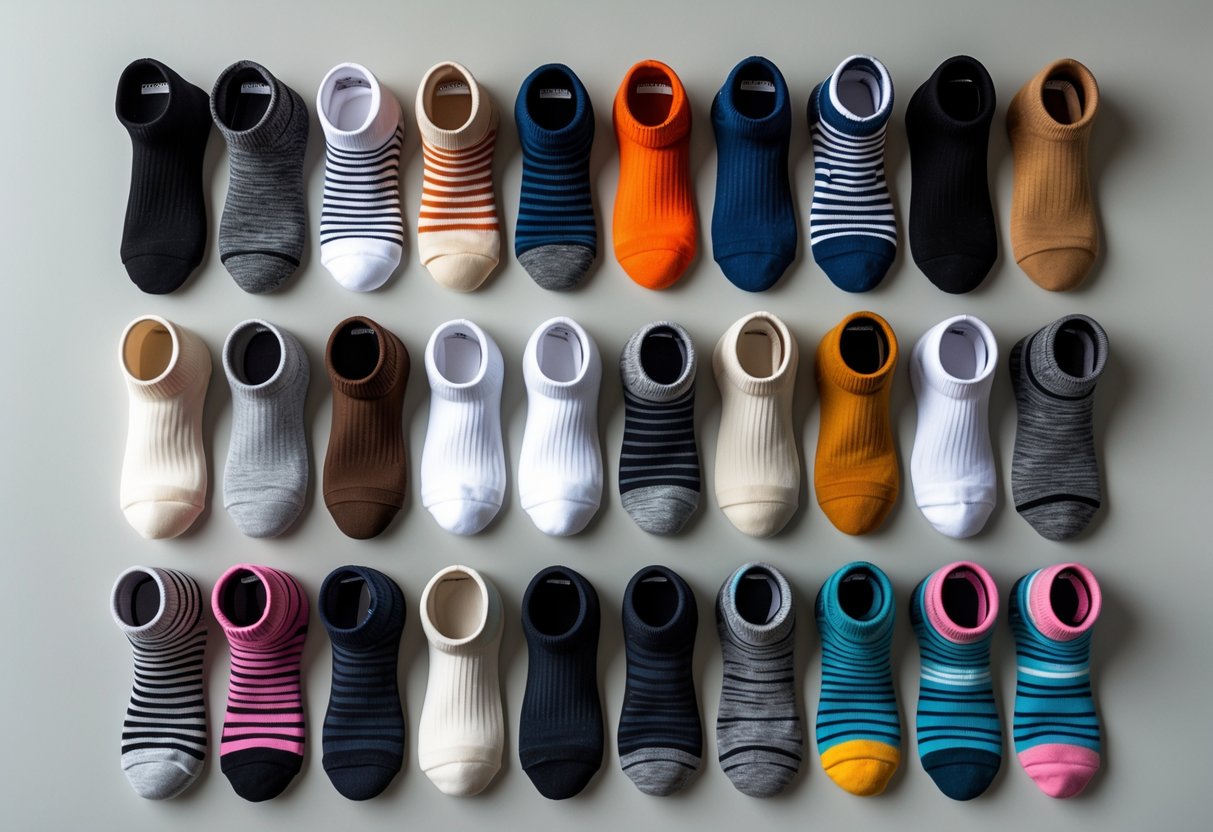
Yoga socks are made to improve grip and comfort during yoga practice. They often have non-slip soles that help prevent slipping on smooth surfaces. This feature helps yogis stay steady in different poses.
These socks provide extra support and help keep feet clean. They come in various materials like cotton or synthetic blends, which can wick away sweat. Some styles have open toes or cutouts to allow better breathability and flexibility.
Yoga socks are useful for people who practice yoga in places where barefoot is not ideal. They can also help those who want some foot coverage without losing contact with the floor.
Overall, yoga socks offer a simple way to enhance safety and hygiene during yoga sessions. They are designed to meet the needs of yogis at all skill levels.
How Sock Heights Influence Comfort and Style
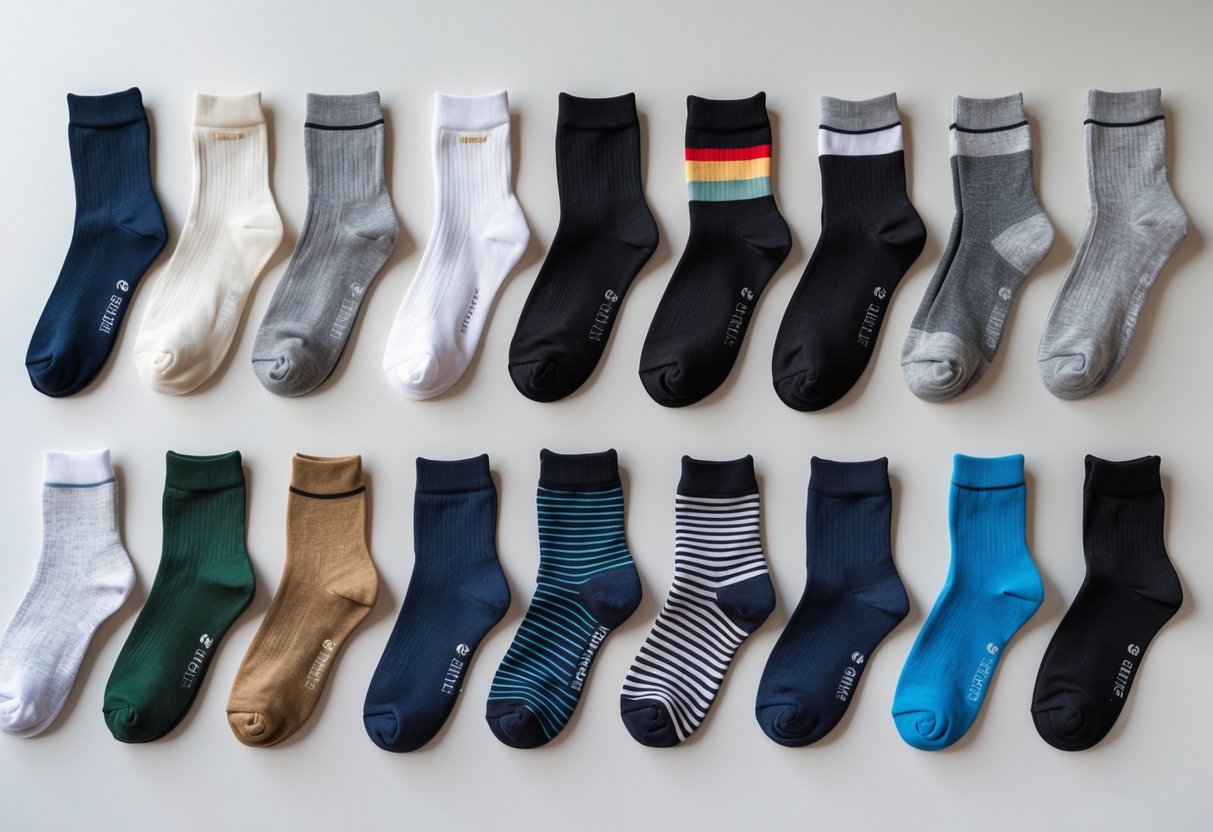
Sock height plays a major role in both comfort and appearance. Different heights suit various activities and outfits. Choosing the right length can improve foot support, prevent blisters, and match specific clothing styles.
Choosing the Right Height for Your Activity
Activity type often determines sock height. For sports like football or rugby, over-the-calf socks offer extra support and protect shins from abrasion. Runners and cyclists typically prefer ankle or crew socks to keep cool and reduce bulk.
Hikers benefit from crew or knee-high socks that protect against irritations from boots and prevent dirt or insects from getting inside. For casual wear, crew socks suit most situations by providing good coverage without overheating.
Choosing the wrong length can cause discomfort. For example, wearing no-show socks during a high-intensity sport may lead to blisters because of less protection.
Fashion Considerations for Different Sock Lengths
Sock length greatly affects the overall look. No-show socks are ideal with low-cut shoes when a clean, sockless appearance is desired. Crew socks are classic, working well with casual and dress shoes, and add a visible layer of style.
For colder weather or fashion statements, knee-high and thigh-high socks offer warmth and a bold look. Designers sometimes use patterned or colorful long socks to elevate outfits.
Color and material also matter. Neutral crew socks blend with most pants, while bold knee socks can stand out under skirts or shorts. Thus, matching sock height with clothing type is key to balancing comfort and style.
Understanding Sock Materials and Their Benefits
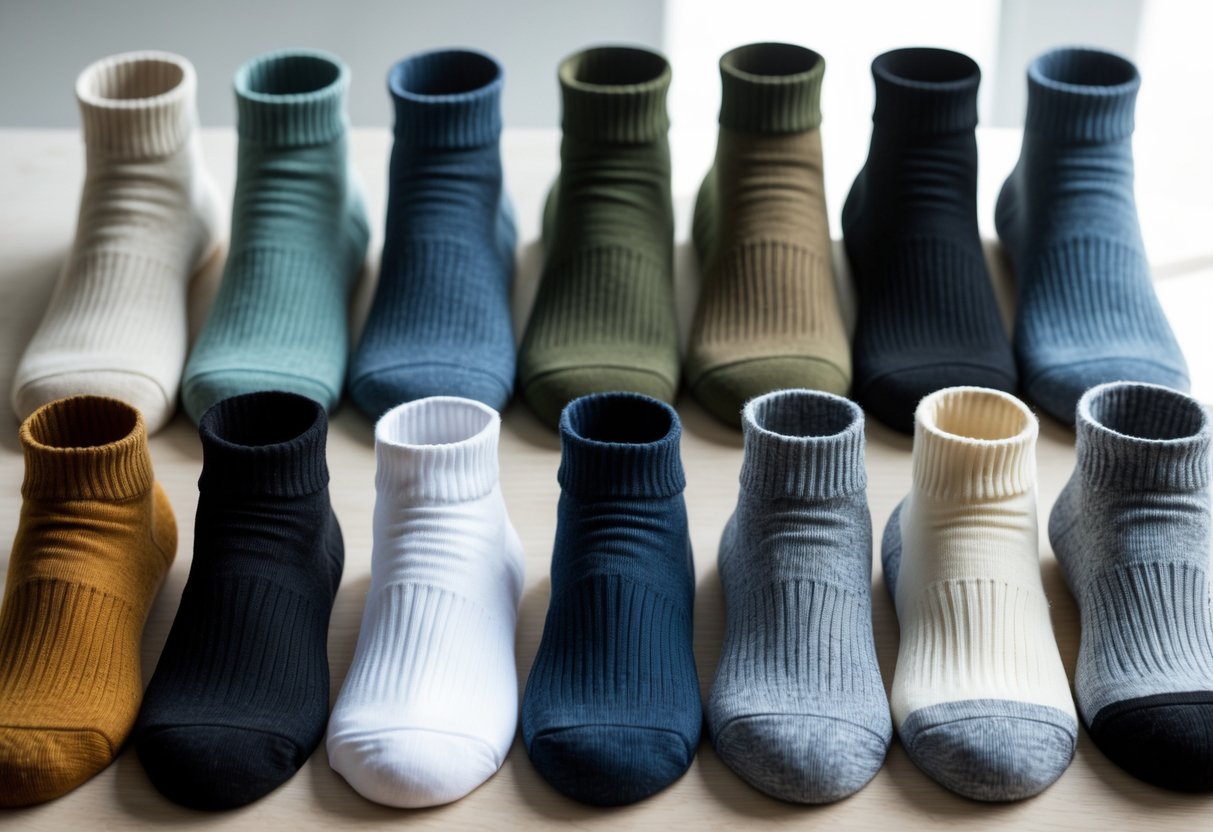
Sock materials impact comfort, fit, and how well they perform during activities. Choosing the right fabric affects breathability, moisture control, and how long socks last. Different fibers also influence warmth and softness.
Natural vs Synthetic Fibers
Natural fibers like cotton, wool, and bamboo come from plants or animals. Cotton is soft and breathable but can hold moisture, making it less ideal for heavy exercise. Wool, especially Merino, offers warmth and regulates temperature well. Bamboo is eco-friendly and resists odors.
Synthetic fibers such as polyester, nylon, and spandex are made from chemicals. They dry quickly and manage moisture better than natural fibers. Synthetics are stretchy and help socks keep their shape. Many socks combine natural and synthetic fibers for balanced comfort and performance.
Breathability and Moisture Management
Breathability helps feet stay dry and reduces sweat buildup. Natural fibers like cotton let air pass through easily but absorb sweat, which can cause dampness.
Synthetic materials excel in moisture management. They pull sweat away from the skin and dry fast. This makes them good for sports and long wear.
Some socks blend fibers to offer both breathability and quick-drying properties. This balance helps prevent blisters and discomfort.
Durability and Longevity
Durability depends on the fiber type and the sock’s construction. Cotton socks are comfortable but wear out faster, especially in high-friction areas.
Wool socks tend to be more resilient but may lose shape if not blended with synthetics. Polyester and nylon strengthen socks, improving resistance to tears and holes.
Socks with added spandex or elastane maintain their fit longer. High-quality blends extend both comfort and lifespan, making socks a better investment.
Frequently Asked Questions
The common Types of Socks range from short styles like no-show and ankle socks to longer options such as crew and mid-calf socks. Materials vary widely, each offering different levels of comfort and durability depending on the needs of the wearer. Names for sock heights often overlap but generally follow clear categories that suit both casual and formal wear.
What are the various sock heights available for women?
Women’s sock heights include no-show socks that sit below the shoe line, ankle socks that rise just above the ankle bone, and low-cut socks which are slightly higher than no-shows. Crew socks reach mid-calf, while mid-calf socks are a bit longer and work well with boots or higher shoes.
Which sock materials offer the best comfort and durability for men?
Cotton blends provide comfort and breathability but may lack durability. Wool is excellent for warmth and long-lasting wear. Synthetic materials like nylon or polyester enhance durability and moisture-wicking, making them popular for athletic or work socks.
Can you list the different names used for sock heights?
Common names include no-show, ankle, low-cut, crew, and mid-calf socks. No-show socks are the shortest, while crew socks usually end around mid-calf. Low-cut is sometimes used interchangeably with ankle, depending on the brand or style.
What sock height is considered fashionable for the current season?
Currently, crew socks are very popular for both casual and athletic wear. Mid-calf socks also remain stylish, especially when paired with boots or layered over leggings. No-show socks are favored in warmer seasons for a minimalist look.
How do the materials used in socks affect their functionality?
Materials like wool regulate temperature and provide cushioning, suitable for cold weather. Cotton is breathable but can retain moisture, leading to discomfort. Synthetic fibers help wick sweat and increase durability, ideal for sports or active use.
What are the names of the most common types of socks for both genders?
The most common types include no-show socks, ankle socks, low-cut socks, crew socks, and mid-calf socks. These types cover a range of functions from casual wear to sports and formal occasions.