How To Source Fabric: The Complete Guide for Clothing Brands
How To Source Fabric for Your Clothing Brand is a crucial step in creating quality clothing. It involves finding the right materials that fit the design, budget, and customer needs. The key to successful fabric sourcing is choosing reliable suppliers who offer high-quality fabrics in the quantities required, delivered on time.
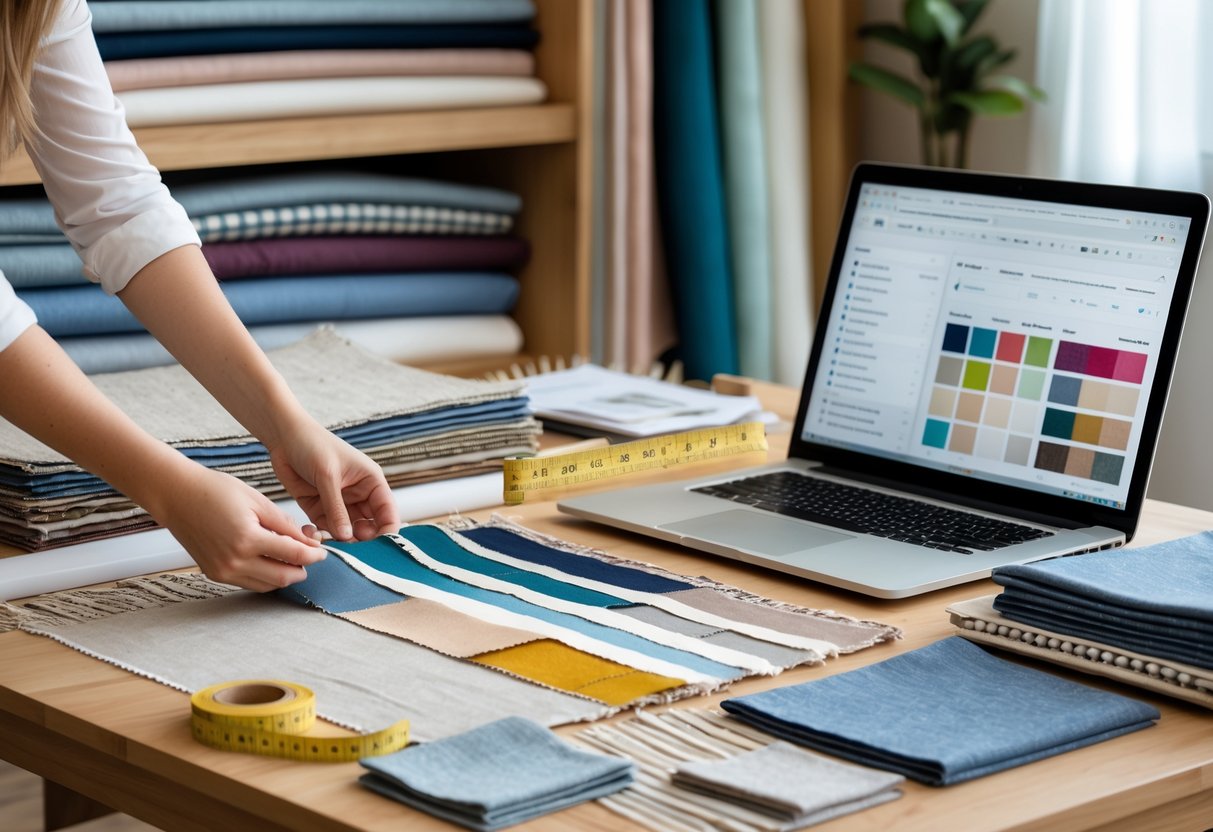
Knowing the types of fabrics and how they are made helps in selecting the best material for each garment. Visiting trade shows, researching online, and ordering fabric samples are effective ways to evaluate options before committing to bulk orders. This ensures the fabric meets both aesthetic and durability standards.
A clear understanding of fabric weight, content, and construction allows for better control over the final product’s look and feel. By following these steps, designers can build a solid supply chain that supports their brand’s growth and customer satisfaction.
Key Takeaways
- Choosing dependable fabric suppliers is essential for consistent quality.
- Understanding fabric types and properties improves material selection.
- Sampling and evaluation help avoid costly mistakes in bulk orders.
Understanding Fabric Sourcing
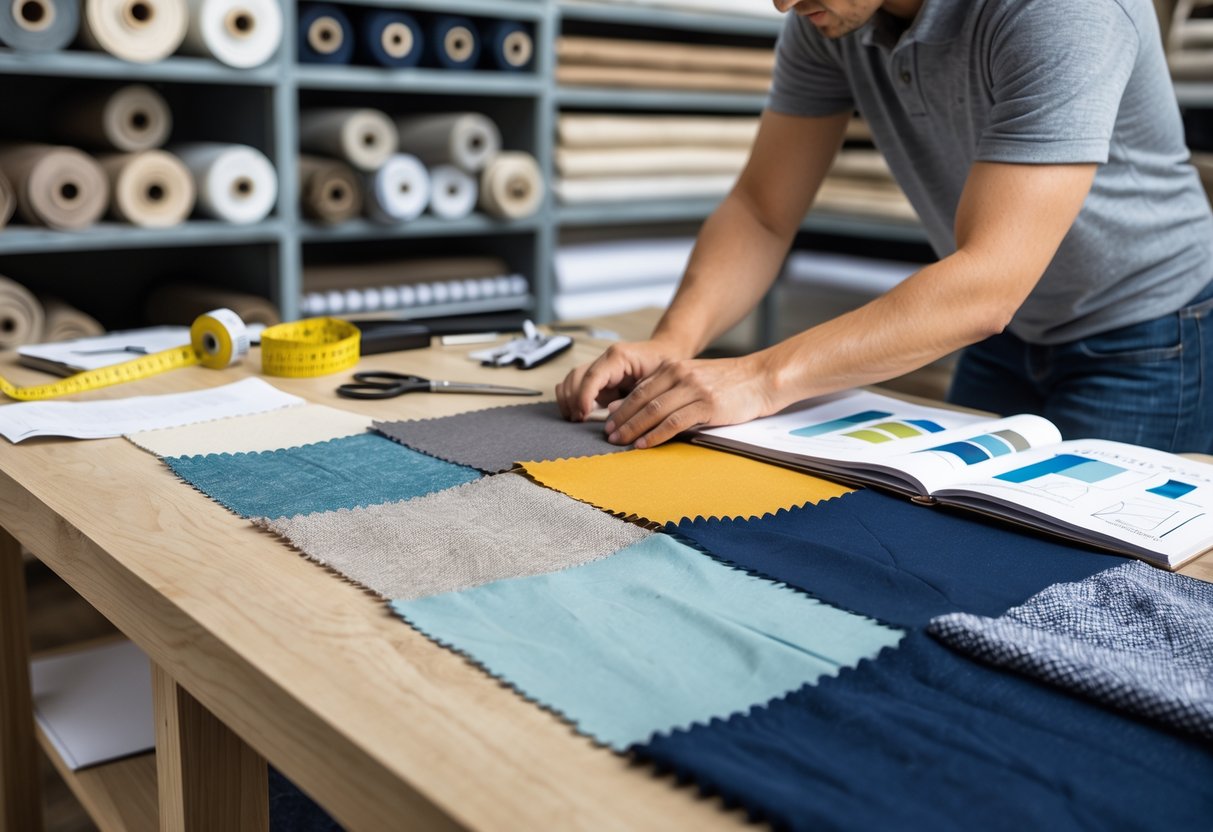
Fabric sourcing involves finding and obtaining the right textiles that meet a brand’s quality, budget, and design needs. It requires careful selection and evaluation of materials, suppliers, and costs to build a dependable supply chain.
This process affects product performance, pricing, and sustainability. Knowing the factors behind fabric sourcing helps brands make smarter decisions and maintain consistent production.
What Is Fabric Sourcing
Fabric sourcing is the method of locating and buying fabrics that match a clothing line’s vision and standards. It includes researching suppliers such as mills, converters, and distributors.
Key activities include ordering fabric samples to test texture, strength, and color accuracy. It also involves checking certifications to verify sustainability and ethical production.
Suppliers are evaluated on minimum order quantities (MOQs), price, delivery time, and compliance with regulations. The aim is to secure materials that fit both creative goals and manufacturing needs.
Importance in the Fashion Industry
Fabric sourcing is critical because it directly impacts garment quality and brand reputation. The right fabric ensures durability, comfort, and customer satisfaction.
Cost control is also a factor. Efficient sourcing reduces waste, lowers expenses, and improves profit margins.
Sustainability plays a growing role as consumers demand eco-friendly clothing. Transparent sourcing helps brands meet environmental and social standards.
Lastly, dependable fabric supply supports timely production, reducing delays and keeping product launches on schedule. This builds trust with buyers and retailers alike.
Identifying Your Fabric Needs

Understanding precise fabric needs is critical for creating quality garments and managing costs effectively. This process includes clarifying product goals, calculating the right amount of material to buy, and aligning choices with sustainability objectives.
Defining Product Requirements
He or she should start by clearly outlining what type of clothing the fabric will be used for. Factors like the garment’s function, style, and target customer are key. For example, activewear requires stretchy, moisture-wicking knits, while formal wear might demand heavier woven fabrics for structure.
Fabric weight and fiber content matter too. Lightweight cotton or blends are ideal for summer tops, while denim suits sturdy pants. Knowing the fabric’s properties, such as durability and care needs, ensures customer satisfaction.
Before sourcing, it’s important to decide if the fabric should be natural, synthetic, or a blend. This affects price, feel, and garment maintenance. The specification also influences minimum order quantities (MOQs), especially if a fabric mill has strict MOQs due to production limits.
Determining Quantities and Budget
Accurately estimating how much fabric is needed prevents delays or overbuying. The designer must consider the number of garments to produce and fabric width, as this affects yardage usage.
Sample yardage is purchased first for prototyping, often with a MOQ of about five yards. For large orders, bulk yardage MOQs can be much higher—sometimes in the hundreds of yards per color or fabric type.
Budget constraints directly influence fabric choice. Understanding the cost per yard and how it fits into the retail price plan is essential. Buying in bulk typically lowers the cost per yard, but initial investments can be high.
Clear communication with suppliers about MOQs and pricing avoids surprises later. Some suppliers allow splits of MOQs across colors, helping keep inventory flexible without committing to huge single-color quantities.
Evaluating Sustainability Goals
If sustainability is a priority, fabric selection should focus on eco-friendly fibers and manufacturing processes. Organic cotton, recycled polyester, or Tencel are popular sustainable options.
He or she should check suppliers for certifications and transparent production practices. Sustainable fabrics might cost more but appeal to environmentally conscious customers.
Choosing suppliers who limit waste, use low-impact dyes, or support fair labor practices adds value to the clothing line. These choices can also affect order minimums and lead times, which should be factored into planning.
Incorporating sustainability into fabric sourcing supports long-term brand reputation and meets growing consumer demand for responsible fashion.
Types of Fabrics and Their Properties
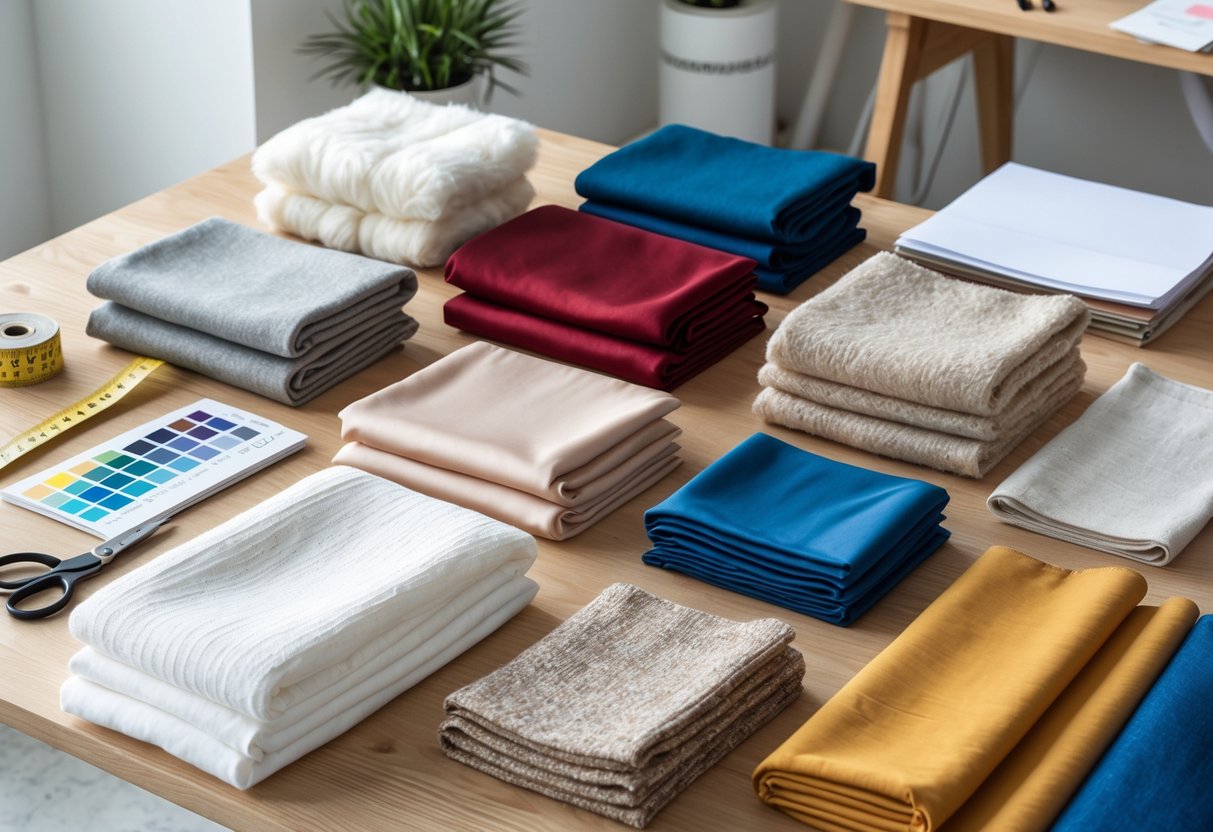
Fabric types differ by their origin, construction, and characteristics. Understanding these details helps in picking materials suited for specific uses, from everyday wear to specialized textiles. This section explains common natural and synthetic fibers, as well as the main fabric construction methods.
Natural Fibers Overview
Natural fibers come from plants or animals. Cotton, including organic cotton, is a popular natural fiber known for its breathability, softness, and absorbency. It is durable but wrinkles easily and has low elasticity. Linen, made from flax fibers, is very breathable and strong, with a textured feel. It absorbs moisture well and gets softer with use but wrinkles quickly.
Animal fibers like silk and wool offer different features. Silk has a smooth texture and natural sheen, with good moisture-wicking, while wool provides excellent insulation and elasticity. Both require careful care to avoid damage. Natural fibers are biodegradable and often preferred for their comfort and environmental benefits.
Synthetic Fibers Overview
Synthetic fibers are man-made, often from petroleum products. Polyester is highly durable, wrinkle-resistant, and quick-drying but lacks breathability. Nylon is strong with excellent elasticity and water resistance, used widely in outdoor gear. Acrylic mimics wool’s warmth but is lighter and less breathable.
Synthetics are valued for durability and easy care but can retain odors and generate static cling. They dry quickly and often resist fading and shrinking. These fibers are commonly used alone or blended with natural fibers to improve performance and durability.
Knit Fabrics vs Woven Fabrics
Fabrics are also defined by how they are made. Woven fabrics use threads crossed at right angles. Common weaves include twill, known for durability and diagonal patterns, and satin, recognized for a smooth, shiny surface. Woven fabrics are strong and hold shape well but have little stretch unless blended with elastic fibers.
Knit fabrics are made by looping yarns together, creating stretch and softness. Jersey is a common knit, comfortable and flexible, often used for t-shirts and activewear. Knit fabrics drape well but may stretch out if not cared for properly. Understanding fabric construction helps select materials with the right balance of strength, stretch, and appearance.
Finding and Evaluating Fabric Suppliers

Finding the right fabric suppliers involves research and careful evaluation of options. It requires comparing different suppliers based on price, quality, and order requirements. Knowing the types of suppliers and what they offer helps brands make informed decisions.
Researching Wholesale Fabric Suppliers
Wholesale fabric suppliers often carry large inventories and offer fabrics at lower prices per yard. They cater to businesses that need bigger quantities but sometimes have minimum order quantities (MOQs) to meet.
When looking for wholesale suppliers, buyers should:
- Request fabric swatches to check quality before purchasing.
- Confirm MOQs to avoid ordering excess inventory.
- Verify delivery timelines to avoid production delays.
- Check if the supplier offers certifications related to sustainability or safety.
Suppliers found through trade shows or online marketplaces like Alibaba or Faire provide a broad selection. However, buyers should vet suppliers by reviewing past customer feedback and requesting proof of certifications or quality tests.
Working with Fabric Mills
Fabric mills produce textiles directly and usually offer full customization on fabric blends, colors, or finishes. They require larger minimum orders, such as one full roll (about 100 meters), and longer lead times due to production schedules.
Mills are best suited for brands with consistent, high-volume needs and specific fabric requirements. Brands working with mills can often negotiate better pricing for bulk orders but must plan well ahead for delivery.
Buyers working with mills should:
- Understand the mill’s production capacity and lead times.
- Ask about fabric durability and testing results.
- Discuss payment terms and quality control checks.
- Ensure traceability of raw materials for compliance and ethical sourcing.
Utilizing Jobbers and Sourcing Agents
Jobbers sell leftover fabrics in smaller quantities, often at lower prices. However, stock varies frequently, and the same fabric may not be reorderable. This option suits brands with small production runs or limited-edition collections.
Sourcing agents act as intermediaries who connect brands with mills or suppliers, negotiate prices, and manage quality inspections. Agents usually charge a commission but can help access fabrics that brands may not find on their own.
Using a sourcing agent can:
- Save time by handling supplier relationships and paperwork.
- Ensure thorough quality control through factory audits.
- Help navigate international shipping and customs.
- Pool orders from multiple brands to meet minimum quantities.
Both jobbers and sourcing agents offer flexible solutions for different sourcing needs but require clear communication about quality expectations and budget limits.
Sourcing Sustainable and Ethical Fabrics
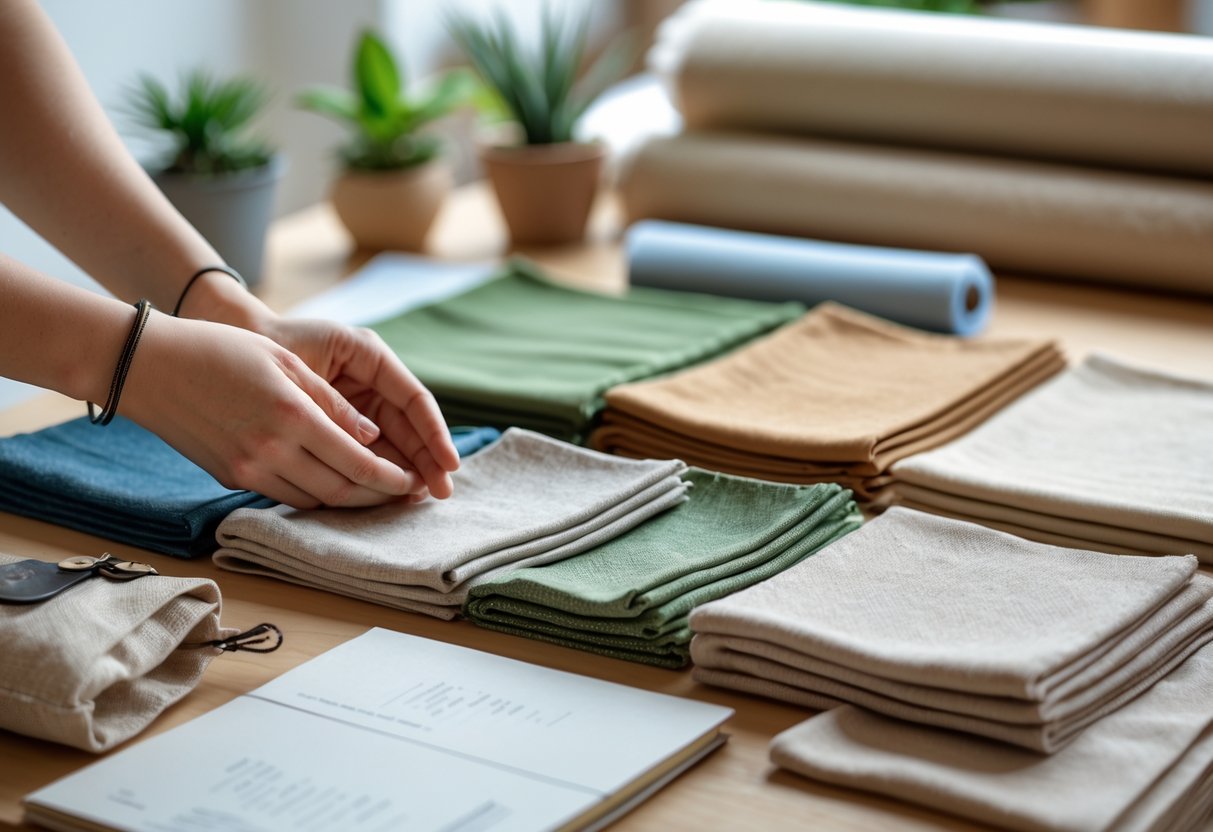
Sourcing fabric responsibly means choosing materials that reduce harm to the environment and support fair treatment of workers. This process involves picking the right types of fabrics and checking for trustworthy certifications that ensure eco-friendly and ethical production.
Identifying Sustainable Material Options
Sustainable fabric sourcing includes options like organic cotton, hemp, bamboo, and recycled polyester. Organic cotton is grown without harmful pesticides or synthetic fertilizers, which helps reduce soil and water pollution. Bamboo grows quickly and needs less water, making it a low-impact choice. Recycled polyester uses plastic waste, helping cut down on landfill and new resource extraction.
Fabric mills that focus on sustainable materials often use processes that reduce water waste and chemical runoff. Choosing these mills supports better environmental practices. It’s important to evaluate the full lifecycle of the fabric to ensure it truly offers lower environmental impact.
Certifications and Eco-Friendly Practices
Certifications provide a clear way to verify sustainable and ethical fabric sourcing. Key certifications include:
- Global Organic Textile Standard (GOTS): Ensures organic status, environmental impact reduction, and safe working conditions.
- OEKO-TEX Standard 100: Tests for harmful substances in fabrics.
- Fair Trade Certified: Promotes fair wages and safe labor for workers.
- Cradle to Cradle Certified: Measures safety for humans and the planet throughout a product’s life.
Working with suppliers who hold these certifications helps brands maintain transparency and trust. These certifications signal fabric mills follow strict environmental and ethical guidelines, which is crucial for long-term sustainability.
Sampling, Quality Control, and Order Management
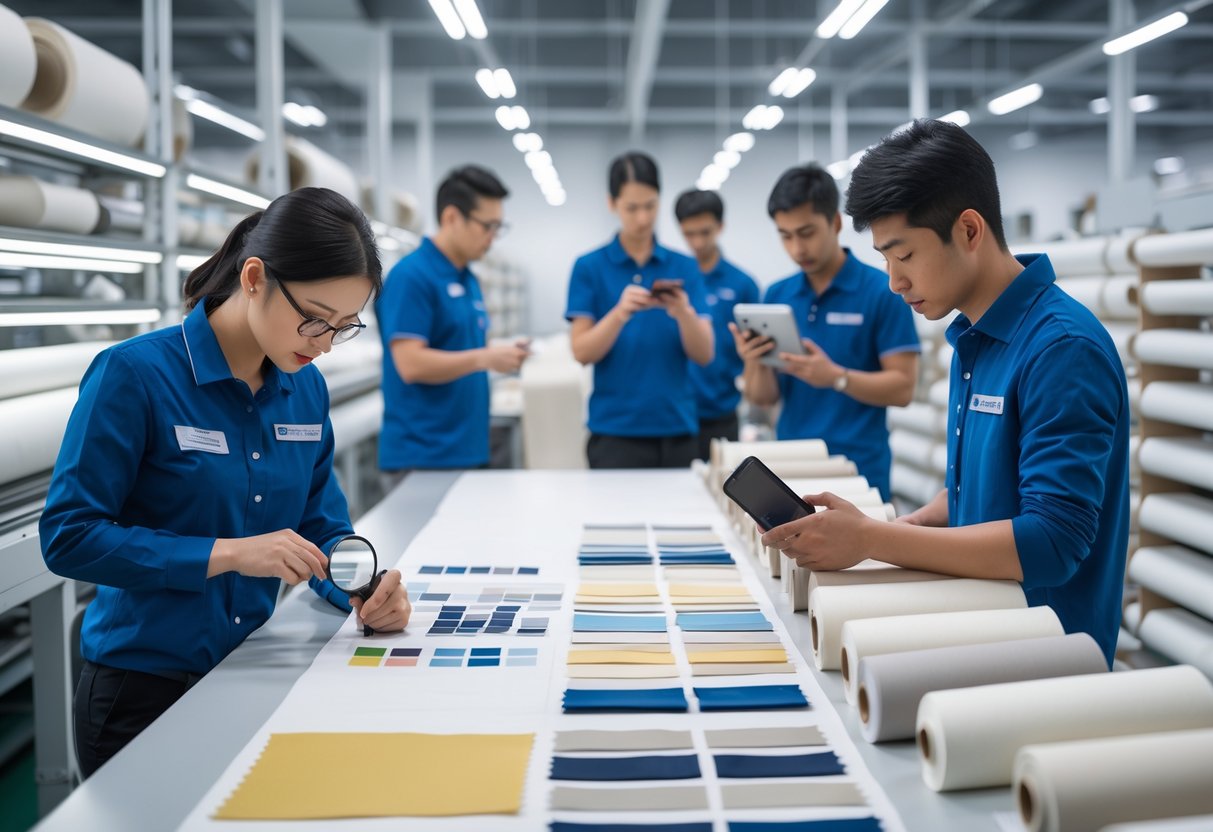
Fabric selection requires careful sampling, thorough quality testing, and organized order handling. Each step impacts the final product’s success, so managing these well saves time and cuts risks.
Requesting Fabric Samples
Before ordering large quantities, it is important to ask suppliers for fabric samples. This helps verify the look, feel, and color match the design needs. Samples also allow checking how the fabric behaves when washed or worn.
When requesting samples, note the supplier’s minimum order quantities (MOQs) for bulk orders to prepare financially. Some suppliers offer low or no-cost samples, but others may charge, especially for custom textiles.
Clear communication about the sample size and fabric specifications reduces mistakes. It is useful to request multiple types or batches to compare quality and consistency.
Testing and Evaluating Fabrics
Testing fabric samples involves checking strength, colorfastness, shrinkage, and texture. This can be done through lab tests or simple home trials like washing and stretching.
Key quality factors include:
- Durability: How the fabric holds up to wear and tear
- Color stability: If the fabric fades or bleeds after washing
- Hand feel: The softness and texture against the skin
- Fabric weight and drape: How it falls or moves, matching design intent
Make sure fabric meets industry standards and any legal compliance related to safety or sustainability. Identifying defects early prevents costly returns or production delays.
Managing Orders and Lead Times
After selecting the fabric, managing the order is crucial. The buyer should confirm order quantity meets the supplier’s MOQ and confirm lead times clearly.
Lead times vary based on fabric type, supplier location, and order size. Delays often happen if clear deadlines and shipment plans are not agreed upon upfront.
Keep track of production stages and request progress updates from the supplier. Proper order management prevents stockouts, reduces rush fees, and ensures timely delivery for production schedules.
Frequently Asked Questions
How To Source Fabric for Your Clothing Brand involves knowing how to select the right materials, find reliable suppliers, and manage costs. It also requires familiarity with key industry events and the qualifications needed for sourcing roles.
What are the best practices for sourcing fabric for a new clothing line?
Starting with clear knowledge of fabric types and construction helps designers choose materials that fit their products. Requesting samples to check quality, weight, and feel before bulk orders is essential.
Building strong relationships with suppliers ensures consistent stock and better communication. Using spec sheets to detail fabric requirements prevents errors.
Which online platforms are preferred by experts for fabric sourcing?
Alibaba is popular for accessing a wide range of global fabrics, including specialty materials like silk and bamboo. Faire offers curated wholesale options with many fabric suppliers listed.
These platforms allow businesses to compare suppliers and prices, request fabric samples, and manage orders efficiently.
How can one find and assess reputable fabric suppliers for quality materials?
Researching suppliers through trade shows and online reviews offers insight into reliability. Asking suppliers for fabric samples helps verify softness, durability, and colorfastness.
Inquiring about quality control processes and certifications can highlight suppliers who maintain consistent quality.
What strategies are recommended for negotiating with fabric mills for better prices?
Understanding the minimum order quantity (MOQ) and delivery lead times allows buyers to negotiate terms. Buying in bulk or across multiple fabric colors often reduces costs.
Transparent communication about budget constraints and timelines helps mills offer realistic pricing.
Can you list the key international trade shows for fabric sourcing?
Key fabric trade shows include The Fabric Shows, focused on smaller orders mainly from US-based suppliers. Texworld is a large event with global exhibitors from places like China and India.
Attending these shows offers direct access to a wide variety of materials and helps build supplier networks.
What qualifications are necessary for fabric sourcing jobs within the fashion industry?
Strong knowledge of textiles, including fabric construction and fiber content, is essential. Experience with supply chain management, negotiation, and vendor relations is often required.
Other important skills include attention to detail and the ability to assess fabric quality through samples or swatches.