10 Types Of Buttons For Clothes Explained Clearly and Concisely
Buttons are a key part of clothing that help hold pieces together and add style. They come in many shapes, sizes, and materials, each serving a specific purpose. Understanding these differences can help people choose the right buttons for various types of garments.
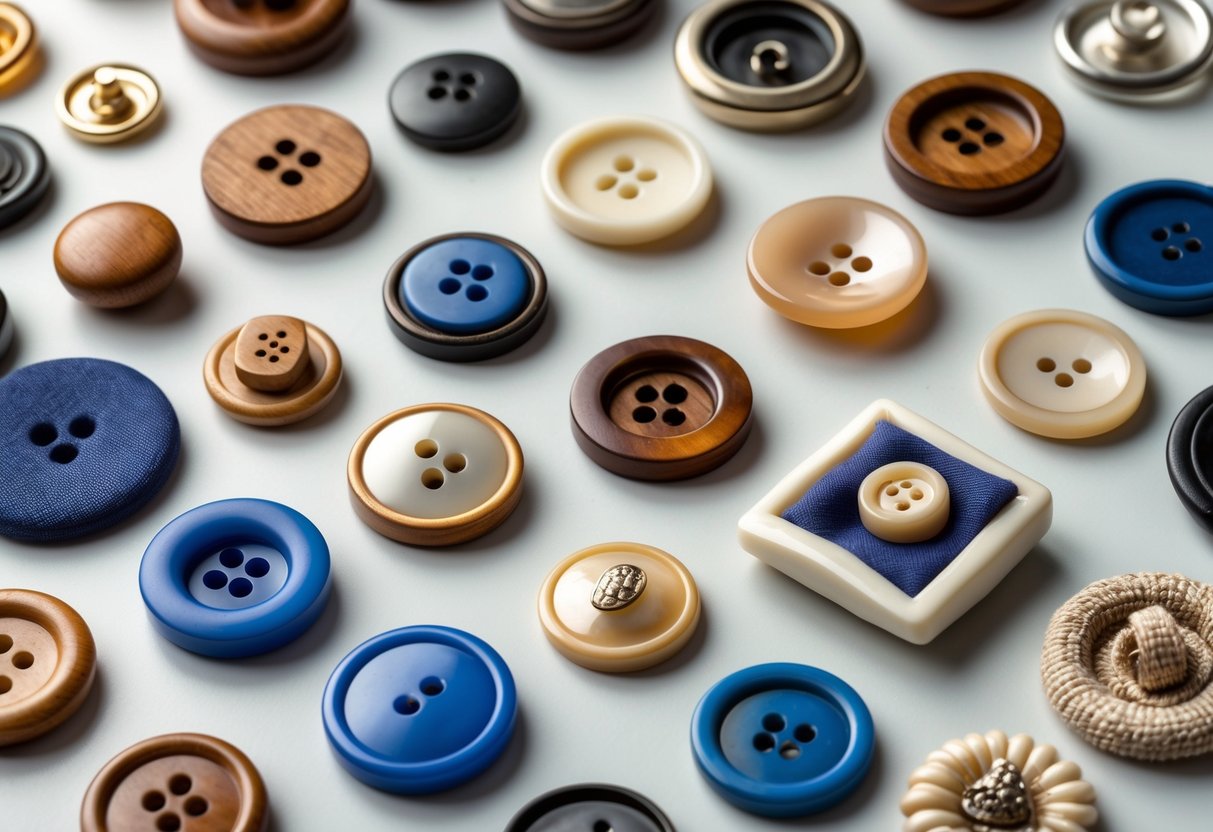
This guide explains the main types of buttons, their uses, and how they affect both function and appearance. Knowing about buttons can improve clothing quality and make sewing or shopping easier.
1) Flat Buttons
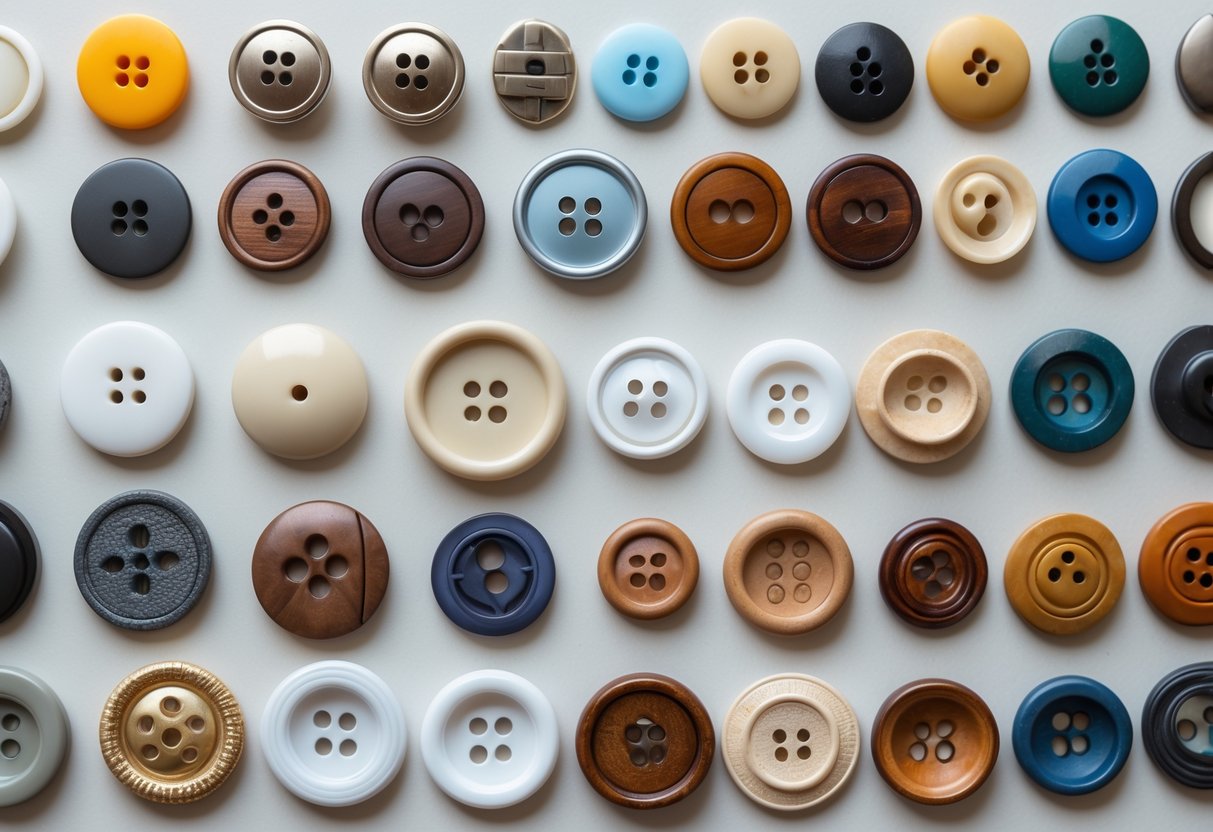
Flat buttons are among the most common types used in clothing. They usually have two or four holes for sewing onto fabric. This design makes them easy to attach and secure.
They come in many materials like plastic, wood, metal, and even pearl. Plastic flat buttons are popular because they are lightweight and affordable. Metal or pearl flat buttons often add a more polished look.
Flat buttons work well on light to medium-weight fabrics, such as shirts, blouses, and dresses. They provide a simple closure but can also add style depending on their finish and color.
Because of their flat shape, these buttons lie smoothly against the fabric. This makes them comfortable to wear and easy to layer under other clothes without catching or bulkiness.
2) Shank Buttons
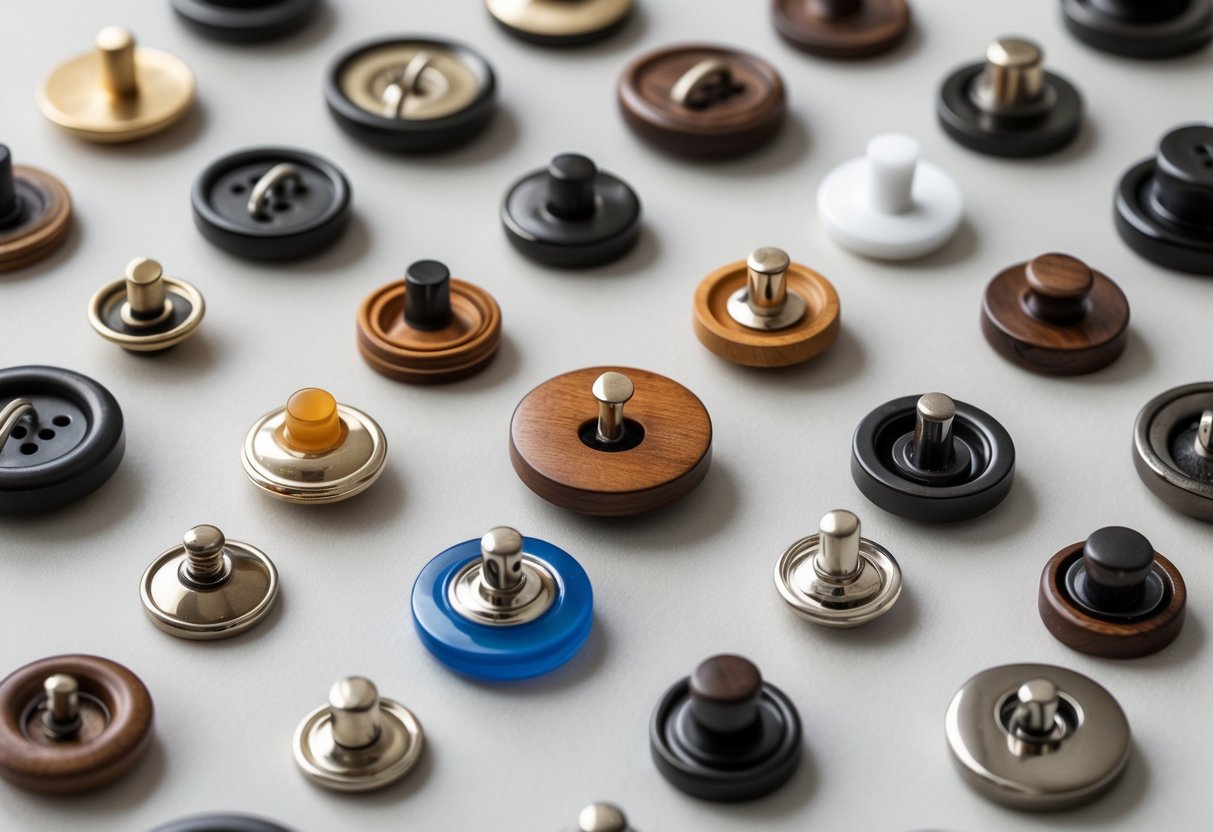
Shank buttons have a small loop, called a shank, on the back. This loop is used to sew the button onto fabric without sewing through the button itself. It creates space between the button and the fabric.
These buttons are often used on heavy or thick fabrics like denim and tweed. The shank helps the button stand off from the fabric, making it easier to fasten.
Shank buttons come in many materials, including metal, plastic, and wood. They also vary in size and shape, making them versatile for different clothing styles.
Because the thread passes through the shank, the button sits above the fabric. This makes it more durable and reduces wear on the fabric around the button.
Shank buttons can be both functional and decorative. They are common on coats, jackets, and other garments that need strong closures.
3) Stud Buttons
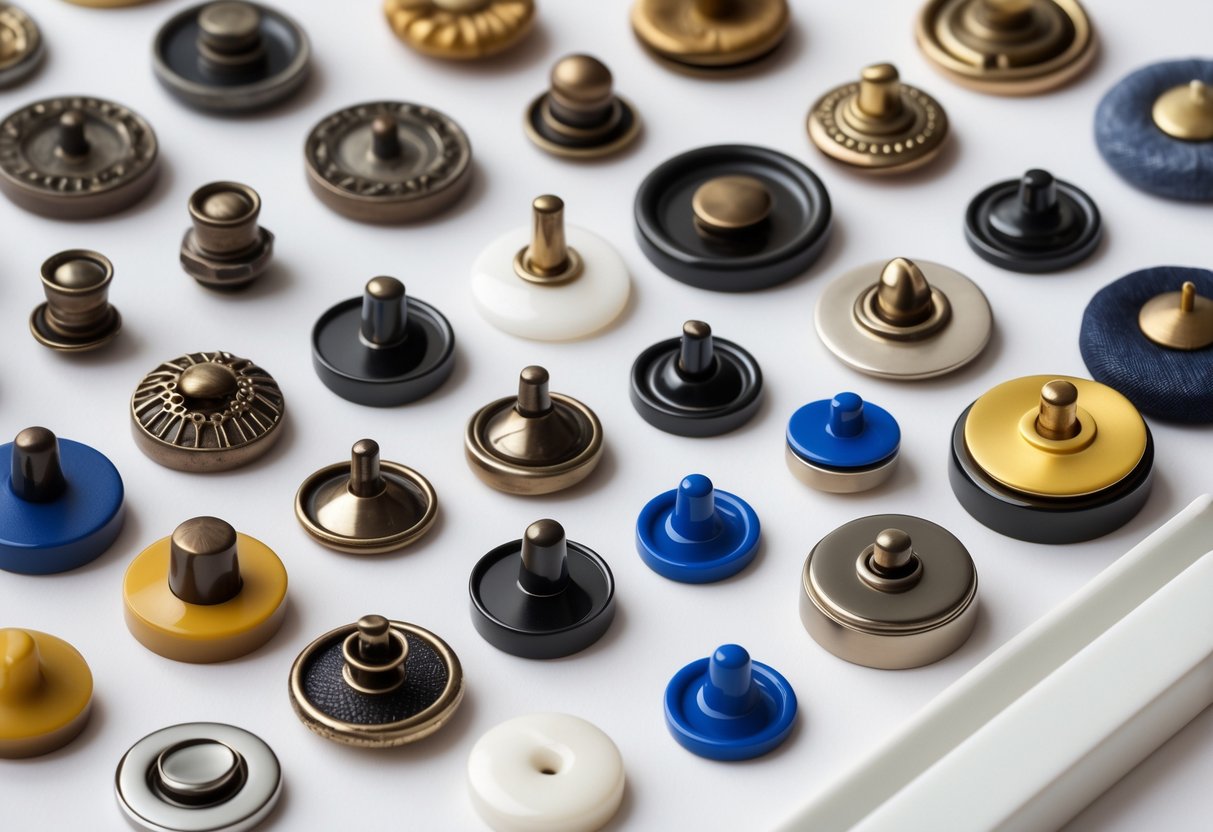
Stud buttons are commonly used in denim clothing, especially jeans. They are also called jean buttons or denim buttons. These buttons do not have holes like regular buttons. Instead, they are fastened by pressing them through the fabric with a special machine.
They provide a strong and secure closure, making them ideal for heavy fabrics like denim. Stud buttons are often embossed or branded. This allows manufacturers to add logos or designs to the button for branding purposes.
Because of their strength, stud buttons are less common in home sewing. They are mostly found in factory-made garments. The attachment process requires specific tools, so they are not easy to replace at home.
Stud buttons help keep heavy clothing secure while adding a rugged style. They are an important choice for jeans and other tough apparel.
4) Toggle Buttons
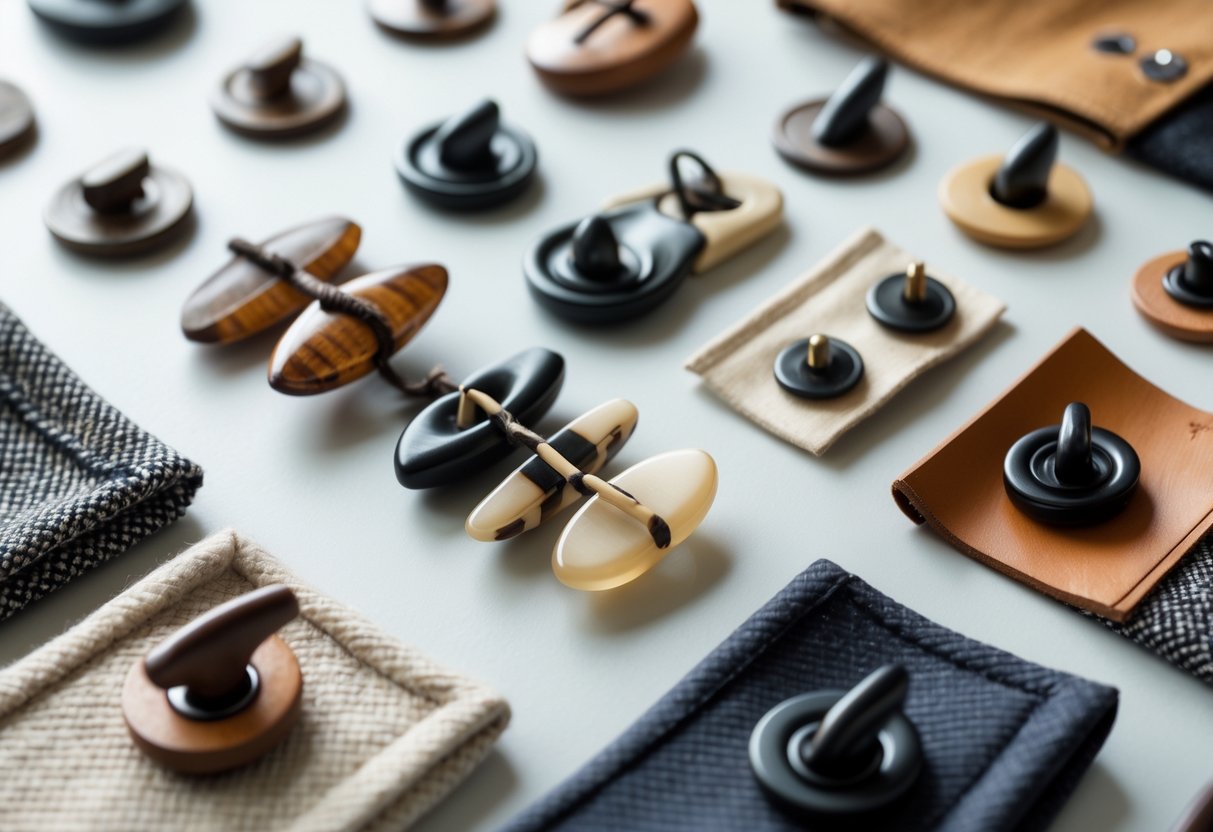
Toggle buttons are a simple type of closure used to fasten two pieces of fabric or materials together. They are often found on coats, sweaters, and other outerwear where a quick and easy fastening method is needed.
These buttons usually consist of a small bar, called the toggle, which passes through a loop or cord. This design makes them easy to open and close by hand, even with gloves on.
Toggle buttons can be made from different materials like wood, plastic, or metal. They also add a unique look to clothing or accessories such as bags and purses.
Because of their size and shape, toggles work well for heavier garments. They are both functional and decorative, often giving a rustic or casual style to the item they are on.
Toggle buttons do not use the traditional buttonholes. Instead, the toggle fits through a loop or cord, making them stand out as a different kind of fastener than flat or shank buttons.
5) Snap Buttons
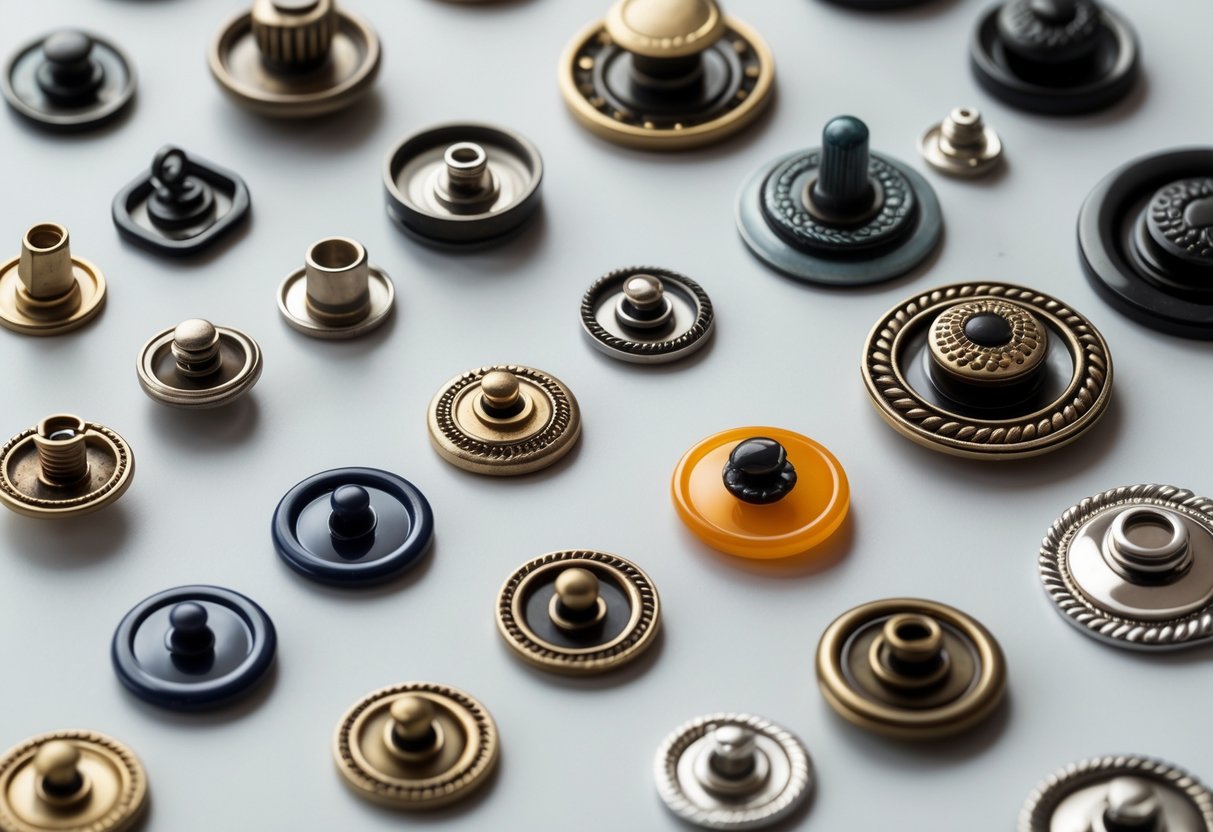
Snap buttons, also called press studs or poppers, are a type of fastener used on clothing and accessories. They consist of two main parts that snap together to hold fabric securely.
These buttons are usually made of metal or plastic. Metal snap buttons are stronger and often used on heavy fabrics like denim. Plastic ones work well with lighter materials.
Snap buttons allow for quick and easy fastening with one hand. This makes them popular on jackets, baby clothes, and bags.
They have four parts: a cap, socket, stud, and post. When pressed together, these parts create a secure closure.
Snap buttons are easy to install, making them a common choice for DIY sewing projects or replacing old buttons on garments.
6) Covered Buttons
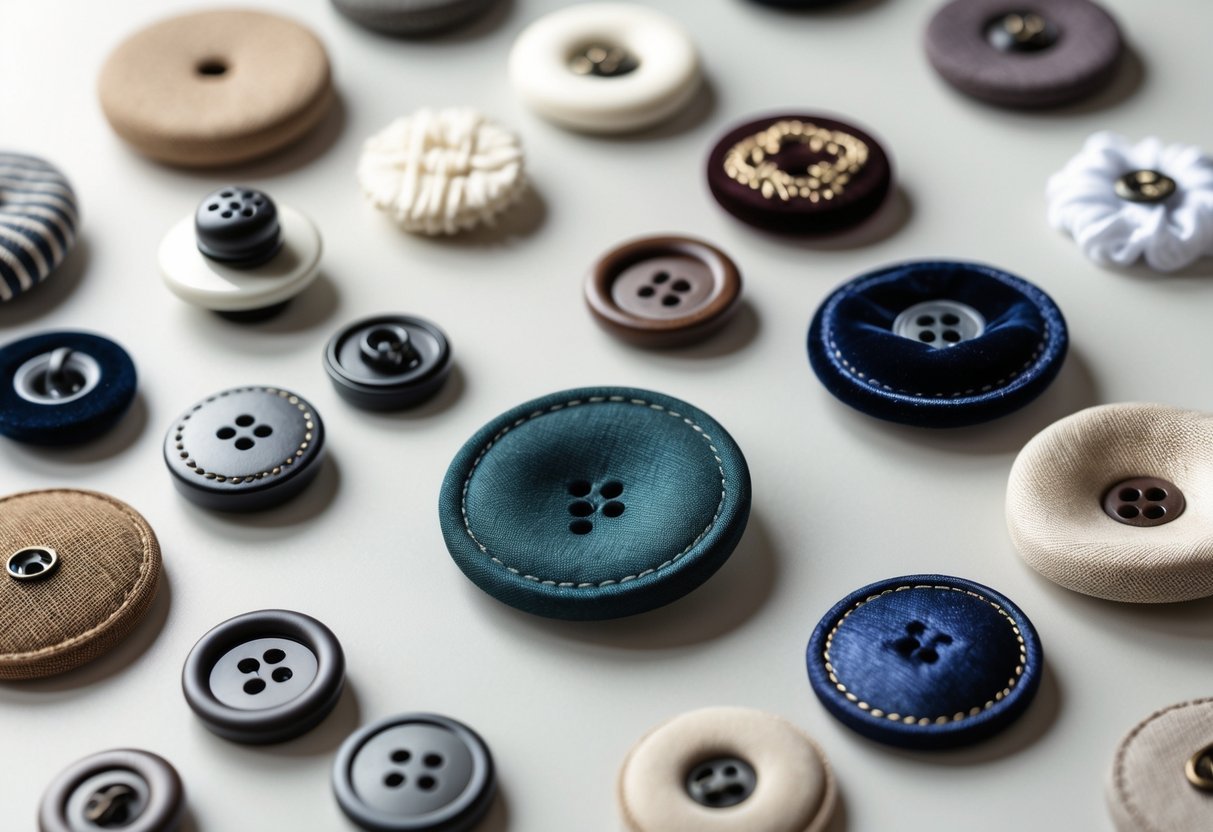
Covered buttons are buttons wrapped in fabric or leather to match or complement the garment. They provide a smooth, uniform look that blends well with the clothing’s material.
These buttons are often used on coats, dresses, and upholstery. They add a decorative touch while keeping the button functional.
The covering fabric is usually stretched tightly over a plastic or metal base. This helps the button keep its shape and stay durable during use.
Covered buttons are popular in formal wear because they create a clean, polished appearance. They can also be made with printed or textured fabrics for a unique style.
Because of their fabric cover, they may require gentle care to avoid damage. Handwashing or delicate machine cycles are recommended to protect both the button and garment.
They are available in many sizes and shapes, depending on the garment’s design. Covered buttons offer a blend of practicality and style in clothing construction.
7) Metal Buttons
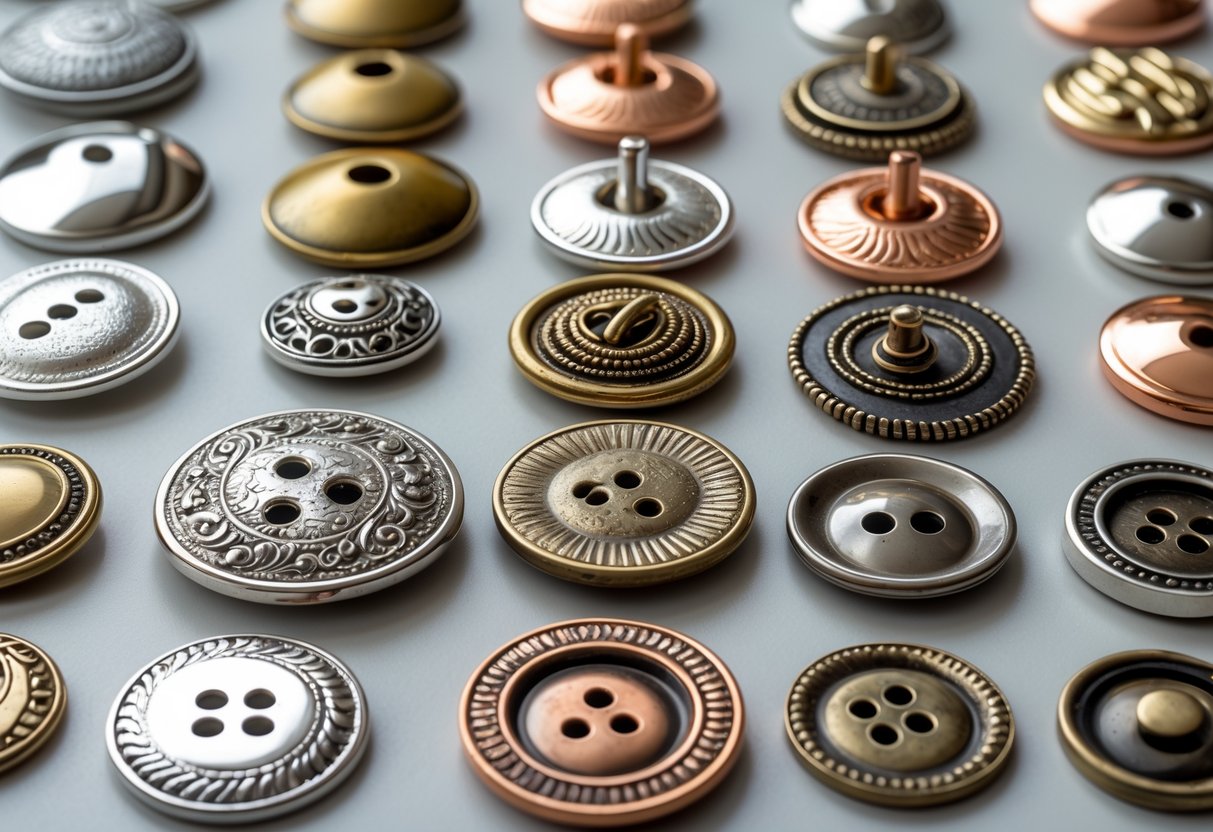
Metal buttons are made from different types of metals like aluminum, brass, copper, iron, stainless steel, and zinc alloy. They are strong and durable, which makes them ideal for heavy use on clothing like jeans, jackets, and workwear.
These buttons serve both functional and decorative roles. Their metal finish adds a rugged or polished look depending on the garment’s style.
Zinc alloy buttons are popular for their quality feel and resistance to wear. Other metals might be chosen for their color, weight, or resistance to rust.
Metal buttons can come in various designs, including flat, domed, or embossed patterns. This variety lets designers pick styles that match or enhance a piece of clothing.
They are often attached using either sewn thread loops or shanks, which create space between the button and fabric for easier fastening.
Metal buttons require little maintenance but should be kept dry to avoid rust or tarnish, especially if made from iron or copper.
8) Wooden Buttons
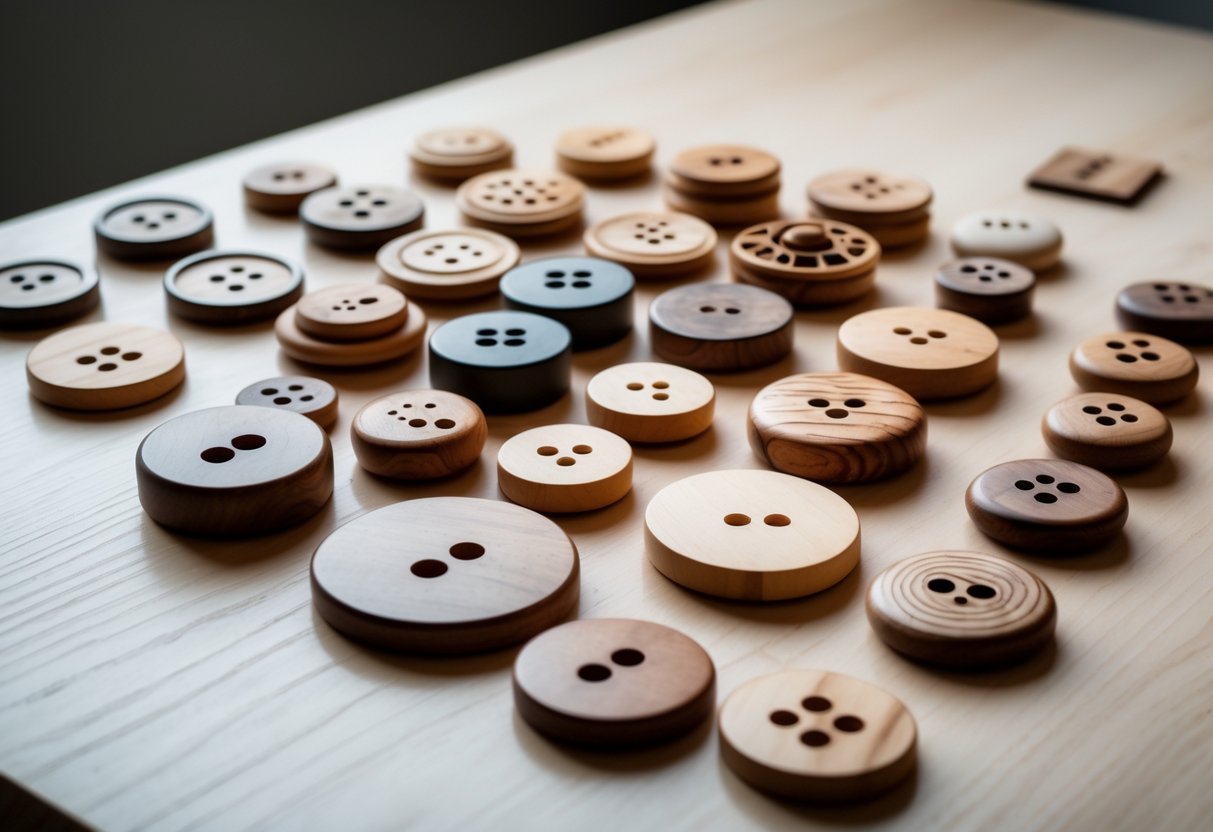
Wooden buttons are made from different types of wood such as maple, oak, cherry, and walnut. They come in various shapes like round, oval, square, and rectangular. This variety allows them to fit many styles of clothing.
These buttons often have a natural, rustic look. They can be left plain, painted, or carved to add detail. Their unique texture gives garments a distinct appearance.
Wooden buttons are durable and lightweight. They are popular for casual wear but can also be used in more formal clothes. They work well on jackets, sweaters, and handmade items.
Because they are made from natural materials, wooden buttons can vary in color and grain. This makes each button slightly different, adding charm to any project. They are a practical and decorative choice for many clothing styles.
9) Ceramic Buttons
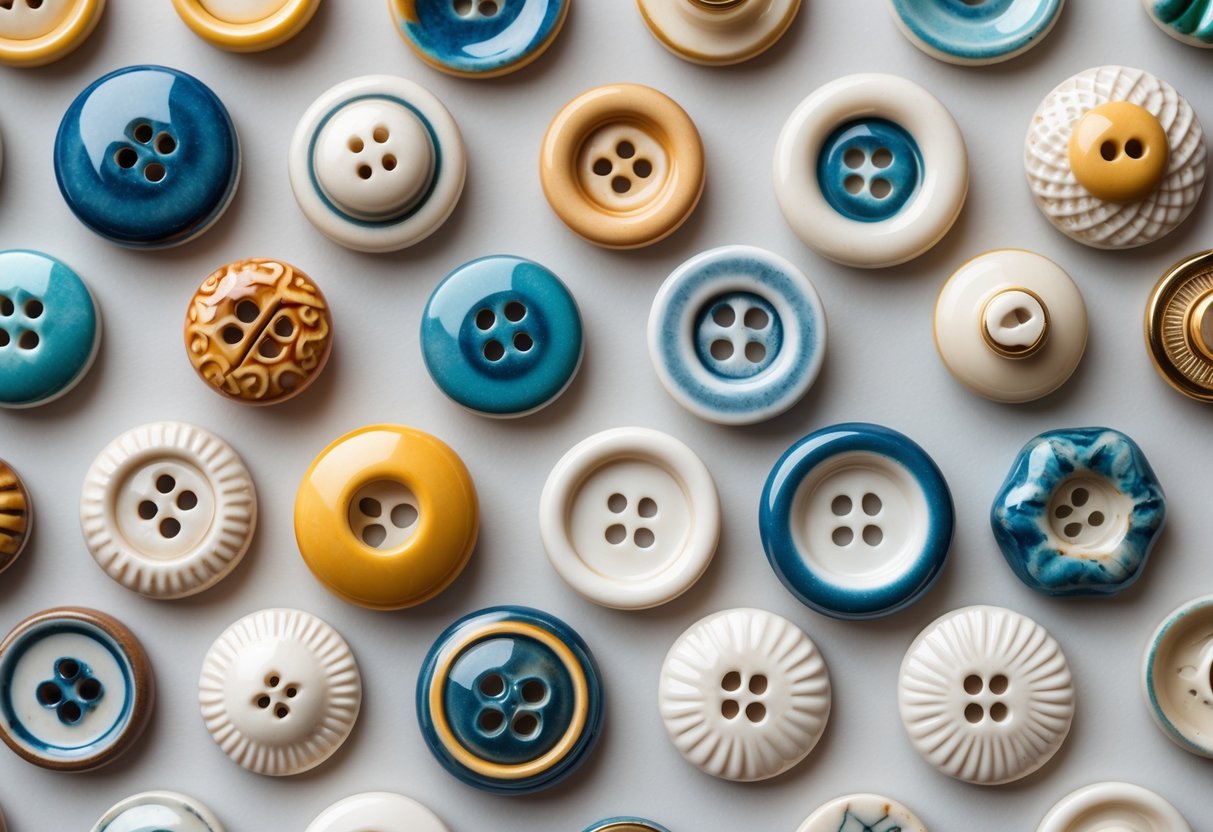
Ceramic buttons are made from clay that is shaped and then fired in a kiln. This process makes them hard and durable. They offer a unique look compared to plastic or metal buttons.
These buttons can come in different colors and designs. Some have smooth finishes, while others feature painted or etched patterns. Their artistic appeal makes them popular in fashion pieces wanting a handmade or vintage style.
Ceramic buttons are heavier than most fabric buttons, so they work best on coats or jackets. They might not be ideal for lightweight garments because of their weight.
They tend to be fragile if dropped or knocked against hard surfaces. However, careful use can keep them lasting a long time.
Their distinct texture and appearance make ceramic buttons a stylish choice in clothing when durability and design matter.
10) Plastic Buttons
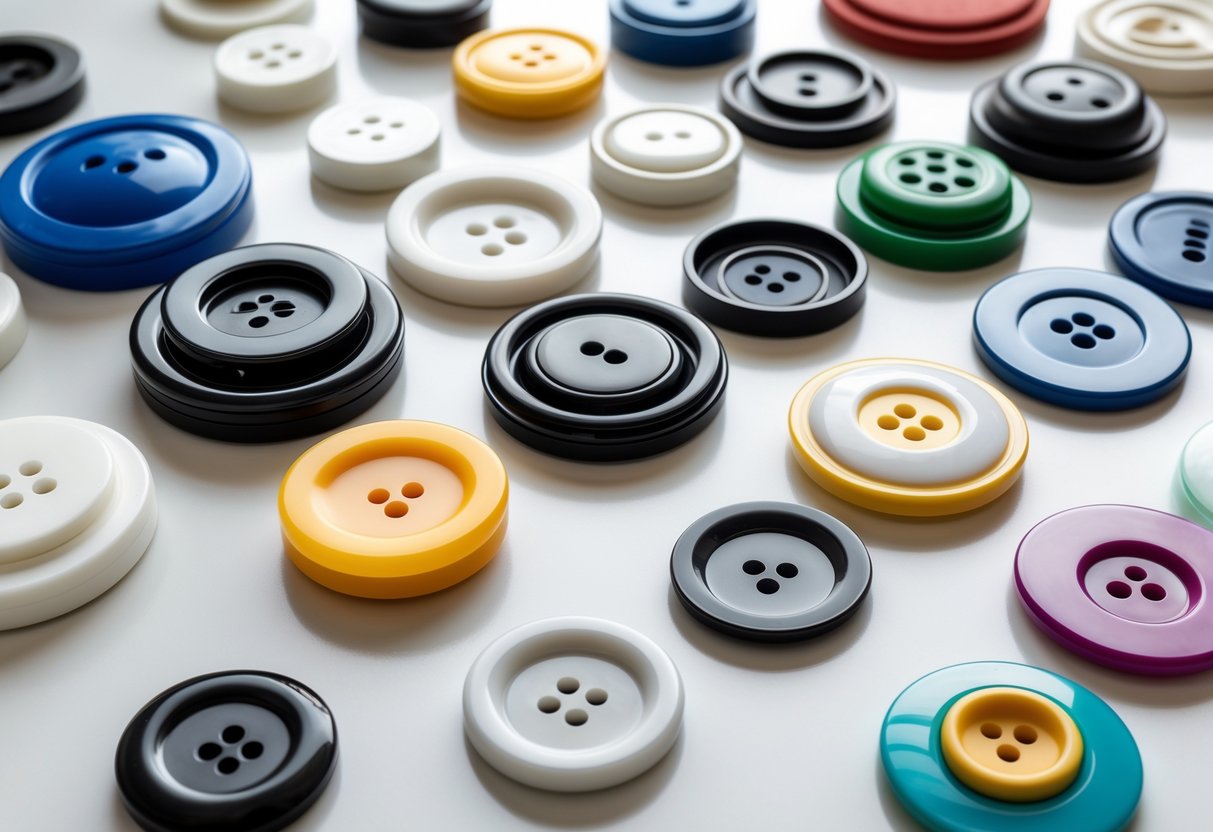
Plastic buttons are one of the most common types used in clothing. They are made from materials like polyamide, acrylic, nylon, resin, and ABS. These materials are strong and can be shaped into many sizes and designs.
They work well on many types of garments, from shirts to jackets. Plastic buttons are often chosen for their durability and resistance to weather. This makes them ideal for coats and outdoor clothing.
Plastic buttons come in different styles, including flat buttons with holes and shank buttons. They are lightweight and often less expensive than buttons made from natural materials.
Because of their versatility, plastic buttons are popular in the fashion industry. They help add both function and style to garments while lasting through repeated use.
How Button Materials Impact Clothing
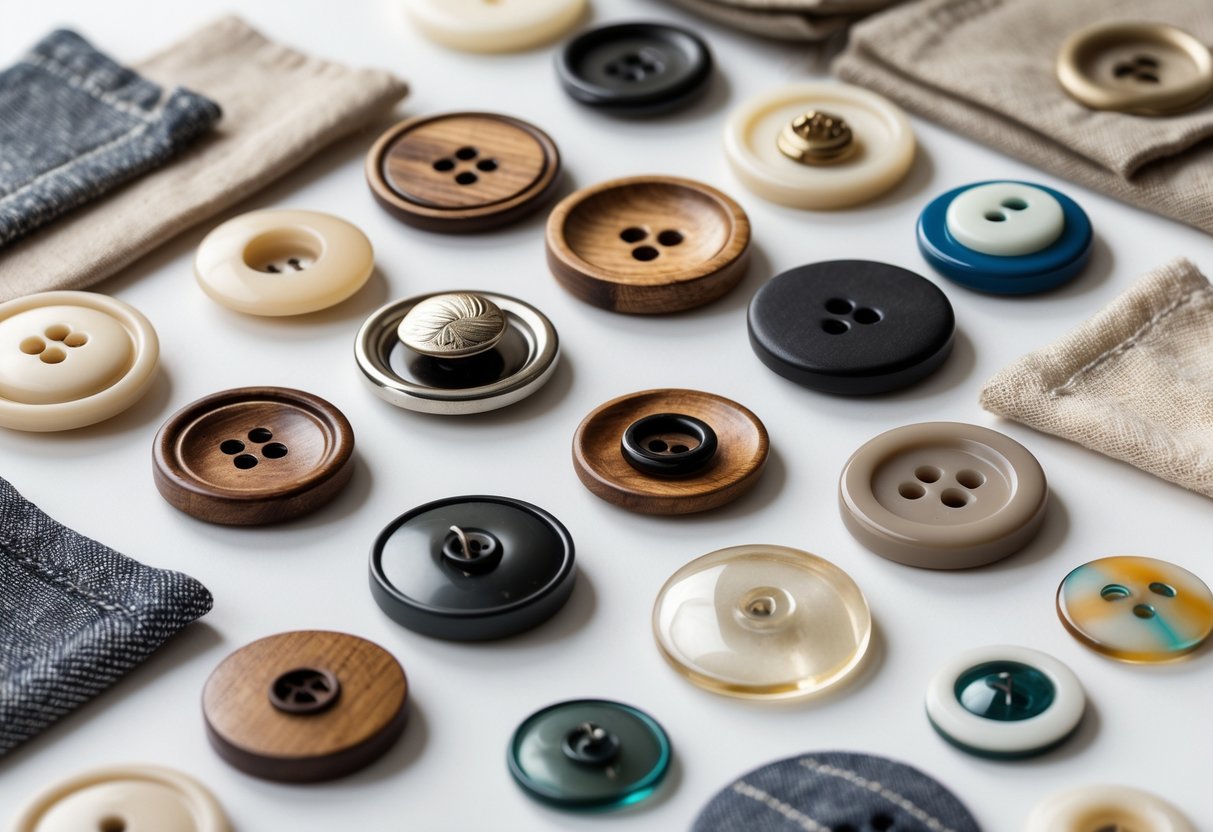
Button materials affect how long the buttons last and how they look on clothing. They also influence the price and care needed for the garment. Picking the right material can improve both function and style.
Comparing Durability and Aesthetics
Some materials, like metal and horn, are very durable and can last years without breaking or wearing out. Metal buttons are strong and often used on heavy clothing like jeans and coats.
Plastic buttons come in many colors and shapes, making them popular for style. However, plastic can crack or fade over time. Wood buttons offer a natural look but can wear down if wet.
A button’s material also changes how it feels and matches the fabric. For example, shiny metal adds a formal touch, while matte wood or horn gives a casual or rustic look. This choice helps define the overall style of the clothing.
Cost and Maintenance Considerations
Metal buttons usually cost more but require less frequent replacement. They may need occasional polishing to prevent rust or dullness. Horn buttons are mid-range in price but need gentle cleaning to avoid cracking.
Plastic buttons are the cheapest but might need replacing sooner. They are easy to wash but can melt or deform in very hot conditions. Wood buttons can be the most delicate and often require hand washing or special care to keep their shape.
Choosing a material depends on how much the wearer is willing to spend and the care they can provide. Durable materials may save money long term despite higher upfront costs.
Selecting the Right Button for Your Garment
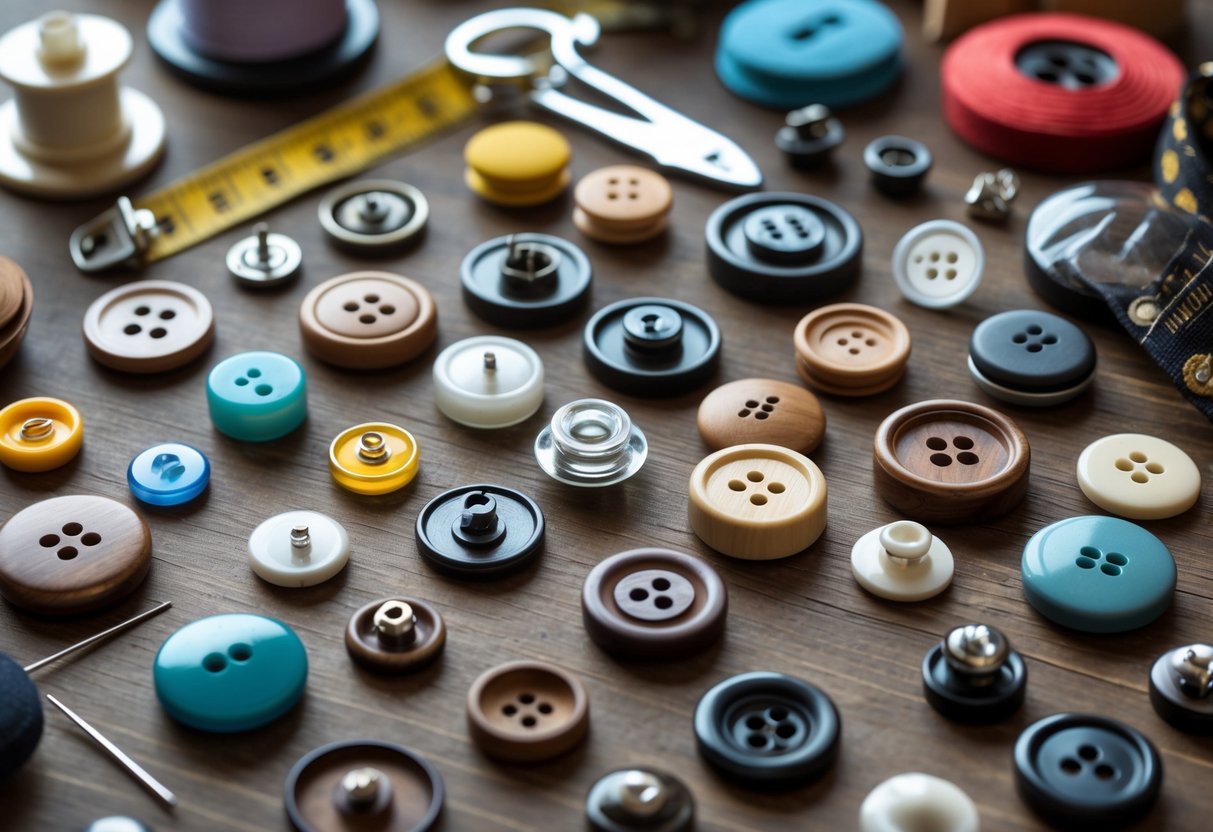
Choosing the proper button affects both the function and look of a garment. The decision involves several key factors like fabric type, button material, and garment use. These details help ensure durability and style fit the garment’s purpose.
Factors to Consider in Button Choice
The fabric is a primary factor when selecting buttons. Lightweight fabrics like silk need smaller, lighter buttons to avoid strain. Heavy fabrics such as wool or denim require larger, sturdier buttons to hold well.
Button material also matters. Plastic buttons work well for everyday clothes because they are durable and inexpensive. Metal or horn buttons add style and strength for coats or jackets. The button’s style should match the garment’s design, whether classic, modern, or casual.
Functionality is important. Buttons on outerwear must withstand cold and moisture, while decorative buttons on dresses focus more on appearance. The attachment method, such as shank or flat, affects ease of use and fabric stress.
Common Mistakes in Button Selection
One common error is choosing buttons that are too large or heavy for the fabric. This can cause the fabric to pull or sag. Conversely, small buttons on thick fabric can come loose quickly or break.
Another mistake is ignoring the button’s attachment type. Flat buttons are sewn directly through holes and work best on stable fabrics. Shank buttons have a small stem that reduces stress on delicate fabrics. Using the wrong type can lead to damage or discomfort.
Design mismatch is also frequent. Buttons that clash with the garment’s style can ruin the overall look. It is important to consider color, texture, and shape to keep the garment cohesive and polished.
Frequently Asked Questions
Buttons come in many styles, materials, and functions. Understanding their differences helps in choosing the right one for each garment and purpose.
What are the most common materials used in luxury clothing buttons?
Luxury clothing often uses buttons made from natural materials like mother-of-pearl, horn, and metal. These materials add a refined look and durability.
Plastic and resin can also appear in luxury buttons but are usually crafted to mimic natural materials closely.
How do you identify different button types by their backing, such as shank or stud?
Shank buttons have a small loop or hollow back that lets thread pass through without visible holes on the front. They work well on thick or delicate fabric.
Stud buttons are fasteners attached by pressure, often used on shirts or accessories. They snap into place rather than sew through fabric.
Which types of buttons are considered most durable for everyday wear?
Flat buttons with four holes and toggle buttons are among the most durable. Their secure stitching and sturdy design tolerate frequent use well.
Metal buttons also provide long-lasting strength and are less prone to breaking or cracking.
What are the distinctive features of press buttons in garments?
Press buttons, also known as snap buttons, consist of two pieces that click together. They are easy to open and close, making them ideal for casual or children’s clothing.
They often replace zippers or traditional buttons when quick fastening is needed.
How can you differentiate between decorative and functional button styles?
Functional buttons prioritize fastening and are usually simple in shape, like flat or toggle buttons.
Decorative buttons may have intricate designs, unusual shapes, or materials, serving more to enhance style than fastening garments.
What are the key considerations when selecting buttons for high-end shirts?
For high-end shirts, buttons should blend style and function. Mother-of-pearl or finely crafted flat buttons are common choices.
The button size and color should complement the fabric without overpowering the design. Stitching strength is also crucial to prevent detachment.